As mentioned above, Leo’s roommate George’s wish was not fulfilled, and the autobiography does not further explain how Leo and Colette’s relationship developed (but we know that Colette later had two remarkable marriages and was a pioneer in the Italian picture book world and a celebrity in Italian culture). What remains is a girl who will forever be vivid in memory and that poetic night bathed in red light. To borrow a line from Xu Zhimo’s poem, Colette became “a cloud in Leo’s sky,” but ultimately, they each went their separate ways…
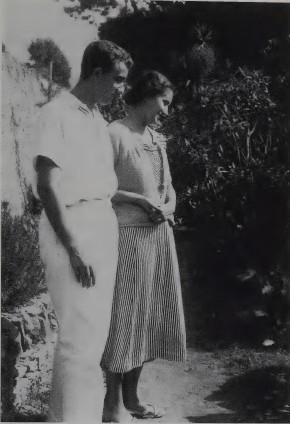
5. Nora: Twists and turns, trials… sealing a lifelong vow of love.
In the spring of 1931, twenty-one-year-old Leo Lionni awoke from the romantic reverie of Zurich and Lausanne. Following that red-lit poetry night in Lausanne, Leo wrote his famous “crisis letter” to his father, deciding to completely abandon his uninteresting, utilitarian studies and return to Genoa. Although Colette in Lausanne brought him a dramatic shift in French poetic style, deep within his soul, the name that had broken his heart yet remained inseparable was Nora Maffi.
In the six months prior, they had endured cruel estrangement and misunderstandings: a fleeting encounter on the streets of Milan, a resolute figure standing beside a luxury car, and a self-imposed exile to Zurich. However, the passage of time and the test of distance did not extinguish Leo’s yearning for Nora’s “primal vitality.”
During the Easter holidays of 1931, Leo, filled with trepidation, boarded the slow train at 4:15 and arrived at the seaside town of Cavi. As he stepped onto the platform and heard the stationmaster shout, “The whole Maffei family is here,” his steps quickened, and his heart pounded.
In the Maffi family’s pink seaside villa, Papa Maffi, who had been imprisoned for a long time for his anti-fascist stance, was being held under house arrest after his release. The whole family was immersed in the joy of their long-awaited reunion. Just as the merriment was in full swing, familiar footsteps came from the stairs. Nora, head down, slowly descended the steps.
There was no dramatic explanation, no tears, no blame. As Nora passed by Leo, she glanced at him quickly and furtively, and whispered an extremely soft word:
““Hello(Ciao)。”
In his autobiography, Leo recalled that a shiver ran down his spine at that moment, and he realized how thoroughly he understood her. That simple “Ciao” instantly soothed all the previous heartbreak and suspicion, melting all the unfulfilled longing into the warm breeze of the Ligurian coast.
That evening, the group of young people drove to the Savoy Hotel in Santa Margherita for a ball. The ballroom was brightly lit and the atmosphere was lively. Nora sat at another table with her back to Leo, radiant.
Suddenly, the band in the corner started playing the popular jazz song that swept America in that era, “…“You Are My Lucky Star(You Are My Lucky Star) – This piece comes from Leo Kitt’s memories, because it wasn’t actually going to be released for another four years…
The moment the melody began, Leo felt as if his will and thoughts had been instantly emptied. He walked straight to Nora and whispered almost inaudibly, “Let’s dance.”“
Nora rose from her chair and walked towards him. Leo put his arm around her waist, and the two glided onto the dance floor. They were natural-born dance partners, spinning around the floor in silence. Leo brought his lips close to Nora’s ear and whispered in a voice barely audible to either of them:
““will you marry me?””(“Will you marry me?”)
Nora straightened up, looking directly into Leo’s eyes with clear eyes. Without the slightest hesitation, she gave her answer with the same straightforwardness and purity:
““I do.””(“Yes.”)
Then, Nora gently rested her head on Leo’s shoulder. They danced in silence until the music ended. In that moment, immersed in the tranquility after their emotions had been exhausted, they sank into the cushions of the white wicker armchair, feeling absurdly yet blissfully isolated from the world.
December 23, 1931Twenty-one-year-old Leo and nineteen-year-old Nora officially registered their marriage in Lavagna, presided over by the mayor. As Nora later often joked, their combined age at the time was exactly forty.
After enjoying a delicious bowl of ravioli prepared by Annetta, the head chef at the Mafia restaurant, a shower of rice, a symbol of good fortune, fell at the Cavi train station as the newlyweds boarded the Rome Express to Florence for their honeymoon. Dressed in brand-new clothes, they looked like two mannequins who had just escaped a department store window, stepping into their unknown married life with great anticipation. Even during their honeymoon, they enthusiastically took a ride in an old Lancia to Viterbo prison to visit their cousin Bruno, who was imprisoned by the fascists, spending an unforgettable half-hour visit filled with laughter and joy.
Married life was far from smooth sailing. To fulfill his promise to his father-in-law to “find a proper job,” Leo took a job as an assistant cashier at Foltzer Oil Company. Every day, he operated the humming addition machine that resembled a coffee grinder, but behind the enormous ledgers, he secretly wrote surreal movie scripts on the back of old checks in extremely tiny handwriting.
Their first child, Mannie, was born in November. Upon hearing the nurse say, “The father can come up now,” Leo instinctively took a step back, wanting his own father to go first. The new identity of fatherhood, it turned out, required a gradual learning process. After the child’s birth, the family felt insecure about their living situation, income, and his parents’ relocation plans. He later quit his job at Fuldz and decided to dedicate himself fully to painting again, but life continued to push him towards new choices.
After that, they lived in Milan, migrated across the Atlantic to America before the war, and traveled back and forth between Europe and America. The promise they made in their youth slowly transformed into more than sixty-five years of living together.

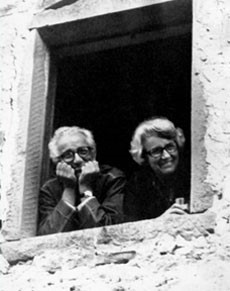
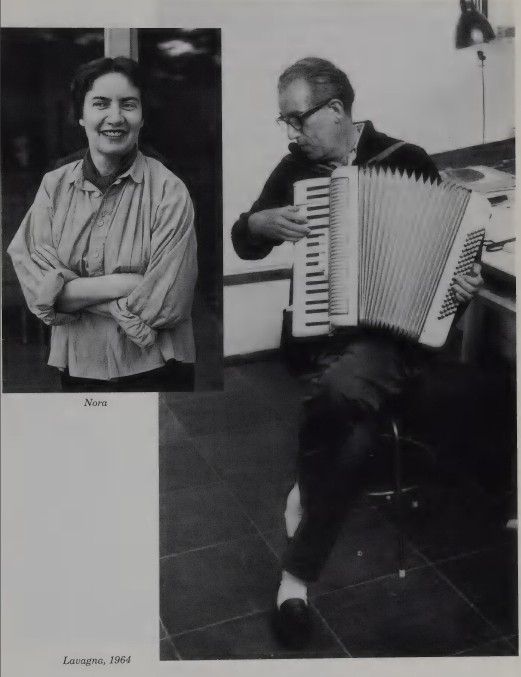
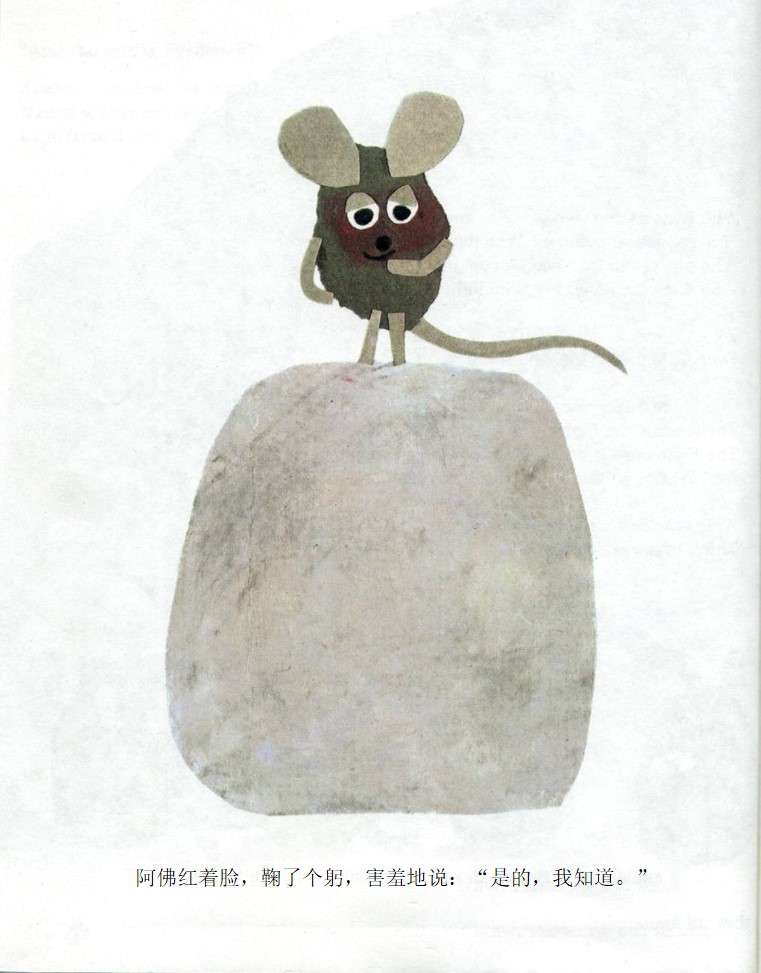
[Epilogue] A Miraculous Reunion with Lily—The End of Memories and the Closure of Life
On a cool evening in 1990, at their home in Porcignano, Tuscany, Italy, the 80-year-old Leo Lionni and his wife Nora were entertaining some close friends. After enjoying Nora’s acclaimed curry cream and dried fruit dessert, everyone moved to the living room to relax. Leo, holding a glass of grappa, sat down next to his friend Hansa Fisher and began to recount his first summer romance at the age of thirteen, as if telling a fairytale:
“Oh, Hansa, have I told you about my first love? She was Czech, just turned twelve, and I was thirteen…”
When Leo, with a heavy accent, read out the address that had been etched into his mind for sixty-seven years, that had countless times become a symbol of suffering in the nightmares of the Holocaust—Jirassek Platz 1, Moravska Ostrava(At Ilasek Square, Ostrava, Moravia) Hansa suddenly stood up:
““No way! That’s my hometown! I know that house!””
Two days later, Hansa called with an incredible miracle: Lily had not only survived the Holocaust, but had also moved to New York with her husband two years earlier and was running a picture framing business on West 90th Street!
Two weeks later, Leo and Nora returned to New York as usual. With a pounding heart, eighty-year-old Leo dialed that number. However, when he cautiously probed and gave his name, there was a long silence on the other end, followed by a painful, muffled whisper:
““I don’t remember.””
After hanging up the phone, Leo buried his head in his crossed arms and cried like a child, filled with deep disappointment. At that moment, it felt as if the ground of history had collapsed beneath his feet, and he felt as if his memories had been ruthlessly abandoned, leaving him utterly alone and stranded on a strange, deserted island.
However, four days later, the phone rang again. A clear, cheerful, and surprisingly young voice came from the other end—Lily was talking to her sister in California, who clearly remembered that vacation in Marienbad and the Dutch boy who always pulled Lily to dance.
They agreed to meet at Les Pleiades, a French restaurant on 71st Street in New York.
When eighty-year-old Leo entered the dimly lit restaurant, he saw the old woman at a corner table—a woman with slender bones, a freckled face, and dark red hair. They stood up, embraced, and sat down silently, searching for fragments of the distant past in each other’s eyes.
Nearly seventy years of laughter and fear have rolled by, those long years when fate swept them into one of the most chaotic whirlpools in the history of civilization, gradually healing through recounting and tears. Leo experienced an almost uncontrollable surge of emotion, like being “deeply in love.” However, at the peak of this emotional turmoil, reason and time brought a profound epiphany:
“I felt an intense awareness that I could no longer bear. It was very much like falling deeply in love without thinking. However, I realized that the woman sitting across the table, leaning towards me so as not to miss a single word, was a complete stranger.”
At three o’clock in the afternoon, Leo called a taxi for Lily. They embraced tightly in a long, silent hug. Leo walked home in a daze, knowing clearly in his heart: this reunion spanning nearly seventy years had come to an end; he would never see Lily again…
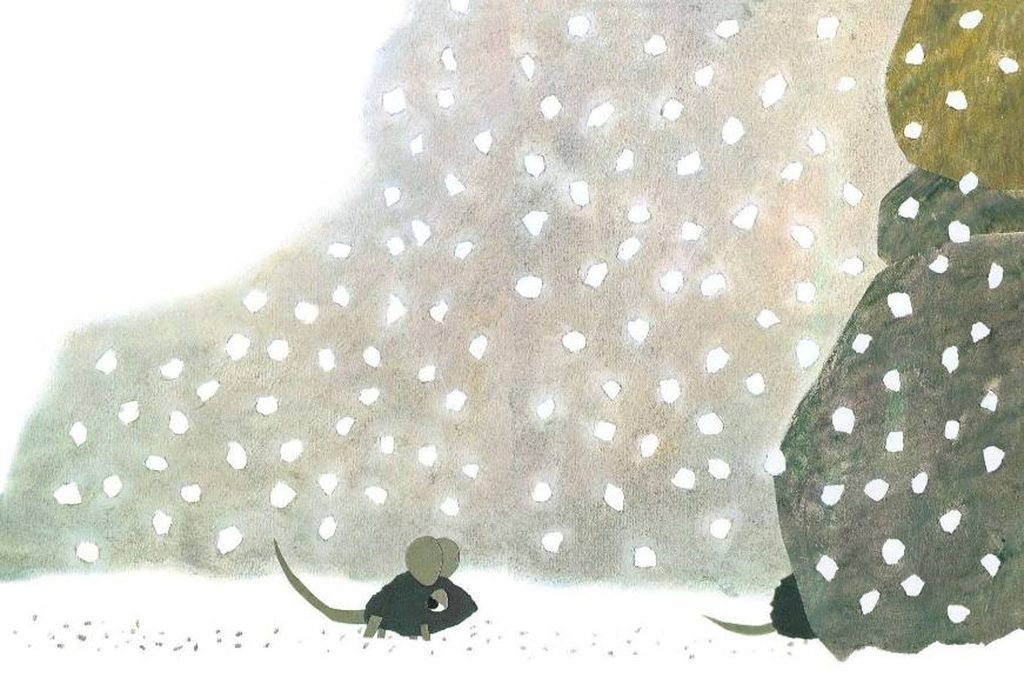
Leo’s long life was a constant journey between Europe and America, between art and commerce. He savored the innocent first love Lily brought him in the forests of Marienbad; immersed himself in Proust’s literary philosophy with Ada in his boarding house in Genoa; and listened to soul-stirring French poetry with Colette in the red-lit living room of Lausanne. But ultimately, it was Nora who firmly anchored his sensitive, fickle, and nihilistic soul to reality.
When Leo returned home from the restaurant on 71st Street, he was greeted by Nora’s warm and familiar embrace. In this miraculous reunion spanning nearly seventy years, Nora demonstrated a profound understanding based on long-standing trust and clear-headed rationality. She not only fully embraced her husband’s search for childhood memories but also, with her unwavering clarity and openness, safeguarded the strongest anchor of their family.
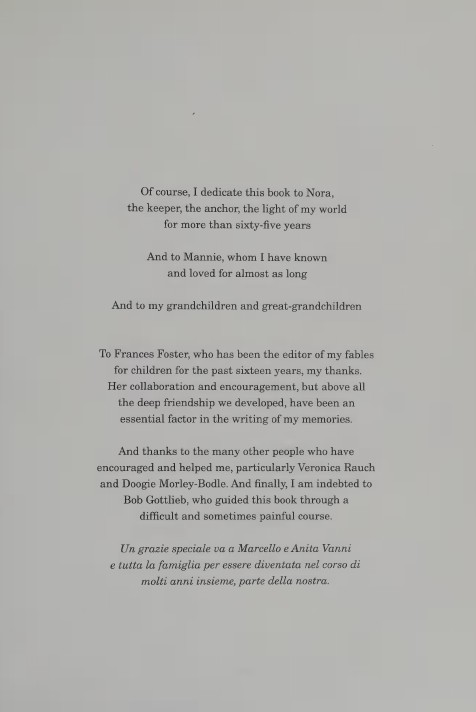
In his autobiographyBetween WorldsOn the title page of the book, Leo wrote this final dedication:
““Of course, I dedicate this book to Nora, the guardian, anchor, and light of my world for over sixty-five years.””

[Behind the Scenes]
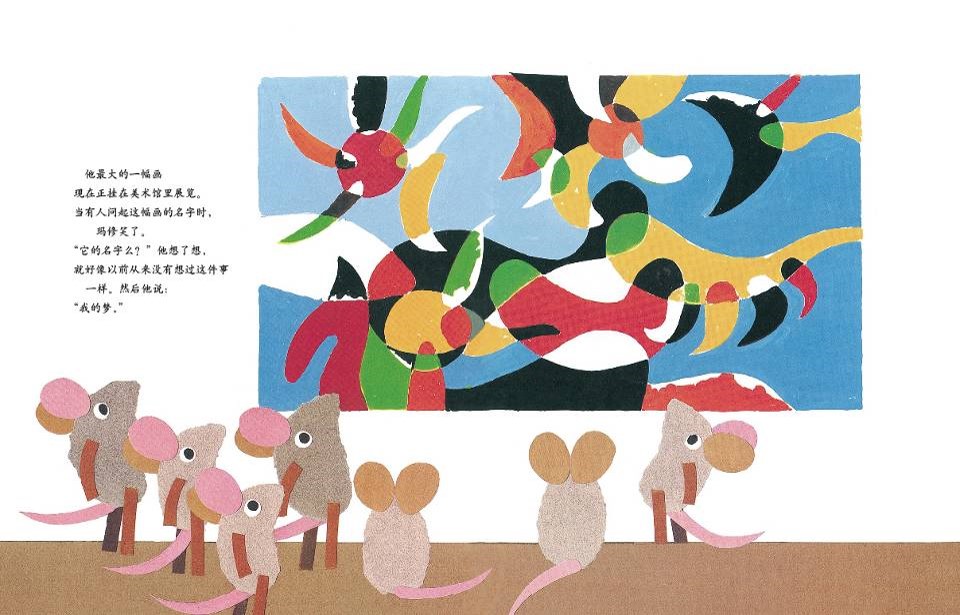
Matthew’s Dream (1991) is a late work by Lionel Leo Lionni. Just how late? (See reference…)His life and chronologyCoincidentally, this happened right after Lionel and Lily’s farewell and reunion…
While translating this book, I strongly felt that *Mashu’s Dream* had a very strong autobiographical element, especially for an 81-year-old artist. But who exactly was “Niketta,” the woman who spent her life with Mashu?
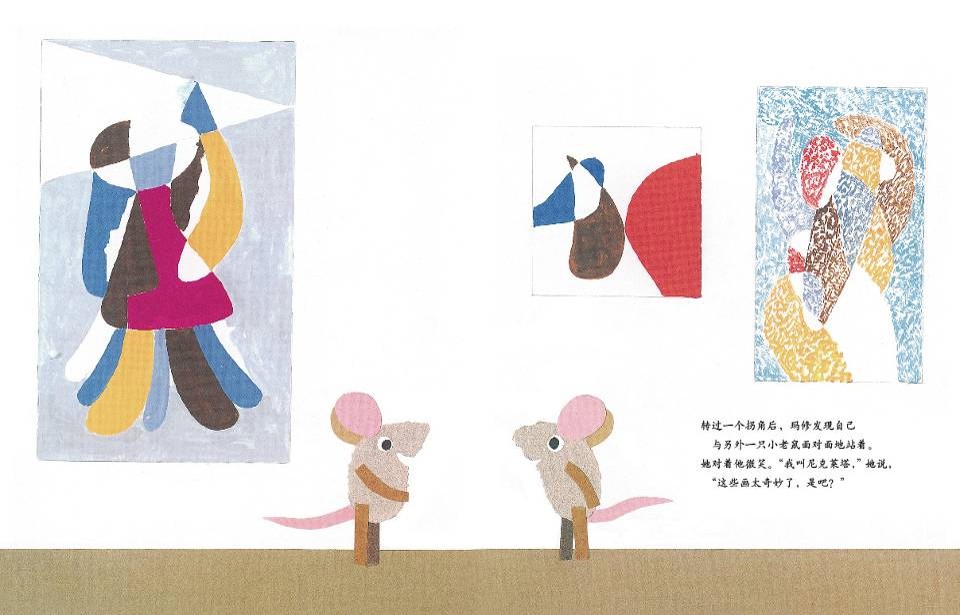
Initially, when translating this book in 2009, I insisted on using a completely Westernized transliteration of “Nicoletta” to retain its “Italian flavor,” because at the time I felt that “Nicoletta” was clearly Nora, just as “Mashu” was Leo. However, after reconsidering Leo’s romantic history, I suddenly realized that perhaps my understanding was somewhat narrow. Perhaps this “Nicoletta” encompasses a combination of Lily, Ada, Nora, Colette… and so on. Of course, for Leo, in the end, it is still Nora.
However, the most interesting thing is that, technically speaking, “Nicoletta” is actually the exclusive name of Colette! Moreover, this name was known to everyone in the Italian art circles at the time, which means that Nora must have known the origin of the name, and Leo did not try to hide it at all.
To elaborate, Colette Cacciapuoti (1911–1996) was born into a prominent family in southern Italy, but her mother (the angelic figure who recited French poetry that night) was English and an orphan. This mother clearly loved French poetry and Italian culture; she hired a prominent French woman as her daughter’s godmother, who gave the girl the distinctly French name Nicolette (said to be used by several famous women in French cultural history). However, because her family was Italian, her nickname at home was Colette. Colette’s first husband, Raffaello Rosselli, was an engineer and a prominent figure in Italian Jewish culture. He suffered persecution during the Mussolini regime. Colette resolutely refused to change her surname to Rosselli after marriage, but for the sake of livelihood and publishing children’s books, she used “Nicoletta” as a pseudonym (also to conceal her identity), adapting the stories she told her daughter into picture books she wrote and illustrated herself.
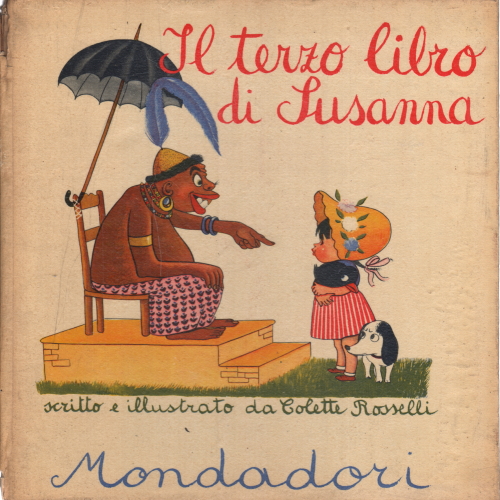
The earliest picture books written under the pseudonym “Nicoletta” were published in Italy in 1941. Although they were published during the Mussolini regime, they were quite avant-garde and subversive, mainly because they were almost entirely on the side of children. Therefore, when Yella Leppmann founded the International Children’s Book Fair after the war, she also included her works in the catalog.
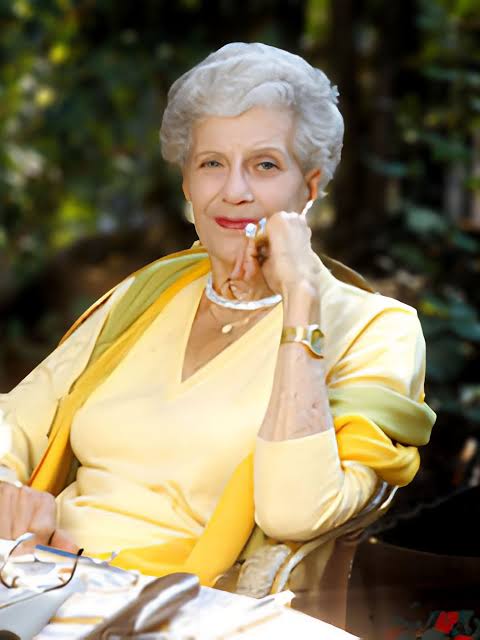
In other words, the pen name “Nicoletta” is artistic, childlike, modern, and also has a strong sense of resistance!
In *Mash’s Dream*, Mash’s choice of “Nikletta” as the name of the Dreaming Girl likely carries a sense of homage. After all, Leo Lionni entered the world of picture books (1959), eighteen years after “Nikletta” did!

Life is truly wonderful!
Compiled by A‑Jia in October 2026
Leave a Reply