““It was a cold winter night with a sky full of stars.” Underneath the thick snow, in a warm and cozy little underground nest, two little toads were busy—the optimistic Wharton was enthusiastically cleaning the room and organizing the closets; while the cautious Morton was baking his specialty “beetle crisps” in the kitchen, the air filled with the aroma of alfalfa tea.
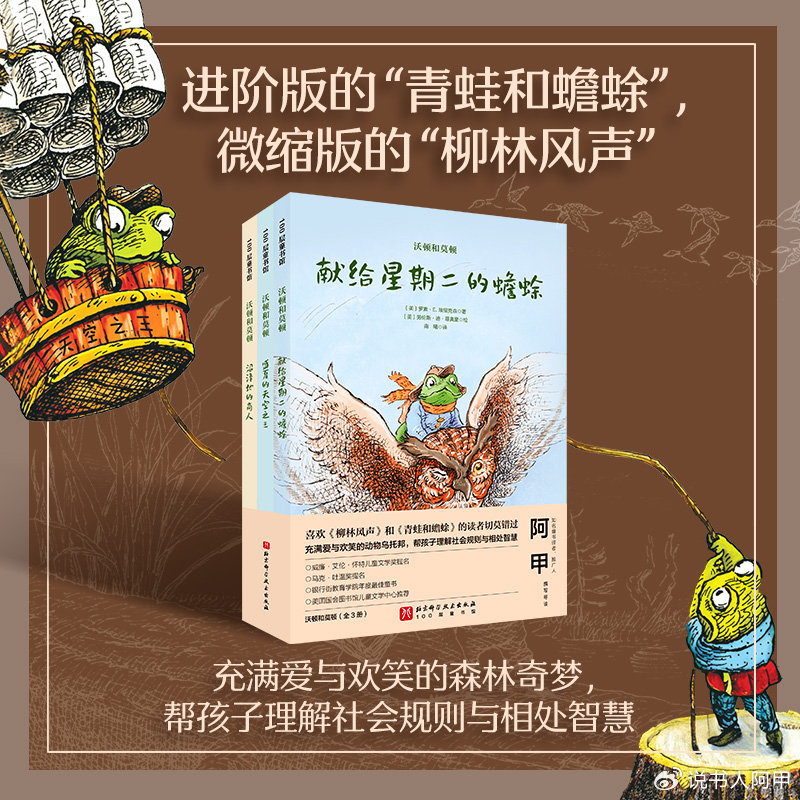
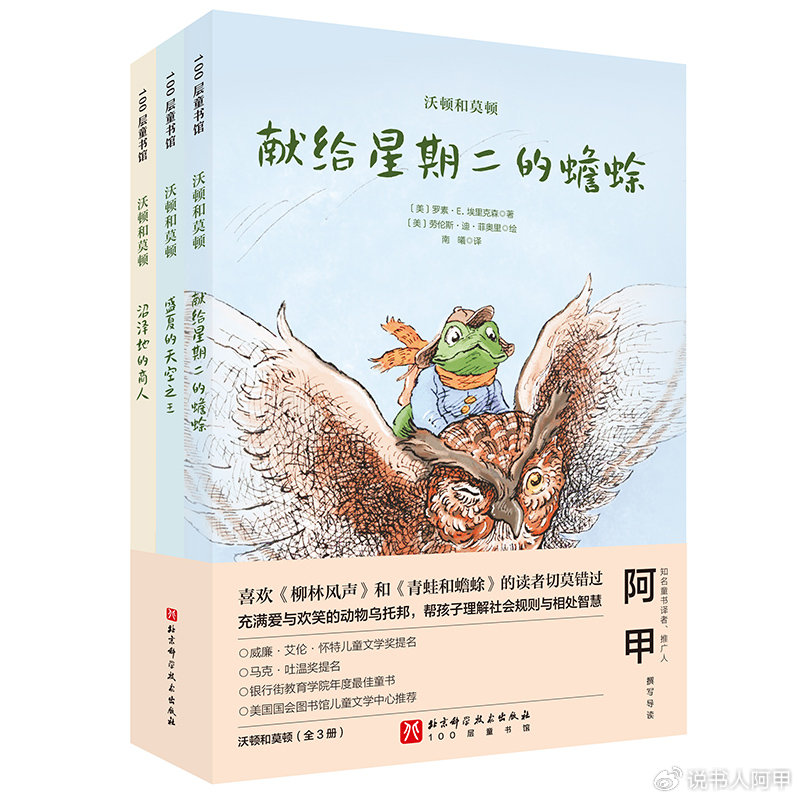
This is the signature candle of “Wharton and Morton,” the first book in the world of children’s literature lit by American author Russell E. Erickson more than fifty years ago. Now, these toad brothers, who have traveled the English-speaking world for half a century, are finally appearing in Chinese for the first time, six of the seven books in the complete collection—“The Toad for Tuesdays,” “The Merchant of the Swamp,” and “King of the Summer Sky”“The Flooded Muskrat Town,” “The Treehouse Adventure,” and “The Crow Race”—(in two parts)—are coming to us.
This is not just an adventure story about animals escaping, but more like a forest dream with the aroma of alfalfa tea. It has thrilling moments that will make your palms sweat, as well as heartwarming moments that dissolve all hostility; it can not only accompany children across the threshold of independent reading, but also deeply touch every reader, young and old, who turns the pages with its profound natural philosophy and healing qualities.
Real woodlands and craftsmen in books
To truly understand the adventures of “Walton and Morton,” one must first understand the storyteller, a veritable “recluse.” How could a tiny toad carve the perfect skis for himself from an oak root? How could he build a small sailboat from scrap wood and a red and white checkered tablecloth in a misty swamp? The answers to all these questions lie hidden in the real life of the author, Erikson.
In reality, Erickson is not only a lithograph technician, but also a “craftsman” who is passionate about woodworking, photography, printing, and gardening. He has lived in Bristol, Connecticut for many years, wandering and working in his vegetable garden and woodland garden, where he lives next to real natural “neighbors” such as toads, owls, blackbirds, and moles.
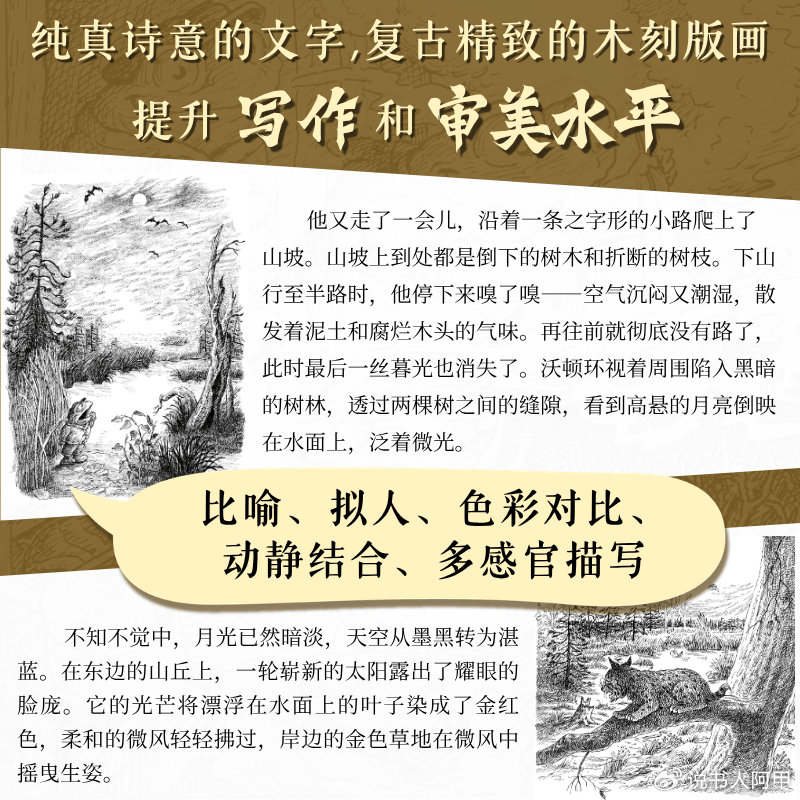
Erikson faithfully recreates his own charming woodland life in the book. Wharton is essentially the author’s alter ego, a “miniature craftsman.” His background as a lithographer shaped his precise, “subtractive” narrative style—rarely using lengthy, ornate adjectives, instead relying on precise verbs and rapid depictions of environmental details to drive the plot. Simultaneously, he lays a realistic ecological foundation for the story with highly realistic biological details and natural disasters that strictly adhere to the physical logic of reality (such as deadly cold, raging flash floods, and mysterious swamps). Here, nature is not only beautiful but also incredibly real, cruel yet full of life.
Wilderness Symphony: The tension of a plot that builds from initial stagnation to eventual triumph
In the seven books completed over a span of 12 years, Erikson maintained a remarkably consistent level of quality, with the later works becoming increasingly intricate and captivating. The six books soon to be published in Chinese represent the author’s most masterful narrative skills. Each story is far from a straightforward, mundane account; rather, it is filled with “mildly thrilling” survival challenges. The stories often begin with an ordinary, heartwarming goal, quickly plunging into a seemingly hopeless abyss (initial despair), only to ultimately achieve an unexpected breakthrough through the protagonist’s wit and kindness (final triumph).
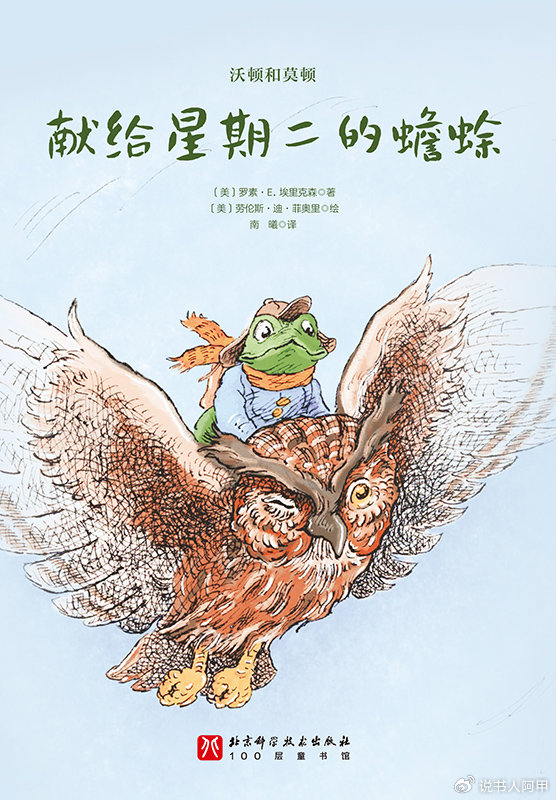
A Toad for Tuesday (1974)This is the inaugural work in the series. In the dead of winter, Walton, carrying a delicious meal prepared by Morton, sets off on his homemade skis to visit his Aunt Toria. However, his journey is fraught with misfortune; he is captured by a fierce owl in the snow and told that “Tuesday” five days later is the owl’s birthday, and Walton will be the special birthday feast. This “death countdown” setting establishes a highly oppressive tone for the entire book. Despite the absolute disparity in size and strength, the little toad does not despair. Instead, he lights a candle from his backpack, makes tea for the owl, and even cleans its messy nest, engaging in a late-night conversation with this grumpy and lonely predator on equal terms. As Tuesday approaches, a chance to escape finally appears, but an unexpected and deadly crisis also descends. Faced with the cruel food chain of nature, can the kindness of a toad truly change the owl’s instincts? This wondrous five-day coexistence creates a rare, tense yet heartwarming twist in children’s literature.
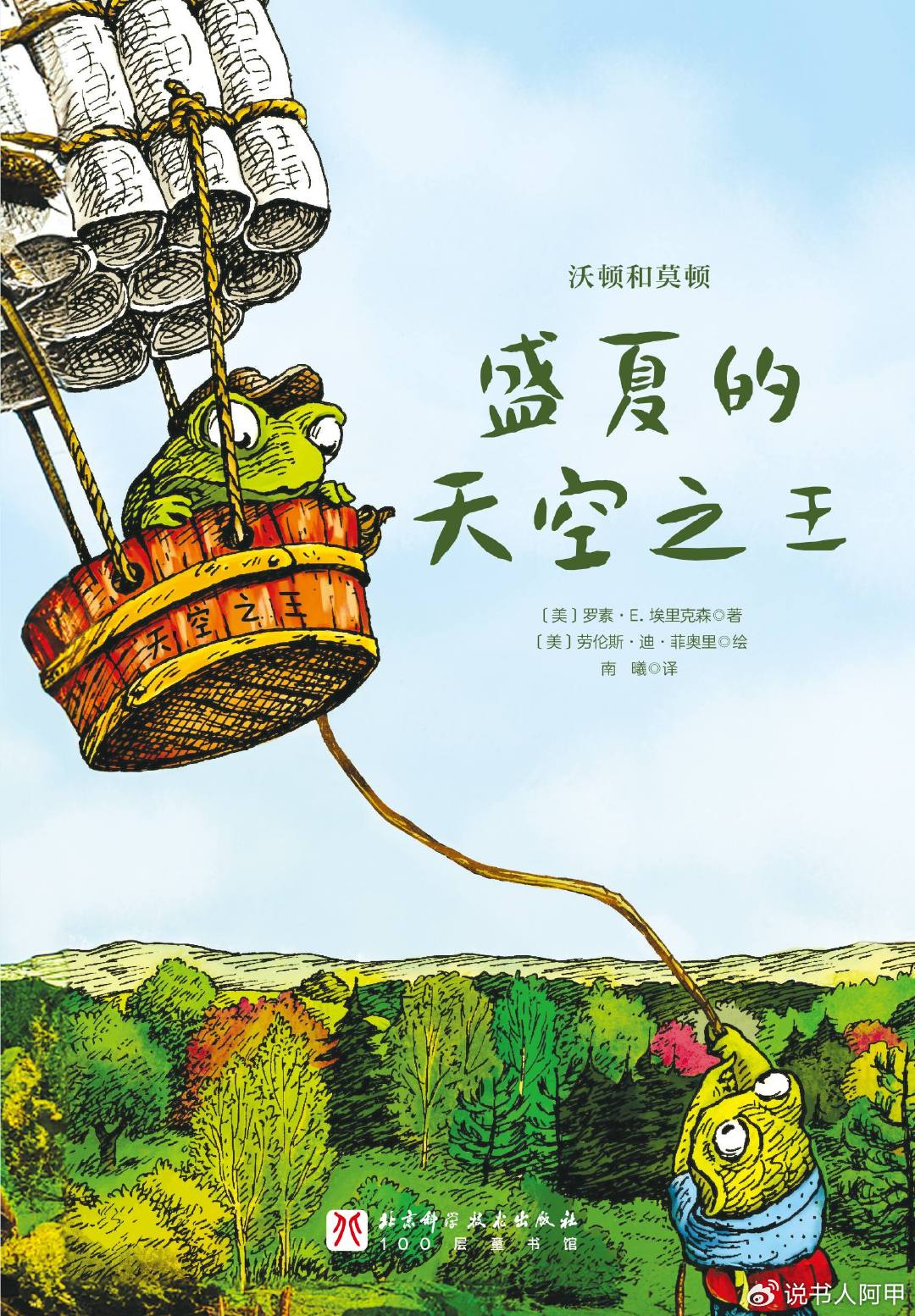
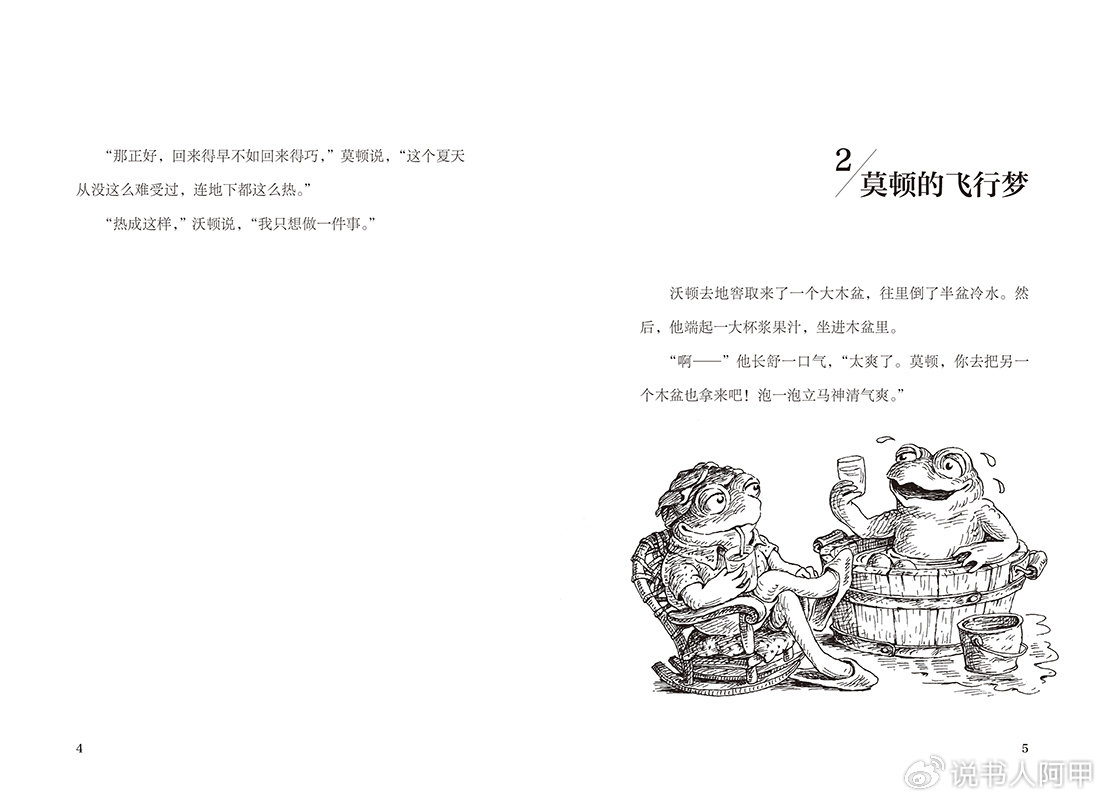
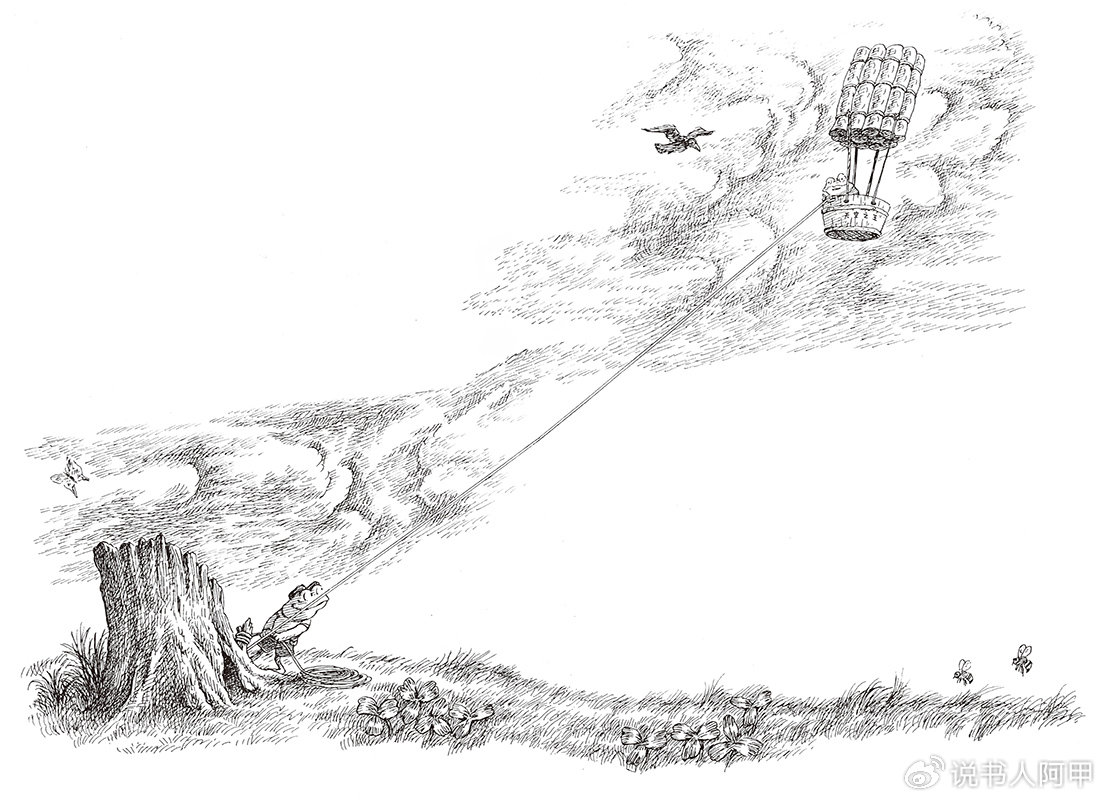
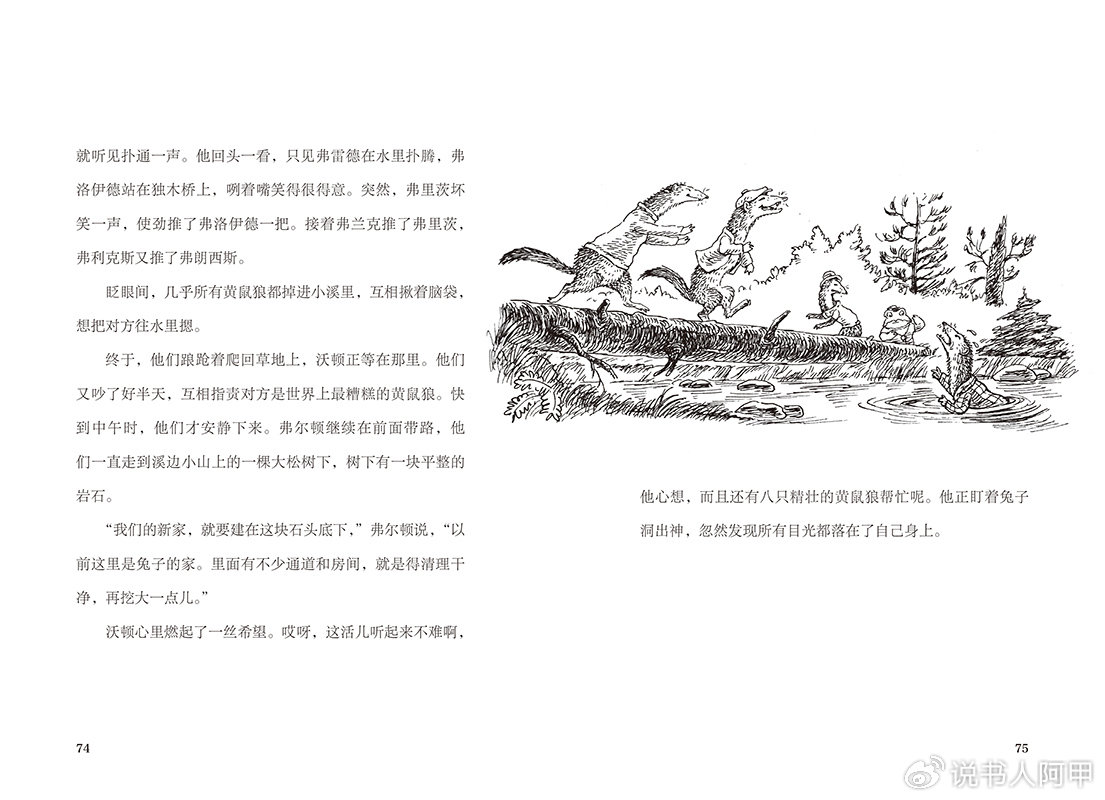
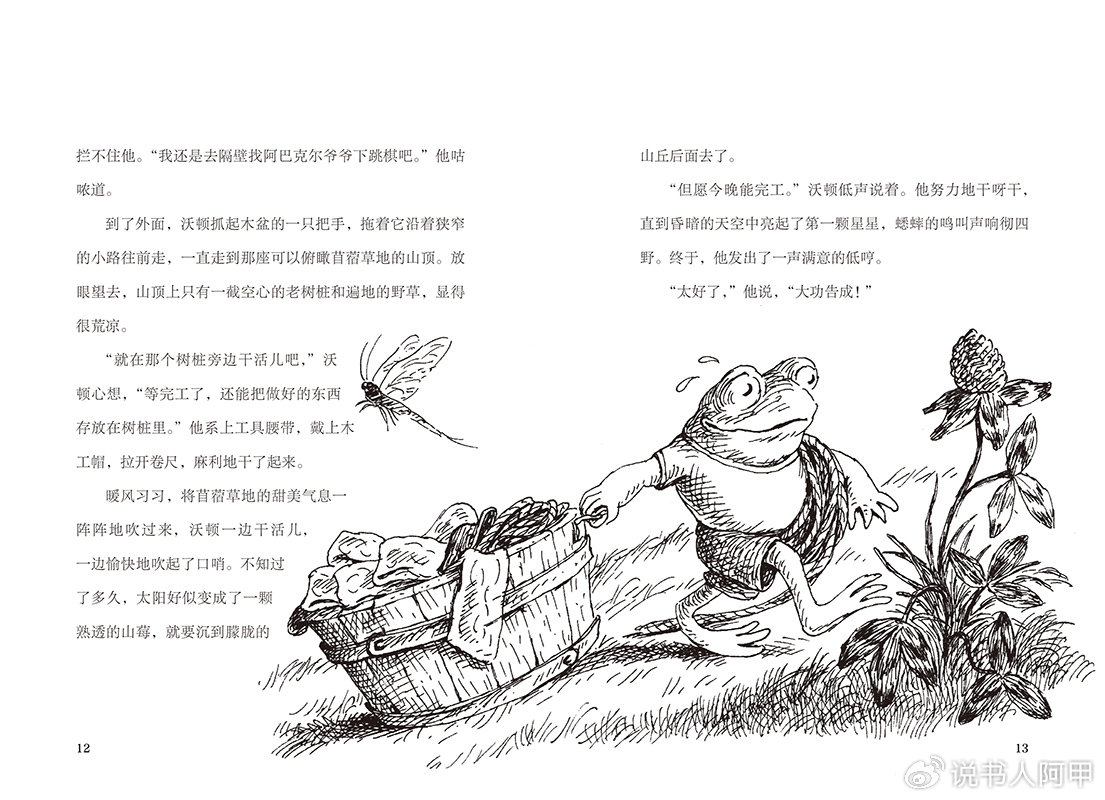
Warton and the King of the Skies (1978)On a sweltering summer day, to fulfill the brother Morton’s dream of gliding freely through the sky like an eagle, the exceptionally handy Walton secretly built a flying machine called “King of the Sky” using a wooden tub and dried snakeskin tubing. However, during the test flight, a sudden gust of wind snapped the ropes, and the tub carrying the brothers was swept away by the gale, crashing in a terrifying and dangerous area—Red Cliff (the territory of fierce eagles). After the crash, they were unfortunately captured by a pack of ferocious, slovenly, extremely selfish, and endlessly infighting weasels. The weasels initially intended to eat them, but mistakenly believing Walton to be a “construction expert,” they ordered: if they could guide them in building a new home, they would be released. However, these weasels had no sense of order; while working, they pushed and bit each other, completely lacking any understanding of cooperation. Faced with a life-or-death situation, the clever Wharton realized he had to teach these predators to “cooperate,” so he started teaching the weasels to play volleyball. However, just as the weasels were beginning to experience the benefits of teamwork, a giant eagle swooped down and snatched away Freda, the weasel cook. In this critical moment, can a hastily repaired, dilapidated aircraft, two weak toads, and a group of newly-learned cooperative weasels pull off a thrilling rescue from the eagle’s talons?
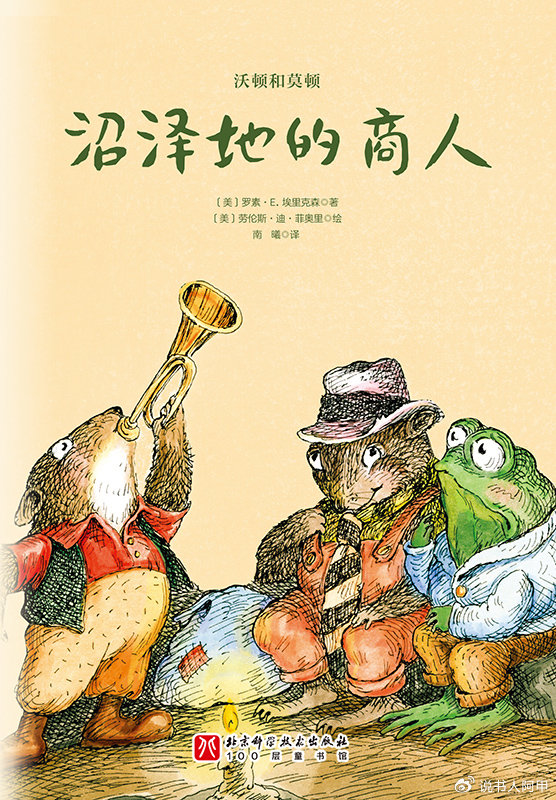
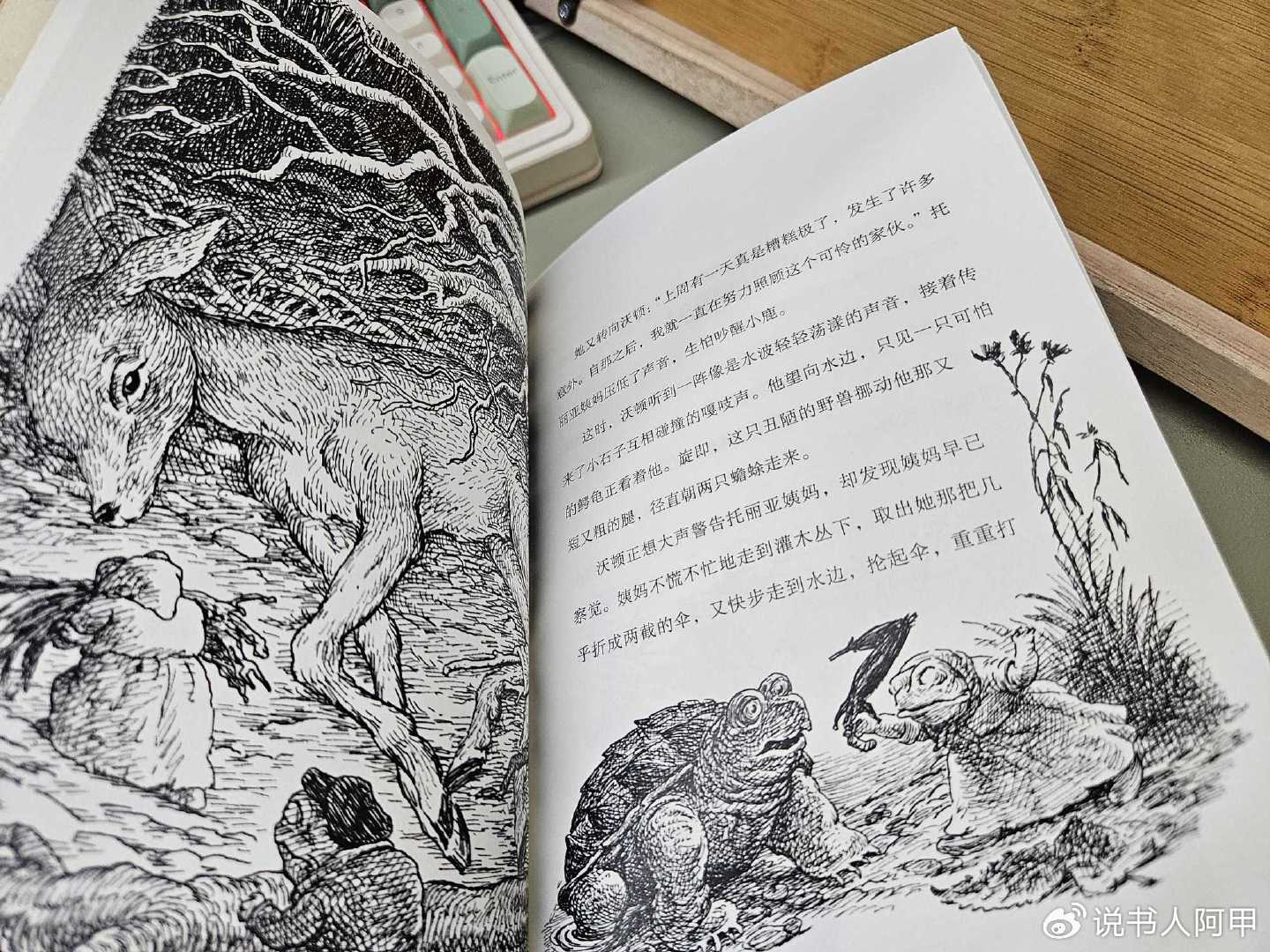
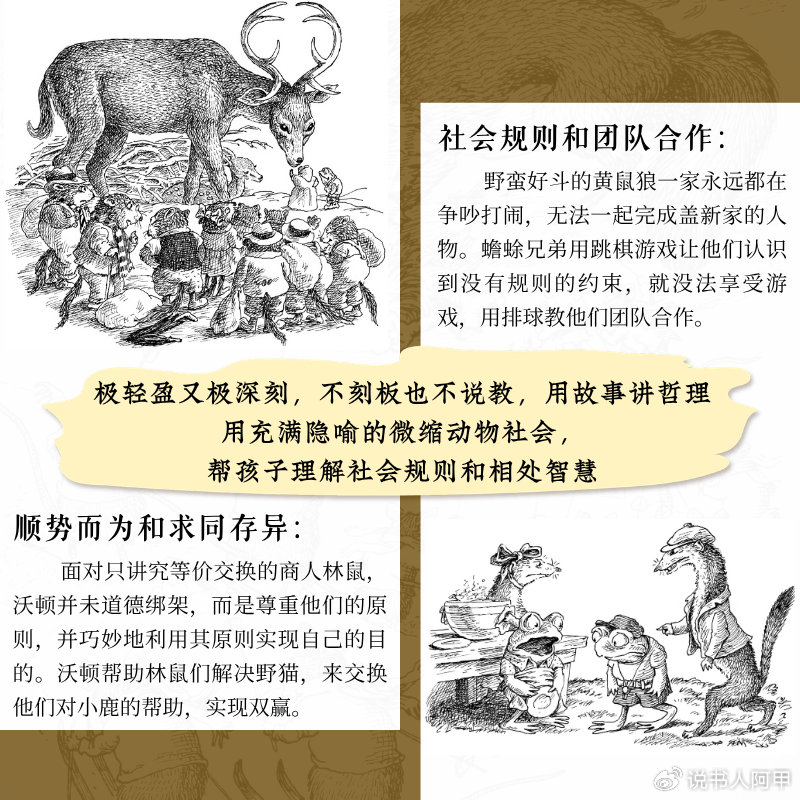
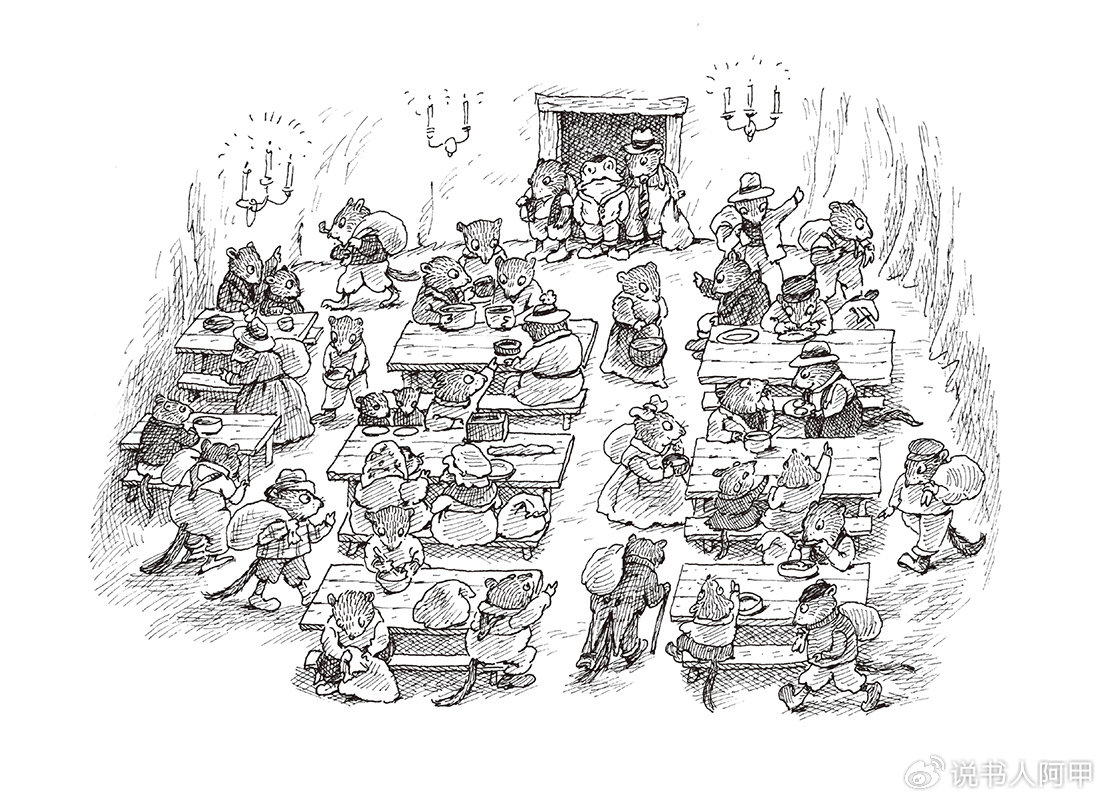
Warton and the Traders (1979)The story unfolds in autumn when Walton, carrying winter delicacies, visits relatives but stumbles into a perilous “swamp.” He discovers his Aunt Toria desperately caring for an injured fawn that desperately needs food, while a ferocious wildcat, feared by all small animals, roams the area, poised to launch a deadly attack. To save the fawn, Walton seeks help from a group of well-dressed wood mice, only to find them to be rather cold-hearted “merchants”—they refuse any help without compensation, strictly adhering to the principle of “one thing for another,” demanding even a gold button for a bowl of hot soup! Caught between a starving fawn and a relentlessly approaching wildcat, the clever Walton, following the logic of merchants, proposes an extremely audacious “life-or-death deal.” This intricate scheme, a battle of wits against the wildcat, is filled with breathtaking suspense and the wisdom of business negotiation.
At Home and Away from Home: The Psychological Sense of Security in the Gemini Structure
Classic children’s books often follow the narrative model of “home-away-home”: staying at home all the time can be a bit boring, but the novelty of leaving home is always accompanied by danger, and the sweet home is always there waiting for the adventurers to return. In the series of ups and downs of Walton and Morton’s adventures, the author also carefully designed the classic twin model of “adventure impulse vs. home order”, which is the core secret to the success of the whole series.
The optimistic, energetic, and sociable Wharton is the story’s “trigger,” his curiosity driving the plot forward; while the cooking-loving and cautious Morton is an indispensable emotional “safe haven.” This seemingly “unequal” role design subtly echoes the dual psychological needs of children during their growth: a desire to explore the unknown world and a deep dependence on safety, stability, and care. When young readers follow Wharton as he struggles in a raging flood or faces raccoons and herons in a dark cedar marsh, they know deep down that no matter how terrible the outside world is, Morton is always home, preparing a delicious dinner and waiting for his return. This setup provides young readers with an absolutely safe emotional foundation, greatly alleviating the anxiety of reading thrilling scenes.
What’s even more moving is that the author uses this to redefine “true courage.” The naturally timid Morton is always the first to point out the real danger. However, in *Muskrat Town Flooded*, forced into a war between two tribes, he calmly uses the “soft power” of teaching Mrs. Beaver how to cook to defuse the hostility; in *Treehouse-like Adventures*, when Walton is about to be eaten by a raccoon, it is Morton, who has been hiding behind, who cleverly pours hot coals onto the raccoon’s tail, successfully saving his brother. Morton shows us that courage is not just about fearlessly seeking thrills like Walton; it’s about overcoming instinctive fear and stepping out of one’s comfort zone to protect loved ones—this is a greater and more moving kind of courage.
From soothing fairy tales to “transitional chapter books”“
Fast forward to 2024–2025, and the “50th Anniversary Edition/New Edition” released by Apples & Honey Press breathes new life into this classic. If we compare the old edition from the 1970s and 80s with the new edition, we can see that the publisher has carried out a textbook-level “modernization” in terms of structure, visuals, and educational positioning.
The original 1974 edition presented a relatively loose structure and a leisurely reading pace, resembling a coherent, immersive novella-like fairy tale. In the new commemorative edition, however, the publisher has comprehensively added chapters and subheadings. This seemingly simple change actually reflects a profound shift in the contemporary children’s reading landscape: First, it caters to the fragmented reading habits of modern children. Modern families often read a few chapters before bed each day, and the subheadings provide clear “stopping points” for this short reading session. Second, it strengthens the text’s educational function as a “transitional chapter book.” The new English edition explicitly indicates its target audience as “Grades K–2” and “Lexile 740L,” making it a bridge book that meets contemporary standards, facilitating teachers’ assignments and students’ chapter summarization and reading comprehension exercises. Third, the subheadings enhance the narrative arc. Titles such as “Wharton Makes a Deal,” “Luring the Enemy Deeper,” and “Friendship is Priceless” hint at a plot structure of “conflict-turning-repair,” reshaping the originally loose and humorous adventure into a clearer growth trajectory and subtly guiding the reading psychology of young readers.
This transformation is not a rewriting of the works on a literary level, but a perfect adaptation of classic texts into the contemporary educational reading ecosystem. It retains the natural and relaxed classic qualities of children’s literature from half a century ago, while greatly enhancing the “readability” for contemporary children, making it an excellent stepping stone to help children transition from picture books to pure text reading.
Crisis and Humor in Light and Shadow: The Magic of Illustration
On this bridge from picture books to text-based books, the black and white illustrations of the late master illustrator Lawrence de Fiore are undoubtedly solid piers. His work in the “Wharton & Morton” series is far more than just a simple embellishment of the text; it plays a crucial foundational role.
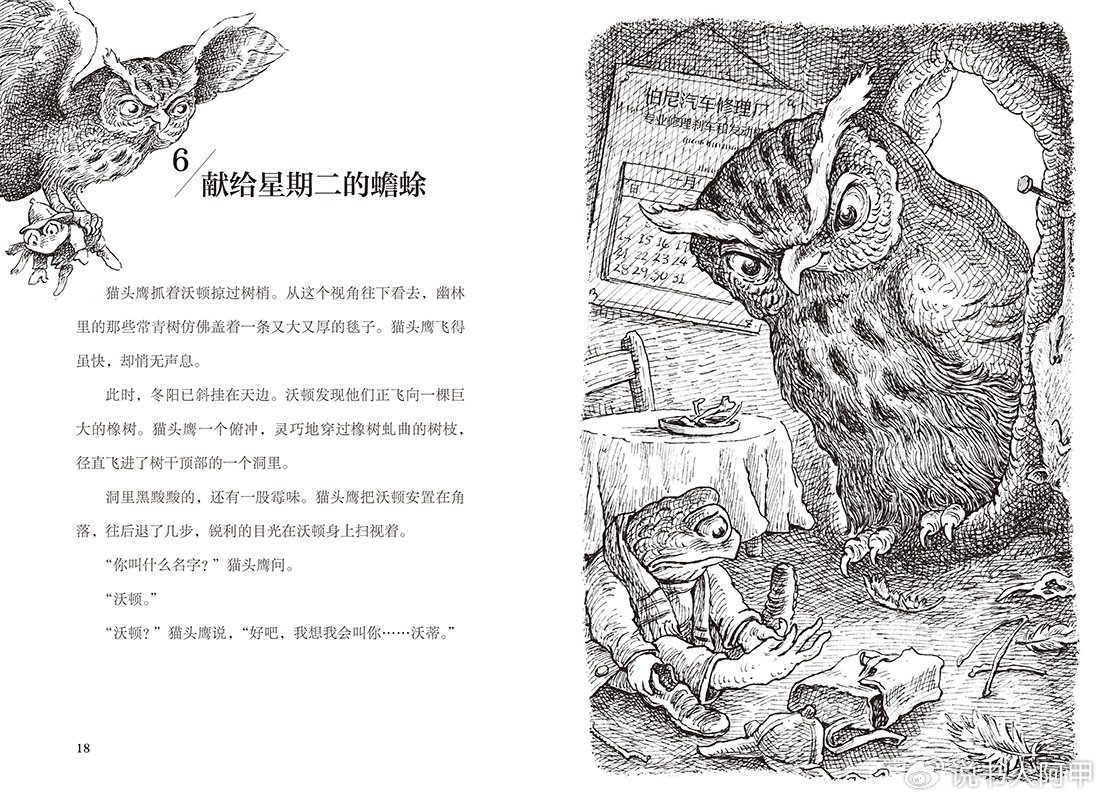
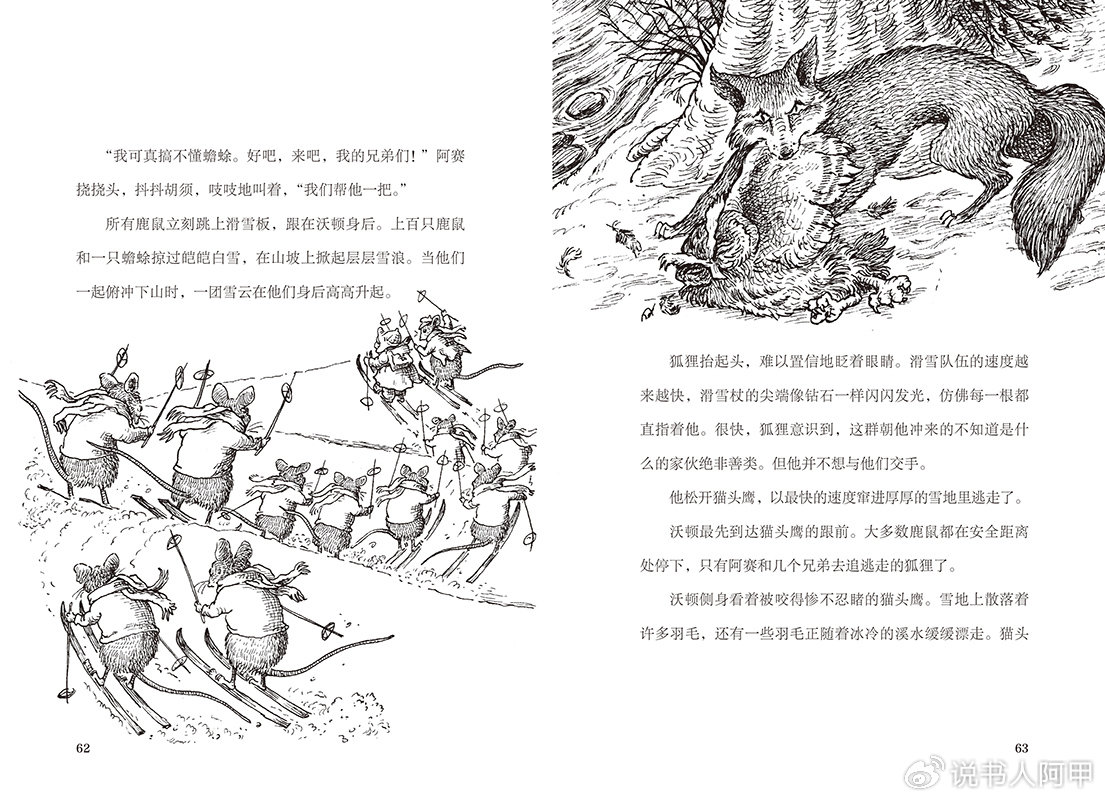
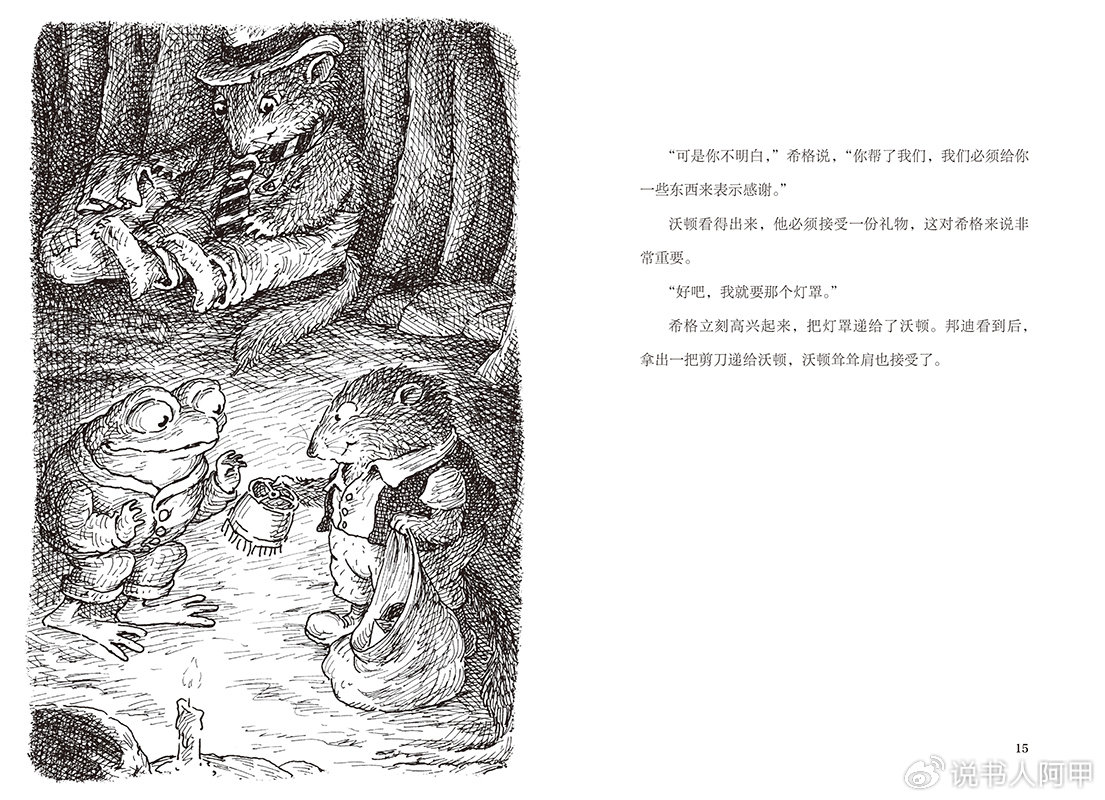
Because the series has a “mildly thrilling” and realistic ecological undertone, Di Fiore cleverly uses the contrast of light and shadow in black and white ink paintings to render the mystery and terror of the deep forest. When depicting large predators such as owls, wildcats, or great herons, he uses dense and deep black and white hatching to visualize the oppressive feeling brought about by the disparity in power, making the crisis seem real.
At the same time, he possesses an exceptional ability to capture the subtle, anthropomorphic expressions of the little toads. Faced with a massive, ferocious predator, the small, yet dignified and expressive toad brothers create a striking dramatic contrast. This artistic technique of “depicting the enemy as dangerous and the protagonist as vivid” achieves a perfect visual balance between the harshness of nature and the warmth of anthropomorphic animals, generating a gentle humor. For younger readers just beginning to engage with longer narratives, these densely packed, classically styled illustrations serve a crucial visual buffer and scene visualization function, greatly aiding comprehension and significantly reducing the fatigue of reading long texts.
Philosophical appeal and healing qualities
On Amazon, a retired librarian remarked that throughout her 48-year career, “Wharton and Morton” had always been her favorite choice to share with children! The highest level of children’s literature often lies in its ability to engage in dialogue with both children and adults. I believe that the reason “Wharton and Morton” resonates so deeply with adult readers across half a century is that while its outer shell is about animal escape, its core is a microcosm of survival philosophy exploring “order, contract, and communication.”
When faced with deadly crises, Walton rarely relies on mere force or magic to escape; instead, he uses “social intelligence” and “the power of civilization” to deconstruct the primitive and savage predator-prey relationship.
In “Tuesday’s Toad,” when faced with an owl that wants to eat him, Wharton uses “civilized living rituals” such as lighting candles, cleaning, and brewing invigorating tea to force the owl to redefine him from a mere “source of protein (food)” to a “socially valuable individual (friend).” He demonstrates that empathy and the beautiful rituals of life can tame the cold instincts of the wilderness.
In *The Merchant of the Swamp*, Walton, faced with woodrats who only value “equivalent exchange,” neither pleaded nor resorted to moral blackmail. He precisely grasped the economic logic of these merchants, using strategy to reach a contract and leveraging the power of the rats to fight against the wildcats. This wisdom breaks away from the cliché of “unconditional help from kind-hearted people” in traditional fairy tales, profoundly exploring how to achieve win-win situations and justice through credit and contracts in an adult society driven by non-emotional impulses.
In *King of the Summer Sky*, Walton becomes a mentor of civilization to a group of “completely uncivilized” weasels. Through their unexpected fascination with chess, he astutely discovers that these predators’ inability to build new homes stems not from a lack of technology, but from a complete lack of awareness of rules and the ability to cooperate socially. Instead of dry lectures, he crafts a ball from scrap materials and teaches these wild beasts, who only know how to wrestle and bite each other, to play “volleyball.” Through this sporting game, he introduces the concepts of “rules” and “team spirit” to the uncivilized wilderness. He not only simulates the process of establishing social order on a micro level but also conveys a profound revelation: civilization is not merely about creating sophisticated tools (like flying machines), but also about learning to find the “greatest common denominator” of cooperation amidst chaos and the conflict of instincts.
In *Treehouse Adventure*, a massive external crisis (the Great Heron) ultimately transforms the extremely selfish Tree Toad sisters into generous ones, and even turns a raccoon who initially intended to eat the protagonist into a protector. The shared crisis dissolves barriers, turning enemies into friends.
These stories offer adult readers a powerful and healing revelation:True strength is not just about swinging your fists to fight wild beasts, but also about maintaining dignity, understanding others, and using empathy, wisdom, and a spirit of contract to reshape the world around you.In today’s increasingly complex and tense world, Erikson’s forest, though dangerous, is always illuminated by communication and goodwill, which is undoubtedly a miniature utopia.
As Booklist magazine in the United States stated, this is a book““A miniature version of The Wind in the Willows””In my opinion, it’s more fast-paced than *The Wind in the Willows*, and its emotional clashes are more intense than *The Frog and the Toad*. Alternatively, the “Walton and Morton” series can be seen as a bridge between these two classics: it borrows the “complementary personality combination” from *The Frog and the Toad*, which makes children feel safe and humorous, but places it in a vast adventure world with the rich natural backdrop and civilizational metaphors of *The Wind in the Willows*…
More than fifty years later, when Wharton and Morton came to us in Chinese, it still shone with the brilliance of reason, warmth, and literature. It showed children the courage to face the unknown and offered adults a cup of heartwarming alfalfa tea.
Push open the little treehouse door painted orange and purple, or sit in the oak nest with a lit beeswax candle, and listen to Walton and Morton tell you a wild adventure in the forest. No matter how fierce the wind and snow or how swift the flood outside, don’t forget that a delicious dinner will always await you at the end of the story.
Written by A‑Jia on February 27, 2026 in Beijing
Revised on March 13, 2026
Leave a Reply