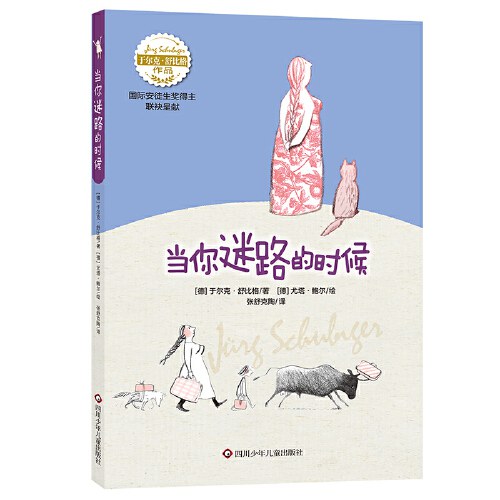
⚰️ 2014 – Passed away: Jürg Schubiger
A renowned Swiss children’s author and psychologist (1936–2014). He was a leading figure in German-language children’s philosophical fairy tales, adept at using extremely minimalist and understated language, Zen-like blank spaces, and childlike, simple, and direct logical questioning to reconstruct the original laws governing the naming of all things, the operation of nature, and human emotions.
- World’s highest honors and representative works:
- At In 2008, he won the Hans Christian Andersen Award (HCAA) for Best Writer..
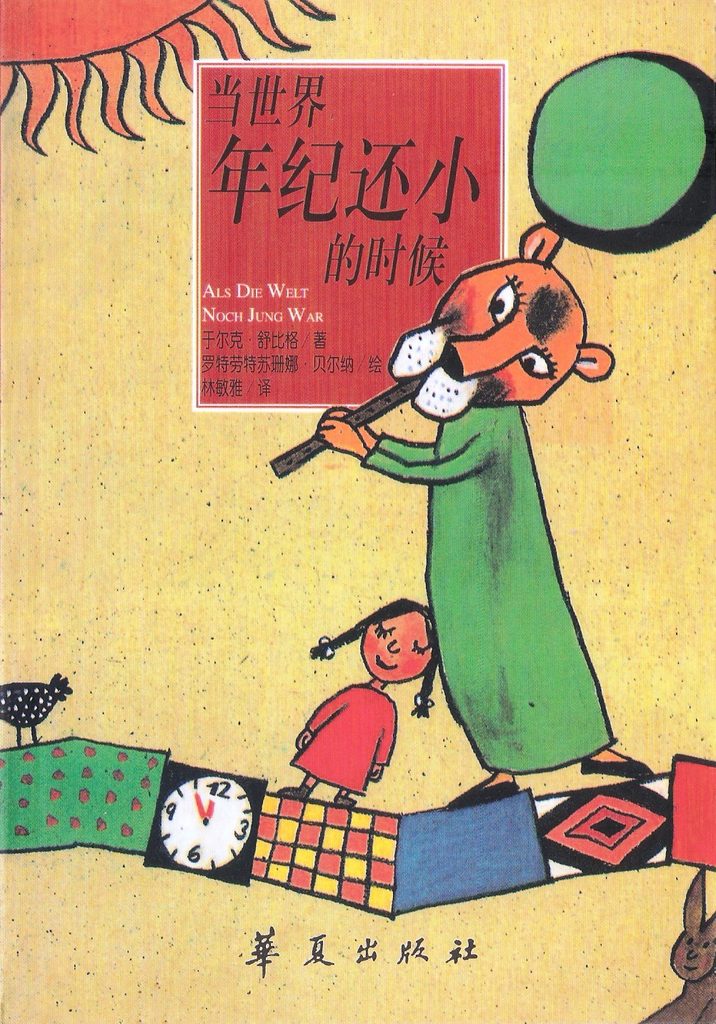
- When the World Was Young (Als die Welt noch jung war(1995, illustrated by Rotraut Susanne Berner) — Selected for “1001 Children’s Books” and winner of the German Youth Literature Prize. A collection of short fairy tales with profound philosophical and meditative meaning. In the beginning of the world, the sun had to learn to shine, the wind had to learn to blow, the water had to learn to flow, and the animals were all searching for their names and ways of life. With poetic humor, Schubig allows children to contemplate the meaning of existence through innocent reverie about the origins of the world.
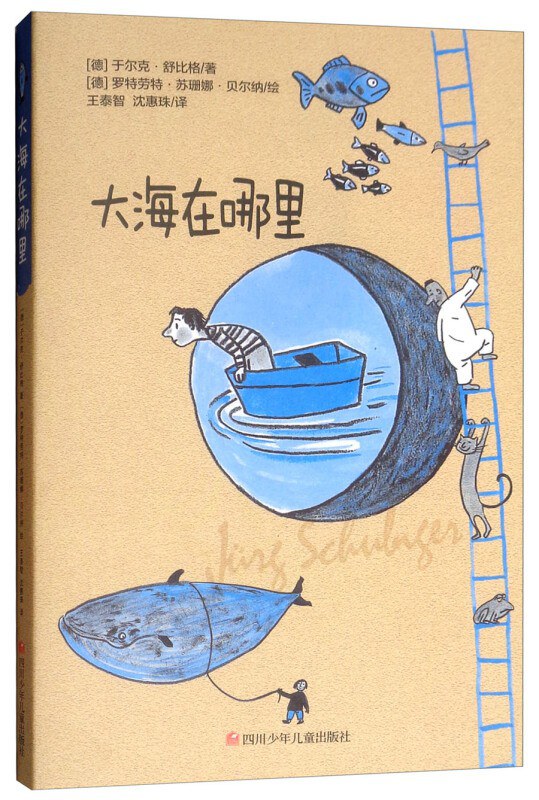
- Where is the sea? (What is the best way to get around this?) and When You Are Lost (Überall ist leicht zu verpassen— Continuing its style of tranquil and profound philosophical strolls, it guides readers to observe the small miracles in everyday life.
- His representative works also include the children’s coming-of-age novel “Dad, Mom, Me and Her” (Mutter, Vater, Ich und sie).
| Deceased | Jürg Schubiger | Jürg Schubiger (Wikipedia) / Douban People |
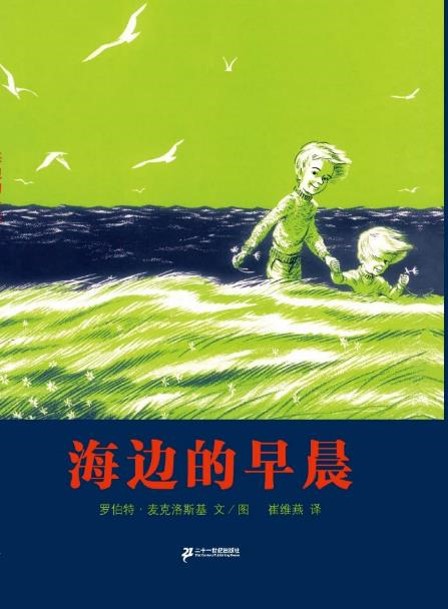
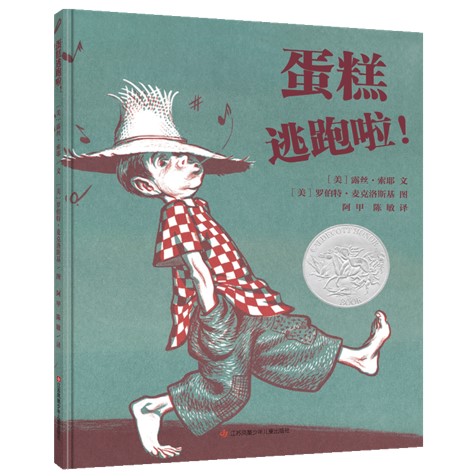
🎂 1914 – Born: Robert McCloskey
A renowned American children’s picture book author and illustrator (1914–2003). He was a recipient of the Caldecott Medal in history.The first to win the gold medal twiceA milestone master, he is known for his extremely solid and profound realistic sketches, his photographic masterpieces of panoramic composition, and his affectionate record of life and natural scenery in small towns on the New England coast of the United States.
- Two-time Caldecott Medal winner:
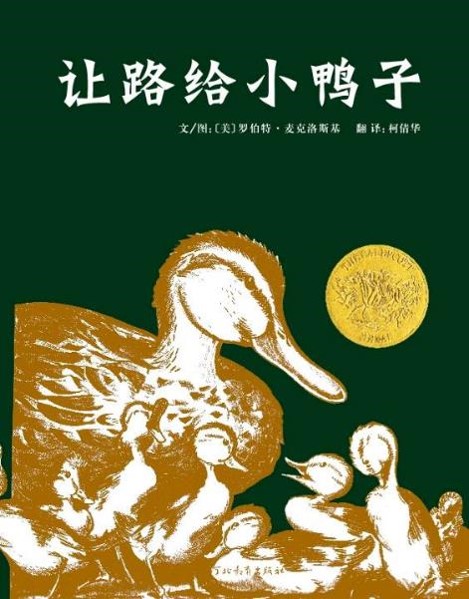
- Make Way for Ducklings (Make Way for Ducklings(1941) — Awarded 1942 Caldecott MedalListed in “1001 Children’s Books,” the entire book is illustrated in large-format, warm brown monochrome lithographs. Mr. and Mrs. Marat lead eight newly hatched ducklings across downtown Boston to the Charles River Public Garden. Boston traffic cop Michael and four officers stop all traffic at the intersection to escort the ducklings waddling across the road, becoming a timeless classic in the history of picture books worldwide, depicting the harmonious coexistence of humans and nature.
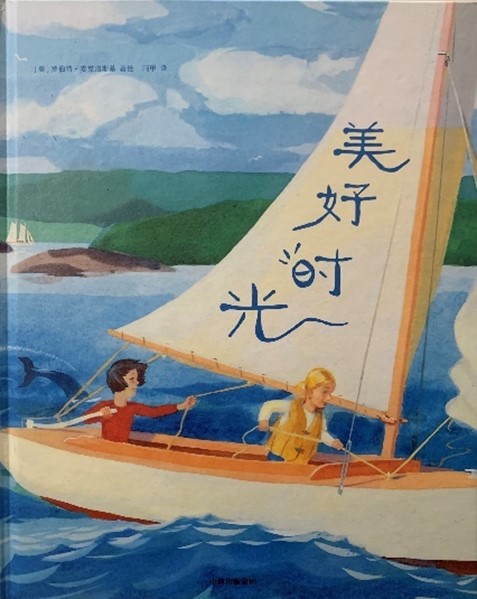
- Beautiful Times (Time of Wonder(1957) — Awarded 1958 Caldecott MedalMcClossky’s first use of full-color, large-page watercolors poetically captures the magnificent natural landscape of the Maine islands, from the morning mist and children rowing boats among the rocks collecting seashells, to the forests returning to tranquility after a late summer hurricane.
- Three-time Caldecott Honor winner:
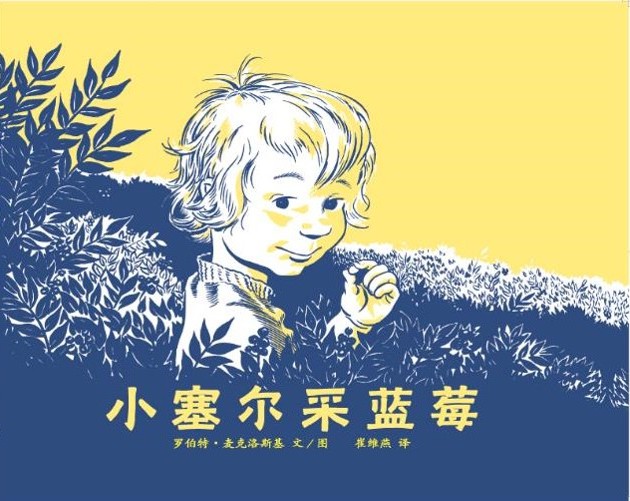
- Little Serge Picking Blueberries (Blueberries for Sal(1948) — Awarded 1949 Caldecott HonorThe story features a little girl named Sel and a baby bear who accidentally switch mothers on a blueberry hillside, creating a charmingly quirky and humorous situation.
- Morning by the Sea (One Morning in Maine(1952, won the Silver Medal in 1953) and “The Cake Ran Away!” (Journey Cake, Ho!Ruth Sawyerwin, 1953, awarded Silver Medal in 1954.
| Birth | Robert McCloskey | Robert McCloskey (Wikipedia) / Douban People |
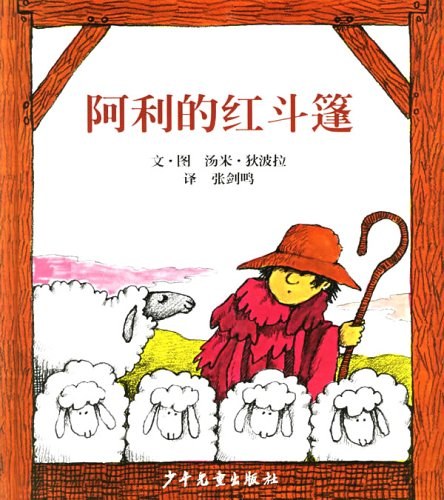
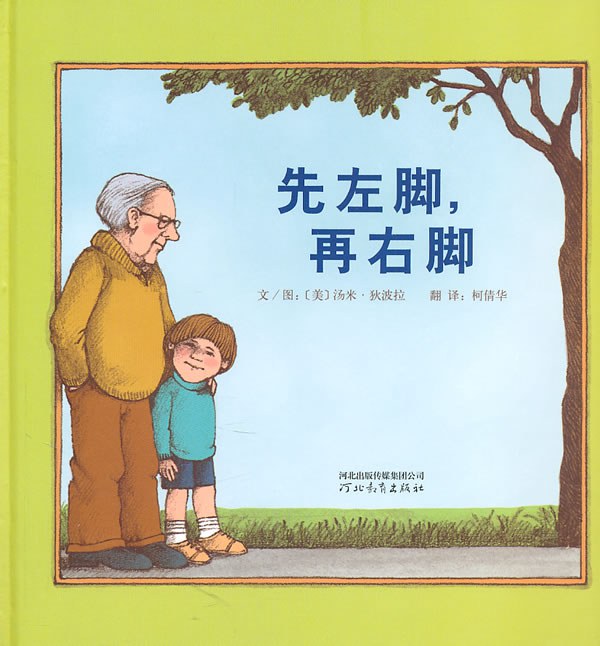
🎂 Born 1934: Tomie dePaola
A renowned American children’s picture book author and illustrator (1934–2020). He was of Irish and Italian descent, and his style blended early medieval Roman frescoes with the simple lines of folk art. He was adept at using curved frames, warm pastels, and flat washes to infuse his works with a high degree of spiritual appeal into intergenerational family warmth and folk legends.
- Supreme Honors and Representative Works:
- Awarded by the American Library Association in 2011 Children’s Literature Heritage Award (CLLA) Lifetime Achievement Award.
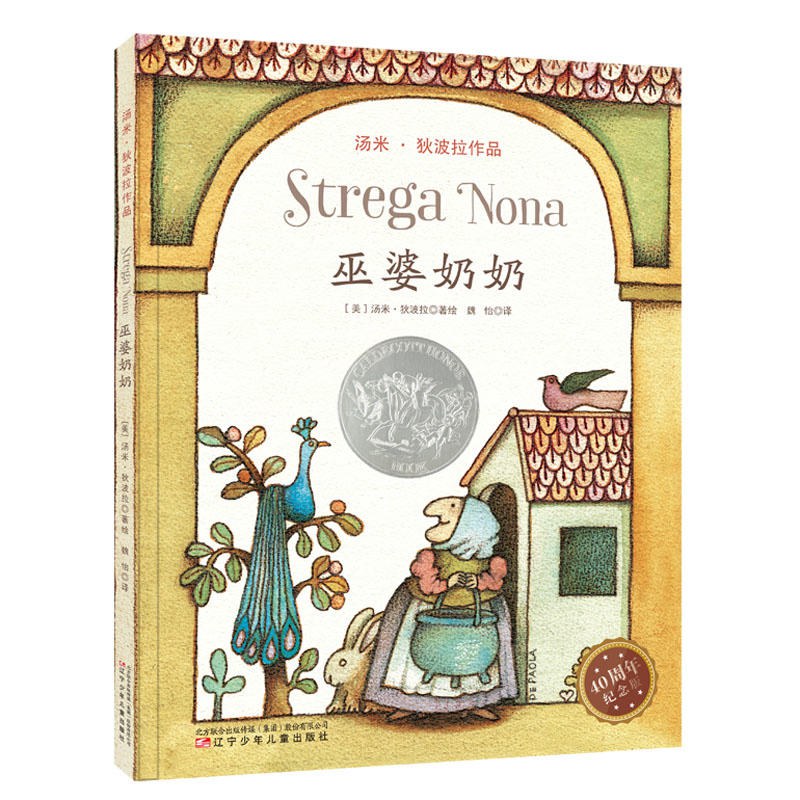
- Grandma Witch (Strega Nona(1975) — Awarded 1976 Caldecott HonorListed in “1001 Children’s Books”: Calabrian Folk Tales from Italy. A kind witch grandmother possesses a magical pot that automatically cooks delicious pasta whenever she sings a magic song. While his grandmother is out, the lazy and gluttonous little helper, Antonio, secretly recites the spell to cook pasta for the whole town, unaware that blowing three kisses is needed to stop the cooking. As a result, the thick pasta floods the entire village. Ultimately, the witch grandmother cleverly resolves the crisis by making him eat all the pasta that flows down the street.
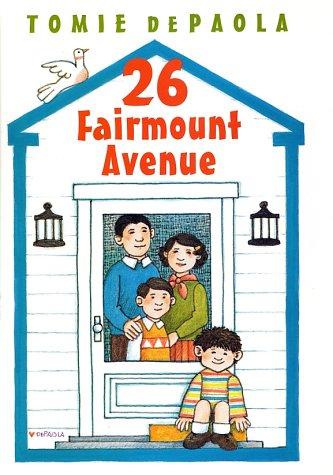
- No. 26, Fanmeng Street (26 Fairmount Avenue(1999) — Awarded 2000 Newbery HonorAn autobiographical childhood novel that recounts the heartwarming memories of a family building a new house together amidst the Great Depression and hurricanes of the 1930s in the United States.
- Left foot first, then right foot. (Now One Foot, Now the Other(1981) — A timeless classic about the bond between grandparents and grandchildren: The grandfather teaches young Bob to walk; later, the grandfather suffers a stroke and becomes paralyzed and mute, and Bob, in turn, uses love, patience and building blocks to help his grandfather learn to take his first steps again.
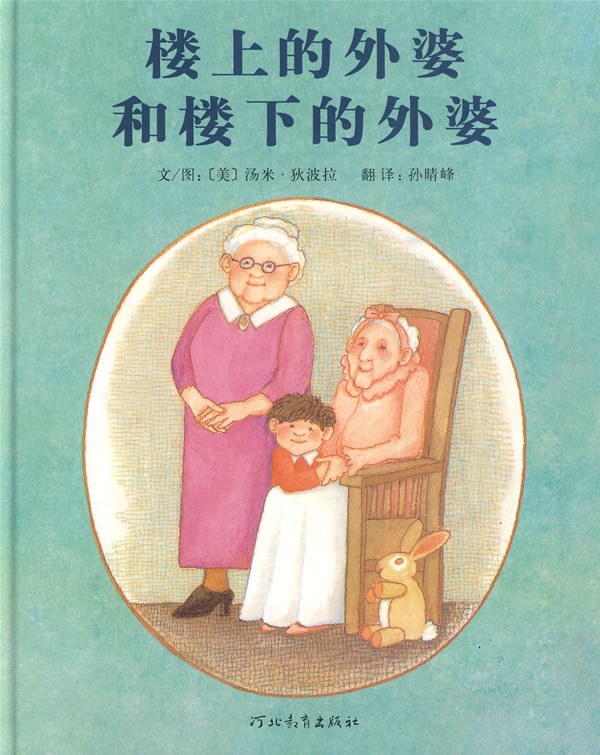
- His representative works also include “Grandma Upstairs and Grandma Downstairs,” which explores loss and memory.Nana Upstairs & Nana Downstairs), the artisan’s popular science fairy tale “Ali’s Red Cloak” (Charlie Needs a Cloak).
| Birth | Tomie dePaola | Tomie dePaola (Wikipedia) / Douban People |
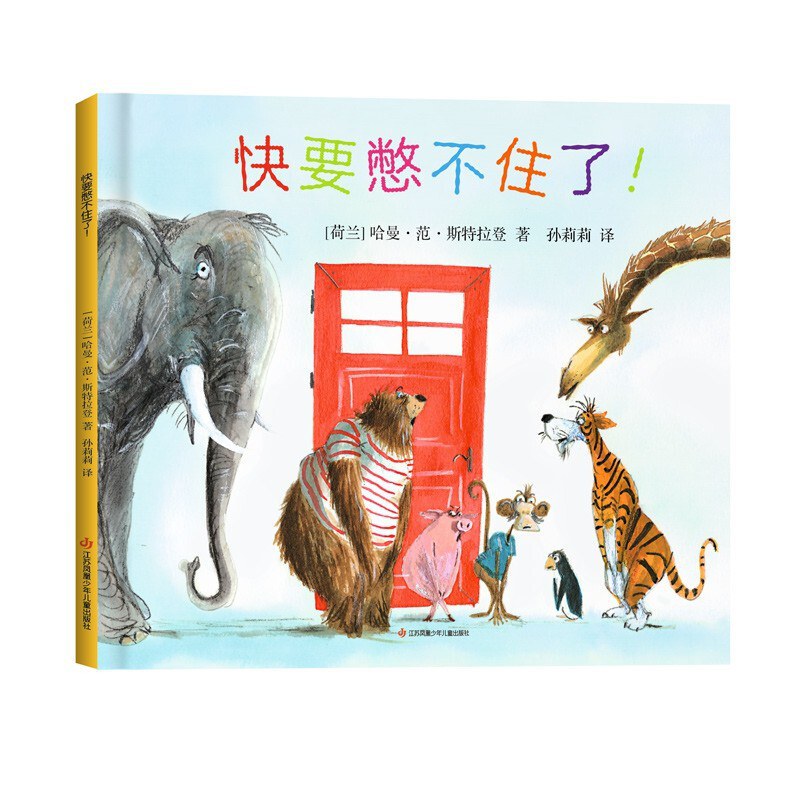
🎂 Born 1960: Harmen van Straaten
A renowned Dutch children’s picture book author and illustrator (1960). His style is known for its relaxed and lively pen and ink washes, humorous and expressive movements and expressions, and precise capture of children’s daily physiological and emotional states.
- International Awards and Representative Works:
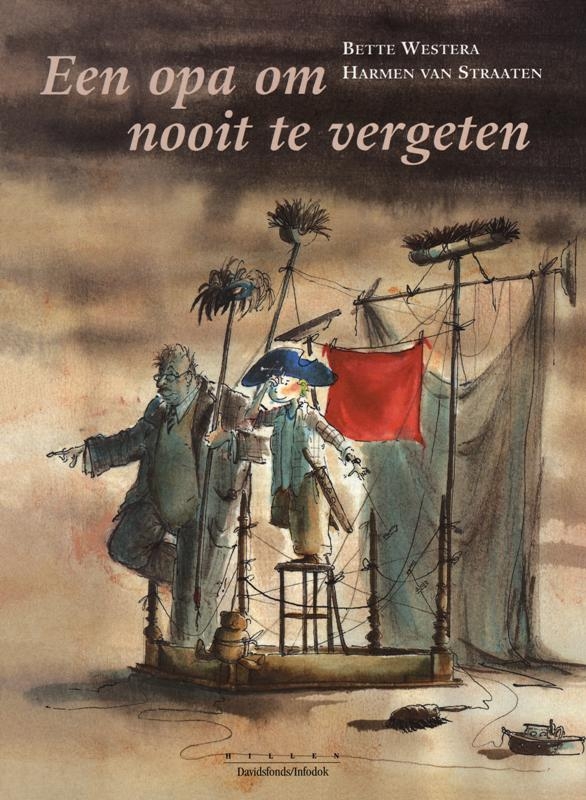
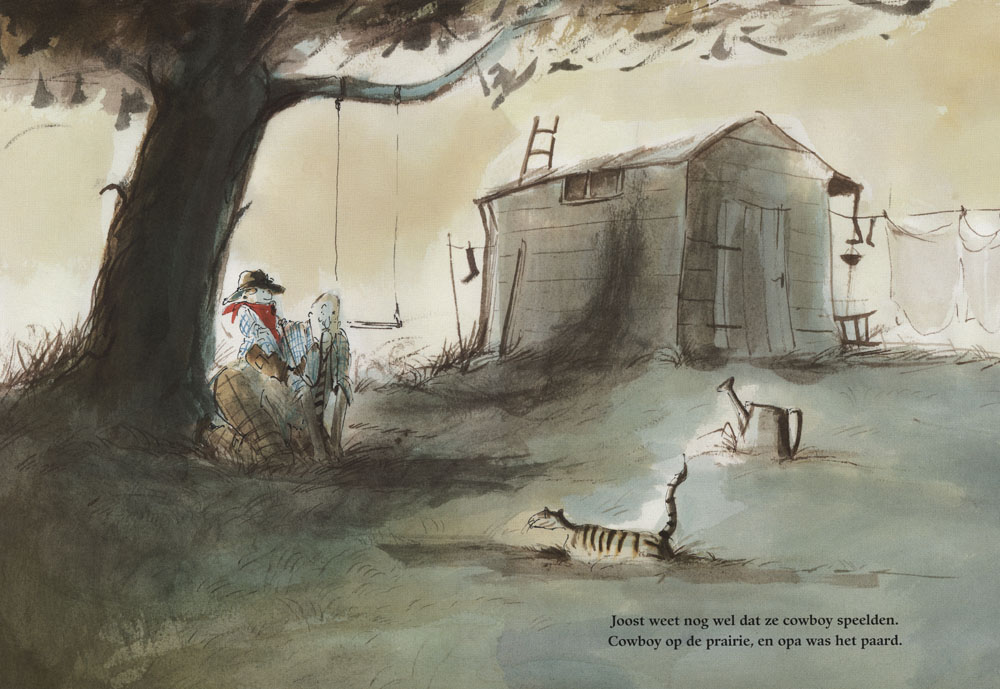
- With the picture book “Grandpa Who Will Never Be Forgot“Een opa om nooit te vergeten(By Bette Westera, 2000) Award Golden Apple Award at the 2001 Bratislava International Biennial of Illustration (BIB).
- I can’t hold it in any longer! (Moet je zien wat ik kan! / Jeetje, wat een beestenbende!— A humorous picture book about toileting and behavior that has become popular in many countries.
- His representative works also include the “Wright the Elephant Series” (such as “Wright Gets First”), which showcases mutual assistance in firefighting.Spuit elf is nummer 1).
| Birth | Harmen van Straaten | Harmen van Straaten (Wikipedia) |
🍃 [other]
| event | figure | Details/Awards | Wikipedia/Data Links |
|---|---|---|---|
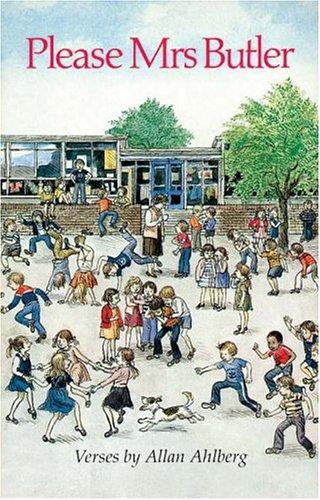
| born | Fritz Wegner | A renowned Austrian-born British book illustrator and cartoonist (1924–2015). He illustrated magazines such as *Punch* for many years and was known for his vivid and humorous sketches of English school life. His work is featured in Allan Ahlberg’s classic humorous collection of school poems, *Please, Mrs. Butler*.Please Mrs. ButlerThe illustrations drawn by him (in 1983) were selected for “1001 Children’s Books”. | Fritz Wegner |
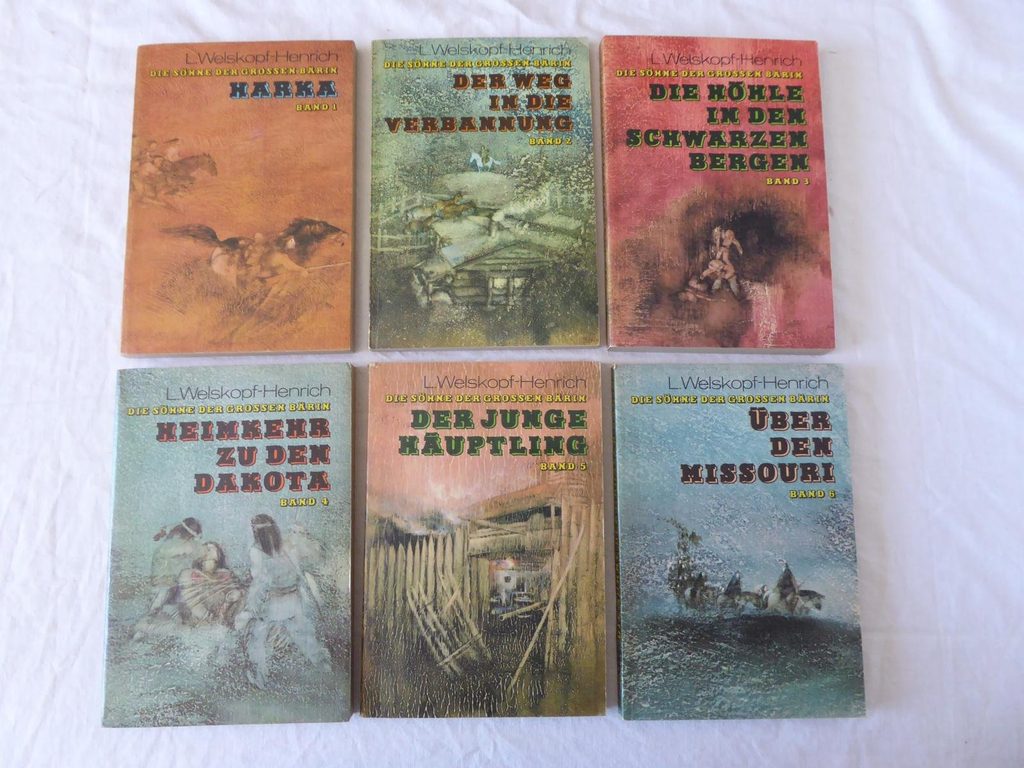
| born | Liselotte Welskopf-Henrich | A renowned East German historian of ancient times and author of Native American historical novels (1901–1979). She spent decades exploring the Dakota Sioux Indigenous reserve, and her magnum opus is the six-part “Son of the Bear” series (including “Iron Bones and Sand”).Die Söhne der großen Bärin(1951) It depicts the history of Native Americans resisting colonial plunder in a grand and rigorous epic style and was selected as one of the “1001 Children’s Books”. | Liselotte Welskopf-Henrich / Douban People |
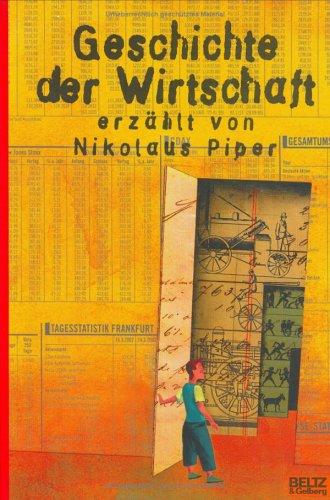
| Death | Nikolaus Piper | A renowned German economics journalist and children’s science author (1952–2024). His representative work on general knowledge for children is *The Story of Economics*.Geschichte der Wirtschaft(2002) Transforms complex concepts from barter and the Industrial Revolution to modern globalized finance into engaging stories for young readers, winning awards. 2003 German Youth Literature Prize (DJLP) Nonfiction Book Award. | Nikolaus Piper |