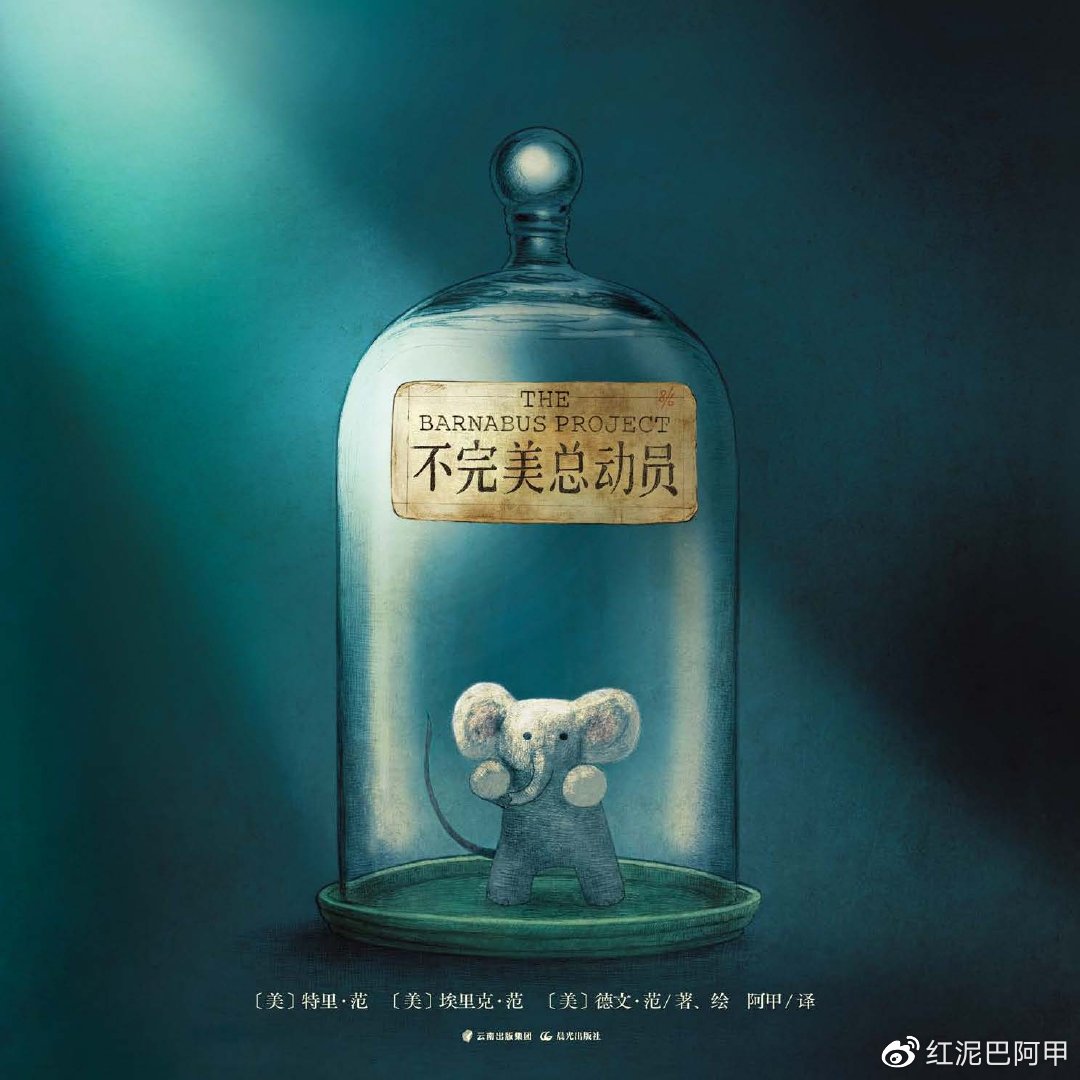
The Imperfect Mobilization cover
Reading the new book “The Imperfect Mobilization” by the Fan brothers, supposedly descendants of Fan Zhongyan, I was once again pleasantly surprised by the visuals. The fantastical and dazzling feel, similar to their previous works like “Midnight Gardener,” “The Sea Meets the Sky,” and “The Deer Antler Boat,” was overwhelming. However, after finishing the book in one sitting, a completely new feeling emerged: over 70 pages of interior pages presented a rare sci-fi epic in picture books, with a thrilling and dramatic plot, culminating in a breathtaking and memorable ending after a triumphant escape…

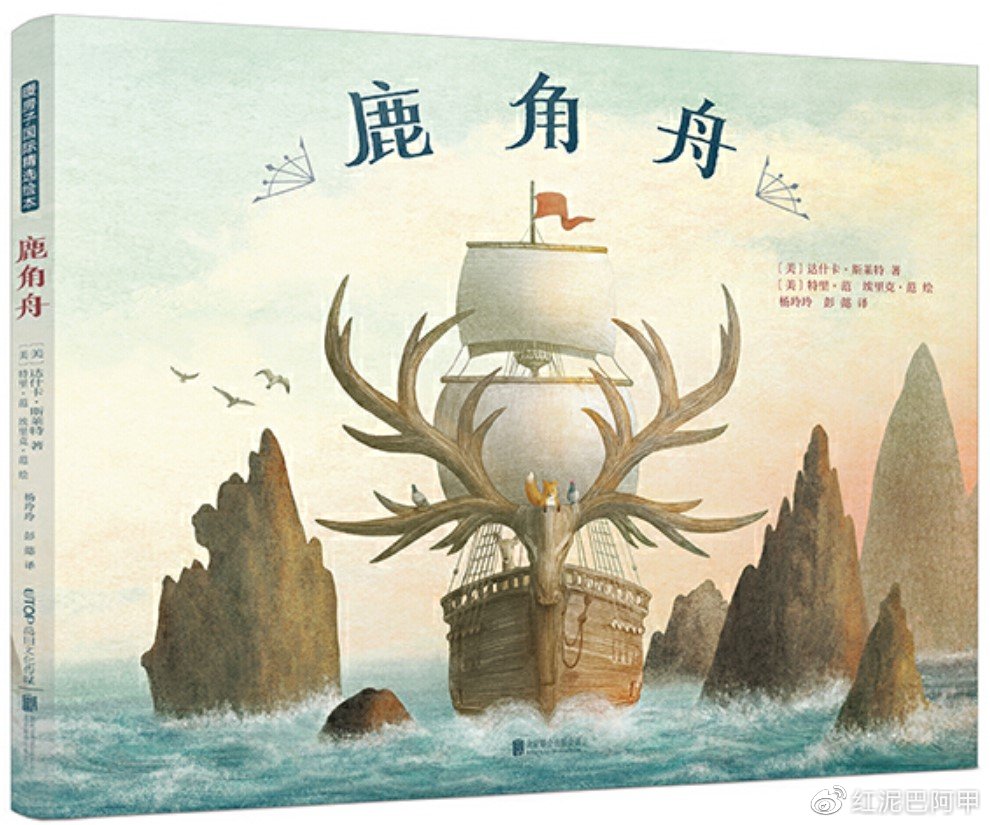
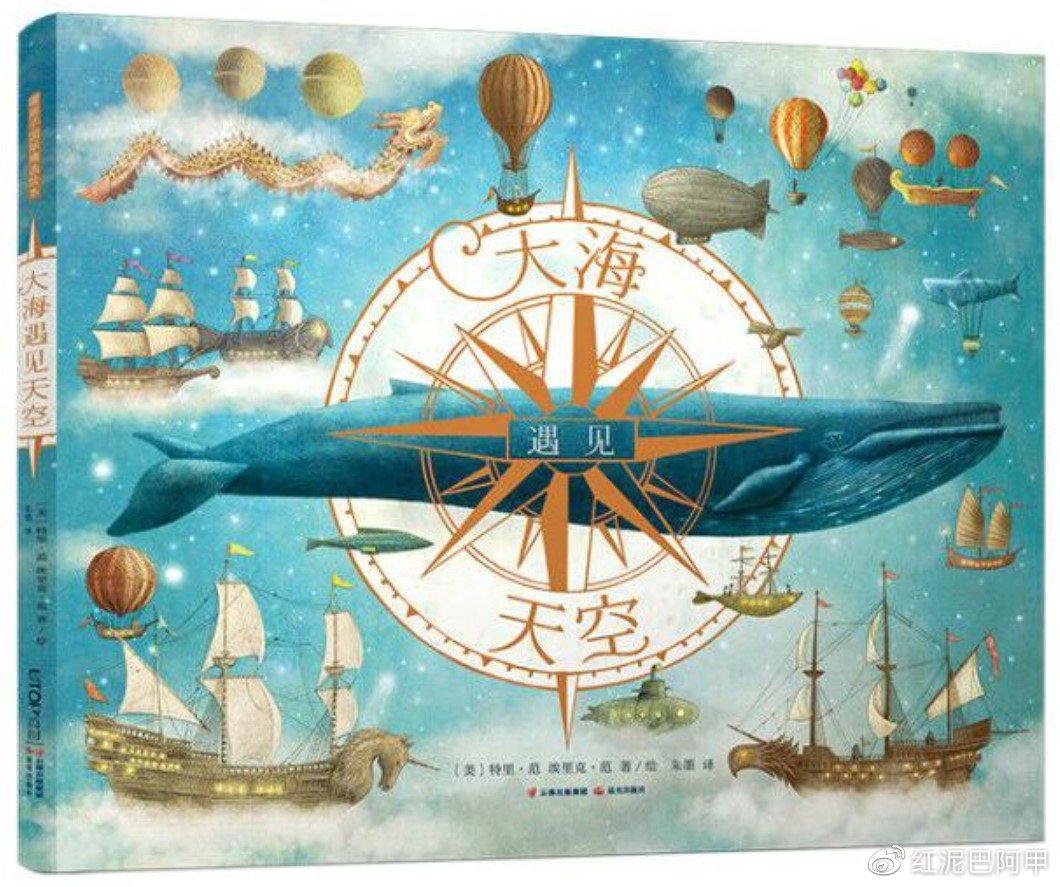 The Fan brothers’ previous three works
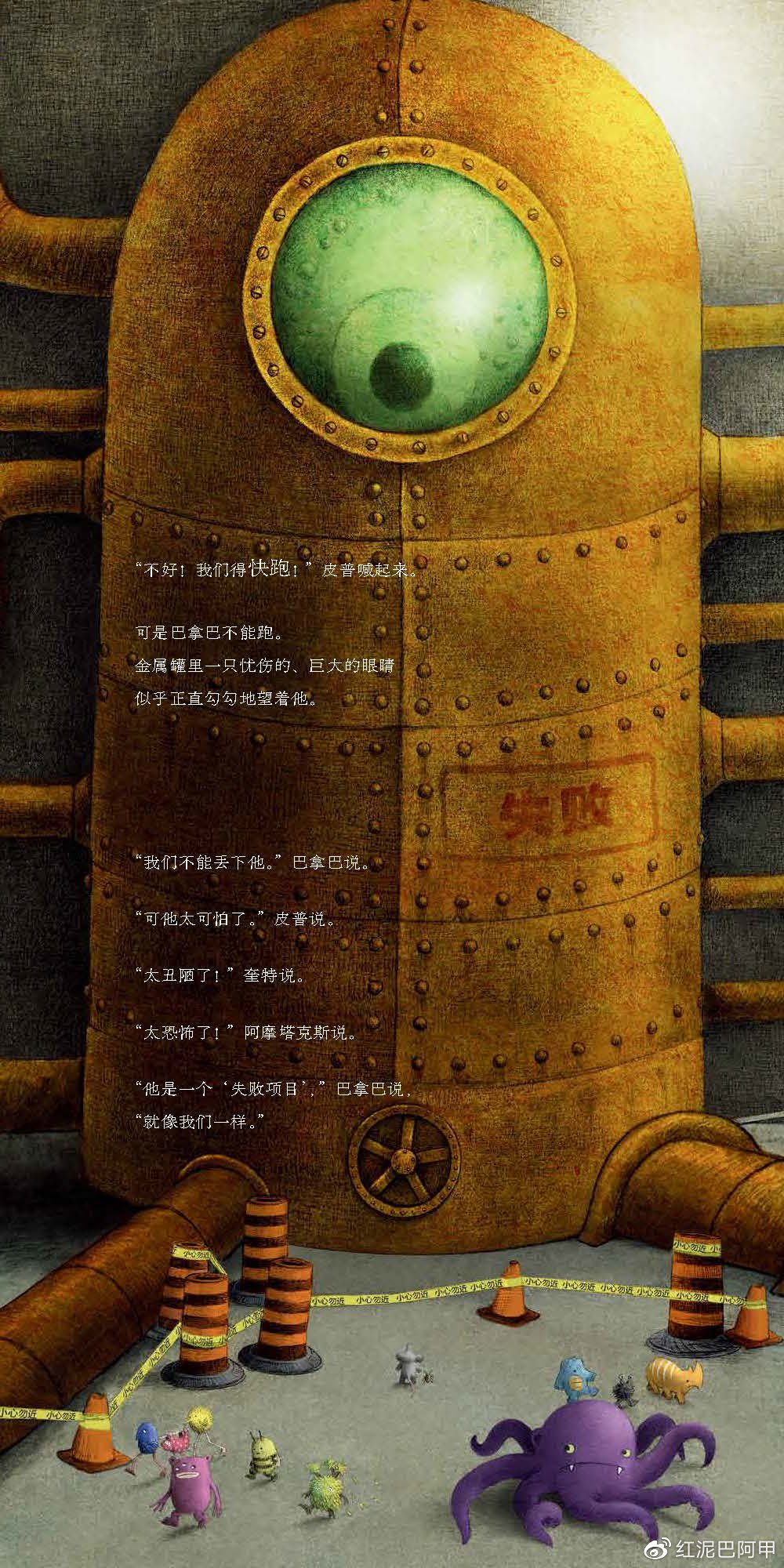 Inside pages of “Imperfect Mobilization”
 Screenshot of the Fan brothers’ video acceptance speech
I couldn’t help but look back at the book’s attribution. The dust jacket still listed “Fan Brothers,” but flipping to the title and copyright pages revealed the names: Terry, Eric, and Devin—it wasn’t “two Fan brothers,” but “three Fan brothers”! Devin, the youngest member of the Fan family, made his grand debut, joining the dream creative team built by his two older brothers. It turns out the three Fan brothers have loved making up stories together since childhood. *The Imperfect Adventure* was a story Devin conceived 25 years ago, and his two older brothers had been working on it together ever since, even during the creation of their first few books. They were simply waiting for the right opportunity and the perfect idea to present the story. Perhaps because this “big story” required more than twice the length of a typical picture book, a publisher only dared to publish it after the “Fan Brothers” name became a hot commodity.
The collaboration between the Fan brothers isn’t the typical model where the writers and artists each take responsibility for their own work. Instead, they co-create stories and create artwork, much like a band. While each member has their strengths, they essentially inspire and complement each other. Perhaps this is why their first projects are large-scale productions with complex structures yet virtually flawless execution.
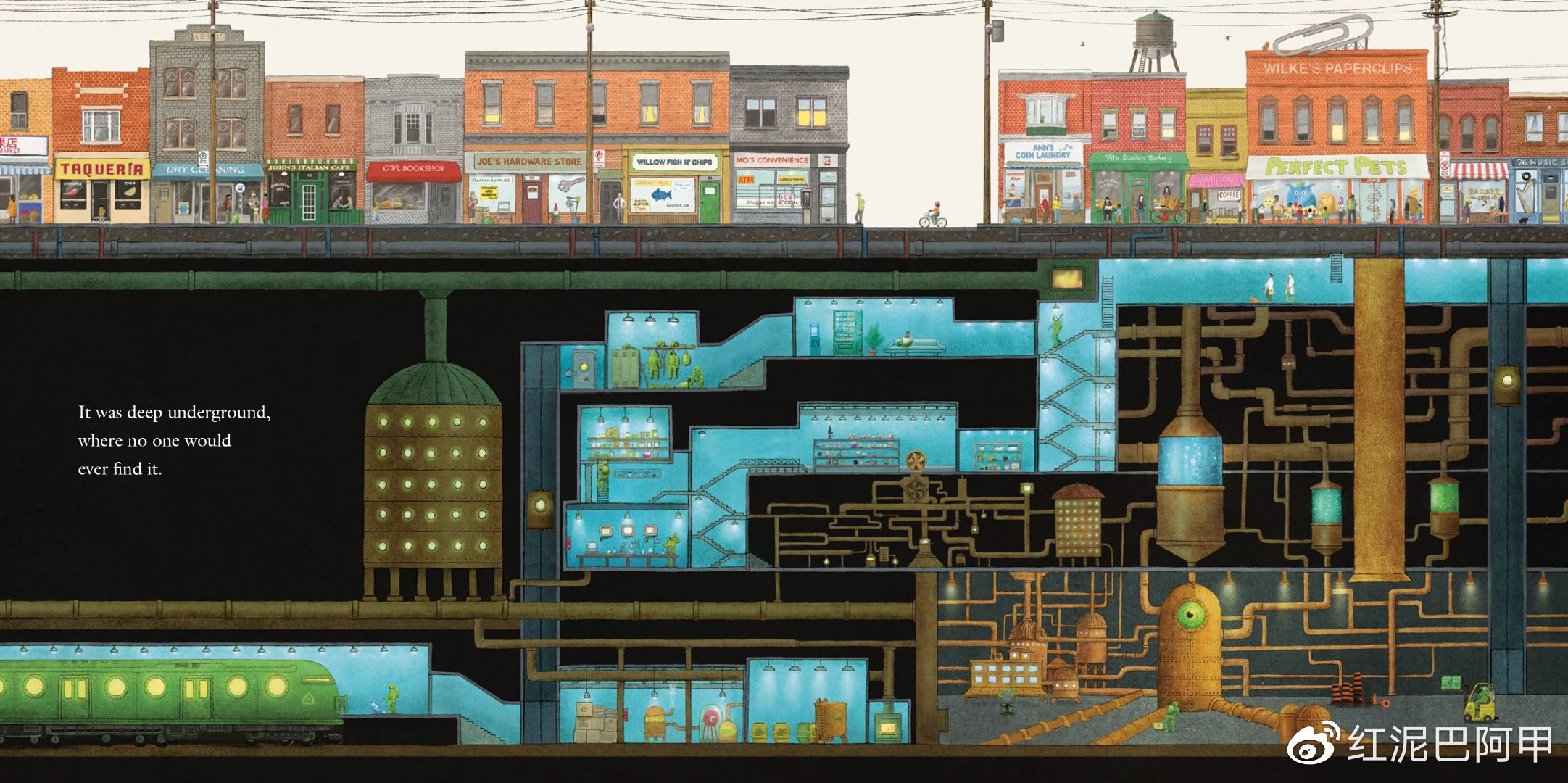
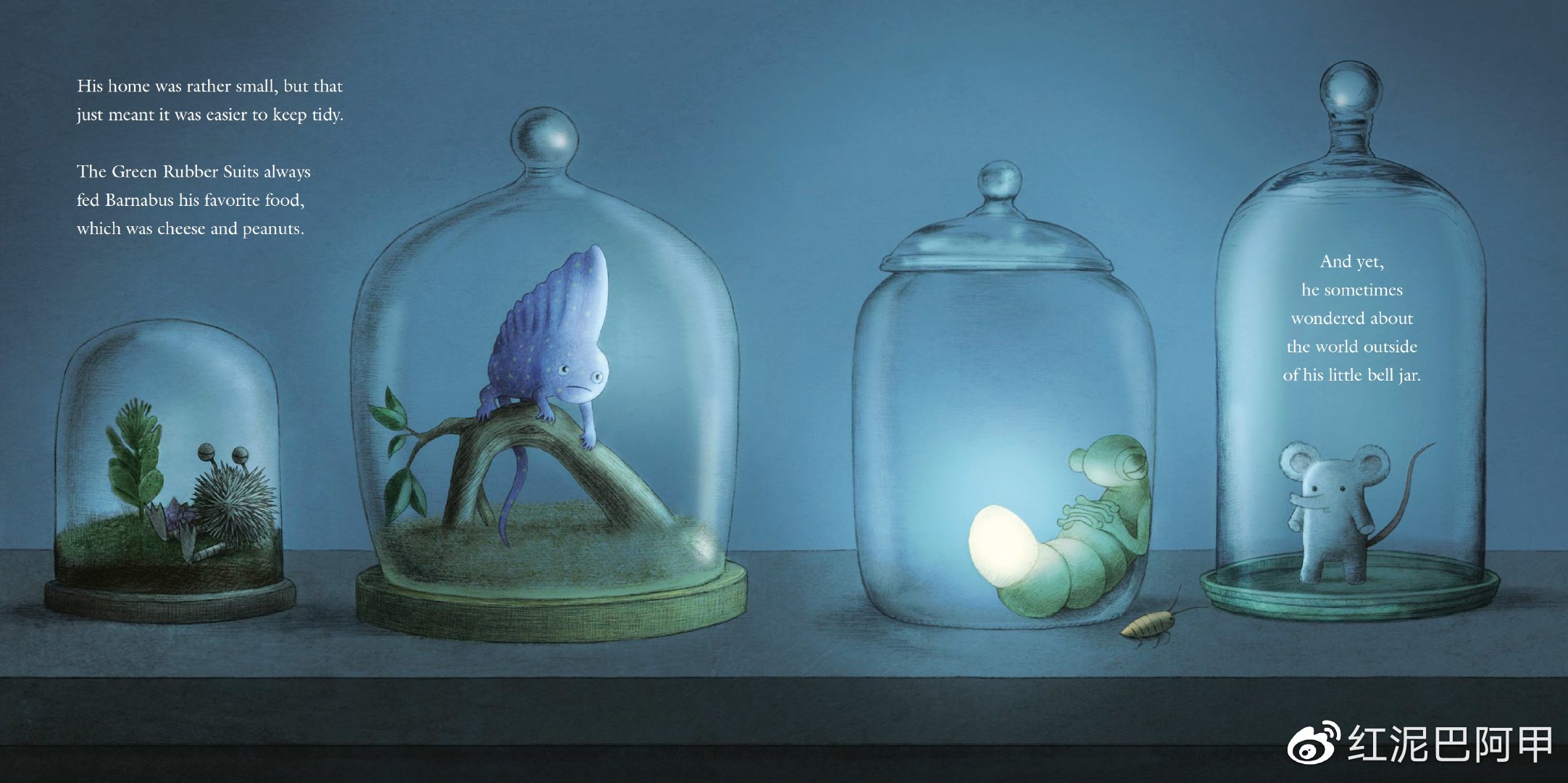 Inside pages of “Imperfect Mobilization”
The first half of *The Barnabus Project* is a poignant tale: Barnabus, a half-rat, half-elephant, lives in a secret laboratory within a tiny, transparent bell-shaped jar. His companions are other grotesque pets living in other bell-shaped jars, and Pip, the only one who can move freely. The jars are stamped with “failure” marks, which Pip explains to Barnabus are the hallmarks of a “failed project.” Combined with an advertisement for a pet store on the ground—“Perfect Genetic Design”—it becomes clear that Barnabus and his companions are the product of various genetic defects; for example, Barnabus should ideally have a fuller coat and larger eyes. Because they don’t meet the standards of perfection, these imperfect lives face the fate of being “reclaimed.”
However, Pip’s depiction of the outside world ignited Barnabas’s dreams. Even a “failed project” like him, unfree and genetically flawed, possessed a clear sense of self. He loved peanuts and cheese, cherished his small eyes, loved his friends, and dreamed of one day sitting on the grass watching the stars, and the mountains reaching towards the sky illuminated by his own stars (the images actually depict the skyscrapers of a big city). Even sitting in the bell jar, Barnabas could almost see a sky full of stars with his eyes closed—this double-page spread in the book, the Van brothers felt, perfectly expressed Barnabas’s feelings.

Because he still harbored dreams, Barnabas refused to end his life’s journey through “recycling.” The latter half of the story shifts to a courageous struggle, where the group of “failed” and ugly pets, led by Barnabas, work together to break free from their cages and finally liberate themselves. This half-rat, half-elephant protagonist’s original English name is Barnabus, a dictionary entry suggesting it’s a misspelling or alternative spelling of Barnabas, a brave and magnanimous apostle in the New Testament whose name means “son of comfort.” I think the Van brothers must have had a deeper meaning in giving this name to the protagonist of this story. The most touching scene in their escape adventure is when the imperfect pets discover another large monster trapped in a tank. Everyone instinctively sees it as a terrifying alien, but only Barnabas steps forward, pointing out that it is also one of their kind that cannot be left unrescued—they are all “failed projects” in the same boat. As it turns out, this crucial rescue ultimately saves them as well!
Stripping away the fantastical, dazzling, and thrilling exterior of this story, we can see it as a philosophical inquiry: What is perfection? Does life need to strive for perfection? Re-examining our current lives reveals the profound relevance of this question. In his picture book *I’m Not a Perfect Child*, Jimmy Liao uses the perspective of the young protagonist, Hao Wanmei, to showcase the anxiety of “perfection” and the beauty of “imperfection.” In real life, adults often fall into various “perfection” traps, worrying about not being able to raise a perfect child, or going crazy over not being able to achieve a perfect appearance or figure… But who sets the standards for “perfection”? Is the value of life reflected in striving to reach predetermined standards? So, does failing to meet those standards mean certain “return”?
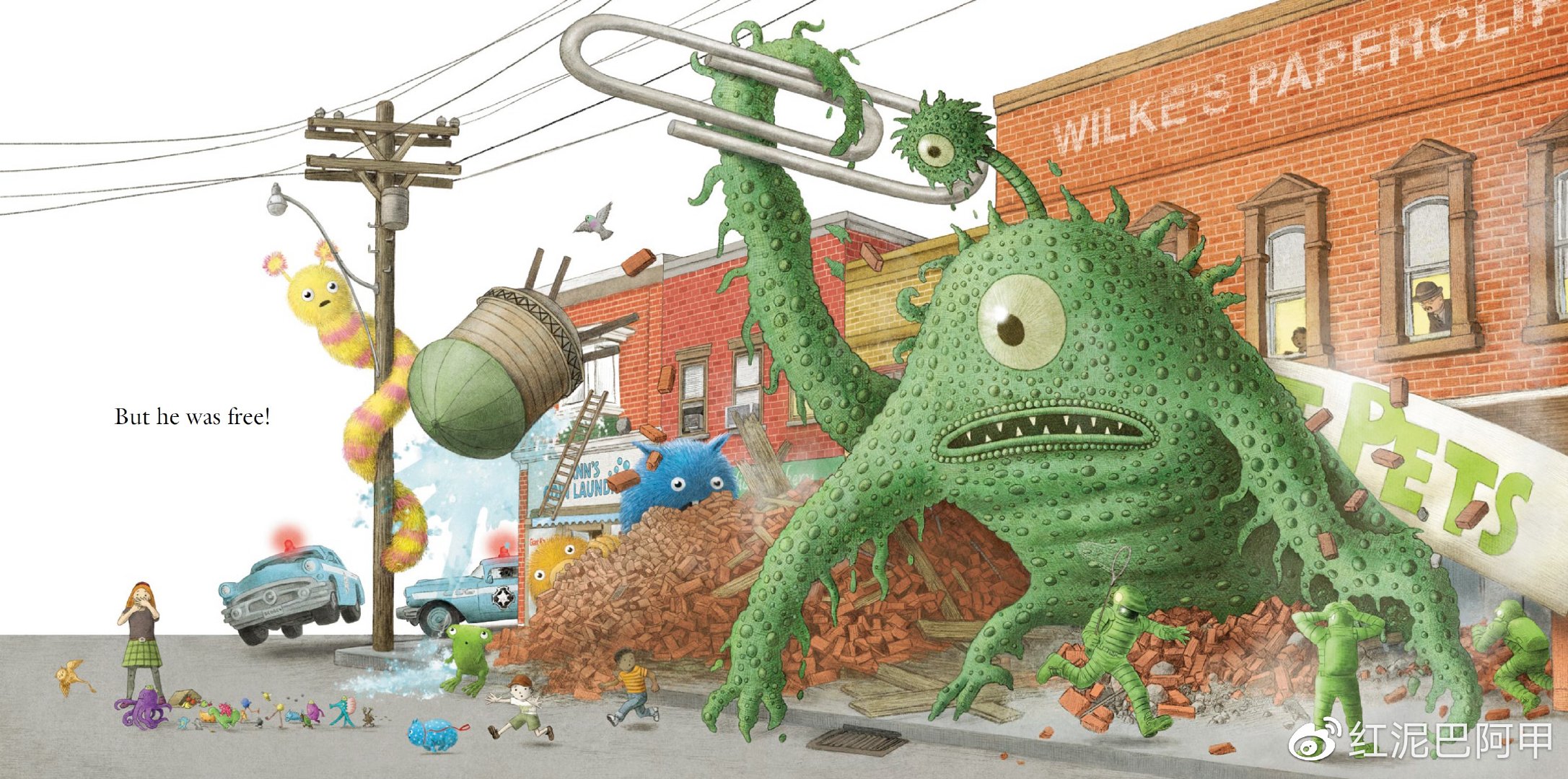
“Imperfect Men” offers the Fan brothers’ version of the answer. Barnabas, half-mouse and half-elephant, doesn’t envy Barnaby, the so-called “perfect standard”; he chooses freedom! This yearning for freedom is a form of self-awakening. He accepts that his hair isn’t bushy enough, his eyes aren’t big enough, and he even likes his appearance more. Self-acceptance grants him freedom; accepting oneself as one is is another level of “perfection.” Furthermore, Barnabas’s insights extend to greater spiritual freedom gained through accepting others. On a practical level, he takes responsibility within his community and enjoys the support and companionship of his friends, discovering a richer self through friendship and close relationships…
Of course, the insights each reader gains from the story are related to their own life experiences, so we shouldn’t impose our own understanding on young readers. As far as I know, the main reason young readers love this book is because the adorable little monsters, presented as “failed projects,” are prominently featured on the front endpapers and can be compared to the “perfect projects” on the back endpapers. Some children have even created their own quirky yet adorable monsters, which their teachers or parents shared with the Fan brothers on social media, eliciting much admiration. Thoughtful teachers have even organized elementary school students to continue the story’s ending of the triumphant escape, and their imaginative ideas are no less impressive than the Fan brothers’. In fact, young readers’ participation in the story in their own way sparks more thought and brings more insights.
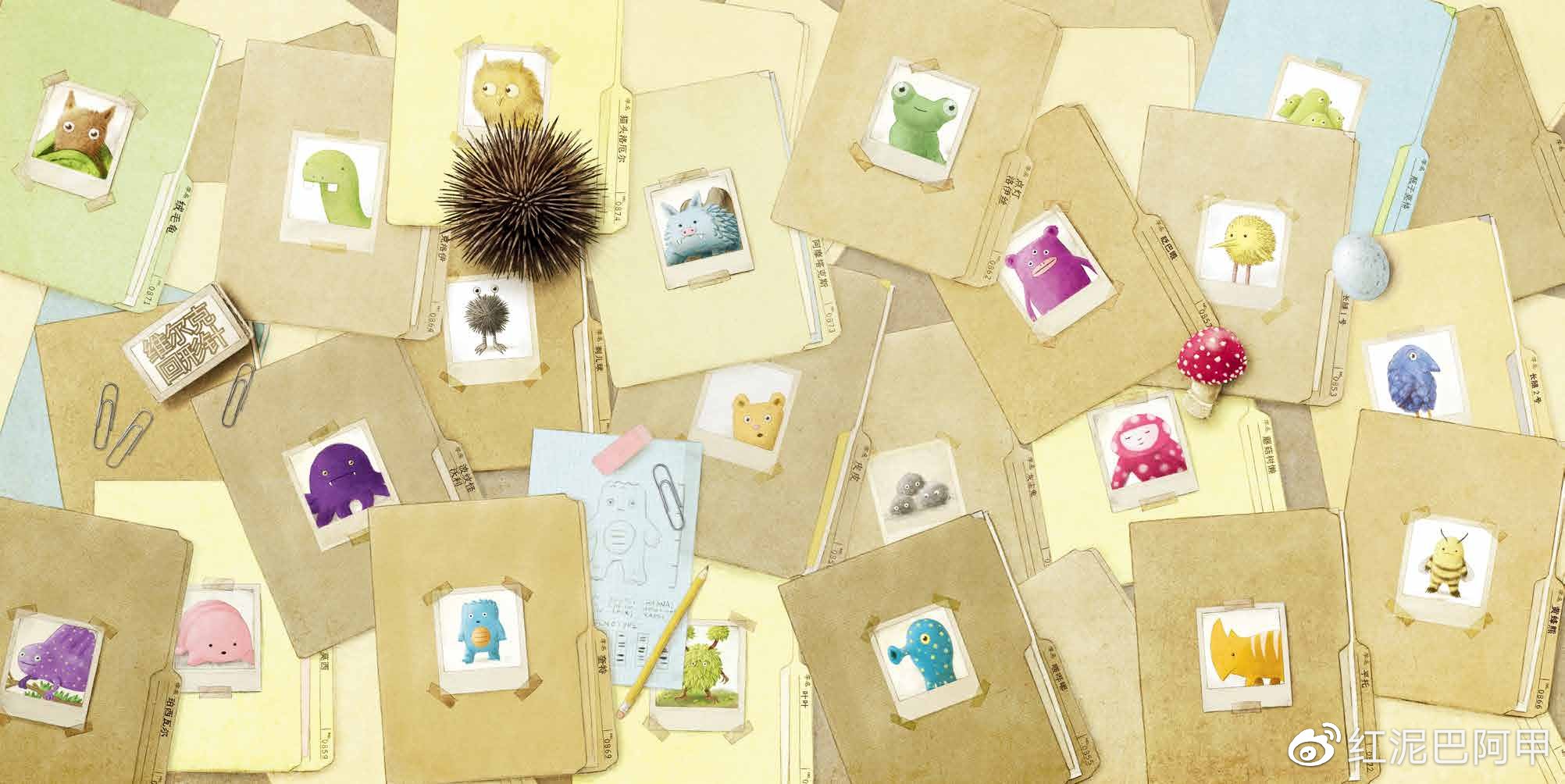 Front endpaper of “Imperfect Mobilization”
 Endpapers of “Imperfect Mobilization”
As a “blockbuster” within a picture book, there are many details waiting for attentive readers to discover. Here are a few tidbits. On the third-to-last double-page spread, the one where Barnabas and his friends find a place that might be a suitable home, we see a creature resembling the Loch Ness Monster playing with a boat in the lake—that’s, of course, the same monster that was once trapped in the water tank. And look at the little girl walking her pet; isn’t that a Barnabas? Barnabas is peeking from behind a blade of grass under a tree, his feelings probably a mix of emotions. The Van brothers don’t seem to have completely denied the value of a “perfect pet”; “perfect” or “imperfect” is more like a choice.
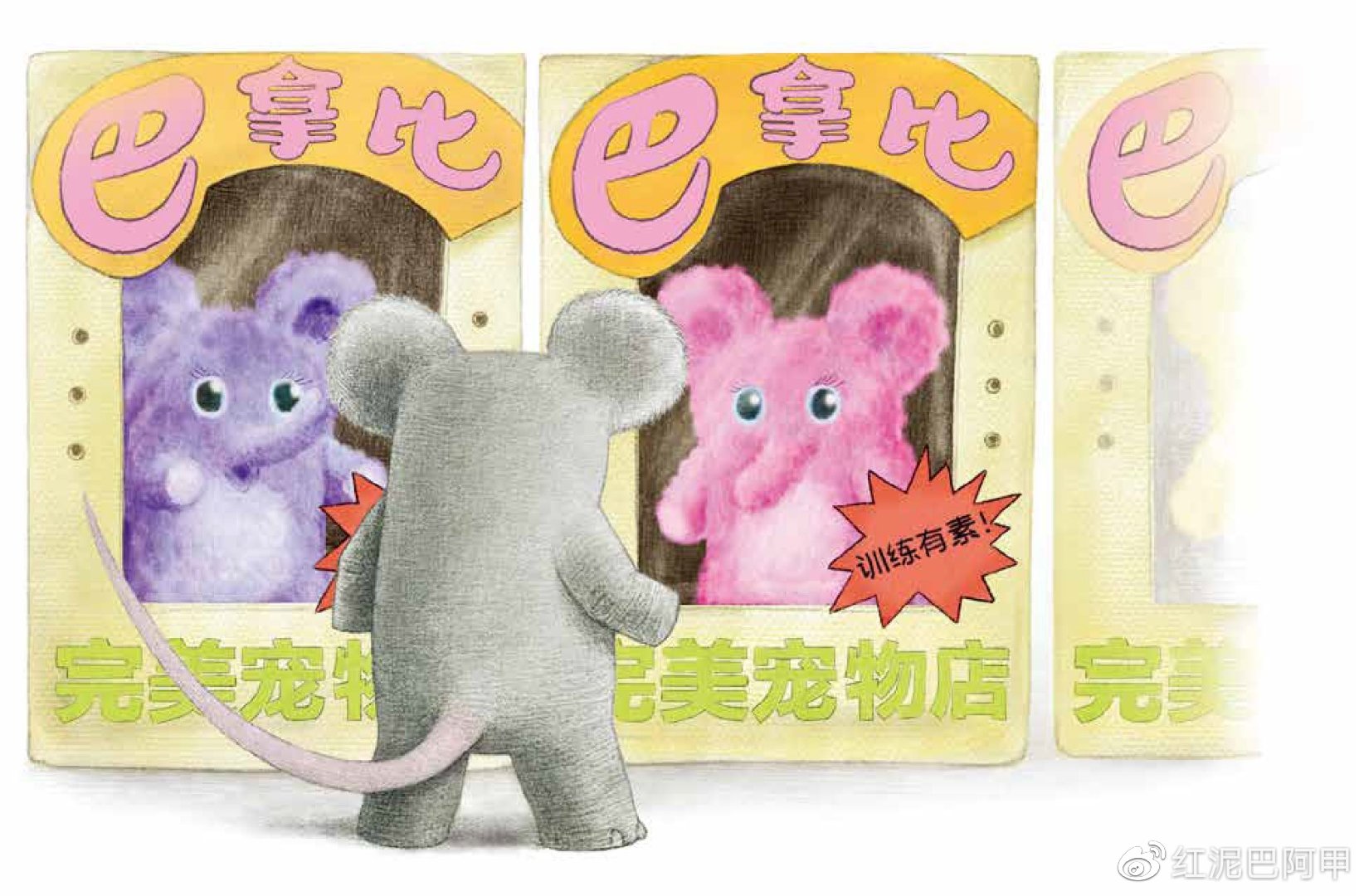 Which is more perfect—Barnabas or Barnaby?
 Interior pages of “The Imperfect Mobilization” (near the end)
However, the most interesting detail is the elderly couple sitting on the bench in the lower right corner feeding the animals. The old man wearing the top hat actually appeared in “The Midnight Gardener” and is the mysterious Midnight Gardener. The character is based on Mr. Fan Guangdi, the father of the three Fan brothers, who devoted his life to philosophical research!
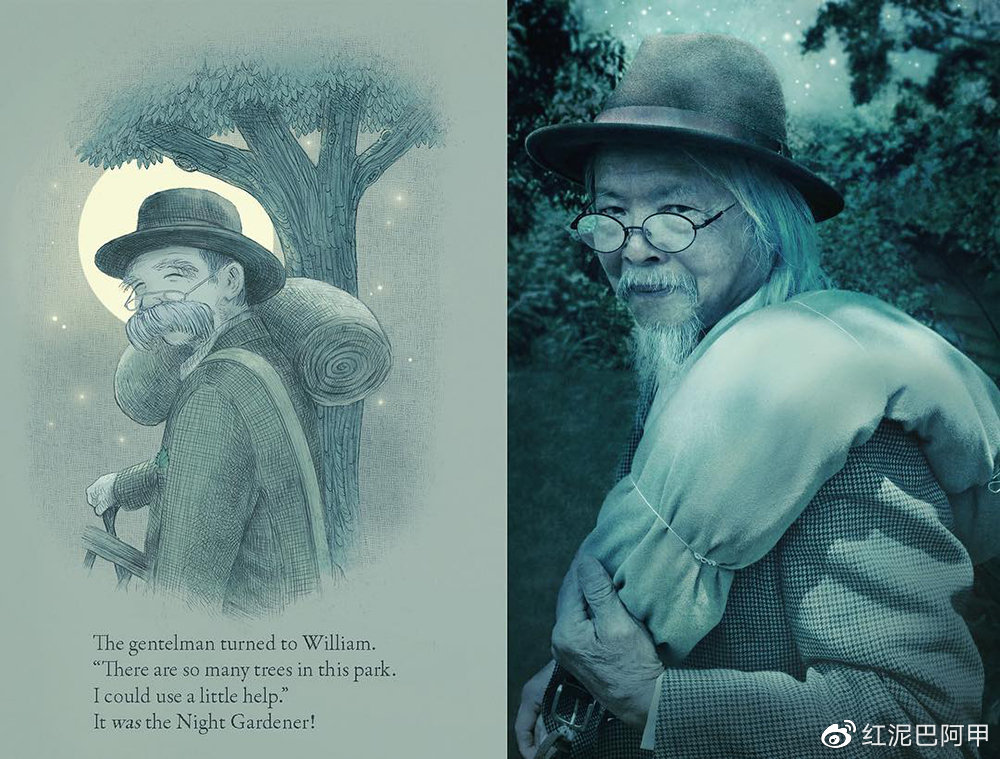 The father of the Fan brothers who appeared in “Midnight Gardener”!
 Mr. Fan Guangdi
I wonder if Mr. Fan considers raising three brothers to be perfect?
Written by A‑Jia on March 28, 2021 in Beijing
Appendix: Excerpt from reports about Fan Chaodeng, the grandfather of the three Fan brothers (Fan Guangdi was Fan Chaodeng’s eighth son)
Original source:World Guest Blog

…