Here, I would like to briefly review the process of how this book came about.
origin
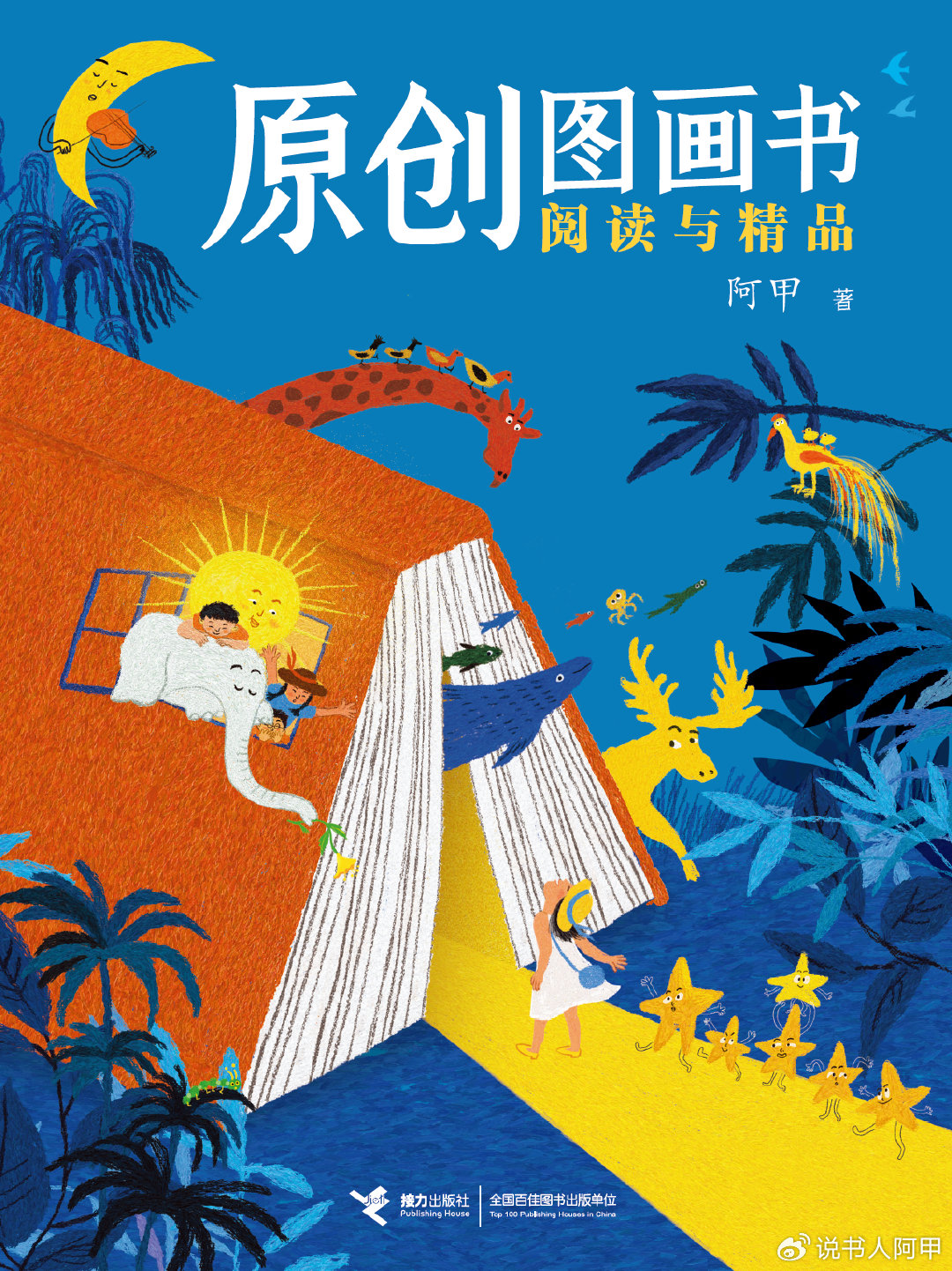
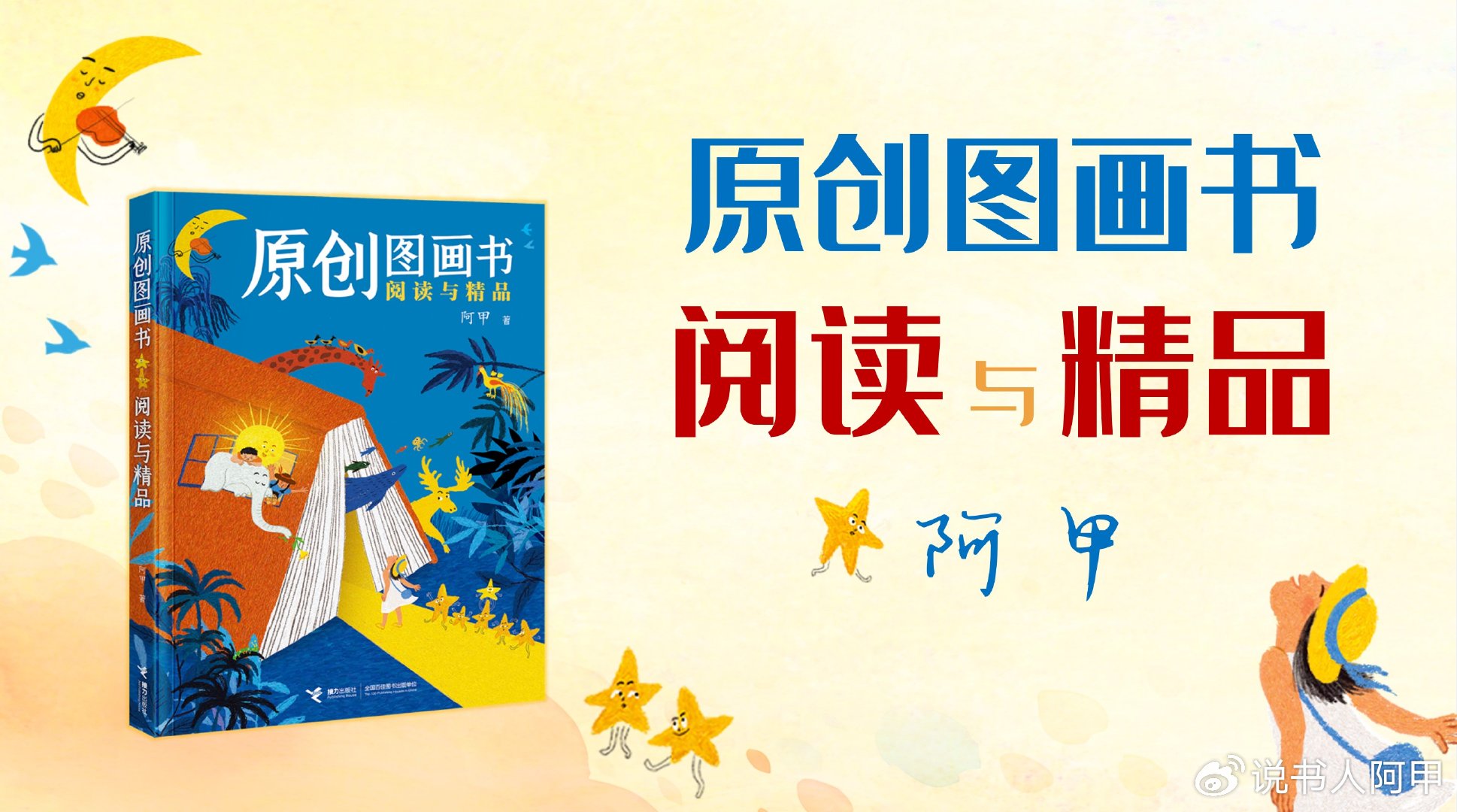
The creation of this book was primarily thanks to the recommendation of Professor Peng Yi and the invitation of Professor Bai Bing. The title, “Original Picture Book Reading and Masterpieces,” was decided from the beginning because it echoes “World Picture Book Reading and Classics” and can be seen as its sister volume. I remember the first topic selection discussion meeting with the editor was in April 2021, and looking back, most of the initial ideas have been realized.
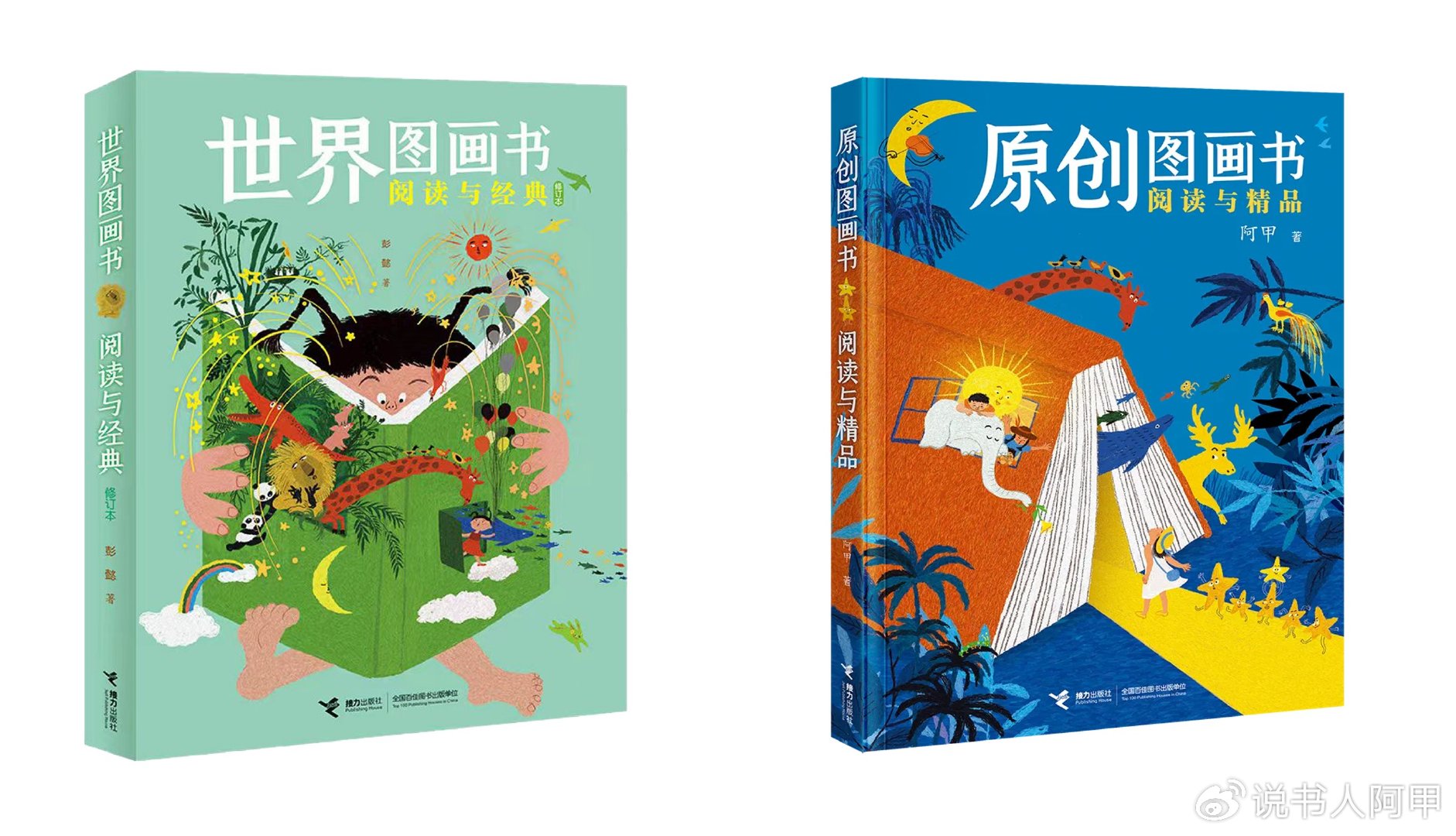
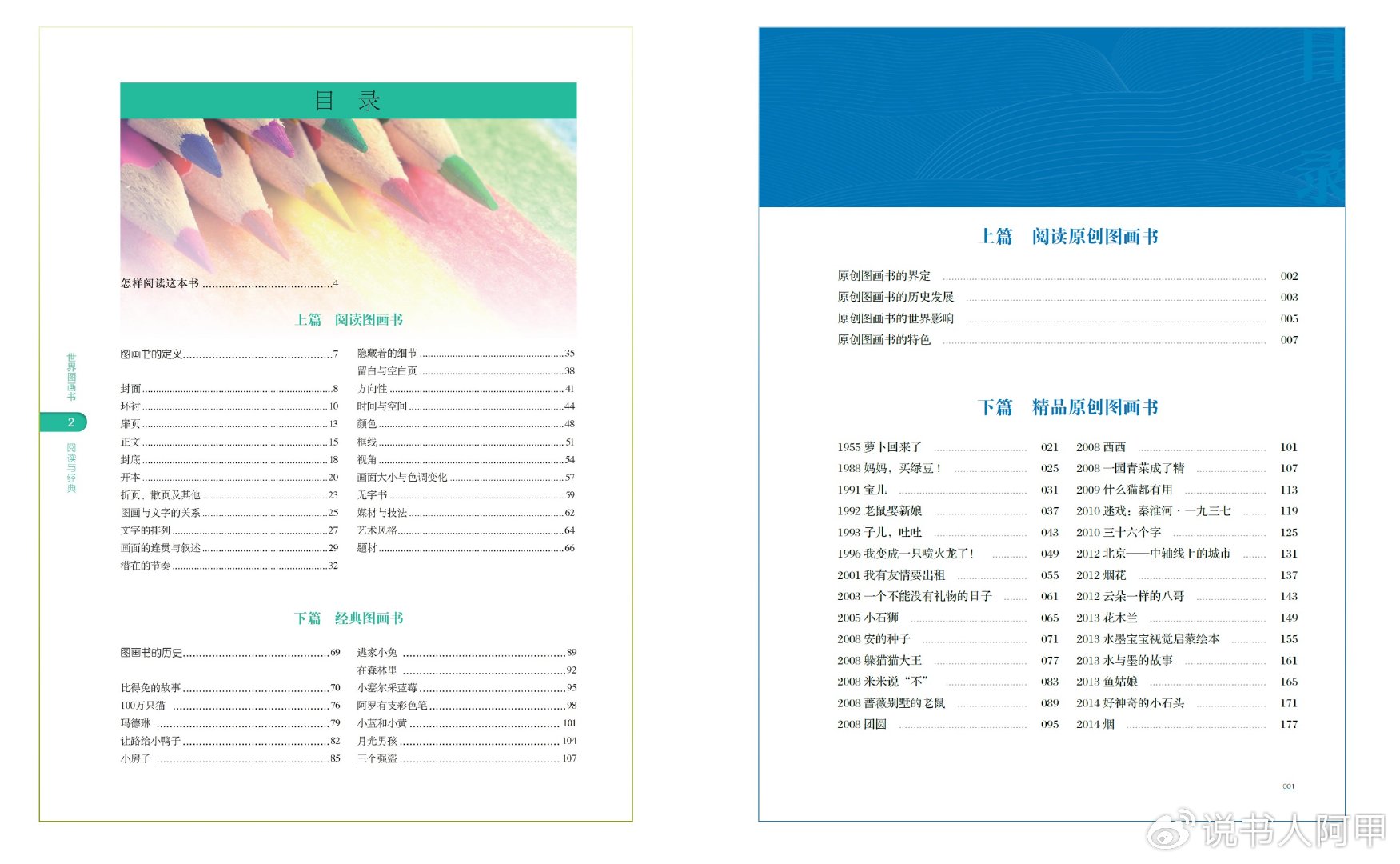
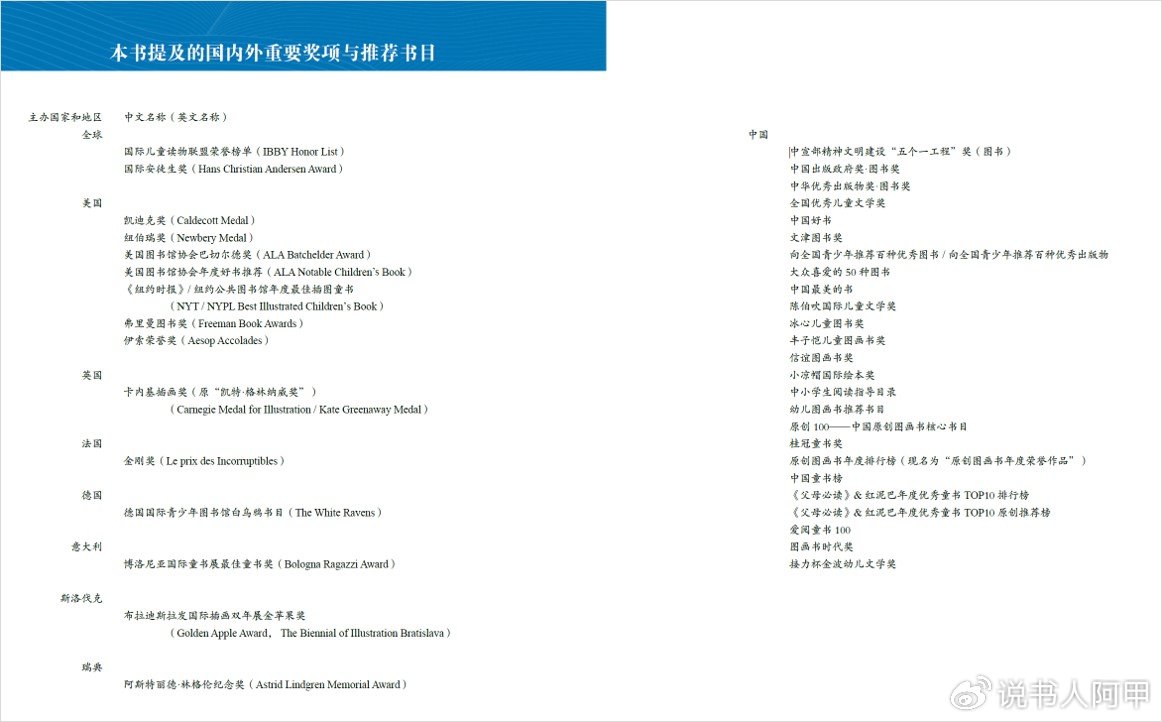
From the perspective of a companion piece, for me, the clock can be turned back to 2005–2006, when I witnessed firsthand the creation and publication process of *Reading and Classics*, and participated in some of the data compilation, especially the section on awards. Awards and sales figures largely reflect a book’s acceptance by both professional circles and the general public, and are an important indicator for judging whether a work is a “classic” or a “masterpiece.” Inspired by this, the writing process of *Reading and Masterpieces* was actually done in reverse. Our first stage involved compiling domestic and international award information and lists of recommended books, from which we selected the main “masterpieces” for interpretation. Of course, there were a few exceptions, mainly to consider the diversity of themes and formats.
Attention and Research
As a children’s reading promoter, I have been directly involved in promoting original picture books since 2007–2008. This began with the *Parents’ Must-Read* magazine and the annual Top 10 list of outstanding children’s books by Hongniba, and then through the “Five-Colored Soil” Original Picture Book Research Center and its series of book editorial boards. At that time, the members of “Five-Colored Soil” included myself, Detective Carrot, the Xiong brothers (Lei and Liang), teachers Yang Zhong and Zhuang Zhuang, and Dr. Wang Lin. Although the initial attempts did not continue, each member has continued to promote this cause through their unique efforts.
After 2008, my interests shifted more towards the study of picture book history. While translating *Dear Genius* and *Why Picture Books Matter*, and writing *The Power of Childhood*, and focusing on the history of British and American picture books, I also wanted to conduct a comparative study on the history of Chinese picture books. However, I gradually realized that the basic materials on original Chinese picture books were far from sufficient. You can look for them yourself; there’s very little fresh, basic information about Chinese creators, and genuine commentary and research on original picture book works are also pitifully scarce.
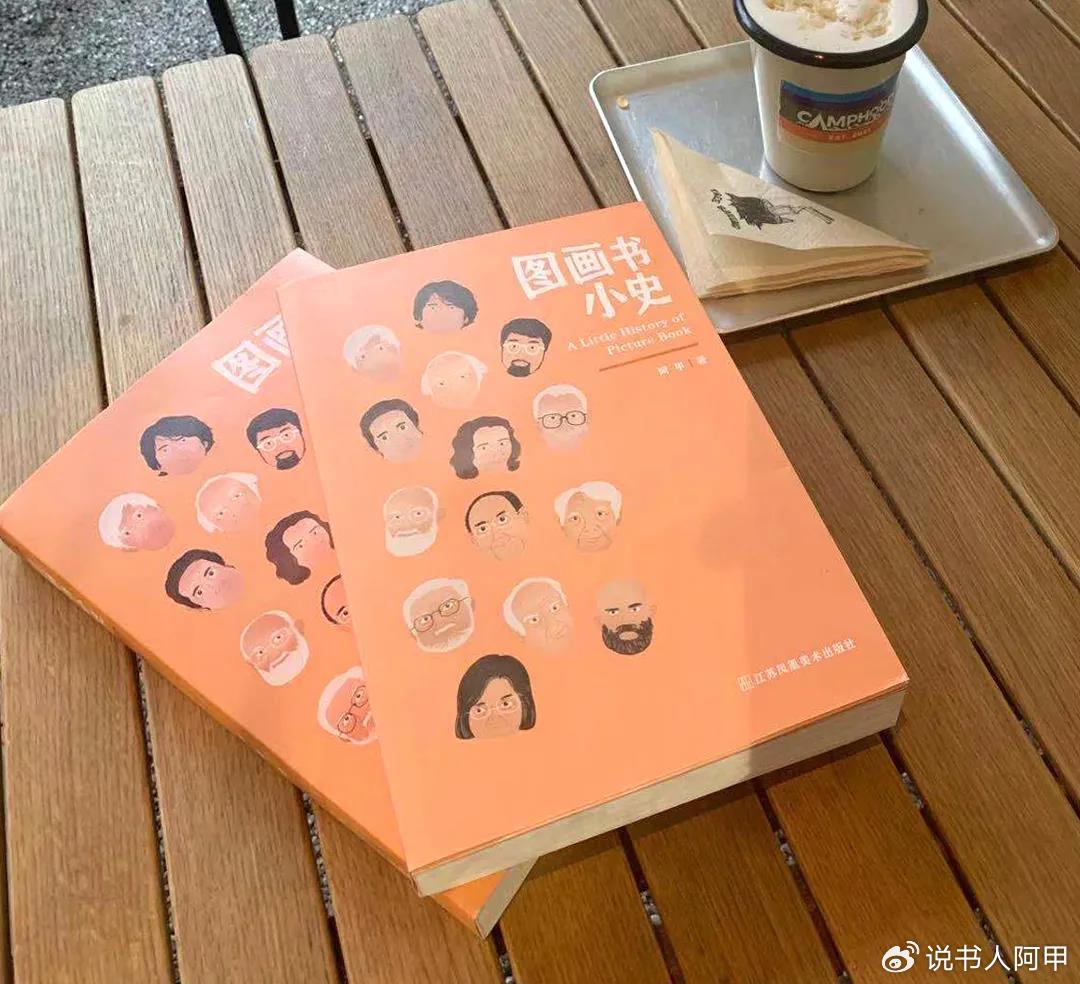
I spent almost 10 years writing a book called *A Short History of Picture Books* (published in 2021). Although it’s a little history, the basic materials are quite solid. While it’s written like a popular book, reading like a storyteller’s tale, I dare say that every sentence can be traced back to its source. However, I haven’t yet achieved that level of expertise regarding original picture books, mainly because the basic materials are insufficient.
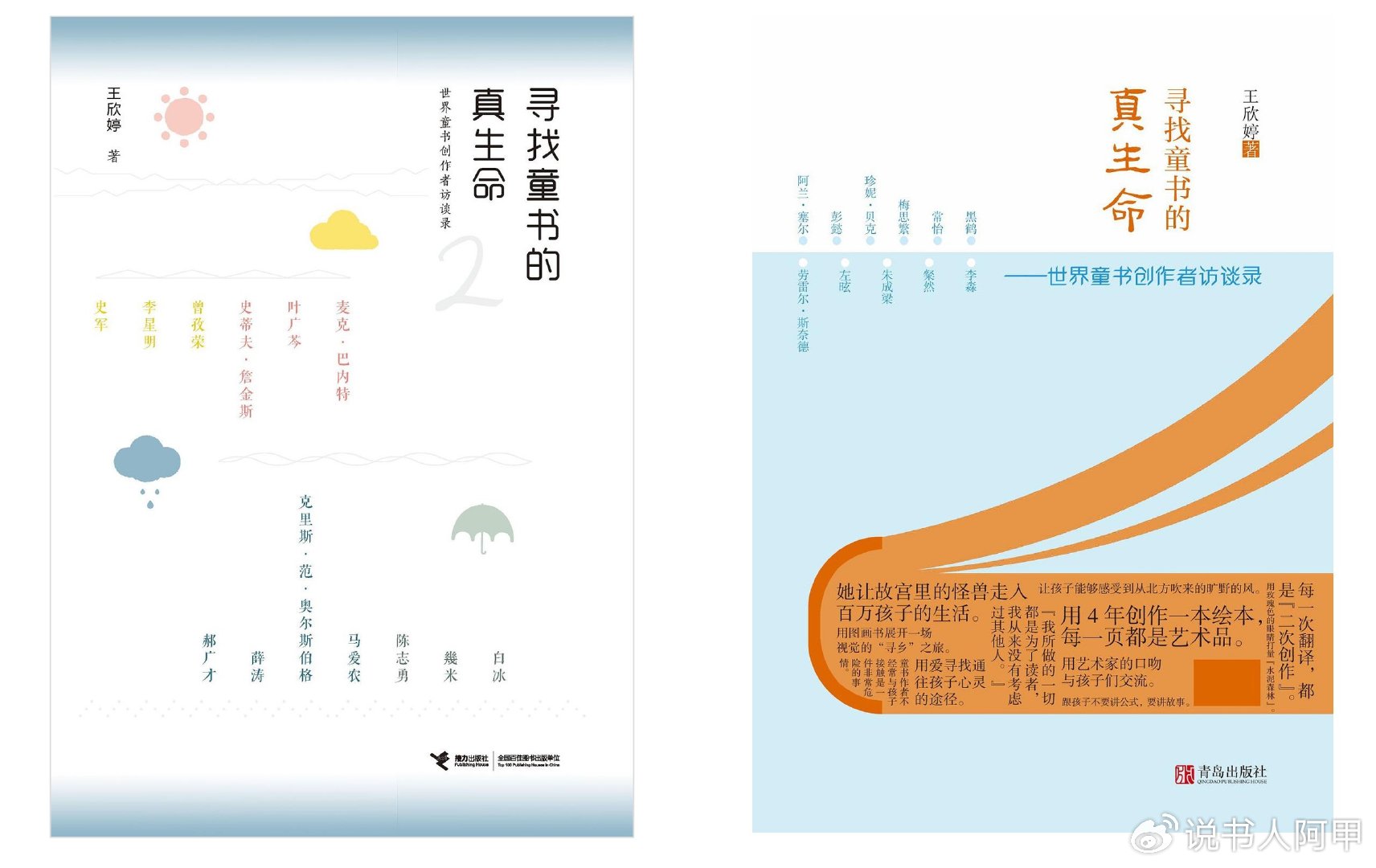
My initial idea was to emulate “Why Picture Books Matter,” creating a collection of interviews with original creators. The project was initiated in 2015, and I even signed a letter of intent with a publishing house. My first interviewee was Peng Yi, followed by Zhu Ziqiang, Cai Gao, Zhou Xiang, Zhu Chengliang, Wang Zumin, Liu Xun, Yang Zhong, Xiang Hua, and so on. However, creating an interview collection was very difficult, and the project was interrupted several times. Until I discovered a promising newcomer was also doing this, and doing it even better than me, I readily gave up! That was Wang Xinting’s “Searching for the True Life of Children’s Books.” I even happily wrote the preface for her second interview collection. I hope she can do more, so I can take a break in this area. ^_^
Features of this book
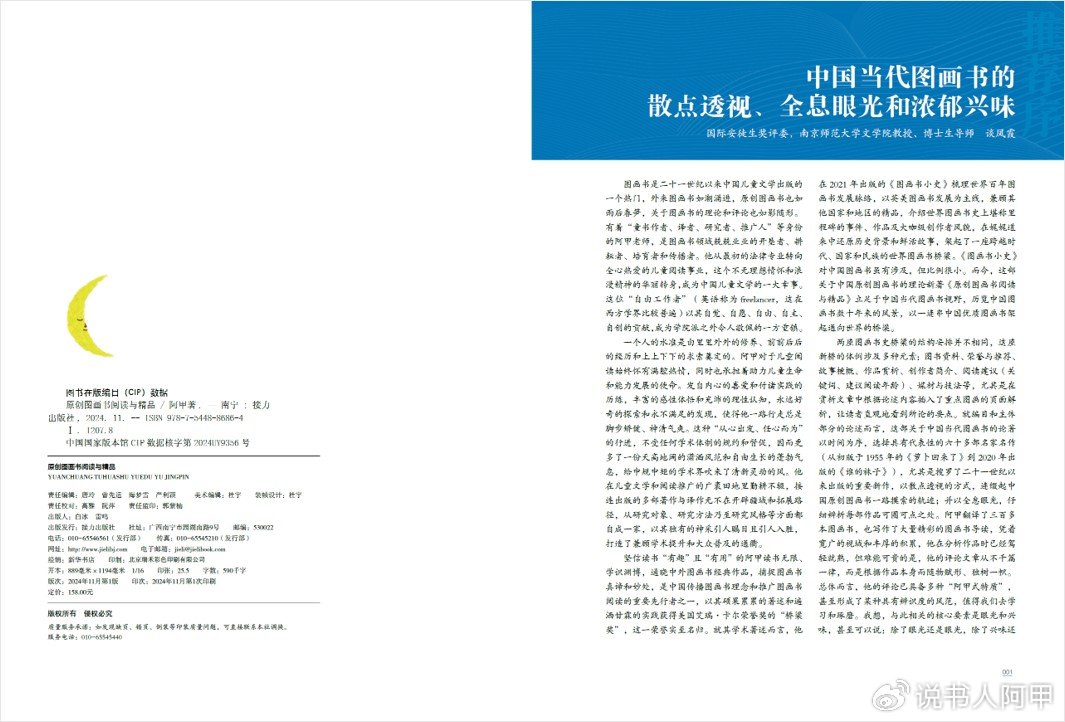
Special thanks to Ms. Tan Fengxia for writing the preface to this book, “Scattered Perspective, Holographic Vision and Rich Interest in Contemporary Chinese Picture Books”. It’s not just because she said a lot of overly flattering things in the preface, but mainly because she really read it very patiently and carefully. She understood my good intentions in writing this book.
Indeed, I wrote this book as a “brief history of original Chinese picture books,” a kind of continuation of “A Brief History of Picture Books.” But what to do when there’s a real lack of basic data? The solution is to first gather basic data, identify representative samples, and analyze each book one by one, providing as much technical analysis as possible.The text, visual narrative, text-image relationship, expressive forms, creative techniques, creative intentions, themes, possible interpretations, possible storytelling, and reader reception of picture books, as well as observations and comparisons placed on the global picture book stage, and examinations from the perspective of creative historical background.And so on. Of course, it’s impossible to discuss such comprehensive content in a single book. I will choose to focus on different topics in different books, and I will also make as many comparisons as possible with world-renowned picture books that everyone is familiar with.
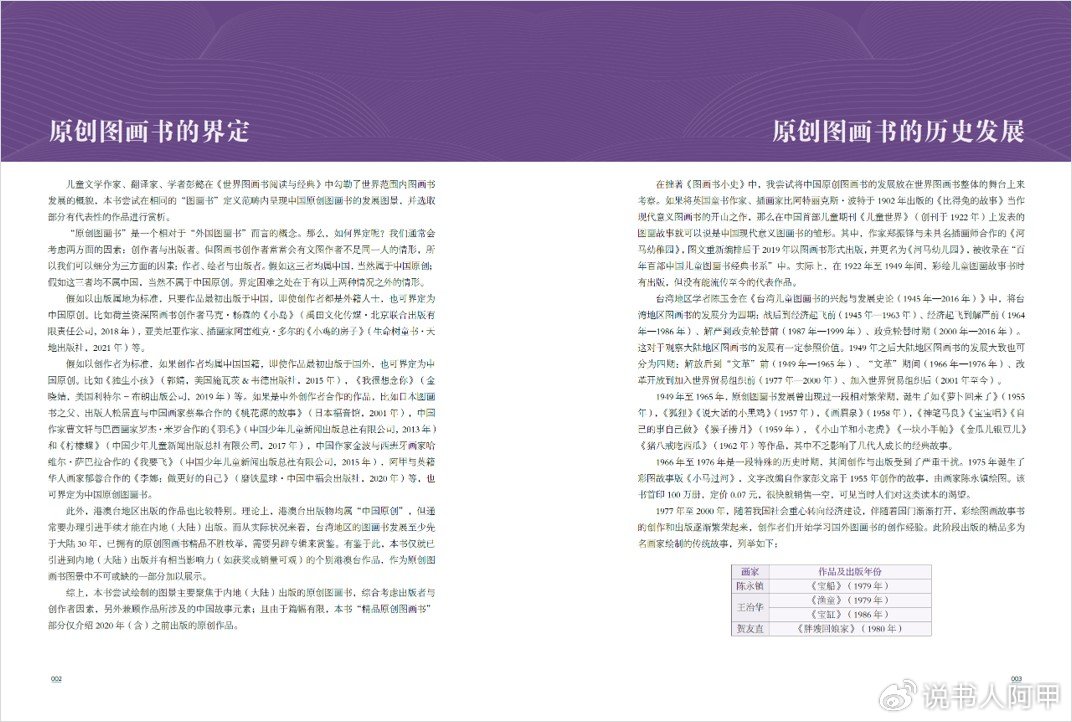
Professor Tan Fengxia specifically noted that this book mainly collects important new works published after the 21st century. What about the works published before that? I want to address this specifically. Because I lack sufficient materials on original works published before 2000, and I know that Director Wang Zhigeng has done many years of very thorough collection and organization work, starting with works from the 1920s, and also spearheaded the planning and publication of the “One Hundred Classic Chinese Children’s Picture Books of the Century,” a rescue-oriented project. Therefore, he is the perfect candidate for this kind of sorting and commentary work. He is also currently working on a history of the development of original Chinese picture books in the 20th century, and every time I see him, I urge him to submit his work, even more proactively than his editor. —What I want to say is that we need more people to do this kind of work, and we should all start with what is most convenient, what we are best at, and what we are most comfortable with.
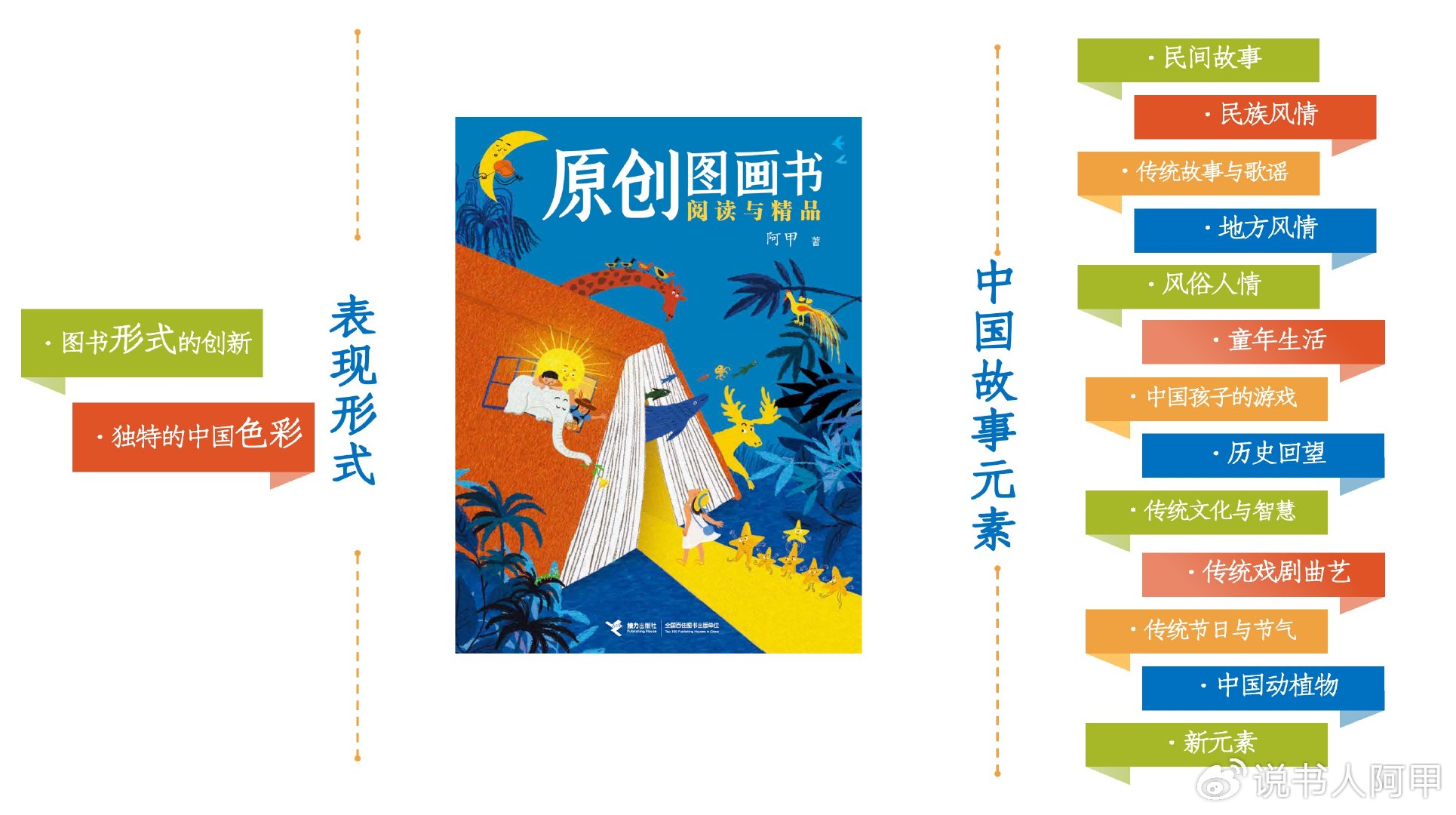
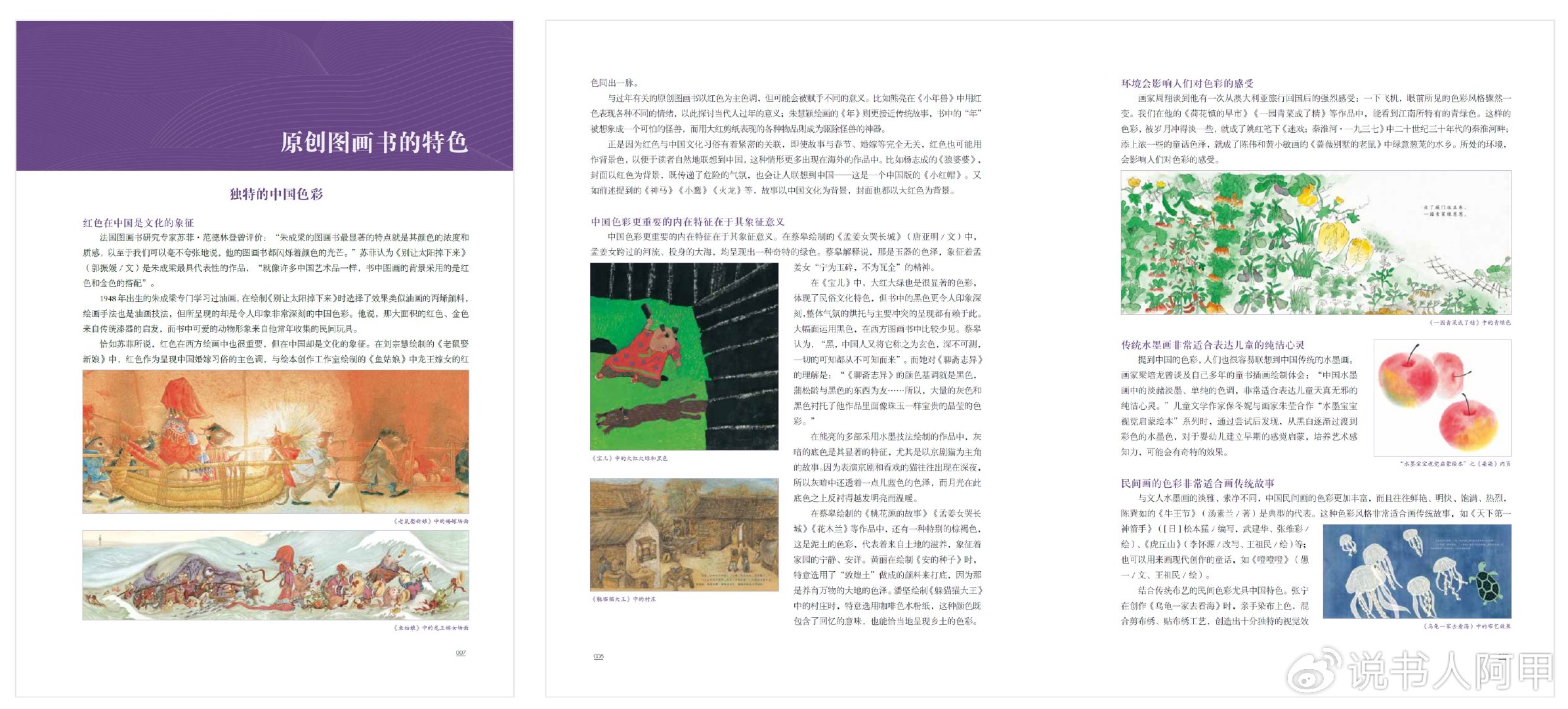
Because this book is a companion volume to *World Picture Book Reading and Classics*, I assume readers have already read Part One: Reading Picture Books. That part provides a basic introduction to the picture book format itself, and was likely completed around 2005. Even nearly 20 years later, it remains clear and useful. This Part One, focusing on original picture books, primarily introduces the concept and characteristics of “originality”—its possible manifestations on the world stage of picture books. I firmly believe that original Chinese picture books will become a very important part of the picture book world. We need this confidence, and we deserve it.
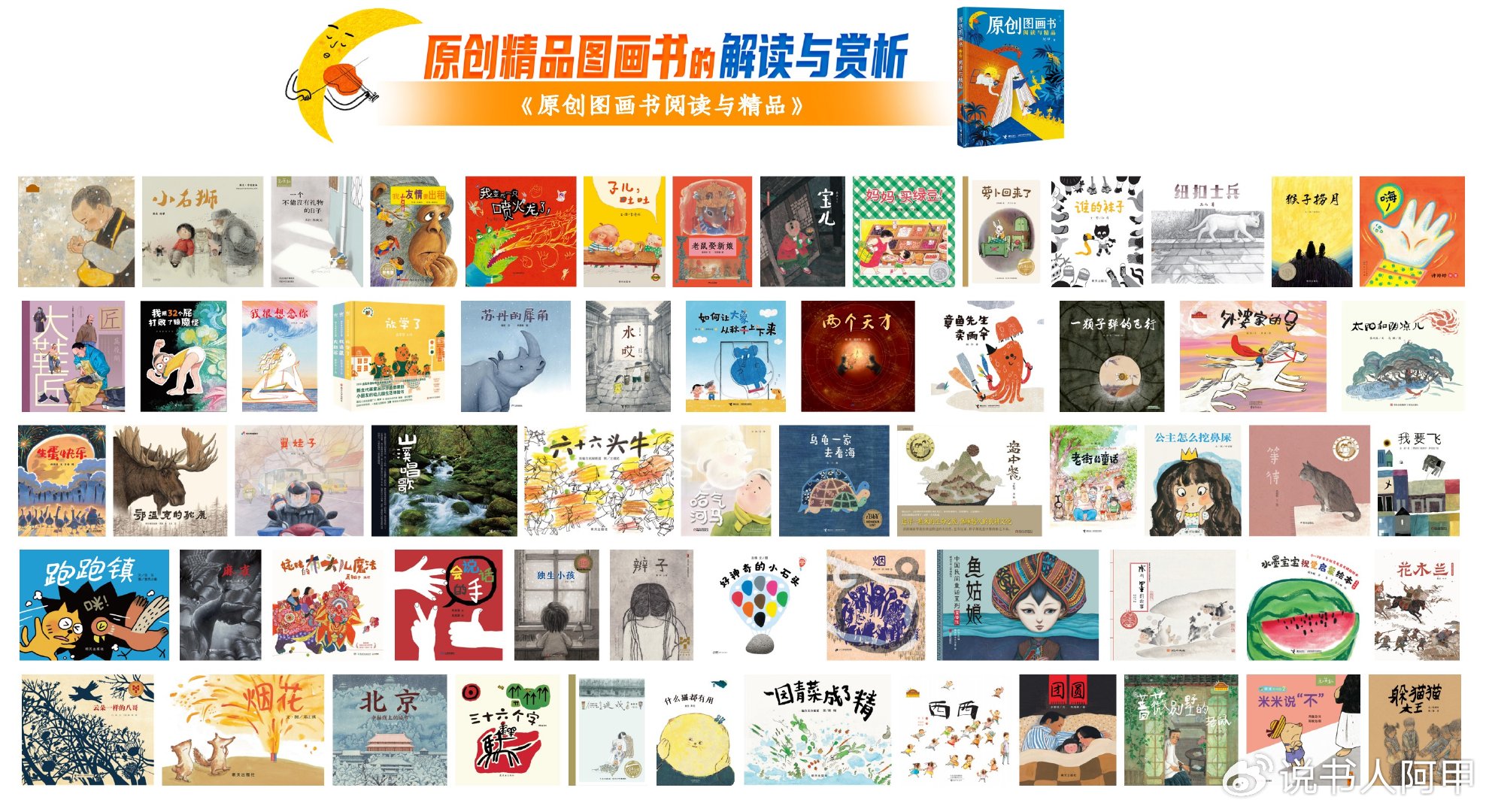
Finally, allow me to “brag” a little more: one thing that makes *Reading and Masterpieces* even better than *Reading and Classics* is that this book uses a large number of original picture book illustrations. You see, interpreting picture books, especially technical analysis, is sometimes very difficult without illustrations. And you can’t expect readers to buy every single book, right?
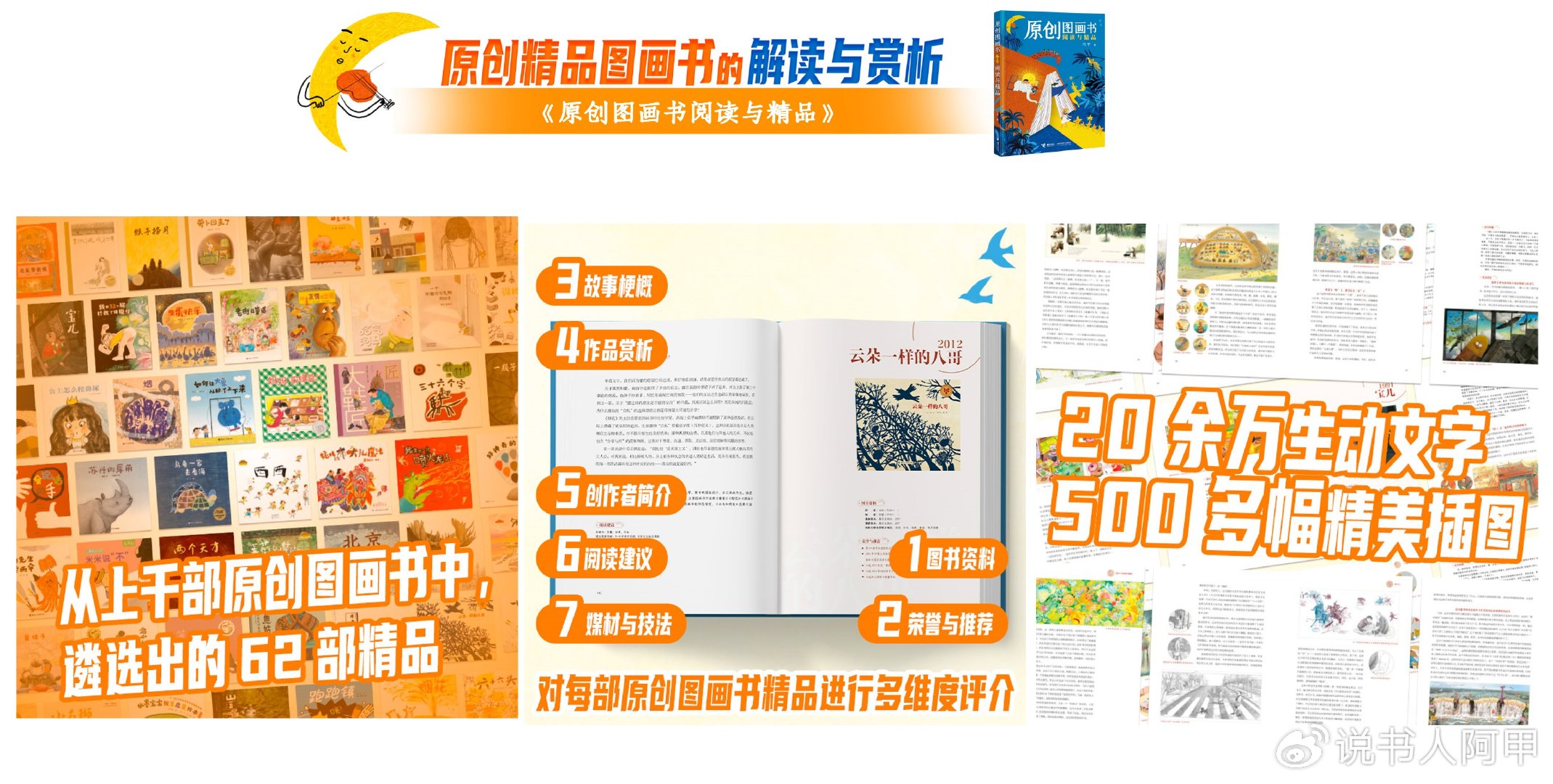
Our book, which showcases and analyzes original picture books, utilizes a wealth of interior illustrations due to relatively convenient copyright licensing. It also features detailed diagrams and annotations, making some chapters read as easily as picture books. While reading the sample chapters, I couldn’t help but exclaim: the layout is so beautiful! The text and illustrations are so clear! Of course, this isn’t my achievement; it’s primarily the work of the editors and layout team.
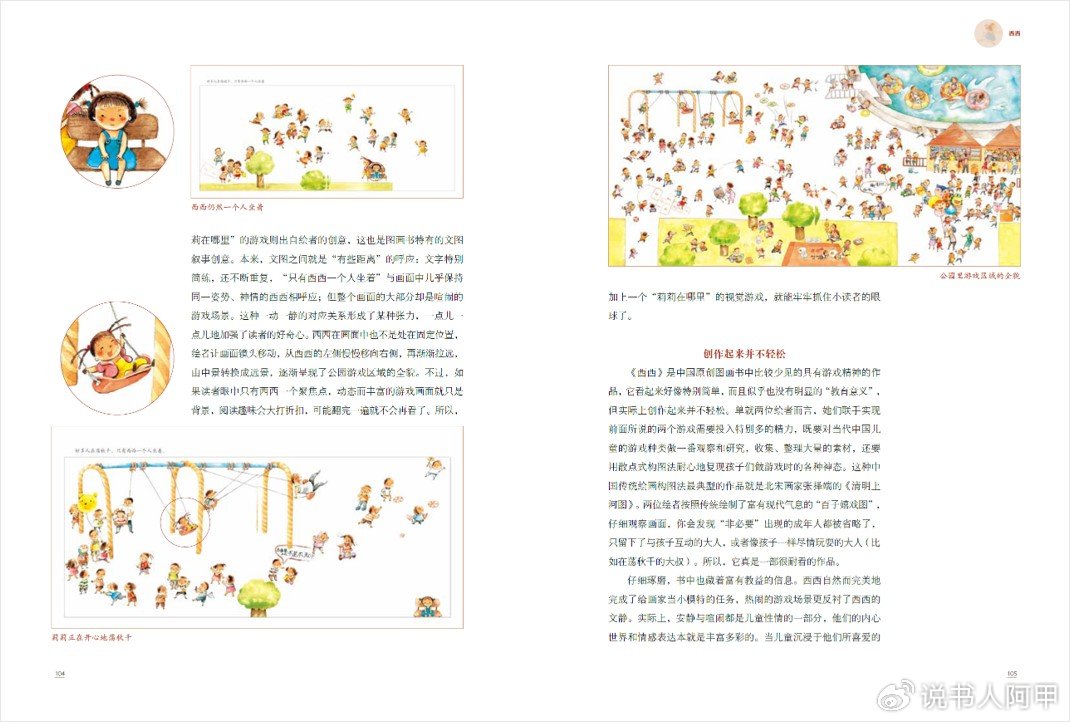
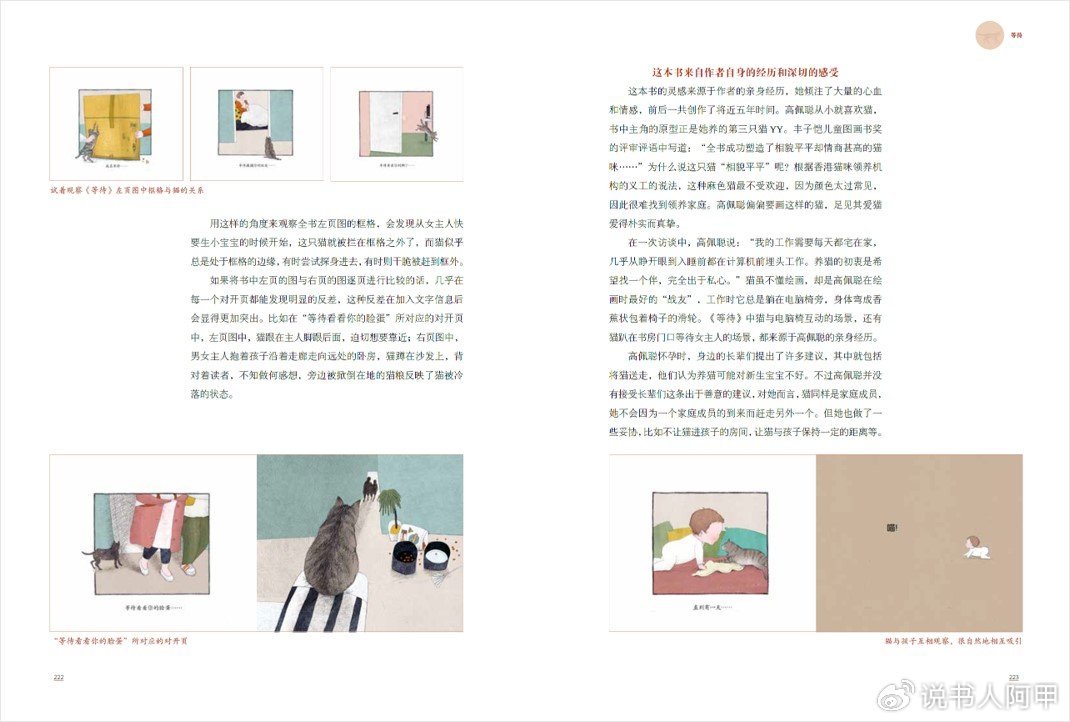
But the most important contributors are the publishers and creators who published these beautiful original works. They have published so many wonderful books and generously granted us permission to use their exquisite illustrations. Without their hard work and generosity, we would never have seen such a beautiful book. I would like to express my heartfelt gratitude to them!
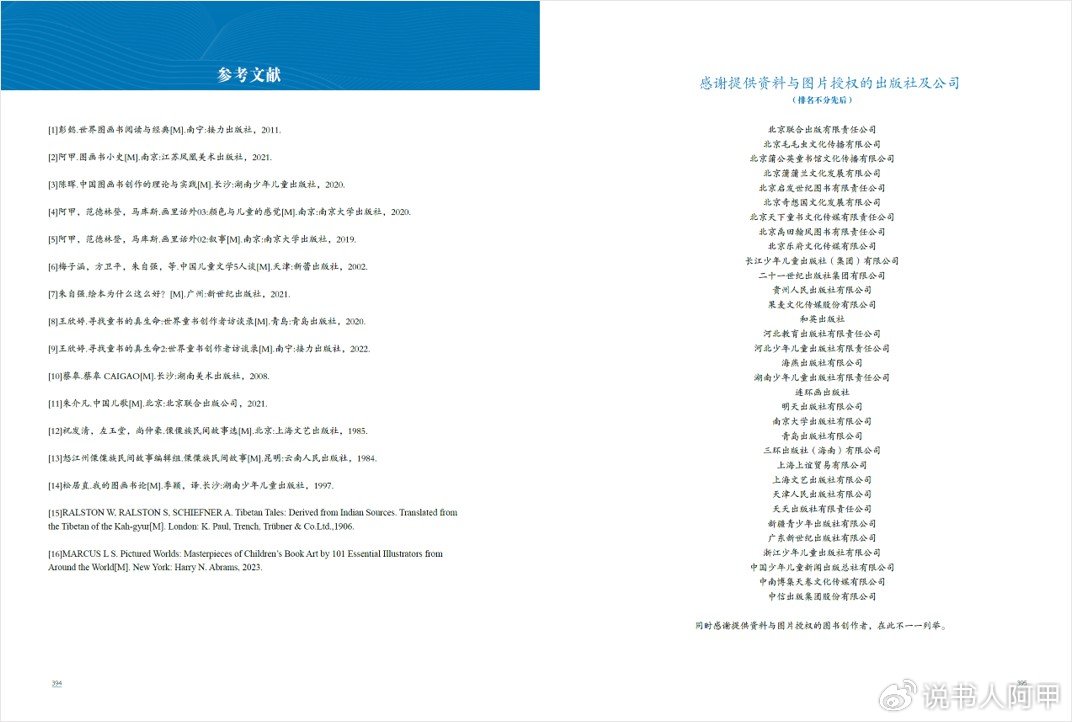
Many thanks to everyone who has worked together to create, publish, and promote original picture books. I hope this book will become a shared and cherished memory for everyone. Twenty years from now, when we look back, we can’t help but say, “Hmm, not bad at all!”“
Written by A‑Jia on November 6, 2024 in Beijing.
Leave a Reply