Polish artist Iwana Cimileska has been shortlisted for the Hans Christian Andersen Award four times, yet she remains somewhat of an outlier on the world picture book stage. While her first impressions often stem from her unconventional visual creativity, and she excels at using visual ingenuity to create fun and heartwarming works for young children, what truly sets her apart is her tendency to question the boundaries of what is commonly perceived as the realm of children’s books. She attempts to explore weighty social issues in her works, extending to deeper ethical and philosophical reflections. Therefore, some might question whether such works truly qualify as children’s books. It’s no wonder that her major works were not initially published in Poland or Europe, but rather, by chance, first appeared in South Korea and then spread globally.
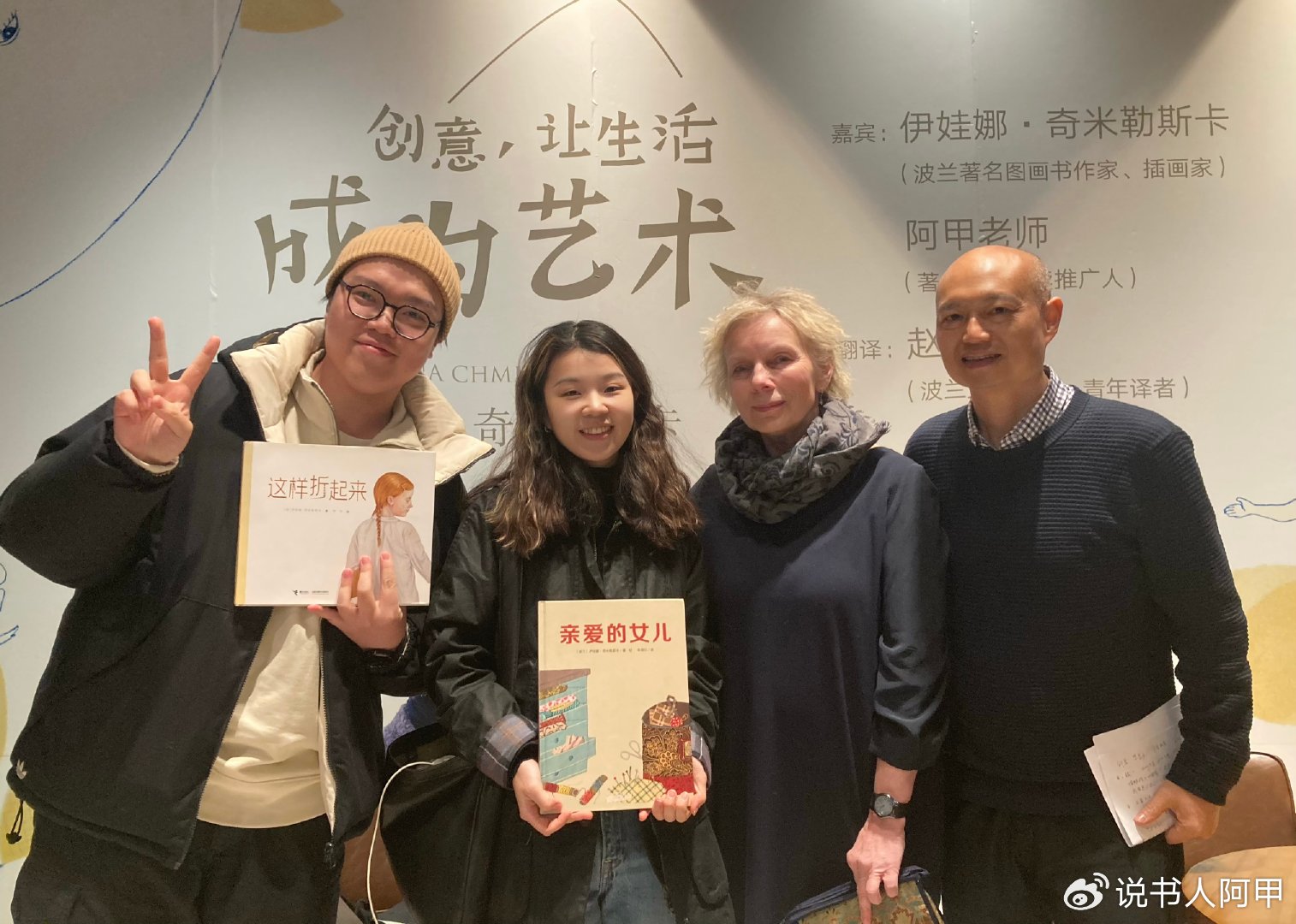
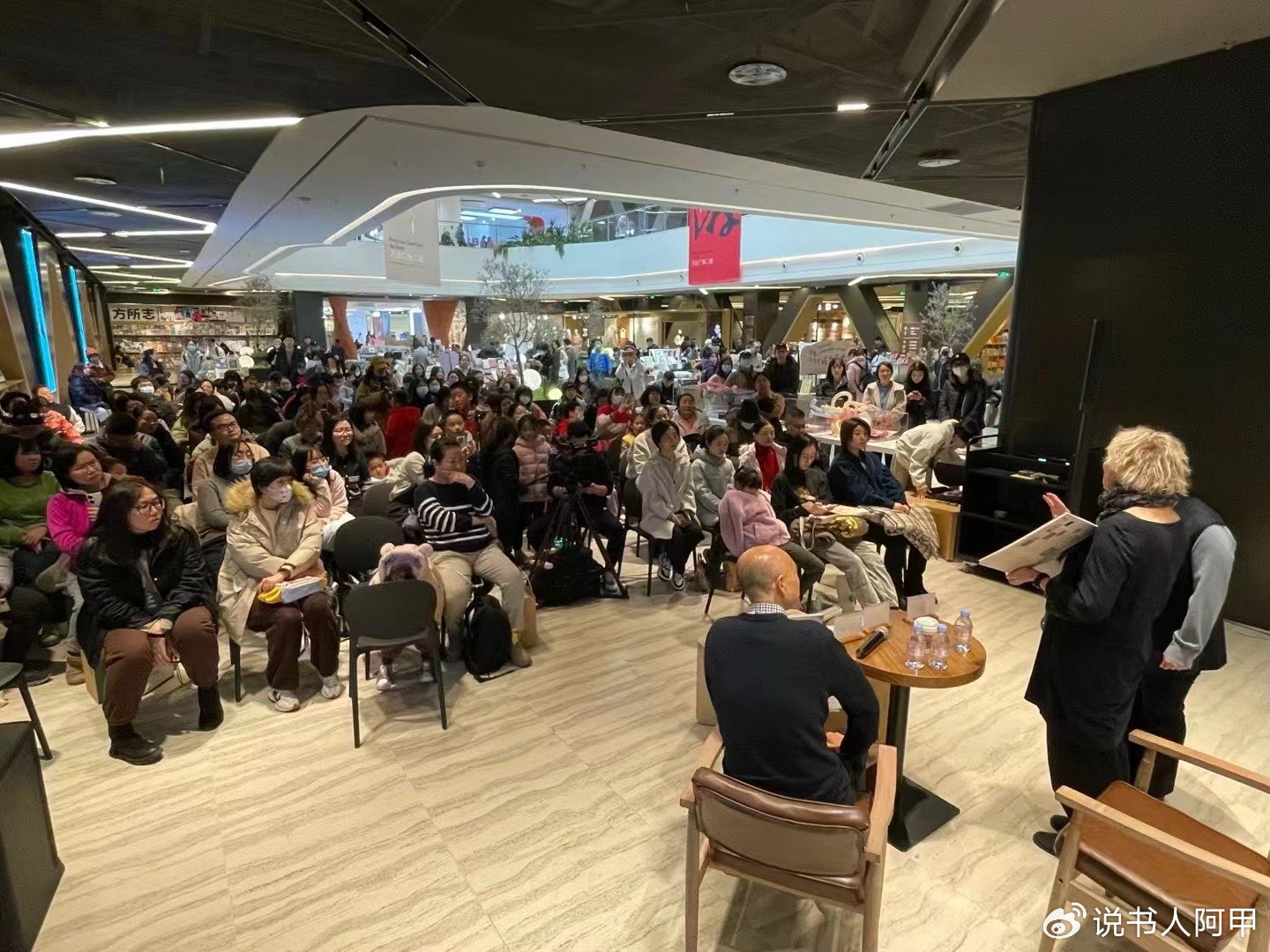
Ivana visited China for the first time in early spring of 2024, and I was fortunate enough to host one of her reader meet-and-greet events, allowing me to interact with her closely and ask her questions. (Attached is a prepared outline of questions, although about half of them haven’t been discussed yet…) Ivana is humble, low-key, and remarkably quiet, even a little shy, but she is very sincere and resolute. I remember when we talked about her illustrated book, *Emptiness*, I mentioned that I felt the concepts and interest of Eastern philosophy within it, and wanted to ask if she had been influenced by that. Ivana confidently replied that similar philosophical thinking exists in Europe as well. I think, at least for Ivana, her work as a whole reflects this kind of thinking and questioning. I also asked her if her many creative and seemingly simple works share a similar creative paradigm: she deliberately sets limits for herself, such as specific shapes, materials, and colors—two holes, a table (with its texture), a pencil, a footprint, an iron, four bowls… and then begins to let her imagination run wild. Does this limitation restrict her creative process? Her answer was highly insightful; she believed that a complete lack of constraints would lead to confusion, and that it was precisely these necessary limitations that brought her inspiration and boundless freedom. Her new book, *Fables*, can be considered an excellent example of this freedom.
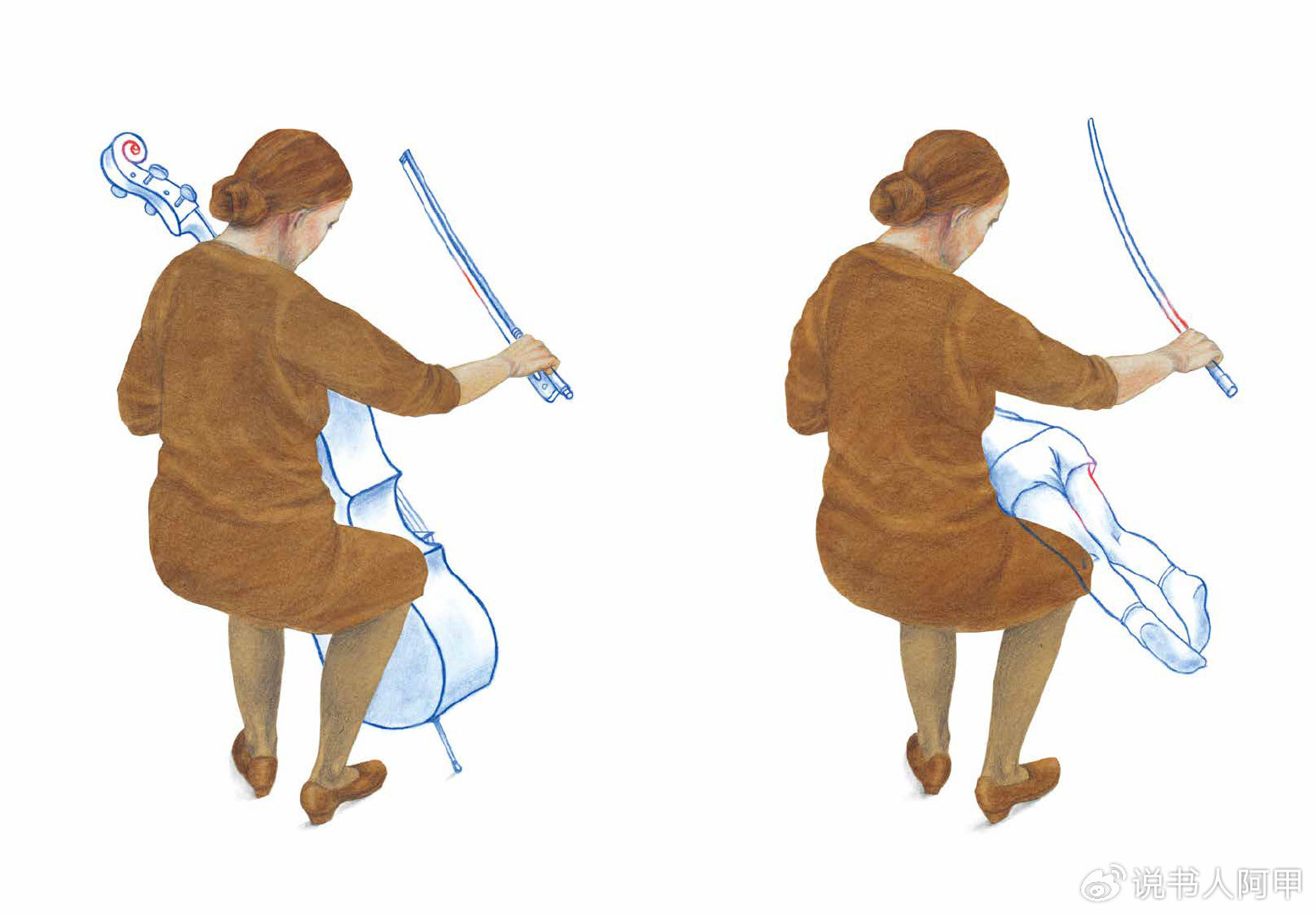
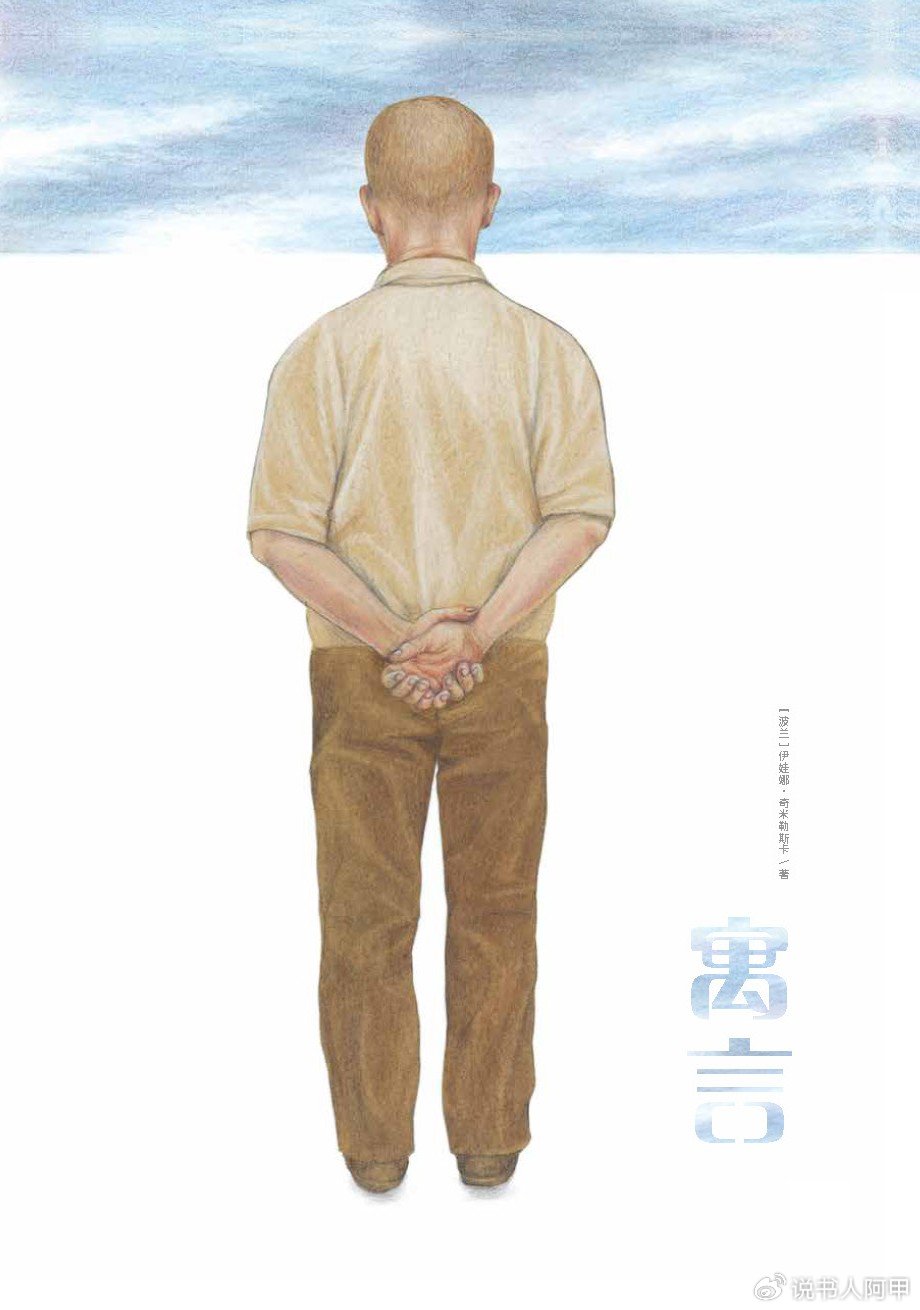
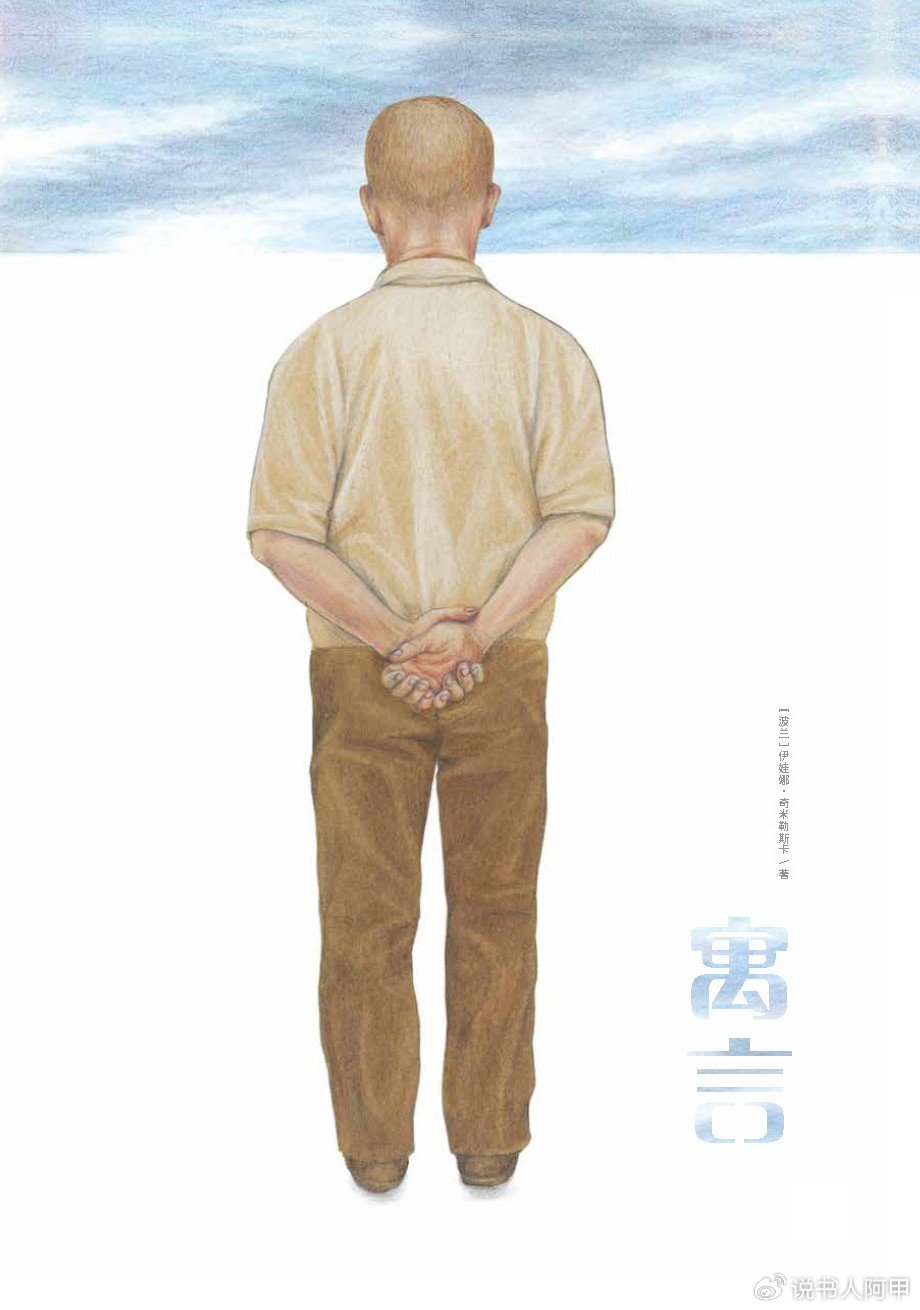
This is Ivana’s first wordless picture book. We can understand that the absence of any words is the first limitation Ivana set for this book. Ivana herself explained on social media, “Sometimes words are insufficient to express.” She chose to use the power of images and visual narrative to present profound emotions and complex situations that are difficult to express in words, inviting readers into the world of pictures, “where the narrative is open, without limitations, stretching freely, and each reader can enrich it with their own ideas.” On the visual level, Ivana added another limitation: the people in her paintings, regardless of age or gender, all have only one body posture and facial expression, but completely different meanings are expressed by changing the environment or related objects. Upon closer inspection, besides the figures in the paintings, Ivana seems to have only used blue and red to represent the environment and those related objects. Therefore, all these seemingly simple image elements can be said to be endowed with symbolic color—Ivana states in the book’s brief footnote: “I want to speak the universal truth of human destiny through simple symbolism.”“
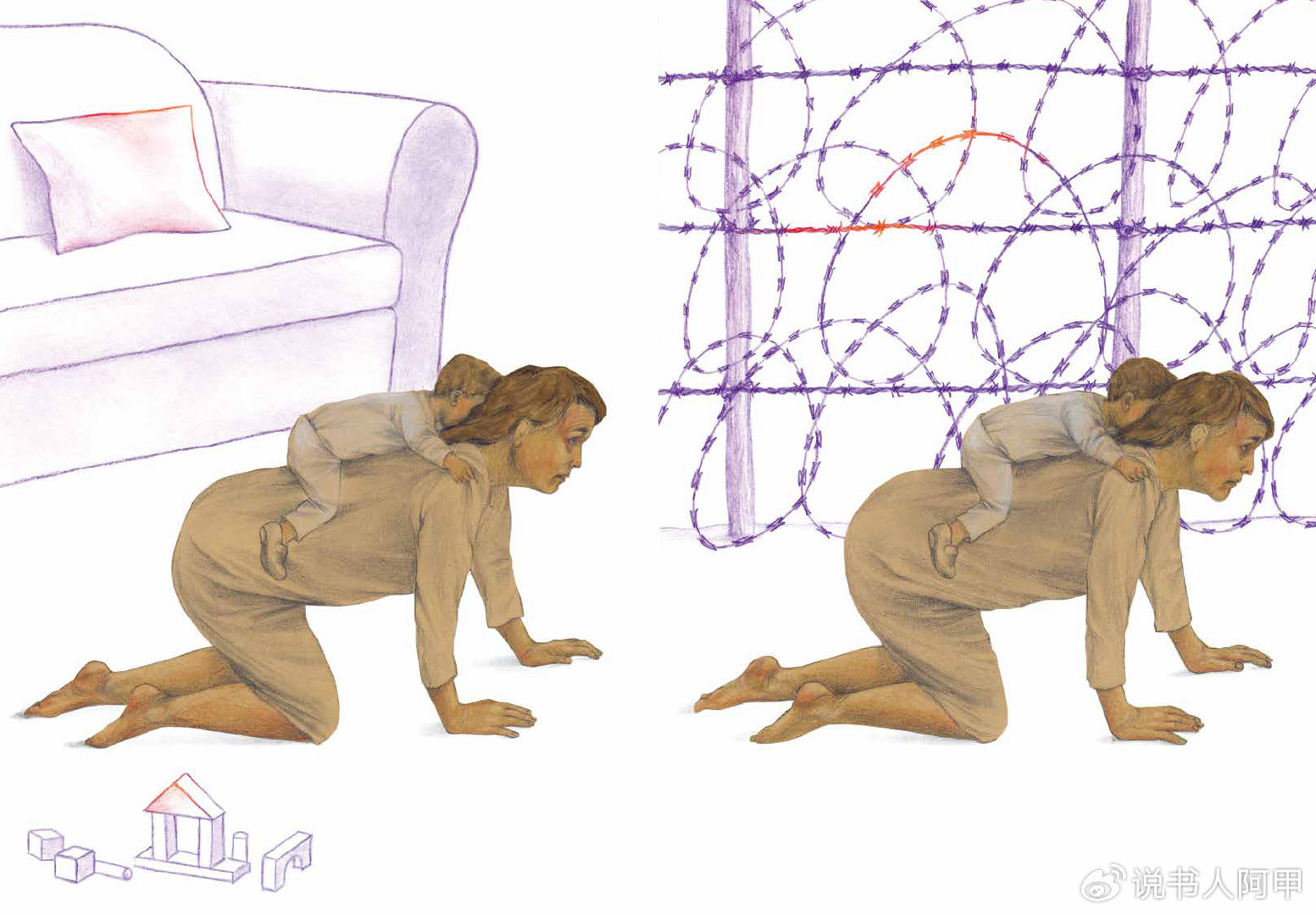
This is a wordless book, and the right to interpret it belongs to each reader. Therefore, I shouldn’t share more of my own interpretation here to avoid any appearance of imposing my own. However, I would like to share some information related to the creative background and the basic rules for decoding this type of imagery, which may be helpful in appreciating this kind of work with a certain depth. For example, the image of a woman carrying a toddler crawling on the ground is quite striking. The left image depicts a warm everyday scene of playing at home, while the right image shows a woman fleeing through barbed wire during wartime. It can be basically concluded that this contrasts the role of the mother in peacetime and wartime. The artist endows the mother with the symbolism of survival and courage, while also showcasing the cruel reality of war. Since the initial Korean version of “Fables” was published in October 2022, readers can easily associate it with the Russo-Ukrainian war that broke out in Poland’s neighboring country in February 2022. However, on Ivana’s social media, she shared this image with her fans as early as October 2021, announcing that she had finally completed the book after more than half a year of hard work. Therefore, we can understand that such images present the human condition in a broader sense. By the end of February 2022, Ivana had already taken action, raising funds through charity performances and other fundraising activities to help orphans who had fled war and been separated from their mothers. Ivana’s concern for these issues is genuine and profound; she possesses an artist’s social responsibility and a desire to influence her audience.
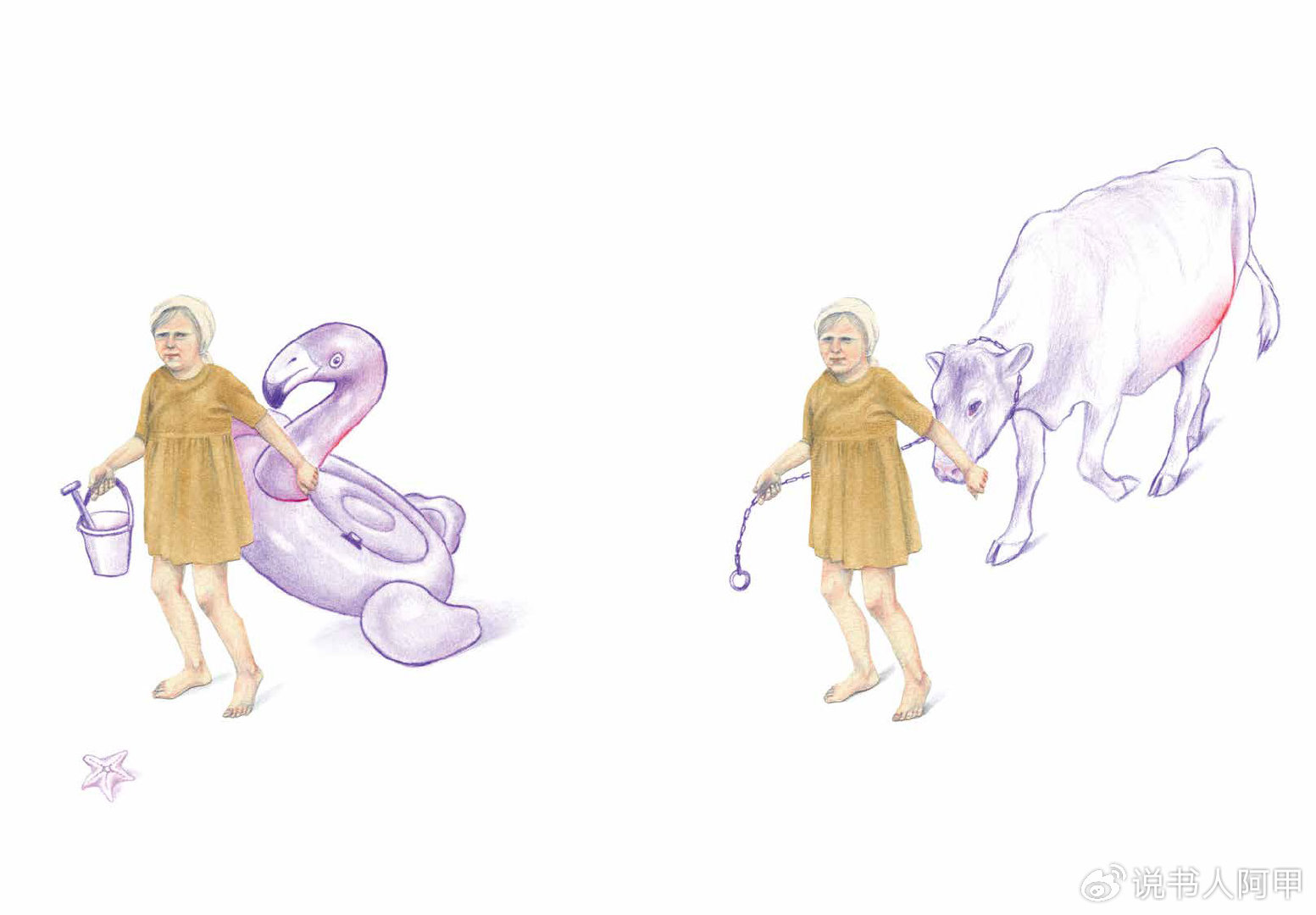
Before its official publication, Ivana shared another double-page spread depicting a girl dragging (or leading) something forward—the left image shows her carrying a small bucket and dragging a toy swimming ring, seemingly playing on a beach; the right image shows her leading a cow, presumably doing farm work. This presents the living conditions of children in different environments. The artist clearly shows more sympathy for children forced to shoulder adult responsibilities in harsh and impoverished circumstances, while she herself, as a woman and mother, has an additional concern for young girls.
As seen in the two examples above, those seemingly simple images actually reveal the artist’s long-standing and profound concern for significant social issues. She wants to invite readers, both adults and children, to pay attention and reflect on these issues. Of course, to make it accessible even to younger children, she chose an extremely simplified visual presentation and incorporated elements of the “spot the difference” game, a favorite among children.This game requires not only to “discover the differences,” but also to try to think about “why the differences are different” and “what the consequences of the differences will be,” and ultimately, one may have to make a certain “choice.“This makes one think ofIvana’s other book, “Folding Like This” (Korean version first published in December 2021).That book, through origami, explicitly invites readers to make certain ethical choices. Considering that the two books were created around the same time, the social issues that the artists focused on can be largely compared.
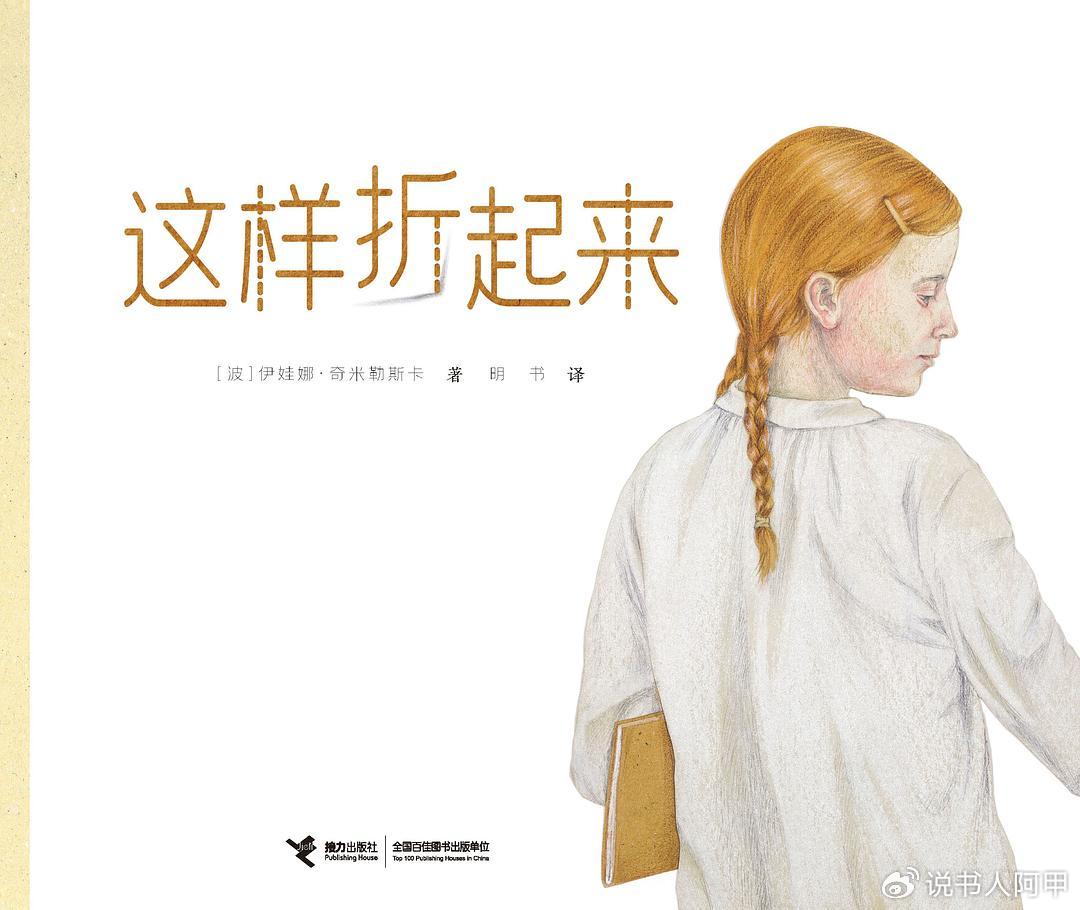
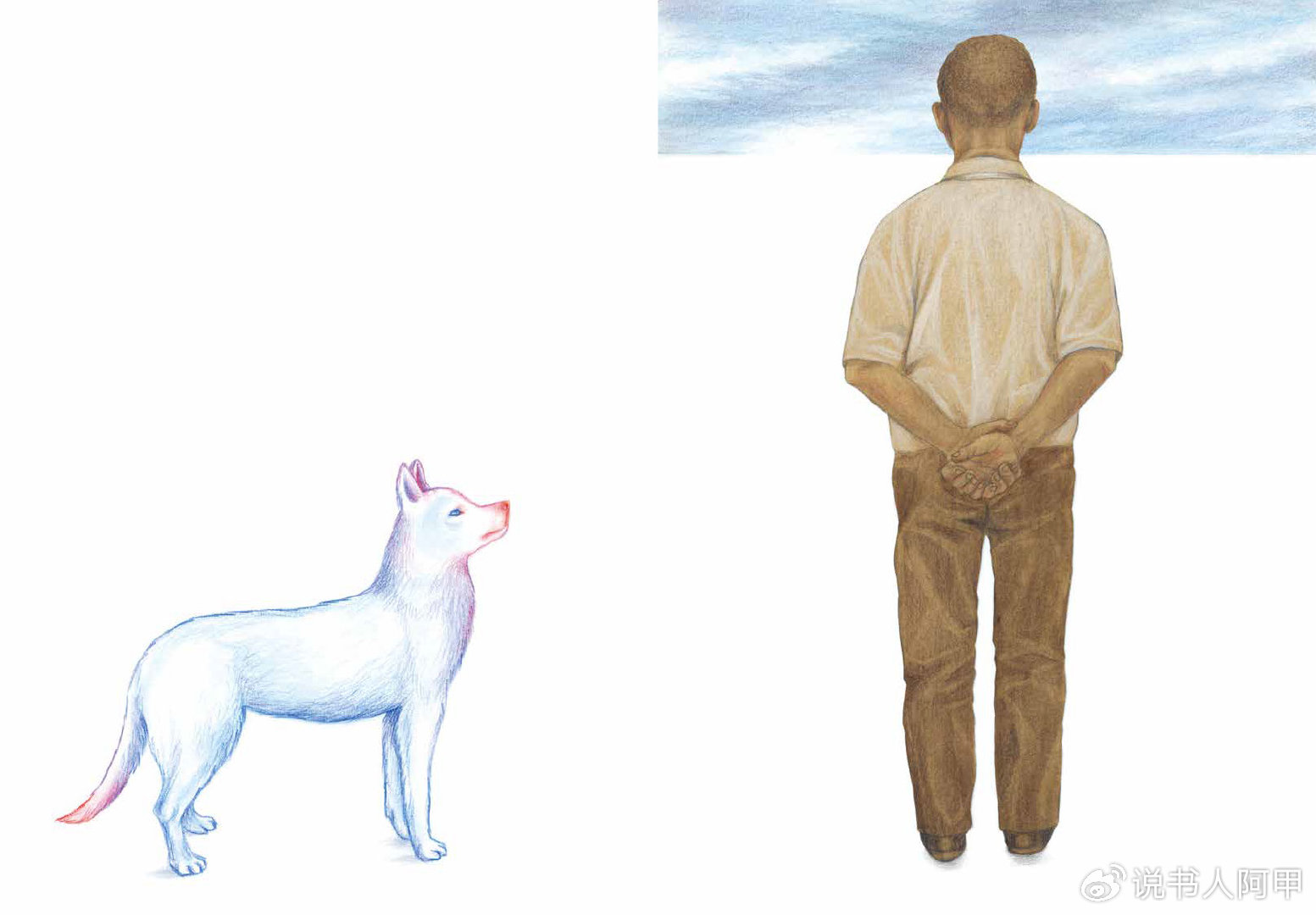
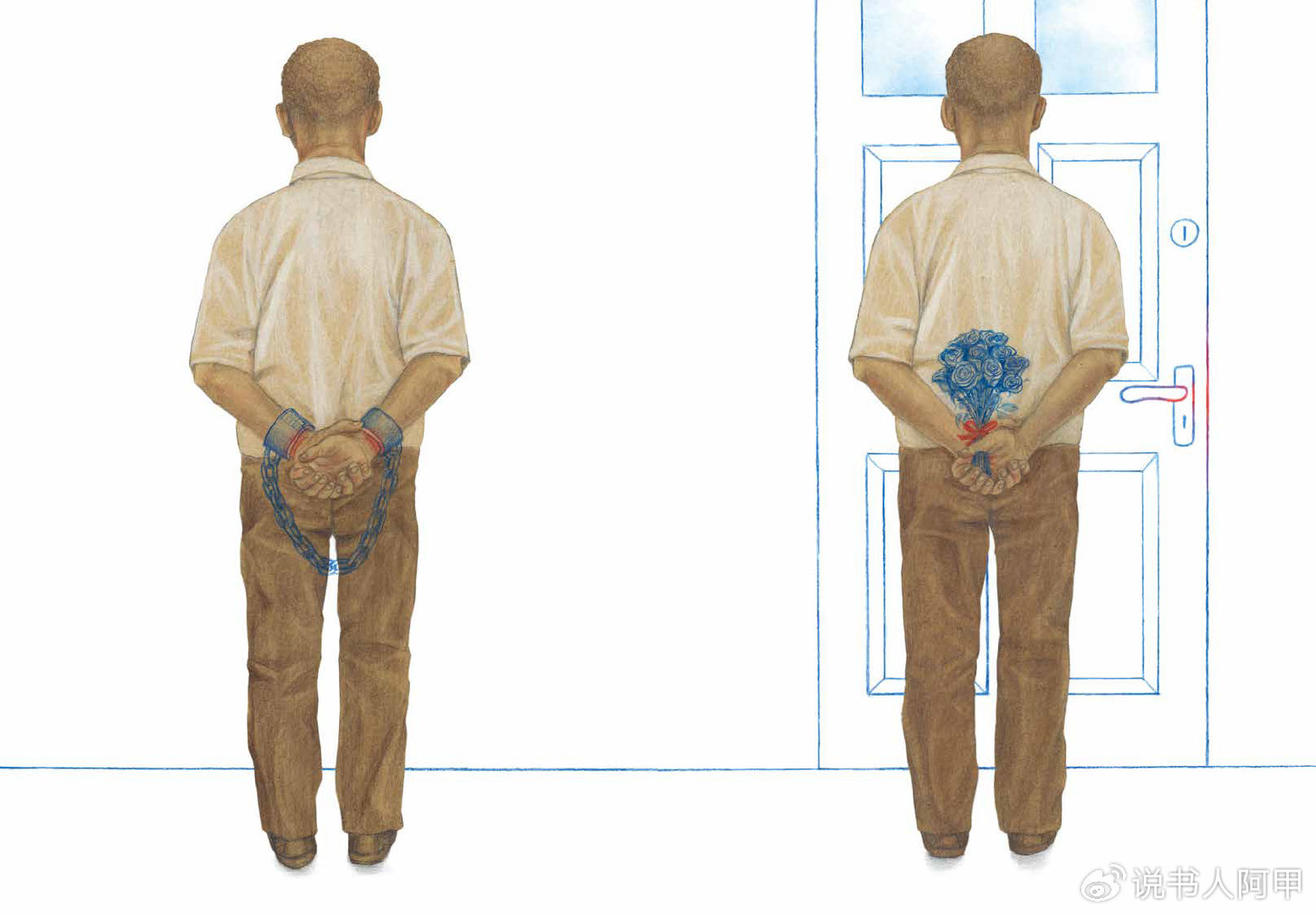
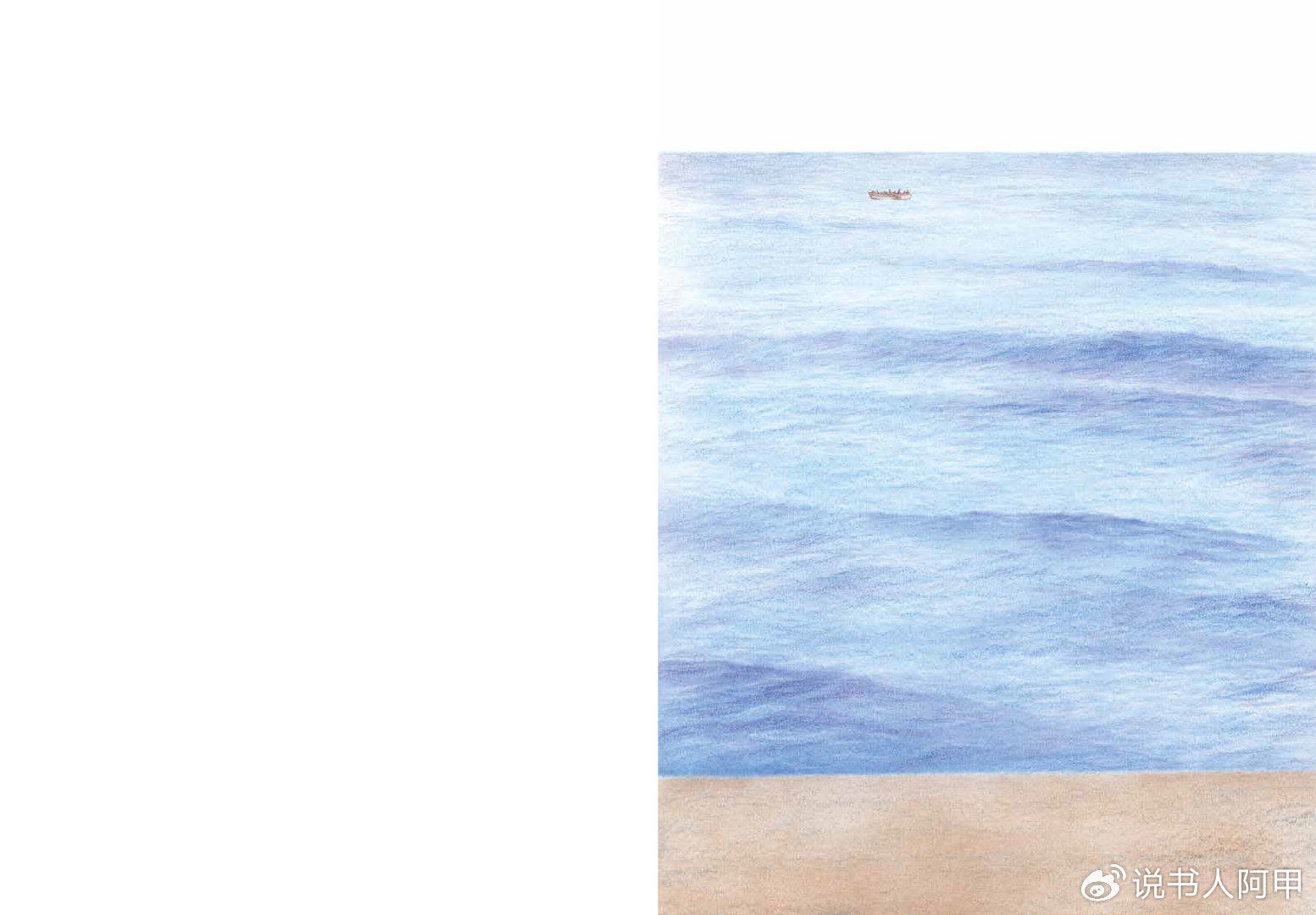
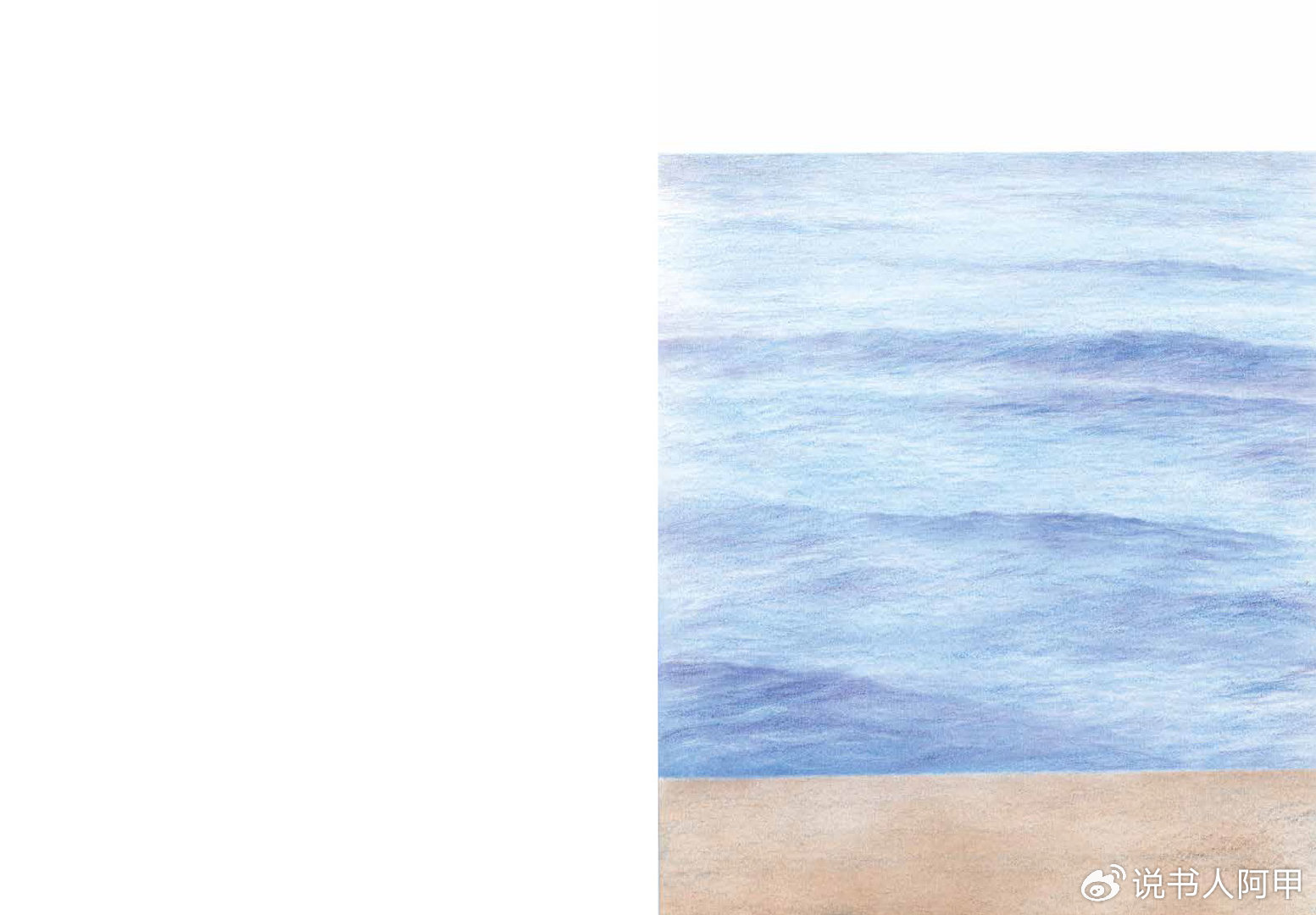
For example, the issues of war and refugees are clearly addressed in *Folding Like This*. So, what about in *Fable*? It’s not so obvious, but the first illustration on the inner pages, looking from the seaside, shows a lonely little boat full of people on the sea – doesn’t it remind one of a refugee boat? Turning to the next image, the sea and boat suddenly disappear inexplicably, and the man with his hands behind his back has no interaction with his environment, not even a dog staring at him blankly. Is the artist trying to present a kind of indifferent attitude of ignoring everything? Continuing to the next double-page spread, the man’s posture and action remain unchanged. In the left image, his hands are bound with handcuffs and chains; in the right image, his hands hold flowers, waiting for someone to enter through the door, clearly intending to give them a big (obviously loving and joyful) surprise. —Does stringing these seemingly unrelated images together create a feeling that is difficult to describe yet profoundly meaningful?
As a whole book, if you flip through it enough times, you’ll discover subtle connections between pages. For example, the small boat reappears later in the book; the left image on the double-page spread shows a young man playing basketball, while the right image shows him struggling underwater in the same pose, with the small boat above him on the water. Could you imagine the man as a drowning refugee? Of course, turning to later pages, we find him transformed into a hero catching a falling child.
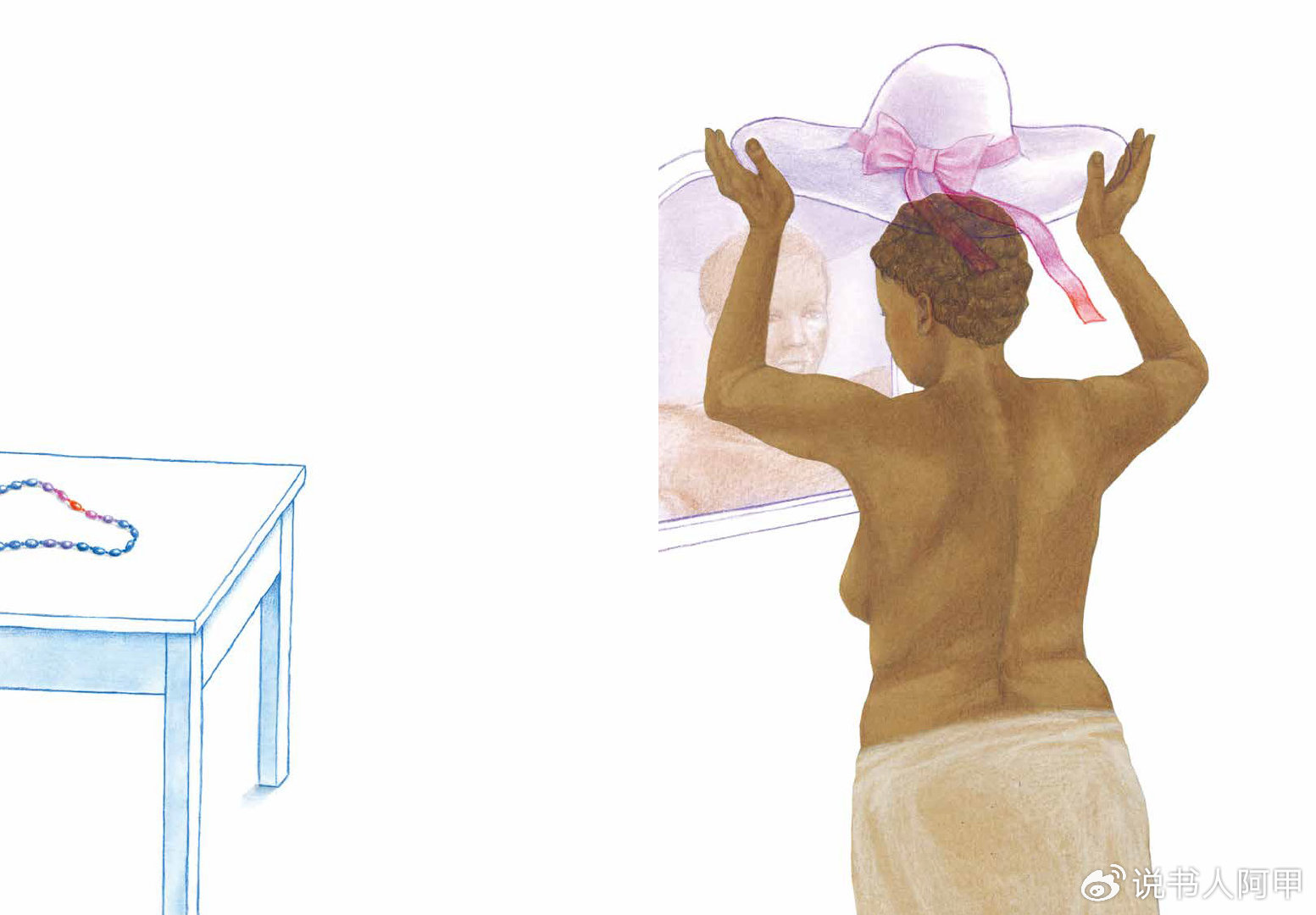
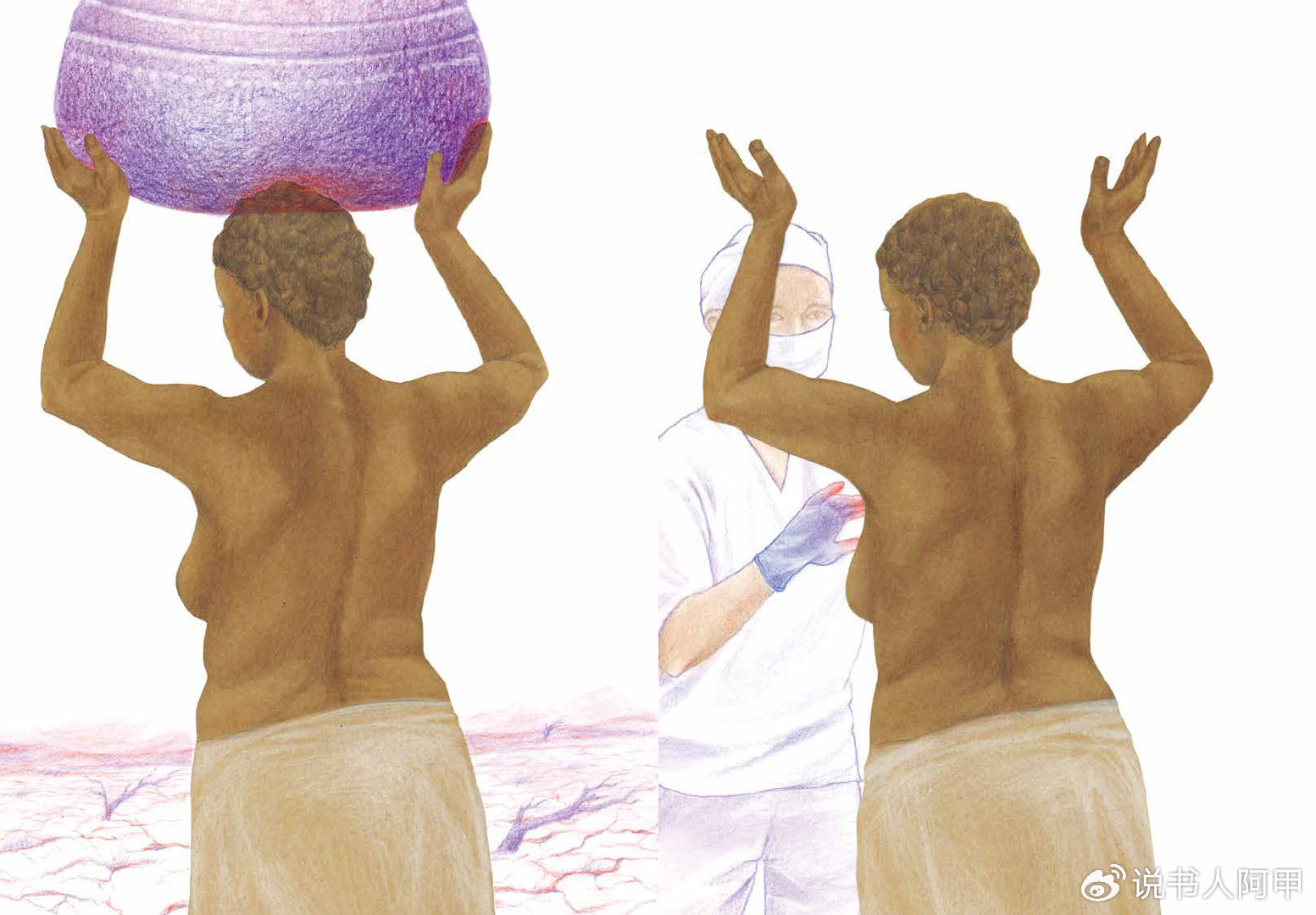
For example, there’s a blue and red beaded string that initially appears on a table in a Black woman’s room. She’s half-naked, her back to the reader, trying on a large hat with a pink bow in front of a mirror. She seems to be getting ready for a social event, carefully preparing herself, so the beads on the table are likely valuable jewelry. But on the next double page, the woman is carrying a water vat on her head (left image), helpless against barren, parched land; or suffering from some kind of pandemic (right image), receiving diagnosis and treatment from a doctor. Skipping these pages, we arrive at an image of an elderly woman kneeling on the ground, praying with her eyes closed, comforting each other with the aforementioned dog (left image). In the right image, the beads in her hand are less jewelry and more prayer beads. This beaded string can continue to visually transform—it can become the barbed wire in the image of a mother carrying her child crawling, a string of colorful bubbles, or the ribbons pulled up by the crowd at the end of the book…
Besides shape connecting scenes, color is perhaps the most effective visual element. Consider this: why does Ivana primarily limit the colors of the environment and objects to blue and red? This question overlooks the underlying color, white. In fact, aside from the brown used extensively for the characters, the book’s basic hues are blue, white, and red. This reminds me of Krzysztof Kieślowski’s “Three Colors” trilogy, which also reveals a certain “truth about human destiny” by depicting different aspects of people’s daily lives. The films also feature objects with shared symbolism (such as a lamp with blue beads and an old man’s recycling bottle) that connect seemingly unrelated people and events. While pure coincidence cannot be ruled out, I suspect Ivana may have intentionally or unintentionally borrowed this technique, and the freedom, equality, and fraternity symbolized by these three colors align perfectly with the underlying spirit Ivana seeks to convey.
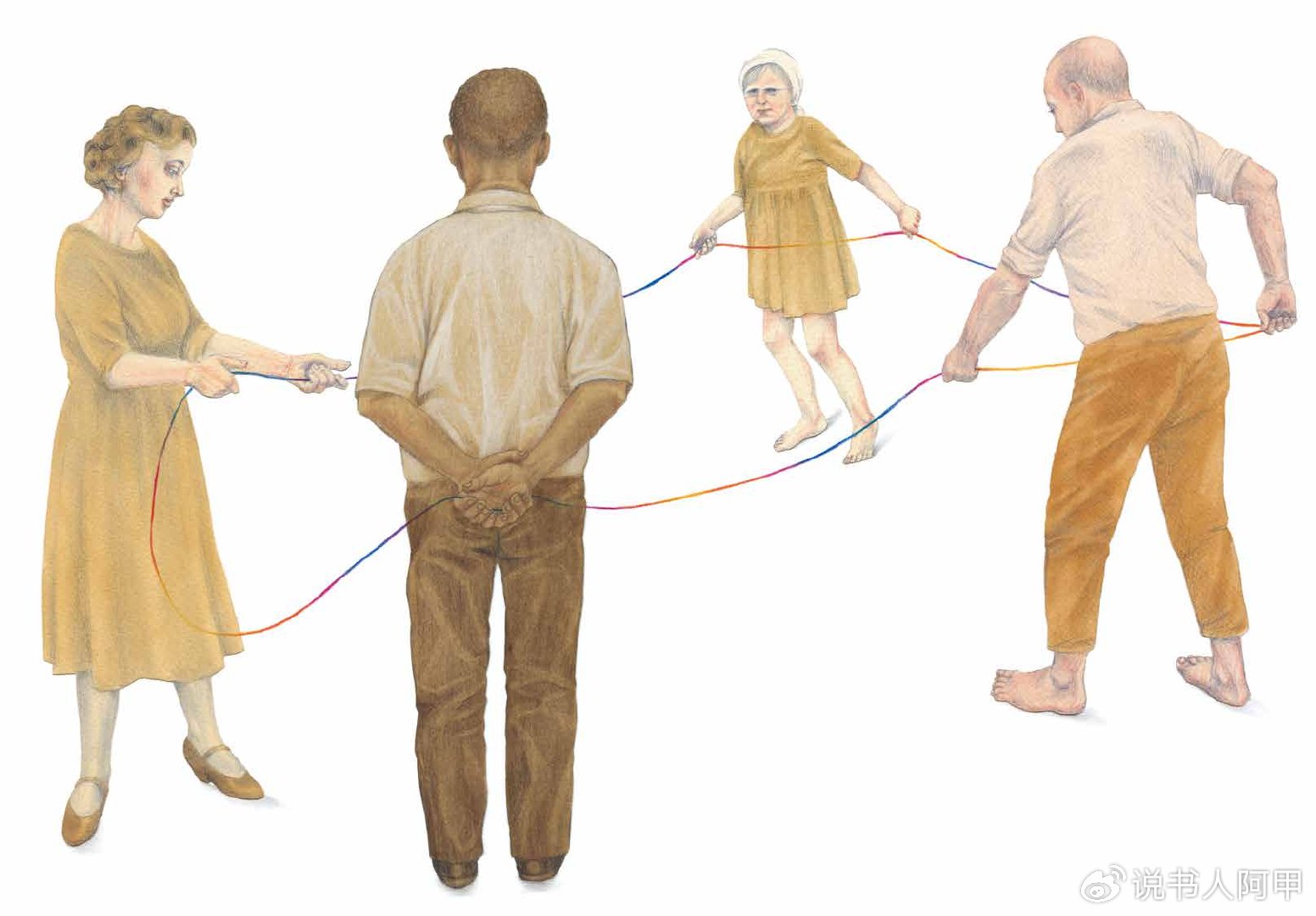
The title, *Fables*, in the Chinese context, refers to a literary form that uses short, symbolic stories to metaphorically express certain principles or ideas. Returning to Ivana’s Western context, it could be stories like Aesop’s Fables, or stories conveying deeper ethical, philosophical, or religious revelations. However, as a wordless book, without explicit textual narration or the clear concluding summary of “what this story teaches us” found in traditional fables, what you glean from this book largely depends on who you are and how you perceive the world.
In Ivana’s *Fables*, the structural conclusion roughly begins with a string of colorful bubbles on the fourth-to-last double-page spread. The characters then begin to converge in various ways: there is mutual care and rescue, and there are games played together, until finally, a clear sea is left with no longer a lonely little boat adrift…
What does this story tell us?
Written by A‑Jia on May 8, 2024 in Beijing
[Appendix: Questions prepared for Ivana’s Beijing fan meeting in 2024]
[On Creativity and Imagination]
*The Eye* may be the first book by Ivana that brings wonder to Chinese readers. Through this book, we can’t help but marvel at the magic of the eye. It seems the creator wants to guide readers on how to see, how to think, and how to understand. Where did Ivana’s initial idea for this book come from? Was there anything particularly she wanted to express?
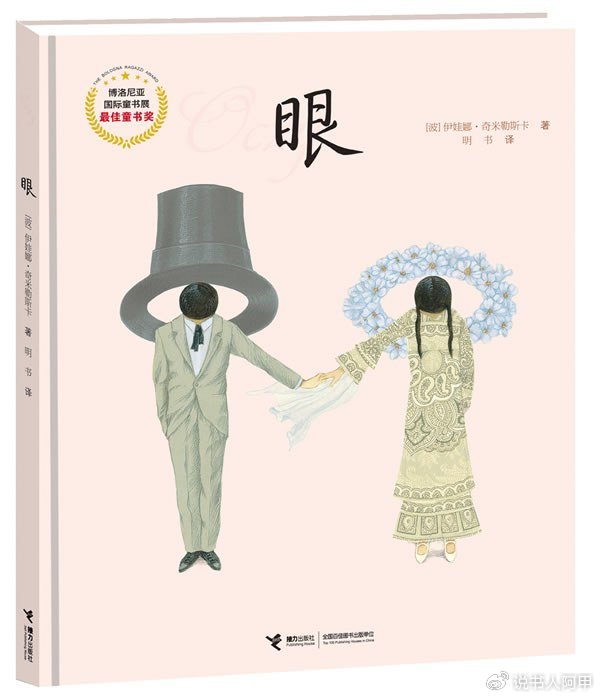
* In works like *The Eye* and similar pieces such as *Half? Half!*, is Ivana trying to “teach children how to see” through the eyes of children, or is she attempting to collaborate with them? Because the associations and reflections in her works also reflect an adult perspective.
Ivana’s works are filled with astonishing visual creativity, often presented consecutively within a single piece, ultimately achieving a near-perfect expression of a theme, such as *Trouble Is Here*, *The Way to School*, *Ordinary Books*, *Empty*… and of course, *Folding It Like This*. I’m curious, in creating these books, does Ivana have an overall design beforehand (similar to a storyboard), or does she maintain a certain degree of randomness and then try to establish connections between the pages?
I’m very curious about how Ivana trained herself to see the world from such a unique perspective. Where did her creativity and imagination come from? Is it related to her childhood upbringing?
I’ve also heard that Ivana is actually a mother who has worked incredibly hard to raise four children, an experience that would be extremely arduous for mothers in China. To maintain such vibrant artistic creativity after going through such a difficult period is, frankly, incredible! Perhaps her experience as a mother has also contributed to Ivana’s seemingly limitless creative career in picture book creation?
[On the understanding of art]
* I particularly love the story and art style of *My Dear Daughter*. While it inevitably reminds me of Anthony Browne’s *My Dad* and *My Mum*, both involving shapeplay where family members are represented by animals or other characters, *My Dear Daughter* has a completely different style and charm. It has a slightly rustic feel, the story is touching, and the illustrations are very evocative, especially the slightly rough textiles and the crooked stitching—these seem more fitting than delicate stitching. I’m curious whether Ivana deliberately made the illustrations look “imperfect,” and what her understanding of “perfect art” and “perfect illustrations” is.
* Unlike *My Dear Daughter*, the textiles in *Lullaby for Grandma* are noticeably more exquisite, and the materials used look very professional (some even appear to have been hand-sewn by Ivana herself?). Such a non-fiction book with a touch of fiction is quite rare in the world of children’s literature. I’d love to ask Ivana about the inspiration behind this book: where did those exquisite textiles come from? Why did she decide to create such a book? What did she want to express? Does it also connect to her own childhood?
* In many of Ivana’s creative yet seemingly simple works, there’s a similar creative pattern: she seems to deliberately impose limitations on herself, such as specific shapes, materials, and colors—two holes, a table (with its textured surface), a pencil, a footprint, an iron, four bowls… and then unleashes her boundless imagination. I’m curious, why impose such limitations from the outset? Is this also a special kind of artistic pursuit?
[Regarding Cooperation]
* Ivana’s works are mostly self-written and self-illustrated, but some are collaborations with writers (storytellers), mostly Korean. The work that impressed me most is “Empty.” I know that these collaborations involve a certain cultural crossover, heavily reliant on Ivana’s understanding of Eastern culture (philosophy), which often determines the relationship between text and image in the work. I’m curious how Ivana collaborates with writers in these types of creations? Does she discuss things repeatedly? Or does she discuss things with editors?
* Taking the book *Emptiness* as an example, I think the relationship between text and illustration is near perfect, and it very clearly expresses the concepts and interests of Eastern philosophy. The design also leaves ample room for reader participation. It’s a one-act play about a table, a process of deep exploration into the soul, and a sophisticated game of shapes. I’d like to ask Ivana to talk about her understanding of the relationship between text and illustration in picture books (how does it differ from other illustrated books or fine art paintings?).
* I happened to have a conversation about children’s book translation with Jiwone Lee, a renowned South Korean translator and literary agent, at the AFCC (The Asian Festival of Children’s Content) in Singapore in 2023. We specifically discussed Ivana’s work, and I learned that she and her books are more famous in South Korea than in Poland. I know some of the stories of how they met and became acquainted, but I’d like to ask Ivana to share her perspective on collaborating with this South Korean translator.
* In Singapore, my good friend Dai Yun talked to me about a book she co-authored with Ivana. A few days ago, I had the pleasure of reading this forthcoming book, *The Colorful Clouds Come to the Colorless Valley*, which tells the story of colorful clouds arriving in a valley that was originally colorless, and then changing everything. Various colors gain freedom in the story, but in the end, it is the colorless spring water that brings everyone colorful dreams. The book’s visual effects are quite stunning, and Ivana’s style seems to have changed significantly in this book, becoming brighter and more cheerful. Now that Ivana is in China, I’m very interested to know the stories behind Ivana’s collaborations with Chinese creators, and what special feelings she has had. (And her collaboration with Mr. Cao Wenxuan.)
[About the topic]
Ivana’s picture books cover a wide range of themes, from seemingly childlike works that lean towards creativity, imagination, and association, incorporating cognitive elements like time, letters, and numbers, to philosophical observations and reflections suitable for both children and adults, and works on history, humanity, and major social issues. For example, I wrote a rather lengthy review of *Folding Like This*, which I found to be a rare ethical test. I recommend readers buy two copies: one to unfold and play with origami, and the other to keep as a keepsake. I’m curious to know how Ivana chooses her subjects? Does she specifically consider “what kind of books children need,” or does she focus more on topics she particularly wants to express? Has she encountered any challenges in this regard?
* I also noticed that Ivana’s works place particular emphasis on topics related to women, with the “grandmother-mother-daughter” relationship frequently appearing. Is there anything in particular you’d like to say to Chinese readers about this topic?
Understanding children and childhood
* Ivana herself is a mother and had a childhood she felt quite satisfied with. I’m curious to know how Ivana understands a “good childhood”? What should be the ideal state for a child’s development? Or is there no ideal state at all? I think this is a question that Chinese parents are also quite concerned about.
* In Ivana’s *Ordinary Books*, I saw her praise for the magic of books. Ivana’s own upbringing must have been closely related to reading, right? How does she view the significance of reading for children’s development?
* Ivana’s books are filled with visual and imaginative games; creativity and play are everywhere. You can imagine yourself lying in bed, using your ten toes to complete a romantic round-the-world trip, and then drifting off to sleep dreaming. But Ivana is also willing to tackle rather heavy social issues, not letting childhood shun the weighty realities of life. What are Ivana’s thoughts on this?