⚰️ 1991 – Death: Meidert DeJong
A Dutch-American, immortal giant of children’s literature (1906–1991). He was a towering master of polyphonic narrative in the long history of children’s literature, and throughout his life, he used extremely refined, restrained and profound language to bring humanistic compassion, children’s independent will and cross-cultural support to their physical limits.
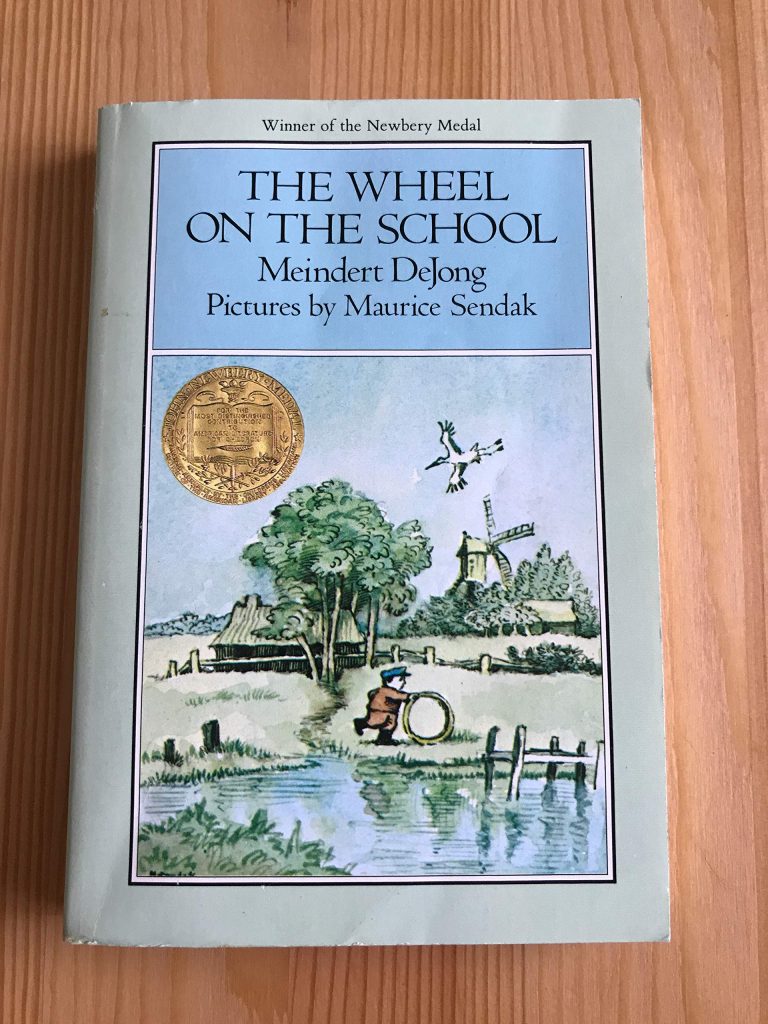
- The highest honor in history (Grand Slam): A landmark achievement 1962 Hans Christian Andersen Award (HCAA) for Best WriterThe winner (he is the first American author to receive this honor); he won the award for his masterpiece “The Wheel on the School Roof”. The 1955 Newbery MedalIn addition, he won the Newbery Honor Award several times and was awarded the first National Book Award for Children’s Literature.
- An immortal masterpiece:
- Canon: The pinnacle of children’s literature worldwideWheels on the School Roof (The Wheel on the School(Illustrated by Maurice Sendak). It tells the heartwarming historical epic of six children in a Dutch fishing village who, under the gentle guidance of their female teacher, break down prejudices and work together to find a wooden wheel to place on the school roof, thereby attracting migrating storks back to the village to nest.
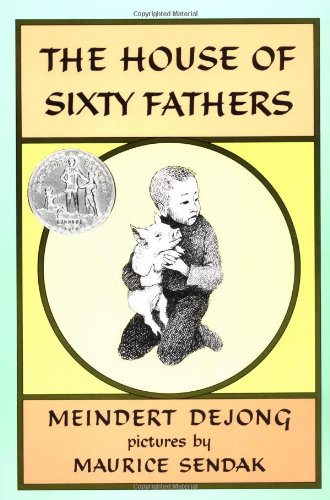
- A monument to the history of the War of Resistance Against Japan:Houses for Sixty Fathers (The House of Sixty FathersSet against the backdrop of China’s War of Resistance against Japan, the book uses the most realistic, stark, and unvarnished language to tell the moving epic of a Chinese boy named Tianbao who, facing the loss of his home and the smoke of war, wanders with his piglet and is eventually taken in by a group of American pilots (sixty “fathers”) who are building an airport and sent home. It upholds the moral high ground of war realism with great dignity.
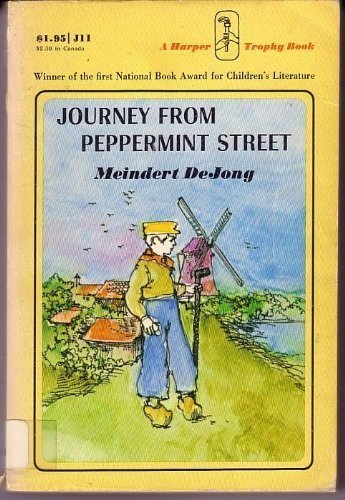
- Award-winning masterpieces:A Journey Through Mint Street (Journey from Peppermint Street)。
| Passed Away | Meidert DeJong | Meindert DeJong (Wikipedia) |
🎂 1927 – Born: Shirley Hughes
An immortal British female graphic artist, illustrator, and recipient of the Order of the British Empire (CBE) (1927–2022). She was the “Pope of Warm and Touching Aesthetics” who stood tall in the history of English popular literature and early childhood emotional education in the second half of the 20th century.
- The highest Grand Slam honor: She has won the Kate Greenaway Medal twice. The winner (1977, 2003); his masterpiece “Chic” was voted by readers worldwide as one of the “Top Ten Most Beloved Masterpieces of the Kate Greenaway Medal 50th Anniversary”.
- Timeless visual classics:
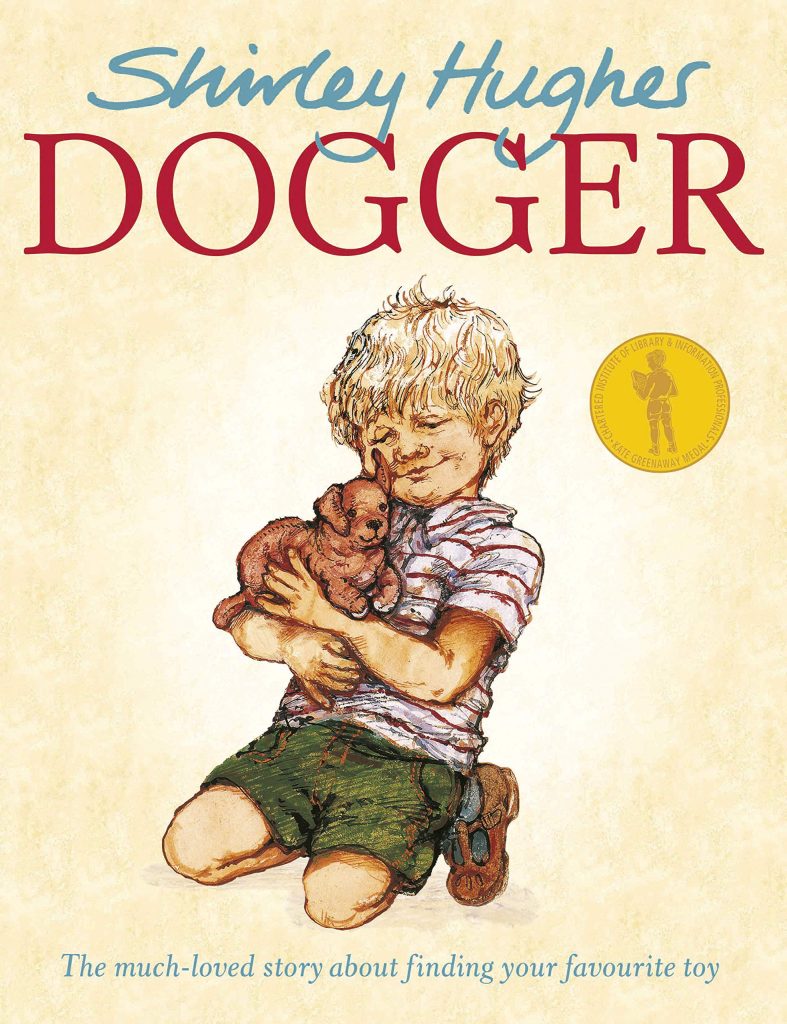
- The UK’s most beloved picture book:Chase the Dog (DoggerWith her incredibly gentle watercolors, imbued with the rough, grainy texture of old-fashioned prints, Hughes chronicled the story of a little boy who lost his beloved toy dog, Archie, and how his sister selflessly traded it for him with her own prize. She captured the most authentic and hidden emotional dependence in children, using her brush to defend the warmth of everyday companionship.
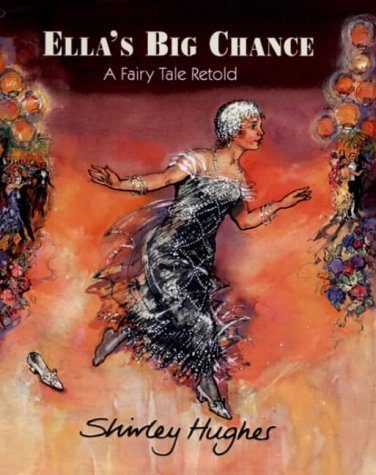
- A retro Cinderella story from the 1920s:Ella’s Big Chance (Ella’s Big Chance)。
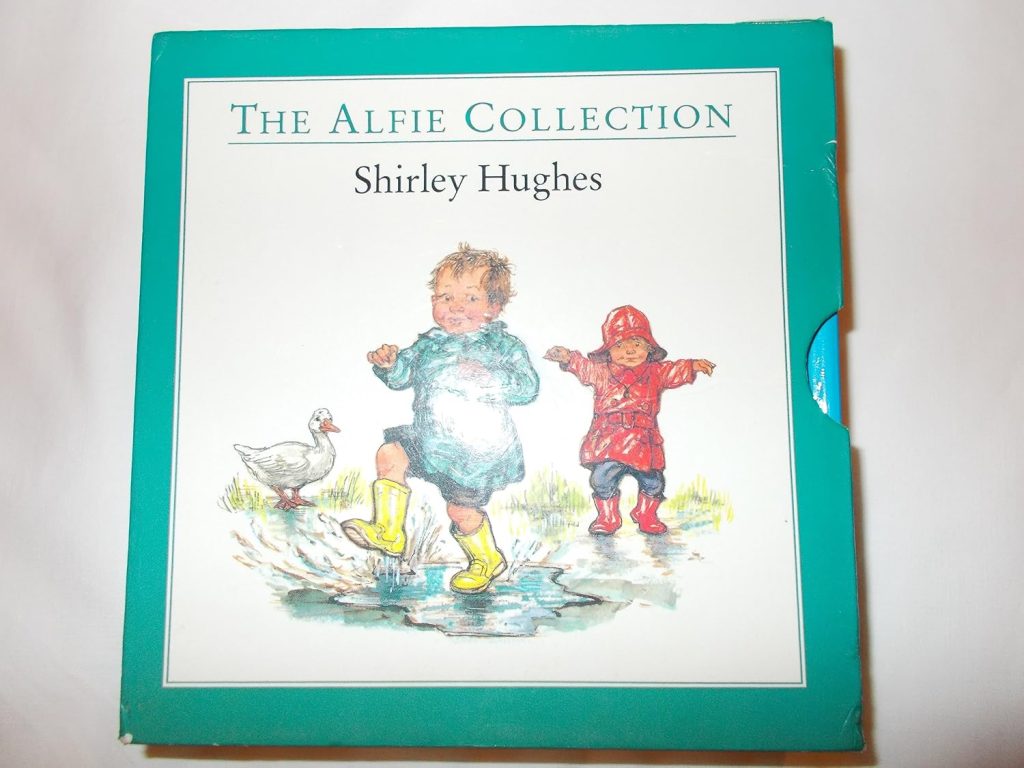
- Core Evergreen Canon:The Alphi series of picture books (AlfieHer Alfie has messy hair and rosy cheeks, and the whole page is filled with the warm and cozy atmosphere of a classic British town, completely bidding farewell to the rigid and indoctrinated greenhouse.
| Birth | Shirley Hughes | Shirley Hughes (Wikipedia) |
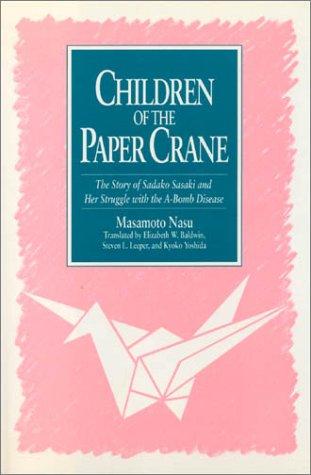
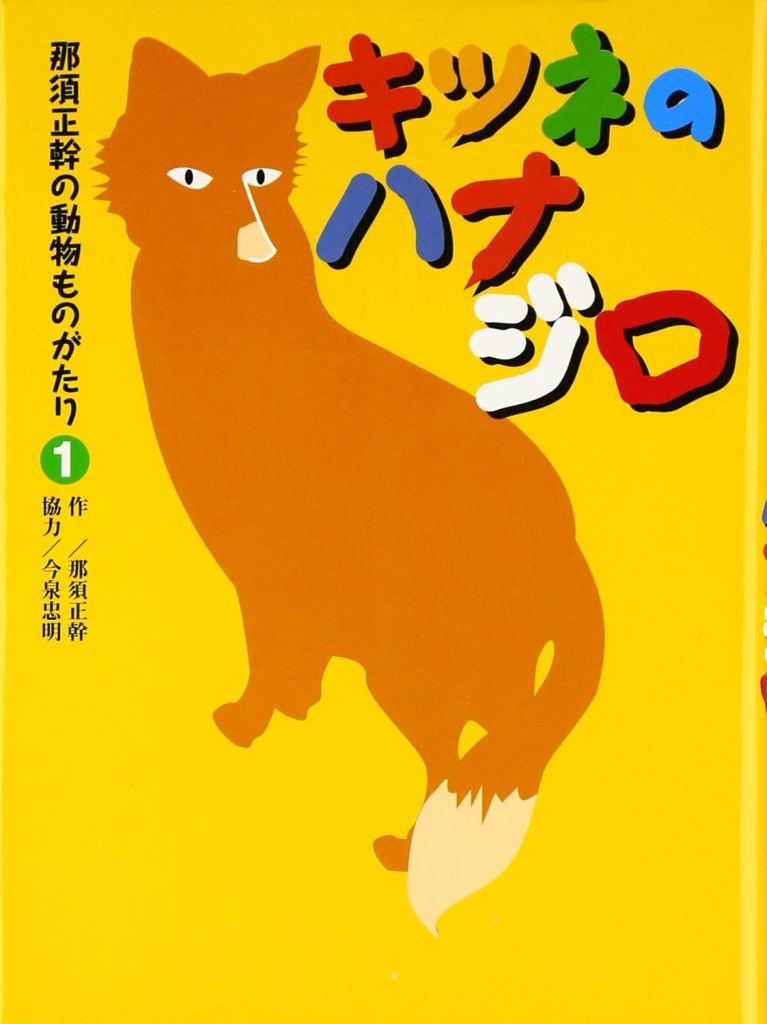
⚰️ 2021 — Passed away: Masamoto Nasu
Japan’s immortal national treasure-level children’s realist literature master and pacifist fighter (1942–2021). He was one of the most principled standard-bearers of the golden age of children’s literature in East Asia after the war. As a survivor of the Hiroshima atomic bombing, he spent his life deconstructing war with extremely steely calmness and sociological criticism, defending the rationality and dignity of childhood.
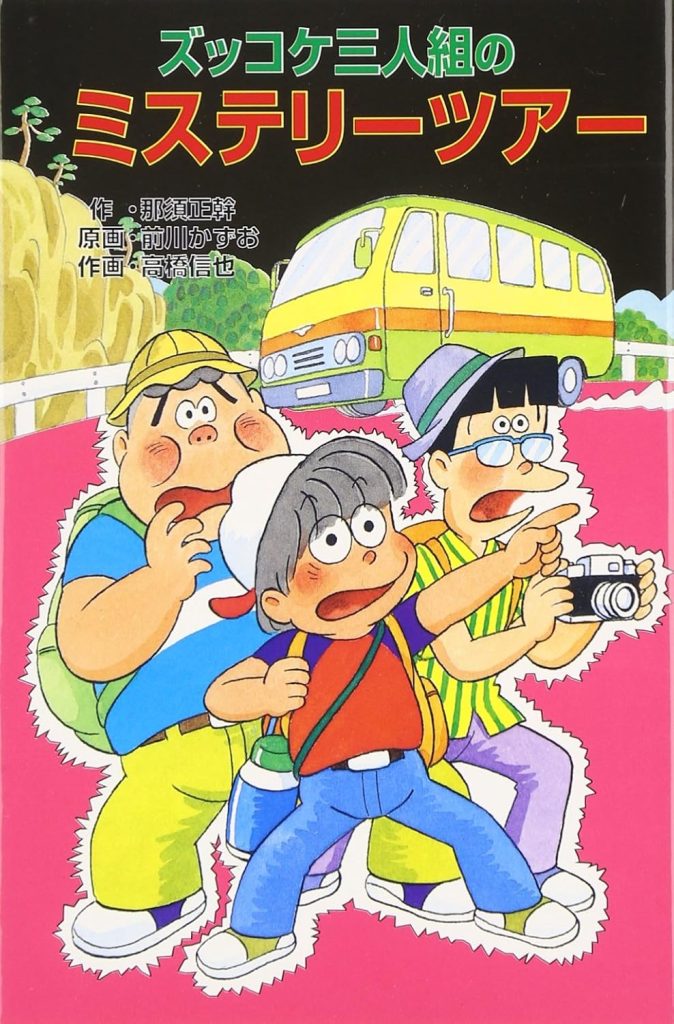
- A masterpiece that will last forever: The Lively Trio Series (Zukoke Sannin-gumiThe series, consisting of 50 volumes, sold tens of millions of copies and was adapted into well-known films, television series, and animated films.
- Non-fiction historical reflections on classics: The Child Who Folds Paper Cranes (Children of the Paper Crane)、Hiroshima Cried (Hiroshima Wept)。
- Literary status: Masami Nasu completely shattered the sycophantic and falsely sweet indoctrination prevalent in Japanese children’s books at the time. His “The Three Musketeers” established children’s agency in resisting societal prejudice through the hilarious daily lives and adventurous manhunts of three ordinary boys with vastly different personalities and even flaws in a small town. His “The Child Who Origami Cranes,” with its stark, unvarnished, and poignant documentary style, recorded the historical truth of Sasaki Sadako, a girl who tragically died from nuclear radiation, and her origami cranes, thus providing teenagers with a dignified and enduring spiritual shield to reflect on war and uphold order.
| Passed away | Masamoto Nasu | Masamoto Nasu (Wikipedia) |
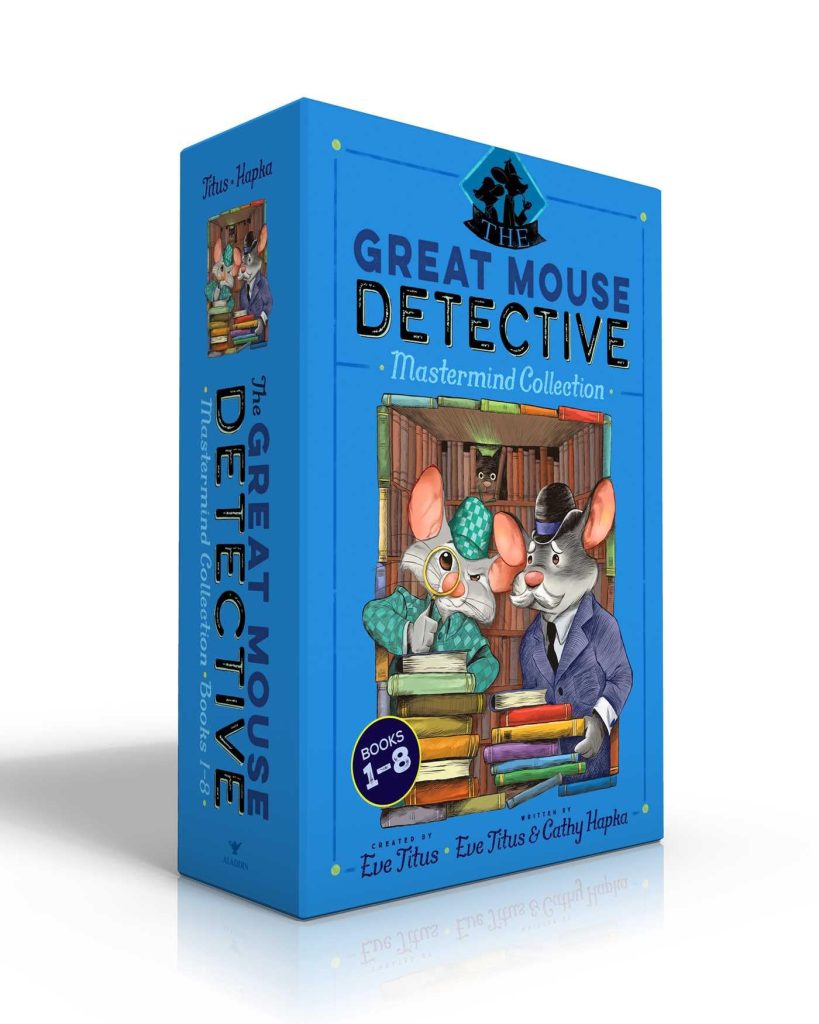
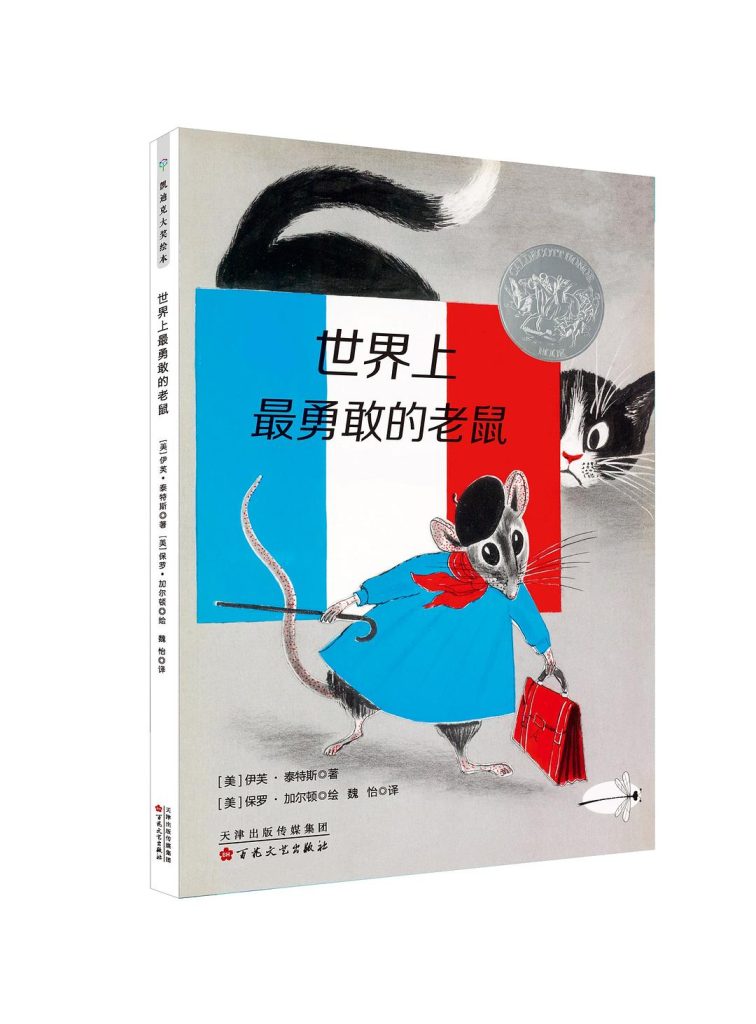
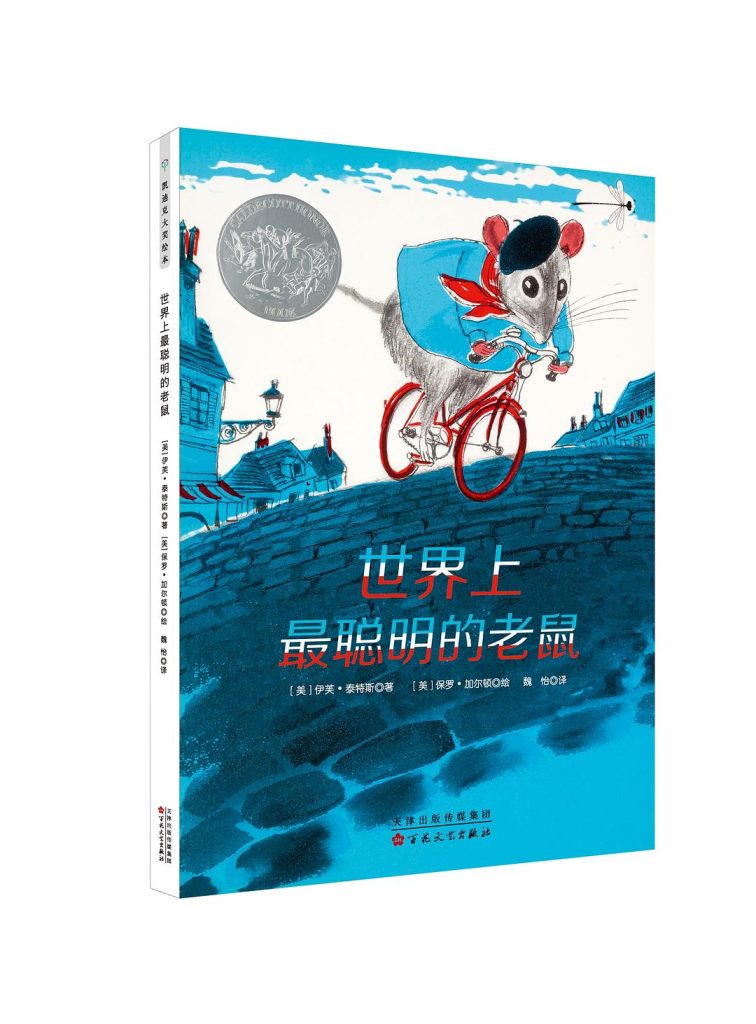
🎂 1922 – Born: Eve Titus
A renowned American female children’s literature writer, author of classic detective and anthropomorphic animal novels (1922–2002). She was a giant of the late 20th century in the history of American children’s popular literature, perfectly blending “classical English and French style, rigorous detective deduction, and great discoveries of early childhood intelligence”.
- Timeless classics for children’s detective stories: The Mouse Detective Agency series (Basil of Baker StreetIt was later adapted by Disney into the classic film “King Kiss”. The Great Mouse Detective).
- Caldecott Medal Winner: Anatole, the French mouse cheese taster series (AnatoleAmong them, his representative works, “The Smartest Mouse in the World” and “The Bravest Mouse in the World,” won awards twice. Caldecott Honor(Illustration by Paul Galdone)
- Literary qualities: Titus is exceptionally adept at constructing grand logical panoramas within extremely small microscopic spaces. In “The Mouse Detective Agency,” she creates the gentlemanly mouse Basil, who lives in the basement of Holmes’ house and is equally rational and logical, guiding young readers to develop a critical mindset that rationally examines the world through close observation of details.
| Birth | Eve Titus | Eve Titus (Wikipedia) |
🎂 Born 1952: Richard Egielski
An immortal American graphic artist, master of fine art picture books, and book designer (1952). He was a visual master of the late 20th century, possessing the most modern graphic collage tension and retro architectural aesthetics in the United States.
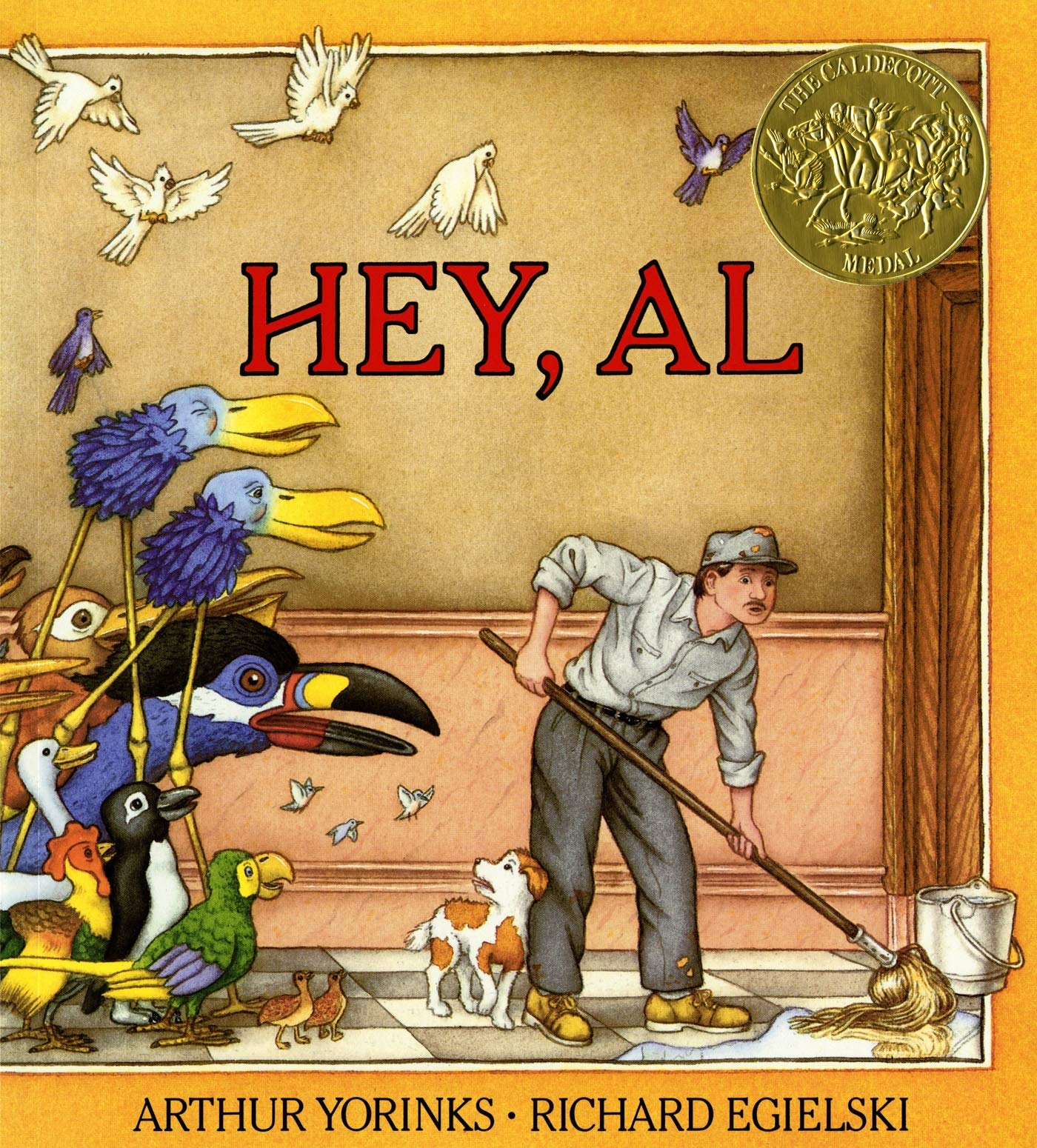
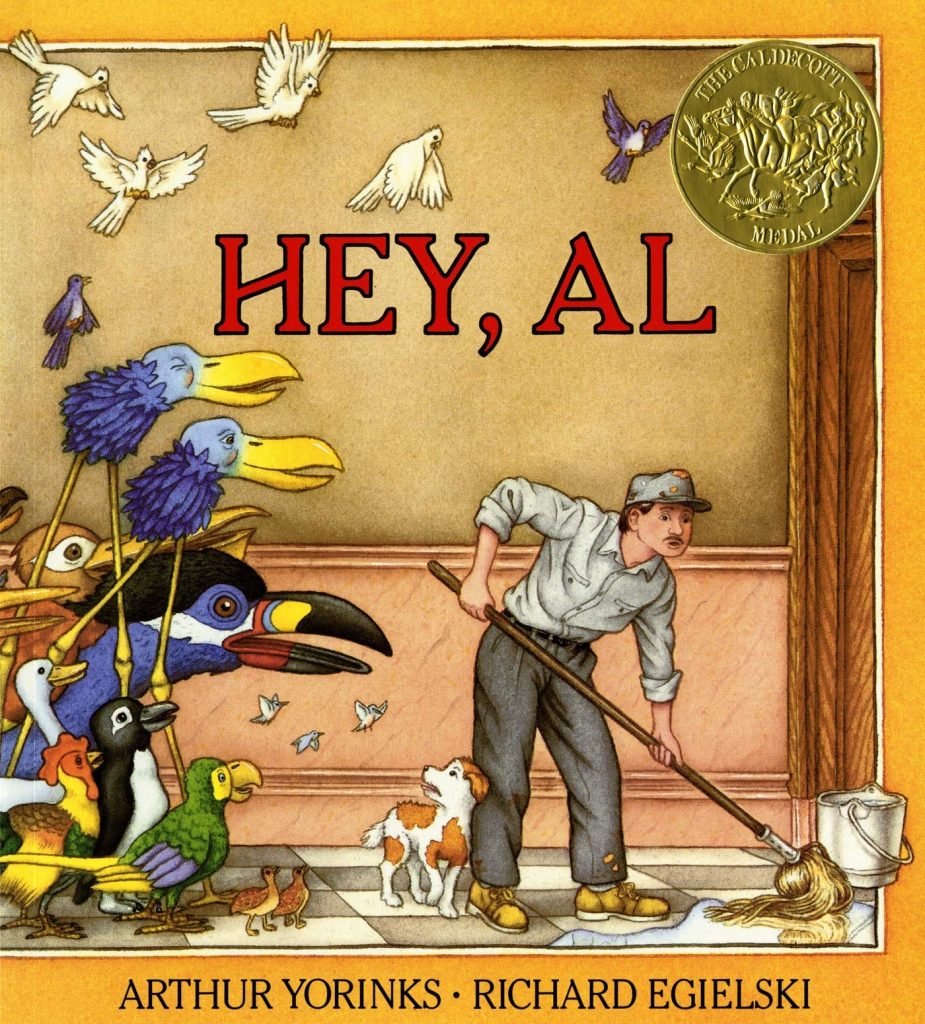
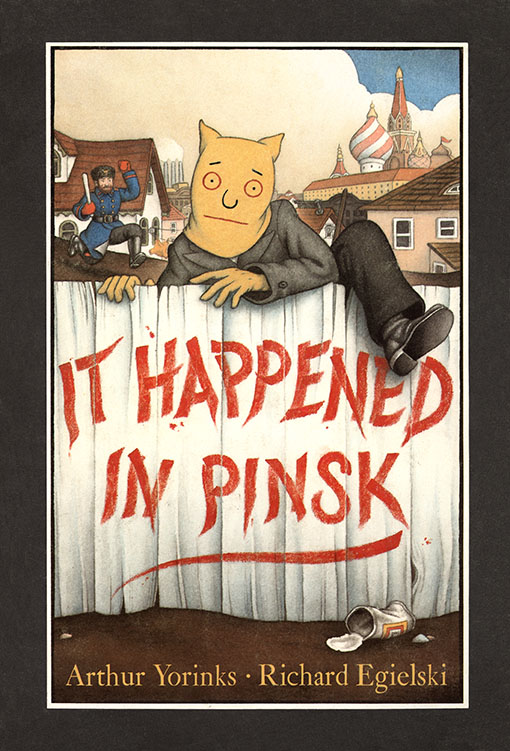
- Supreme honor and an immortal masterpiece: With the classic fantasy social realism masterpiece “Hey, Al”, he successfully reached the top and won the award. 1987 Caldecott MedalHis masterpiece, “What Happened in Pinsk,” won a stunning award. Plaque Award, 1985 Bratislava International Biennial of Illustrations (BIB).
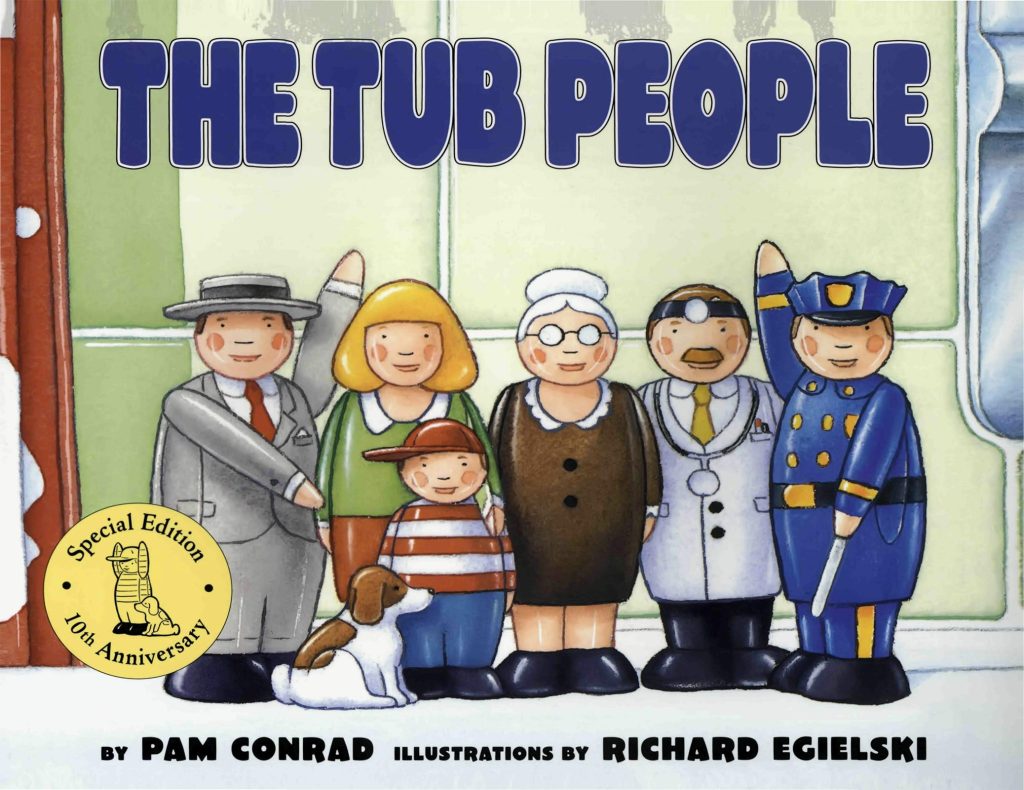
- Award-winning representative works: Hey, Al! (Hey, Al(Author: Arthur Yorinks) The core concept of the evergreen classic *The Bathtub Man* (The Tub People(By Pam Conrad)
- Contributions to visual arts: Egilsky completely overturned the rigid didactic paradigm of early children’s books. In “Hey, Al,” he innovatively stitched together urban realism and a magical paradise, using extremely calm and firm hand-etched lines and large areas of highly saturated oil paint to bring to life Al, a janitor living in a cramped apartment, reflecting on greed and the truth of life with his pet dog. He endowed children’s picture books with the highest visual intellectual dignity through rational spatial deconstruction.
| Birth | Richard Egielski | Richard Egielski (Wikipedia) |
🗓️ Parallel briefings from other award-winning creators
| event | figure | Details/Awards | Wikipedia/Data Links |
|---|---|---|---|
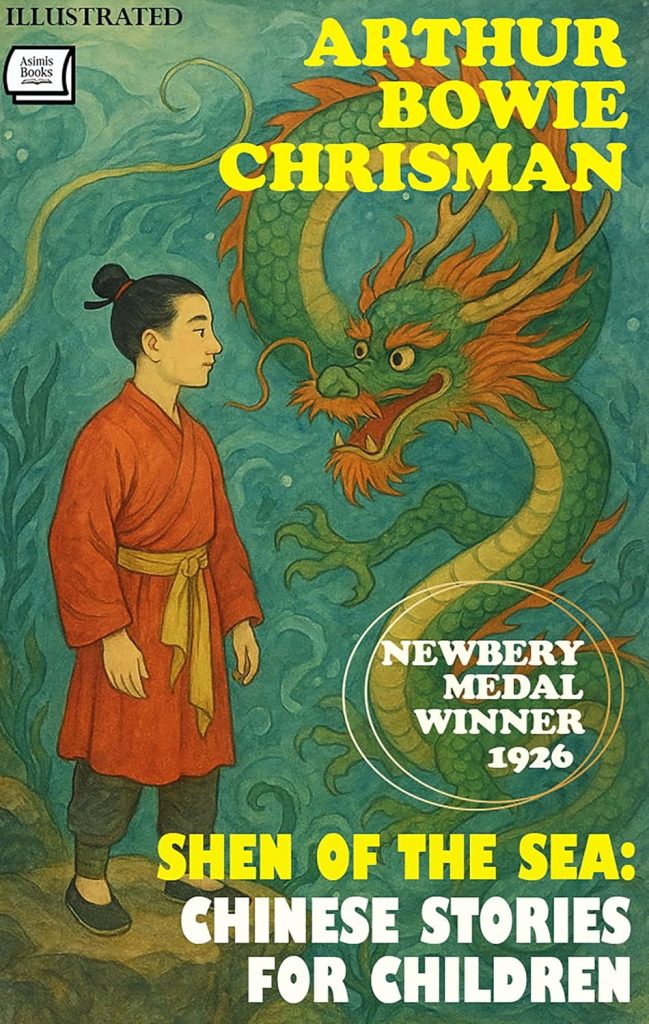
| born | Arthur Bowie Chrisman | An immortal American historian of the early 20th century and a master of collecting and compiling Chinese folk tales (1889–153). With his profound knowledge of Chinese folklore literature, he perfectly blended traditional Chinese mythology with a humorous storytelling style, culminating in his monumental historical classic, *The Chinese Sea God*.Shen of the SeaHe reached the top and won the championship. The 1926 Newbery Medal. | Arthur Bowie Chrisman (Wikipedia) |
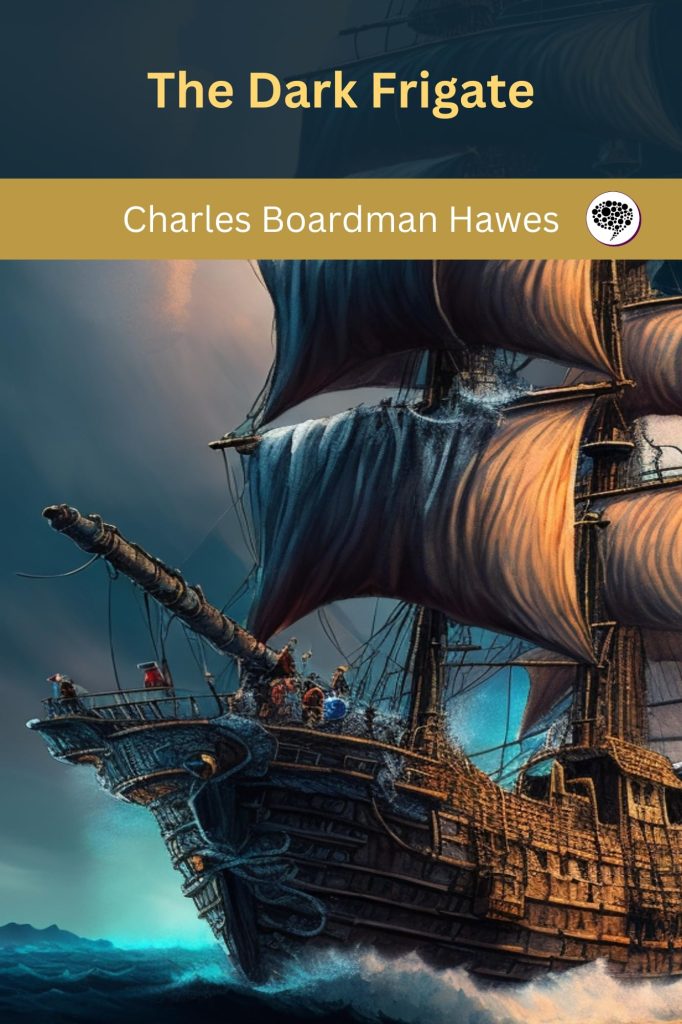
| Death | Charles Hawes | A pioneer of early American historical adventure and maritime nonfiction realism (1889–1923), a giant of the hard-boiled generation. His epic masterpiece, *The Dark Guard*, a 17th-century tale of hunts and pirate espionage, was written specifically to instill in young people navigating a time of upheaval the spirit of independent craftsmen.The Dark Frigate), won the championship in one fell swoop The 1924 Newbery Medal. | Charles Boardman Hawes (Wikipedia) |
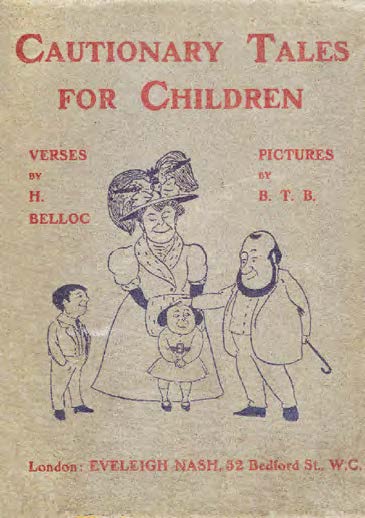
| Death | Hilaire Belloc | The immortal essayist, political thinker, and poet of the Victorian/Edwardian era in England (1870–1953). (Note: His birthday was recorded on July 27th, and today is the anniversary of this skeletal giant’s death.) His timeless cautionary tales, “Children’s Warning Stories,” which are full of medieval dark humor, thoroughly deconstruct the false childhood shelter of the time, and tell ten stories of children facing cruel punishment for various strange bad habits, are included in “1001 Children’s Books.” | Hilaire Belloc (Wikipedia) |
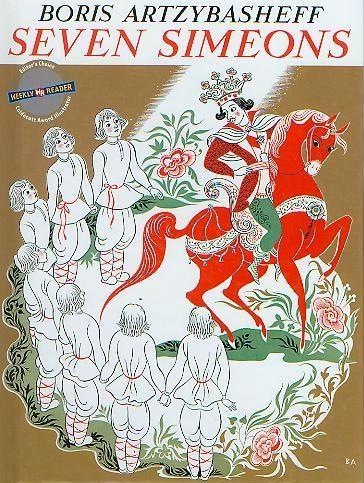
| Death | Boris Artzybasheff | A Russian-American pioneer of graphic visual art and a master of surrealist portraiture (1899–1965). He served for many years as the cover artist for Time magazine, and his classic masterpiece, *Seven Simons*, which employed medieval polyphonic pen-and-ink hatching and meticulous geometric optical illusions to reshape traditional Slavic historical mythology, is a testament to this.Seven Simeons), and won in one fell swoop The inaugural Caldecott Honor, awarded in 1938.. | Boris Artzybasheff (Wikipedia) |
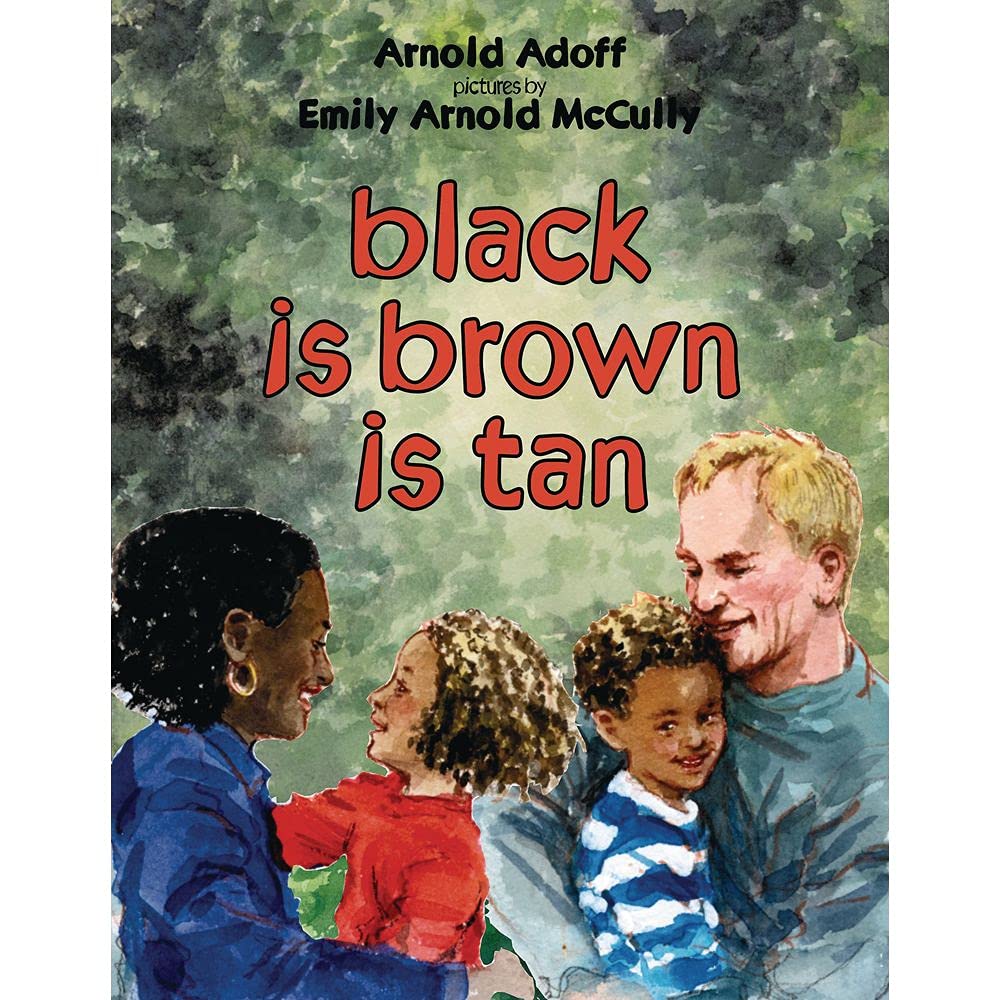
| born | Arnold Adoff | A distinguished African American poet and children’s literature editor of the 20th century (1935–2021). He dedicated his life to cross-cultural equality and the compilation of literature. Together with his wife, Virginia Hamilton, a Newbery Medal winner, he wrote the timeless children’s poetry classic “Black, Brown, Brown,” which vividly portrays the daily order and harmony of interracial families across the United States and remains a staple of every major library’s must-read list. | Arnold Adoff (Wikipedia) |
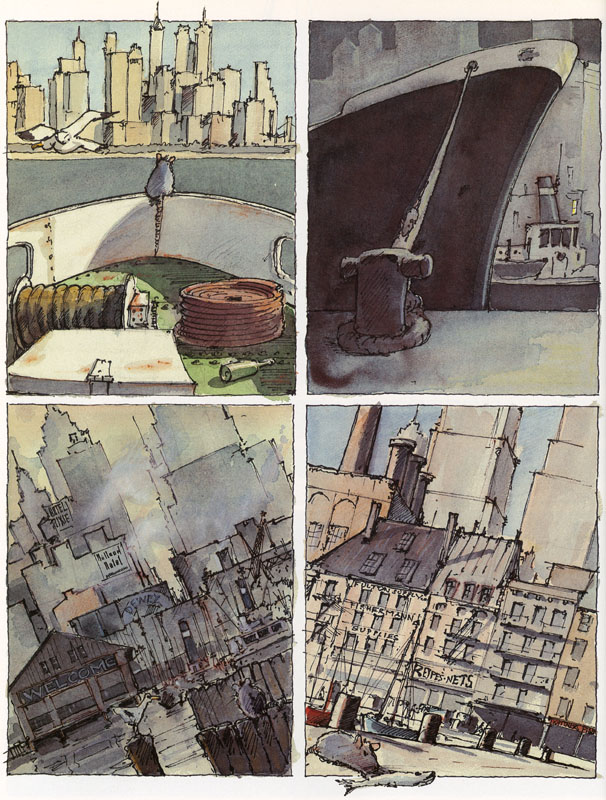
| born | Marcus Herrenberger | A prominent contemporary German graphic artist and master of historical realism illustration (1955). His first complete set of visual illustrations for the post-Cold War historical nonfiction masterpiece, *Between Lenin, Jazz, and Harry Lem*, created using extremely stiff, hardcore cross-hatching pen etching and filled with deconstructed, theatrical white space, achieved phenomenal success and won numerous awards. Plaque Award, 1993 Bratislava International Biennial of Illustrations (BIB). | Marcus Herrenberger (Wikipedia) |
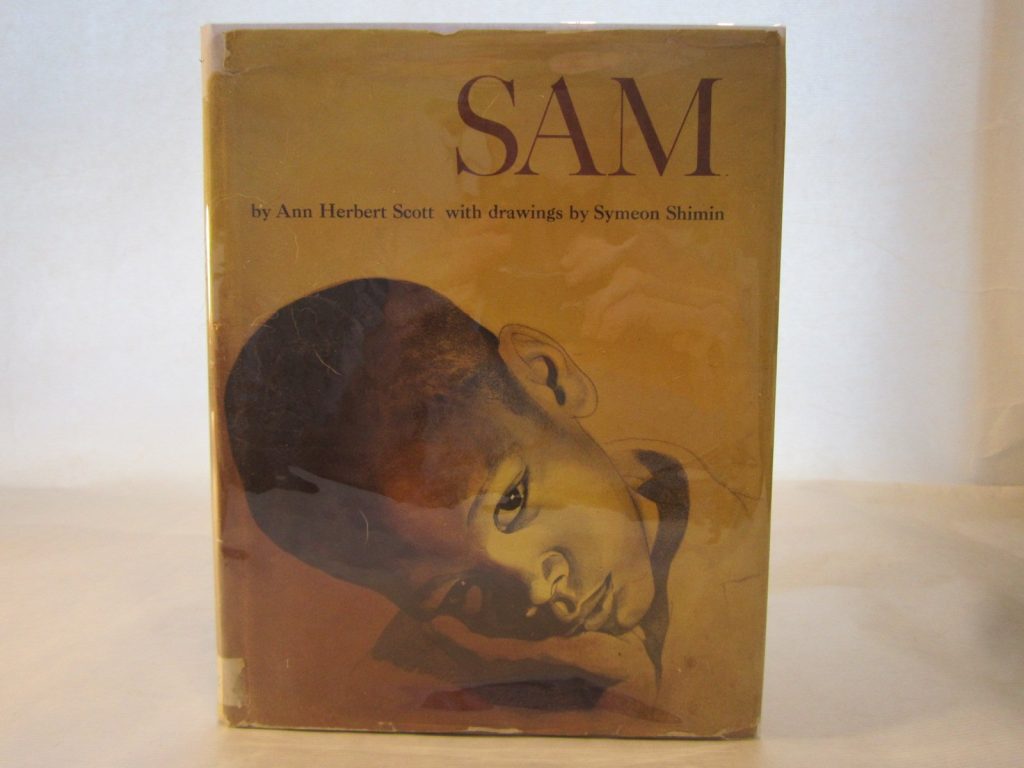
| Death | Ann Herbert Scott | A prominent American female realist novelist of the mid-to-late 20th century (1926–2018) specializing in depicting the psychology of children. She was exceptionally skilled at using highly realistic, warm, and anthropologically empathetic prose to record life; her masterpiece is *Sam*.SamThrough the story of a young boy of color trying to find his own independent rights in the busy family work order, it has been a perennial recommendation in major children’s libraries. | Ann Herbert Scott (Wikidata) |
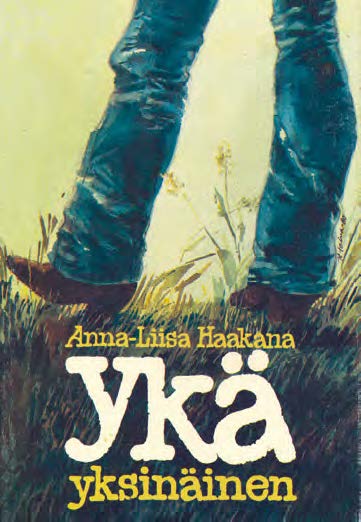
| Death | Anna-Liisa Haakana | She was an immortal Finnish master of social realism literature for young people (1937–2024). Throughout her life, she wrote the masterpiece “My One-Legged Friend and Me” with the most incisive and unvarnished sociological perspective, which records the struggles of ethnic minority teenagers in the Lapland wilderness of Northern Europe to uphold their integrity and family order amidst class segregation and extreme survival pain. The work is included in “1001 Children’s Books”. | Anna-Liisa Haakana (Wikipedia) |