🎂 Born 1962: Nahoko Uehashi
Japan’s immortal female cultural anthropologist, a giant of children’s literature, and a master of fantasy literature (1962). She is a polyphonic narrative queen who is revered by children’s and YA literature circles around the world in the 21st century. Throughout her life, she perfectly fused the complex geopolitics of indigenous peoples, ecological conservation, and human choices with extremely rigorous academic rigor and compassion for all things.
- Supreme international honor (Grand Slam): Awarded 2014 Hans Christian Andersen Award (HCAA) for Best Writer.
- An epic fantasy story that will last forever:
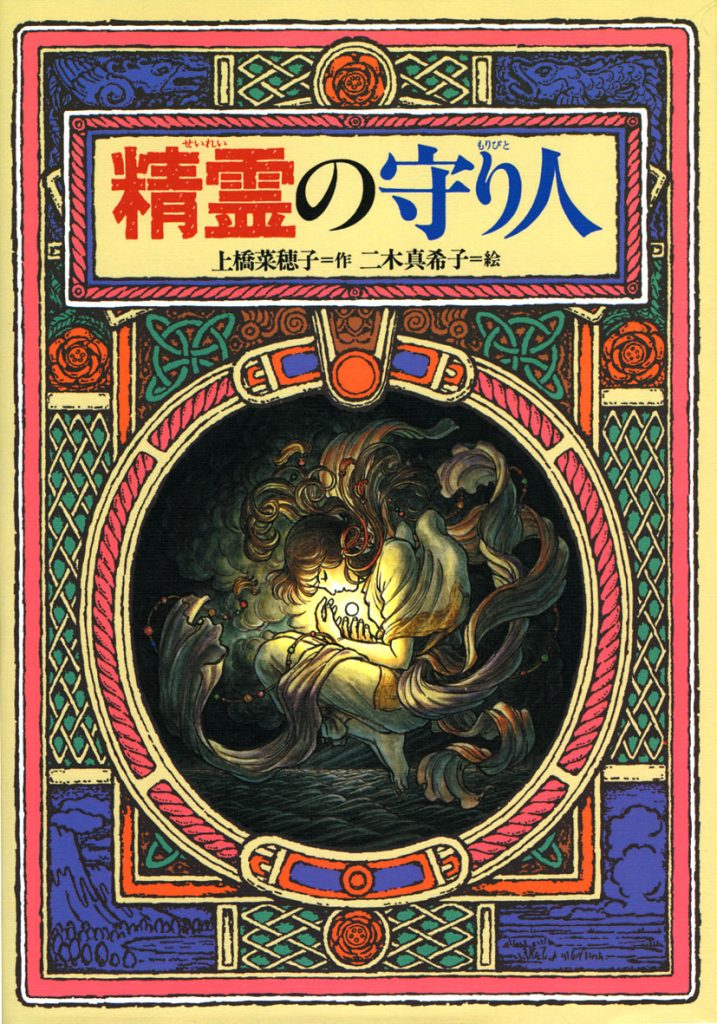
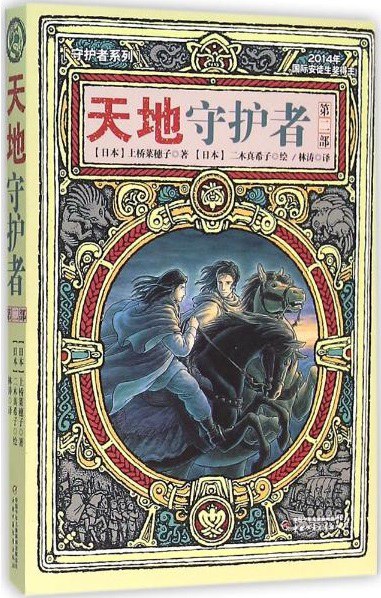
- Canon: Asia’s ultimate fantasy:““Guardians” series(Jing Li の Shou り人 / Moribito seriesIt vividly portrays the life of Balsa, a 30-year-old female bodyguard who wielded a pistol and stood guard over the orphans of a minority group and their independent spirit.
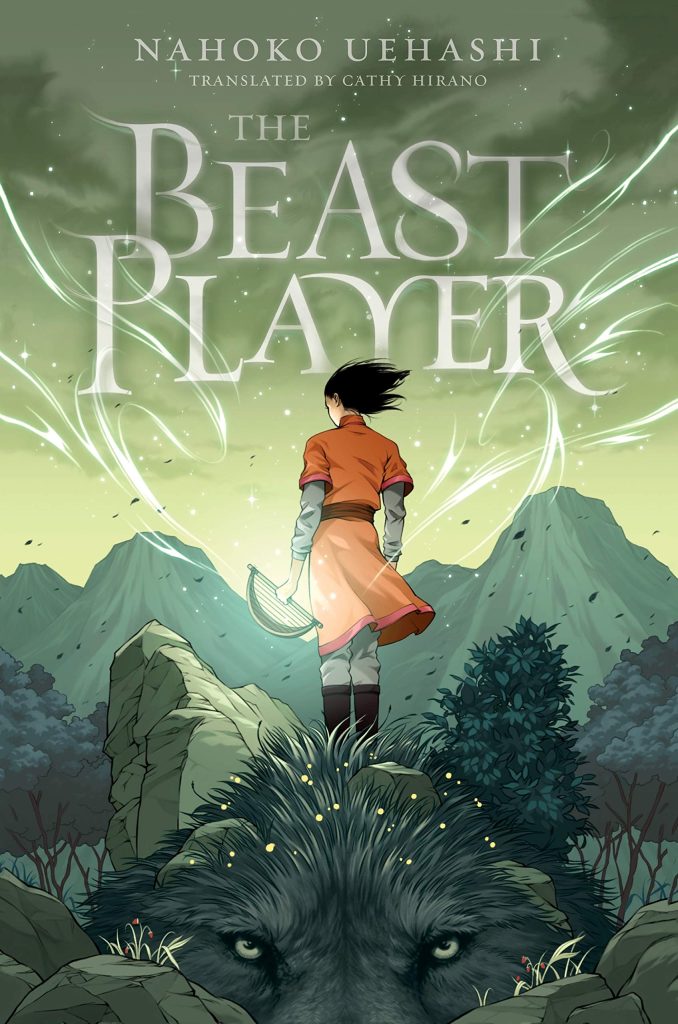
- Anthropological masterpieces of grand narratives:The Deer King (The Deer King)、The Beast Player (The player of the beast / The Beast Player)。
- Literary qualities: Naoko Uehashi’s writing is filled with an iron-like calmness and restraint. She completely shatters the mediocre Hollywood-style black-and-white binary opposition, never brewing false, greenhouse sweetness for children. The world she depicts is noble in composition and orderly in order, using extreme rationality to deconstruct cultural prejudices, endowing teenagers caught between loneliness and war with the strongest spiritual power and the highest dignity.
| Birth | Nahoko Uehashi | Nahoko Uehashi (Wikipedia) |
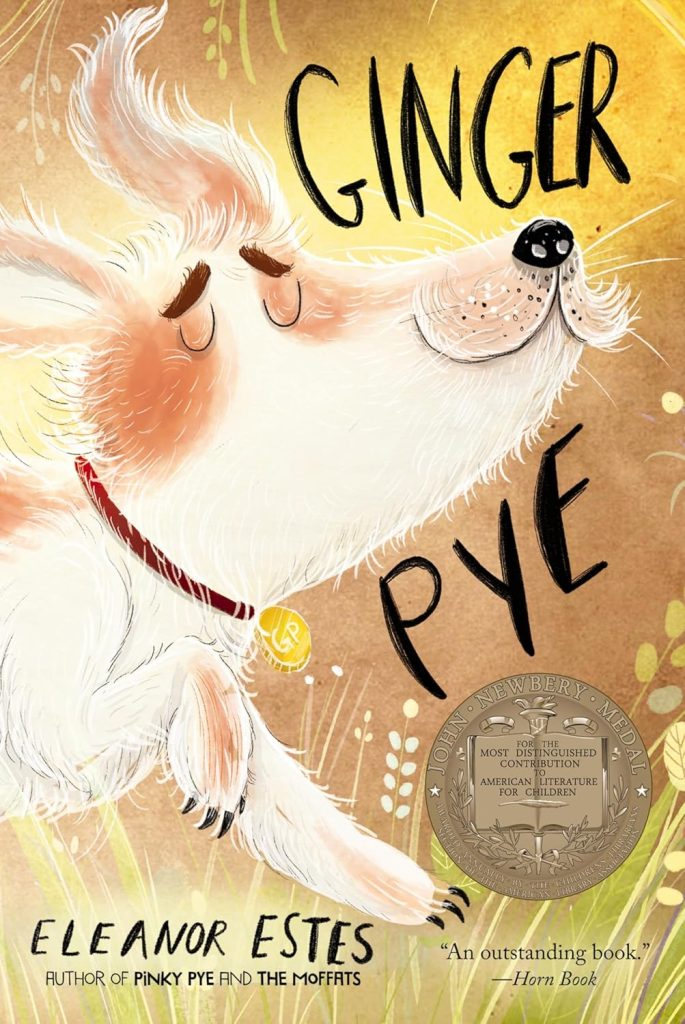

⚰️ 1988 – Death: Eleanor Estes
An immortal American female children’s author and public librarian (1906–1988). She was a master of neo-realist narrative in the mid-20th century, perfectly blending “extremely cold and realistic social psychology of children, granular sense of life, and deconstructive bias” in the United States.
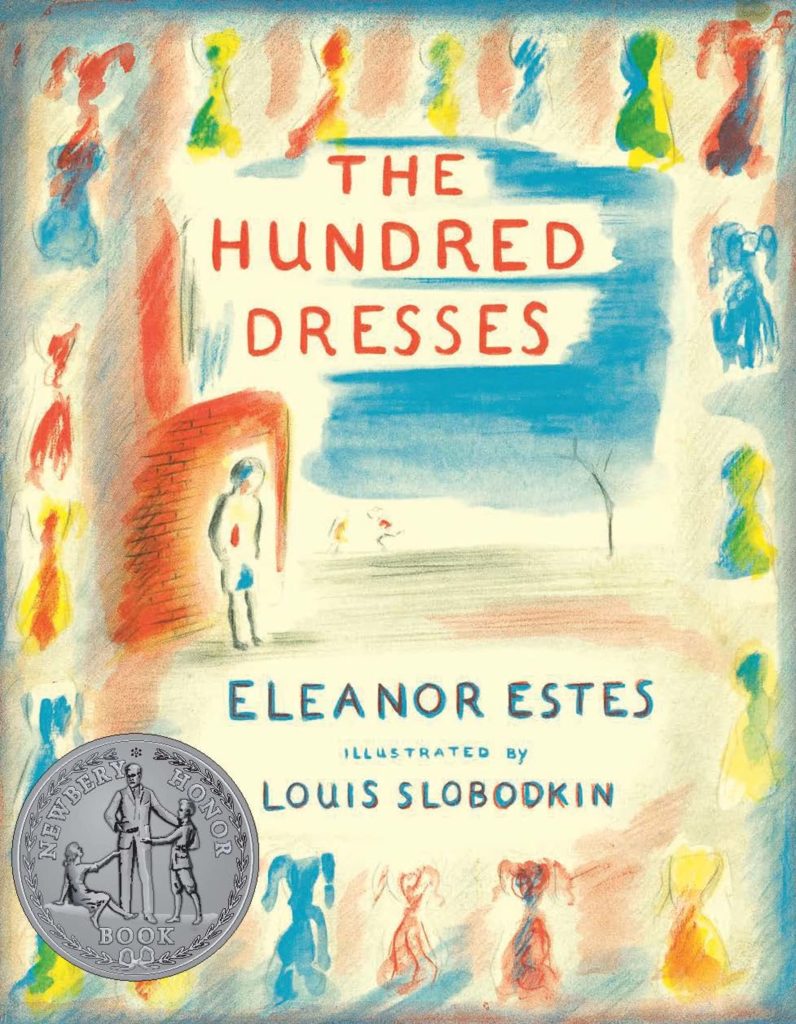
- Supreme honor and an immortal monument: He successfully reached the top and won the award with his masterpiece “Ginger of the Pai Family”. The 1952 Newbery MedalHis three Newbery Honor awards include a book listed as essential reading for all children, a testament to the enduring spirit of anti-bullying in schools. One Hundred Dresses (The Hundred Dresses).
- Core Realist Representative Works: Ginger of the Pai family (Ginger Pye)、One Hundred DressesAnd the Moffat family series.
- Literary status: Estes’s essays are imbued with the raw, authentic feel of life. In *One Hundred Dresses*, she portrays Wanda, a Polish immigrant girl who wears tattered clothes every day yet proudly proclaims that she owns one hundred dresses, with remarkable literary restraint. She deconstructs class segregation, herd mentality, and xenophobic prejudice with the most objective and unadorned language, upholding the intellectual height of children’s psychological realism with remarkable dignity.
| Deceased | Eleanor Estes | Eleanor Estes (Wikipedia) |
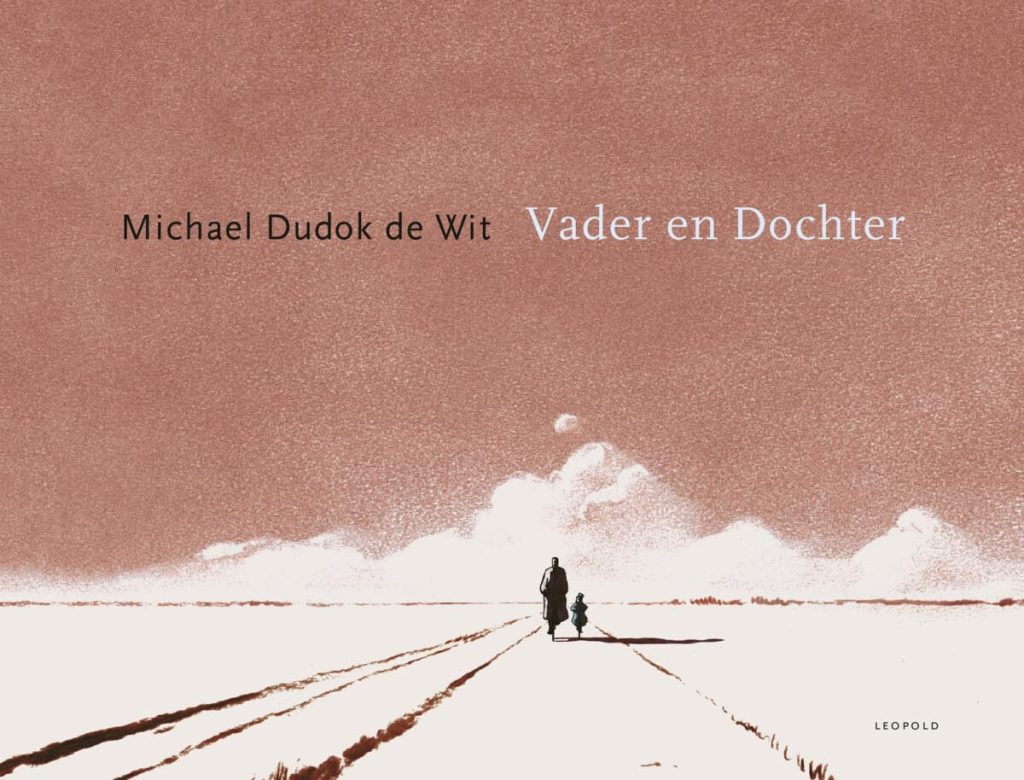

🎂 1953 – Born: Michael Dudok de Wit
The Netherlands“ immortal national treasure, graphic artist, animation director, and master of fine art picture books (1953). He is the ”Pope of Poetics of Space and Time”, who has a very high reputation in the global cross-media visual storytelling field and perfectly collides the blank space of Eastern freehand ink painting with the classical European hatching.
- International highest honor: Winning the award with the epic picture book of the same name 2003 Bratislava International Biennial of Illustration (BIB) Golden Apple AwardThe animated film of the same name swept the British Academy Film Awards and the Academy Award for Best Animated Short Film.
- A timeless visual masterpiece: Father and Daughter (Vader en dochter / English name Father and Daughter), and the crossover animated epic “The Red Turtle” (The Red Turtle)。
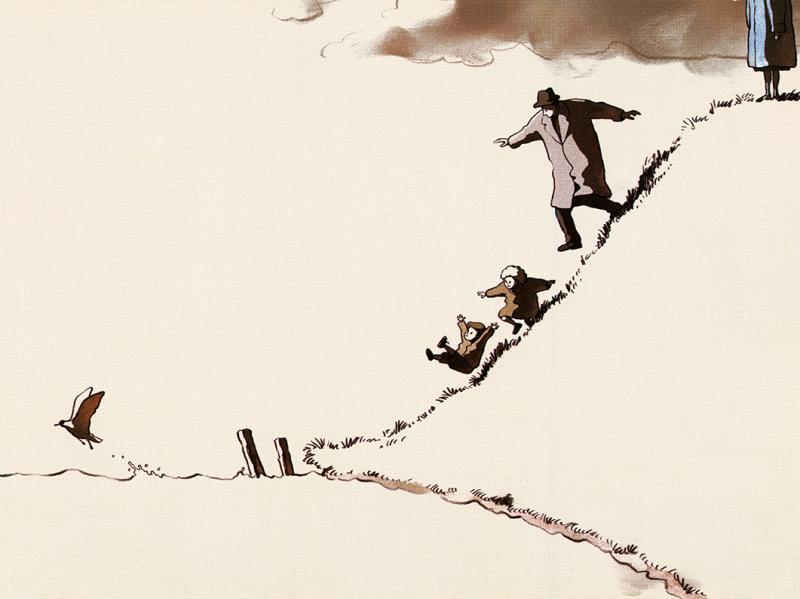
- Visual Art Features: DeWitt completely rejected the kitsch of modern digital coloring. In *Father and Daughter*, he adhered to minimalist charcoal sketches and misty, wet monochrome watercolor washes throughout his life, using flowing, powerful lines to record the daughter’s life ritual of watching her departing father from the shore until she herself entered her twilight years and encountered death. He endowed picture books with the highest dignity of pure art through extremely rational composition and silent blank space.
| Birth | Michael Dudok de Wit | Michael Dudok de Wit (Wikipedia) |
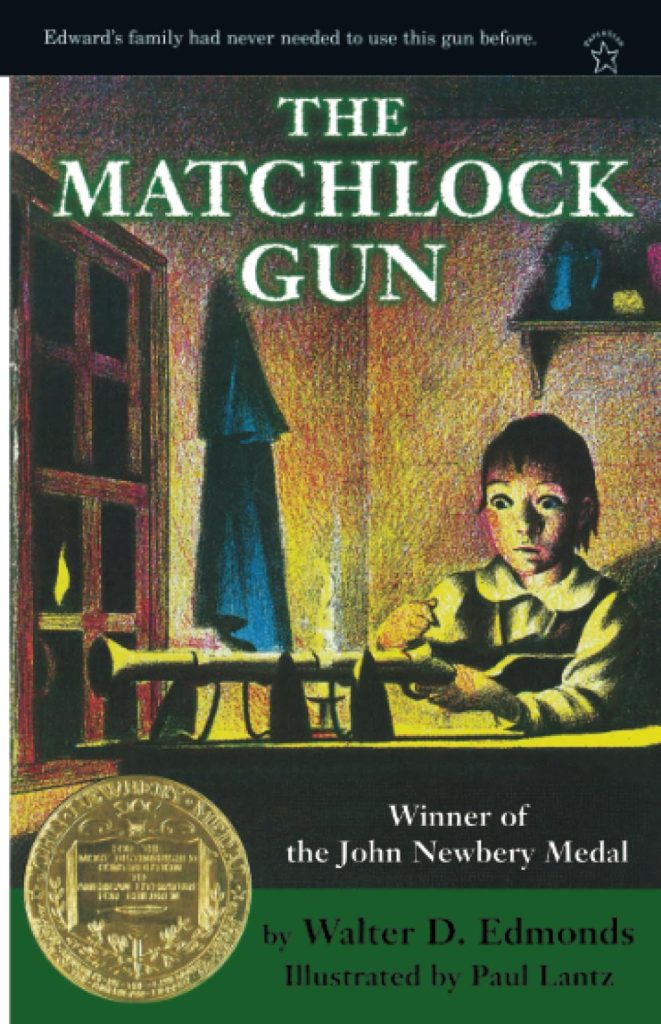
🎂 1903 – Born: Walter D. Edmonds
An immortal American historical realist novelist and Pulitzer Prize winner (1903–1998). He was a pioneering figure in 20th-century American children’s historical nonfiction/fiction literature, bidding farewell to false mainstream narratives and introducing the “granularity and growing pains of Cold War/founding history.”
- Highest Honor: Successfully reached the top and won the award with the timeless children’s epic masterpiece “The Matchlock Gun”. The 1942 Newbery Medal.
- Masterpieces that have stood the test of time: Matchlock Gun (The Matchlock Gun(Illustration by Paul Lantz)
- Literary connotation: Edmonds excels at using the most forceful, objective, and detached language to deconstruct war and crisis. The story unfolds amidst the smoke and ruins of 1756, where 10-year-old Edward, forced to uphold order in the absence of his father and with his mother gravely wounded, independently lifts a heavy classical matchlock musket to resist the invasion. With his steely, objective narrative, he vividly portrays the boy’s independent responsibility and backbone, dignifiedly upholding the intellectual high ground of American historical literature.
| Birth | Walter D. Edmonds | Walter D. Edmonds (Wikipedia) |



🎂 1779 – Born: Clement Clarke Moore
An immortal American professor of classical linguistics, biblical scholar, and poet of the early 19th century (1779–1863). (Note: July 10th is also recorded as his death anniversary; today is the birthday of this classical gentleman.)
- An Immortal Milestone in History: Christmas Eve (’‘Twas the Night Before ChristmasPublished anonymously in 1823, it was included in “1001 Children’s Books”.
- Historical achievements: He groundbreakingly broke the century-long intellectual constraints imposed on childhood by the strict Puritans of America at the time, using polyphonic children’s poetry full of noble ancient rhythms and dynamism. With an extreme childlike heart, he reshaped “Saint Nicholas” into a modern, chubby Santa Claus symbol, riding a reindeer-drawn sleigh down a chimney, thus dignifiedly reclaiming for Western children the supreme power of unrestrained daydreaming and holiday celebration.
| Birth | Clement Clarke Moore | Clement Clarke Moore (Wikipedia) |

⚰️ 2023 – Death: Francisco Ibáñez
Francisco Ibáñez Talavera (1936–2023), an immortal national treasure of Spain, was a graphic artist and master of satirical cartoons.
- A timeless and popular monument: Classic national-level social satirical graphic novel The Mott and Phil series (Mortadelo y Filemón(It was first published in 1958).
- Historical impact: His award-winning series, included in “1001 Children’s Books,” has sold hundreds of millions of copies and serves as an insurmountable bible of intellectual and humorous enlightenment for generations of children throughout the Spanish-speaking world. Ivanisej adheres to the concise, explosively powerful single-line pen drawing style, bringing to life two bumbling, hapless private detectives who, despite their daily blunders and complaints during raids, repeatedly retaliate against bureaucracy. He thoroughly deconstructs the class prejudices and hypocritical disciplines of the adult world, securing his place on perennial recommendation lists in libraries across Europe.
| Deceased | Francisco Ibáñez | Francisco Ibáñez Talavera (Wikipedia) |