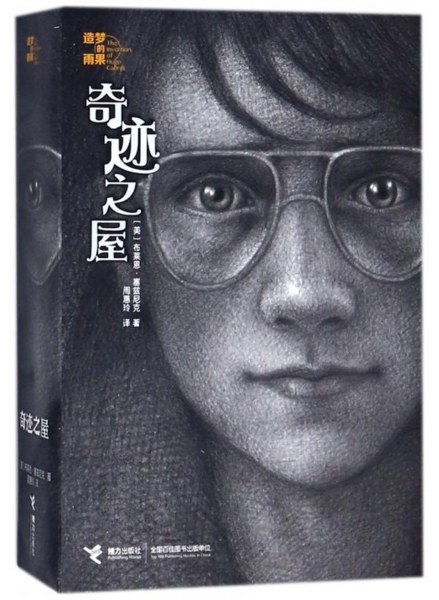
🎂 Born 1966 – Brian Selznick
An immortal American graphic artist, book structural engineer, and giant of children’s literature (1966). He is a towering figure of change in the global picture book and cross-media narrative of the 21st century, renowned worldwide for his groundbreaking cinematic editing and epic black-and-white pencil line drawings.
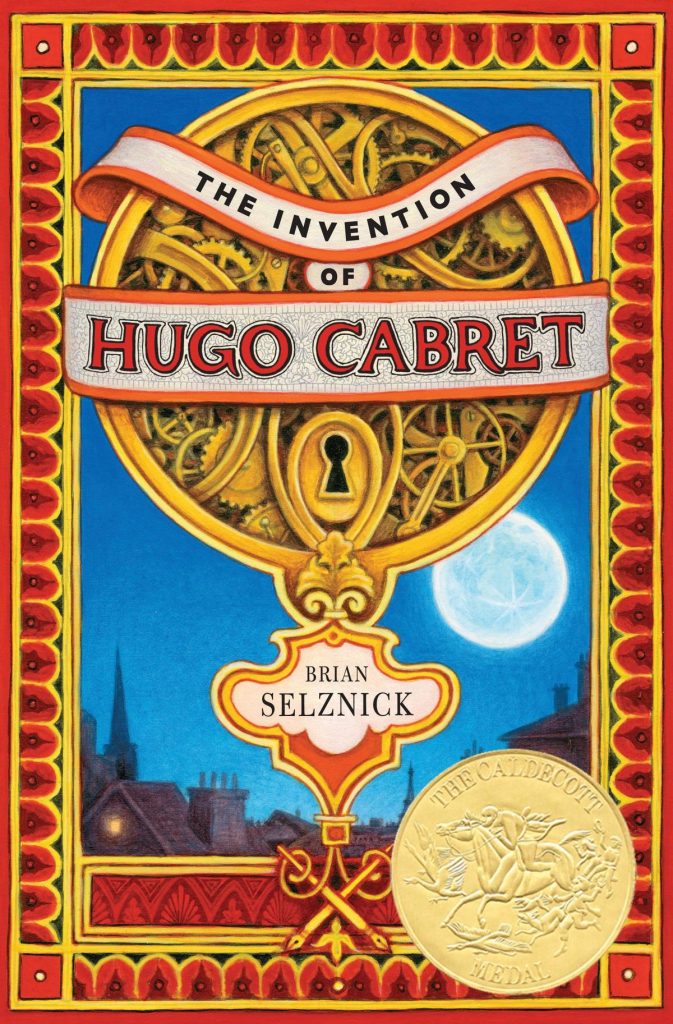
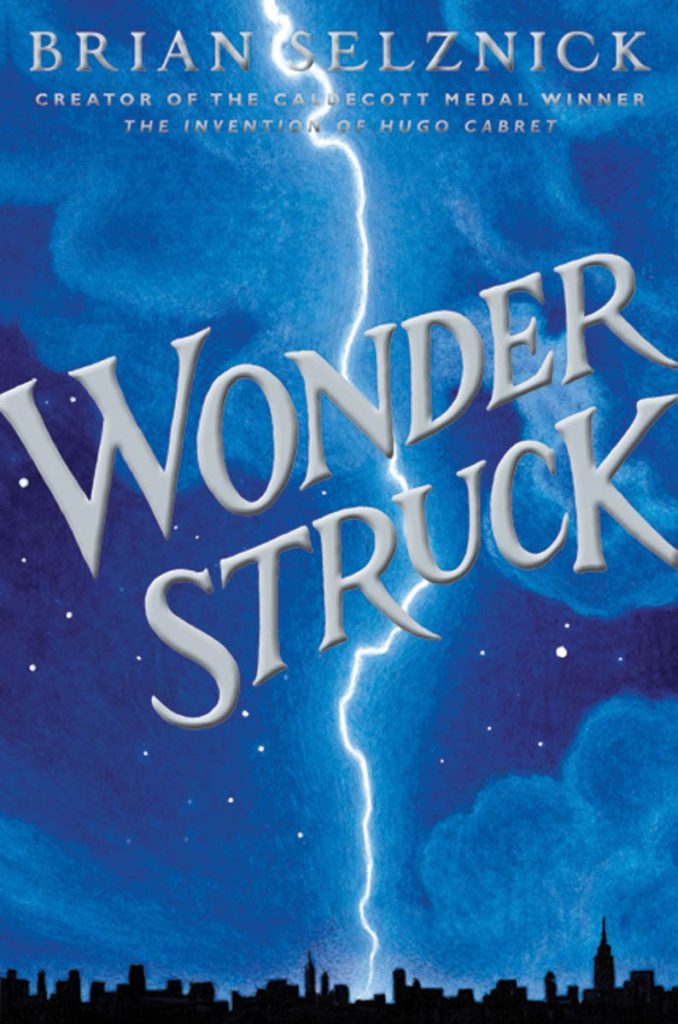
- Supreme honor and an immortal masterpiece: With his epic masterpiece “Hugo the Dreamer”, he successfully reached the top and won the award. 2008 Caldecott MedalLater, he won again with “Wonder in Silence”. The Prix Sorcières, the highest prize for novels in France..
- The Immortal Visual Trilogy: Hugo the Dreamer (The Invention of Hugo Cabret)、A Wonder in Silence (Wonderstruck), and the spatial art exploration masterpiece “House of Miracles” (The Marvels)。
- Contributions to visual arts: Selznick shattered the rigid paradigm of separating text and illustration. In *Hugo the Dreamer*, he adhered to the most rigorous techniques of hand-carved pencil etching and dense cross-hatching, using large areas of deep charcoal black and white space to create a visual suspense reminiscent of early silent black-and-white films within hundreds of pages of continuous wordless illustrations. With extremely rational composition, he told the story of an orphaned boy’s companionship and pursuit of dreams with film pioneer Méliès at a Paris train station, endowing modern graphic novels with the highest dignity of pure art.
| Birth | Brian Selznick | Brian Selznick (Wikipedia) |
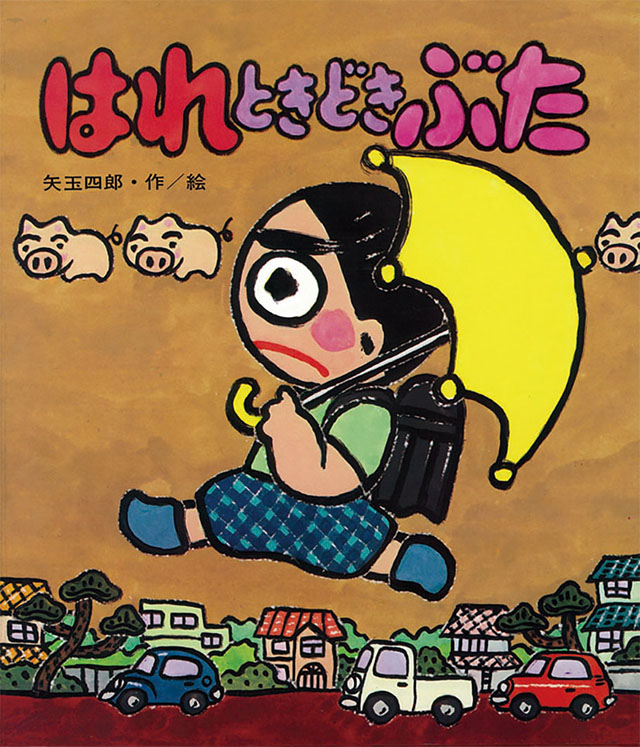
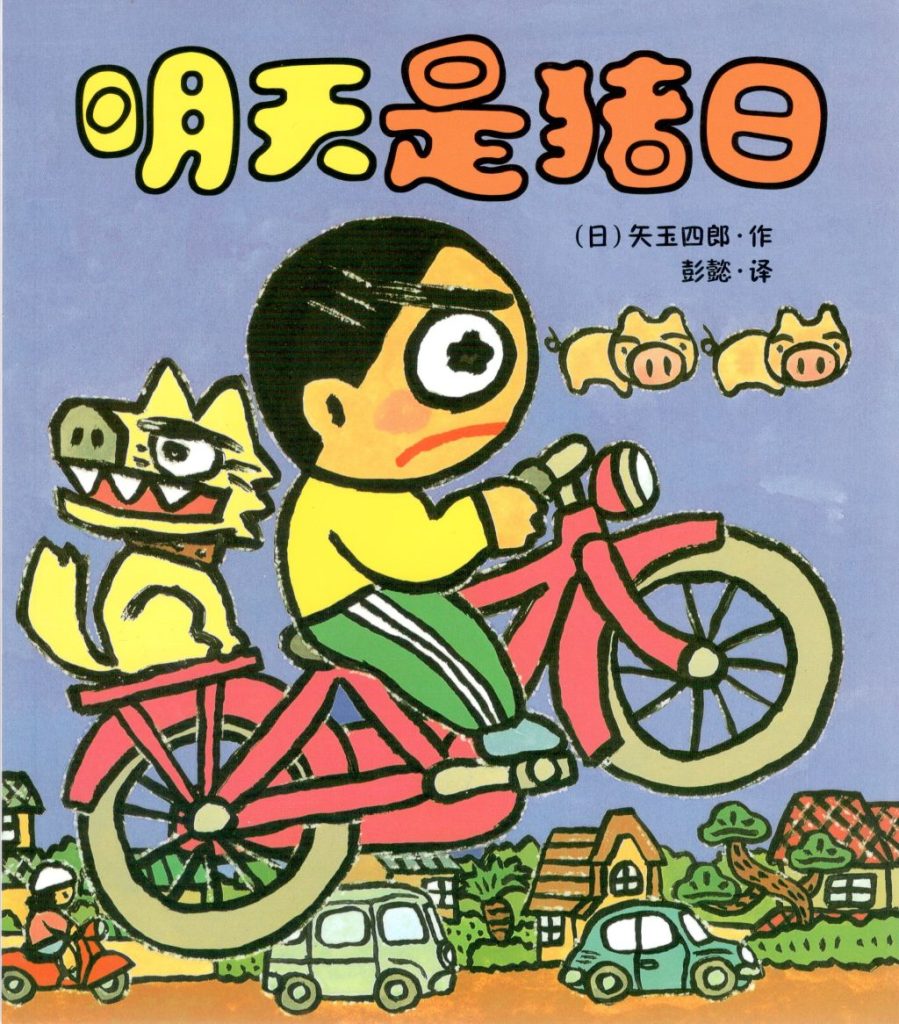
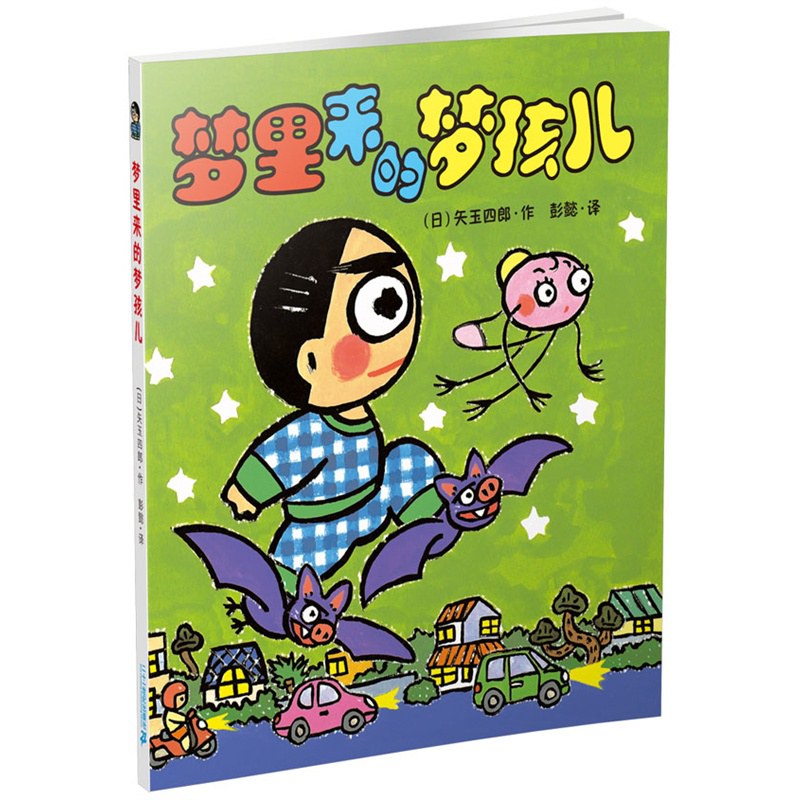
⚰️ 2024 – Passed away: Shiro Yadama
Japan’s immortal graphic artist, children’s literature writer, and leading figure of the anti-utilitarian and absurdist school of thought (1944–2024). He was a spiritual icon of a generation of children in East Asia after the war, a figure of great integrity, who dedicated his life to using unparalleled absurd revelry to tear apart the dogmas and disciplines imposed on children by adult society.
- A masterpiece that will last forever: The “Sometimes it rains pigs on sunny days” series(Also translated as “Tomorrow is Pig Day”, original Japanese title) 清れときどきぶた(It was first published in 1980).
- Literary and historical significance: His groundbreaking work has captivated Asia for nearly half a century and is listed as a must-read classic for children in Canon. Shiro Yagami completely departed from the cheesy and mediocre didacticism of his time. The story tells of a boy named Ze’an who, fed up with his mother secretly reading his diary, writes down all sorts of absurd prophecies in it. The next day, the entire city experiences the astonishing spectacle of thousands upon thousands of fat pigs raining down from the sky. With seemingly random scribbles, yet possessing a powerful graphic design tension and dynamic freehand style, he profoundly defends the highest autonomy of childhood mischief, boasting, and psychological catharsis.
| Passed Away | Shiro Yadama | Shiro Yadama (Wikipedia) |
🎂 Born 1953: Laura Joffe Numeroff
A renowned American female children’s picture book author and a leading figure in the pragmatic humor school (1953). She was a towering figure in the late 20th century English children’s literature world, a figure revered by all for exploring the extreme field of “causal logic chains and behavioral psychology cycles”.
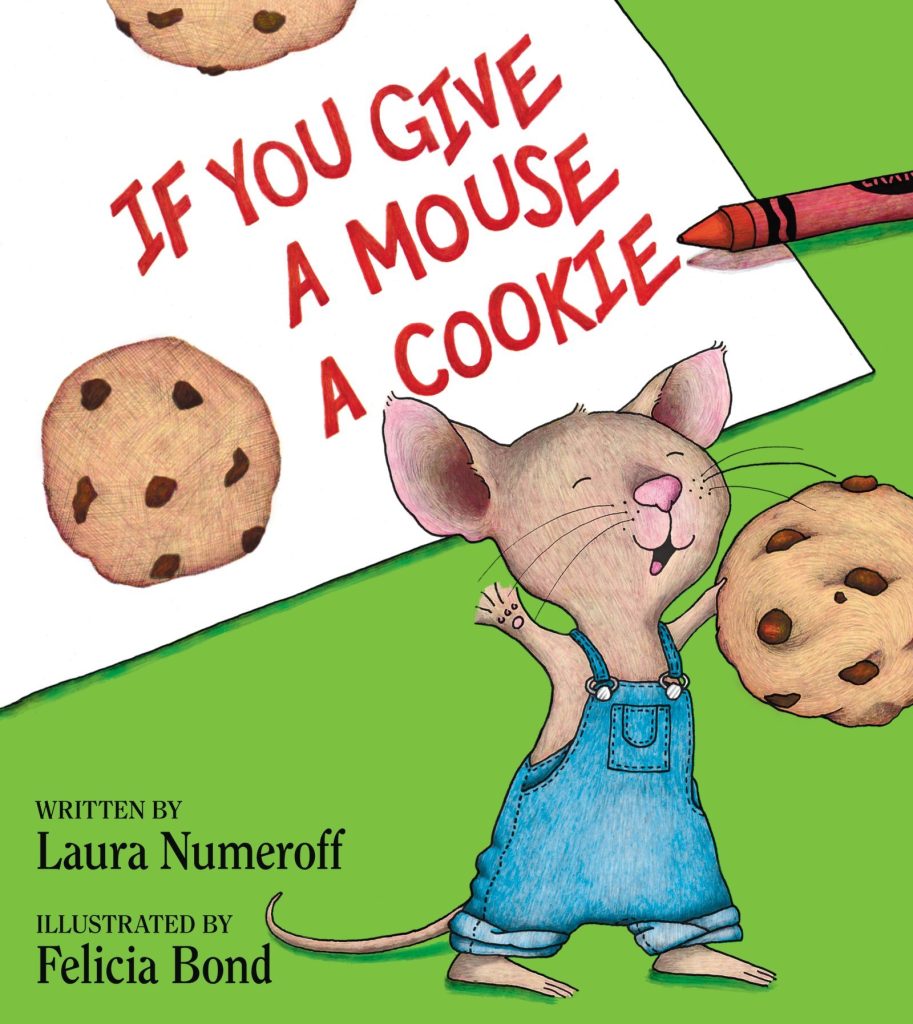
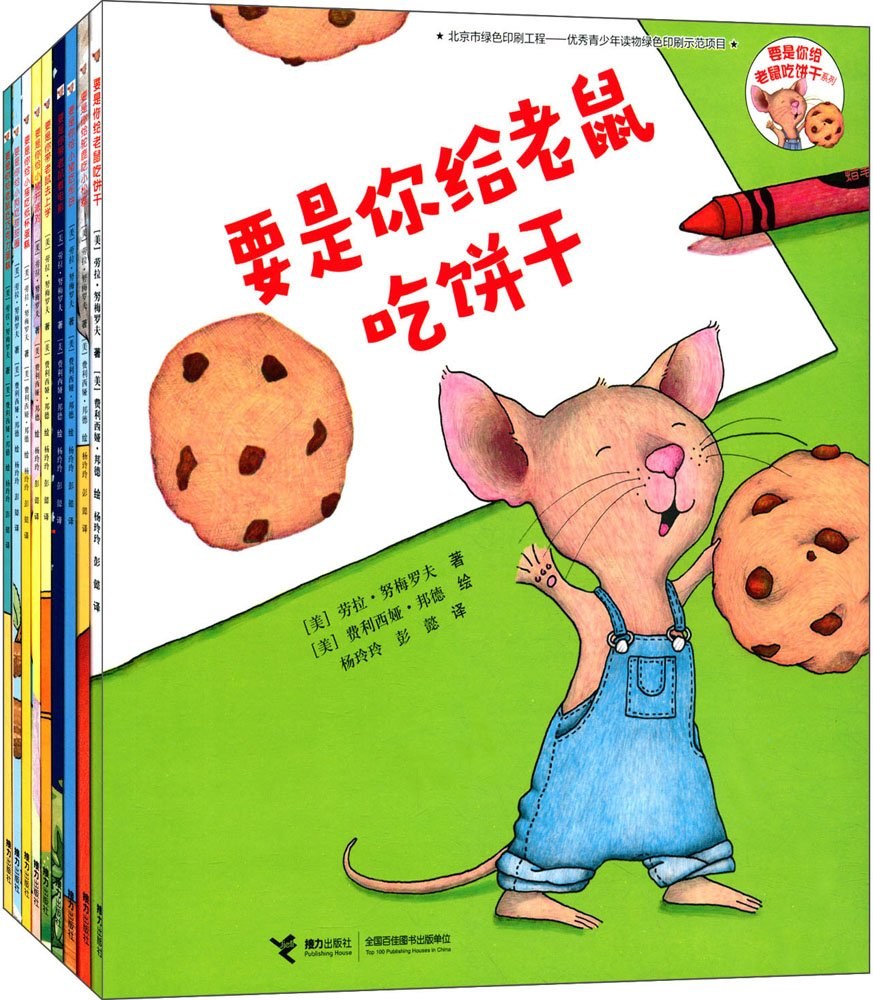
- Timeless classics for children: The “If You Give a Mouse a Cookie” seriesHis seminal work was included in “1001 Children’s Books” and is highly recommended by the Library of Congress.
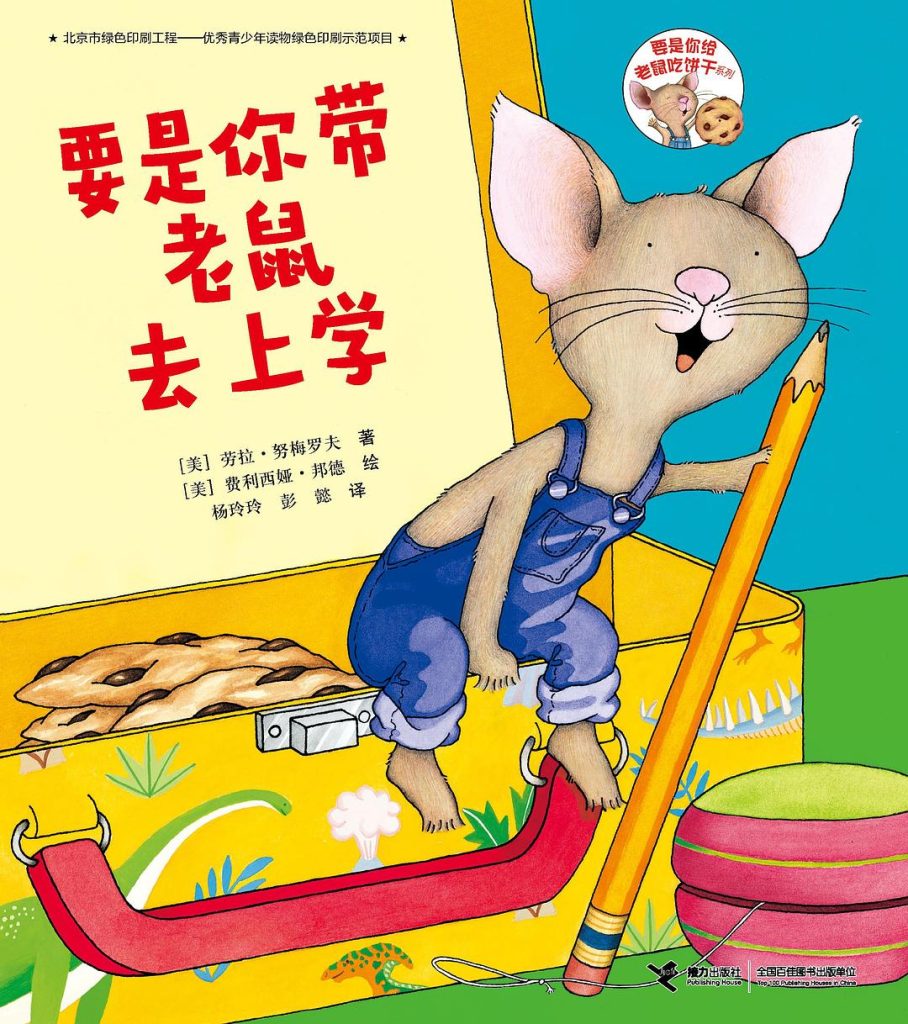
- Key representative works: If You Give a Mouse a Cookie (If you give a mouse a cookie)、If you feed moose mini rice cakes (If you give a moose a muffin), and “If You Bring a Mouse to School” (If you take a mouse to school)。
- Literary qualities: Numerov’s writing is filled with remarkably refined, gentle, and progressively layered polyphonic phrasing. She masterfully portrays the boundless nature of a toddler’s daily exploration of the world through an endless cycle of cause and effect: “Give me a cookie, I want milk; I want milk, I want a straw; and finally, I go back to wanting cookies.” Using a grounded, colloquial style that maintains a sense of rationality, she establishes the highest standard for picture books in early childhood cognitive and logical development.
| Birth | Laura Joffe Numeroff | Laura Numeroff (Wikipedia) |
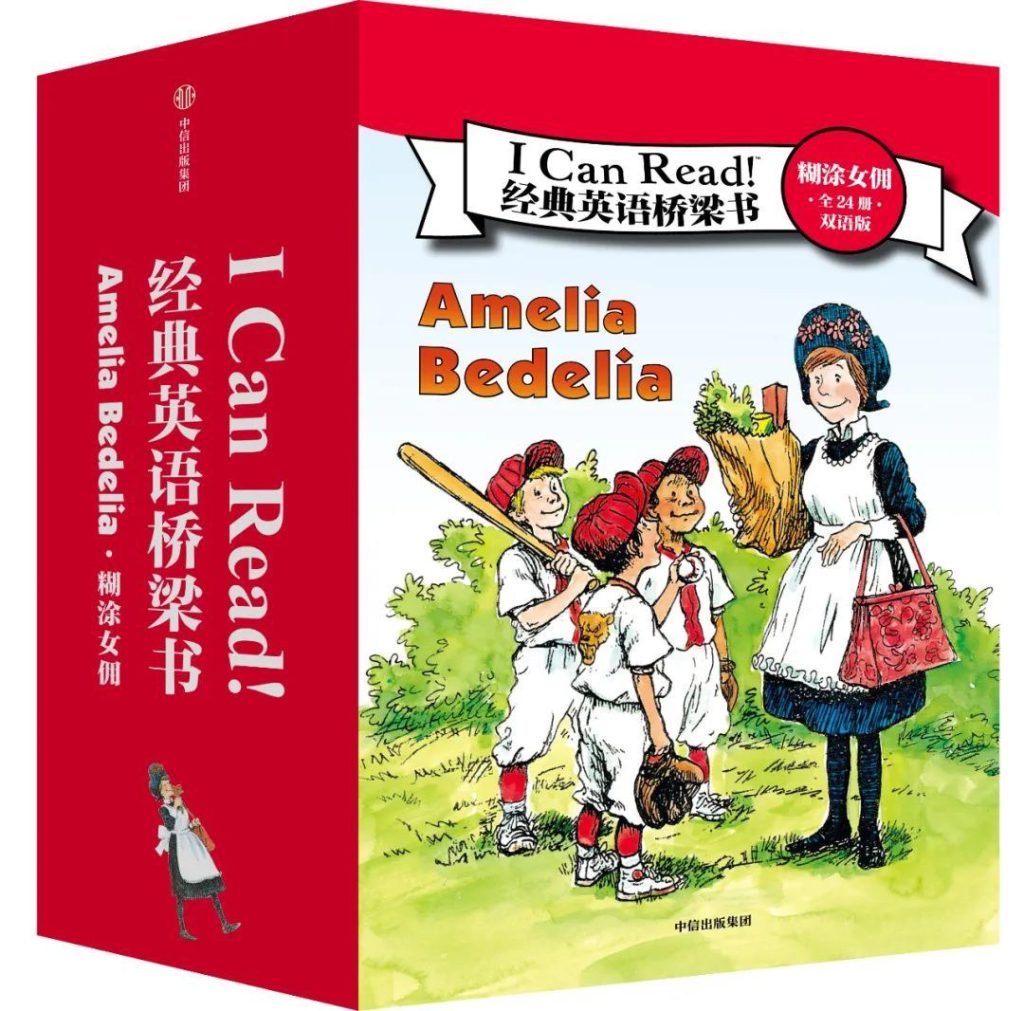
🎂 1927 – Born: Peggy Parish
Margaret Cecil Parish (1927–1988), an immortal American female children’s literature writer and pioneer of early reading graded bridge books, was a narrative master of a generation in the mid-to-late 20th century who perfectly blended “hardcore English word puns, grassroots life granularity, and deconstructive bias” in the United States.
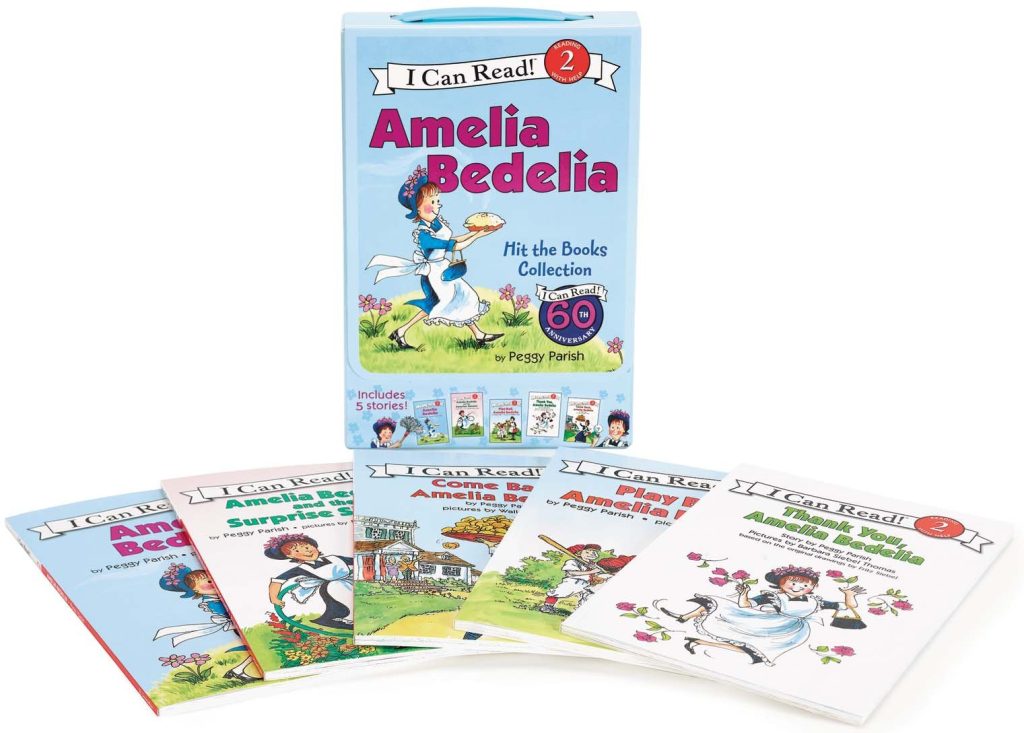
- A milestone in history: The Silly Maid series (Amelia Bedelia seriesIt was first published in 1963.
- Literary status: Her enduring masterpiece series is included in “1001 Children’s Books.” Parrish, a longtime primary school teacher, emphasizes the development of independent intellectual thinking in children during their literacy years. The bumbling maid Amelia is an extremely kind and meticulous but eccentric servant who rigidly adheres to literal meaning—when her masters ask her to “dust the dresser,” she actually sprinkles talcum powder all over it. Through this ingenious wordplay, she not only helps children develop an understanding of advanced metaphorical language amidst laughter but also dignifiedly upholds the sincere order of labor among working-class artisans.
| Birth | Peggy Parish | Peggy Parish (Wikipedia) |
⚰️ 2008 – Death: Björn Berg
A Swedish national treasure-level graphic visual artist, master of fine art illustration, and master of sketching (1923–2008). He was one of the most indispensable visual pillars of the golden age of European picture books in the 20th century, and his life’s achievements are highly respected by the international book industry.
- Supreme International Honors: Amazingly won Highly Commended Illustrated Award by the Hans Christian Andersen Award (HCAA)It was once regarded as Astrid Lindgren’s go-to partner for many years.
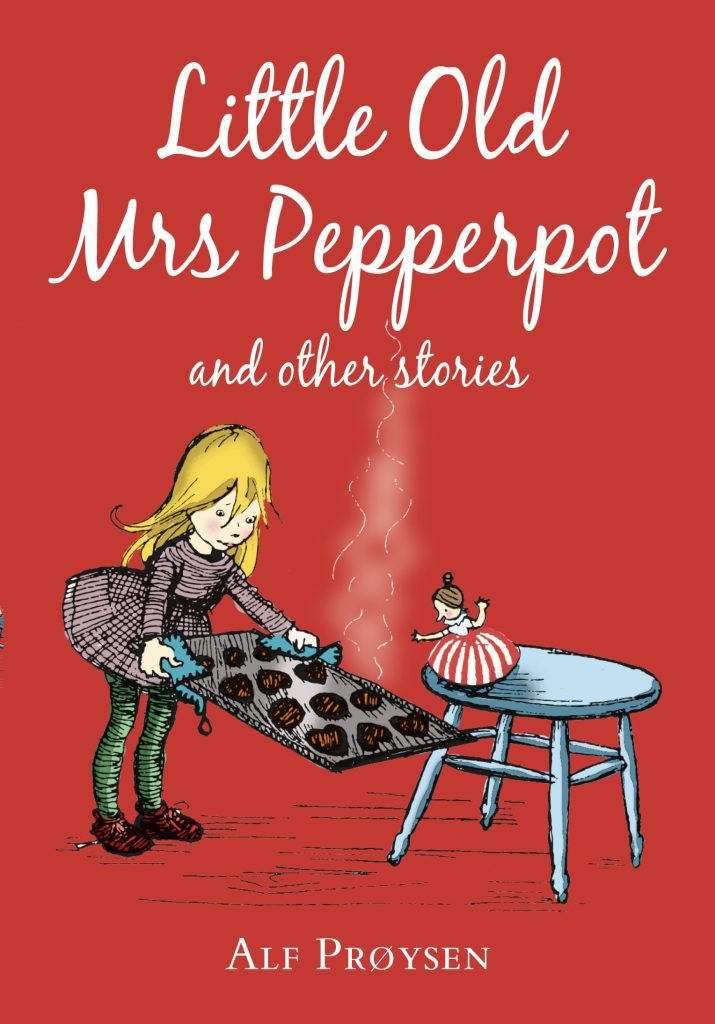
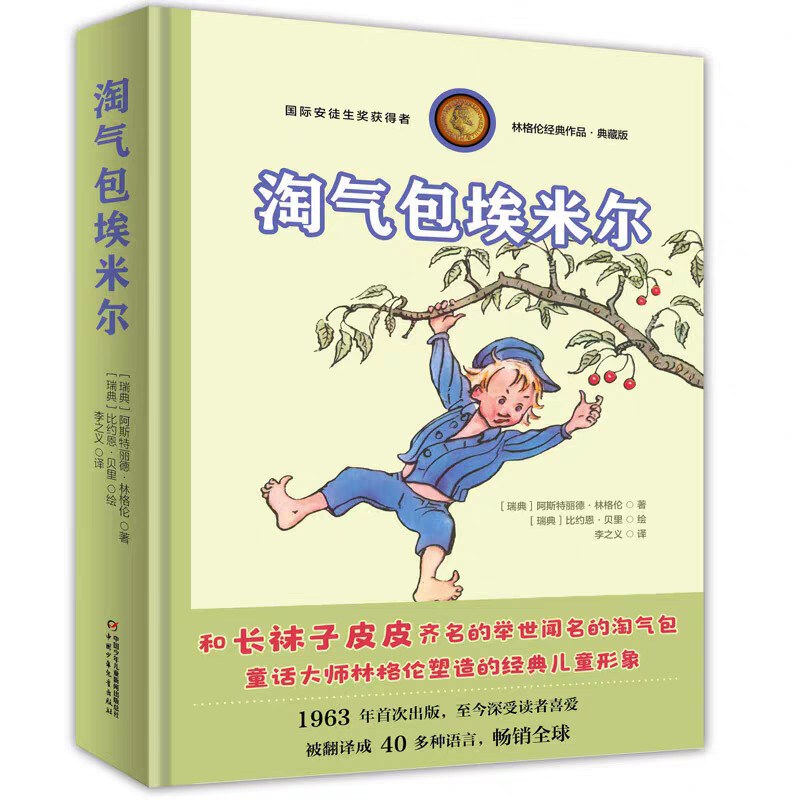
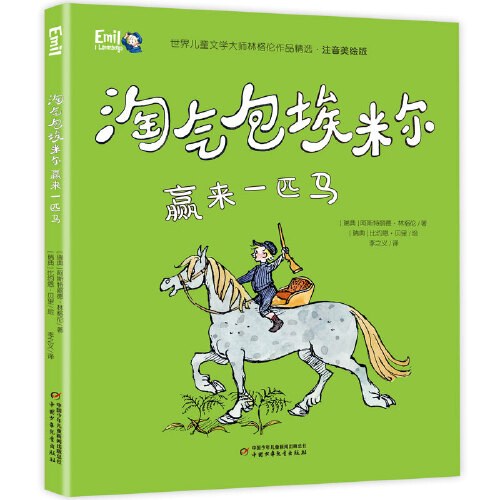
- The Immortal Evergreen Tree: Emil the Mischievous Boys seriesFirst edition complete set of illustrations (Emil i Lönneberga(by Astrid Lindgren), and the Little Teaspoon Old Lady series (by Alf Prøysen).
- Visual Aesthetics: Björn Berry completely abandoned rigid, mechanical line drawing. To create the image of Emil, the mischievous boy who constantly got his head stuck in a soup pot but possessed an innate, unyielding spirit and a strong sense of justice from the countryside, Berry personally immersed himself in sketching in the Swedish countryside. He was exceptionally skilled at using concise, fluid, and expressive pen-and-ink sketches, combined with the classical English intellectual watercolors reminiscent of Art Nouveau, to bring to life that vibrant, breathing world of the countryside. With his ultimate fine art visual style, he established a new Canon for Scandinavian children’s vision.
| Passed Away | Björn Berg | Björn Berg (Wikipedia) |
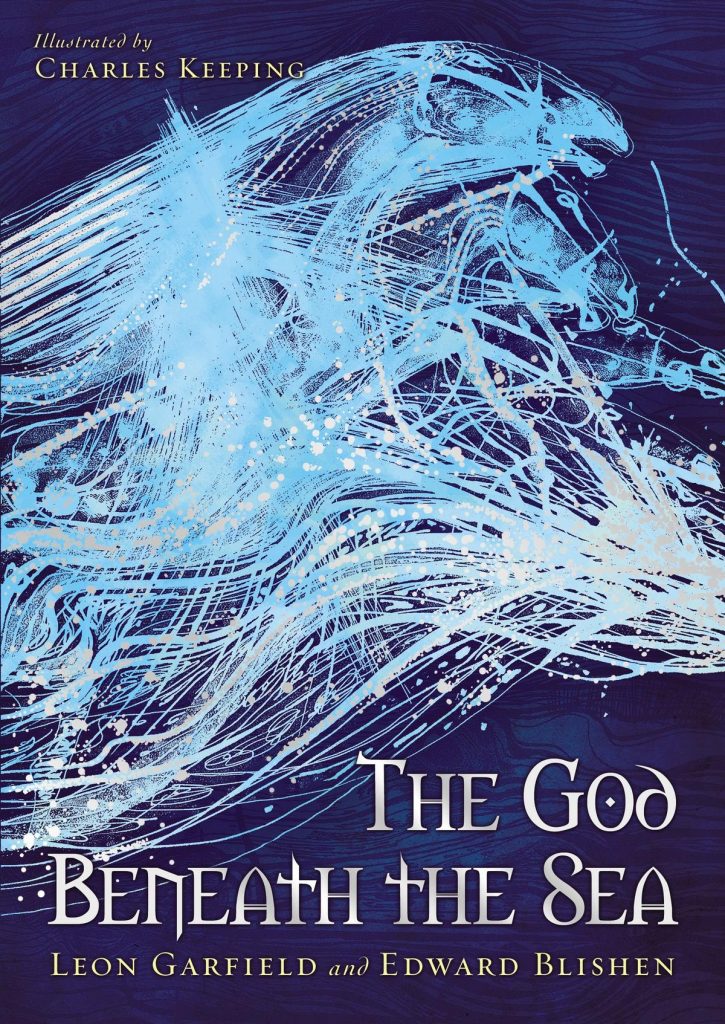
🎂 1921 – Born: Leon Garfield
A legendary figure in British classical children’s literature and a master of historical fantasy novels (1921–1996). He was a highly respected leader of the “Neo-Gothic” school of children’s literature in Great Britain after World War II, and was hailed by the literary world as “the only skeletal giant in the 20th century in the field of children’s literature who could perfectly continue Dickens’ dark and grainy style.”
- Supreme honor and immortal classic: With its epic mythological work “The God of the Sea,” it reached the top and won… 1970 Carnegie MedalHe was a recipient of the Whitbraid Prize for Literature.
- Award-winning representative works: God of the Sea (The God Beneath the Sea(co-authored with Edward Blishen), and Dickens’ classic suspense novel *The Apprentice* (The Apprentices)。
- Literary status: Garfield’s writing is vigorous and restrained, filled with an extremely noble and crisp rhythm. In *The Gods of the Sea*, he uses a striking polyphonic prose poem style to reshape the tragic myths of the Olympian gods about war, betrayal, class division, and Hephaestus’s fall into the deep sea. With the cold deconstruction of pure literature, he thoroughly eliminates the sycophantic sweetness of children’s books, and with great dignity, he upholds the highest political and philosophical heights in the rewriting of children’s myths.
| Birth | Leon Garfield | Leon Garfield (Wikipedia) |
🗓️ Parallel briefings from other award-winning creators
| event | figure | Details/Awards | Wikipedia/Data Links |
|---|---|---|---|
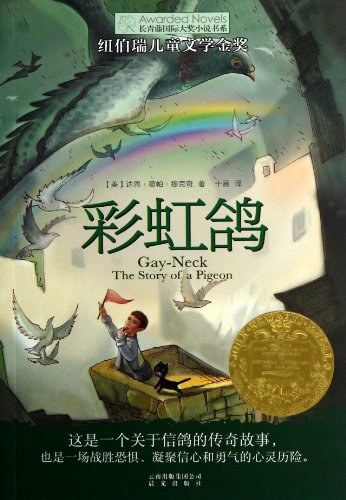
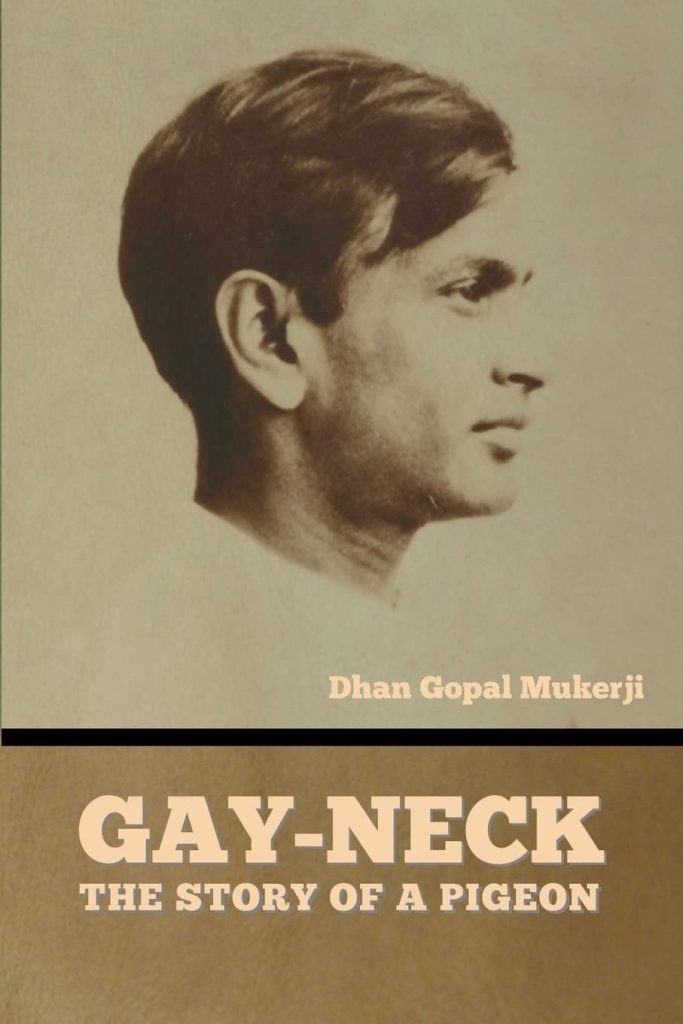
| Death | Dhan Gopal Mukerji | An immortal pioneering novelist and humanitarian thinker of Indian American descent (1890–1936). (Note: July 6th recorded his birth date; today is the official anniversary of the death of this icon of color.) He is best known for his children’s epic novel, *The Rainbow Dove*.Gay Neck, the Story of a PigeonWinning the championship in one fell swoop The 1928 Newbery MedalHe became the first non-white author to receive the Newbery Medal, using his steely, realistic war prose to proudly earn the highest literary dignity for minorities. | Dhan Gopal Mukerji (Wikipedia) |
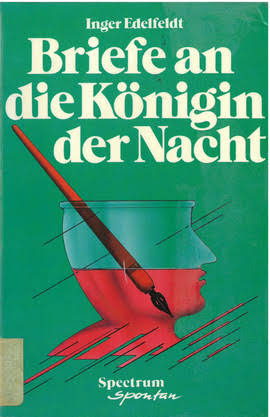
| born | Inger Edelfeldt | A renowned Swedish female graphic artist and social realist author of children’s and young adult literature (1956). For many years, she focused on the awakening of the mental empowerment of marginalized girls with her extremely sharp, sociologically nuanced, and psychologically complex writing. Her immortal masterpiece, *Letters to the Queen of the Night*, which directly confronts the historical trauma and identity disintegration of the Cold War, is a testament to this.Briefe an die Königin der Nacht), and won the championship. 1987 German Youth Literature Prize (DJLP) — Highest Award for Children’s Books. | Inger Edelfeldt (Wikipedia) |
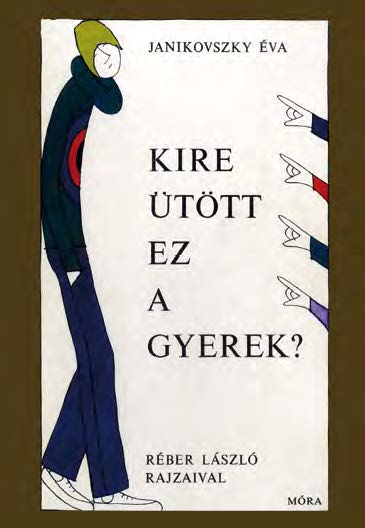
| Death | Janikovszky Éva | Hungarian national treasure-level female novelist and essayist specializing in child psychology (1926–2003). She dedicated her life to using traditional Eastern European folk humor to dismantle the absolute patriarchy and hypocritical discipline of adult society. Her enduring masterpiece, *Who Does This Child Resemble?*, which vividly bridges the generation gap and profoundly provokes reflection in children’s minds, is a testament to this.Kire ütött ez a gyerek?It was included in “1001 Children’s Books”. | Éva Janikovszky (Wikipedia) |