🎂 1918 – Born: Marcia Brown
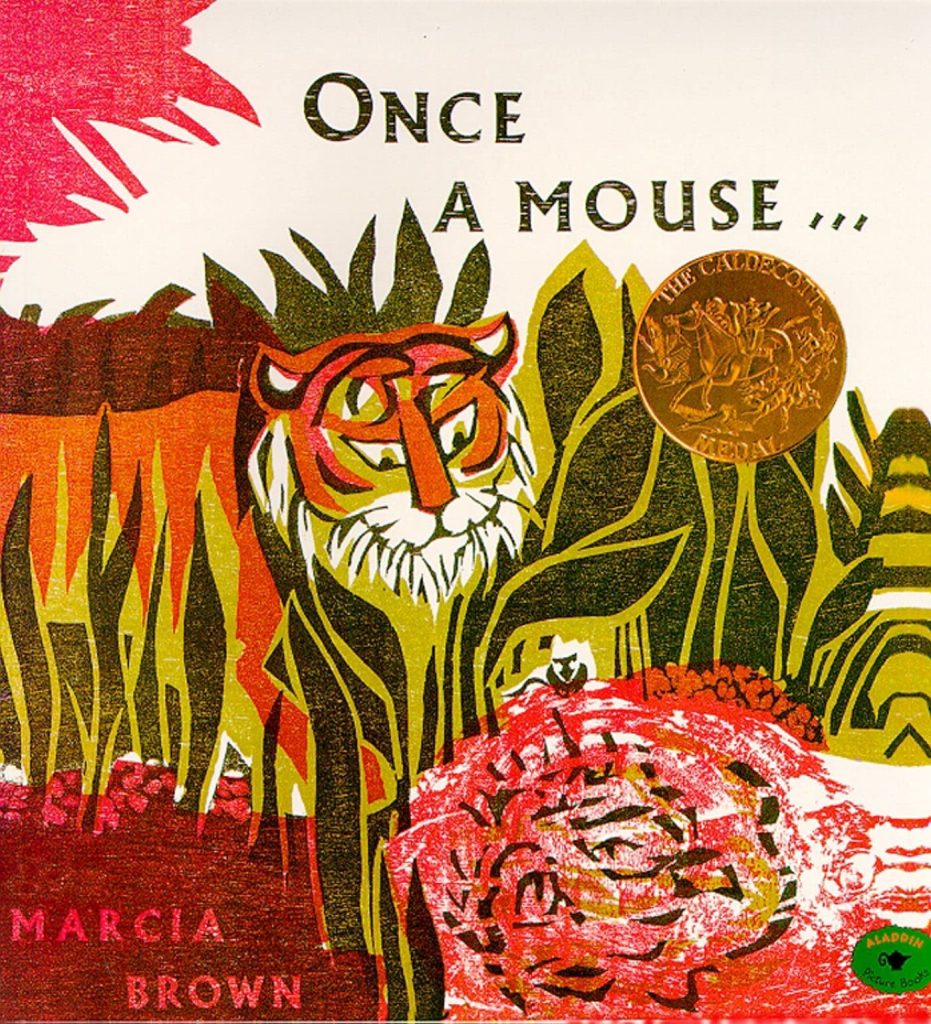
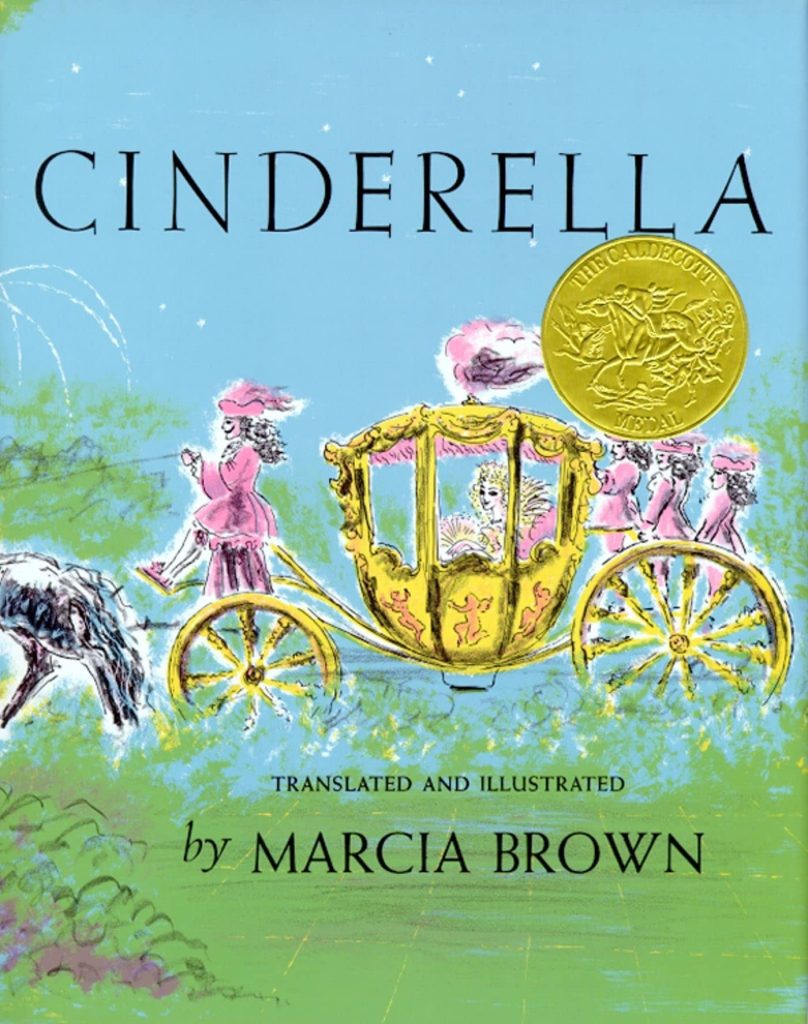
An immortal American graphic artist, master of printmaking, and the revered “Queen of a Thousand Faces” (1918–2015) in the history of world picture book evolution. He was a leading figure of the golden age of American children’s visual literature, and a recipient of the Caldecott Medal, a prestigious award recognized worldwide since its inception.The highest record holder that remains unbroken to this day.
- The highest Grand Slam honor (record holder): 1992 Children’s Literature Heritage Award (CLLA) Lifetime Achievement Award Recipient;Three-time Caldecott Medal winner,Six-time Caldecott Honor Award winnerHe won a total of 9 Caldecott Awards in his lifetime, ranking first in history.
- An immortal masterpiece:
- Gold Medal Winner, 1955 Cinderella (Cinderella): Using the most elegant and refined French classical soft pastel colors, it completely revolutionized the visual paradigm of folk tales.
- Gold Medal Winner, 1962 Once upon a time, there was a mouse… (Once a MouseThe book uses extremely vigorous two-color woodcut prints with a texture full of the graininess of heavy industrial history and philosophical contemplation to explore the ultimate philosophy of power and gratitude.
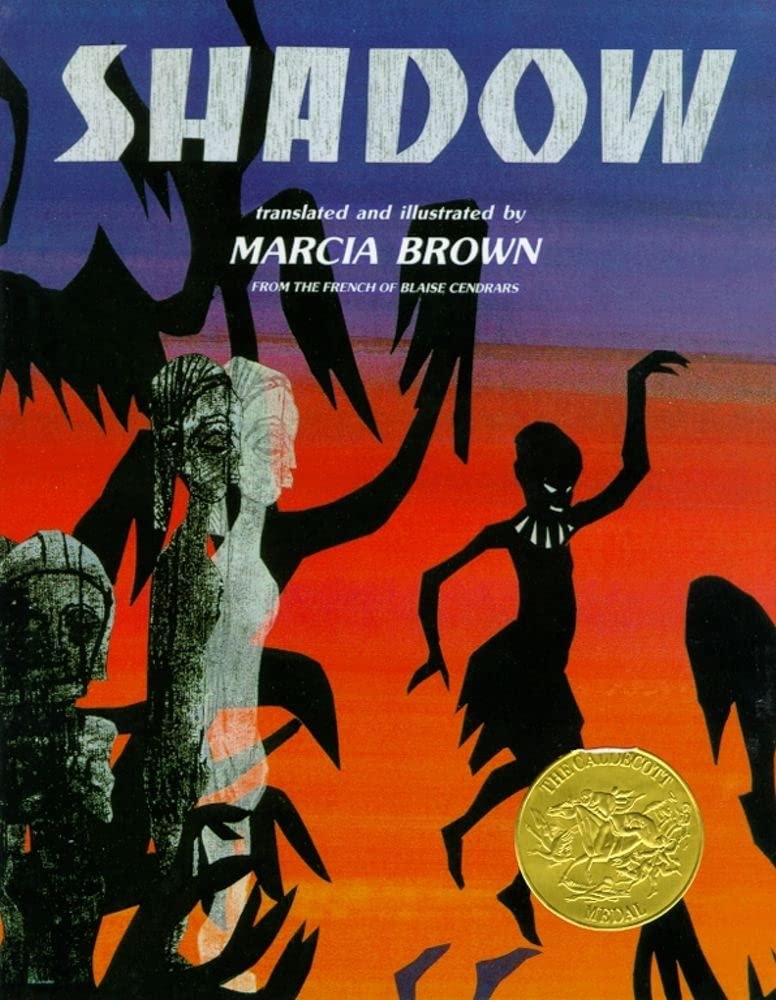
- Gold Medal Winner, 1983 “shadow” (Shadow): This crossover uses an extremely bold, expressive African-style woodcut silhouette montage.
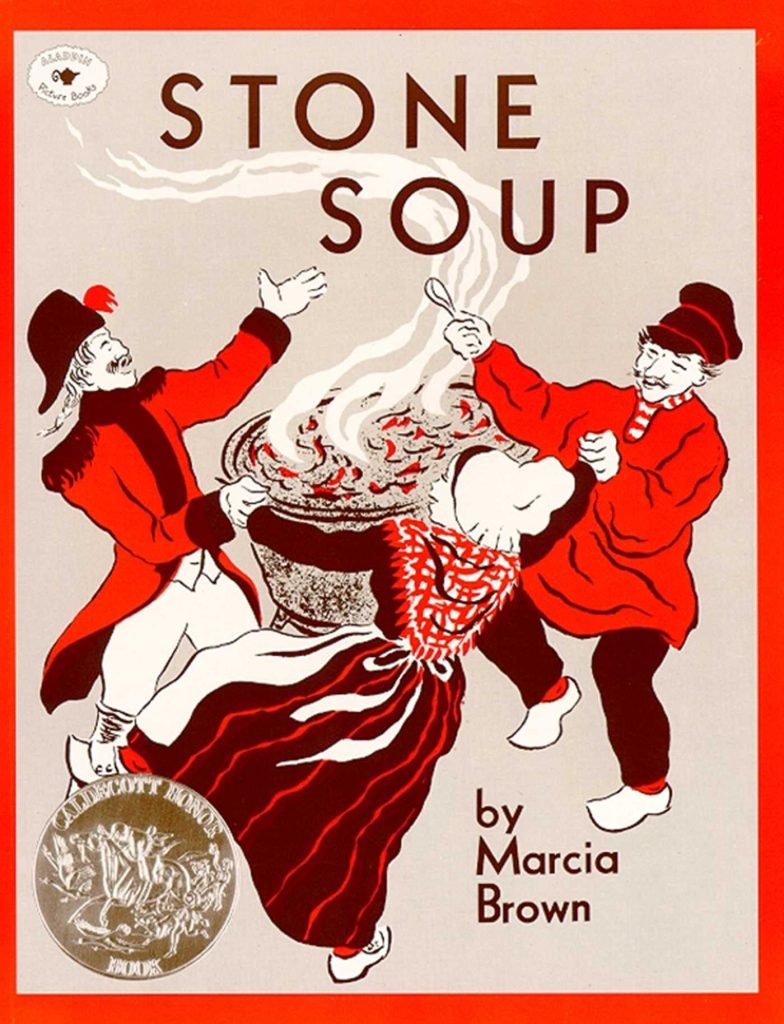
- Core Evergreen Canon:Stone Soup (Stone Soup)、Three Goats Gruff.
| Birth | Marcia Brown | Marcia Brown (Wikipedia) |
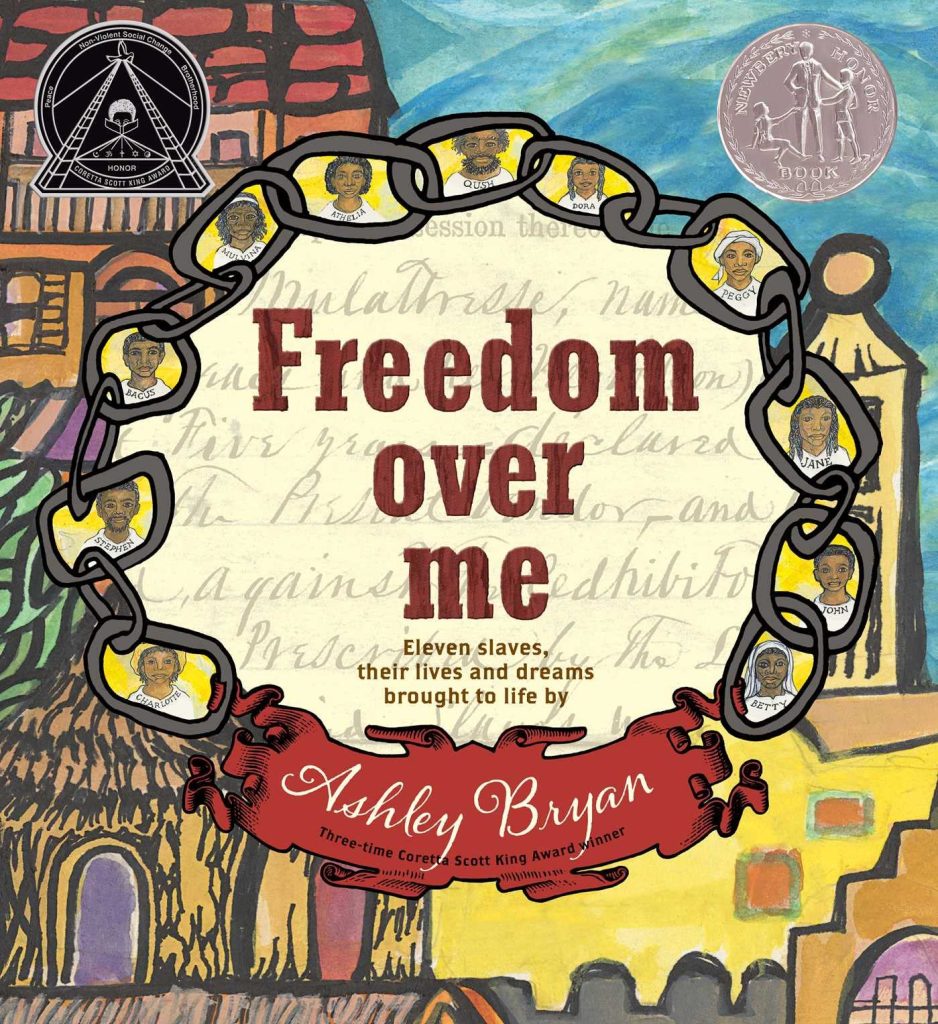
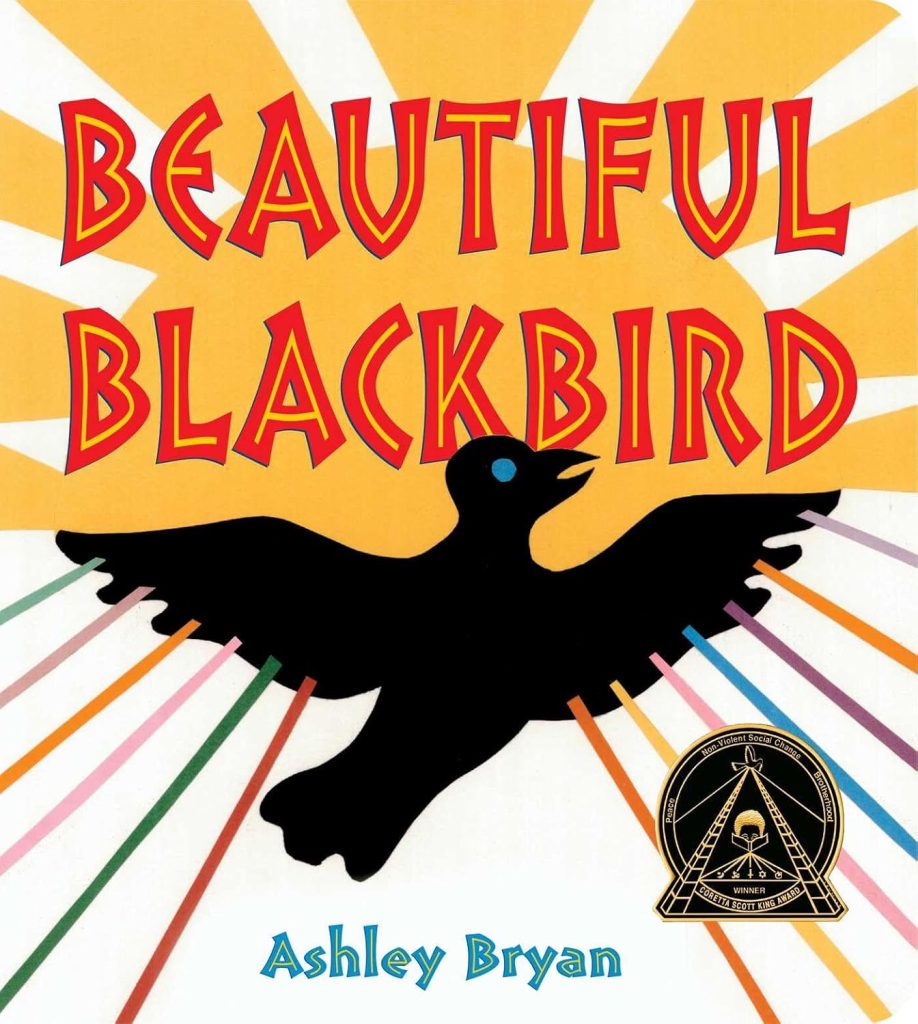
🎂 1923 – Born: Ashley Bryan
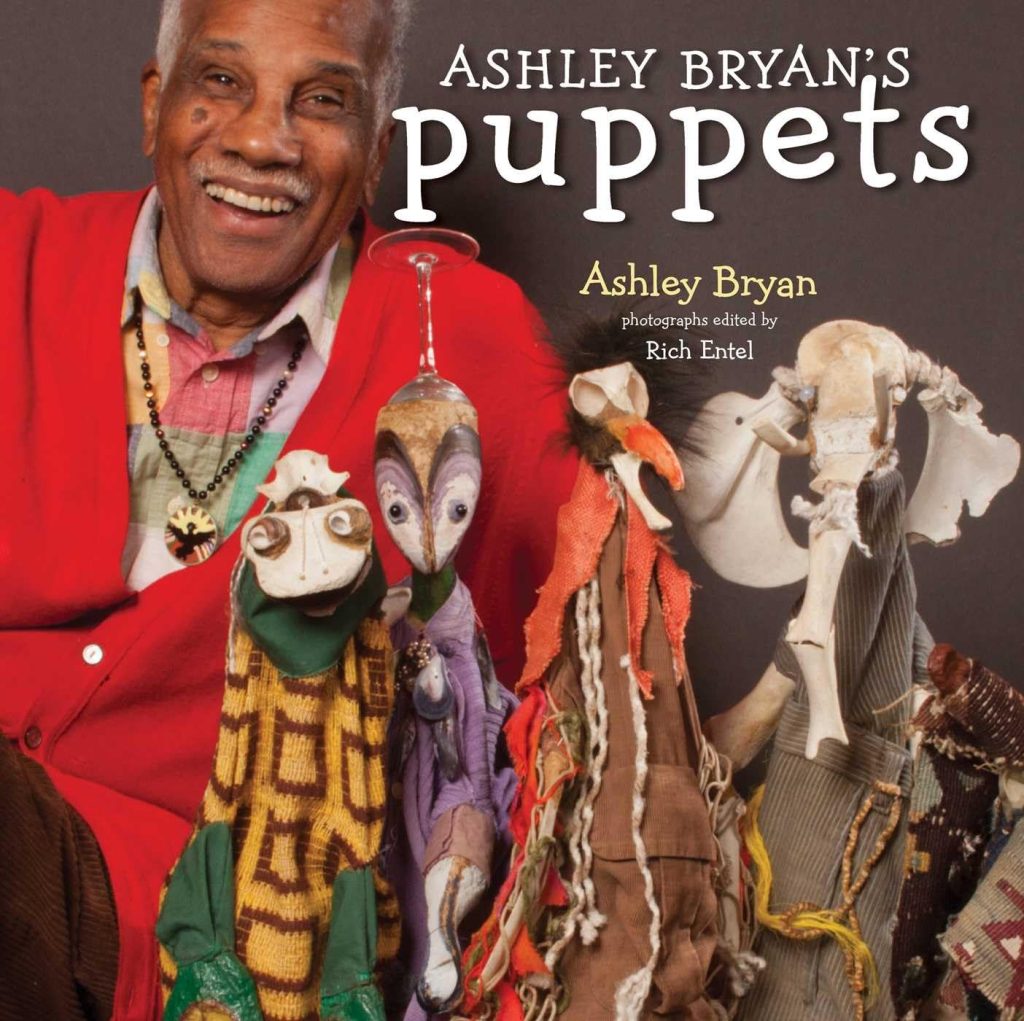
An immortal African American graphic artist, folk music collector, and prose poet (1923–2022). He is a towering spiritual icon in the history of American minority literature, dedicating his life to opposing false preaching and racial stereotypes.
- The highest Grand Slam honor: 2009 Children’s Literature Heritage Award (CLLA) Lifetime Achievement Award Recipient; Honorary Artist of the Eric Carle Museum; Awarded for his epic work “Liberty Belongs to Me” 2017 Newbery HonorCorita Scott King Book Award.
- An immortal monument to history: Freedom Belongs to Me (Freedom Over Me), paper-cutting collage classic “Beautiful Blackbird” (Beautiful Blackbird)。
- Literary and historical characteristics: Brian’s writing is imbued with an iron-like calmness, literary restraint, and noble human compassion. In *Liberty Belongs to Me*, he innovatively utilizes historical documents from the 1828 auction and liquidation of property of enslaved Black people, transforming the names of those of people of color, who were legally rigidly categorized as “goods and horses,” into a polyphonic long poem. He uses grand, vibrant watercolors and collage-like lines to vividly depict the faces, dreams, and inner autonomy of each persecuted soul, upholding the intellectual height of children’s historical nonfiction with great dignity.
| Birth | Ashley Bryan | Ashley Bryan (Wikipedia) |
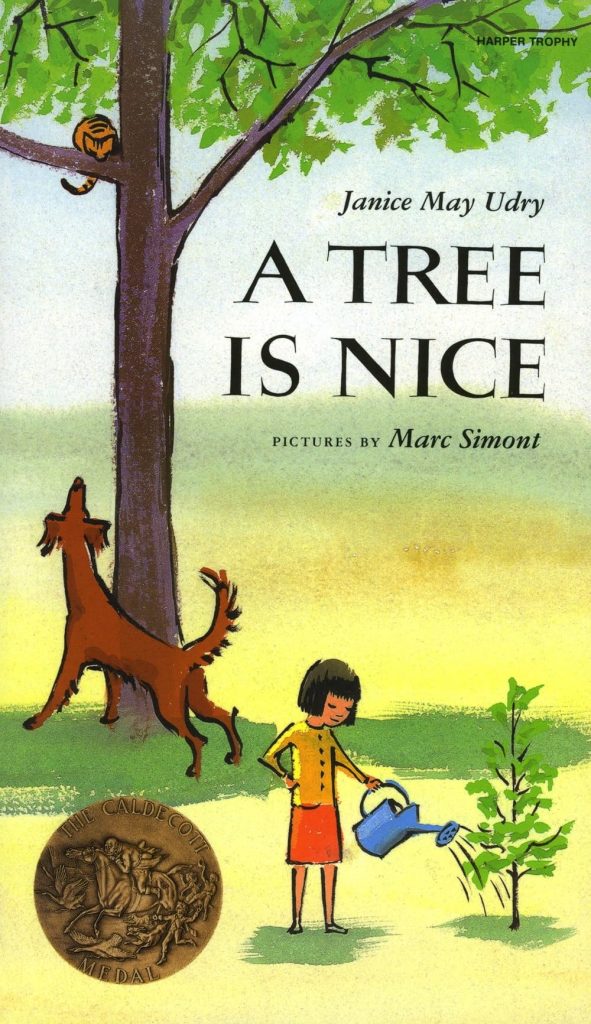
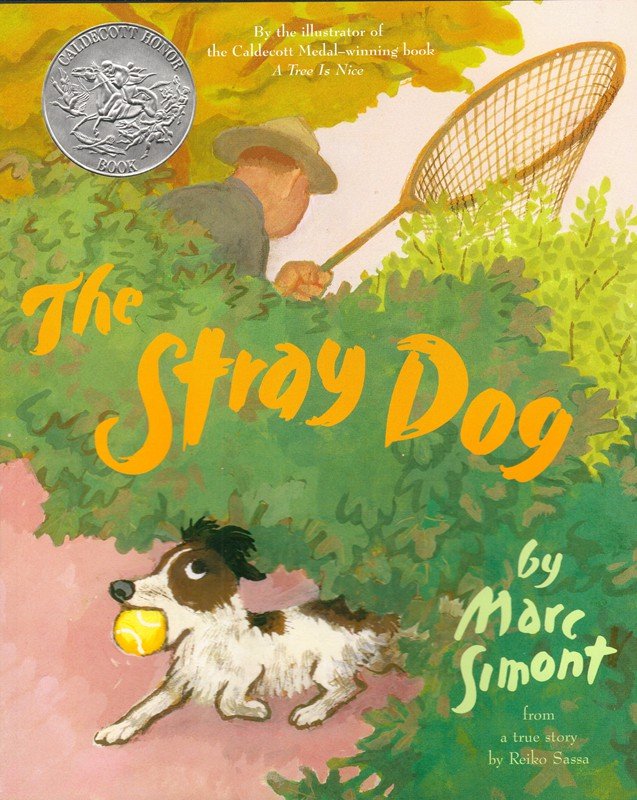
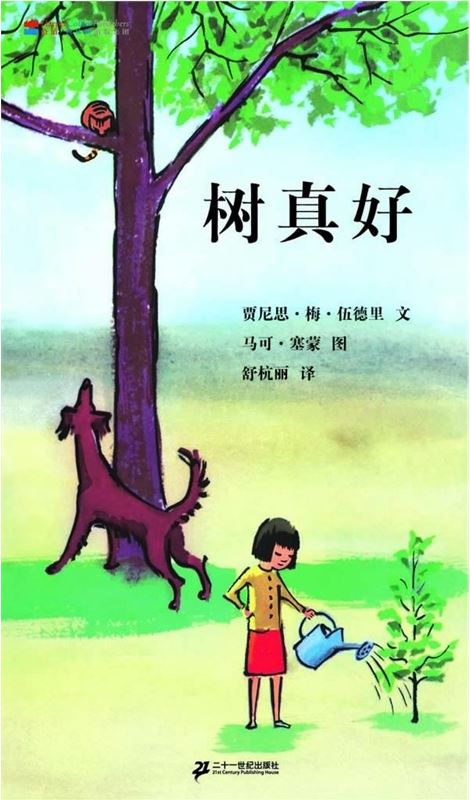
⚰️ 2013 – Death: Marc Simont
Paris-American illustrator, master of fine art, and satirical cartoonist (1915–2013). He was a visual master of the mid-to-late 20th century in the United States, renowned for his captivating deconstruction of graphic space and his masterful use of light and shadow.
- Supreme honor and an immortal masterpiece: With the classic children’s ecological aesthetic education masterpiece “Trees Are Great”, it successfully reached the top and won the award. 1957 Caldecott MedalLater, he won another award with his self-written and self-illustrated masterpiece of anthropological concern, “Stray Dogs”. 2002 Caldecott Honor.
- A timeless visual classic: Good Trees (A Tree Is Nice(By Janice May Udry)Stray Dogs (The Stray Dog)。
- Contributions to visual aesthetics: Simon completely overturned the rigid and complex coloring techniques of early traditional children’s books. He innovatively used highly expressive, airy wet-on-wet watercolors throughout the book to vividly depict the panorama of sunlight filtering through leaves and dappling the grass, capturing the spirit of all things. He used calm, strong, and innocently orderly single-line sketches to uphold the noble seriousness of children’s nature literacy books.
| Passed Away | Marc Simont | Marc Simont (Wikipedia) |
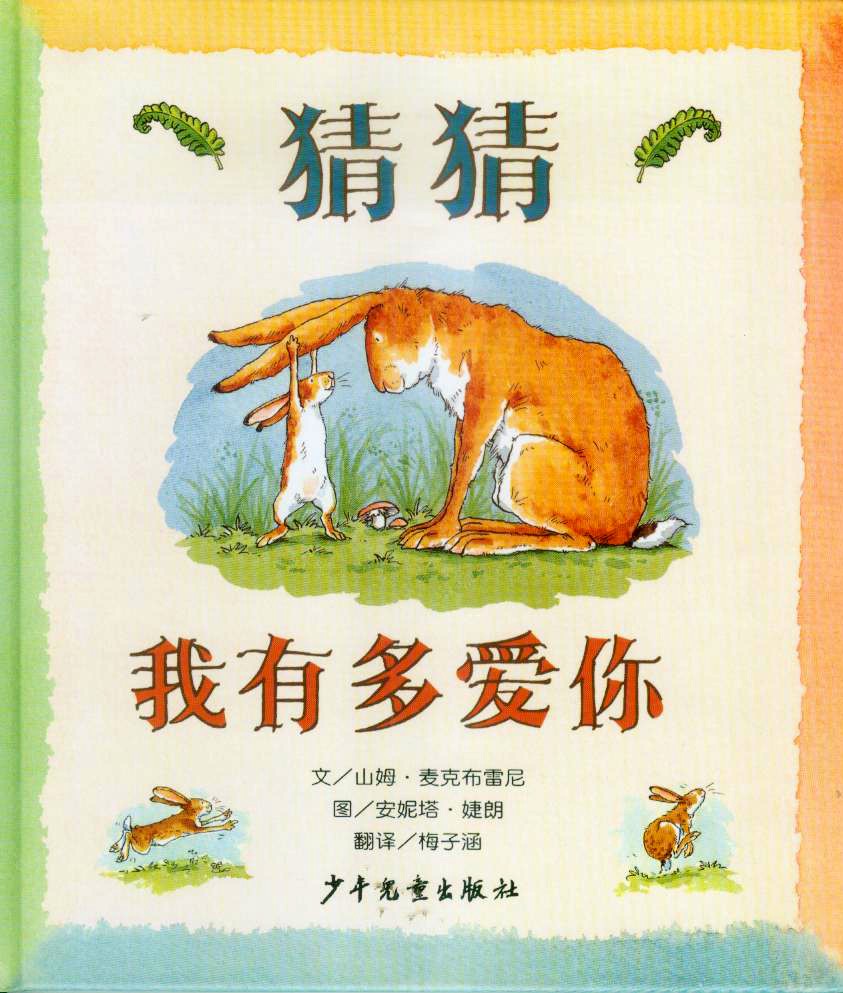
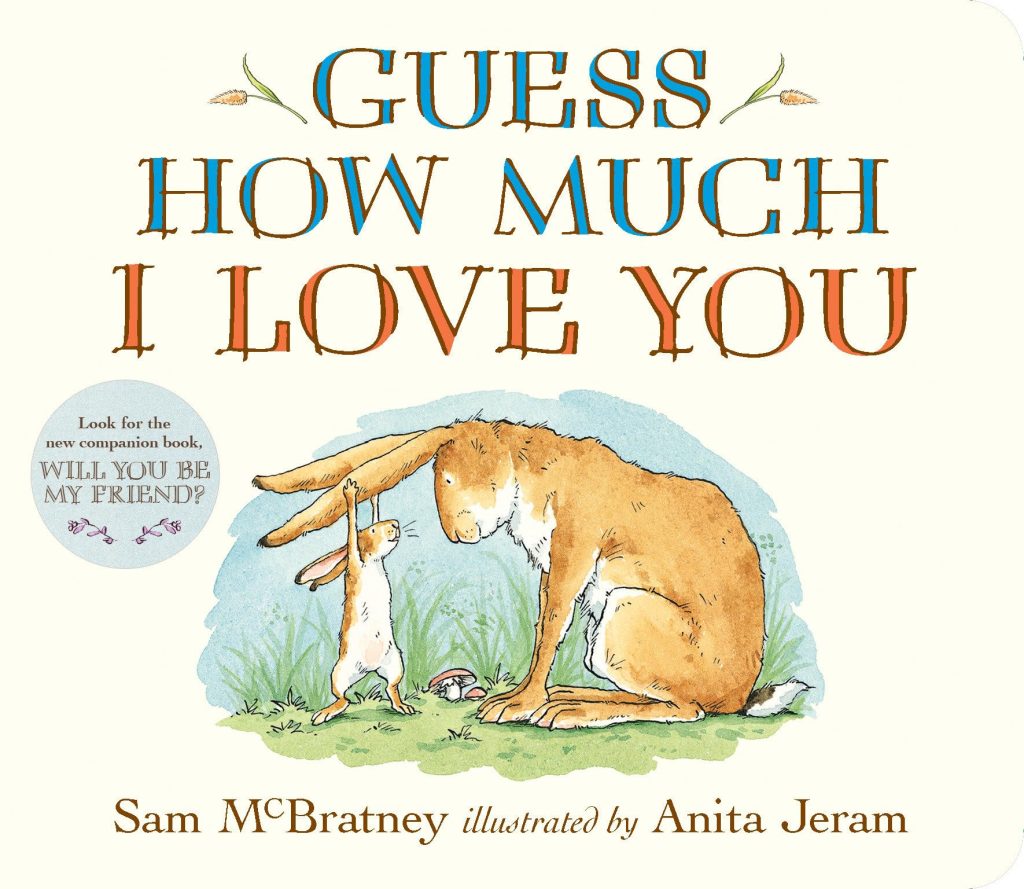
🎂 Born 1965: Anita Jeram
A distinguished British female graphic illustrator and picture book author (1965). She is the undisputed visual representative of “humanity’s first tenderness” in the long history of English popular literature and early childhood emotional enlightenment at the end of the 20th century.
- An enduring and timeless supreme model: Guess How Much I Love You (Guess How Much I Love You(By Sam McBratney) This is the world’s best-selling picture book in history, translated into dozens of languages, and a universally acclaimed Canon book..
- International Honors: Winner of the French Witch Award and included in “1001 Children’s Books,” Jellang completely abandoned the sycophantic and childish cartoon style in this masterpiece. She used only the most gentle, classically elegant British watercolors of warm browns and light greens, perfectly blending them with exquisitely refined pen lines. She vividly depicted the psychological game of the large and small maroon rabbits measuring the extent of love with their bodies under the moonlight, establishing the highest paradigm for children’s psychological reflection books with remarkable rationality and a keen sense of proportion.
| Birth | Anita Jeram | Anita Jeram (Wikipedia) |
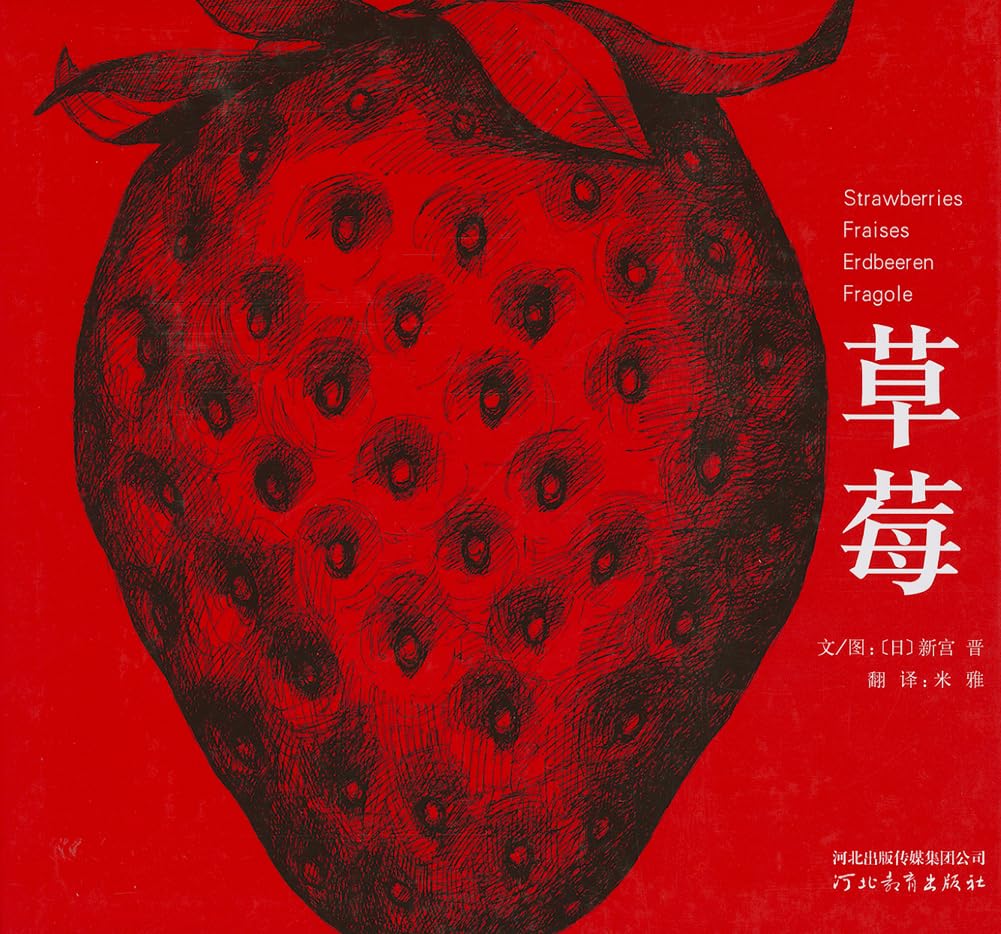
🎂 Born 1937: Susumu Shingu
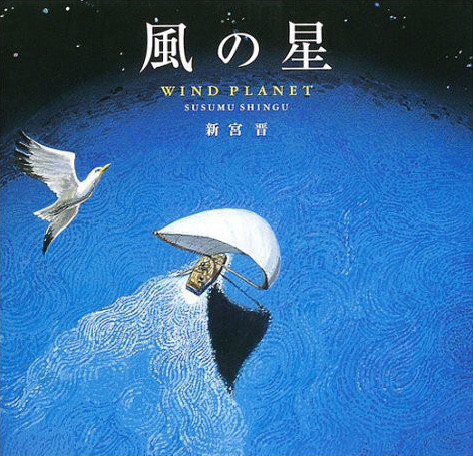
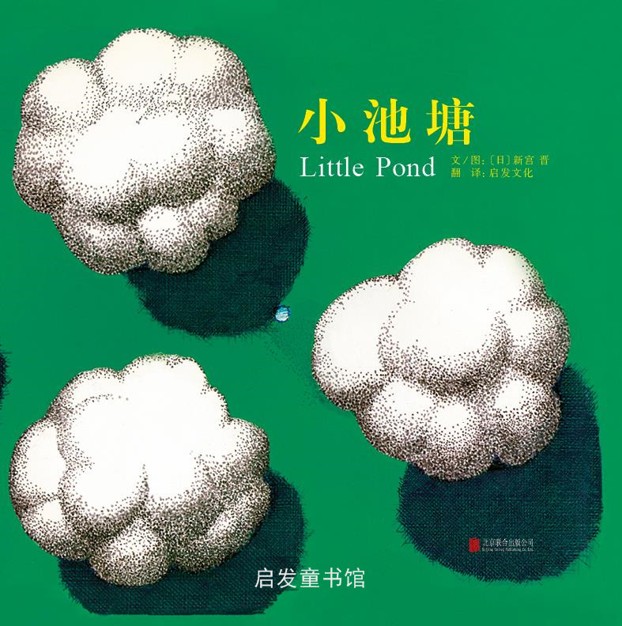
A Japanese national treasure-level contemporary kinetic sculptor, graphic artist, and master of lyrical picture books depicting nature (1937). He is a rare figure in the Asian picture book world, a “Pope of Spatial Poetry” who perfectly blends modern heavy industrial mechanical engineering design with the boundless phenological breath of nature.
- Timeless Non-Fiction Classics: “strawberry” (Strawberries)、The Journey of the Wind (Wind Planet), and the ethereal masterpiece “Little Pond” (Little Pond)。
- Visual Art Features: Shingu Susumu, a renowned international public art master, has had his architectural installations captivating audiences worldwide. He has now ventured into children’s picture books, completely shattering the conventional narrative paradigm. In “Strawberry” and “The Journey of the Wind,” he stunningly employs highly saturated, cool oil paint blocks and ample subconscious white space, using microscopic perspective to record the natural ritual of a strawberry clinging to its life order under winter snow, awaiting the spring thunder. This rational, physical gaze imbues environmental conservation literature with the highest dignity of life.
| Birth | Susumu Shingu | Susumu Shingu (Wikipedia) |
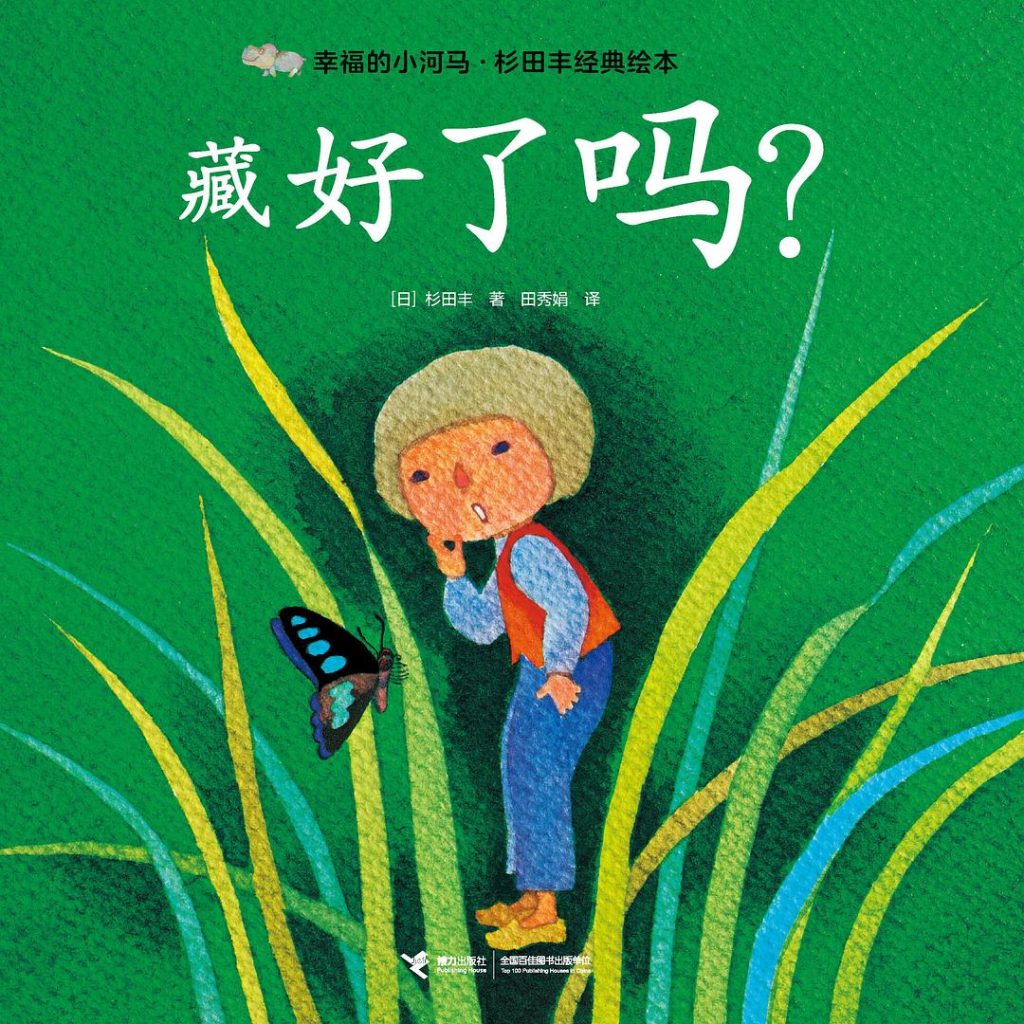
🎂 Born 1930: Yutaka Sugita
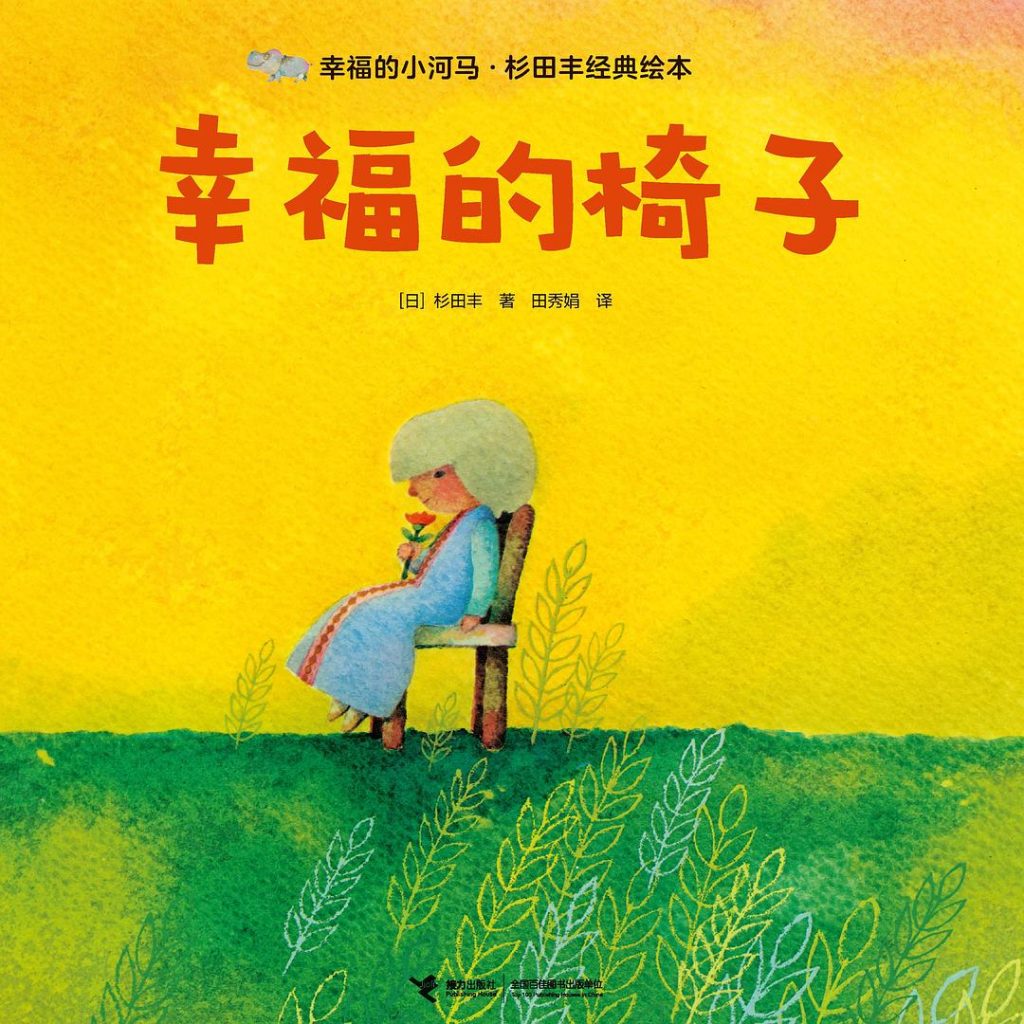
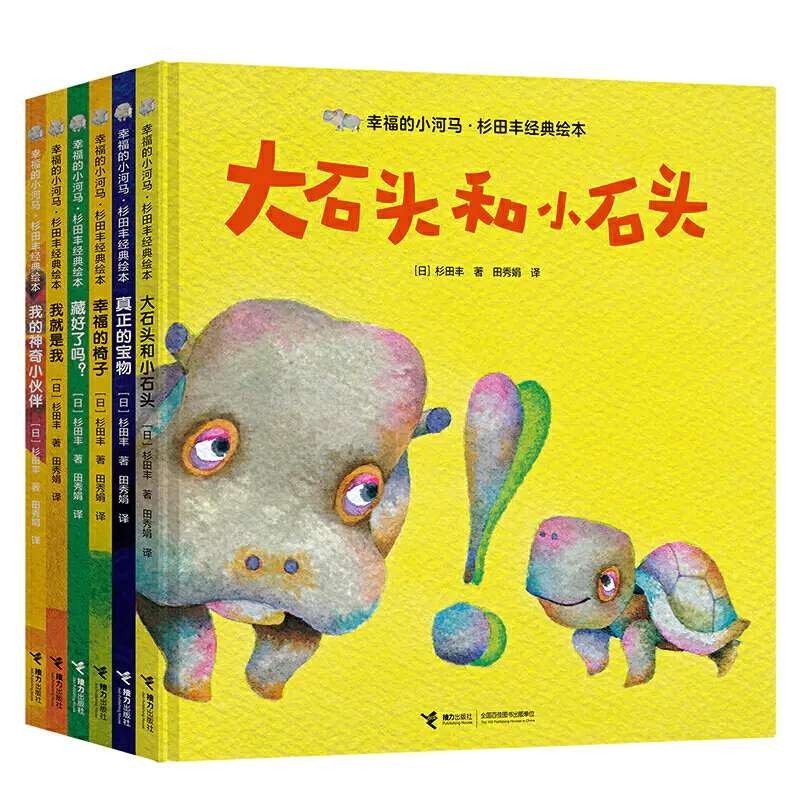
A legendary Japanese graphic artist, color theory professor, and picture book master of the mid-to-late 20th century (1930–2017). He was a towering figure who brought postwar East Asian modern picture book aesthetics to the European and international fine art stage.
- Timeless visual classics: The True Treasure (たからもの)、My Amazing Little Friend (ぼくのあいつ)、I am who I am. (ぼくのかお), and the lyrical masterpiece “The Chair of Happiness” (しあわせのいす)。
- Achievements in Visual Aesthetics: Yutaka Sugita’s groundbreaking work employs a retro texture achieved through a perfect combination of intricate hand-dyed paper, fresco printing, and thick, opaque watercolor washes. His owls, black cats, and children roam within a granular space imbued with the magical qualities of Pop Art. He deconstructs the rigidity of early perceptions with an exceptionally high degree of artistic seriousness, and his visual art enjoys a high reputation throughout the European book industry.
| Birth | Yutaka Sugita | Yutaka Sugita (Benezit) |

🗓️ Parallel briefings from other award-winning creators
| event | figure | Details/Awards | Wikipedia/Data Links |
|---|---|---|---|
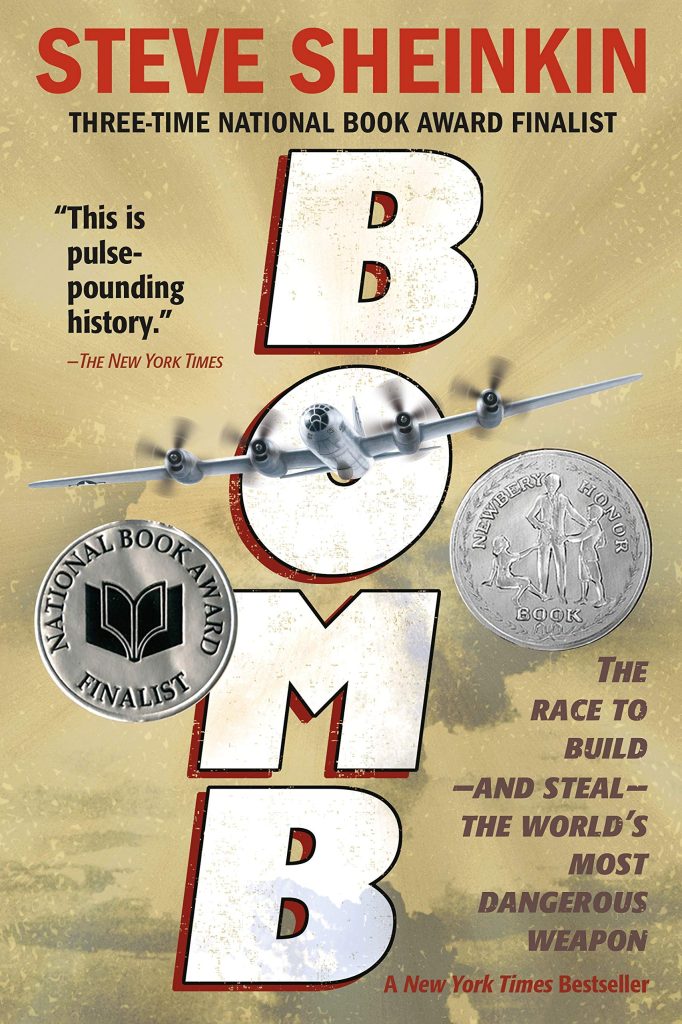
| born | Steve Sheinkin | A distinguished contemporary American realist historian and a master of non-fiction fiction for children (1968). Throughout his life, he crafted his works with an almost obsessive academic rigor, revealing the raw, unvarnished realities of life. His timeless masterpiece, *Bombs: The Race to Make and Steal the World’s Most Dangerous Weapon*, a work that recounts the transnational espionage behind the global struggle over the atomic bomb and the clash of reason between young and hardened protagonists, achieved phenomenal success and won numerous awards. 2013 Newbery HonorThe final selection for the National Book Awards. | Steve Sheinkin (Wikipedia) |
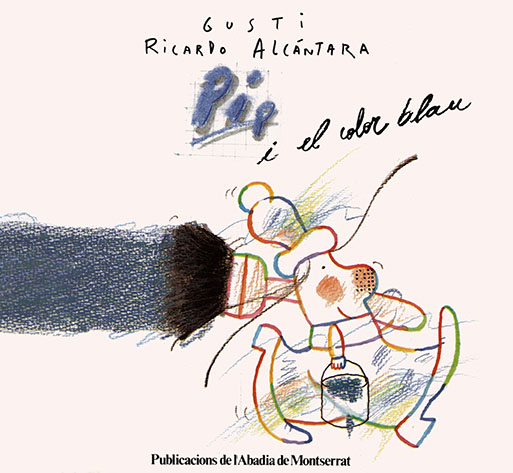
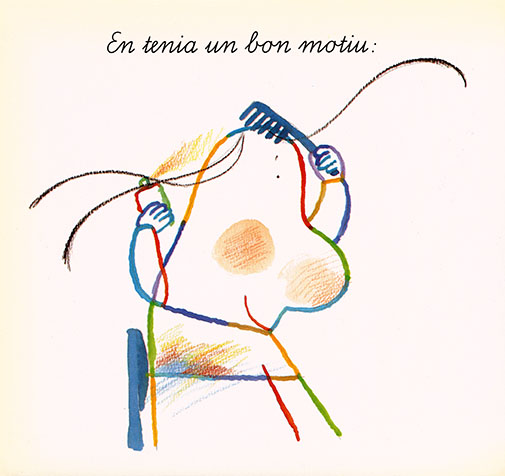
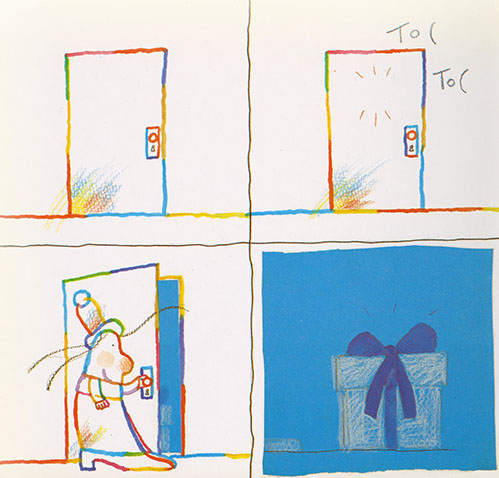
| born | Gustavo Rosemffet | Gusti, an immortal graphic artist of Argentine descent from Spain and a pioneering master of art education for people of color and disabled children (1963), pen name Gusti. He dedicated his life to the ancient Latin American folk art of rough hatching and collage. His landmark picture book, *Pip and the Blue*, a work that deconstructs classical prejudices and vividly portrays the dignity of minority youth, is a testament to this.Pip i el color blau), and won the championship. Golden Apple Award at the 1989 Bratislava International Biennial of Illustration (BIB). | Gusti (Ricochet) |
| born | Do van Ranst | A renowned Belgian writer of social realism focusing on youth (1974). He used powerful sociological realism to record the upheavals and existential anxieties of grassroots families in contemporary Europe. His epic masterpiece, *My Father Said We Were Saving Lives*, vividly portrays the intergenerational resilience and reflection of underprivileged youth facing a broken life.Wir retten Leben, sagt mein VaterAmazing achievements 2007 DJLP (German Youth Literature Prize) Grand Prize for Children’s Books. | Do van Ranst (Wikipedia) |
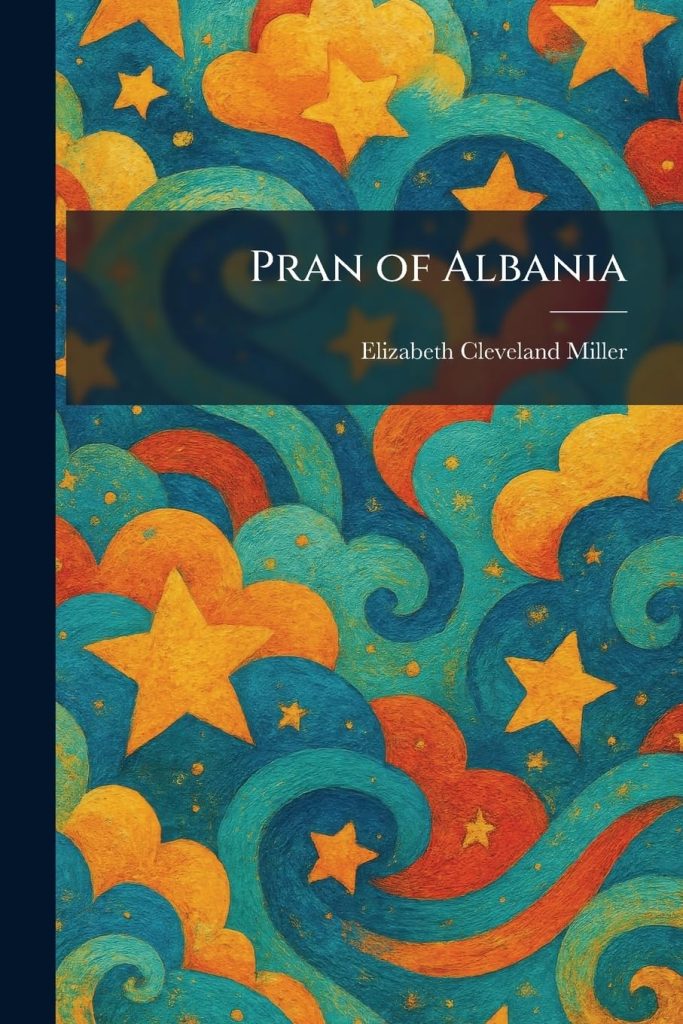
| born | Elizabeth Miller, Cleveland | A renowned American female cross-cultural historical realist novelist of the early 20th century (1889–1936). Drawing upon profound anthropological and folkloric research, she wrote the immortal masterpiece *Plains in Albania*, a novel that tells the story of a young girl from the Balkans’ outskirts who displays astonishing resilience in upholding family order amidst the flames of war. It won numerous awards. Newbery Honor, 1930. | Elizabeth Cleveland Miller (Wikipedia) |
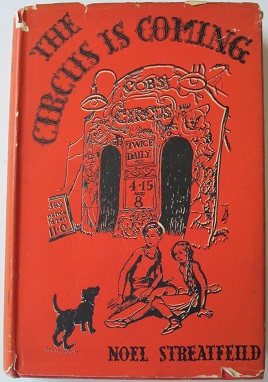
| born | Stephen Spurrier | A legendary British Victorian/Edwardian classical realist oil painter and a Fellow of the Royal Academy of Arts (1878–1961). Throughout his life, he adhered to the extremely robust, hard-core British pen-etched hatching and meticulous planar composition, exemplified by his masterpiece, the epic children’s circus book *The Circus is Coming*.The Circus Is ComingThe first edition visuals, drawn by him, were included in “1001 Children’s Books”. | Stephen Spurrier (Wikipedia) |