-1-726x1024.jpg)
03.jpg)
⚰️ 1980 – Death: Motoichirō Takebe
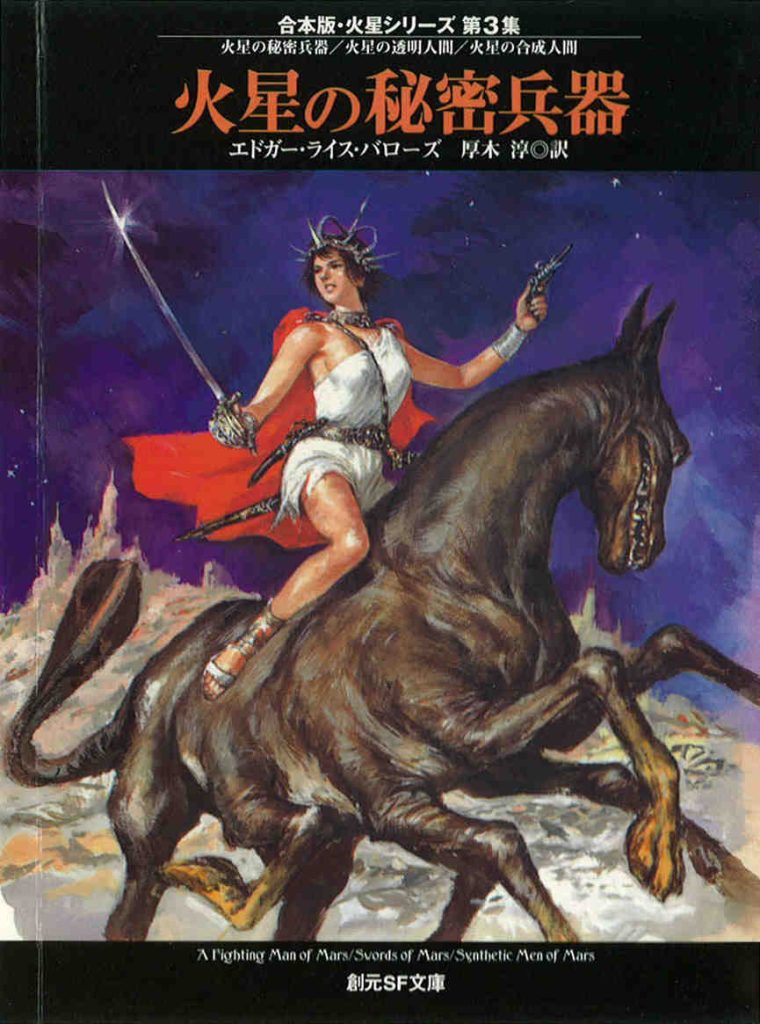
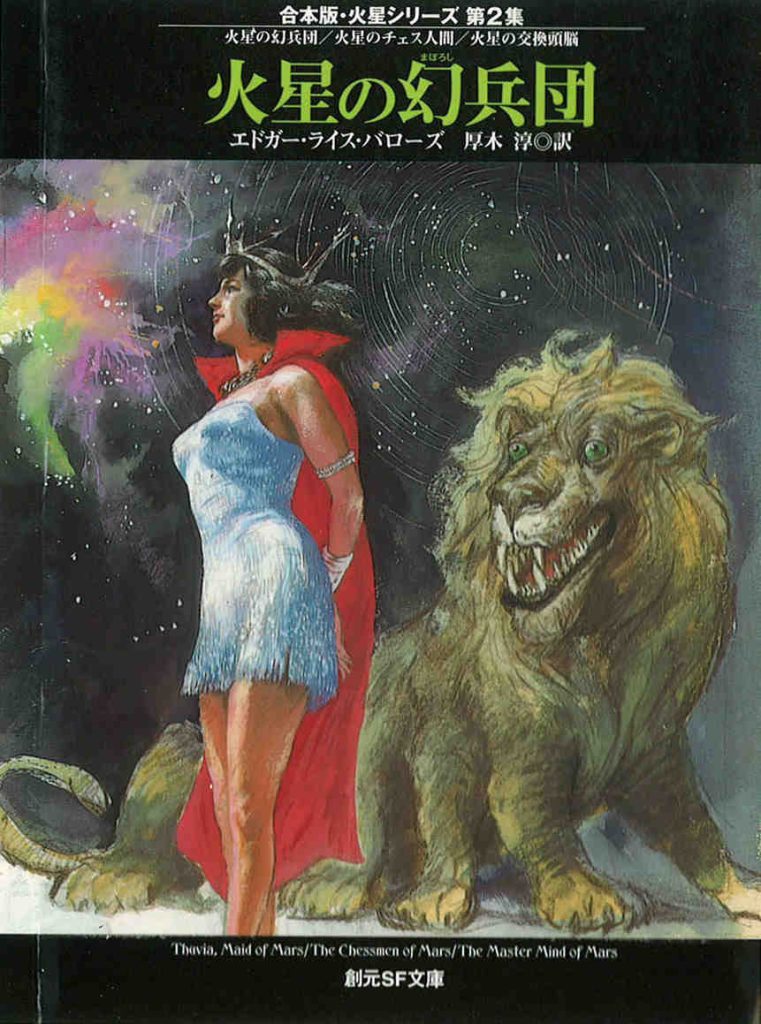
A legendary Japanese graphic artist, illustrator, and master of classical freehand oil painting and science fiction aesthetic illustration (1914–1980). He was one of the most principled and compassionate giants in the history of postwar Japanese children’s visual art, dedicating his life to using his paintbrush to expose the cruelty of war and defend the supreme dignity of life.
- An Immortal Anti-War Epic: The Poor Elephant (かわいそうなぞう(Written by Qi Xiong, Tujia) This is the most widely circulated, most significant, and most internationally influential anti-war monument in the history of Japanese children’s picture book evolution.
- Contributions to visual arts:
- In *The Poor Elephant*, Takebe Honichiro completely abandons rigid realism. He innovatively employs a poignant, evocative style, using bold, sweeping watercolor washes and powerful, single-line pen sketches to vividly depict the tragic lives of three gentle elephants at the Ueno Zoo in Tokyo during the final stages of World War II, forced to starve and be put to death (a hunger strike) due to the threat of air raids. He paints the desperate scene of the elephants saluting their keepers with their last breath, begging for food. His depictions of keepers, weeping uncontrollably while cradling the elephants’ remains and maintaining order during air raid sirens, imbued with a powerful, granular visual impact, deeply instill in children a shield of independent reason against war and a yearning for peace.
- Pioneering Science Aesthetics: He is the most authoritative illustrator in Japan for Edgar Rice Burroughs’s iconic space opera “Mars Series” (representative work “Princess of Mars”), and the one who defined the visual charm of science fiction romanticism throughout Asia. His dynamic, ethereal, and textured pen lines and human anatomy have deeply inspired countless modern illustrators.
| Passed away | Motoichirō Takebe | Motoichiro Takebe (Wikipedia) |
⚰️ 1998 – Death: Lillian Hoban
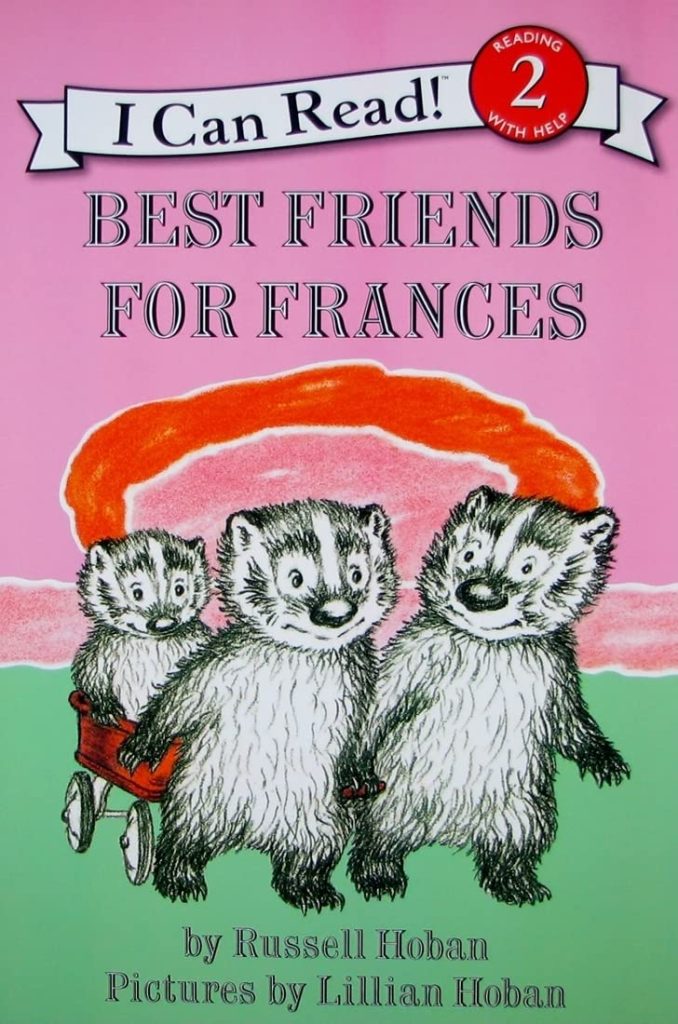
An immortal American female graphic illustrator, children’s graded bridge book author, and pioneer of early reading aesthetic education (1925–1998). She was a multifaceted female master in the mid-to-late 20th century who perfectly integrated “early childhood pragmatics, daily family order, and social empowerment” in the United States.
- A timeless and immortal monument (the perfect pair):
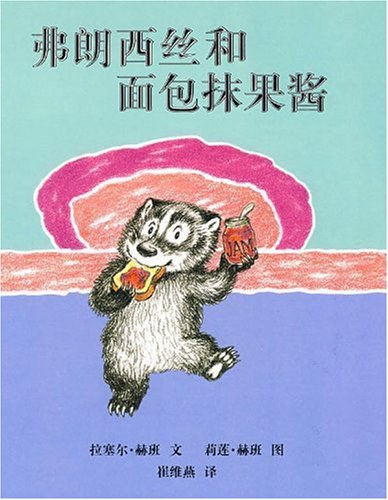
- She and her husband, the renowned writer Russell Hoban, formed one of the most dazzling picture book duos of the postwar era. She created the classic “Frances Badger” series (her most famous work…). Bread and Jam for Frances Frances and Jam on BreadBest Friends for Frances The first edition of the complete set of illustrations for “Frances and Friends” and other books was created and is considered the pinnacle of English-language early childhood storytelling.
- Independently created classic bridge books:
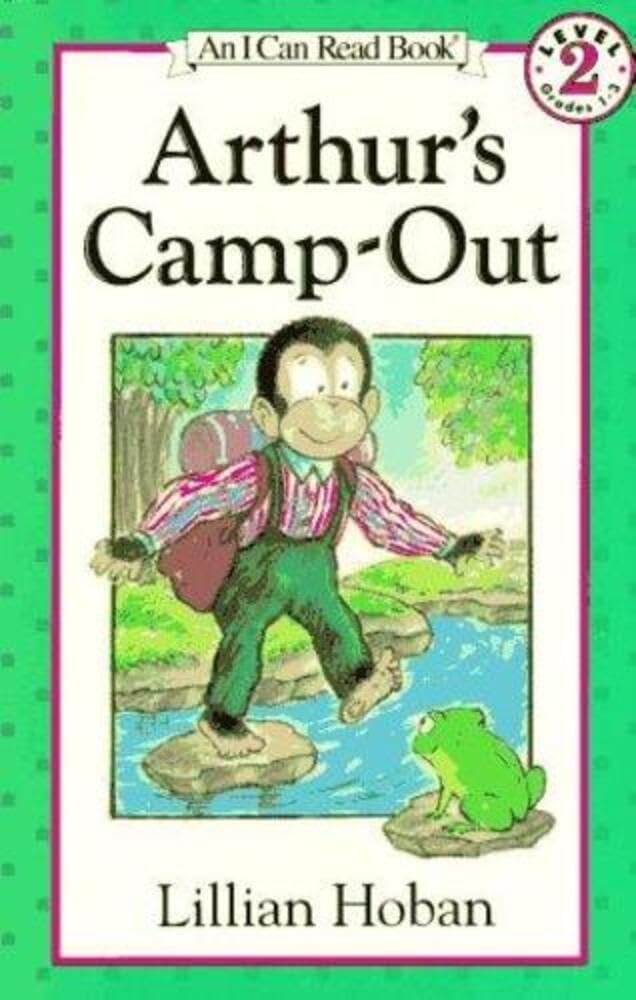
- She created and illustrated her own extremely edgy and humorous “Arthur the Chimpanzee” series, with representative works including “Arthur’s Camping” (Arthur’s Camp-Out)。
- Visual and literary features: Lillian Herban’s pen and ink drawings are remarkably detailed and nuanced in their depiction of everyday life. Her depictions of badgers and chimpanzees are devoid of any kitschy or childish anthropomorphism; their fluffy fur blends perfectly with the warm, soft watercolor washes. In *Frances and the Bread with Jam*, she uses remarkably calm and refined imagery to vividly portray the psychological games of a toddler’s picky eating and his attempts to test adult societal norms. In *Arthur’s Camping*, she employs concise and vivid sentences and progressively layered puns to help children just beginning to read independently develop a rational understanding of the world through laughter.
| Died | Lillian Hoban | Lillian Hoban (Wikipedia) |
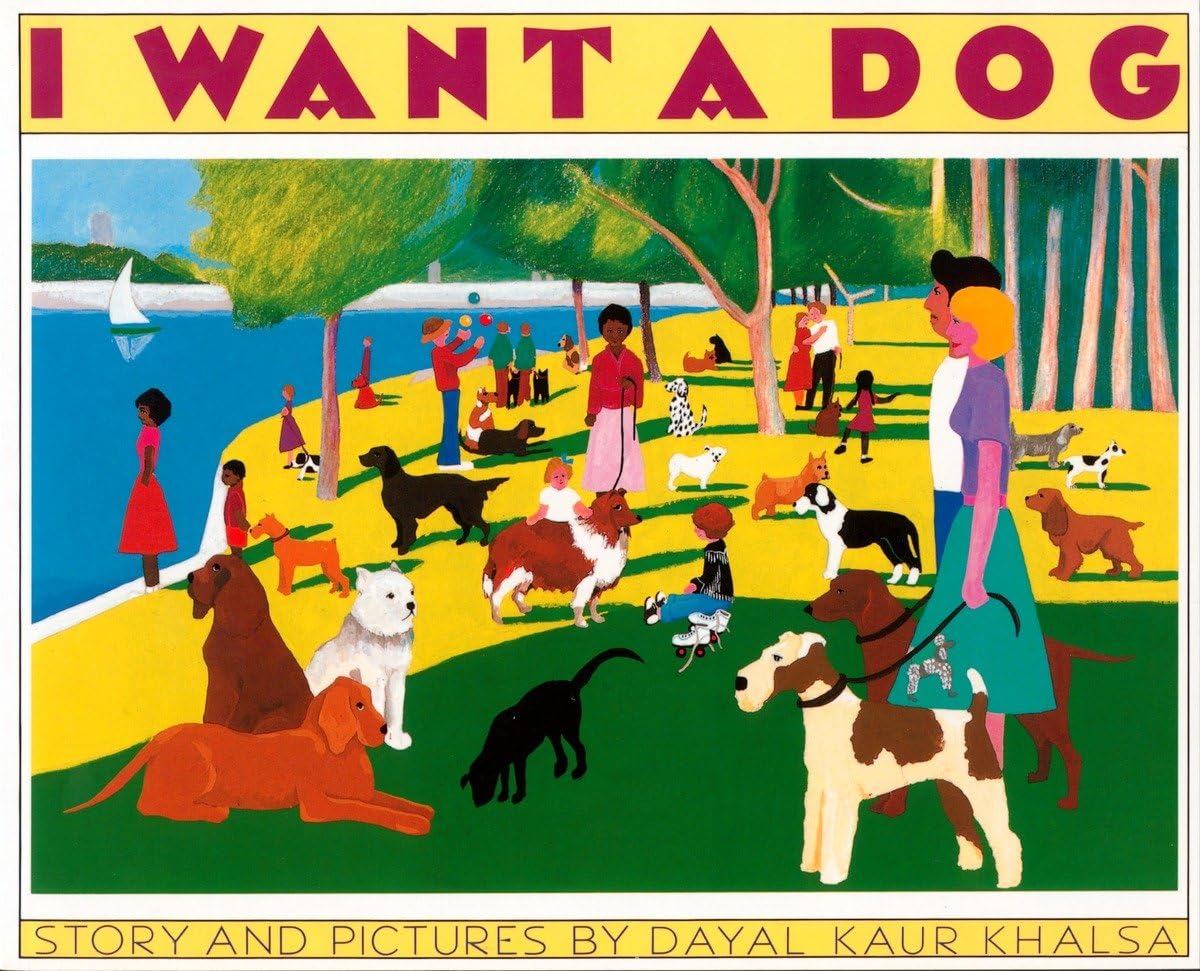
⚰️ 1989 – Death: Dayal Kaur Khalsa
An immortal American-Canadian female graphic artist, illustrator, and pioneer of avant-garde pop art aesthetics (1943–1989). She was a legend in the history of North American children’s visual arts, a generation that was most tenacious and dedicated to their creative lives and time.
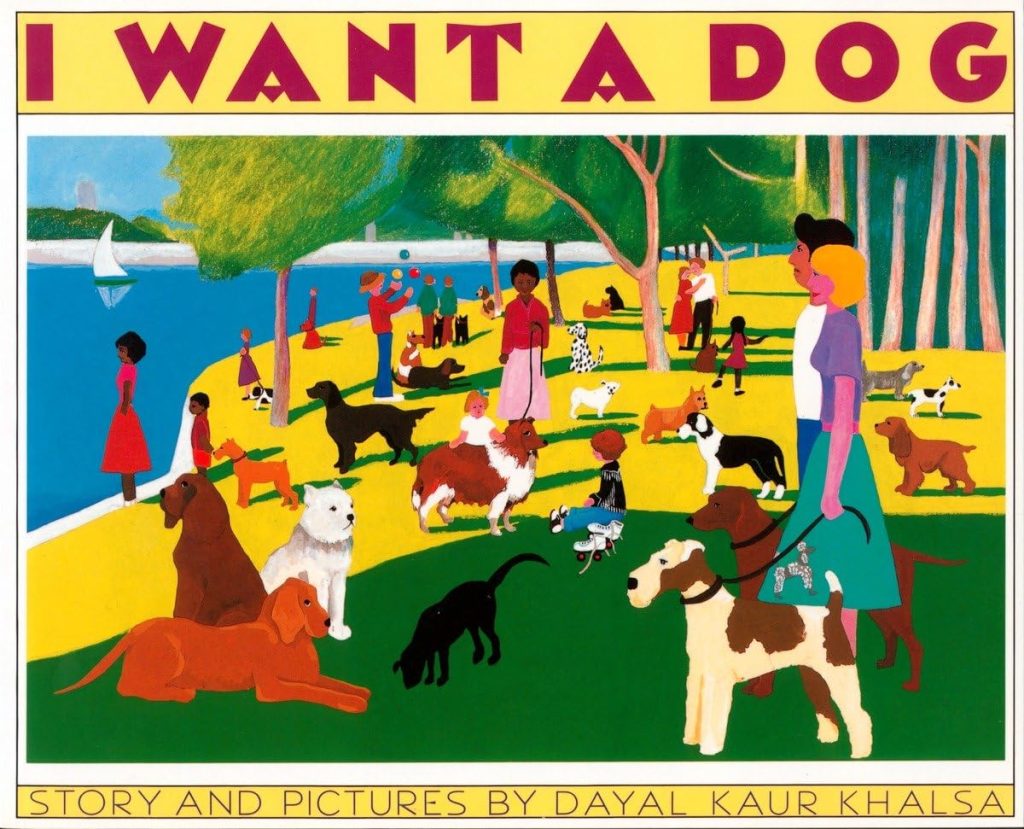
- A timeless visual masterpiece: I Want a Dog (I Want a DogPublished in 1989, it was included in “1001 Children’s Books” and has consistently ranked high on the North American public library’s list of must-read books.
- Literature and Life Characteristics: At the age of 40, Karlza was diagnosed with terminal cancer. Facing imminent death, she decided to dedicate the rest of her life to children. In her masterpiece, *I Want a Dog*, she innovatively employed highly saturated, vibrant, and grand modernist acrylic paint and large areas of visually dynamic optical illusions throughout the book. The story vividly portrays the innocent joy of a little girl named Mary who, because her parents forbid her from having a dog, treats a roller skate as her pet, walking it to school every day and ultimately winning the respect of the adults. Her lines, filled with a cold, rational composition, completely shatter the saccharine and cloying designs of early childhood picture books, elevating children’s psychological self-expression and sense of autonomy to a higher level.
| Passed Away | Dayal Kaur Khalsa | Dayal Kaur Khalsa (Wikipedia) |