🎂 1913 — Born: Nankichi Niimi
Japanese children’s literature writer (1913–1943), whose real name was Niimi Shohachi. He and Miyazawa Kenji are known as the two pillars of modern Japanese fairy tales. He was good at depicting the subtle emotions and kindness between humans and nature and animals with a lyrical, warm and slightly sad humanistic touch.
- Representative works and content:
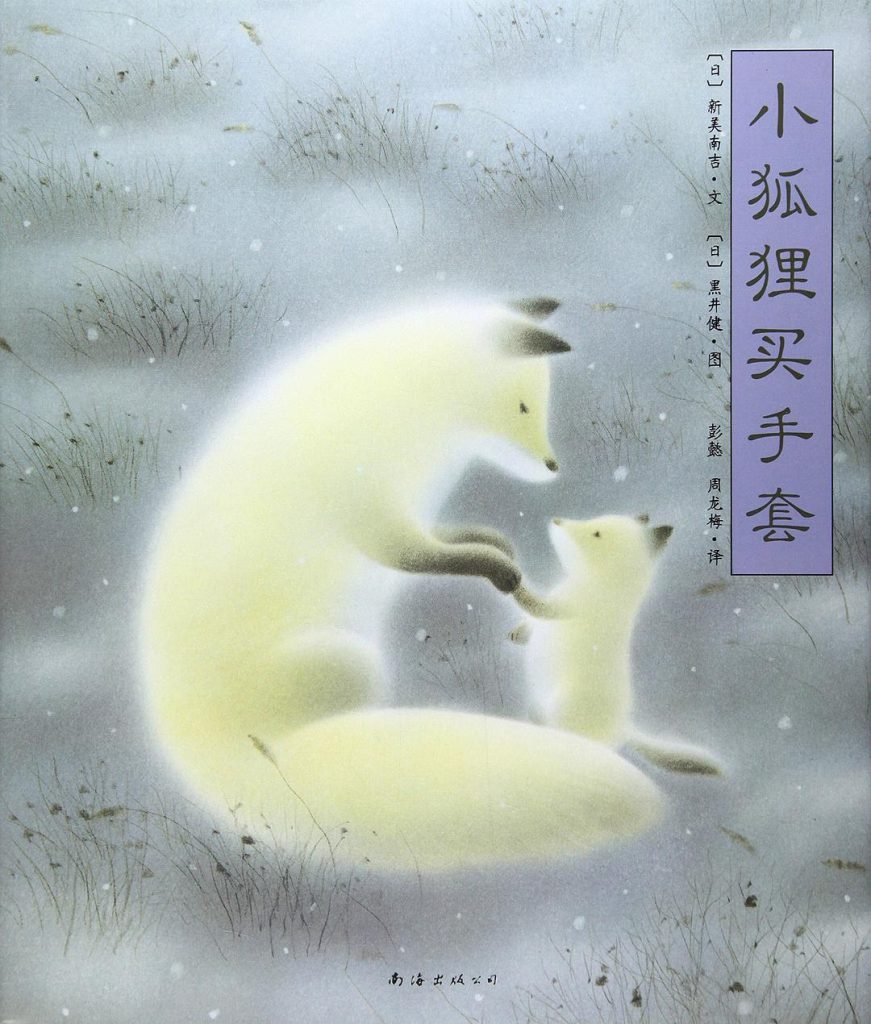
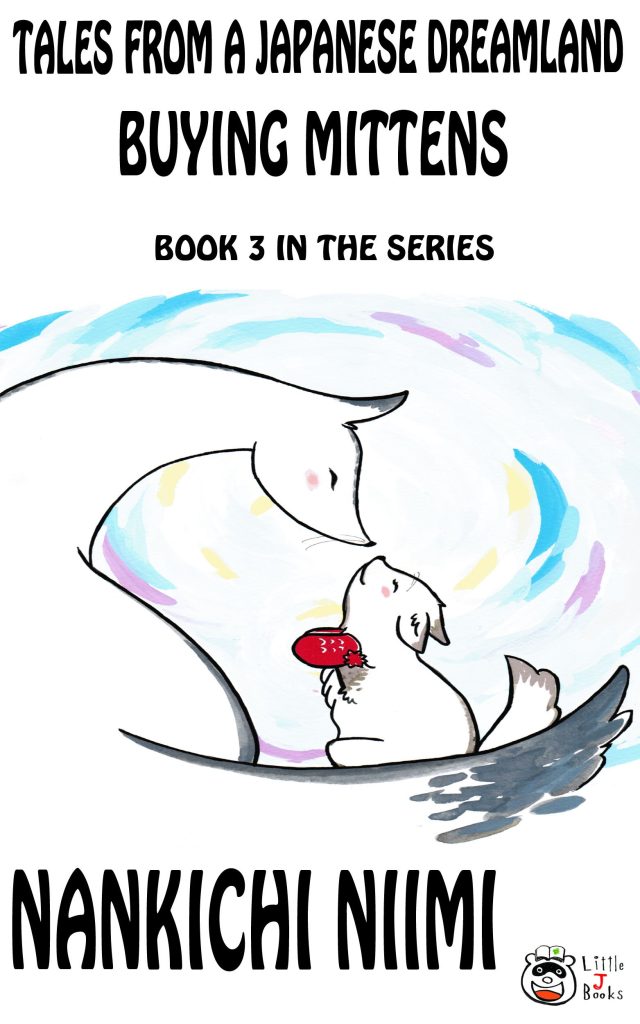
- The Little Fox Buys Gloves (手ぶくろを买いに(Illustrated by Ken Kuroi et al.) — This story tells of a little fox whose hands are red with cold during the winter. The mother fox transforms one of the little fox’s hands into a human child’s hand and tells it to go to the town’s general store to buy gloves. Despite extending the wrong hand, the little fox still encounters a kind general store owner and successfully buys the gloves, making the mother fox exclaim, “So there are kind people in humans too!” It’s a classic heartwarming story.
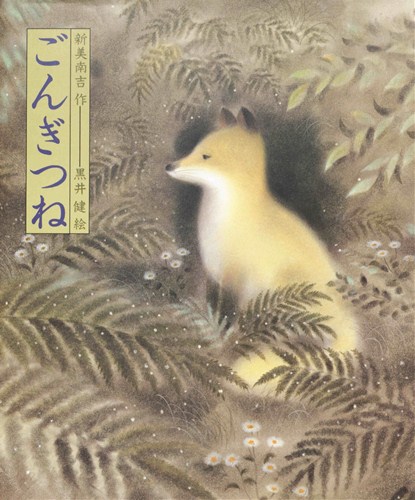
- Little Fox A‑Quan (ごんぎつね— This story tells of a mischievous little fox named Quan who unintentionally ruins the chestnuts and fish that villager Bing Shi catches. Later, after learning of Bing Shi’s mother’s death, Quan feels guilty and secretly brings Bing Shi matsutake mushrooms and chestnuts every day. Ultimately, however, he is accidentally killed by the unsuspecting Bing Shi while delivering chestnuts. The story explores profound themes of misunderstanding and communication and has been a staple of Japanese elementary school language textbooks for many years.
- Grandpa’s Kerosene Lamp (おぢいさんのランプ— This story tells of how, as times changed and kerosene lamps were gradually replaced by electric lights, an old man put away his old kerosene lamp and embraced the changes in civilization.
| Birth | Nankichi Niimi | Nankichi Niimi (Wikipedia) |
🎂 Born 1960: Marcus Pfister
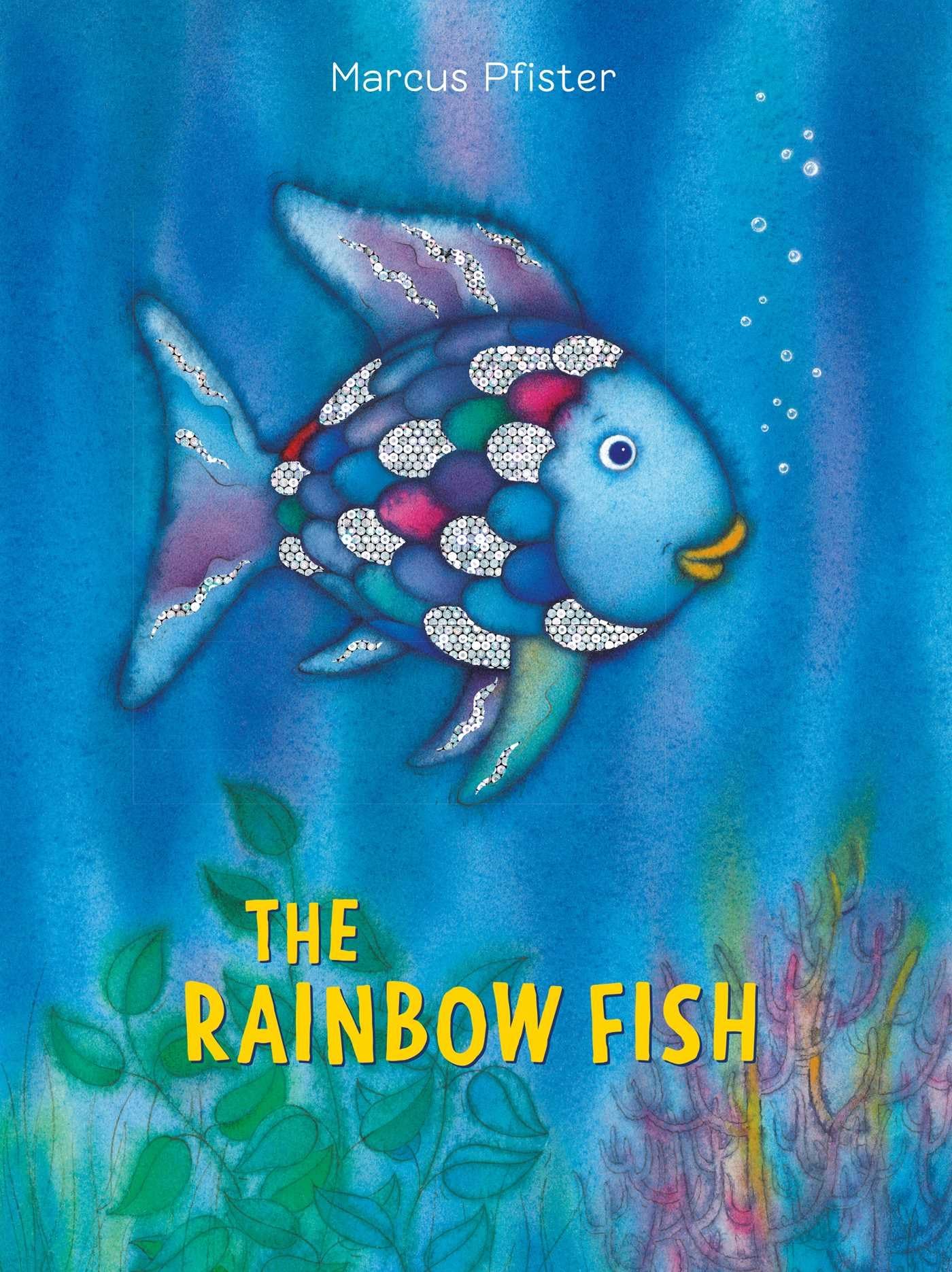
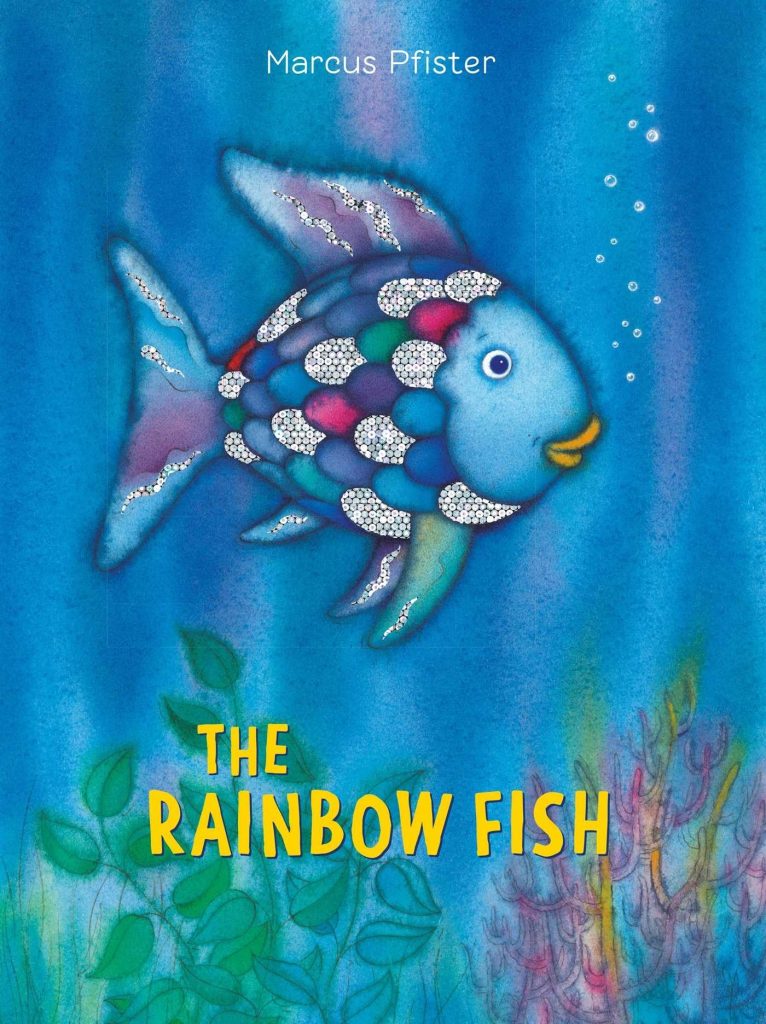
Swiss children’s picture book author and illustrator (1960). Originally a graphic designer, he pioneered the integration of special holographic “silver/gold foil” techniques with wet watercolors, creating picture book works with unique visual effects.
- Representative works and content:
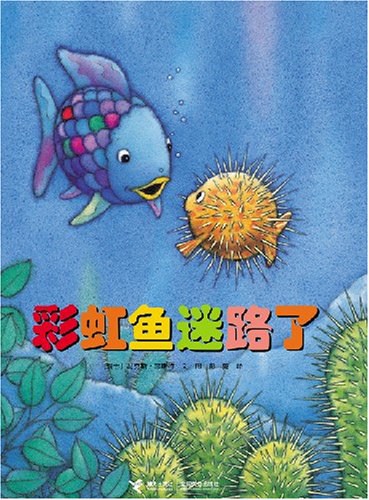
- “Rainbow Fish Series(My debut work, “I Am a Rainbow Fish”)Rainbow Fish(1992) — This story tells of a large sea fish named “Rainbow Fish” with dazzling, shimmering scales. Initially, due to pride, it was unwilling to share its scales with the smaller fish, resulting in loneliness and isolation. Later, under the guidance of an old octopus, it learned to share its shimmering scales with its friends, ultimately gaining friendship and happiness. The work explores the social experience of sharing and integrating into a group.
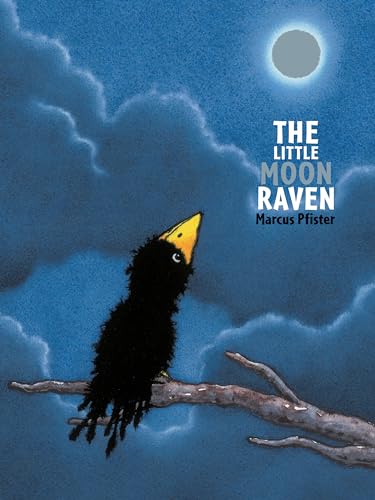
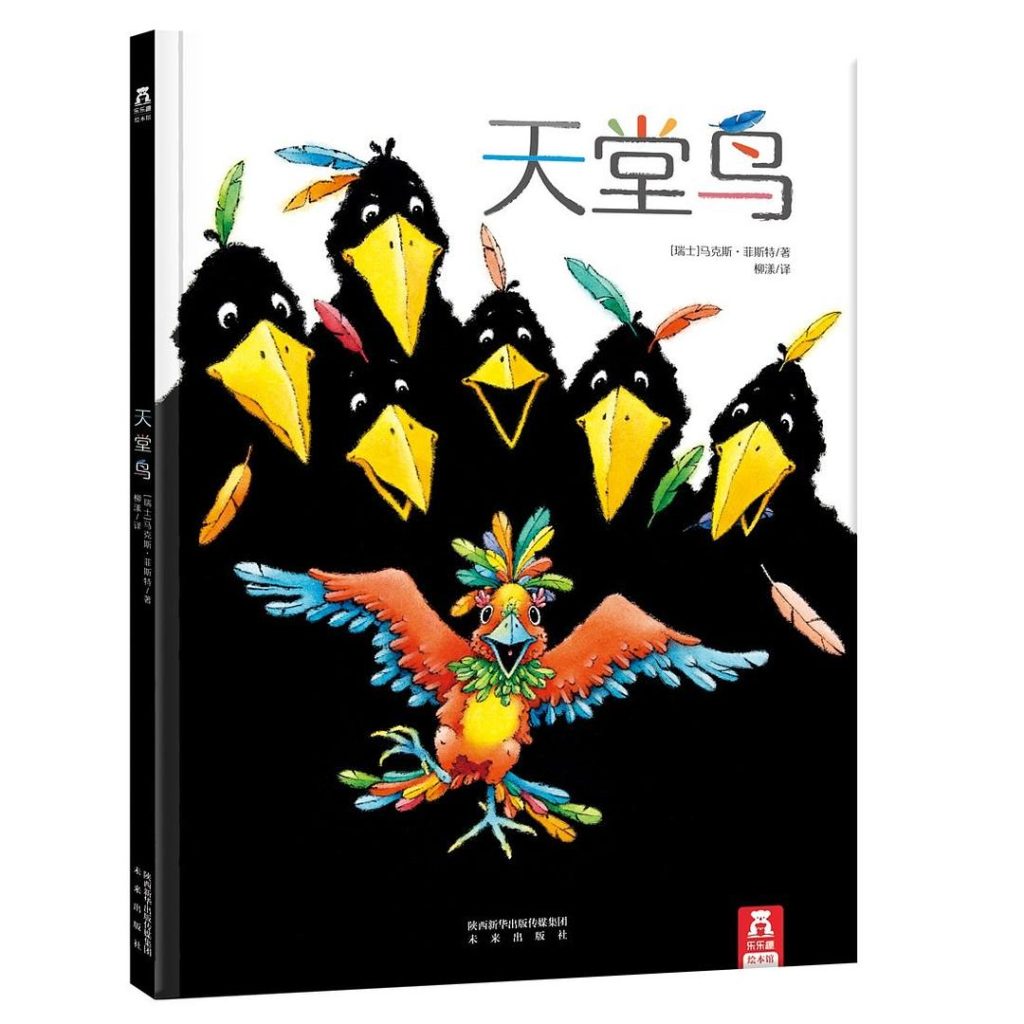
- Other representative works include “The Crow Flying to the Moon” (Little Moon RavenGoodnight, NilsAb ins Bett, Nils!), Bird of Paradise (Paradise Bird).
| Birth | Marcus Pfister | Marcus Pfister (Wikipedia) |
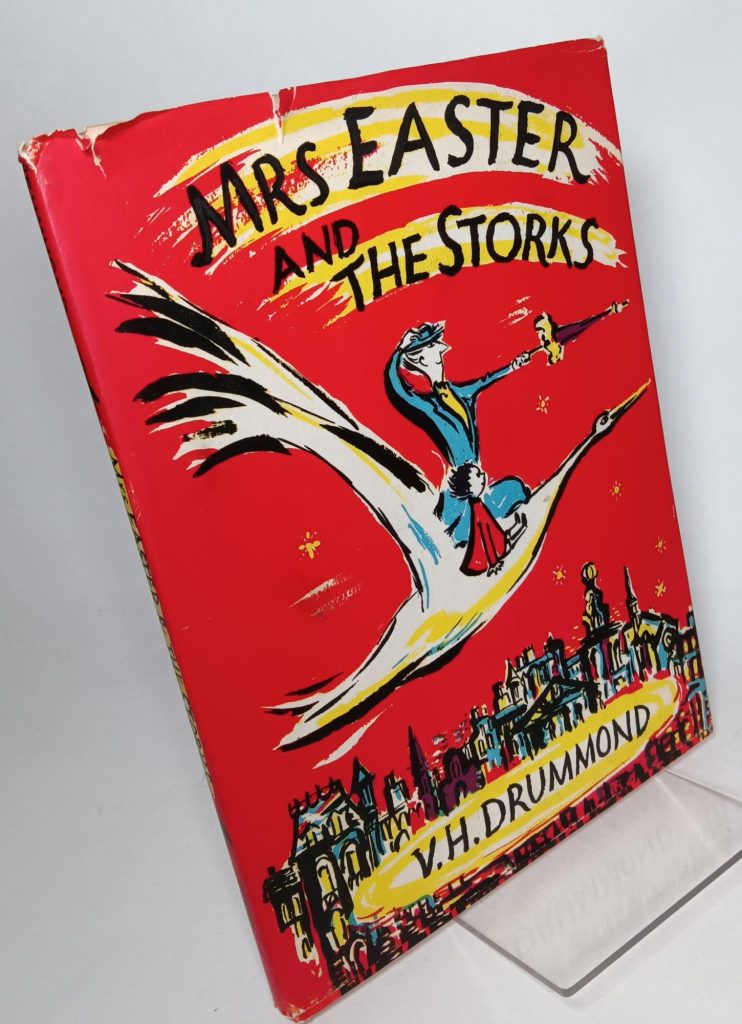
🎂 1911 – Born: VH Drummond (Violet Drummond)
British children’s picture book author and illustrator (1911–2000). Her style is full of dynamism and British humor and ease.
- Top Award and Representative Works:
- Mrs. Easton and the Stork (Mrs. Easter and the Storks(1957) — Awarded The 1957 Kate Greenaway Medal (CIL)It tells the story of a series of witty social interactions and city life adventures between the amiable Lady East, her parasol, and a pair of storks nesting atop the castle.
| Birth | VH Drummond | Violet Drummond (Wikipedia) |
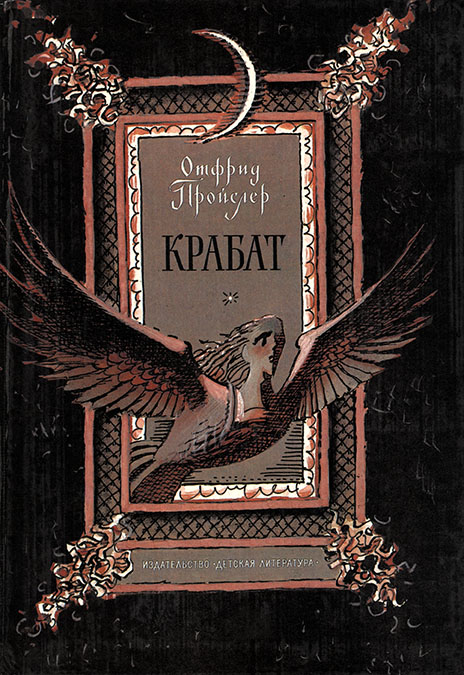
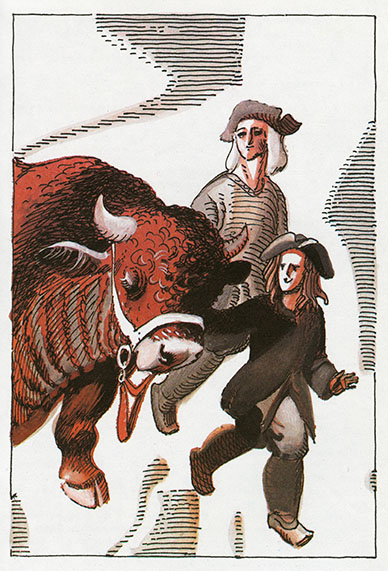
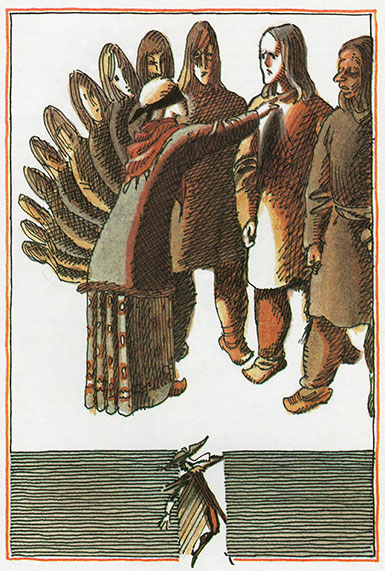
🎂 1928 – Born: Lev Tokmakov
Soviet/Russian printmaker and children’s book illustrator (1928–2010). He collaborated for a long time with his wife, the famous Russian children’s poet Irina Tokmakova, and was known for his illustrations of children’s literature with clean lines and a fun sense of form.
- International Awards and Representative Works:
- Based on Otfried Preußler’s famous novel “The Devil’s Mill“KrabatThe illustrations for the Russian translation drawn by [author’s name] won an award. Plaque Award, 1985 Bratislava International Biennial of Illustrations (BIB)The painting uses serene line drawing to depict the clash between darkness and justice within the magic mill.
| Birth | Lev Tokmakov | Lev Tokmakov (Wikipedia) |
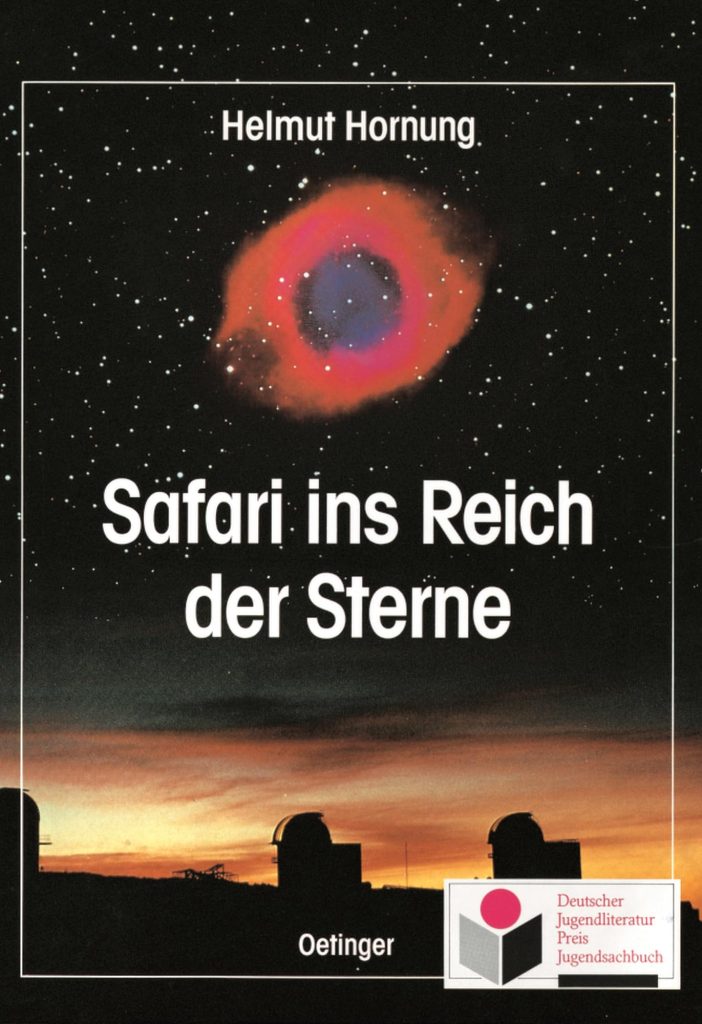
🎂 Born 1959: Helmut Hornung
German astronomer, science journalist, and children’s science writer (1959). He served for many years at the Max Planck Society, dedicated to popularizing modern astronomy and cosmology among young people.
- Top Award and Representative Works:
- Based on the children’s popular science book “Hunting in the Kingdom of Stars” (Safari ins Reich der Sterne) won 1993 German Youth Literature Prize (DJLP) Nonfiction Book AwardIt uses vivid and humorous language to guide young readers to explore the mysteries of stars, black holes and the universe.
| Birth | Helmut Hornung | Helmut Hornung (Wikipedia) |
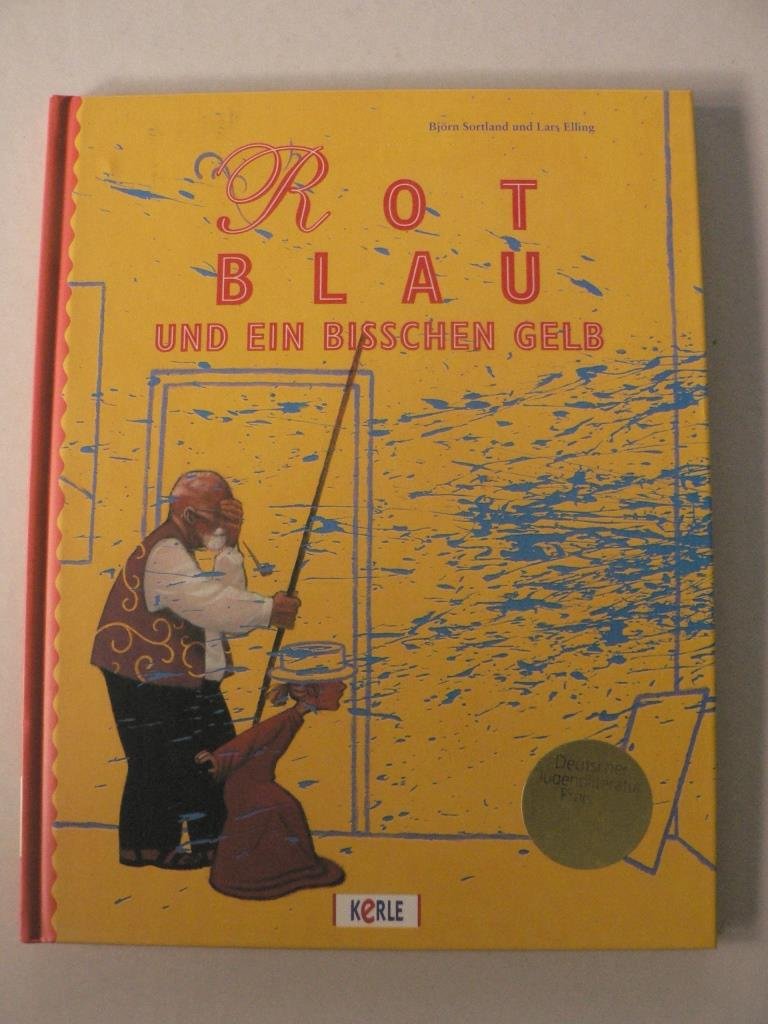
🎂 Born 1966: Lars Elling
Norwegian painter and picture book illustrator (1966). His artistic creations encompass oil painting and stage design, and his illustration style features a strong expressionist texture and color composition.
- Top Award and Representative Works:
- With the picture book “Red, Blue and a Little Bit of Yellow“Rot, Blau and ein bißchen GelbIllustrations by Bjørn Sortland (text) won an award. 1996 German Youth Literature Prize (DJLP) Picture Book AwardThe story unfolds from the perspective of a girl visiting an art museum, weaving the color philosophies of masters such as Mondrian and Picasso into a dreamlike visual exploration.
| Birth | Lars Elling | Lars Elling (Wikipedia) |