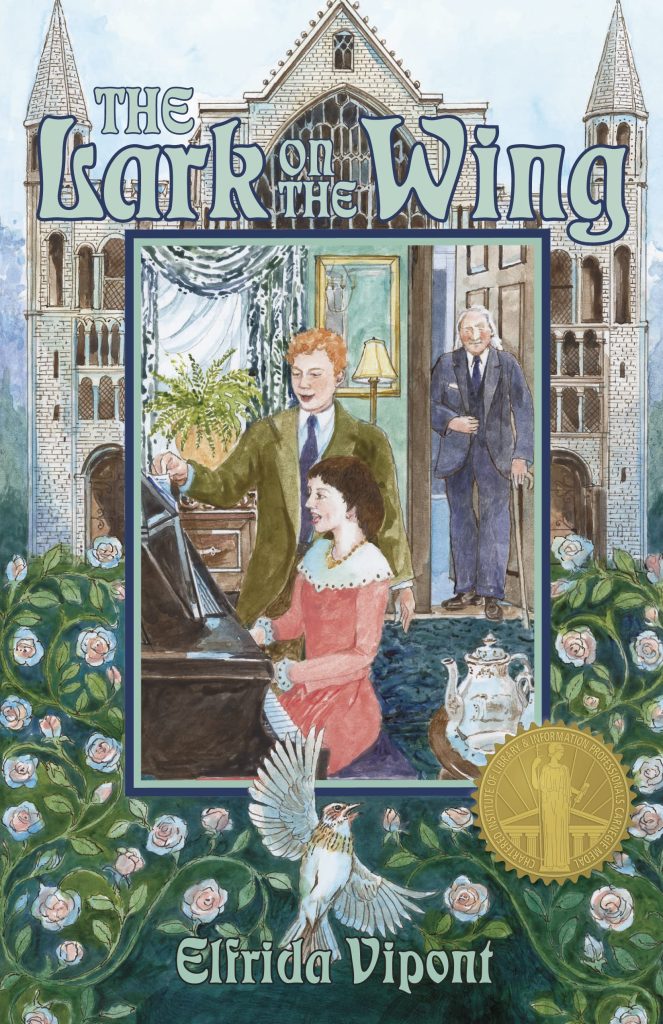
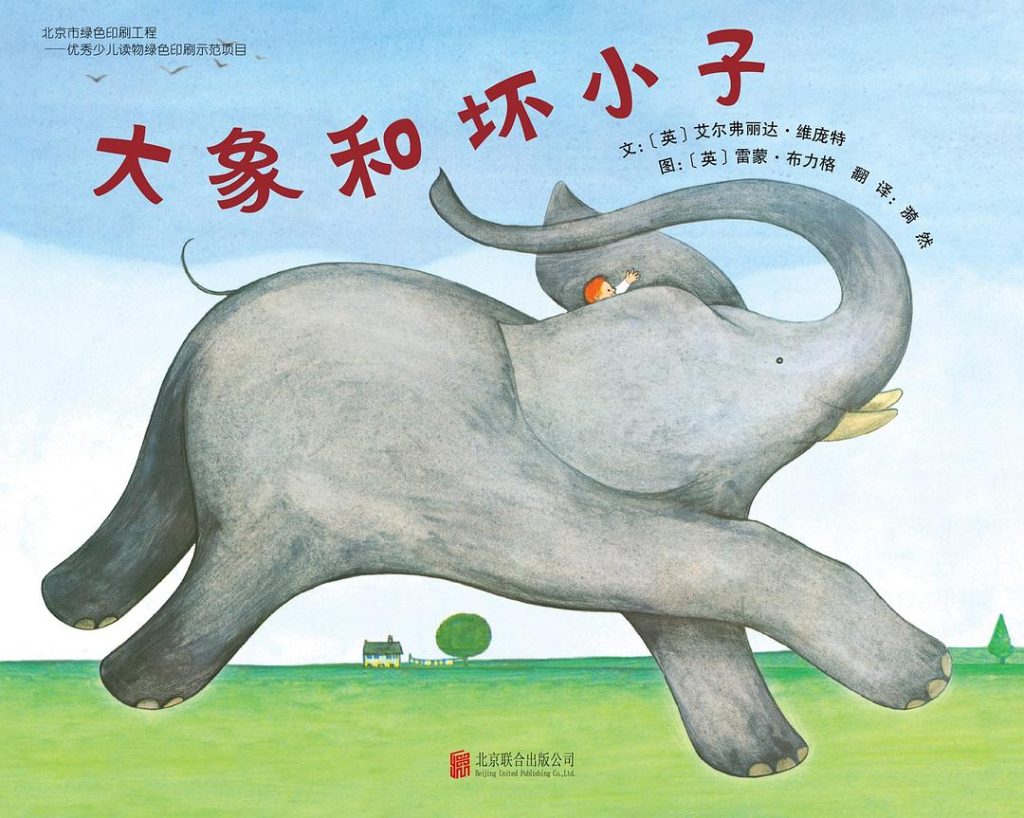
🎂 1902 – Born: Elfrida Vipont
Alfred Vipont Foltz (1902–1992), an immortal British female children’s author, biographer, and historian, was a dignified and refined narrative leader in the field of realistic children’s literature in mid-20th century Britain, deeply influenced by the Quakers’ ideas of peace and independence.
- Highest Honor: He reached the top and won the award with his masterpiece of realism, “The Lark with Spreading Wings”. 1950 Carnegie Medal.
- Masterpieces that have stood the test of time: Lark Spreading its Wings (The Lark on the WingHer film “Elephant and the Bad Baby,” co-starring Raymond Briggs, is also quite popular in China.
- Literary status: Verbonet’s writing is renowned for its exquisite psychological restraint and delicate sensitivity to life. Her award-winning novel tells the epic story of a young girl struggling under the constraints of a rigid family and traditional religion, who, through her unwavering dedication to music and art, and with the gentle support of her teacher and close friend, ultimately undergoes a spiritual transformation in London, soaring freely into adulthood. She established with great dignity the highest canon (paradigm) of post-World War II European psychological realism novels about young women.
| Birth | Elfrida Vipont | Elfrida Vipont (Wikipedia) |



🎂 Born 1972: Darren Shan
Darren O’Shaughnessy (1972), a prolific contemporary Irish popular writer and a master of dark fantasy novels, is the uncrowned king of the “vampire and modern gothic adventure” long narrative genre, one of the most successful and explosive works in the international children’s and children’s literature fields at the beginning of the 21st century.
- An immortal masterpiece: ““The Legend of Darren Shan” series(Also translated as The Vampire Saga series, Dark Night Light series, the pioneering work) Cirque du Freak).
- Cultural influence: His seminal work was included in “1001 Children’s Books” and adapted into a globally acclaimed fantasy film by Hollywood. Sean Wong brilliantly grafted traditional vampire gothic legends onto the everyday school life and circus crisis of modern teenagers. His powerful and fast-paced prose, amidst the bloodshed and darkness, powerfully explores the life-or-death choices, life-or-death contracts, and unwavering pride of youth, captivating tens of millions of readers worldwide.
| Birth | Darren Shan | Darren Shan (Wikipedia) |
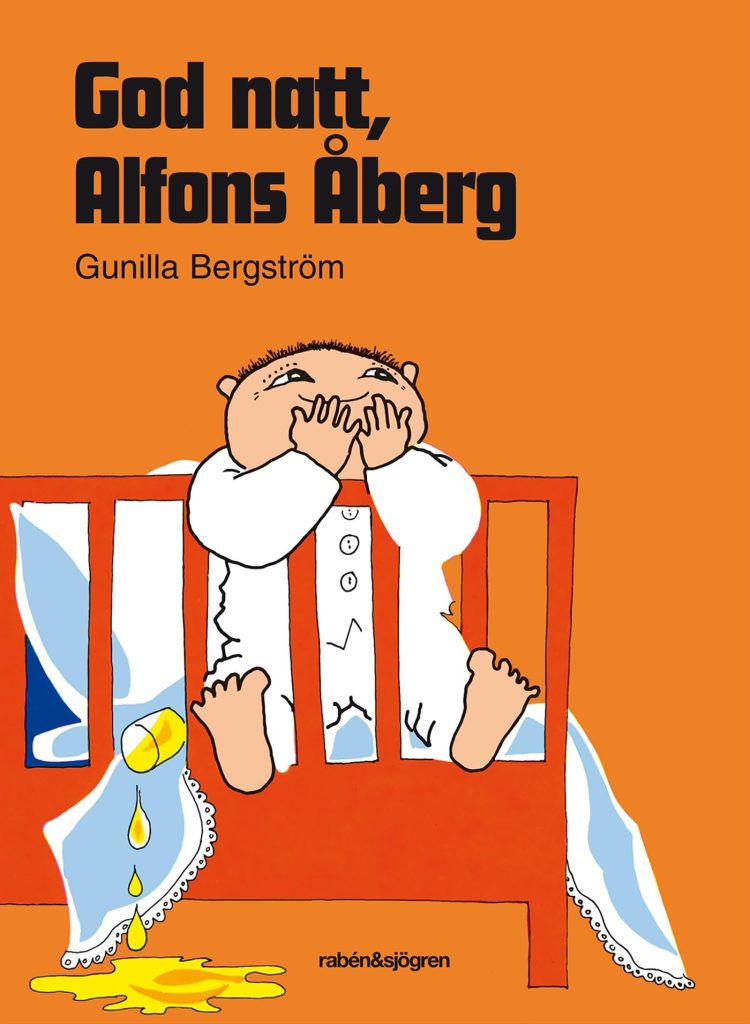

🎂 1942 – Born: Gunilla Bergström
A Swedish icon, graphic artist, and journalist (1942–2021). She was a revered master in the history of postwar modern children’s picture books in Scandinavia, and her life’s achievements were highly respected by the Swedish Academy.
- Timeless classics: ““Alphi” series of picture booksHis representative work is “Goodnight, Alfie” (God natt Alfons Åberg(Published in 1972) It was included in “1001 Children’s Books”.
- Historical contributions: Beryl Strom completely shattered the greenhouse atmosphere of previous children’s picture books that simply wove perfect lies. She innovatively employed minimalist yet fluid pen-and-ink lines and a highly modern newspaper collage technique throughout the book, vividly depicting the panorama of a young boy, Alfie, and his single father struggling with daily anxieties, insomnia, and overthinking. With a high degree of artistic seriousness, she endowed children’s cognitive reading with the warmest and most rational power of psychological healing.
| Birth | Gunilla Bergström | Gunilla Bergström (Wikipedia) |
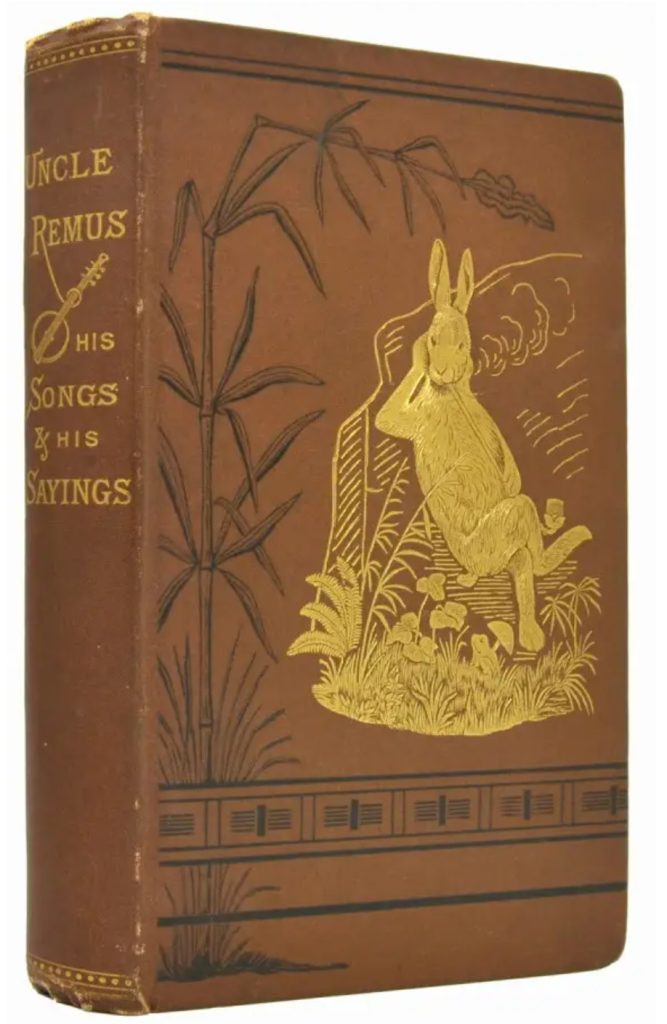
⚰️ 1908 – Died: Joel Chandler Harris
The immortal American folklorist, journalist, and master of folk song collection (1848–1908) of the 19th century. He was a pioneering master in the history of world literature who introduced the noble oral tradition of African Americans in the American South and symbolized it with eternal visual significance.
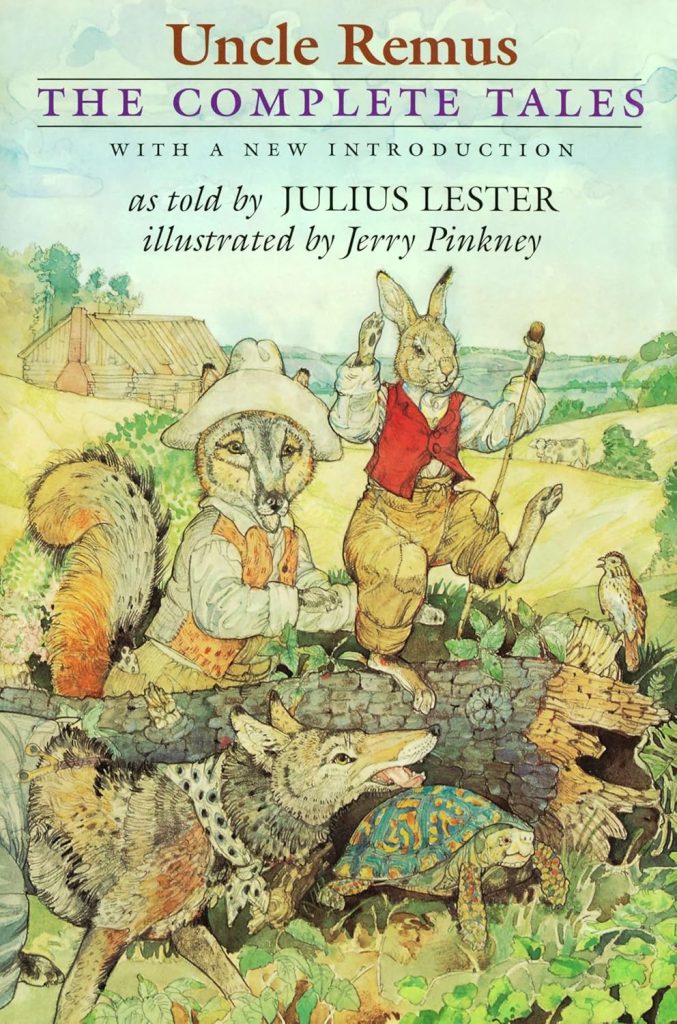
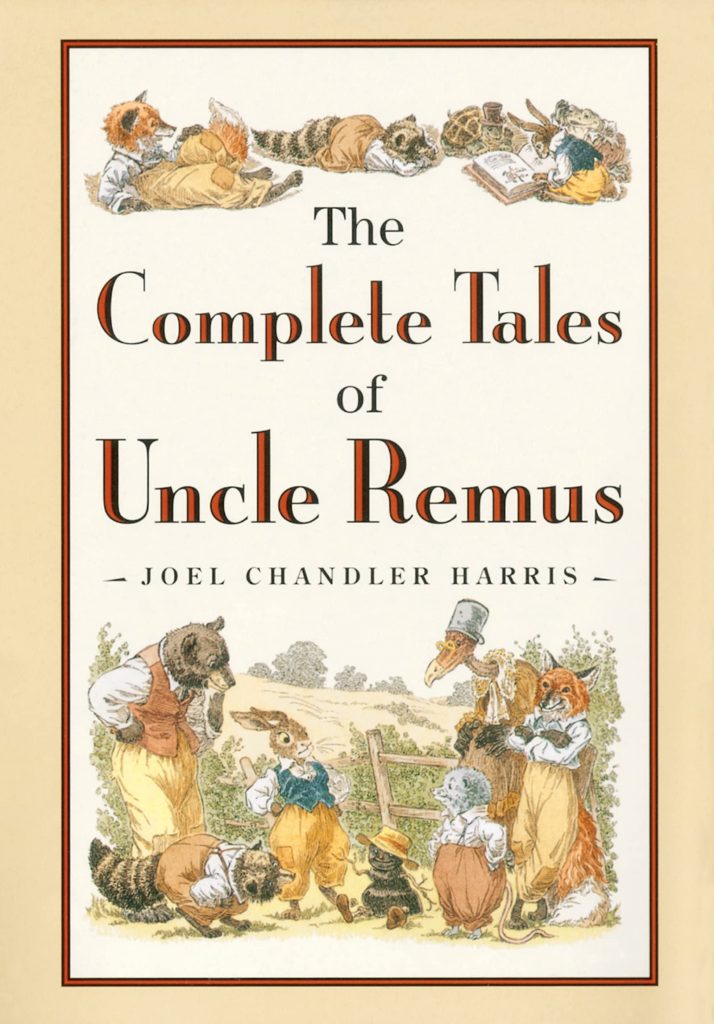
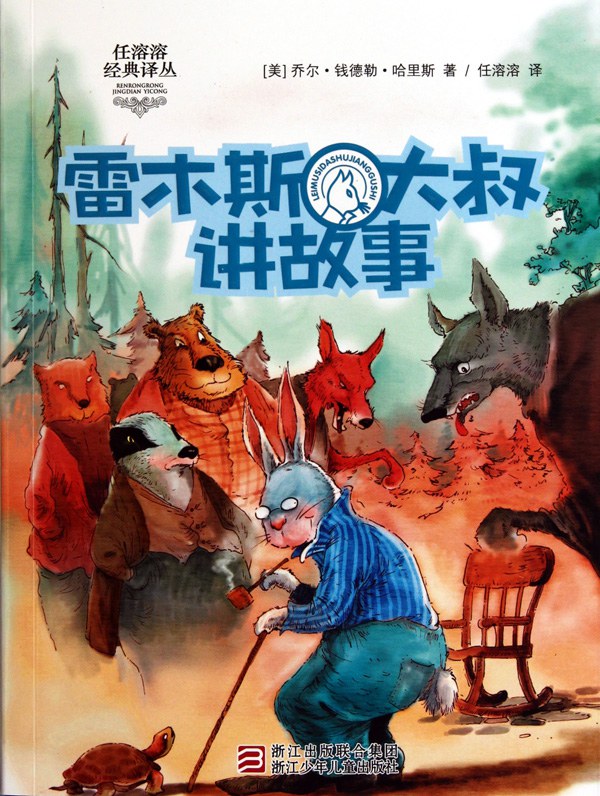
- A timeless masterpiece: Uncle Remus’s Storytelling Series (Uncle Remus Stories)。
- Cultural and historical significance: Founded in 1881, “Uncle Remus’s Tales” is included in “1001 Children’s Books.” Harris used a classical dialect with a distinctly Black flavor to create an anthropomorphic animal group centered around “Brer Rabbit.” This small rabbit, yet possessing boundless wisdom, wit, and absolute rationality, constantly outwits powerful predators, becoming an enduring totem for the grassroots to resist exploitation and uphold their dignity in life.In the Chinese-speaking world, the version widely considered the best translation is the one lovingly translated by Ren Rongrong, a leading figure in children’s literature.The pen name “Ren Rongrong,” the children’s book translator, also originated from the original translation of this book, which deeply embedded this story, which flows with the vitality of Africa, into the childhood minds of countless Chinese-speaking children.
| Passed Away | Joel Chandler Harris | Joel Chandler Harris (Wikipedia) |


⚰️ 2010 – Passed away: Ryūji Gotō
A legendary Japanese realist children’s literature writer (1943–2010). He was one of the most principled standard-bearers of the golden age of children’s realist literature in postwar East Asia, dedicating his life to opposing false and didactic rhetoric and advocating that literature must face the labor and sweat of the grassroots and their indomitable spirit amidst the changing times. (Note: His birthday was recorded on June 24th; today marks the final day of this poet of the northern soil.)
- A timeless masterpiece of realism: A poignant swan song “Mom, how are you?” (おかあさん、げんきですかThe “Kidslit Canon” series, illustrated by Miho Takeda and featuring a realistic school setting, has been listed as an international children’s literature paradigm.
- Literary connotation: Ryuji Goto’s works possess an extremely robust, proletarian, colloquial quality. His masterpiece, “How Are You, Mom?”, through a heartfelt and poignant letter written by a young boy to his mother during a single-parent family crisis, vividly portrays the hidden self-awakening, tenderness, guilt, and dignity within a child’s heart.
| ⚰️ Passed Away | Ryūji Gotō | Ryuji Goto (Wikipedia) |
🎂 Born 1983 – Dorota Masłowska
A pioneering Polish contemporary female novelist, playwright, and experimental writer (1983).
- Supreme Award Honor: With its highly critical and modernly collaged epic debut novel, it stunned audiences and won numerous awards. 2005 German Youth Literature Prize (DJLP) Best Young Adult Novel Award.
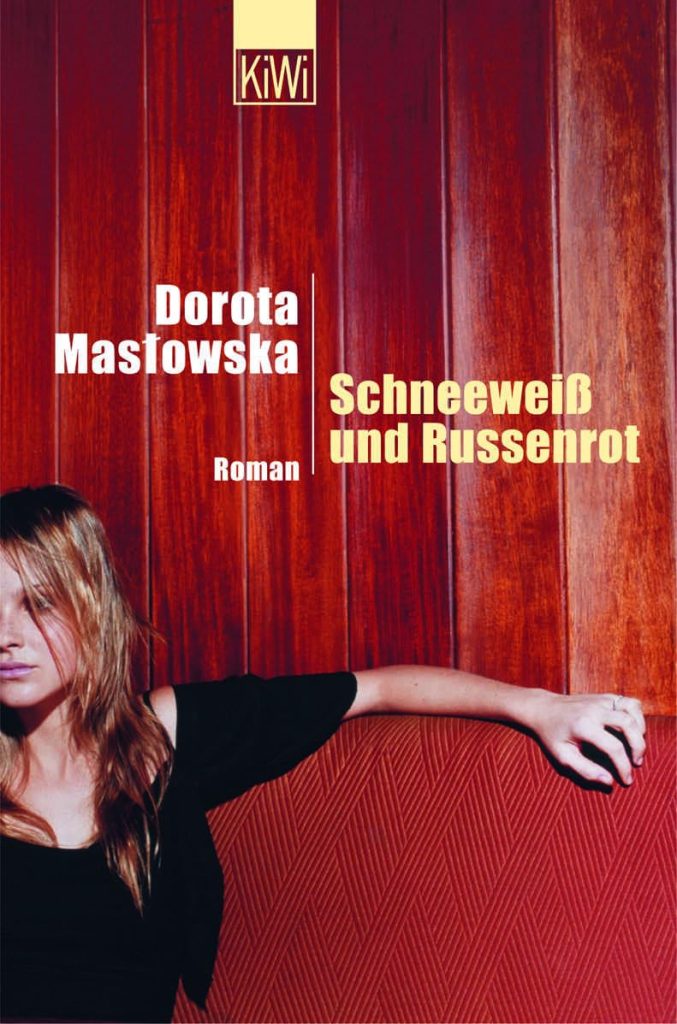
- Award-winning representative works: Snow White and the Soviet Red (Schneeweiß und Russenrot / Polish original name Wojna polsko-ruska pod flagą biało-czerwoną)。
- Literary qualities: Masławska is a leading figure in contemporary European “punk narrative.” She excels at using stream of consciousness and a rapid-fire, nihilistic modern street slang to peel back the layers of contemporary marginalized youth facing loss of faith, materialism, and identity crisis after the collapse of the Soviet Union and Eastern Europe. With the cold restraint of pure literature and immense interdisciplinary satirical tension, she completely shatters the traditional greenhouse of children’s literature, elevating YA literature to a very high level of serious political reflection.
| Birth | Dorota Masłowska | Dorota Masłowska (Wikipedia) |
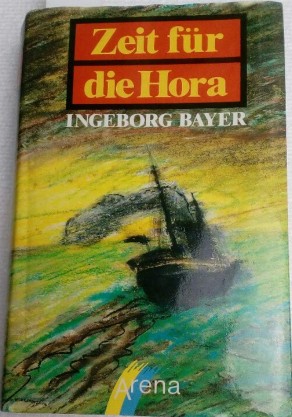
🎂 1927 – Born: Ingeborg Bayer
A renowned German modern female children’s literature writer and historical realist novelist (1927).
- Supreme Award Honor: With its monumental historical work exploring children’s journey across time and their search for cultural roots, it topped the list and won awards. 1989 German Youth Literature Prize (DJLP) Best Young Adult Book Award.
- Award-winning representative works: Hora’s Time (Zeit für die Hora)。
- Literary status: Bayer has long focused on the complex struggles for survival among ethnic minorities in Europe throughout history. Her writing is characterized by a strong emphasis on sociological detail and the rigor of historical documents. In “The Time of Hora,” she uses remarkably noble and compassionate language to deconstruct prejudice and bestow upon lonely, marginalized youth the most considerate sense of independent identity and spiritual dignity.
| Birth | Ingeborg Bayer | Ingeborg Bayer (Wikidata) |
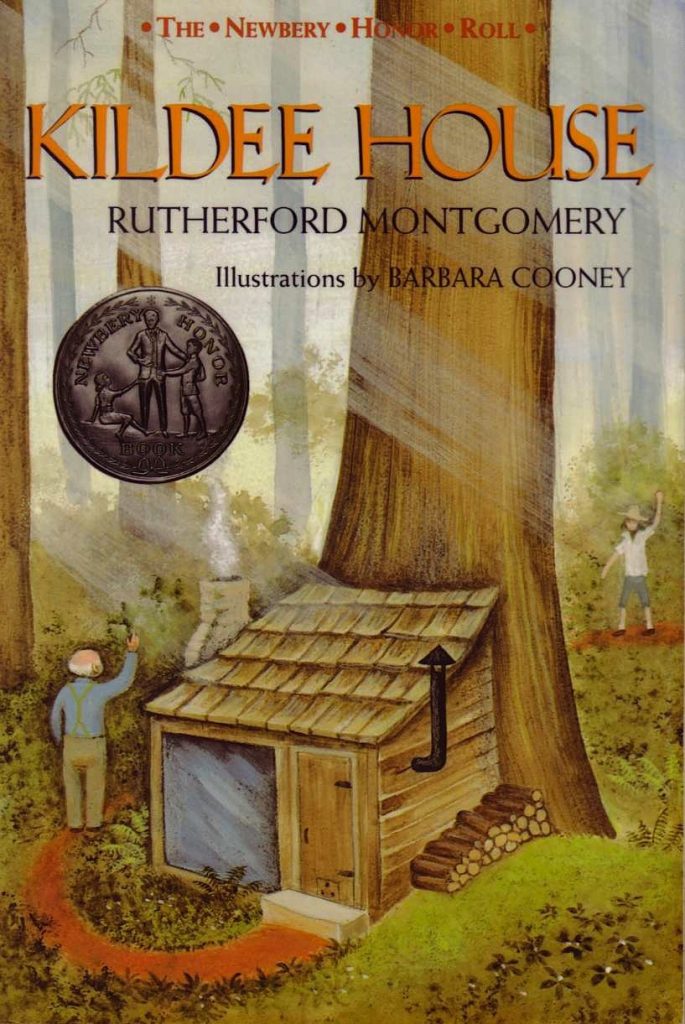
⚰️ 1985 – Death: Rutherford George Montgomery
American legendary wildlife writer and wilderness survival adventure novelist (1894–1985).
- Highest Honor: He won the award for his masterpiece “The House of Gilde”. Newbery Honor, 1950.
- Immortal masterpieces: The House of Kildy (Kildee House)。
- Natural aesthetics: Montgomery is a tough guy in the history of postwar American environmental conservation and naturalistic children’s narratives. In *The House of Kildy*, with an almost obsessive ecological rigor and intercessory compassion, he tells the story of how an old man living in seclusion in a redwood forest in the mountains establishes a micro-order panorama of a space where humans share space equally with wild creatures such as raccoons and skunks. He completely abandons rigid didacticism and uses rational details of the wilderness to support the thought-provoking level of non-fiction novels.
| Deceased | Rutherford George Montgomery | Rutherford George Montgomery (Wikipedia) |
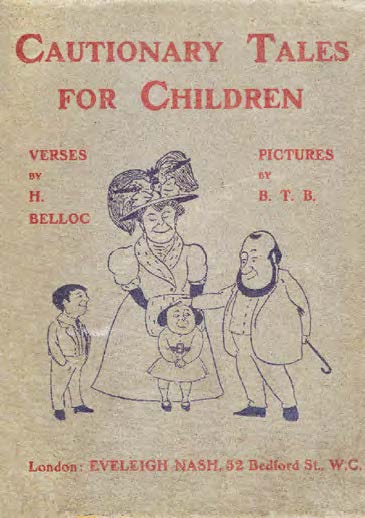
⚰️ 1917 – Death: BTB.
Lord Basil Temple Blackwood (1870–1917), a famous British Victorian/Edwardian graphic illustrator and caricature.
- Immortal visual masterpieces: Classic, timeless, dark, satirical children’s rhymes The first edition of “Children’s Warning Stories” complete illustrations(Cautionary Tales for Children(Written by Hilaire Belloc)
- Visual culture influence: Born in 1907, *Children’s Warning Stories* is listed in *1001 Children’s Books*. B.T. Blair pioneered the use of the crisp, dryly humorous, and skeletal British classical pen-and-ink etching technique to vividly depict children facing bizarre, cruel, and darkly humorous punishments for their bad habits such as lying and playing with fire. He completely subverted the flattering and falsely sweet didacticism of the Victorian era, using rational and robust black line drawing to uphold the visual charm of modern classical picture books.
| Passed away | BTB | Basil Temple Blackwood (Wikipedia) |