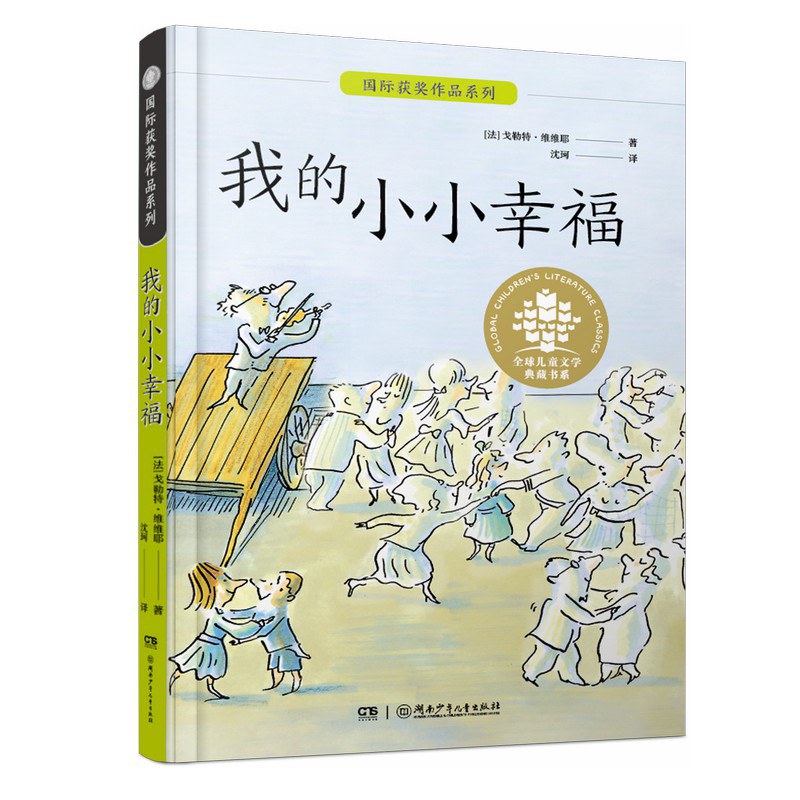
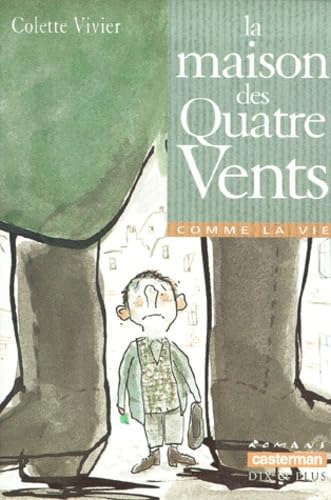
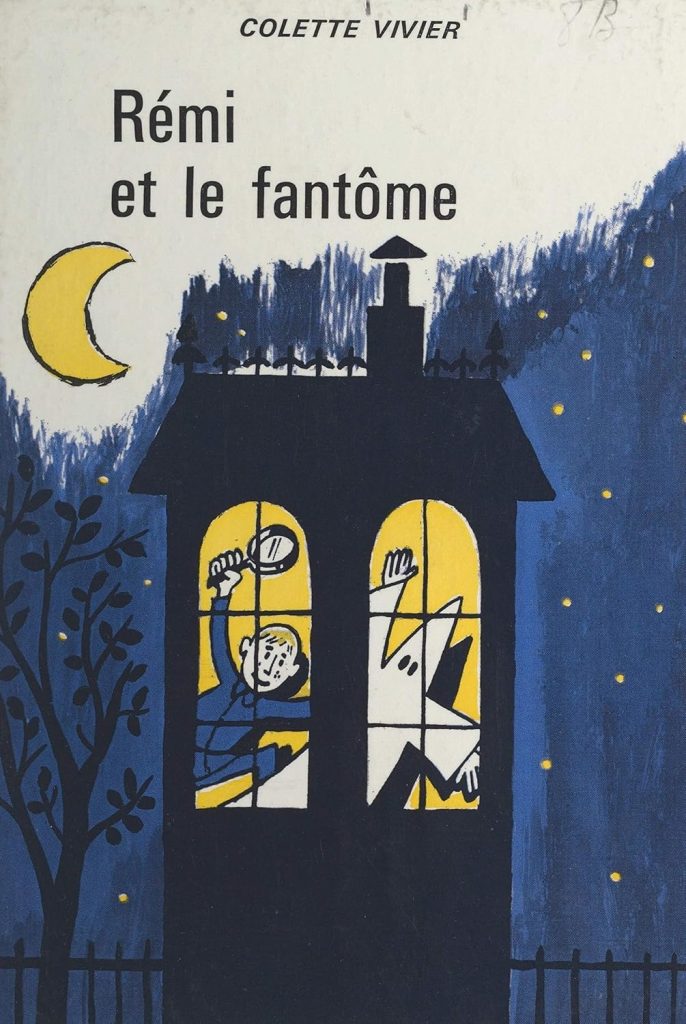
🎂 1898 – Born: Colette Vivier
An immortal French female children’s literature writer (1898–1979). She was a pioneering figure of the golden age of 20th-century English and French children’s social realism, dedicating her life to opposing false and saccharine lies, and advocating that literature must confront the daily tears and unyielding spirit of ordinary, working-class families.
- Highest Honor: He has twice received a Highly Commended Award for Writers at the Hans Christian Andersen Award (HCAA).(1972, 1974).
- Timeless masterpieces: My Little Happiness (La maison des petits bonheurs), The World War II anti-fascist realistic epic “The House of Four Winds” (La maison des quatre vents), and the humorous fantasy classic *Remy and the Ghost* (Rémi et le fantôme)。
- Literary status: Vivier’s writing is filled with an extremely warm psychological texture and life-related details. His masterpiece, “The House of the Four Winds,” with its extremely hard and cold realism, records the family cohesion and independent spirit of resistance shown by children from different social classes in an apartment building during the occupation of Paris in World War II, when they faced the separation of their lives, political betrayal, and life-and-death tests. It established the highest canon (paradigm) of modern European children’s realist novels.
| Birth | Colette Vivier | Colette Vivier (Wikipedia) |
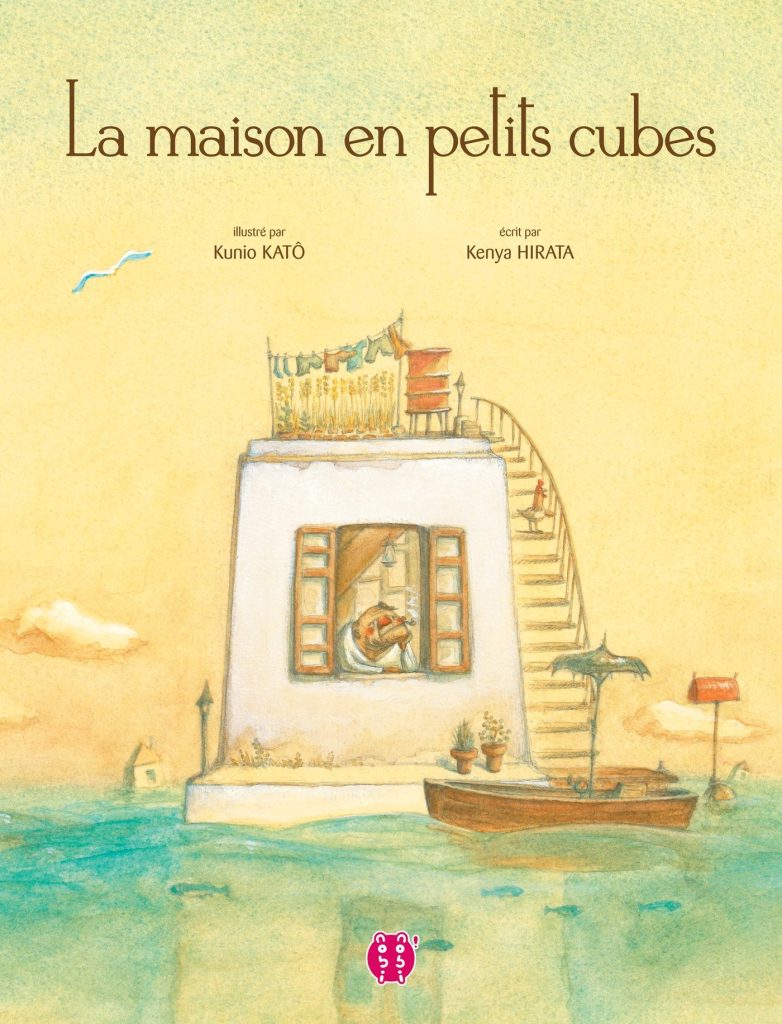
🎂 1972 — Born: Kenya Hirata
A renowned contemporary Japanese screenwriter and children’s literature author (1972). He is a highly respected narrative master of “poetics of time and deconstruction of memory” in the cross-disciplinary field of children and adults in East Asia in the 21st century, and has won the American Academy Award for Best Animated Short Film.
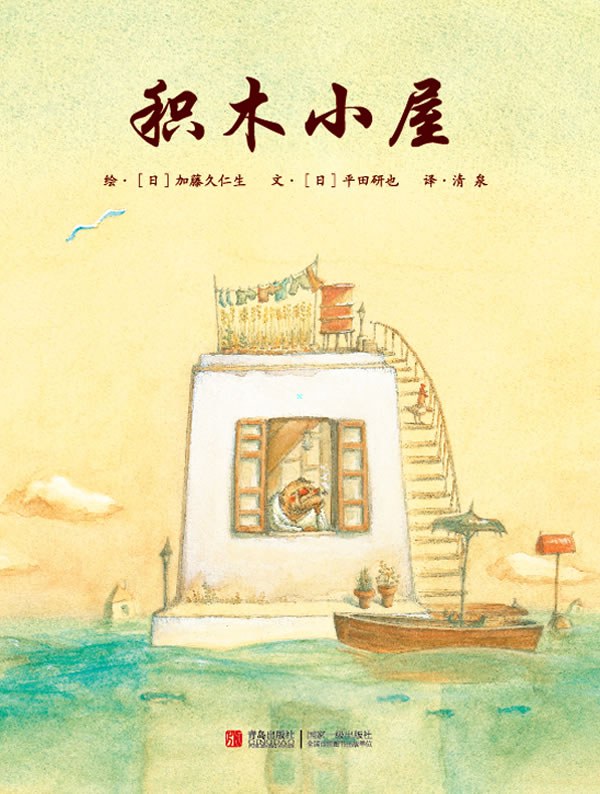
- A timeless masterpiece of healing: The House of Blocks (つみきのいえ French version La Maison en petits cubes)。
- Awards and Honors: With this masterpiece, a crossover collaboration with illustrator Kunio Kato, it stunningly topped the charts and won awards. 2013 Prix Sorcières, the highest prize for illustrated books in France.
- Literary qualities: In this masterpiece, Kenya Hirata uses extremely restrained prose, imbued with a tranquil, sunlit quality reminiscent of a mist, to tell the epic story of an old man in a world of global warming and rising sea levels, who, in order to preserve his memories, continuously builds new “block houses” on the rooftops of his old home. When the old man’s pipe falls into the deep sea, and he dons a diving suit to dive back layer by layer to those submerged past years, the author, with profound literary compassion, tells children: time may devour everything, but love and the dignity of living together endure.
| Birth | Kenya Hirata | Kenya Hirata (Wikidata) |
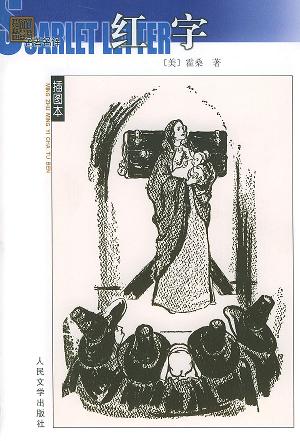
🎂 1804 – Born: Nathaniel Hawthorne
John Alfred I (1804–1864), an immortal giant of American Romantic literature in the 19th century and the founder of psychological novels. He is a towering figure in the history of literature, whose cold examination of complex human nature and noble moral reflections have had a profound historical enlightenment influence on the development of critical thinking in later generations of young people.
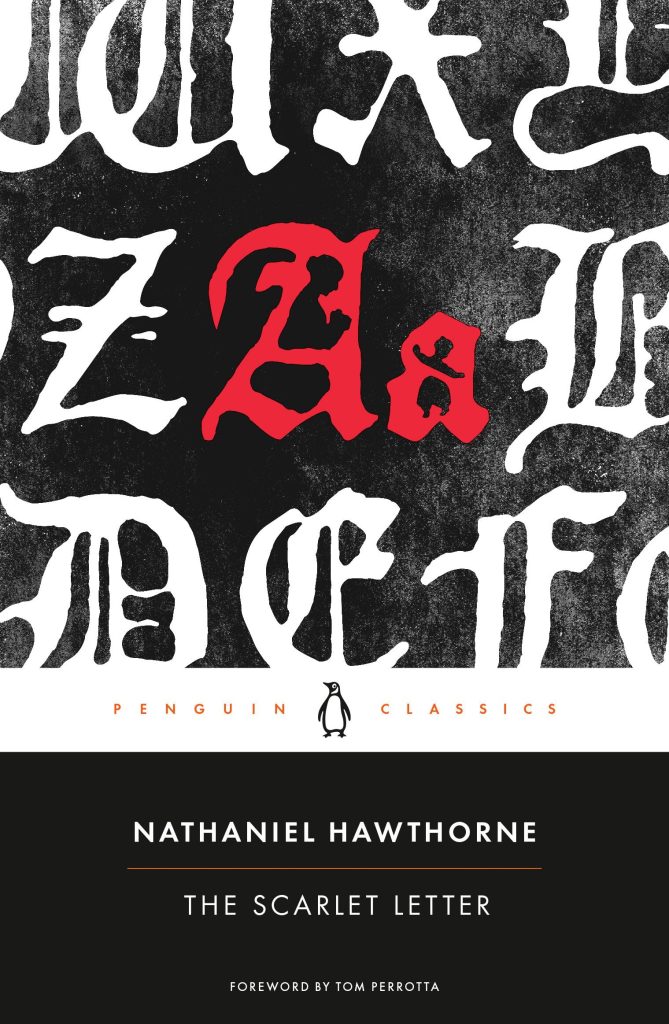
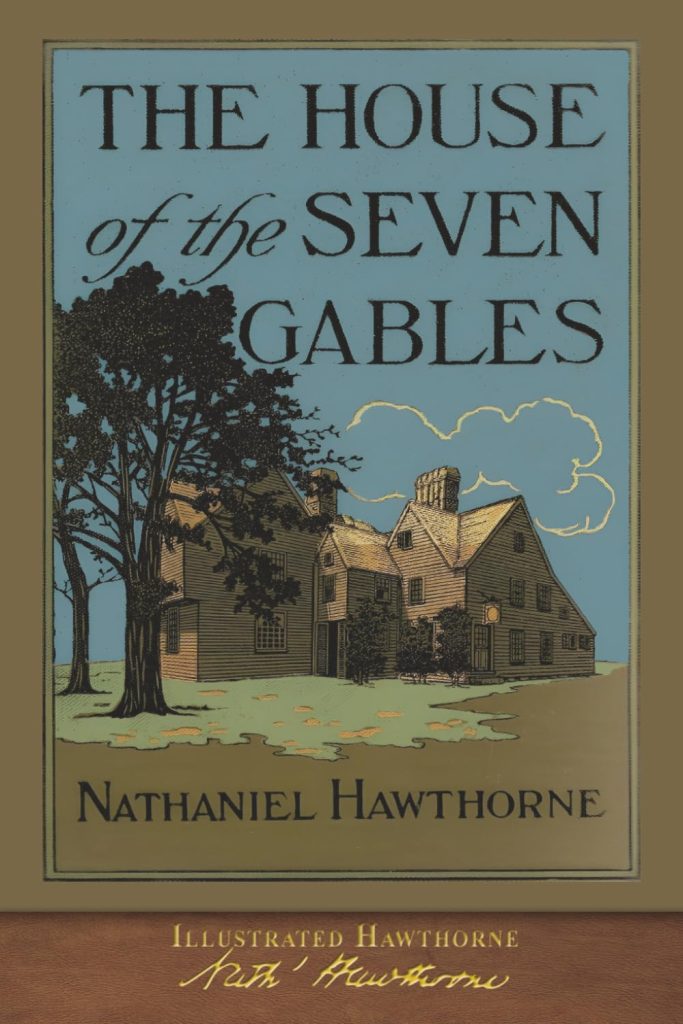
- A Monument to World Literature: Classics The Scarlet Letter (The Scarlet Letter) and The Seven-Cornered Building (The House of the Seven GablesIt is listed in “1001 Children’s Books” and has been regarded as a serious literary classic that secondary school students around the world must read for many years.
- The essence of children’s mythology: Hawthorne was one of the earliest Western literary masters to transform ancient, rigid Greek mythology into works that resonated deeply with children’s subjective psychological needs. He rewrote and wrote timeless classics specifically for children. The Book of Wonders (A Wonder-Book for Girls and Boys) and Tanngreen’s Tales (Tanglewood TalesIt abandoned the overly violent and rigid didacticism of mythology and used extreme romantic poetry to support the intellectual height of early children’s fantasy books.
| Birth | Nathaniel Hawthorne | Nathaniel Hawthorne (Wikipedia) |
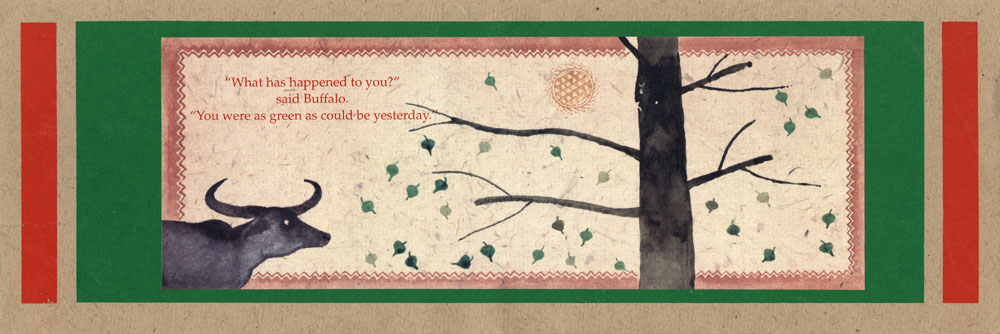
🎂 Born 1941: Pulake Biswas
An immortal national treasure of India, a master of modern picture book illustration (1941–2013). He was a leading pioneer in bringing children’s visual art from the entire South Asian subcontinent to the international stage in the mid-to-late 20th century.
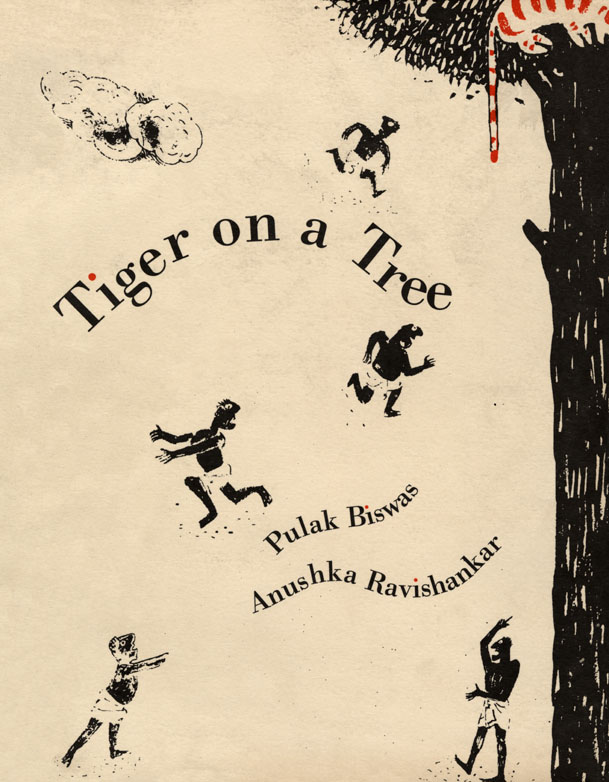
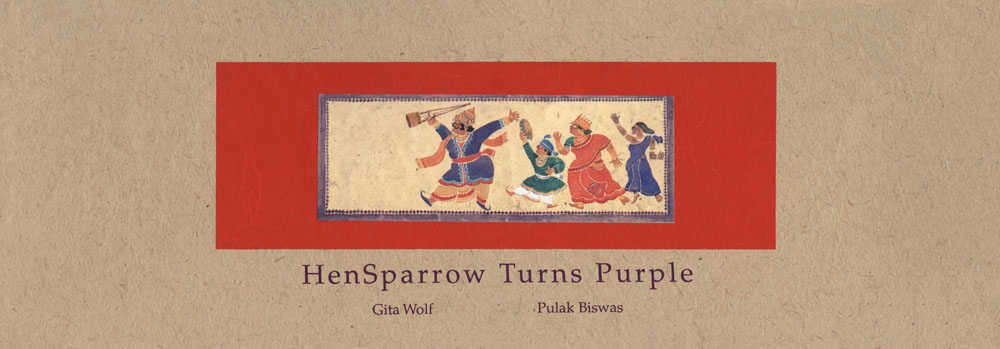
- International highest honor: With the classic Indian folk picture book “The Tiger in the Tree” and Hensparrow turns purple Achieved a decisive victory Plaque Award, 1999 Bratislava International Biennial of Illustrations (BIB).
- A timeless visual masterpiece: The Tiger in the Tree (Tiger on a tree(Author: Anushka Ravishankar) and classic freehand printing techniques Hensparrow turns purple.
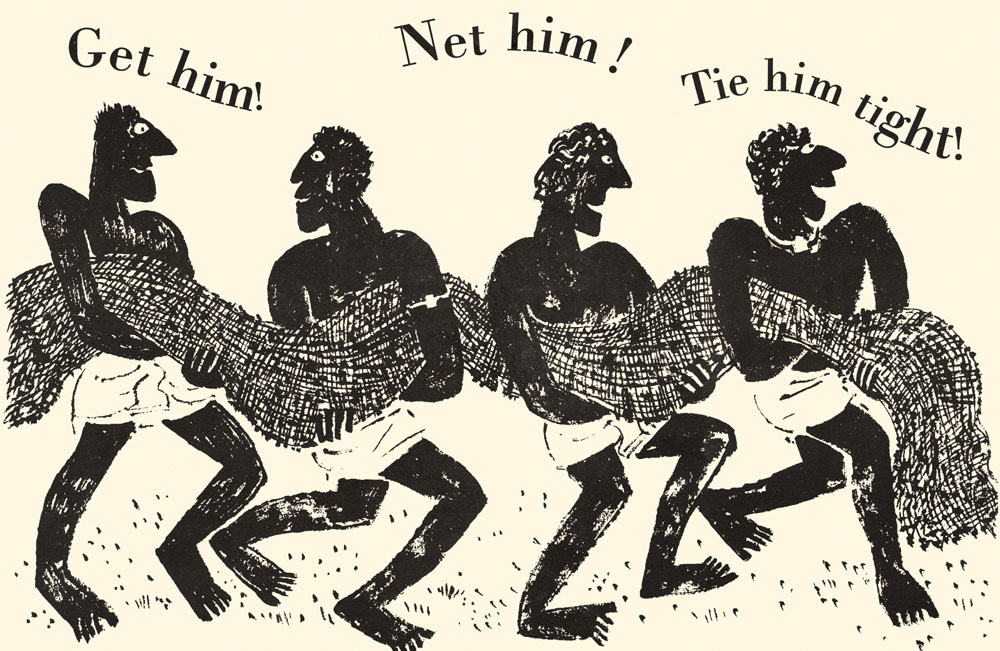
- Visual Aesthetics: Biswas completely overturned the mediocre coloring of traditional children’s books. He innovatively combined the freehand brushwork of traditional Eastern ink painting with extremely bold cross-hatching techniques, and highly modern black and white composition, bringing to life the wild dignity and grassroots humor of animals in the jungle. His paintings have noble compositions and orderly arrangement, elevating South Asian folk literature to the level of fine art and collectible art.
| Birth | Pulak Biswas | Pulak Biswas (Wikidata) |
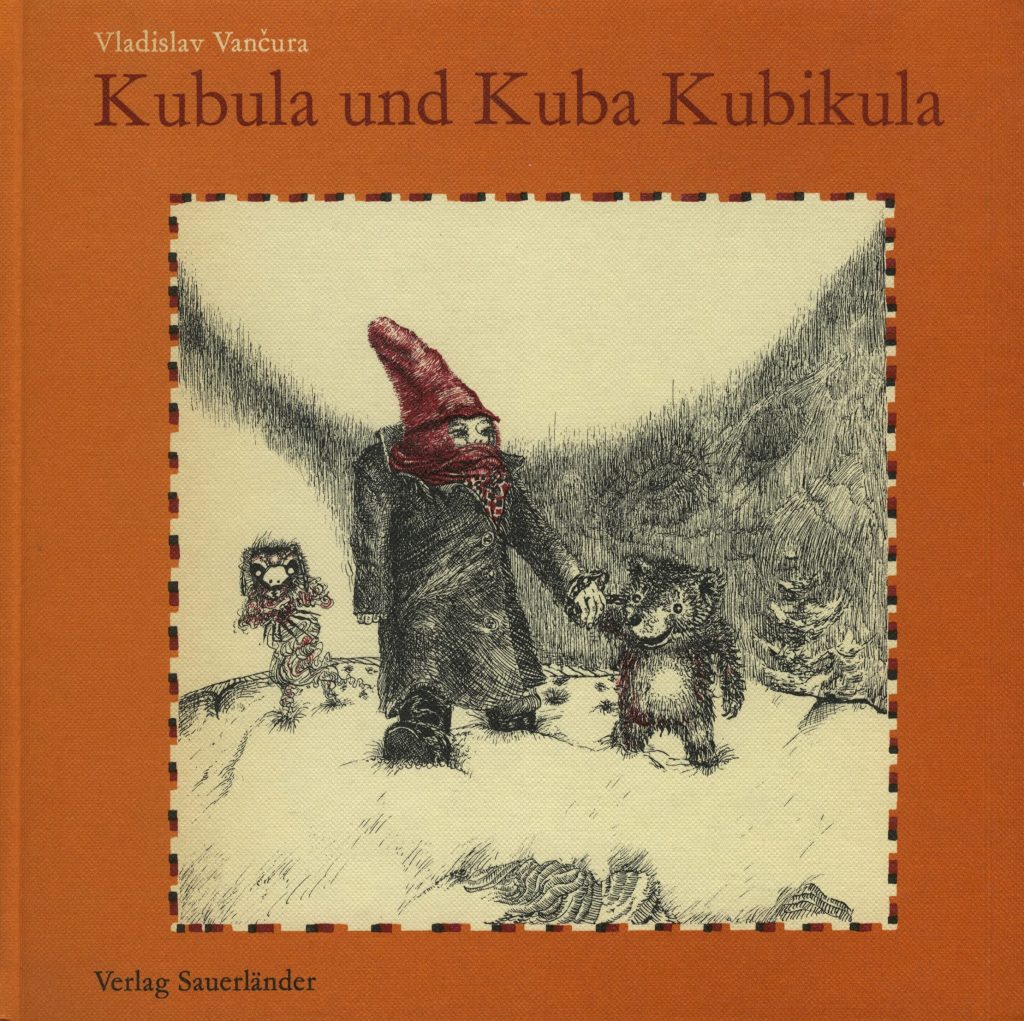
⚰️ 1967 – Death: Ondřej Sekora
Czechoslovakian graphic artist, illustrator, and journalist (1899–1967). He was a towering visual giant in the history of the 20th-century European “New Criticism and Absurd Folk Fantasy” movement.
- An immortal masterpiece: Complete set of first edition illustrations for “Kubala and Kuba Kubikula”(Kubula a Kuba Kubikula(Written by Vladislav Vangula).
- Historical impact: His award-winning masterpiece is included in “1001 Children’s Books.” Sklar is exceptionally skilled at using crisp, clean pen-and-ink line drawing techniques reminiscent of classical Eastern European hatching, combining Bohemian folk mythology of a little bear with a child’s independent and rebellious spirit. His lines are full of dry humor and a steely, skeletal tension, completely breaking away from the complex and rigid didactic style of previous children’s book illustrations, earning him a high reputation throughout the European publishing industry.
| Passed Away | Ondřej Sekora | Ondřej Sekora (Wikipedia) |
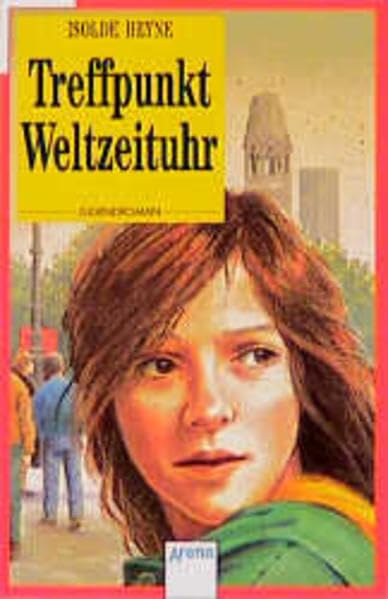
🎂 1931 – Born: Isolde Heyne
A renowned German realist novelist focusing on modern women’s children and teenagers (1931–2009).
- Supreme Award Honor: With its epic masterpiece that directly confronts the historical trauma of the Cold War and explores the awakening of hidden powers within a group of young people in a divided era, it successfully topped the list and won the award. 1985 German Youth Literature Prize (DJLP) Best Young Adult Novel Award.
- Award-winning representative works: The Crossroads of the World Clocks (Treffpunkt Weltzeituhr)。
- Literary status: Hai Nei has long been concerned about the generation gap and identity crisis among teenagers on both sides of the Berlin Wall. Her writing is powerful and full of the delicate texture of sociology. She uses the cold restraint of pure literature to deconstruct political prejudice and gives children who are searching for their cultural roots in adversity the most considerate psychological dignity.
| Birth | Isolde Heyne | Isolde Heyne (Wikidata) |
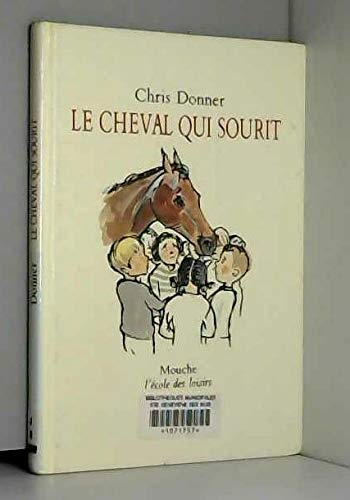
🎂 Born 1956: Christophe Donner
A prolific contemporary French children’s novelist, screenwriter, and senior current affairs commentator (1956).
- Supreme International Honors: With its landmark masterpiece, *The Smiling Horse*, which directly confronts children’s genuine emotional expression and blends French dark humor with profound psychological realism, it has won stunning acclaim. The 1993 Prix Sorcières, the highest prize for novels in France..
- Award-winning representative works: The Smiling Horse (Le Cheval qui sourit)。
| Birth | Christophe Donner | Christophe Donner (Wikipedia) |
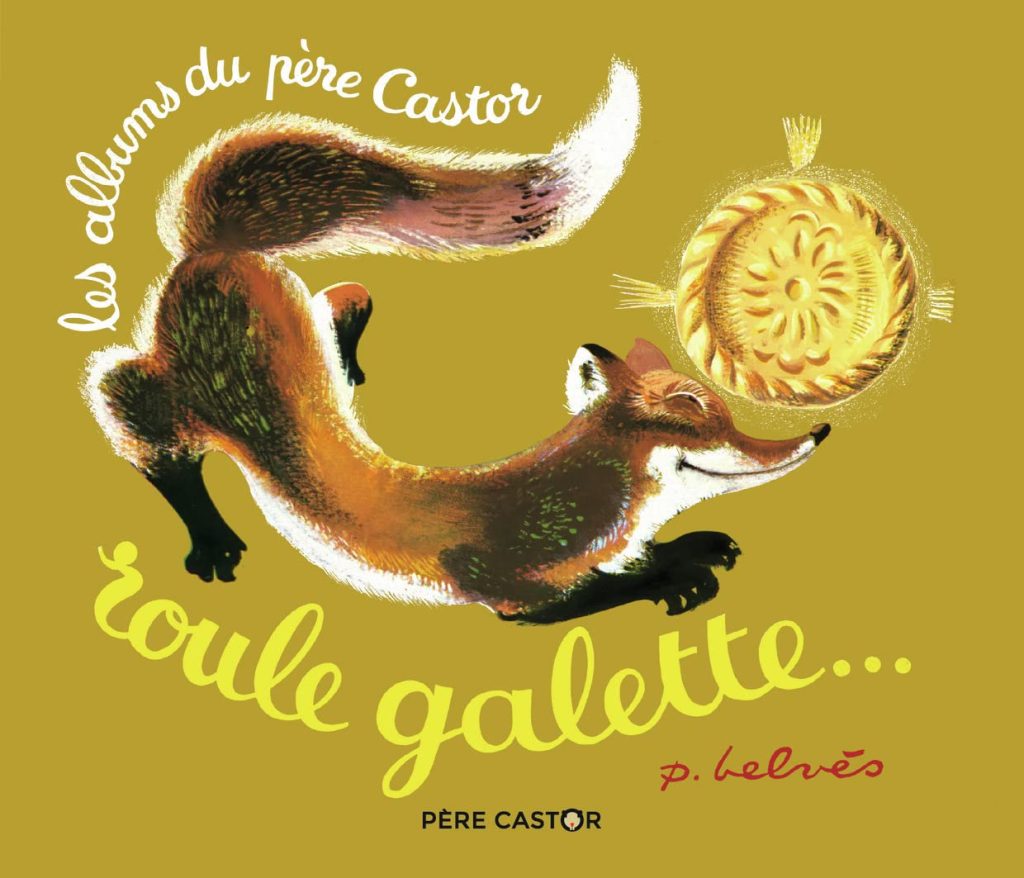

⚰️ 1994 – Death: Pierre Belvès
A prominent French 20th-century graphic illustrator, book designer, and pioneer of children’s art education (1910–1994).
- An Immortal and Everlasting Milestone: Classic French national picture book The Complete First Edition Illustrations of “The Pie Escapes”(Roule Galette…(By Natha Caputo)
- Visual culture influence: Born in the 1950s, “The Escape from the Pie” is listed in “1001 Children’s Books” and is an insurmountable bible for children in French-speaking regions around the world. Belves brought to life the image of the sweet pie that rolled out of the oven and ran away singing a lullaby with highly decorative retro silkscreen printing textures and crisp watercolor lines. His ultimate anti-utilitarian aesthetic has enlightened the senses of generations and has remained a perennial favorite in major libraries.
| Passed away | Pierre Belvès | Pierre Belvès (Wikipedia) |
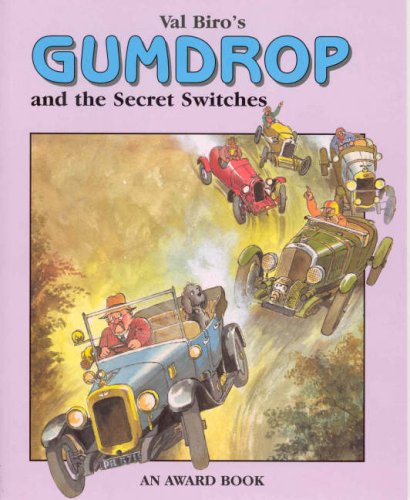
⚰️ 2014 – Passed away: Val Biro
A renowned British graphic artist, humorous and realistic picture book author for young children, and collector of car culture (1921–2014) of Hungarian descent.
- Immortal and timeless classics: The Adventures of the Classic Cars series(Gumdrop).
- Historical impact: His classic series is included in “1001 Children’s Books.” Throughout his life, Biro, with his signature, exquisitely gentle, classically English brushstrokes, tells the story of a real vintage car named “Gumdrop” and its hilarious encounters with modern British society. He seamlessly blends the rationality of mechanical construction with the pure, orderly family life, completely transcending the mediocrity of early non-fiction literacy books and becoming the eternal Canon in the hearts of car enthusiasts worldwide.
| Deceased | Val Biro | Val Biro (Wikipedia) |