
🎂 1941 – Born: Angelika Kutsch
A renowned German children’s literature author and master translator of Nordic literature (1941). She was a key bridge between contemporary German children’s literature and Nordic literature, and translated the works of many Nordic giants such as Astrid Lindgren and Münster Hellström into the German-speaking world. She was also known for her sharp, frank, and socially conscious realistic writing for young readers.
- Top Award and Representative Works:
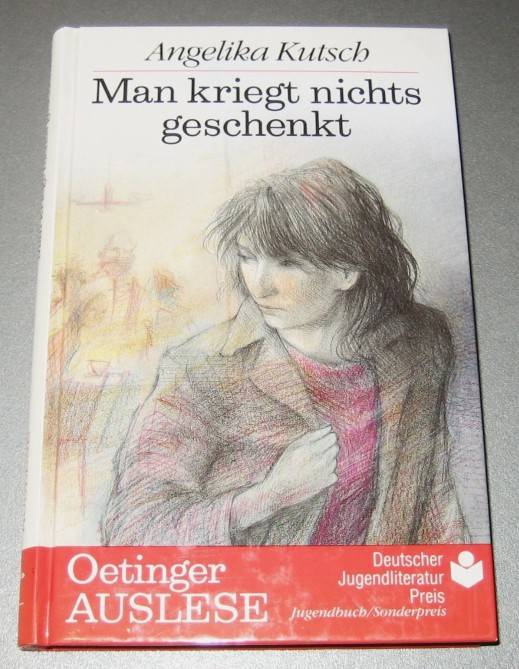
- There’s no such thing as a free lunch. (Man kriegt nichts geschenkt(1973) — Awarded 1975 German Youth Literature Prize (DJLP) “Special Prize for the International Year of Women” (Sonderpreis zum Internationalen Jahr der Frau)A classic social realist novel that directly confronts the growing pains of a working-class girl in postwar West Germany’s industrial region. The novel tells the story of a young girl who, under harsh economic realities and heavy family burdens, refuses to compromise with her predetermined fate and fights for autonomy through self-employment and spiritual awakening, showcasing the early influence of feminism in children’s literature.
- At In 2014, he received the Special Lifetime Achievement Award from the German Youth Literature Prize (DJLP).In recognition of his outstanding contributions to children’s translation and literary creation over the decades.
| Birth | Angelika Kutsch | Angelika Kutsch (Wikidata) |
🎂 Born 1972: Chiara Mezzalama
A renowned contemporary Italian writer, translator, and scholar of psychological literature (1972). Born in Rome, she spent her childhood with her diplomat father, stationed in Iran and Morocco. Her illustrated books are characterized by their delicate and elegant style. She excels at capturing glimmers of humanity that transcend hostility and barriers against the backdrop of grand historical events marked by political turmoil and the shadow of war, using a pure and restrained child’s perspective.
- Top Award and Representative Works:
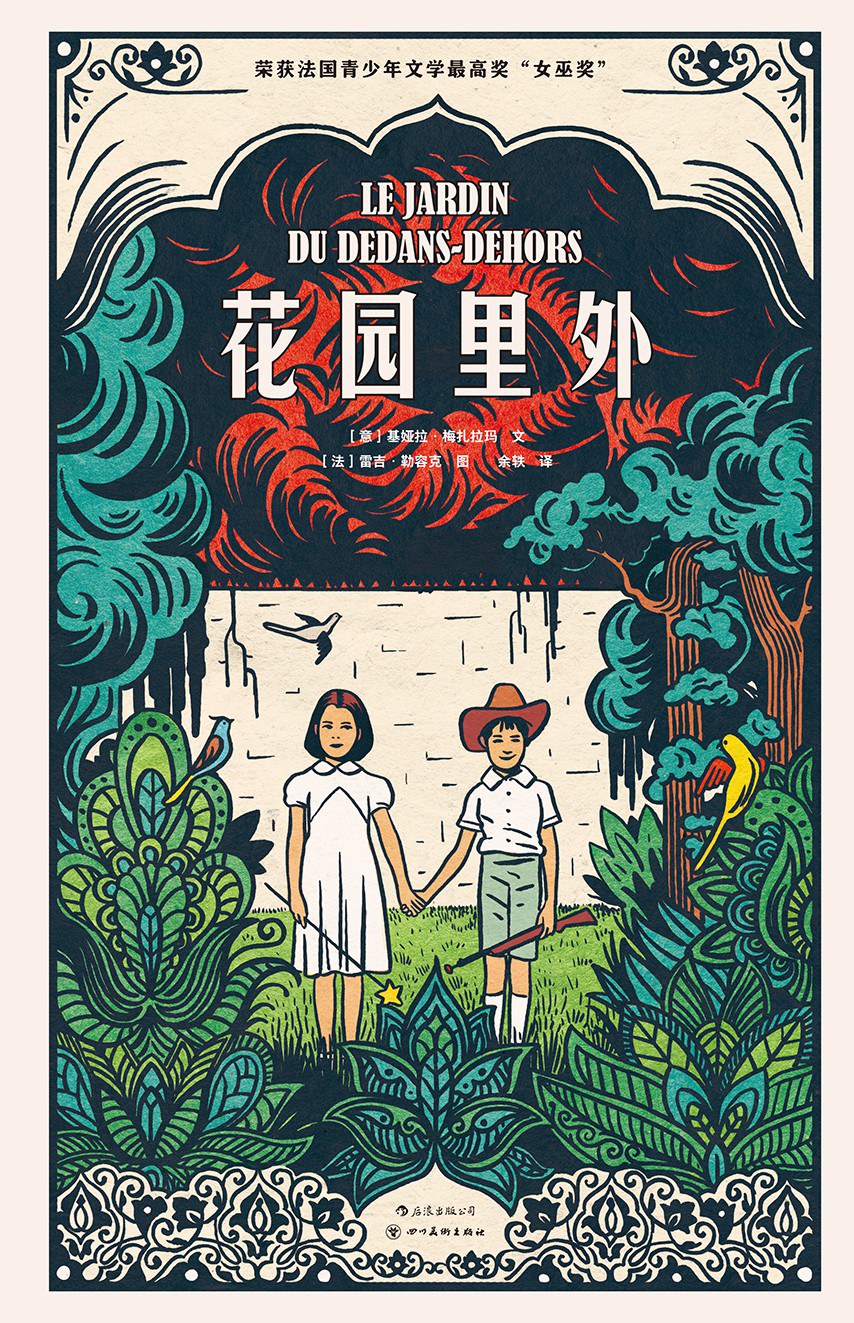
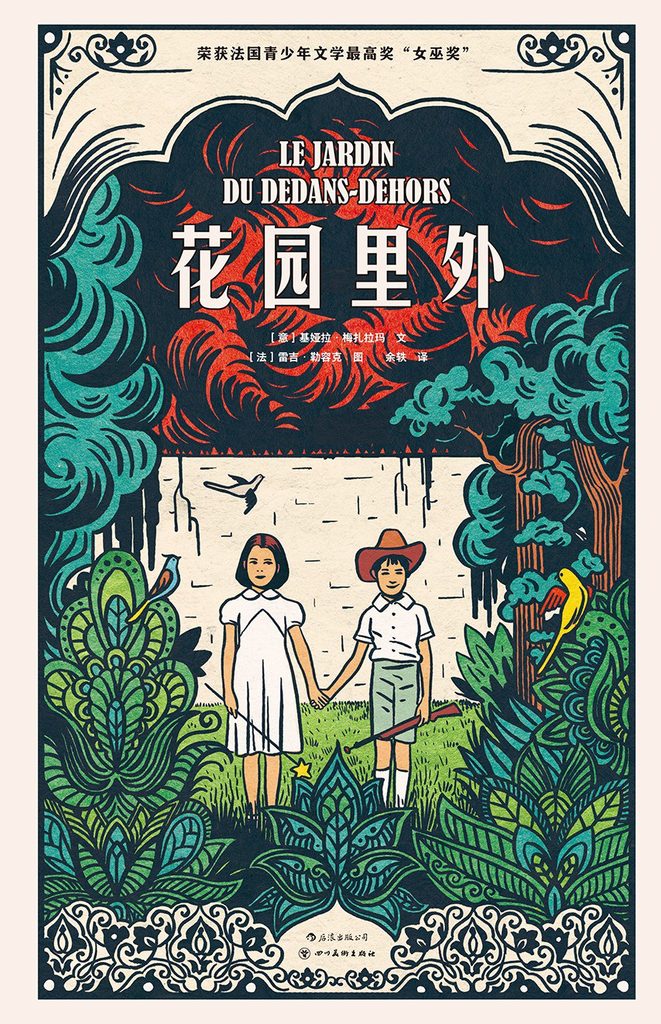
- Inside and outside the garden (Le Jardin du dedans-dehors(Illustration by Régis Lejonc, 2017) — Awarded 2018 Prix Sorcières (French Sorceress Prize) Grand Vision Book Award (Carrément Beau – Univers Maxi)The book, which won the Saint-Exupéry Book Prize, is based on the author’s real childhood experiences in Tehran in 1979. At that time, Iran was engulfed in revolution and war, and the large garden of the Italian embassy became the “inside” (safe, fragrant, a fairytale-like haven), while outside the walls was the “outside” (gunfire, black smoke, and a turbulent city). One day, an Iranian boy from outside the wall climbed over and entered the garden. Fear ultimately transformed into pure friendship, and the two children, transcending language and political barriers, smiled at each other. Reggie Le Junker, with elegant lines and paneling reminiscent of Persian miniature paintings, profoundly interprets the true meaning of peace.
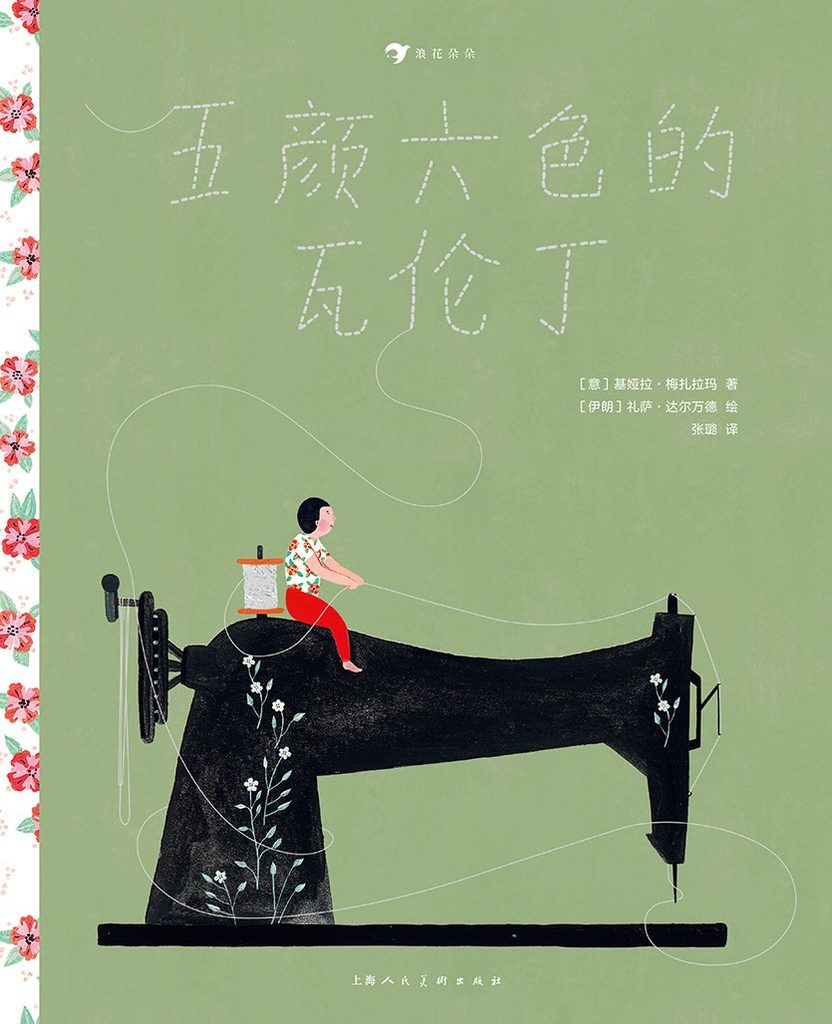
- His representative works also include the philosophical picture book *Valentine in Colors*, a collaboration with Iranian illustrator Reza Darvand that explores themes of embracing individuality and opposing prejudice.Valentin de toutes les couleurs).
| Birth | Chiara Mezzalama | Chiara Mezzalama (Wikipedia) |
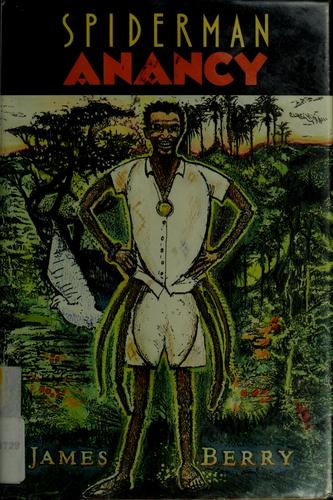
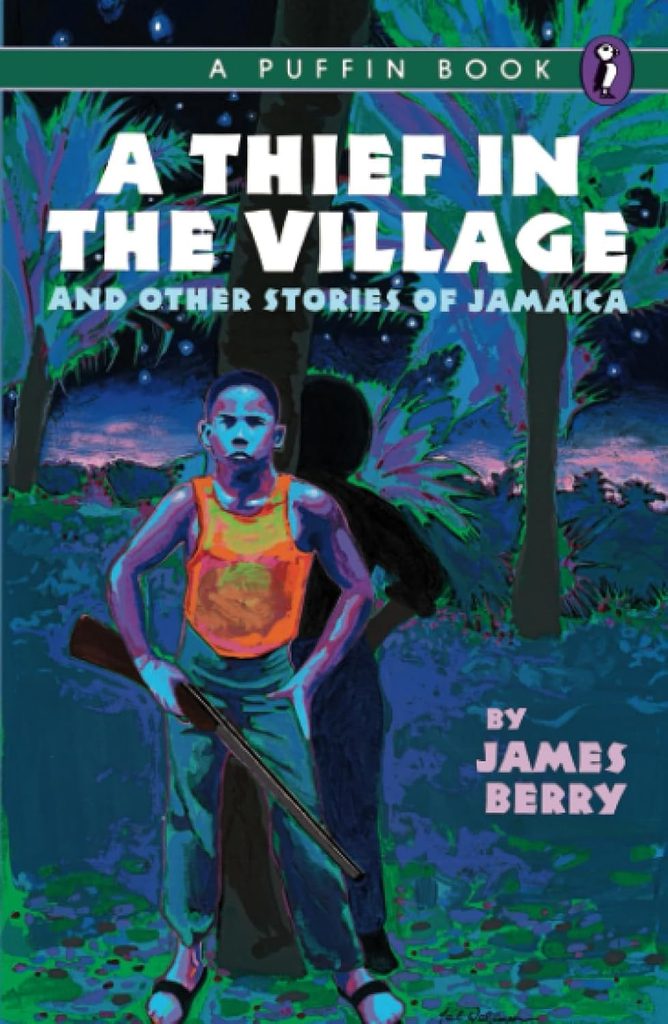
🎂 1924 – Born: James Berry
Jamaican-British poet and children’s author (1924–2017). He was one of the core literary advocates of the “Windrush generation” of Caribbean immigrants, and dedicated his life to collecting African oral literature and promoting interracial cultural equality. He was awarded the Order of the British Empire (OBE) and the Costa Book Awards.
- Representative works and content passed down through generations:
- Anansey the Spider-Man (Anancy Spiderman(1988) — Selected for “1001 Children’s Books”. Berry systematically reimagined the Anansi, the magical half-man, half-spider totem from traditional Black mythology, using language rich in Caribbean Creole rhythms and the earthy cadence of West African folklore. In the long history of the slave trade and colonial suffering, the Anansi’s resilience, cunning, and survival skills in the face of adversity have become a spiritual totem of resistance against tyranny and hardship in Black culture.
- The Village Thief (A Thief in the Village(1987) — Winner of the British Smarties Book Prize: A collection of realistic short stories set in rural Jamaica, vividly depicting the joys and sorrows of life for a boy in the sunshine, banana groves and plantation.
| Birth | James Berry | James Berry (Wikipedia) |

🎂 1856 – Born: Kate Douglas Wiggin
Froebel (1856–1923), a renowned 19th-century American children’s author and pioneer of early childhood education, was the founder of the first free kindergarten on the West Coast of the United States (Silver Street Kindergarten in San Francisco). She dedicated her life to practicing Froebel’s educational philosophy, and her writing style is lively, humorous, and imbued with a positive and optimistic spirit, as well as respect for children’s independent personalities.
- Representative works and content passed down through generations:
- Rebecca of Sunbrook Farm (Rebecca of Sunnybrook Farm(1903) — Selected for “1001 Children’s Books,” a milestone in American children’s coming-of-age novels: a timeless classic of a sunny girl, on par with “Anne of Green Gables.” Rebecca, a bright, lively, imaginative, yet somewhat impulsive ten-year-old girl, is sent to live with her two strict and conservative unmarried aunts in a red-brick house due to her large family and financial difficulties. Rebecca breaks the stereotyped dullness of the small town with her warm and innocent heart and vibrant energy, warming everyone around her, and ultimately transforming into a strong, independent, and responsible young woman.
| Birth | Kate Douglas Wiggin | Kate Douglas Wiggin (Wikipedia) |

⚰️ 1936 – Death: Elizabeth Cleveland Miller
A prominent American female cross-cultural historical realist novelist and Red Cross humanitarian relief worker in the early 20th century (1889–1936). After World War I, she traveled with relief organizations deep into the remote mountainous regions of the Balkans, meticulously documenting the ancient tribal life of Albanian indigenous peoples through rigorous anthropological fieldwork.
- Top Award and Representative Works:
- Prannland, Albania (Pran of Albania(Illustration by Maud and Miska Petersham, 1929) — Awarded Newbery Honor, 1930The story takes place in the war-torn northern Balkan mountains at the beginning of the 20th century. Fourteen-year-old Pran, a tribal girl, displays astonishing mountain pride and courage in the face of tribal feuds, the shadow of war, and the ancient, harsh custom of arranged marriage. To stop her family’s endless blood feud, she bravely makes a vow and even crosses the front lines of war to deliver a ceasefire signal, ultimately winning love and the respect of her tribe through peace and independence. The book vividly recreates traditional Balkan tribal clothing, ancient customs, and the indomitable spirit of mountain women.
| Deceased | Elizabeth Cleveland Miller | Elizabeth Cleveland Miller (Wikipedia) |