⚰️ 1933 — Died: Kenji Miyazawa (Miyazawa Kenji)
A renowned Japanese poet, children’s author, and agricultural geologist (1896–1933), he lived his entire life in Iwate Prefecture, leading a simple and ascetic life, and dedicated himself to guiding farmers in scientific soil improvement. His self-published poetry collection *Spring and Shura* and children’s collection *The Restaurant That Asks Too Much* remained largely unknown until after his death. His grand and ethereal animistic beliefs, Buddhist compassion, deep affection for impoverished farmers, and poetic vision of the ideal world of “Ihatov” resonated throughout the literary world, earning him the title of an immortal national master in Japanese literary history.
- An enduring monument to fairy tales:
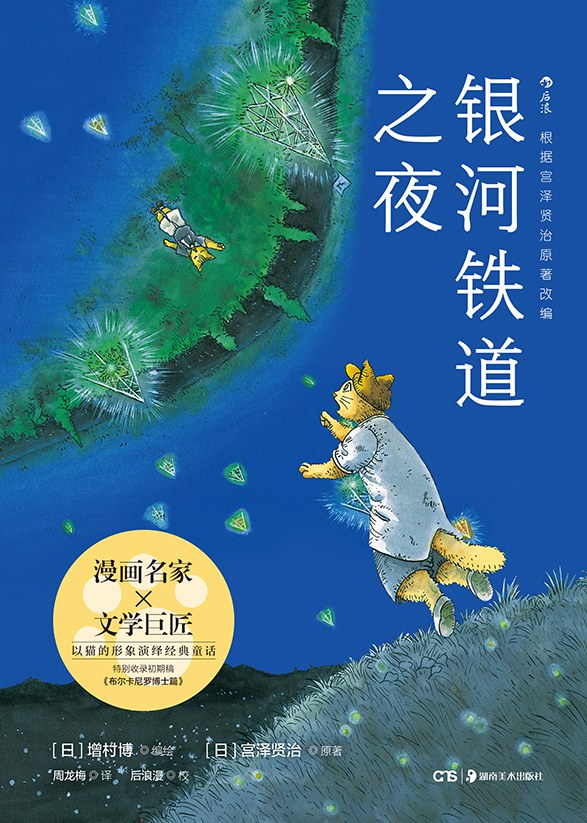
- Night on the Galactic Railroad (Night on the Milky Way Railway(Published in 1934 after the completion of the manuscript) — A masterpiece of world fairy tales and fantasy literature. On the night of the Galactic Festival, a poor and lonely boy named Giovanni gazes at the starry sky on a grassy hillside and suddenly boards a semi-transparent steam train traveling among the stars of the Milky Way. He sits side by side with his best friend, Campenella, as they wander along the route to Cygnus Station, the White Sand River where prehistoric fossils are unearthed, the Bird Catcher, and the Southern Cross Chapel. Ultimately, Giovanni discovers that this galactic train is actually carrying the souls of the deceased to heaven, and Campenella drowns while trying to save a classmate who has fallen into the water. The work profoundly explores true happiness, the cycle of life and death, and cosmic love through self-sacrifice.
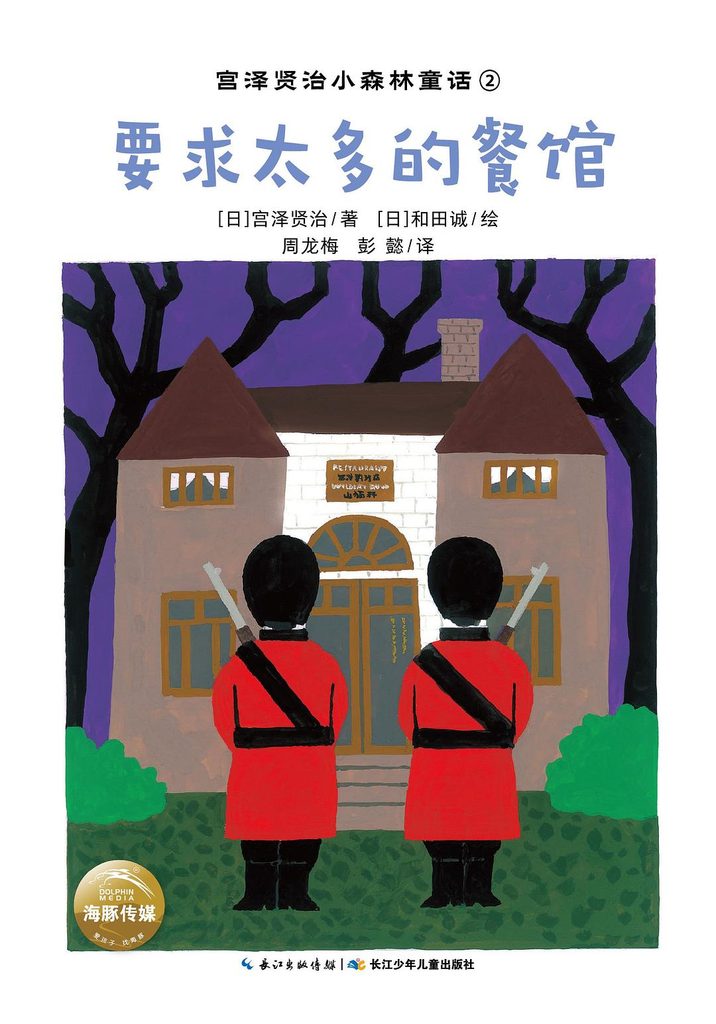
- The Restaurant That Makes Too Many Demands (Zhuwen’s multi-cuisine restaurant(1924) — Two self-important gentlemen with hunting dogs get lost in the mountains and stumble upon a fancy restaurant called Lynx House. Pushing open door after door, they are met with strange requests on the signs: washing their hands, polishing their shoes, rubbing salt on their bodies. The two realize with horror that they are not “customers,” but “dishes” about to be served. The story satirizes the arrogance of urban dwellers towards nature with a brilliant twist.
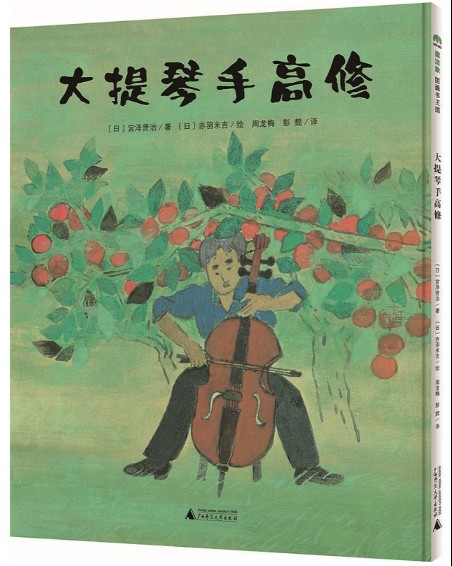
- His representative works also include “Gauche the Cellist” (セロ弾きのゴーシュ), “Fazemata Saburo” (Kaze Matasaburo), Fairy Tale Poem “Undeterred by Wind and Rain“rain ニモマケズ).
| Passed Away | Kenji Miyazawa | Kenji Miyazawa (Wikipedia) |


🎂 1908 — Born: Taro Yashima (formerly known as Jun Atsushi Iwamatsu)
A renowned Japanese-American children’s picture book author, illustrator, and anti-war/anti-fascist artist (1908–1994). Before World War II, he was imprisoned multiple times for opposing Japanese militarism, later fleeing to the United States and joining the anti-fascist camp. After the war, he vividly depicted the Japanese countryside, childhood innocence, and profound concern for marginalized children using warm and gentle pastels, oil pastels, and watercolor techniques.
- Three-time Caldecott Honor winner:
- Taro the Crow (Crow Boy(1955) — Awarded 1956 Caldecott HonorSelected for “1001 Children’s Books”: The story takes place in a remote mountain village in Japan. “Koko,” an introverted boy who always hides in a corner, has been ridiculed and ostracized by his classmates for years. Until sixth grade, when a teacher named Isobe, who is adept at discovering children’s strengths, arrives. The teacher notices that Koko walks barefoot along a long mountain path to school every day and can perfectly imitate the crows’ calls at dawn, dusk, and in times of danger and joy. At a talent show, Koko’s crow-like calls amaze everyone. His classmates feel deeply ashamed of their past mockery and affectionately call him “Crow Taro.” The entire book showcases the unique value of every life with profound empathy.
- “Umbrella” (Umbrella(1958) — Awarded 1959 Caldecott HonorThree-year-old Tao Tao received a small red umbrella and a pair of red rain boots on the eve of her birthday. She hoped it would rain and asked her mother every day, “Will it rain today?” Finally, one day, the raindrops fell on the umbrella, making a “ding-dong” sound. Tao Tao, like a big girl, stood up straight and walked independently on the sidewalk with the umbrella, delicately showing the beautiful moment of a young child taking a step towards independence.
- Seaside Story (Seashore Story(1967) — Awarded 1968 Caldecott HonorA beautifully illustrated picture book that blends the folk tales of Urashima Taro with the modern imagination of a seaside child.
| Birth | Taro Yashima | Taro Yashima (Wikipedia) |
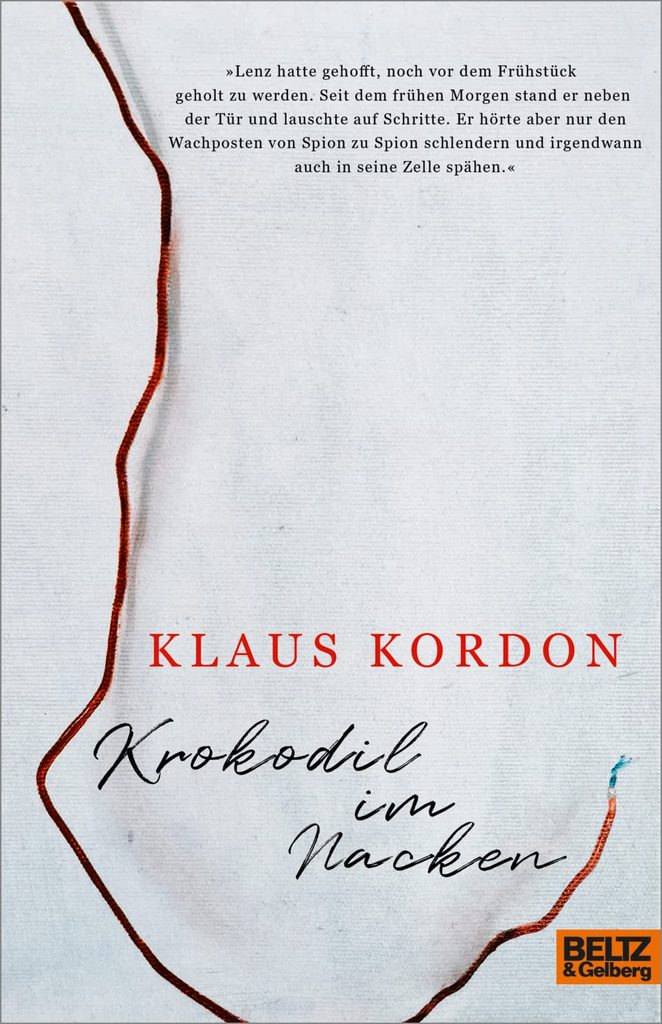
🎂 1943 – Born: Klaus Kordon
A renowned German author of children’s and young adult literature and historical novel (1943). Born in Berlin, he was imprisoned in his early years for attempting to escape East Germany, and personally experienced the rift between East and West Berlin during the Cold War. His works are rooted in the complex modern history of 20th-century Germany, characterized by highly realistic and meticulous historical details, the perspective of the daily lives of working-class people, and the survival choices of ordinary young people.
- Top Award and Representative Works:
- At In 2016, he received the Special Prize for Lifetime Achievement of the German Youth Literature Prize (DJLP)..
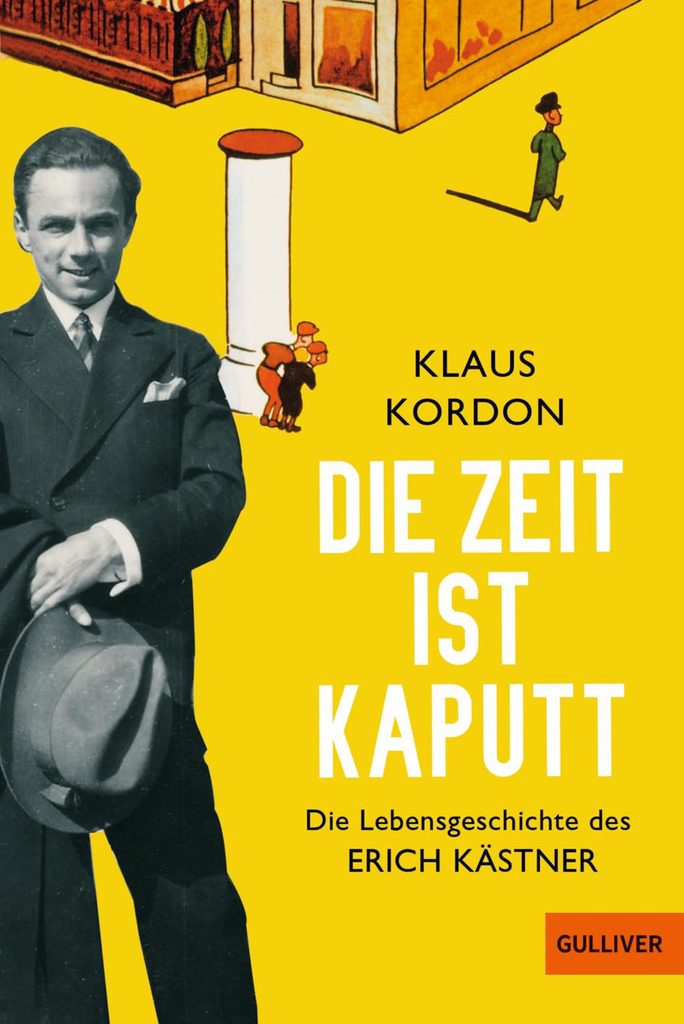
- Broken Time (Die Zeit ist kaputt: Die Lebensgeschichte des Erich Kästner(1994) — Award 1995 German Youth Literature Prize (Nonfiction Book Award)This is a biography of the famous children’s author Erich Kestner, which profoundly portrays Kestner’s tragic years of upholding his conscience during the Nazi book burnings and war.
- Crocodile on the Neck (Krokodil im Nacken(2002) — Awarded 2003 German Youth Literature Prize, Jury Grand PrizeThis is an autobiographical novel that truthfully records the protagonist’s brutal survival experience in the East German secret police prison of Hohenhausen, where he was imprisoned in solitary confinement and endured extreme mental oppression while maintaining his freedom of mind.
- His representative works also include the “Tripke Trilogy,” which chronicles the fate of ordinary people during the modern German revolution and World War II.Trilogie der Wendepunkte).
| Birth | Klaus Kordon | Klaus Kordon (Wikidata) |
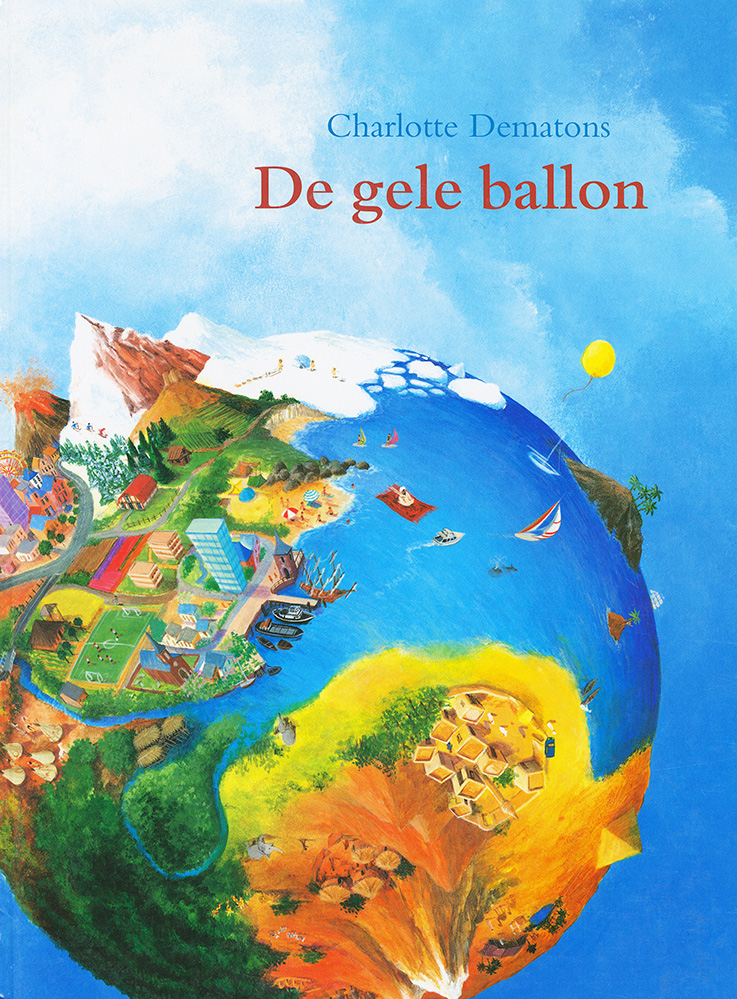
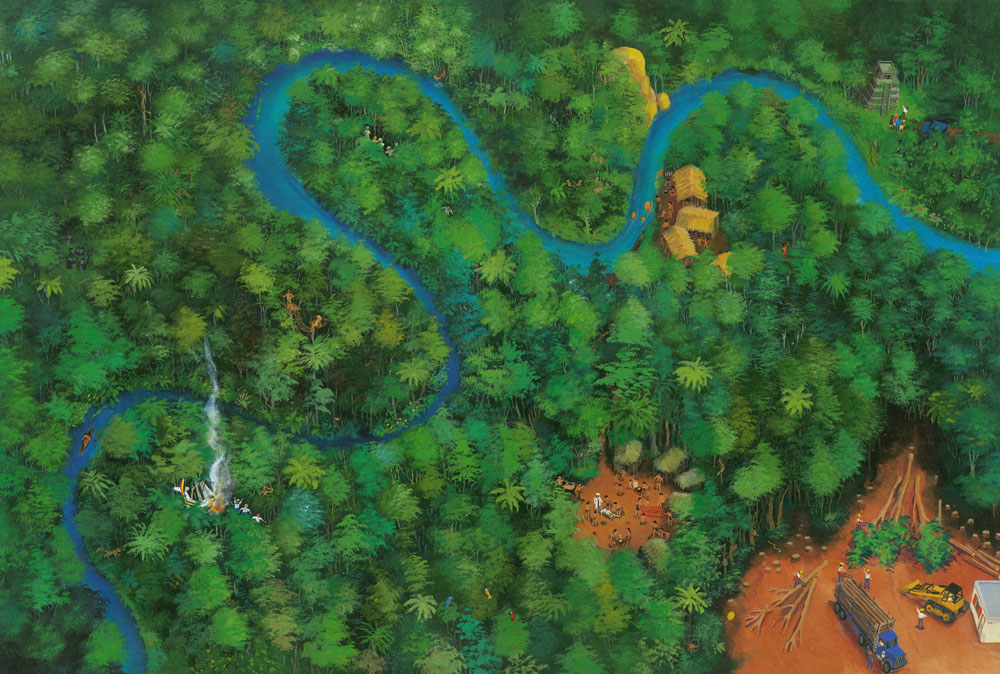
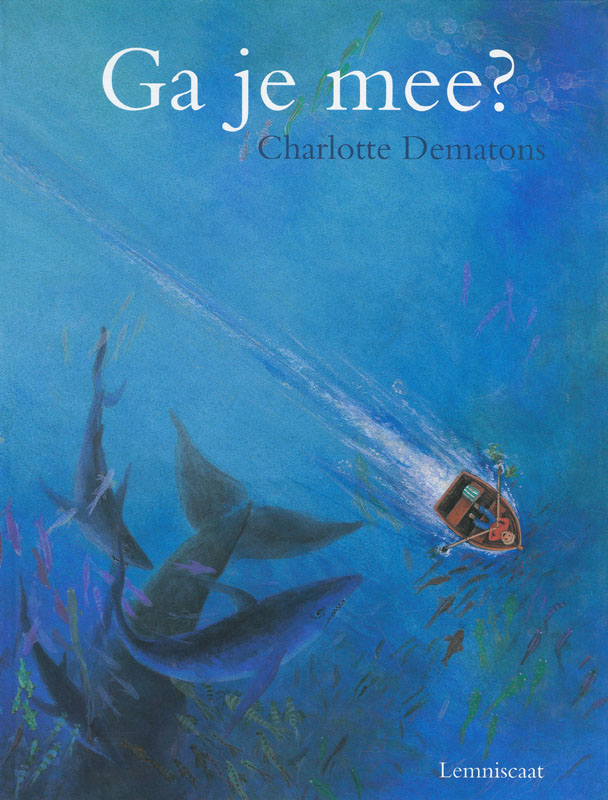
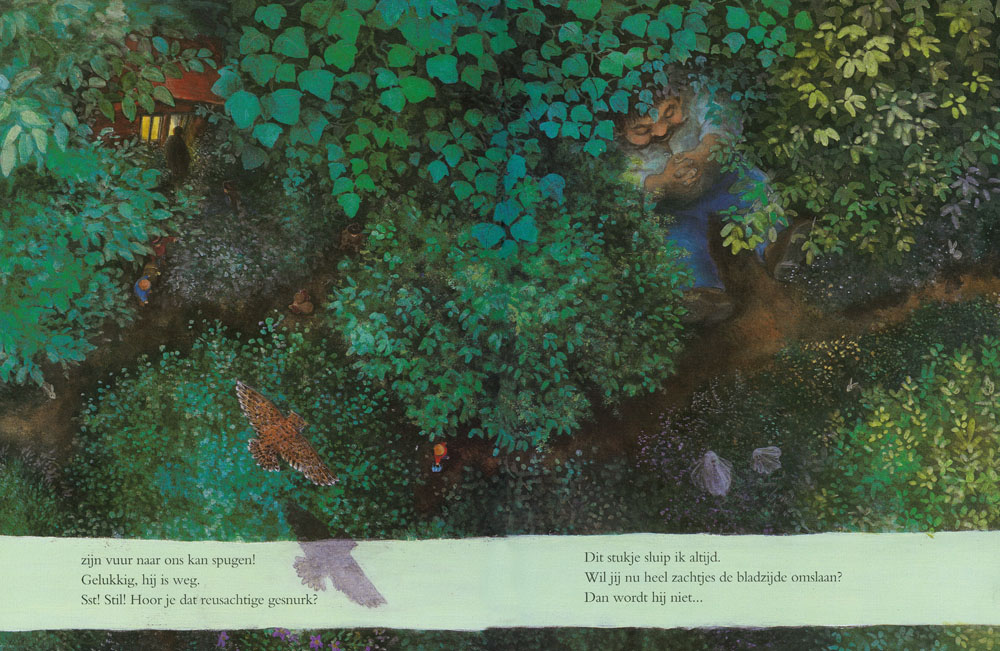
🎂 1957 – Born: Charlotte Dematons
A renowned French-Dutch children’s picture book author and illustrator (1957). She is hailed as a “master of contemporary panoramic wordless picture books,” and is skilled at using extremely intricate and delicate realistic gouache to hide rich literary Easter eggs, historical stories, and folk tales in a vast amount of miniature details. Her works combine high visual recognizability with a highly playful and exploratory nature.
- International Awards and Representative Works:
- Twice awarded the Children’s Jury Award at the Bratislava International Biennial of Illustrations (BIB): They both won awards in 2001 with “Come With Me?“Ga je mee?) and in 2005 with “The Yellow Balloon” (De gele ballonHe won the grand prize twice.
- Yellow Balloon (De gele ballon(2003) — A wordless visual panorama classic: A small yellow balloon serves as a visual cue, drifting across bustling modern cities, the African savanna, primeval forests, carnival markets, desert caravans, and even Antarctic glaciers. Each double-page spread contains hundreds of ongoing mini-stories and quests, immersing readers in the vast and diverse world with each reread.
- His representative works also include the Dutch national-level panoramic painting “Netherlands” (Nederland), the mythological fantasy classic *Grimbull the Witch* (Grimm).
| Birth | Charlotte Dematons | Charlotte Dematons (Wikipedia) |
🍃 [other]
| event | figure | Details/Awards | Wikipedia/Data Links |
|---|---|---|---|
| born | Alexander Key | A renowned American science fiction and children’s adventure novelist and illustrator (1904–1979). His representative work is *Escape to Wushan*.Escape to Witch Mountain(1968) tells the story of alien twins with superpowers such as mind reading and telekinesis who are stranded on Earth and, with the help of kind civilians, evade the pursuit of a greedy tyrant and search for their people. It is a classic children’s science fiction film that has been adapted into a classic movie by Disney many times. | Alexander Key |
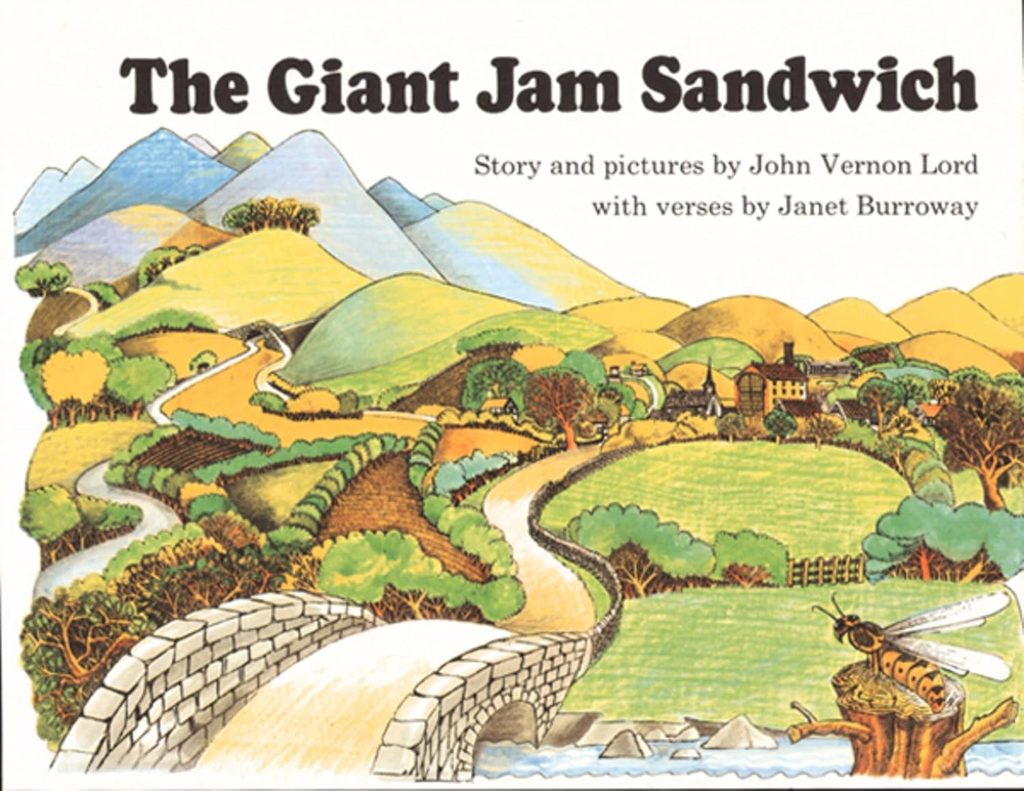
| born | Janet Burroway | A renowned American novelist, playwright, and master of creative writing theory (1936). His classic rhyming children’s picture book, *The Giant Jam Sandwich* (…).The Giant Jam Sandwich(1972, illustrated by John Vernon Lord) tells the hilarious story of a town attacked by four million wasps, and how the entire town worked together to bake a giant loaf of bread the size of a tennis court, spread strawberry jam on it, and make a sandwich trap to kill the wasps. It was included in “1001 Children’s Books”. | Janet Burroway |
| born | Gloria Cecilia Díaz | A renowned Colombian children’s author and Doctor of Literature from the Sorbonne University in Paris (1951). His representative work is *Valley of Fireflies*.El valle de los Cocuyos(1986) tells the story of a little boy’s fantastical journey in search of the origin of life, accompanied by forest spirits and glowing insects, and was selected for “1001 Children’s Books”. | Gloria Cecilia Díaz |
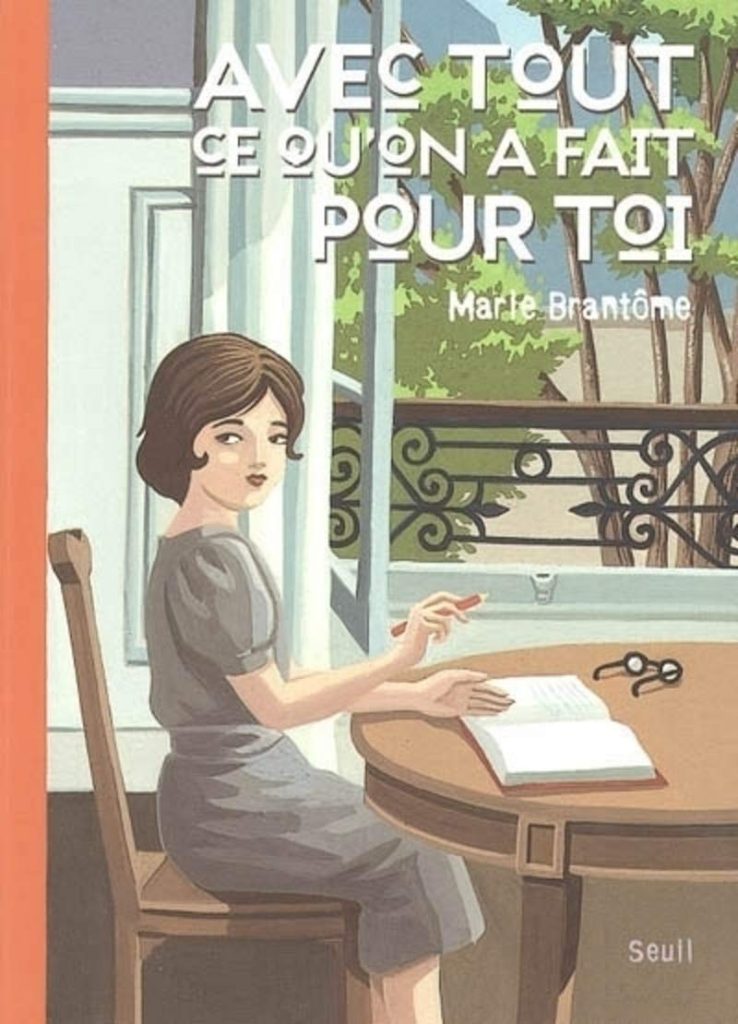
| born | Marie Brantôme | A renowned French realist novelist for children (1940–2018). His representative novel is *We’ve Done So Much for You* (…).Avec tout ce qu’on a fait pour toi(1995) uses a realistic and insightful style to explore the psychological resistance and self-awakening of adolescent girls facing heavy family expectations, winning the award. 1996 Prix Sorcières (Fiction Prize). | Marie Brantôme |
| Death | Anne Dempster Kyle | American children’s historical novelist and travel writer (1896–1966). His famous historical novel is *The Florida Apprentice*.The Apprentice of Florence(1933) Set against the backdrop of 15th-century Renaissance Florence and the fall of Constantinople, it depicts the adventures of a young apprentice to a silk merchant family. It won numerous awards. Newbery Honor, 1934. | Anne Dempster Kyle |
| Death | Junko Morimoto | A renowned Japanese/Australian picture book illustrator and anti-war peace advocate (1932–2017). A survivor of the Hiroshima atomic bombing, she later emigrated to Australia and created *The Smile of Hiroshima* (Hiroshima).My Hiroshima) and the humorous picture book “Two Big Bullies” based on Japanese folk tales (Two Bullies(1997), dedicated to conveying the vision of peace to children around the world. | Junko Morimoto |
| Death | Carl Hollander | An illustrator of the famous Dutch books (1934–1995). His most notable work is the illustration for An Rutgers van der Loeff’s classic pioneering novel, *Children of the Oregon Railroad*.De kinderkaravaanThe black and white illustrations drawn by the author in 1949 vividly recreate the perseverance of the pioneering young boy and were selected for “1001 Children’s Books”. | Carl Hollander |
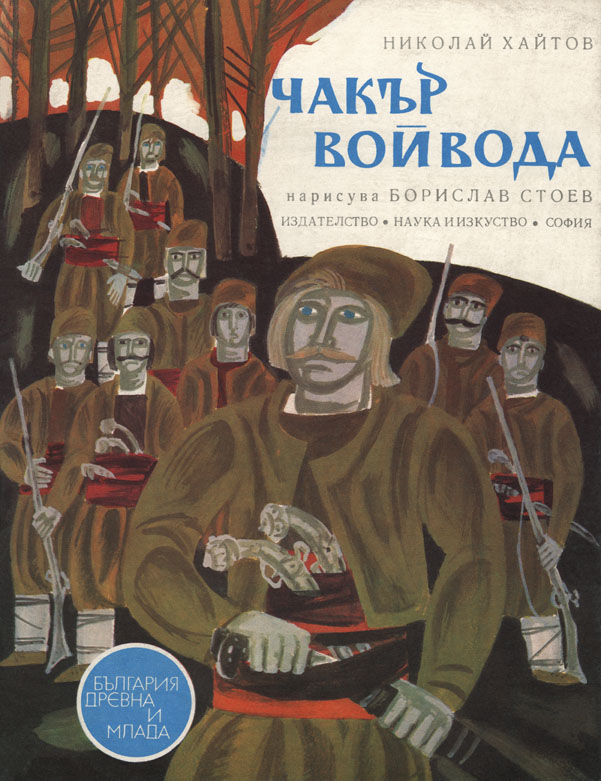
| born | Borislav Stoev | A renowned Bulgarian picture book illustrator and printmaking master (1927). His illustrator of the national hero legend *Chaker Vojvoda* (…).Čakăr VojvodaThe illustrations for the children’s humor collection and the children’s humor anthology won awards respectively. 1975 BIB Honors and 1979 BIB Plaque. | Borislav Stoev |

• 1971: American pop-up book illustrator Matthew Reinhart was born. He collaborated with Robert Sabuda to create interactive children’s books such as “Encyclopedia Prehistorica,” revolutionizing pop-up book design. His popular pop-up books in China include “Harry Potter: A Pop-up Guide to Diagon Alley and Beyond” and “World of Warcraft Pop-up Book.”