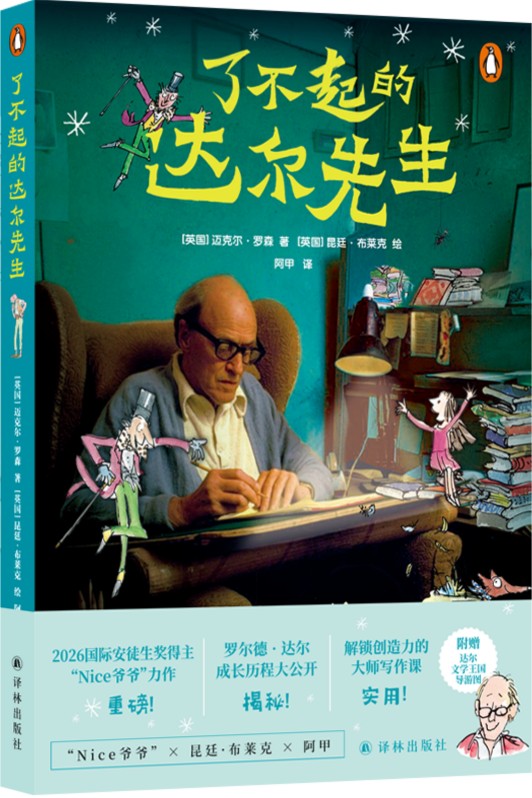
After all these years, Grandpa Nice’s “The Great Mr. Dahl” has finally come to China!
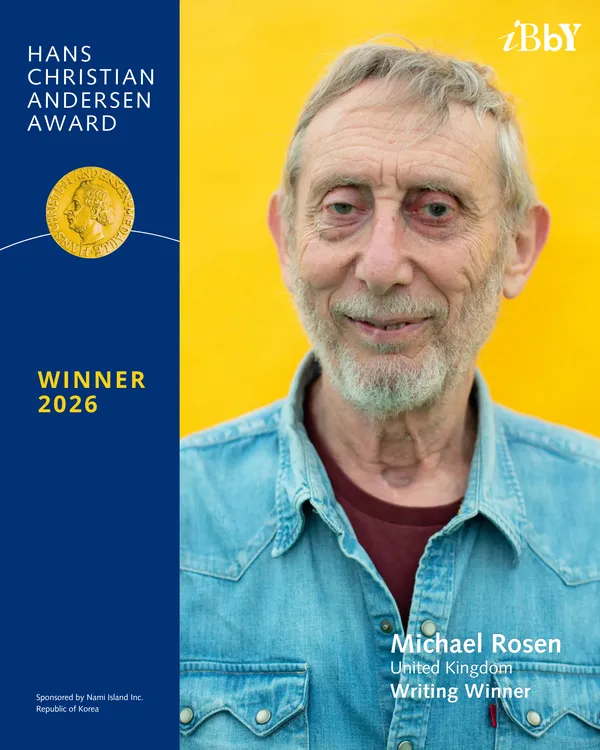
This book is very special to me because it is a biography written by one of my favorite authors (Michael Rosen) for another of my favorite authors (Roald Dahl)! Such a good thing is rare even for a bookworm, let alone the fact that this year (2026) coincides with Rosen winning the highest award in the world of children’s books—the Hans Christian Andersen Award, commonly known as the “Little Nobel Prize”.
I am honored to have been invited to translate this book, but first and foremost, I am a reader and a writer eager to “learn” some narrative techniques from it. My book cart shows that I bought this book back in 2015 (three years after the English version was published), and have read it at least five times since then. In the Red Mud Children’s Book Classics Study Groups that I have hosted, “Dahl” was the most frequently recurring theme, and this book was always on the must-read list, because it is absolutely the best guide to deeply exploring Dahl’s “writing secrets”.
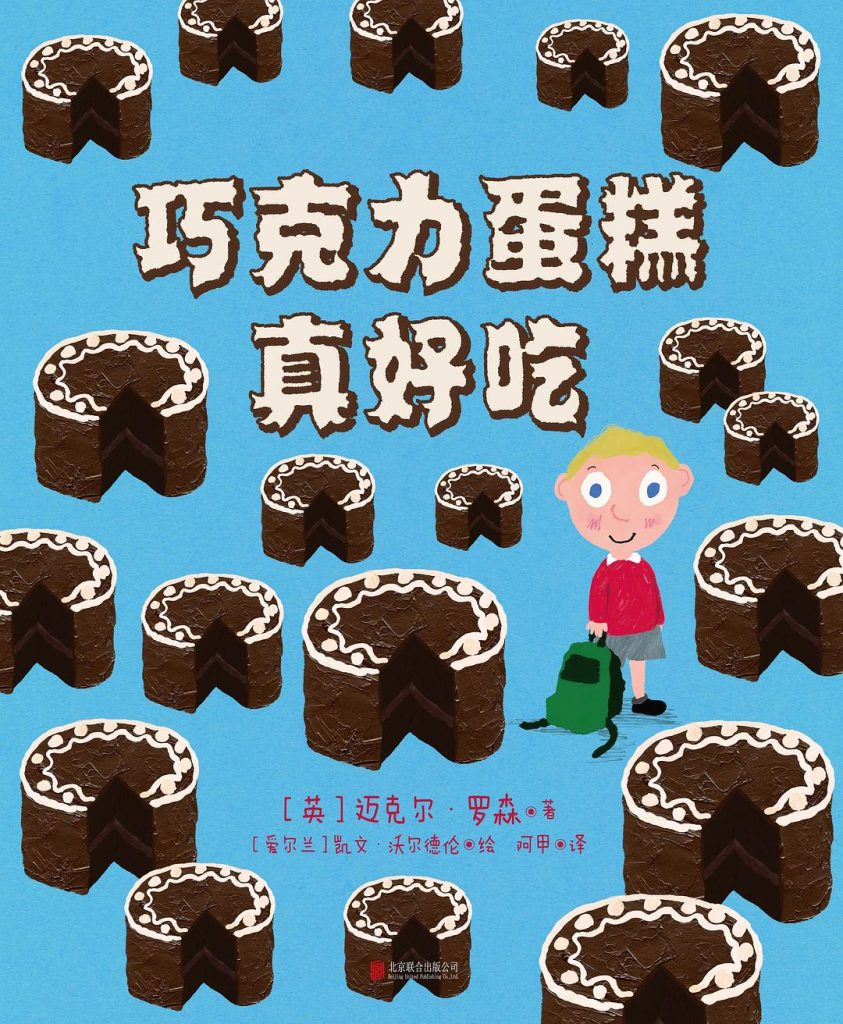
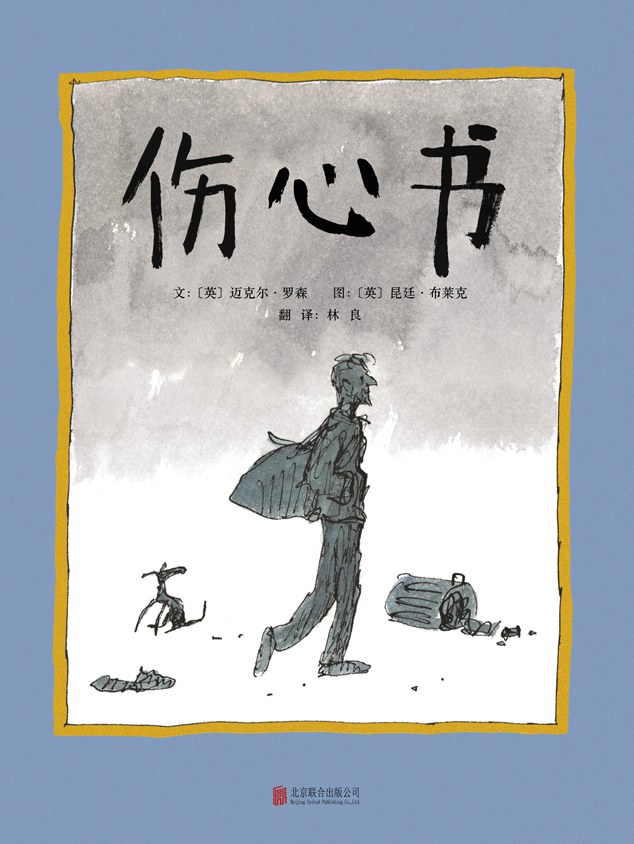
Back then, fueled by this intense curiosity, I sought out “Nice Grandpa’s” *The Amazing Mr. Dahl*. By the way, at that time, Michael Rosen wasn’t yet “Nice Grandpa”; he was still the author of picture books like *We’re Going to Catch a Bear*, *The Sad Book*, and *Chocolate Cake Is Delicious*. So, what exactly would “Nice Grandpa” say in an entire book about Roald Dahl?
Please allow me to briefly outline the seven key features of this children’s biography:
- Feature 1: Specially designed for child readers.
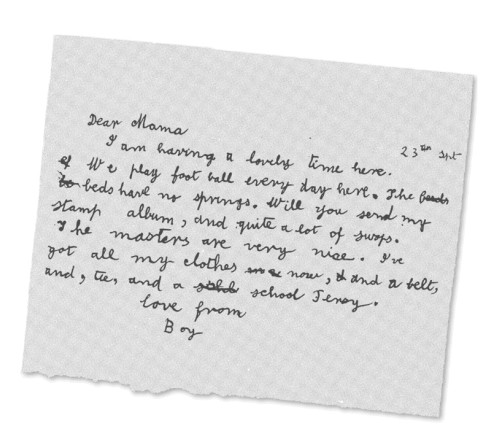
Rosen himself is a very successful children’s book author who also frequently performs plays and reads poetry for children, and is particularly adept at communicating with them. In this book, he adopts a friendly and interactive “chatting” tone, making extensive use of first and second person narration, engaging in direct dialogue with young readers like an old friend, discussing issues. He not only tells stories but also frequently shares his own feelings, greatly bridging the gap between himself and the readers. For example, when showing Dahl’s letters from his childhood, he jokingly says:
““What do you think of this letter? I deliberately kept the typos in it because they’re really funny!””
- Feature Two: They delve into and share “writing secrets” without reservation.
What sets this book apart from all other biographies you can read is that it truly focuses on “writing” itself; you could even give it a subtitle: “Dahl Teaches You How to Become a Great Writer!” Of course, it’s Rosen himself who’s really teaching. Using his own professional sensitivity as a writer, he meticulously dissects the captivating writing techniques in Dahl’s story, such as exaggeration, suspense, and the skillful use of pronouns. He states this in the introduction:
““Writing often seems simple, clear, and truthful, but it is actually always more complex. This book is about that.””
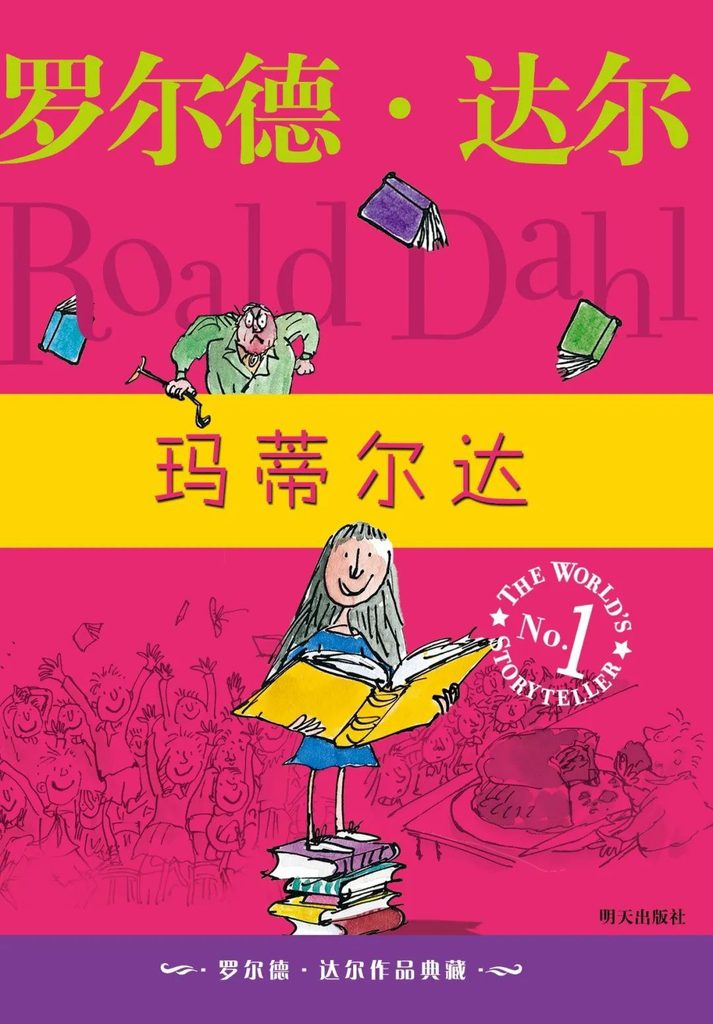
During his explanations, Rosen not only spoke practically but also in a very interesting way. For example, when analyzing the scene in *Matilda* where the headmaster is scolding someone, he pointed out:
““This kind of writing is called ‘hyperbole’ or ‘extreme hyperbole’ (in English, it’s pronounced like ‘hyperbole-li’) – I dare say Roald would love that word!”‘
- Feature 3: Like a detective, possessing both curiosity and meticulous logic.
Rosen himself understood this very well, and he made this statement at the beginning:
““What I’m going to say is that anyone who writes about Roald Dahl’s life has to be very, very careful about one thing.“Roald’s stories are not always entirely true.”
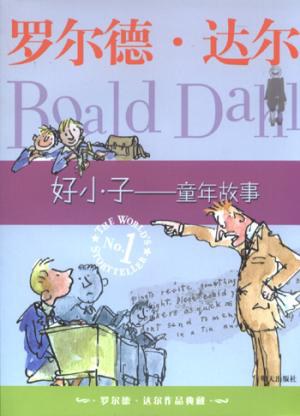
Therefore, Rosen incorporates numerous letters Dahl wrote to his mother when he was young into his biography. However, he doesn’t merely dwell on the literal meaning; instead, he guides the reader, like a detective, to meticulously analyze the words and deduce Dahl’s true psychology hidden behind them. My favorite passage is this: when Dahl lies in a letter written from boarding school saying “the teachers are all very nice,” Rosen astutely infers:
““Perhaps Roald wanted to convince his mother that everything was alright, even if that wasn’t the case.“Those who learn to do this definitely have the potential to become excellent storytellers!”
- Feature 4: Dahl’s life experiences are closely linked to his creative work.
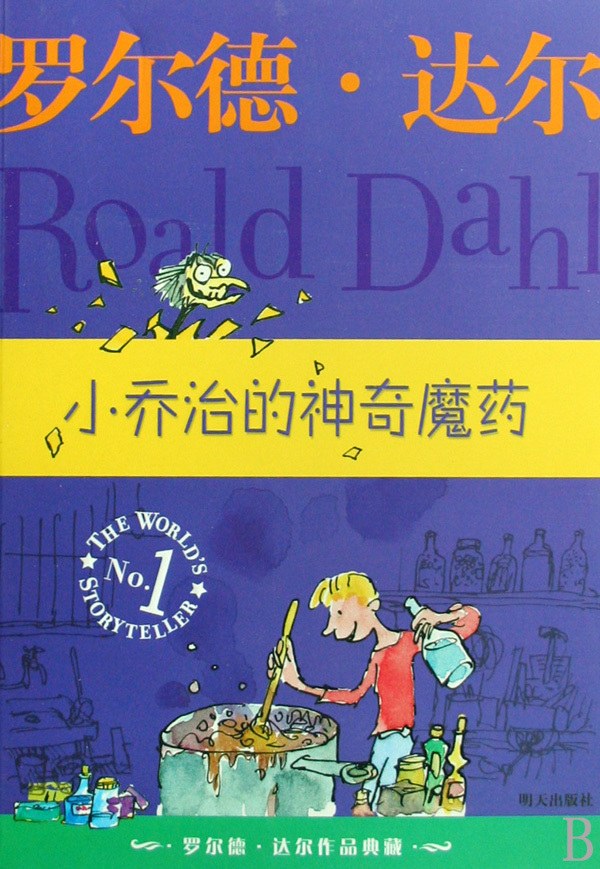
Rosen excels at finding real-life prototypes and creative origins for Dahl’s classic characters in anecdotes, demonstrating Dahl’s masterful skill in extracting narrative magic from reality. For example, in recounting Dahl’s childhood experience of drinking “Mistor” potion in an attempt to ward off the flu, Rosen writes:
““I can’t help but think of that boy named George and his ‘magic potion’… What about you?”‘
When discussing Daryl’s “rat conspiracy” of putting dead rats in the candy jar, Rosen analyzed:
““If you’re someone who likes to imagine ‘what if…?’, such as ‘what would happen if my best friend turned into a cat?’, then congratulations, you’re not far from becoming a writer!”
- Feature Five: It captures the core essence of Dahl’s work: always firmly “standing on the side of children”.
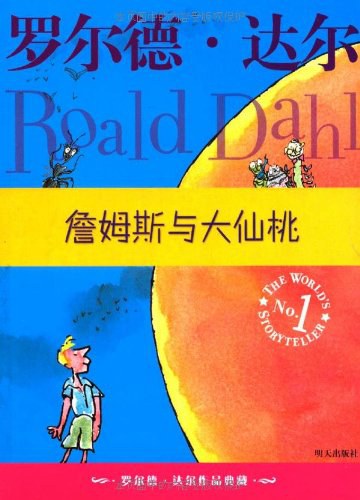
In response to criticism from adult readers that Dahl’s books were filled with horrible characters and vicious plots, Rosen astutely pointed out the core empathy that resonated strongly with child readers. A prime example is his analysis of the abuse of James in *James and the Giant Peach*, where Rosen notes:
“Roald also did something important:He made us stand firmly on James’ side. I think that’s one of the most important characteristics of his work.Time and again, his readers have sided with the children, rebelling against those dreadful adults. To some adult readers, this makes his books seem somewhat shocking—even a little offensive. But for countless young readers, it is precisely this quality that makes his works so delightful, thrilling, and full of playfulness and adventure.
- Feature Six: Candidly reveals the “unreliability” and literary exaggeration in Dahl’s narrative.
As mentioned earlier, Rosen explicitly stated that Dahl’s “autobiography” was unreliable, but as a fellow writer, he all too well understood the “necessity” of such exaggeration.
““He may have embellished his story. And the reason I think so is—shh—I often do that when I write stories!””
Rosen seems to be advocating for this “privilege” of writers—that in order to pursue the interest of the story, the truth can sometimes be “slightly modified,” which may be what “literary processing” is.
- Feature 7: With strong self-empathy, they bypass adult “scandals” and focus on family and creative work.
Rosen deeply resonated with Dahl, drawing on his own life experiences. At the same time, to cater to the needs of child readers, he skipped over Dahl’s complex adult life entanglements, focusing instead on his childhood, family relationships, and creative journey. What moved me most was Rosen’s writing when discussing Dahl’s seven-year-old daughter’s death from measles:
“I can relate to this experience. I lost a son, and my father went through the same pain… I have a strange feeling that Roald and I are coping with all this grief, anger and confusion in similar ways.”
Readers familiar with “The Book of Heartbreak” will know what Rosen is talking about at this point.
As the old saying goes, “No one is perfect.” I think that outsiders, as well as Dahl’s family, especially his first wife (the Oscar-winning film star Patricia Neill), from whom he had a painful divorce, could find a whole host of negative comments to overshadow Dahl. But Dahl is such a unique individual—a fascinating yet exceptionally complex genius. For readers who truly want to understand his complete life story, I highly recommend reading biographies written for adults, one of which is *The Storyteller: Roald Dahl’s Biography* (by Donald Stulock, 2010), listed in the “References” section at the end of the book. This is a detailed biography officially authorized by the Dahl family.
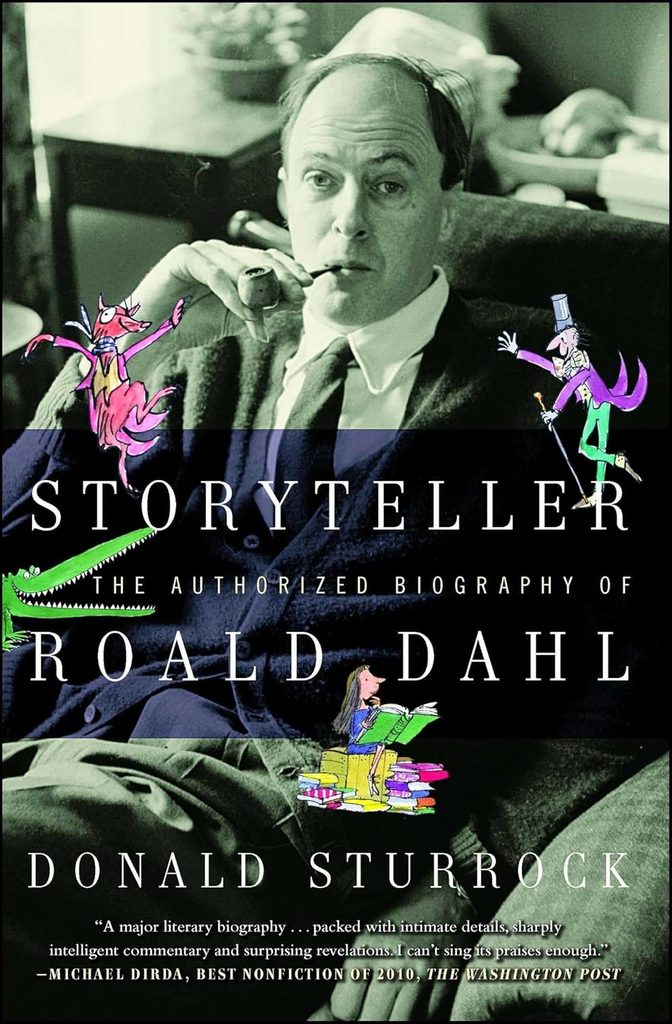
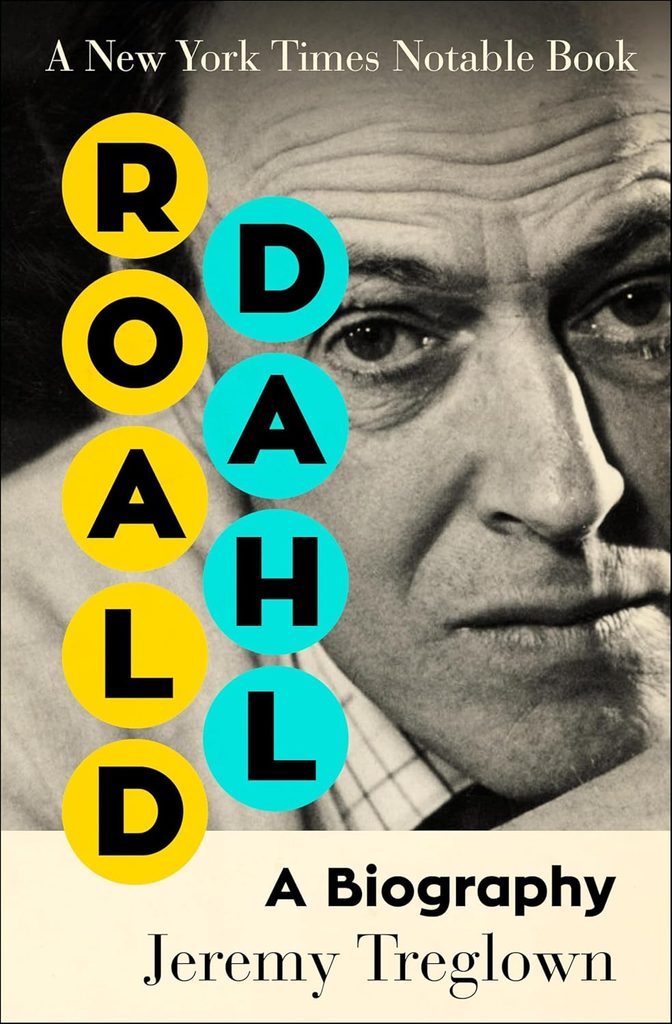
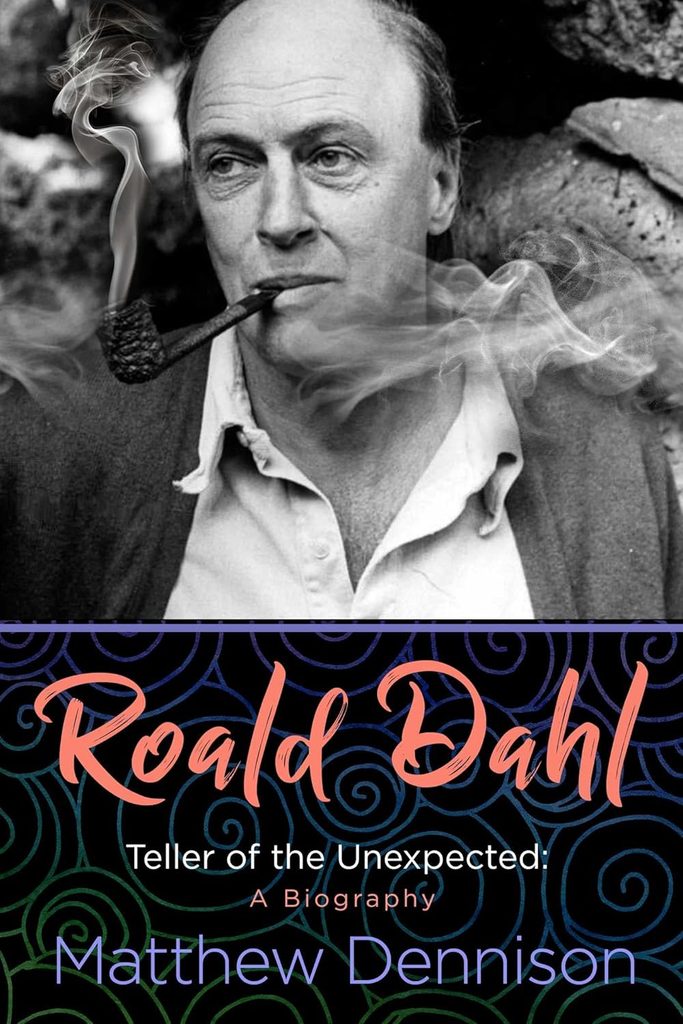
However, the other two unauthorized books, Roald Dahl (by Jeremy Treglewyn, 1994) and Roald Dahl: The Life of a Storyteller (by Matthew Dennison, 2022), are also worth reading. The former delves into many “explosive” details that are unfavorable to Dahl’s image, while the latter offers more tributes to this complex storyteller.
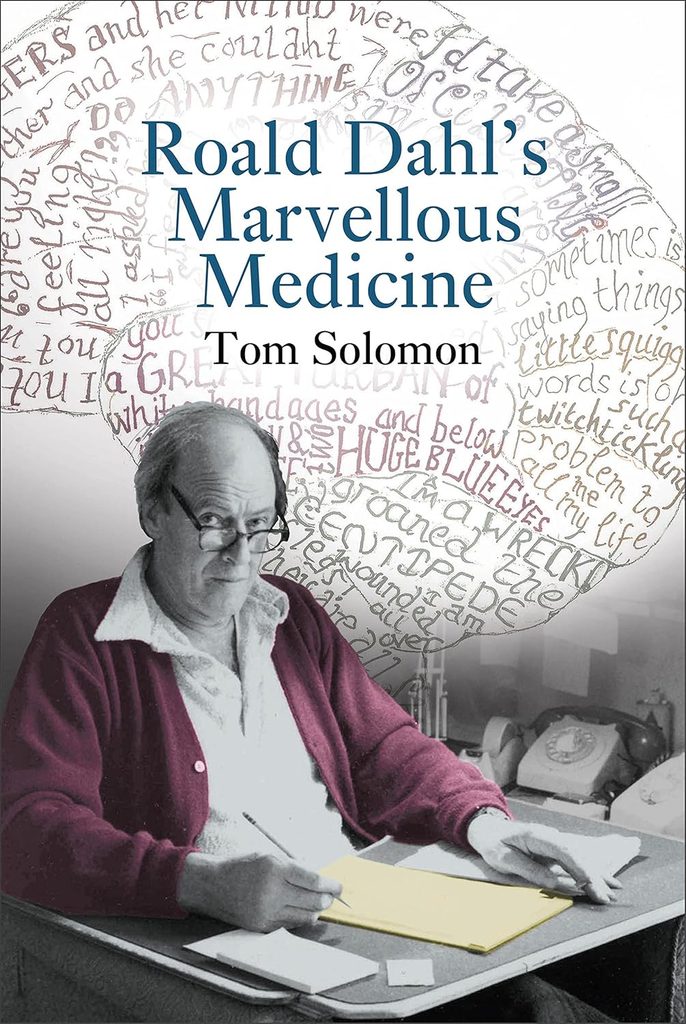
Another book, *Roald Dahl’s Magical Potions* (2016), written by medical professor Tom Solomon, can help us see some of Dahl’s brilliant insights in the medical field. Even those who call Dahl a “complete bastard” have to admit that he remains an indispensable figure in children’s literature, a “world-renowned bestselling author, war hero, spy,” and… a medical genius.
Written by A‑Jia on May 5, 2026 in Beijing