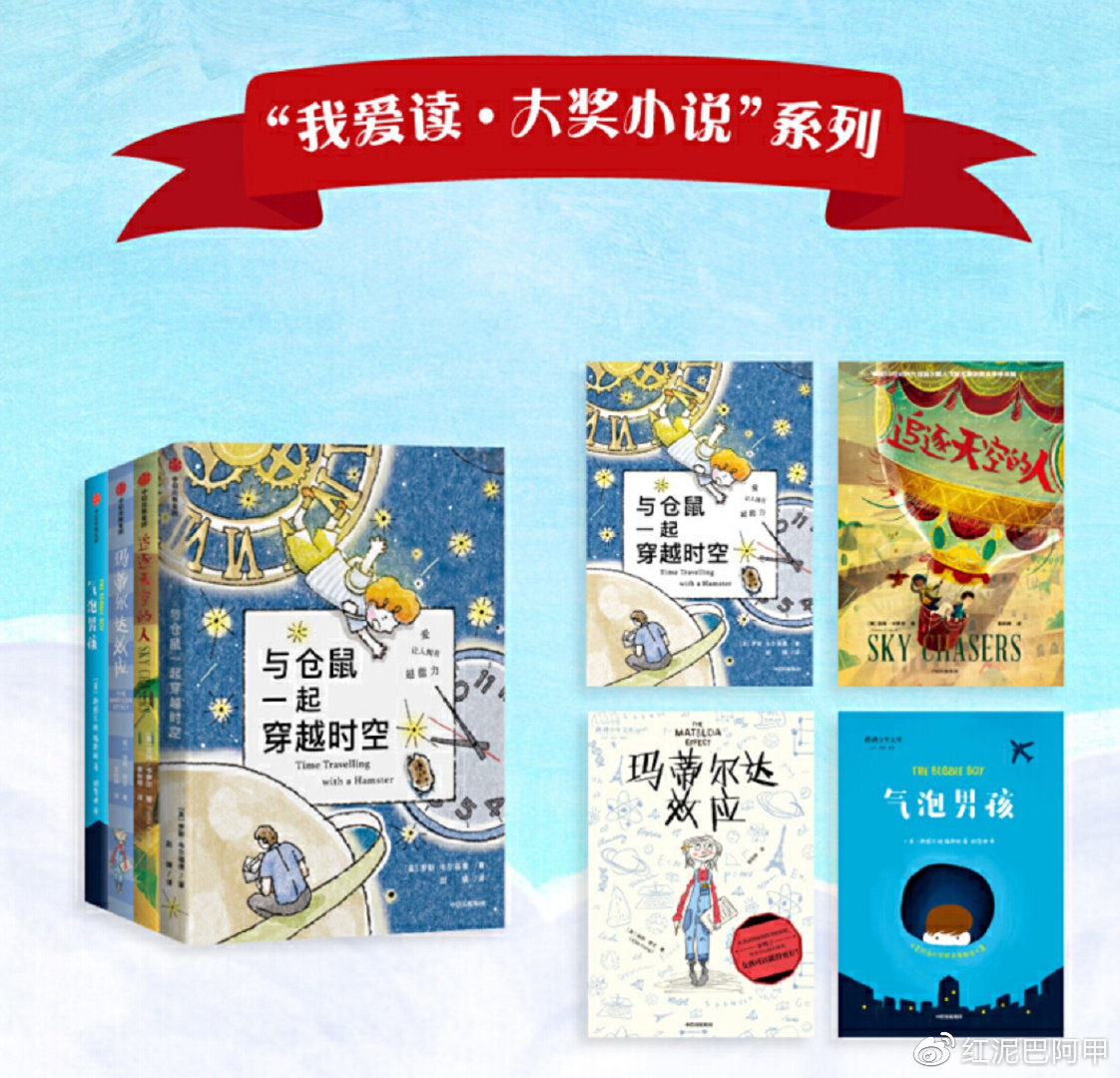
Thanks in part to the pandemic, I devoured the four latest award-winning novels from the “I Love Reading: Award-Winning Novels” series almost without any distractions. To be honest, if you’re a children’s book enthusiast, these four books are hard to put down once you start reading. They provided a truly novel reading experience, and the memories lingered long after finishing them.
First of all, these four books are truly “new,” having all been published in the UK within the last five years and winning major British and American children’s book awards or receiving prestigious recommendations. In other words, they are excellent children’s books that children in the English-speaking world are currently reading and receiving considerable attention for. From this perspective, we can also understand what Western children are reading, paying attention to, and thinking about today.
These four novels indeed touch upon very new themes: *The Matilda Effect* reveals the unfair treatment, even neglect and exploitation, of women in the scientific field; *The Sky Chaser* tells the story of the first human hot air balloon flight, while subtly exploring the role of women in the progress of human technological civilization; *Time Travel with a Hamster* appears to be based on Wells’ *The Time Machine* science fiction, but incorporates very real social issues such as racial integration in modern society, family relationships in blended families, and the conflict and integration of ideas between generations; and *The Bubble Boy* presents a completely new perspective on the strange life and rich inner world of a boy with Severe Comprehensive Immunodeficiency Syndrome (SCID). In short, the first impression after reading these four books is: incredibly enlightening! This is perhaps a very interesting phenomenon of excellent children’s books: although they may not delve into such profound depths, they present a complex world in a way that interests children, evoking appropriate attention.
Excellent children’s novels don’t merely present these themes, nor do they simply impart moral lessons. Instead, they use superb storytelling techniques to firmly grasp children’s curiosity, allowing them to freely roam in a wondrous world of imagination. If you’ve ever tried telling stories to adults and children separately, you’ll find that truly capturing children’s attention can be much more difficult. Remarkably, these four novels with novel themes all showcase the authors’ exceptional storytelling skills.
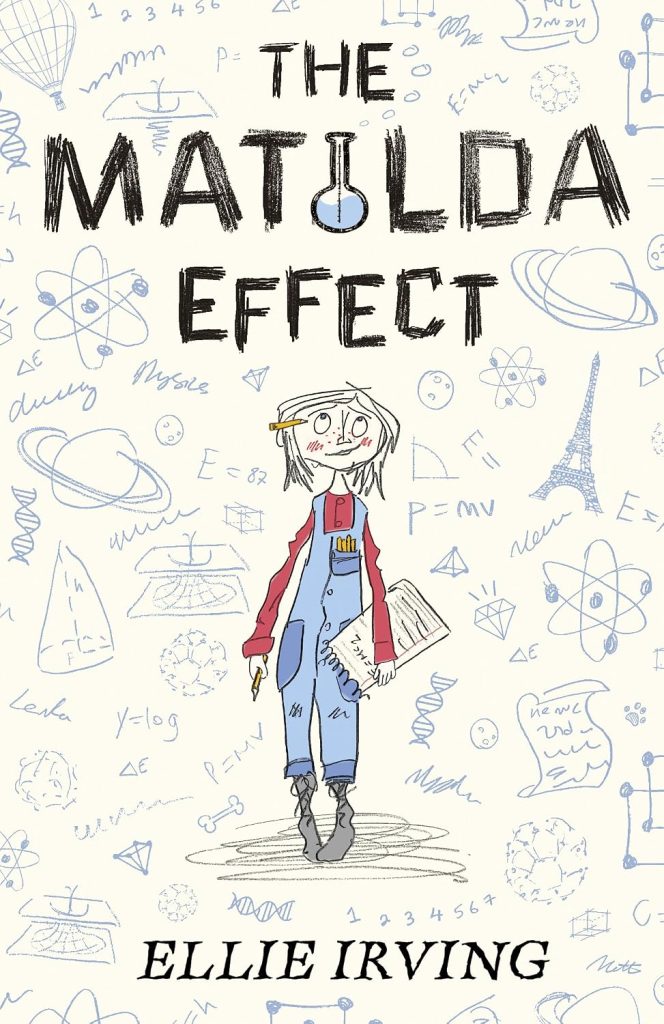
In *The Matilda Effect*, author Ellie Irving devises a seemingly impossible task: twelve-year-old Matilda must smuggle her eighty-year-old grandmother out of a nursing home, and then, without money or passports, the two must travel from England to Sweden within two days to expose a scandal that occurred half a century earlier at the Greenwich Observatory in London, ensuring the Nobel Prize in Physics is awarded to the rightful grandmother! —Good heavens, how is that possible?! Yet, through a series of ingenious and unbelievable arrangements, the author makes it all possible in a plausible way, fostering change and reconciliation among many people in the process. While some plot points may seem exaggerated, the extraordinary imagination is truly remarkable. Especially when justice is served at the end, one can’t help but cheer. As a father of a girl, I really want to recommend this book to all girls in the world; it’s truly exhilarating.
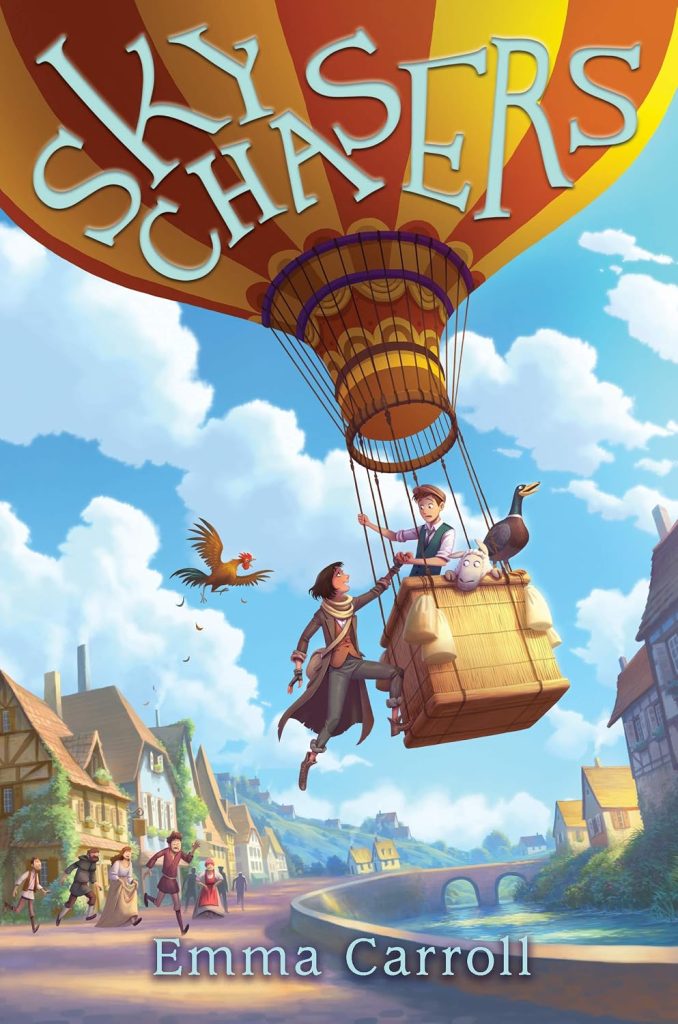
From a narrative technique perspective, *Sky Chasers* seems to have the upper hand. Inspired by a brilliant idea: the first human-carrying hot air balloon flight in September 1783 at Versailles, France, the protagonists aren’t the historically significant Montgolfier brothers, nor Louis XVI and Marie Antoinette, but two little-known yet crucial teenagers, especially the former homeless girl, Little Magpie, a former habitual thief! The novel unfolds from Little Magpie’s first-person perspective, with a tense and exciting plot—burglary, highway robbery, duels, espionage, and life-threatening adventures interwoven throughout, creating suspense and a real *The Three Musketeers* feel, yet possessing the warmth and humor characteristic of young adult fiction. It’s a thoroughly enjoyable read, deeply inspiring humanity’s perseverance and courage in exploring the unknown.
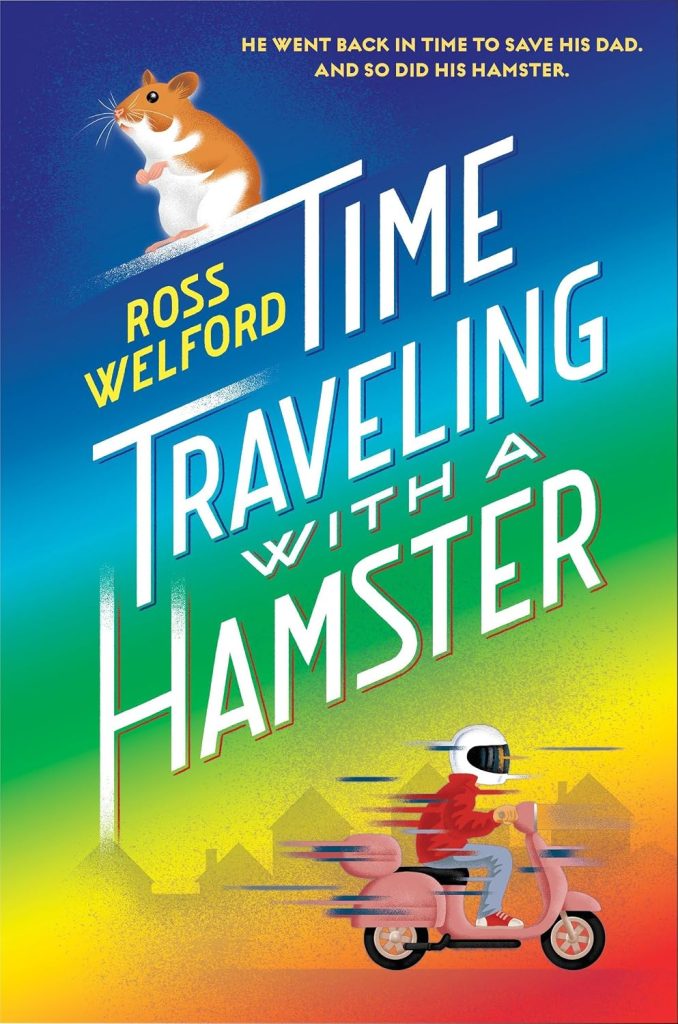
Of these four books, the most mind-bending has to be *Time Travelling with a Hamster*. Author Ross Welford devised an “impossible mission”: Twelve-year-old Al, following instructions in a letter from his father who died four years prior, must use a time machine invented by his father to travel back in time to when his father was twelve to prevent a go-kart accident. The accident’s lingering effects were the cause of his father’s death when Al was eight—in other words, twelve-year-old Al must go back in time to meet his twelve-year-old father and save his life! Sounds complicated, right?! And the author has painstakingly increased the difficulty, because twelve-year-old Al is now living with his remarried mother, stepfather, and stepsister. His father’s time machine is still hidden in a secret cellar in the old house’s garage, and the old house now has new owners!
The narrative of *Time Travel with a Hamster* is itself somewhat labyrinthine, similar to the logic of the movie *Source Code*. The protagonist must repeatedly try to return to a certain point in the past to complete an impossible task, thus creating various interwoven and transformative possibilities in parallel universes. The author also sets up some convincing rules for time travel: one cannot kill one’s grandfather (otherwise, one would cease to exist); one cannot repeatedly go to the same point in time; one cannot encounter another version of oneself from another timeline… This makes the task even more difficult. Reading this book is like solving a mathematical puzzle; following the protagonist’s logical thinking is quite challenging, and the author then adds a hamster to Al’s journey, requiring him to care for it each time he travels through time, and on several occasions even risking great danger to save its life. I initially couldn’t help but think this was an overly sentimental detail, unnecessarily doubling the difficulty. But upon reaching the end, when the hamster’s role is revealed, I couldn’t help but admire the author’s meticulous thinking. It’s said that this book is his debut work, which is truly unbelievable.
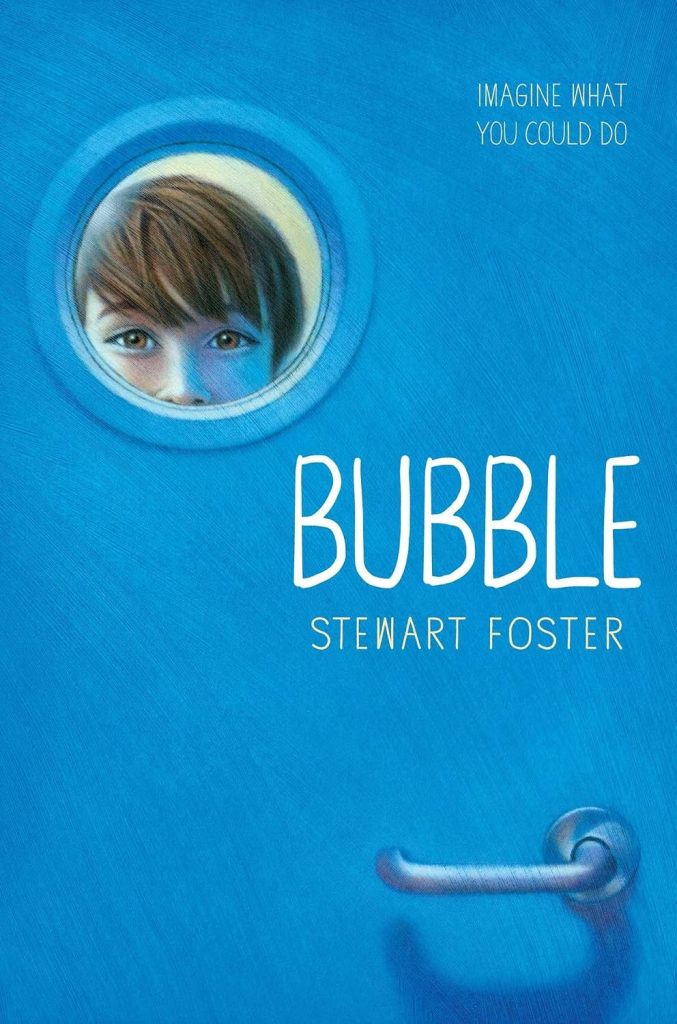
Of the four books, the most cutting-edge is undoubtedly *Bubble*. Electronic communication plays a significant role in the narrative, featuring smartphones, text messages, BBS messages, and lengthy Skype conversations. These conversations even include various web links and Google search results. However, upon closer reading, you’ll find that these trendy elements are used aptly, seemingly essential to perfectly portraying the protagonist’s life and inner world. Joe, an eleven-year-old boy who dreams of being a superhero, is unfortunately born a “Bubble Boy.” Lacking a complete immune system, he must live in a specially designed, sterile space in a hospital from the age of two months, like living in a bubble isolated from the world. Fortunately, he has access to state-of-the-art communication tools, allowing him to maintain connections with the outside world, continue his studies, keep his superhero dream alive, and even form a close friendship with Henry, another Bubble Boy, across the ocean.
Reading *The Bubble Boy* was a peculiar experience. Initially, I was driven by curiosity, wanting to understand how this peculiar state of life continued. Gradually, I developed more sympathy for the young protagonist; as the eccentric nurse Amir appeared and gradually took control, my feelings became increasingly complex—worried that Joe might be harmed by “good intentions,” yet also hoping that Joe could experience the real world. In the story, Joe and Henry’s adventures unfold almost simultaneously, one in London, the other in Philadelphia, yet their lives are inextricably linked. When the outcome of their adventures was revealed, this seemingly unsentimental story brought tears to my eyes. I discovered that this was a story about the connection of lives; while fully immersed in the story, I unconsciously formed a connection with the fates of the two young protagonists.
When I finally stepped out of this story and reflected on it for a long time, it suddenly occurred to me that this strong feeling was closely related to the pandemic we are currently experiencing. Over the past two months, most of us have experienced some form of “bubble boy” experience, and many others around the world are joining in. People have had to confine themselves to their homes or other isolation spaces for a period of time to avoid infection. In this process, we, like the bubble boy, connect with the world through electronic media. What kind of experience is that? Without such an experience, how can we truly understand that peculiar state of life? In this process, we are able to examine certain values in life that may be overlooked in ordinary times. We connect with other lives far away in one way or another, cheering for those who persevere, applauding the blossoming of life’s passion, and lamenting and grieving for the many lives that could not be stopped from passing away.
This is indeed a very peculiar experience. When we are forced to become “bubble boys” to some extent, we become more attentive to other lives under the same sky in foreign lands, and then reflect on the value and meaning of our own lives. Hopefully, we won’t easily forget this unique experience, and hopefully, those wonderful children’s books can continue to provide similar experiences.
For the children, for tomorrow.
Written by A‑Jia on April 6, 2020, in Beijing.