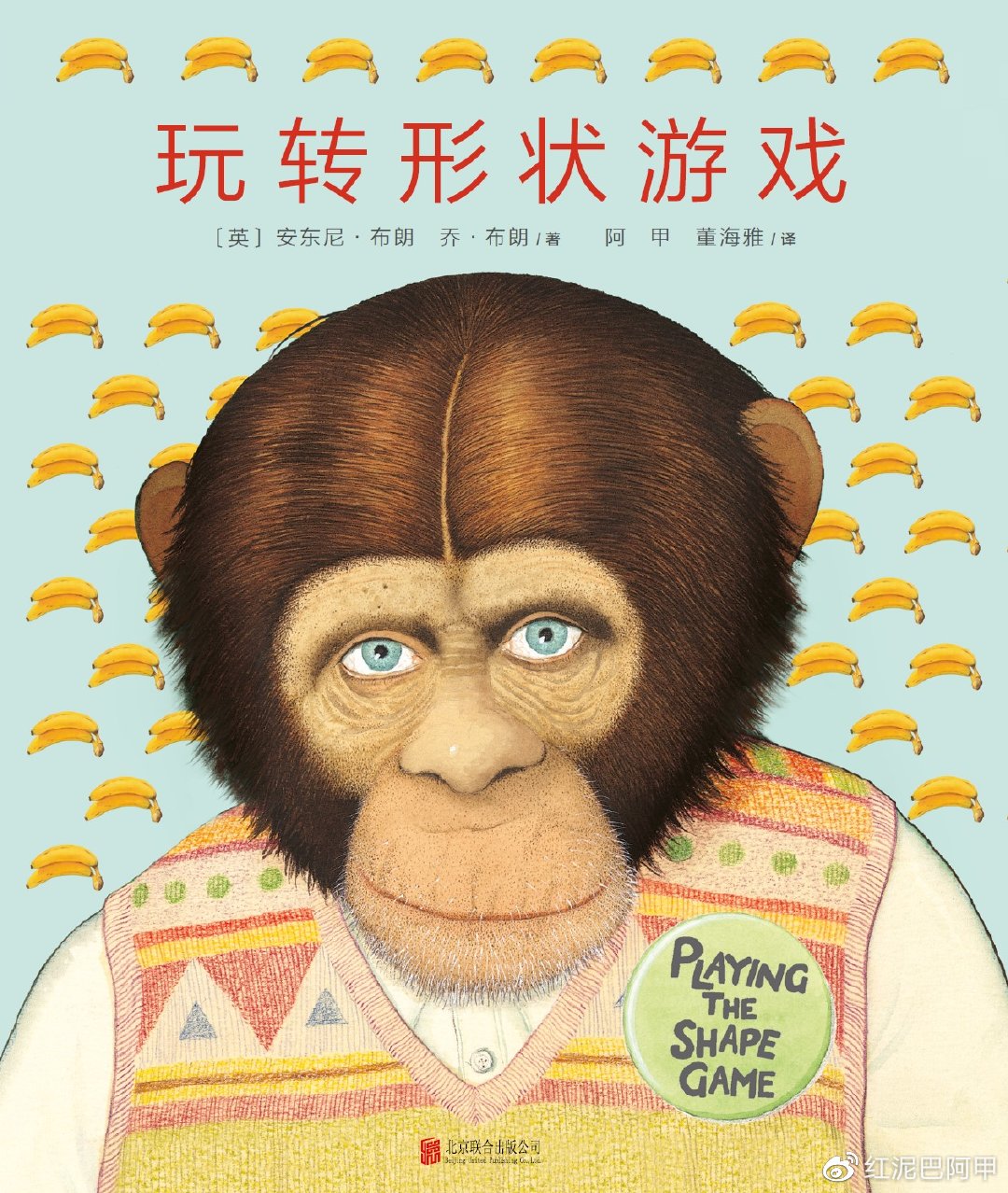
Anthony Browne is hailed as a “master of picture books,” a title I believe he truly deserves. This is not only because he wrote and illustrated many of his globally popular works, nor simply because he received almost every major picture book award (including a lifetime achievement award like the Hans Christian Andersen Award), but also because he created a unique “Anthony Browne-style” picture book language—approachable to children, rich in meaning, and inexhaustible in its expressiveness. Critics have labeled it “surrealism,” while he himself prefers to call it “shape play.” His life and work are detailed in his book with his son, *Playing the Shape Game*. Here, I’ll only share ten things from his childhood that left the deepest impression on me.
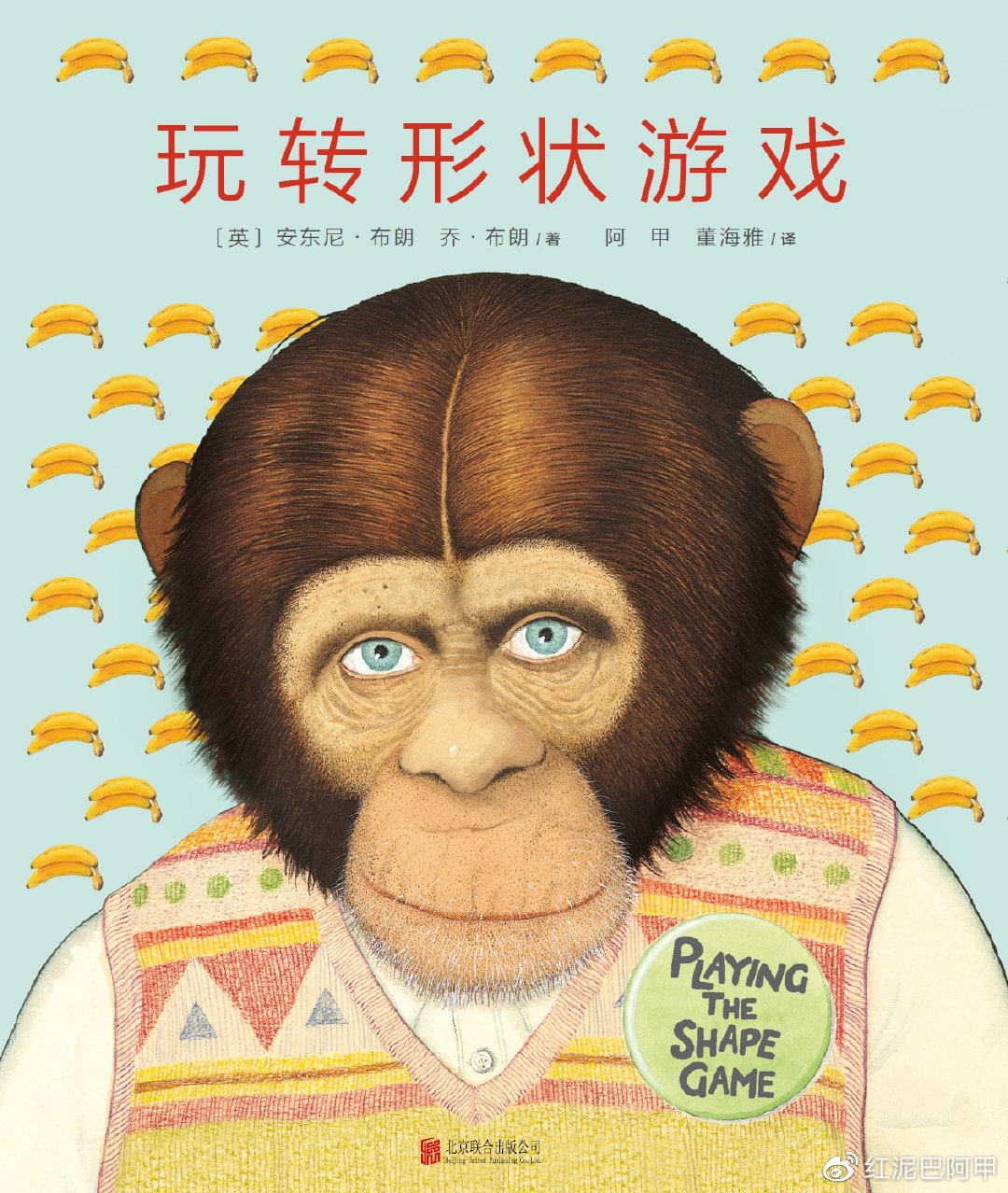
First, the “shape game” that brought him lifelong achievements was actually one of the two games he played most often when he was bored in his childhood. For details on how to play, please refer to his works “Shape Game” and “Let’s Play Shape Game Together”. At that time, he lived in West Yorkshire in northern England. During the wet and rainy season, he often could not go out to play. He and his brother could only throw the ball to the top of the stairs and watch it bounce down… If they didn’t want to be so noisy, they could only play the “shape game”.
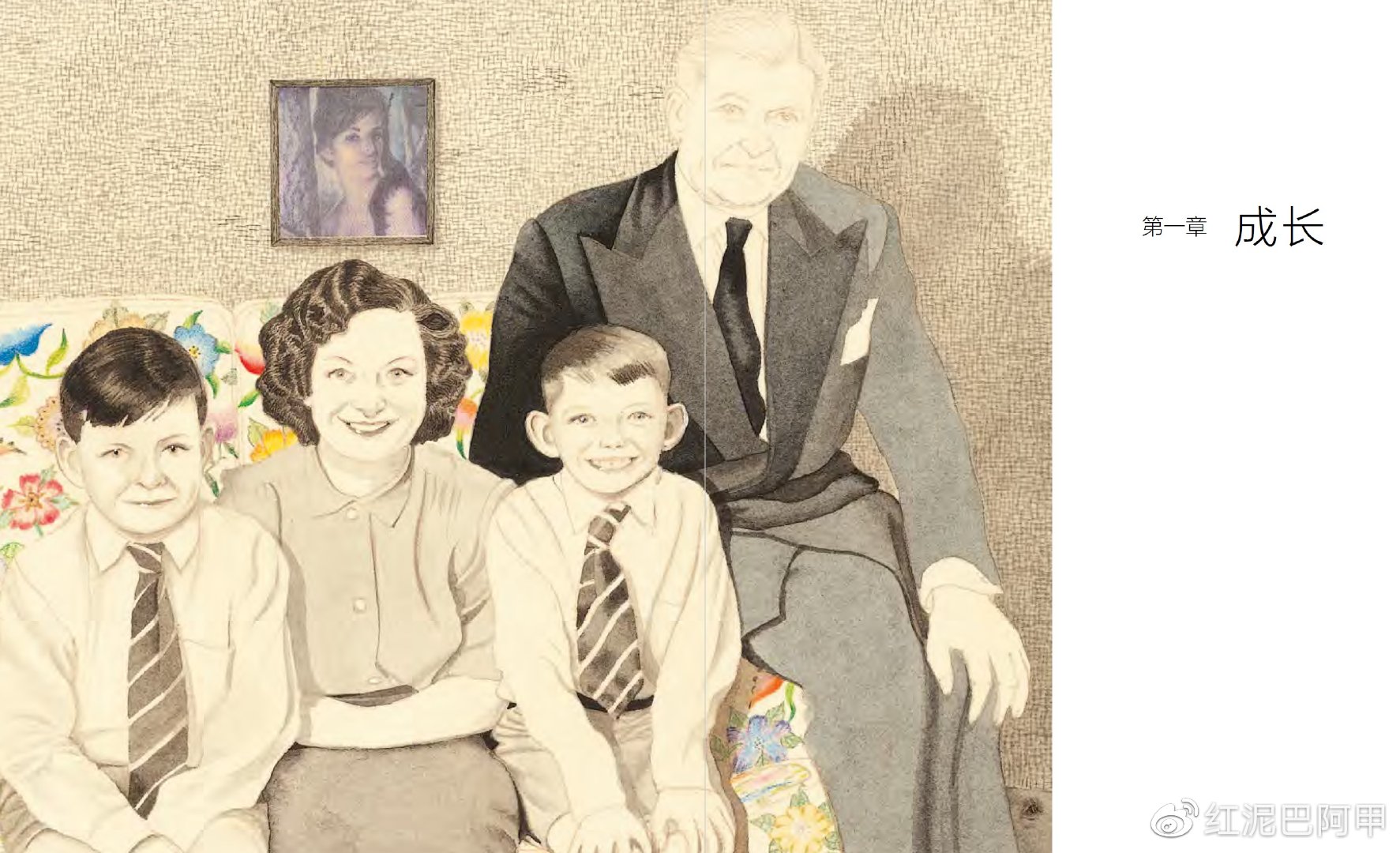
Secondly, weather permitting, he and his brother would go outdoors to play wildly, usually in intense physical contact sports like rugby or boxing; or in dangerous adventure games, such as crawling into tunnels in abandoned mines, trembling with fear but having to pretend they weren’t scared at all. These experiences later became his picture book stories, such as “The Tunnel”.
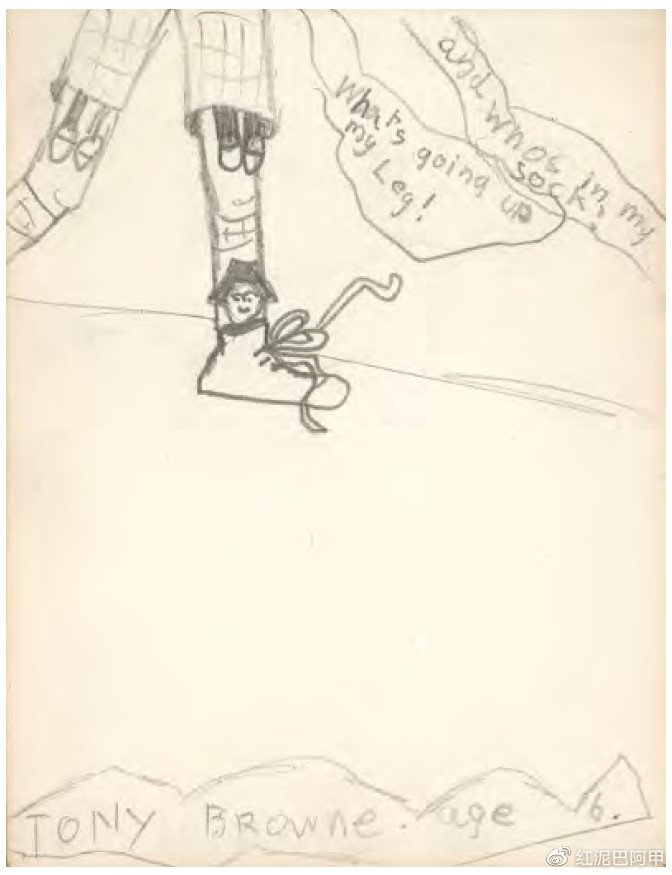
Third, he showed an innate love for combining text and illustrations in storytelling from a young age. Judging from the doodles his parents preserved, he was doing this at least as young as four. He liked to subtly incorporate small details into his drawings. For example, he drew a boy’s (possibly his own) legs, but had a pirate hiding inside the shoe, climbing into his trousers like he was climbing a mast, all the while muttering to himself. This was probably the prototype of his picture books.
Fourth, his father was his first art teacher. His father was a World War II veteran who received the Medal of Honor, a physically imposing man, and a former athlete. But he was also an old-school rock singer, an amateur stage actor, a skilled cartoonist, and a former art teacher. He often drew with his two sons, and in Anthony’s view, “He was teaching us not just to see drawing as a childhood pastime, but as a lifelong pursuit.”“
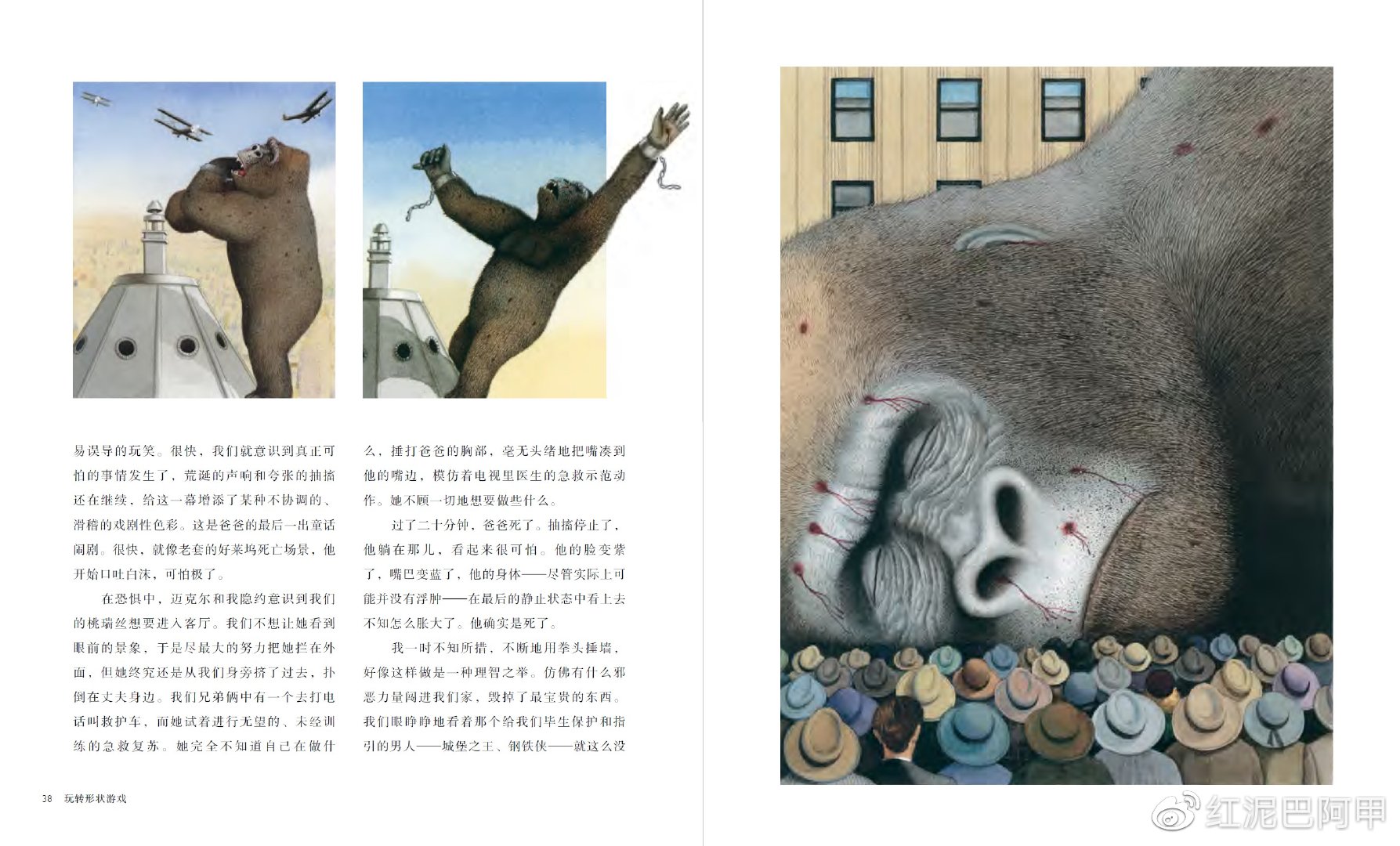
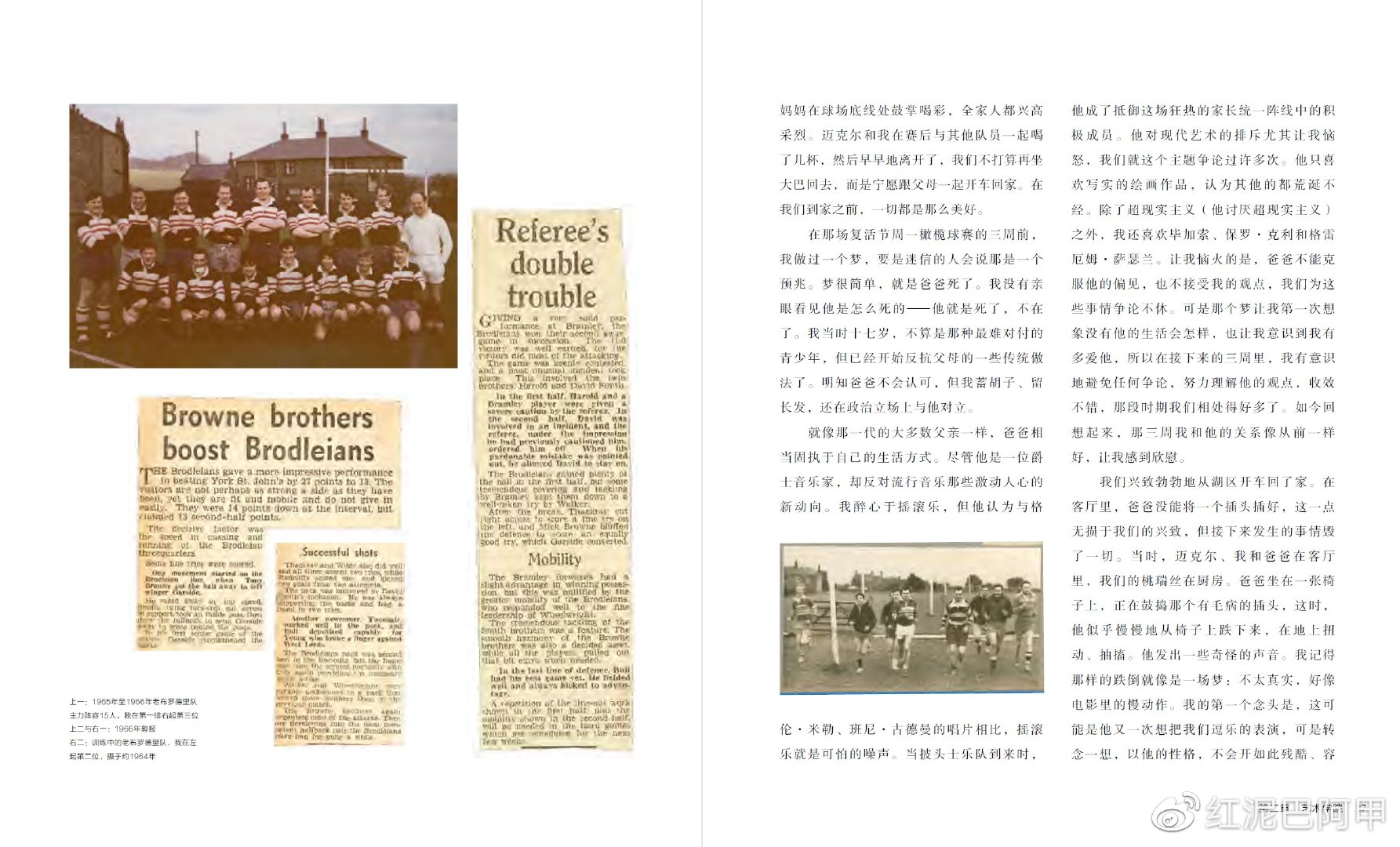
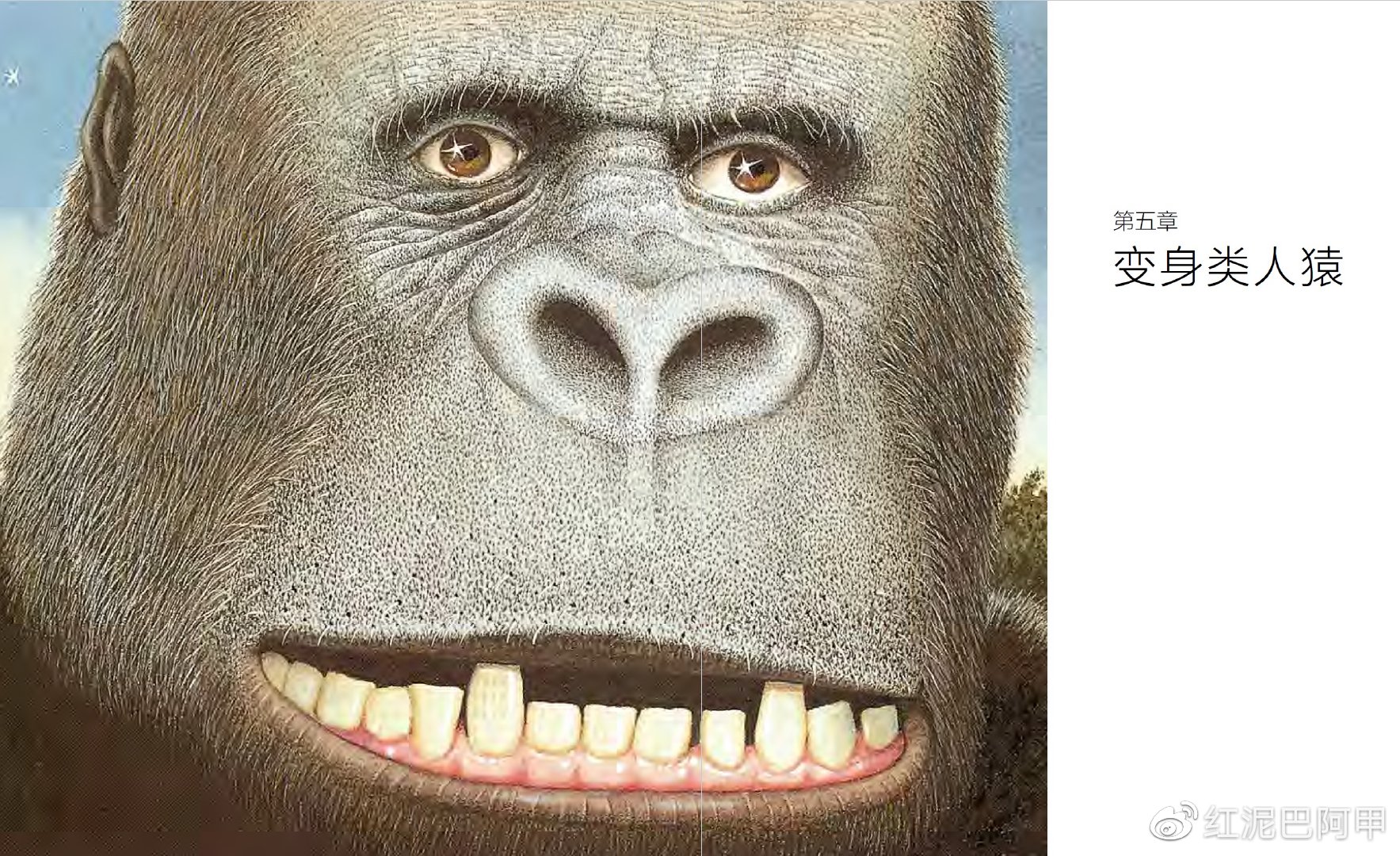
Fifth, *My Dad* is clearly a book Anthony dedicates to his father, representing the warmest part of his memories. However, the memories also contain a painful side: his father suffered a sudden heart attack and died when he was 17, collapsing right before his eyes, struggling for 20 minutes in slow motion, like in a movie… Anthony later recreated this scene in *King Kong*. His frequent use of gorillas in his works may be related to this; his masterpiece, *Gorilla*, is clearly also an expression of paternal love.
Sixth, thanks to his father’s encouragement and guidance, Anthony and his brother both became professional rugby players, serving as key members of the Old Broadley team. However, as an art student, he also felt somewhat awkward. He couldn’t bring himself to be as rugged in his speech and behavior as the other players, and he was embarrassed to let his classmates at the art school know that he was involved in such a “rough” sport, so he always kept a low profile. This marginal mentality can be seen in his later character “Willie the Coward” in his writing.
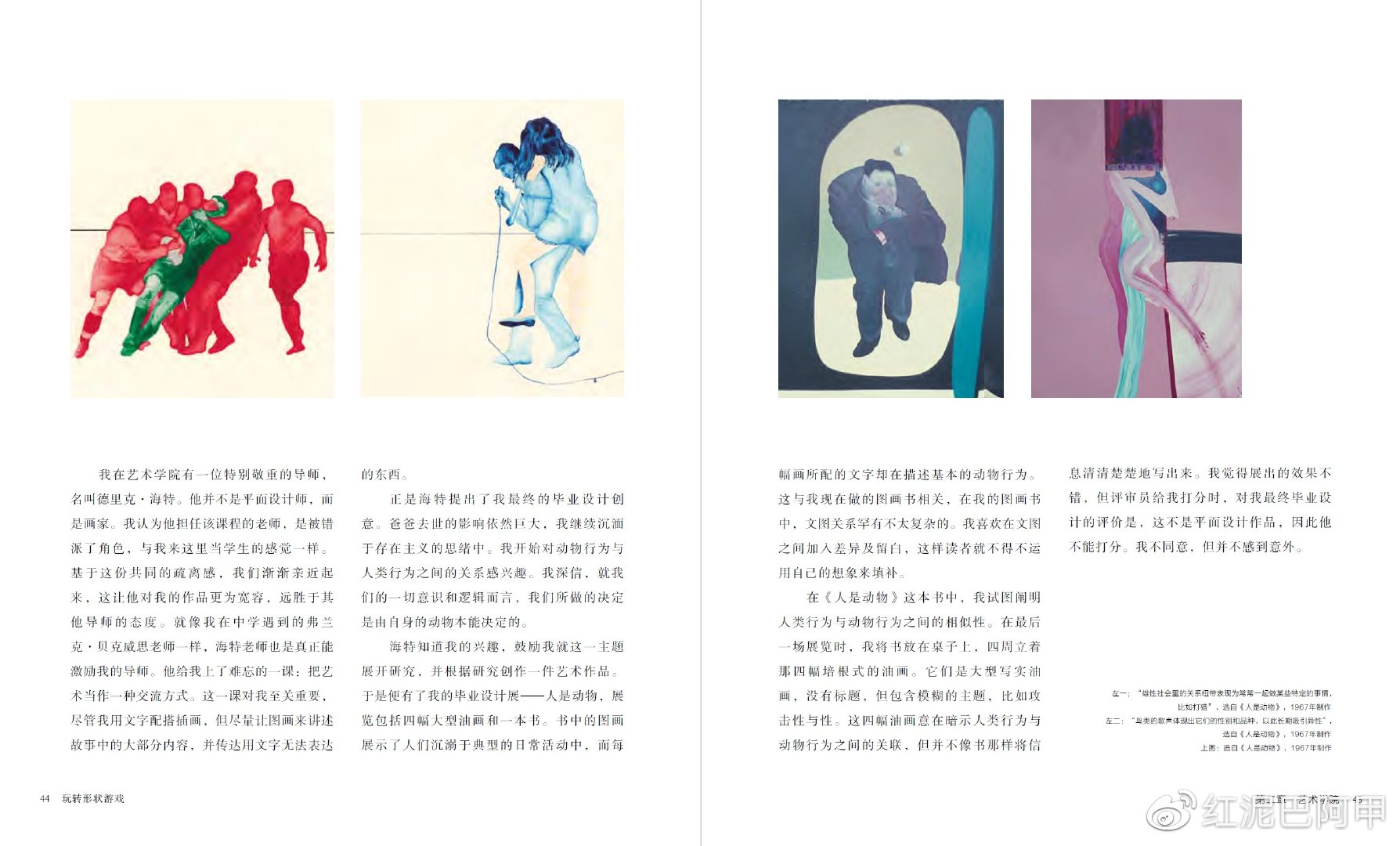
Seventh, his father’s death dealt him a heavy blow, and he almost dropped out of Leeds College of Art. Although he persevered, his mood during that period was quite bleak. He became fascinated by the somber figure paintings in the style of Francis Bacon, his artistic tastes becoming “quite existentialist,” gradually developing into an obsession with death, disease, and morbidity. But it was precisely because of this that he began to be interested in the relationship between animal and human behavior, and his graduation project was on the theme of “Man is an Animal.” His later picture books can perhaps be seen as a continuation of this theme, but they have clearly emerged from the shadows and become much more positive.
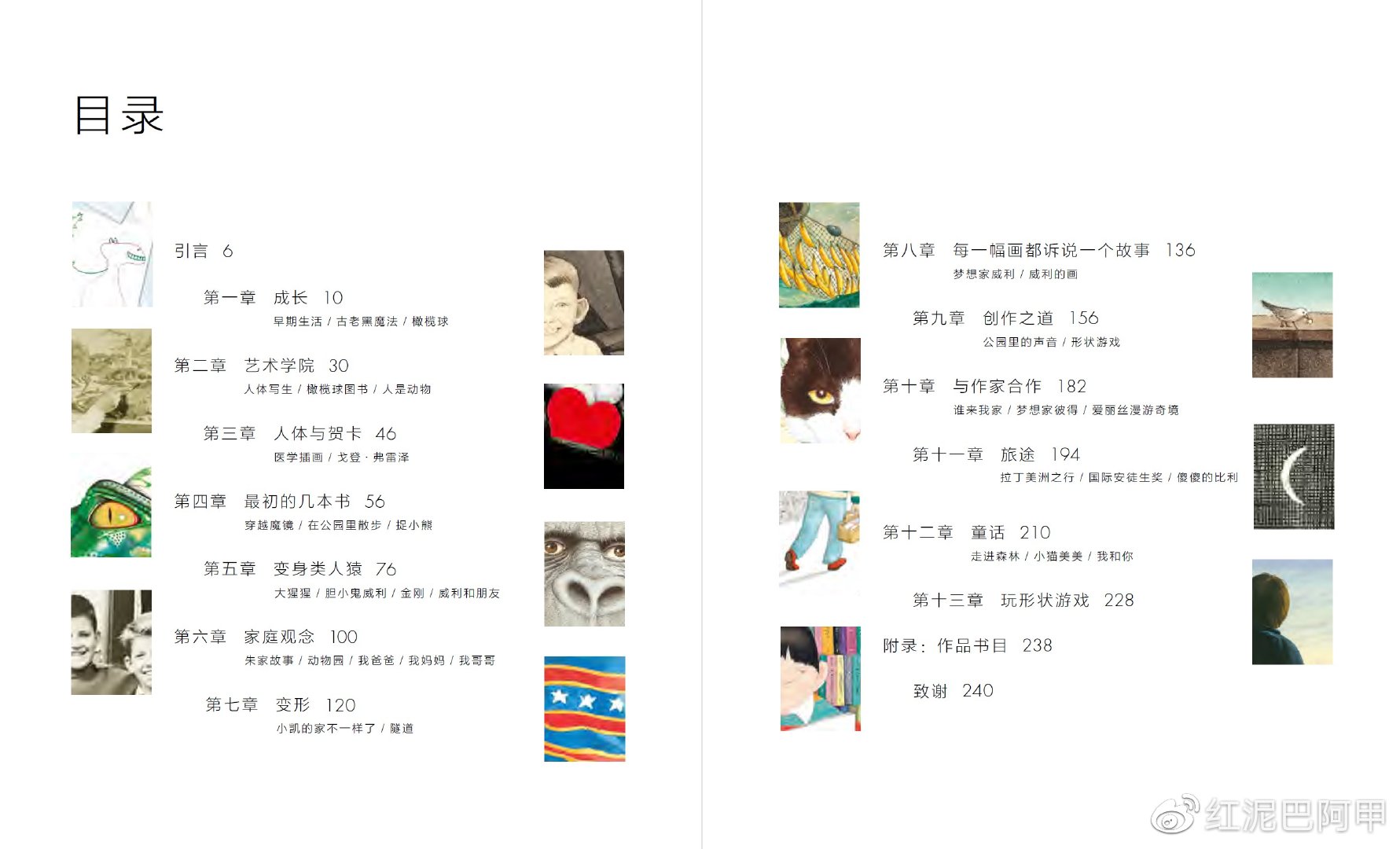
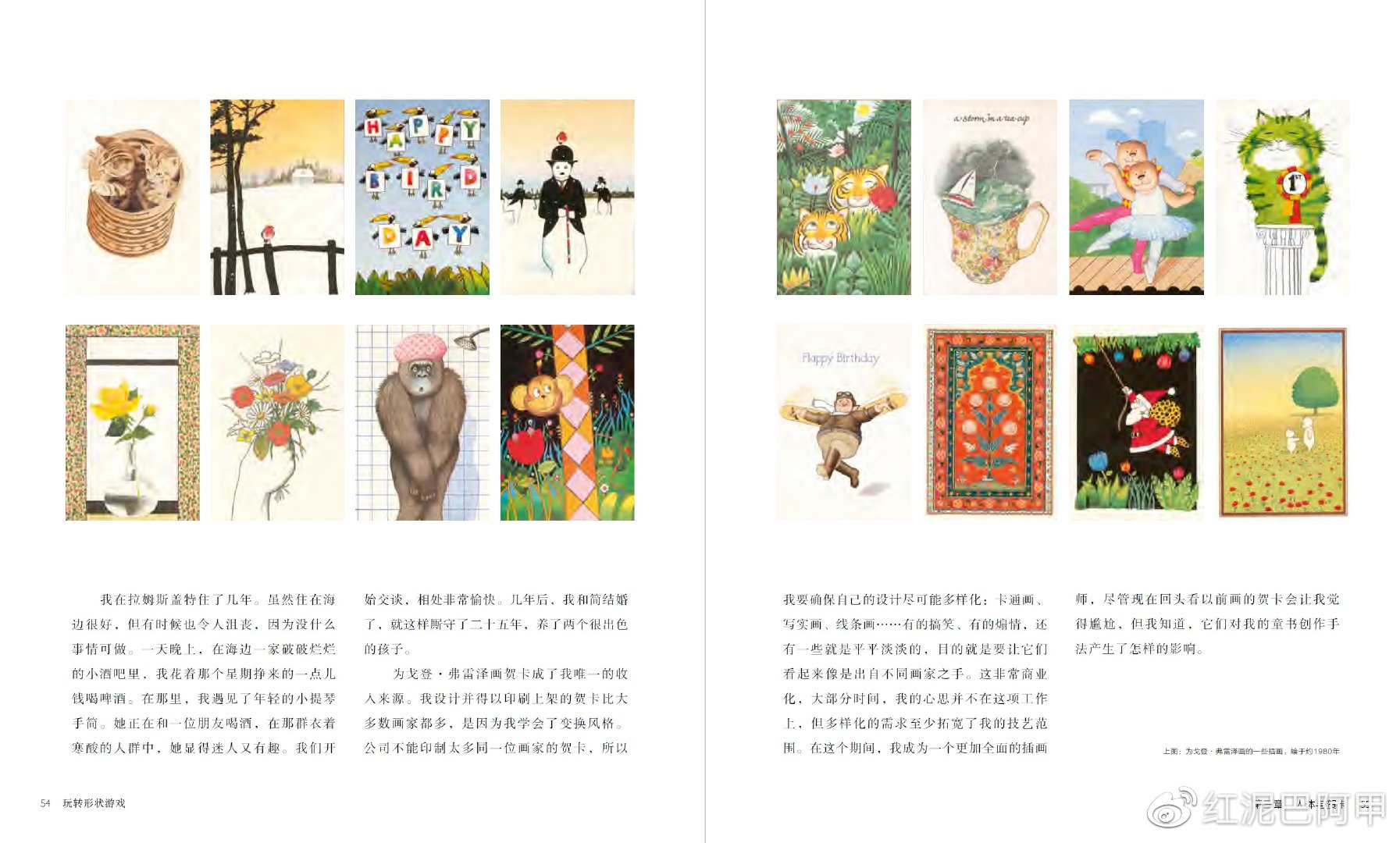
Eighth, before becoming a children’s book illustrator, his career was rather erratic. He briefly worked in advertising design, quit a teacher training program after only a few days, and spent several years doing medical illustration, mainly dealing with diseases and corpses. Finally, unable to bear it any longer, he switched to drawing greeting cards. The income from drawing greeting cards was meager, barely enough to rent a small, basic apartment where he would get up at night to urinate without turning on the light and might step on a cockroach in the bathroom. But drawing greeting cards gradually gave him a better understanding of market needs, and constantly changing his techniques and styles made him a versatile illustrator. His later picture book creations benefited greatly from this training.
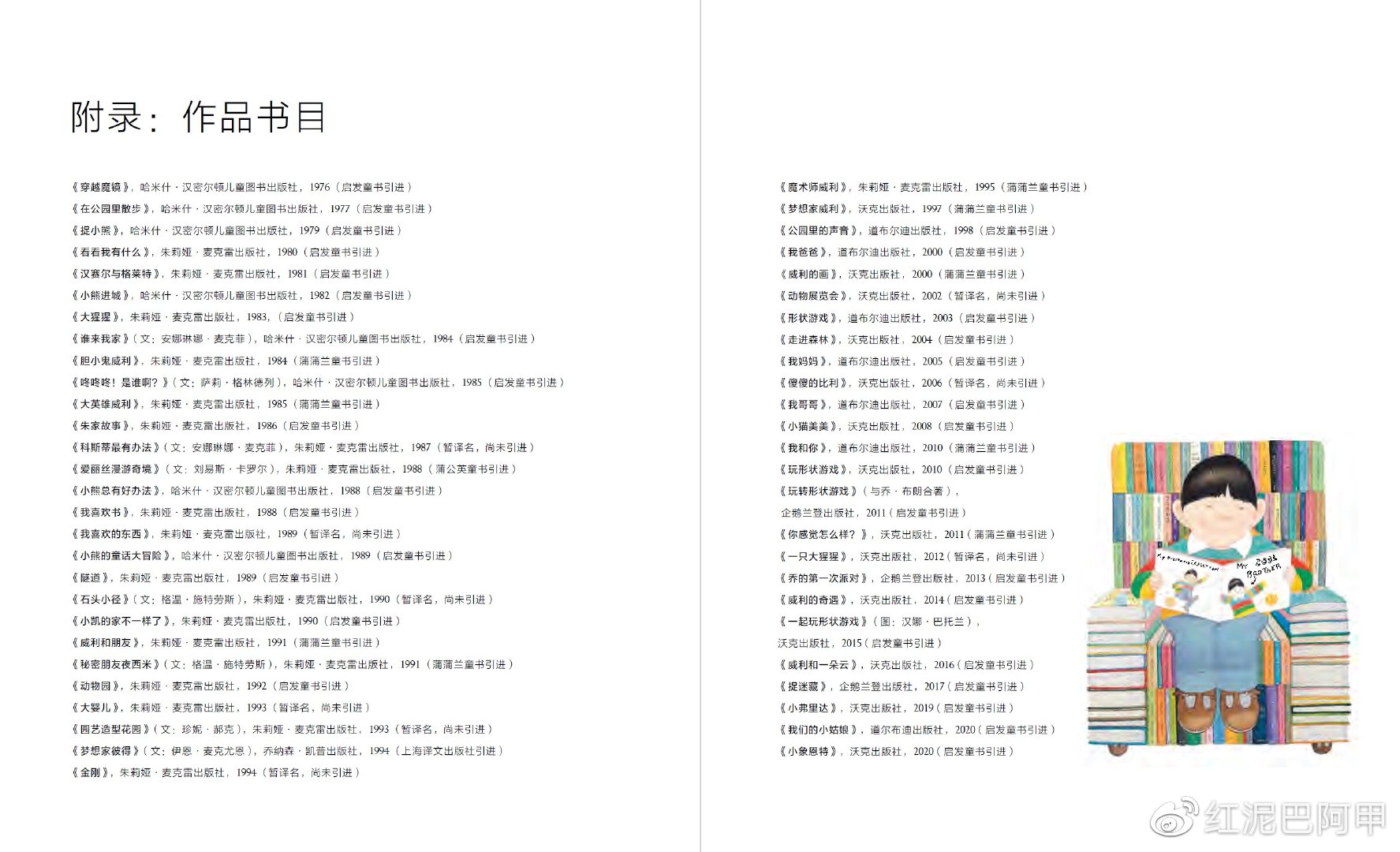
Ninth, his debut picture book, *Through the Magic Mirror* (1976), can perhaps be seen as a collection of greeting card illustrations. Thanks to the early guidance of editor Julia McCrae, he learned to weave seemingly independent illustrations into a picture book using a storyline that resonates with children’s psychology. They collaborated for 20 years until Julia’s retirement in 1996. After mastering the basics, Anthony quickly became an expert, but his first few books didn’t sell very well. To prove he could create “sellable” picture books, he began creating the “Little Bear” series, and the situation immediately changed.
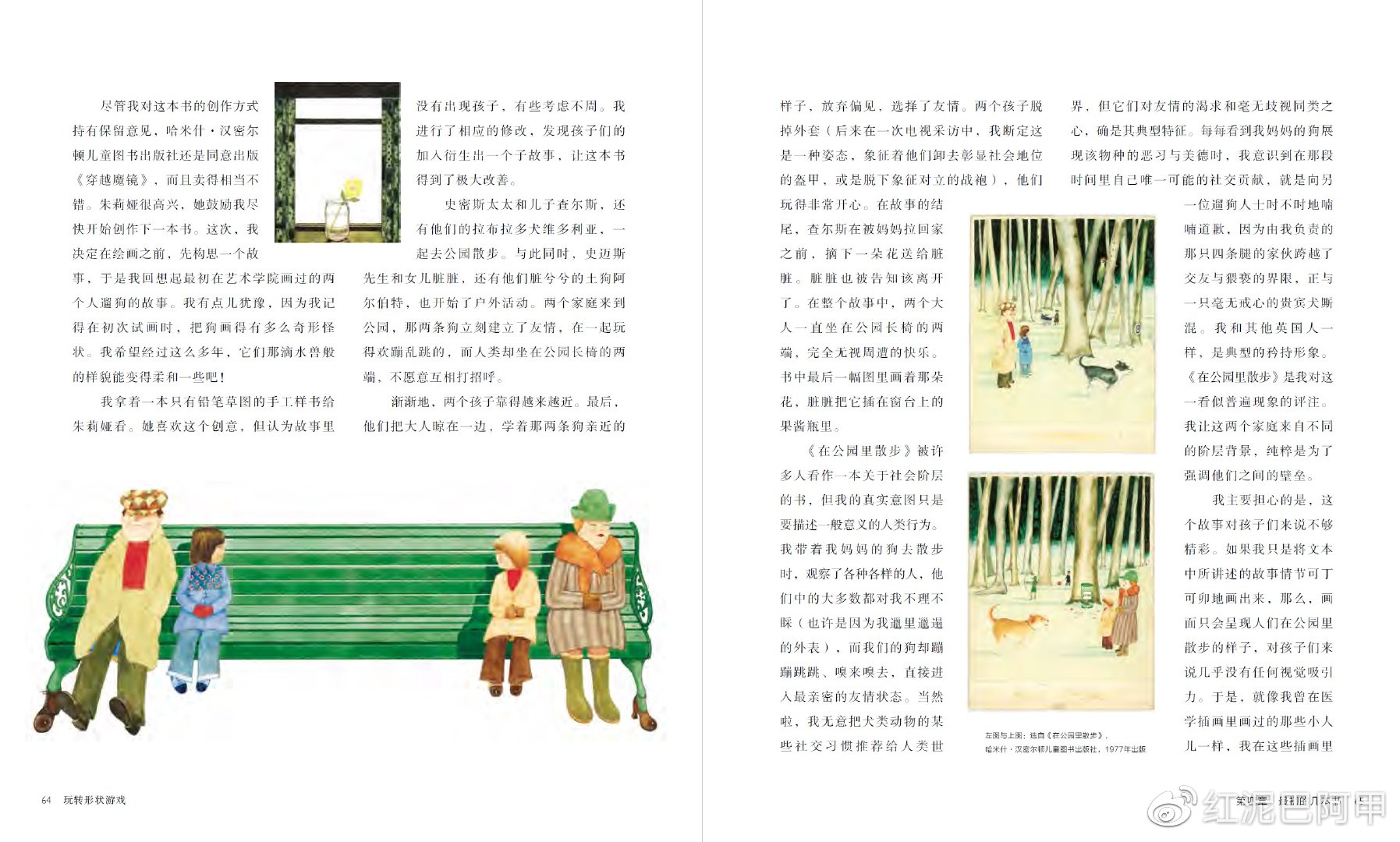
Tenth, his signature picture book language may well have been inspired by an unintentional lie. His second book, *A Walk in the Park* (1977, later rewritten as *Sounds in the Park* in 1998), attracted attention for its surrealist style. In a television interview, host Aiden Chambers (a renowned British children’s book author and critic) asked him why he included those strange and unusual details in his illustrations. Anthony had been doing it for fun since he was four, but feeling it wasn’t appropriate to say it on camera, he casually replied, “Because I think that’s how kids see the world.” — Although it seemed like a lie to him at the time, in retrospect, he increasingly felt it made a lot of sense. It was precisely a way for him to connect with his childhood. In his subsequent works, he consciously used this method. From “Look What I Have” (1980) to “Hansel and Greta” (1981), he incorporated techniques that were originally just for fun and entertainment into the main storyline. By the time “Gorilla” (1983) was published, the “Anthony Browne style” of picture book language had fully matured.
Written by A‑Jia on May 17, 2020 in Beijing
There’s more to discover in “Playing with Shapes”…