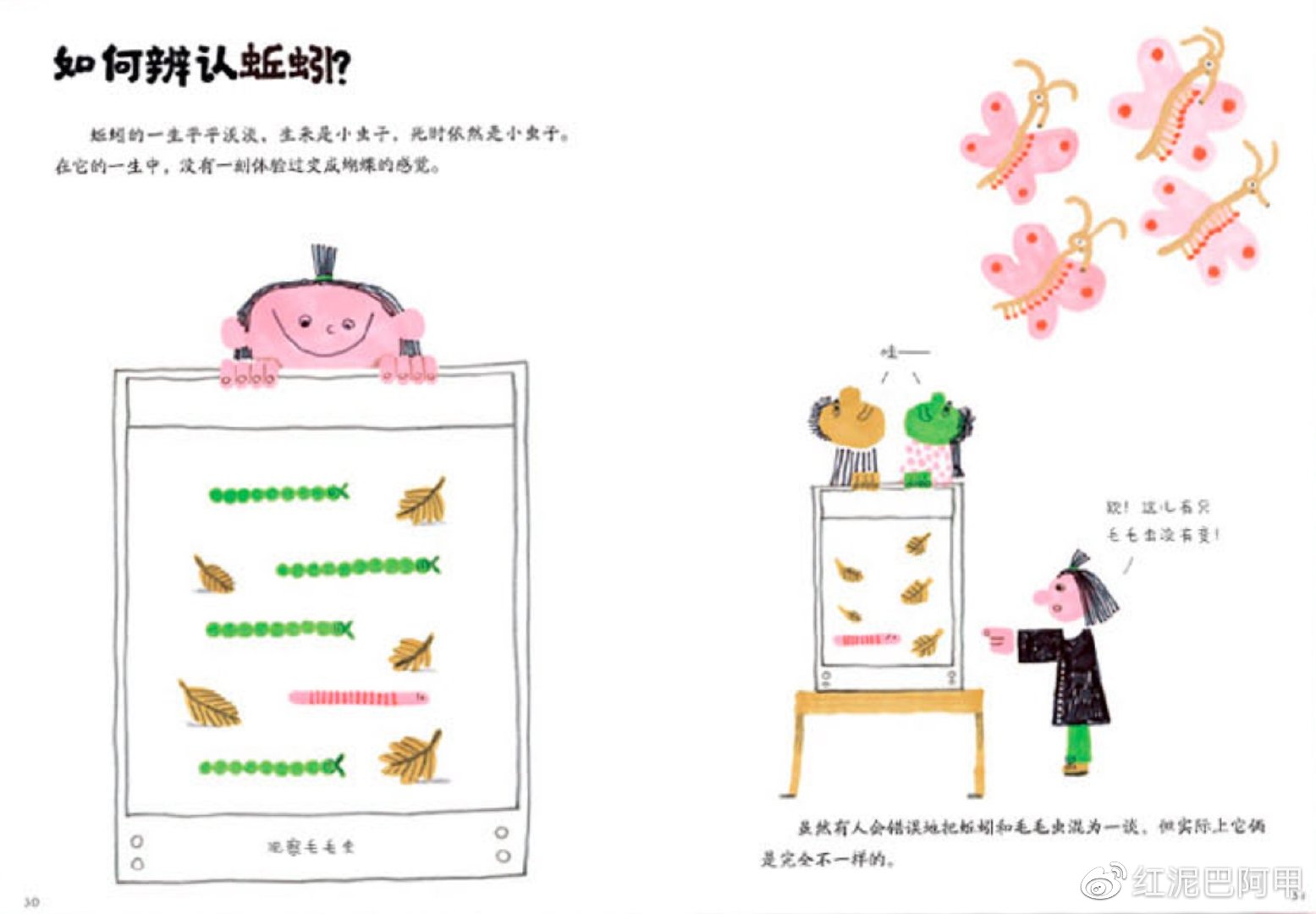
Before reading *The Poor Worm’s Life*, no book had ever sparked such a strong interest in earthworms, such insignificant creatures. And when we consider earthworms as life forms equal to ourselves, we might be compelled to re-examine our own ordinary lives.
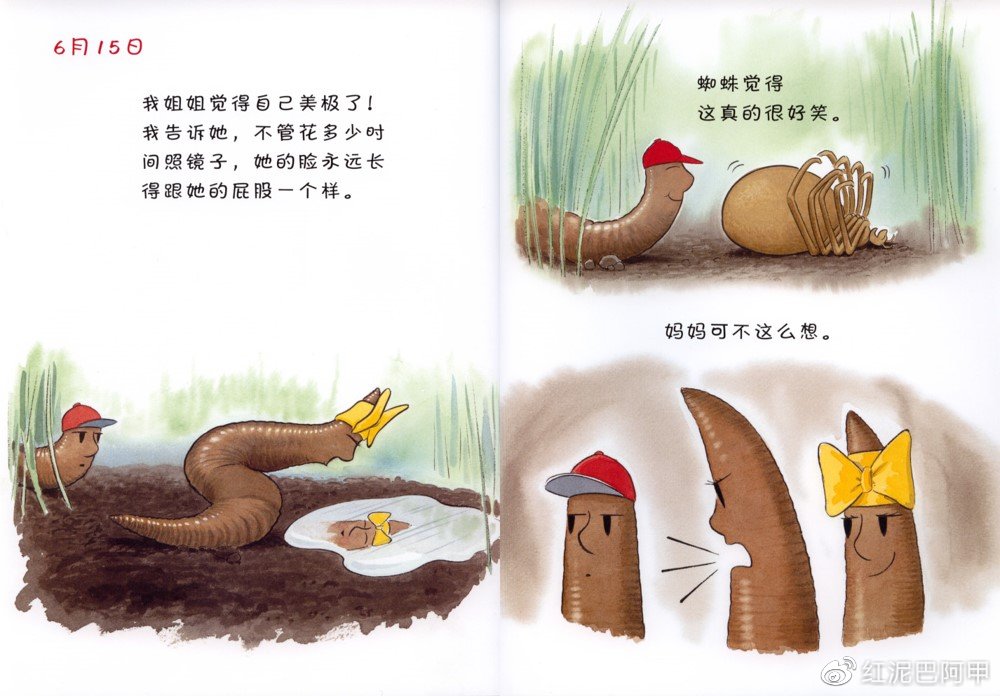
I once read “Diary of a Worm,” a humorous picture book that seemed to use the earthworm to depict the lives of elementary school students. The protagonist was definitely a mischievous little boy, because he would tease his vain older sister.“I told her that no matter how much time she spends looking in the mirror, her face will always look the same as her ass.”This statement is funny, but it makes full use of the biological characteristics of earthworms, because for ordinary people, it is indeed not easy to distinguish the head and tail of an earthworm!
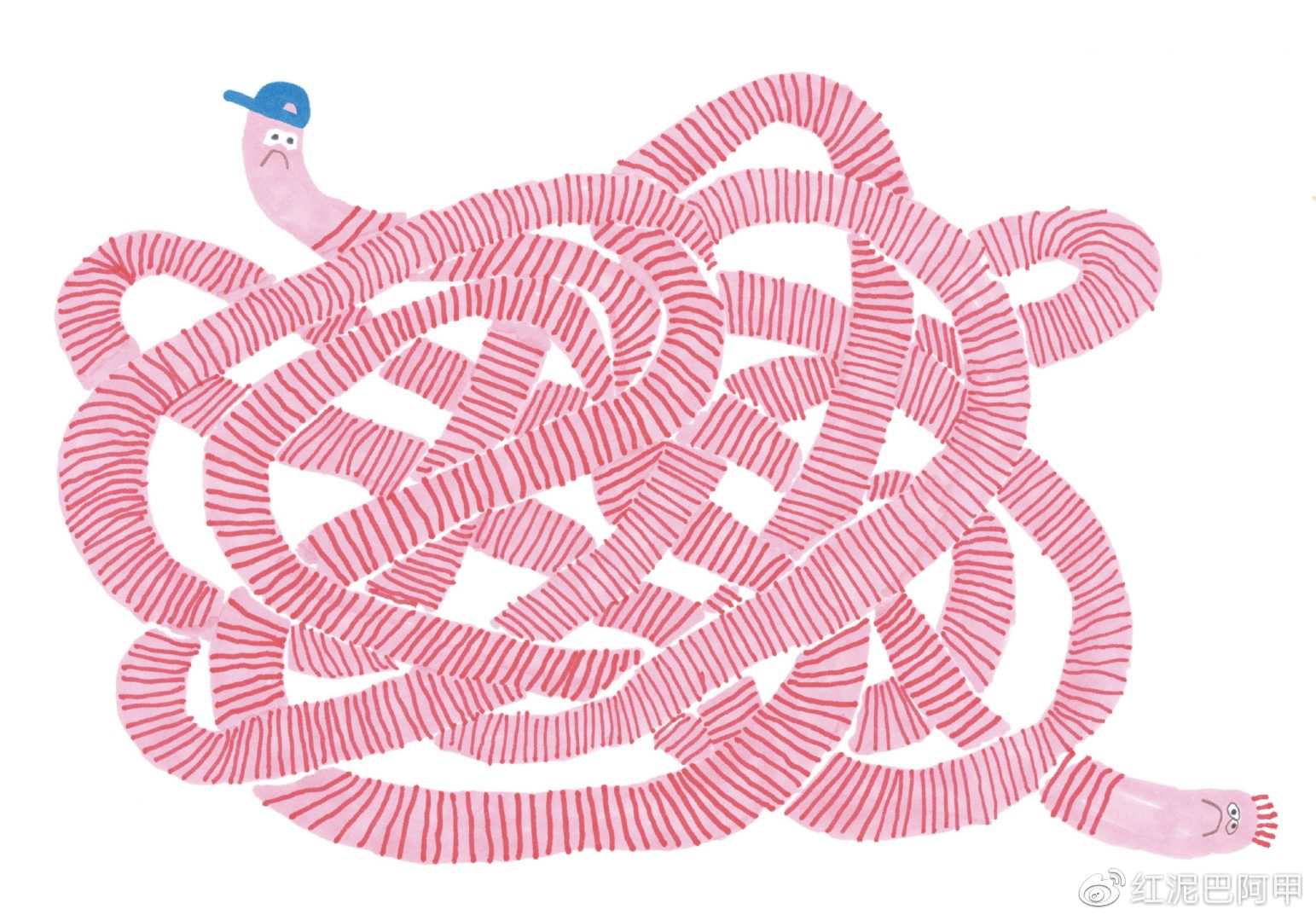
“The Poor Earthworm’s Life” also attempts to anthropomorphize earthworms to some extent, but focuses more on exploring and reflecting on survival from a knowledge-based perspective. For example, when discussing the earthworm’s tail, it first dedicates two double-page spreads (4 pages) to exploring “why earthworms have tails,” and then a whole chapter (a whopping 48 pages!) to “the earthworm and its tail.” In this chapter, the earthworm’s head and tail become twins; the artist adds hair to the head and a hat to the tail! The growth process of these twins is full of humor, presenting the growth process of humans on top of the earthworm’s biological characteristics. The emotions and conflicts are human, but when the earthworm’s head and tail get tangled due to a dispute, the story returns to the struggle between the earthworm and its biological predator, seemingly turning the book into a popular science book, in line with the subtitle’s claim of “a very interesting brief history of earthworms,” although the original subtitle literally translates to “a rather short natural history paper.”
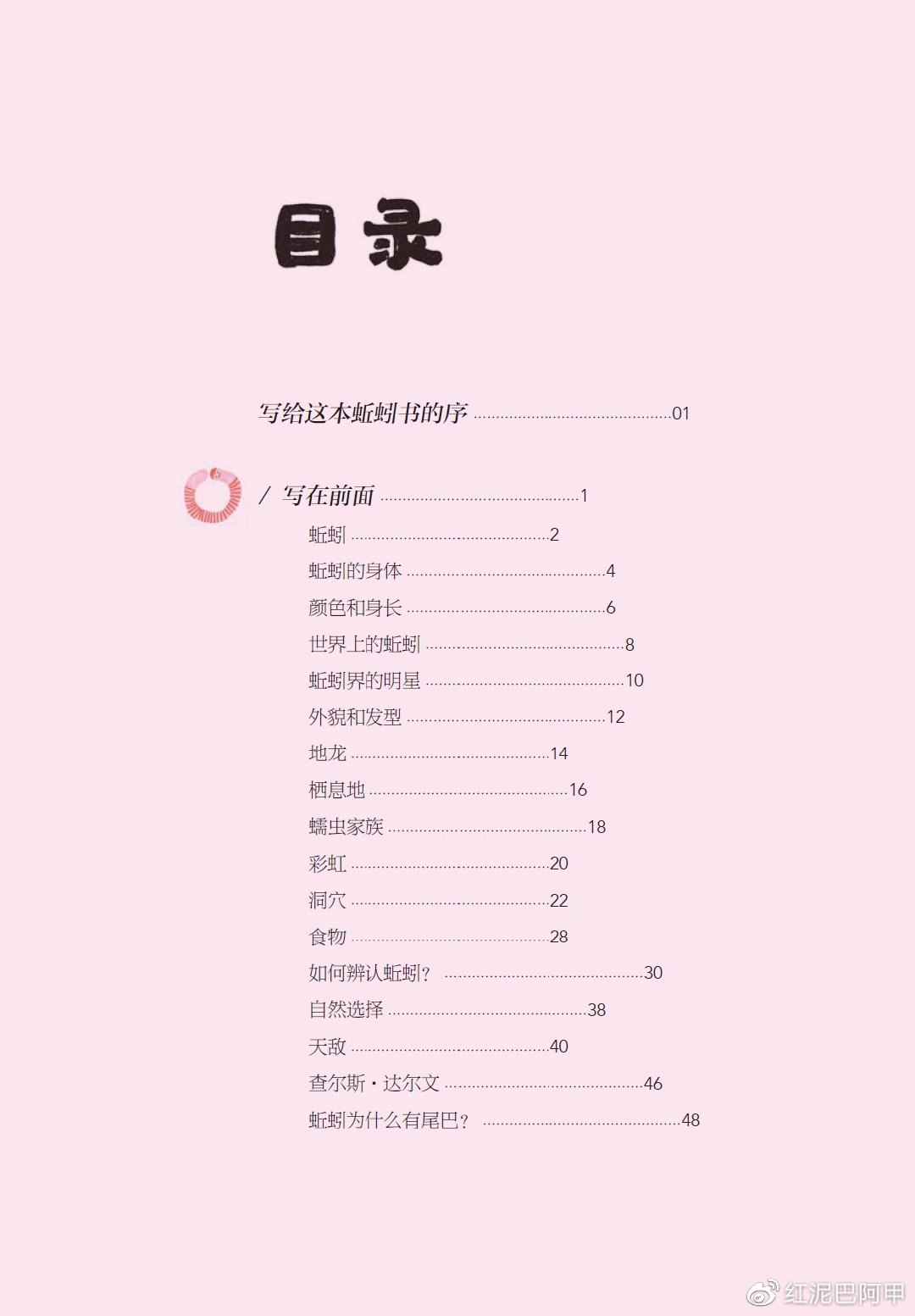
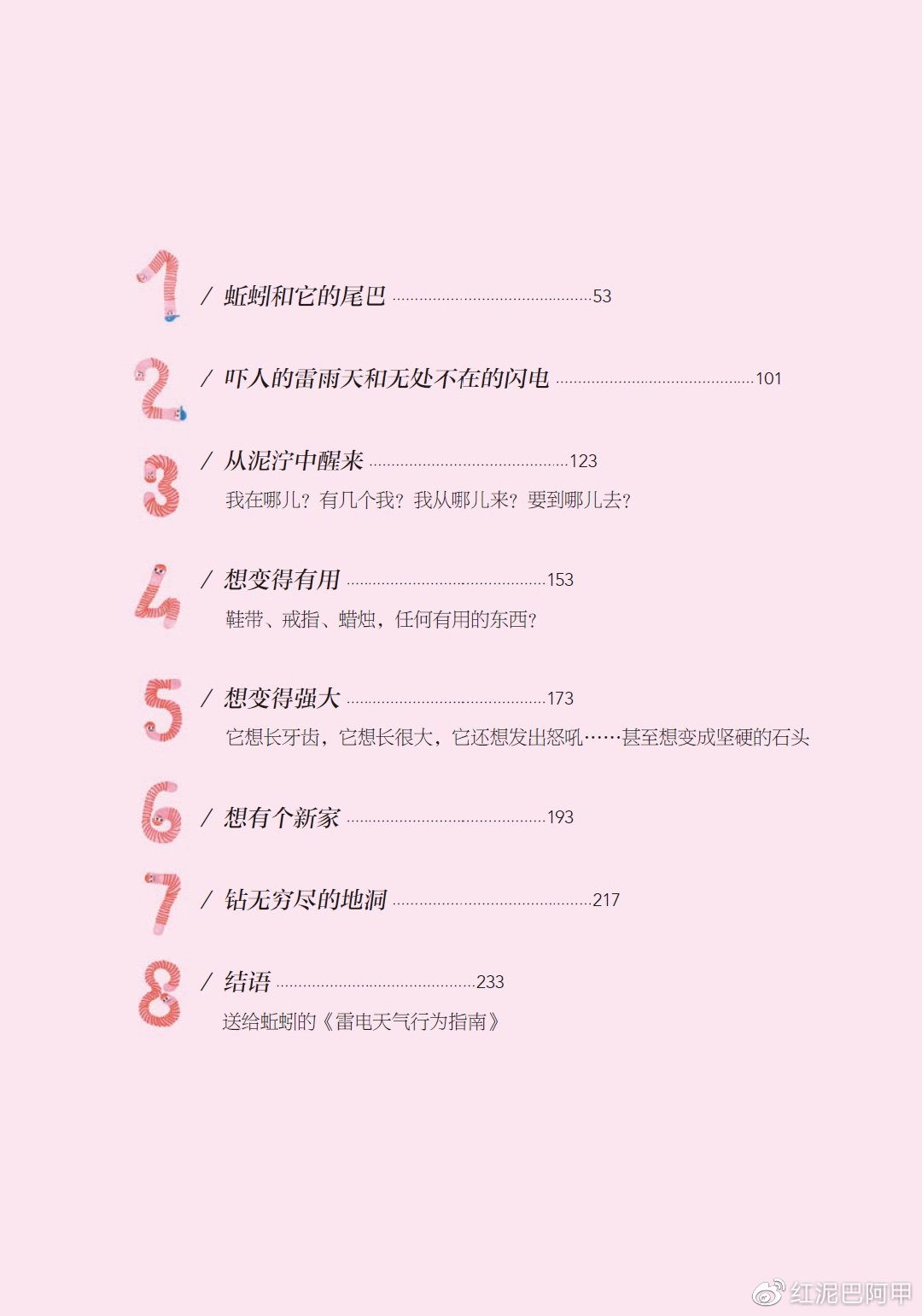

This book breaks down conventional boundaries with its anthropomorphic and fairytale-like approach. The author (and illustrator), Noemi Volla, is a relatively young artist (born in 1993). To create this book about earthworms, she spent four years collecting and organizing scientific research data on earthworms, and understanding children’s perspectives on earthworms through art activities, guiding them to think further. Almost everyone has seen earthworms, knows they exist, and knows that more are usually seen after rain, but most people haven’t really cared about their existence, or even bothered to figure out how to distinguish an earthworm’s head from its tail. The “common sense” about earthworms we learn from childhood is usually:If you cut an earthworm in half and put it back in the soil, the two halves will continue to grow separately and become two earthworms.In other words, this may not be a bad thing for earthworms, and we don’t need to worry about whether they are in pain or injured.
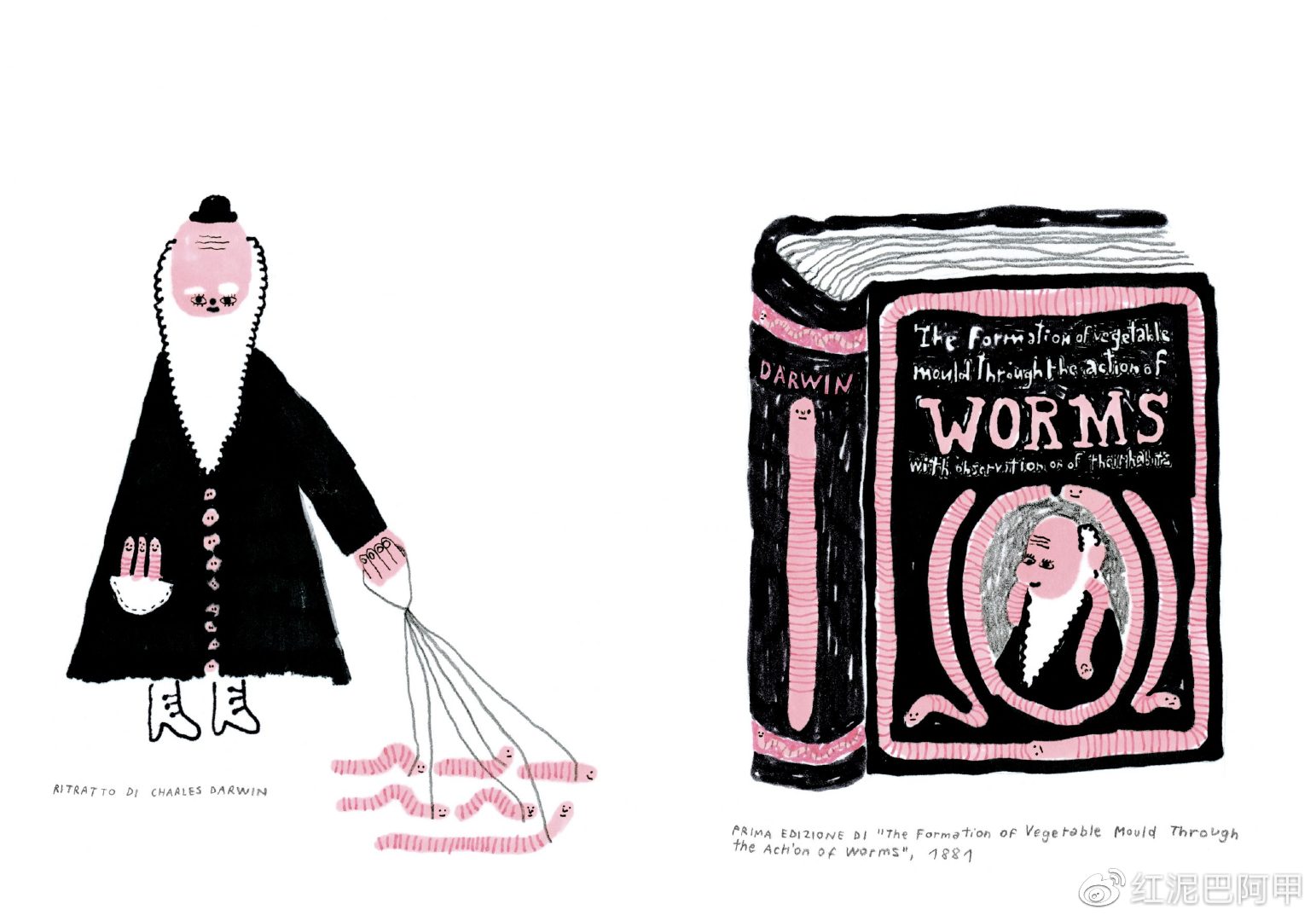
Through this 250-page book about earthworms, Noemi forces readers to confront this issue:Earthworms, which seem like extremely humble creatures, are actually a rich and magnificent existence on Earth, with more than 7,000 known species!““If we could gather all the earthworms in a patch of soil together, these little insects would be enough to form a rainbow.” In everyday life, almost no one is interested in earthworms; people are even unaware that Darwin, who studied evolution, wrote a treatise on earthworms, *The Production of Humus and the Role of Earthworms*, in which he remarked:”We can hardly find other creatures that, though seemingly humble, have played such an important role in the course of world history.”“But Noemi was surprised to find that most people (including children) inexplicably disliked this ‘little bug’, even though they never thought about why they disliked it! Noemi said she doesn’t expect people to fall in love with earthworms after reading this book, but at least they can ask themselves ‘why’ when they feel disgusted by it.”
The idea for this book came from Tove Jansson’s *Summer Book*, a book by Finnish author Noemi (winner of the Hans Christian Andersen Award and creator of the Moomin series). It was during a university class in Bologna that Noemi’s favorite art professor read aloud the chapter about earthworms from *Summer Book*. In the book, a girl named Sofia is terrified of all kinds of small animals and insects, and her grandmother doesn’t know how to help her overcome this irrational fear. One day, while digging with a shovel, Sofia accidentally cuts an earthworm in half, and she drops the shovel and screams in terror… Taking this as an opportunity, the grandmother invites Sofia to write a hypothetical book about earthworms. Together, they try to record their observations of earthworms and imagine what they might feel. The first chapter of this hypothetical book ends with the very words Noemi quotes at the beginning of the book: “…In any case, we must ask everyone a favor: please stop putting this poor little life on a hook as bait.”“
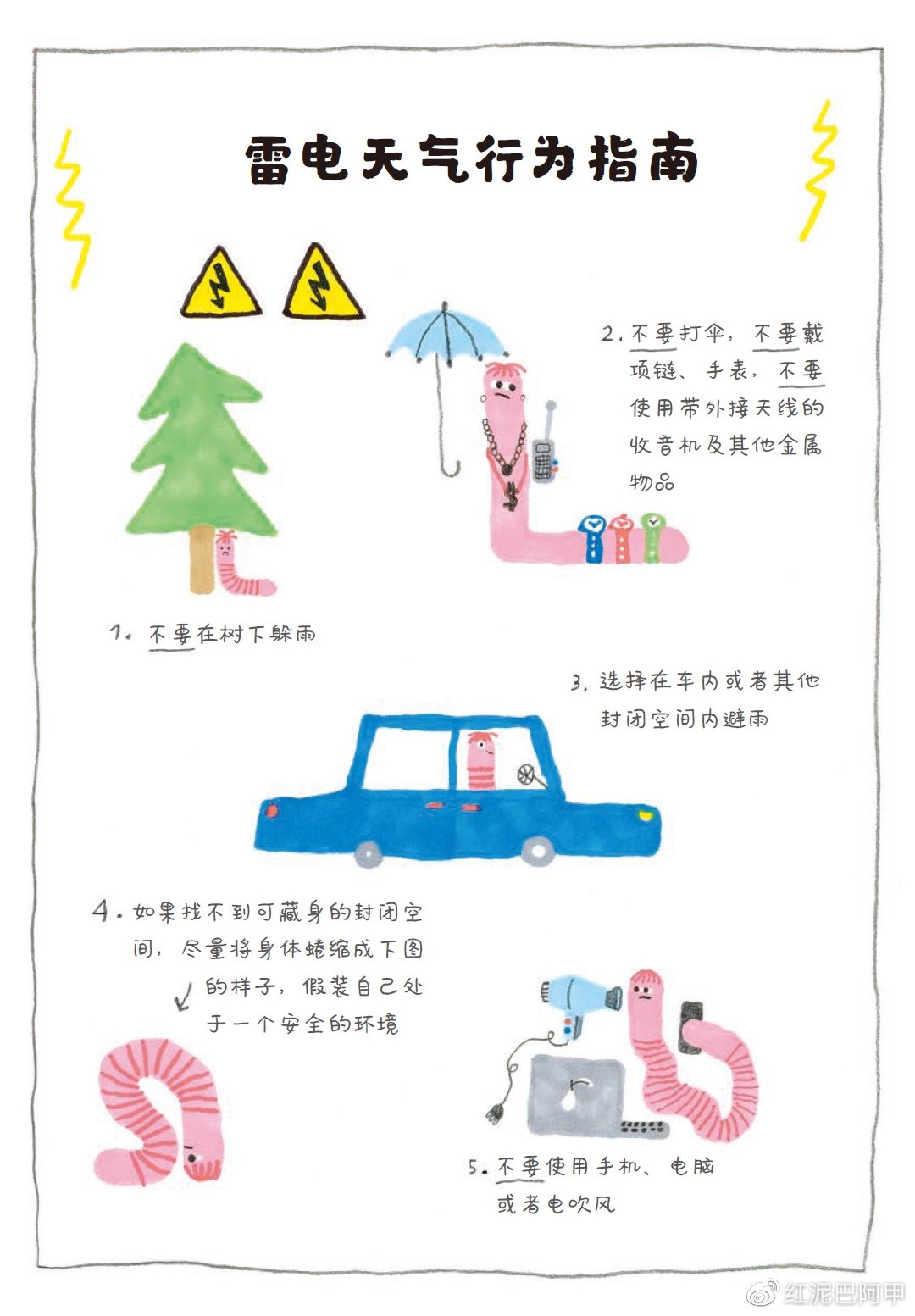
Sofia’s imaginary book greatly inspired Noemi, who decided to create a real book. The most ingenious structural design of this book is that, precisely in the middle, the pink earthworm is severed in two by lightning! Here, Noemi continues Sofia’s (and Jansson’s) line of thought. Sofia said, “The earthworm probably knows that if it is cut, the two halves will begin to grow separately. But we don’t know how much pain it experiences, and we don’t know if the earthworm is afraid of being hurt. But in any case, it will feel something sharp getting closer. It’s an instinct.” In the book, Noemi continues, “How much pain does an earthworm with a severed tail feel? We cannot know. Perhaps, it’s like a human breaking a bone or having a tooth pulled.”“
In fact, even regarding the question of whether earthworms cut in two can regenerate, the answer is not certain. On the Bilibili video website, someone filmed an experiment observing whether earthworms cut into three pieces can survive. He placed the remains of two earthworms, accidentally cut into three pieces while planting flowers, along with the soil, in three boxes and observed their survival status at intervals. His experiment found that one tail segment survived for two months, but the other parts gradually died. This may not have been an experiment conducted under ideal environmental conditions. Relevant scientific literature states that the regenerative ability of earthworms is actually “affected by many factors, including species, the location and number of broken segments, environmental temperature, humidity, and oxygen content.” Therefore, we should not assume that cutting an earthworm in two is doing it a favor.
The following content is only visible to true fans.
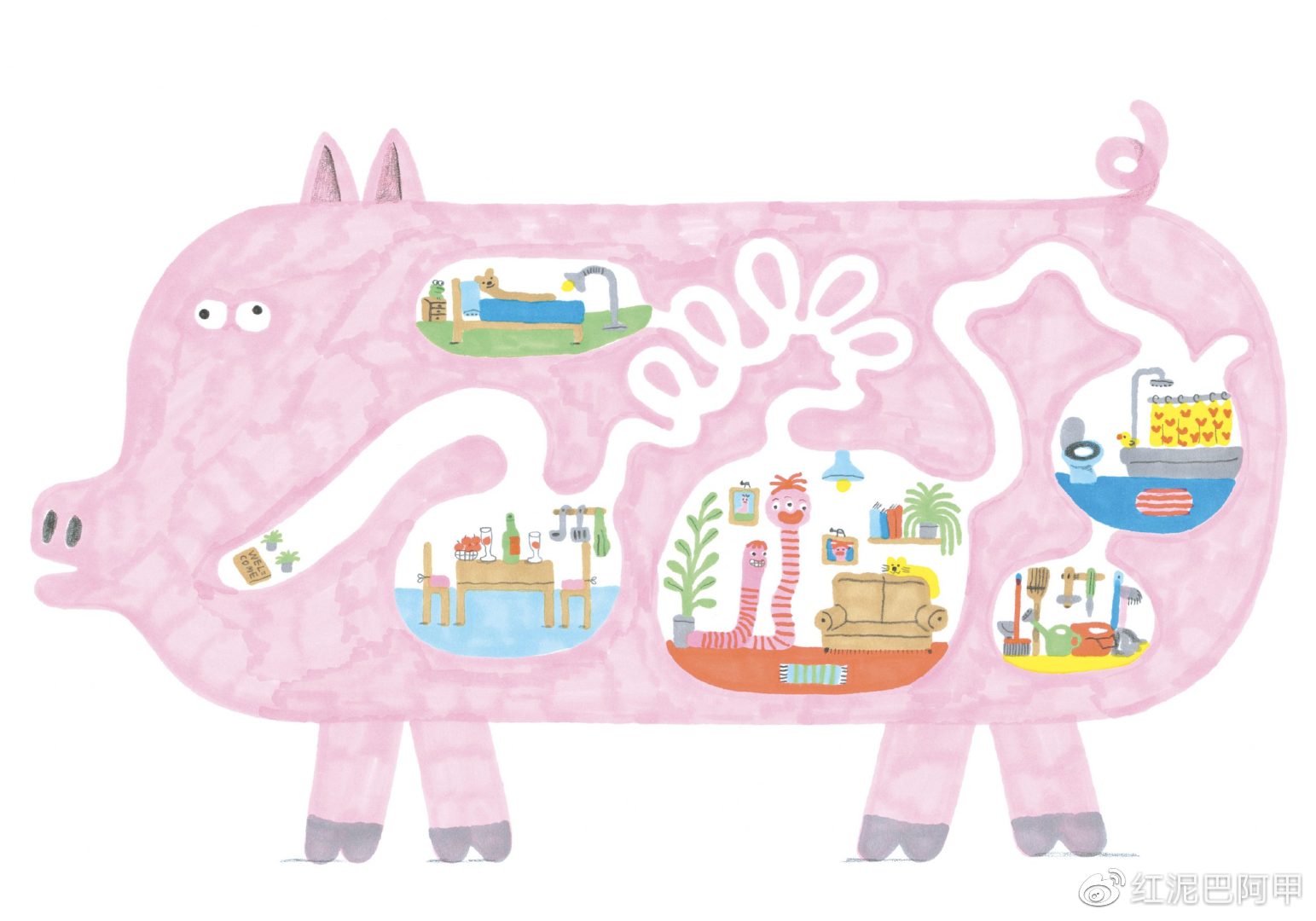
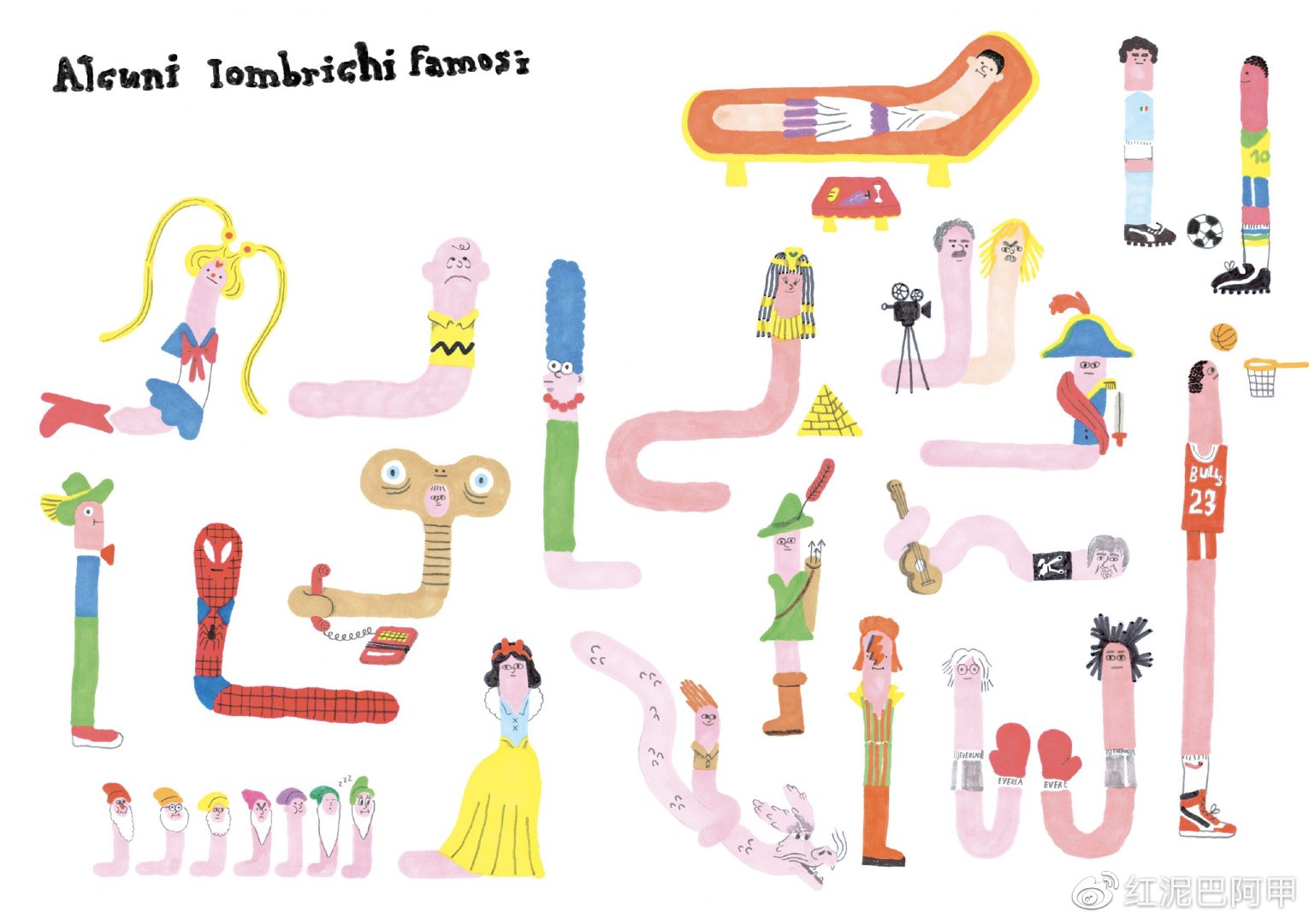
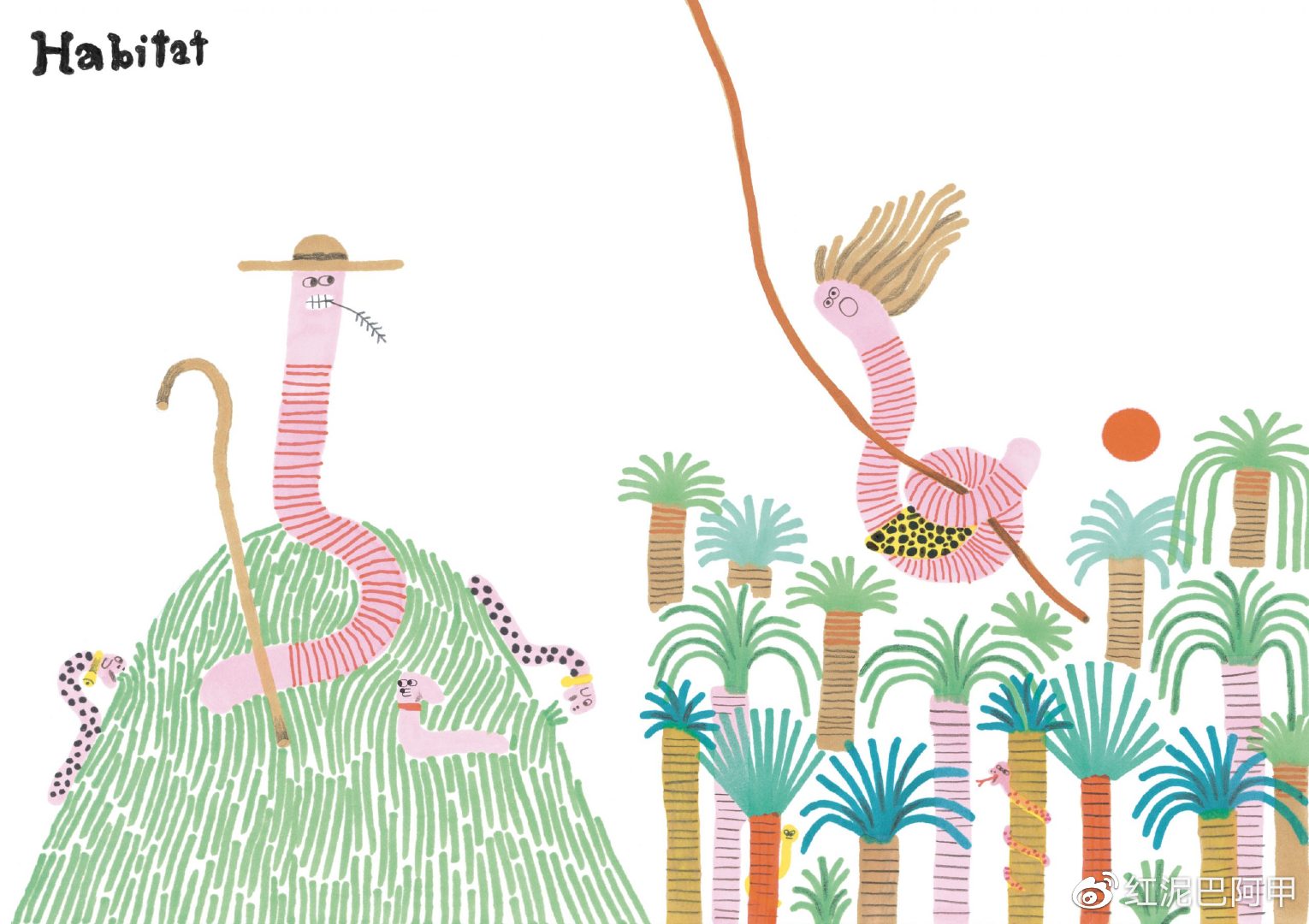
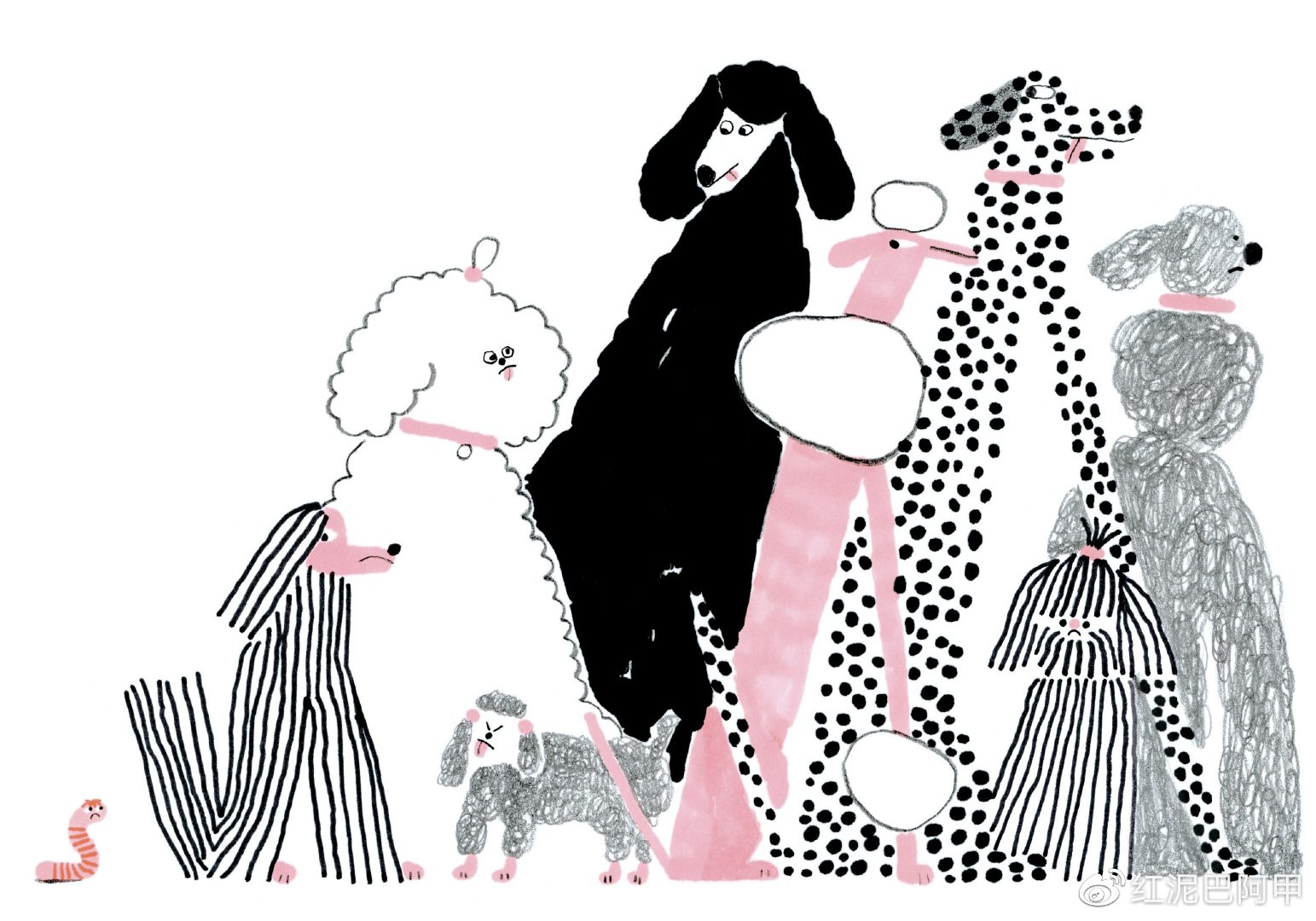
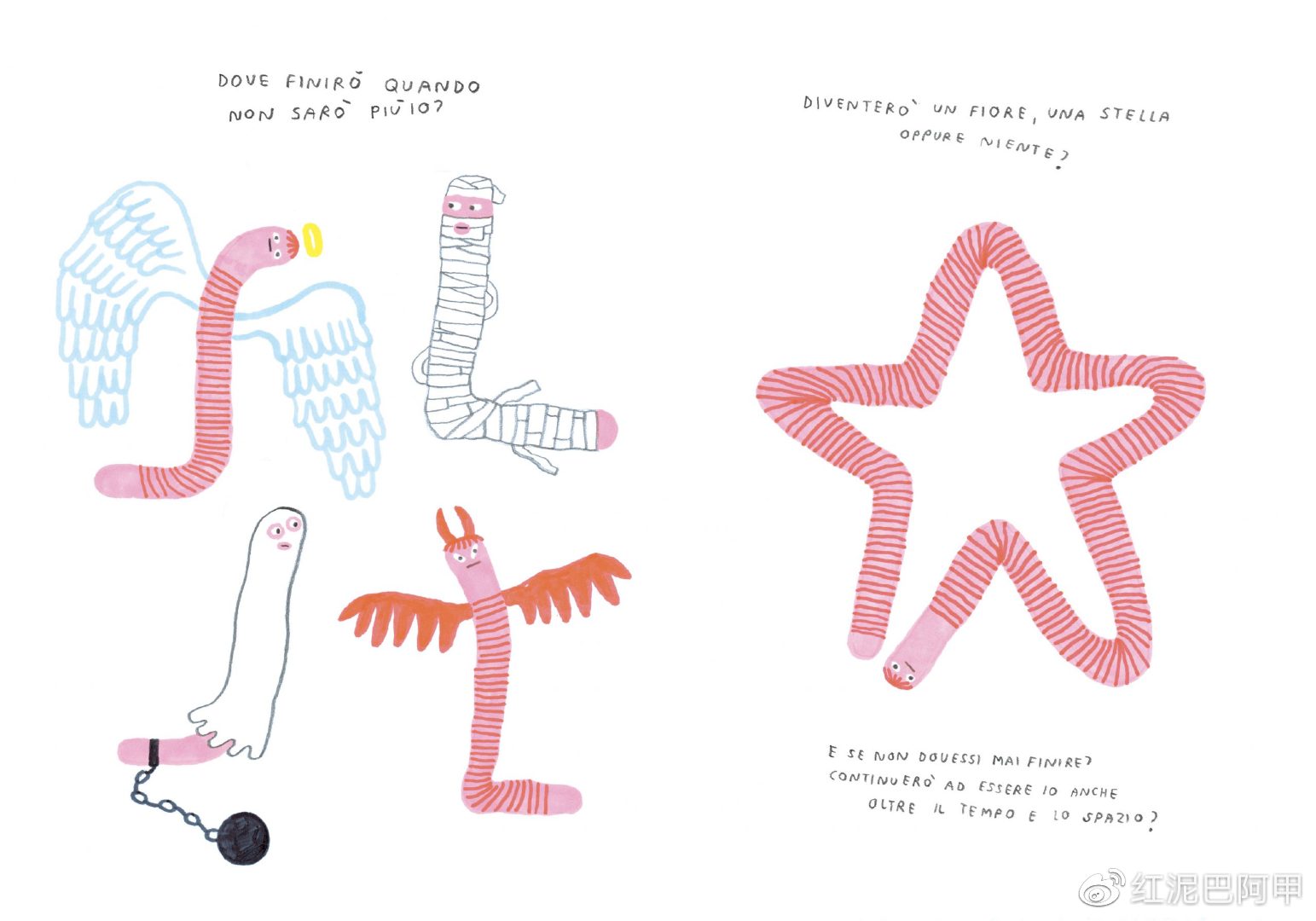
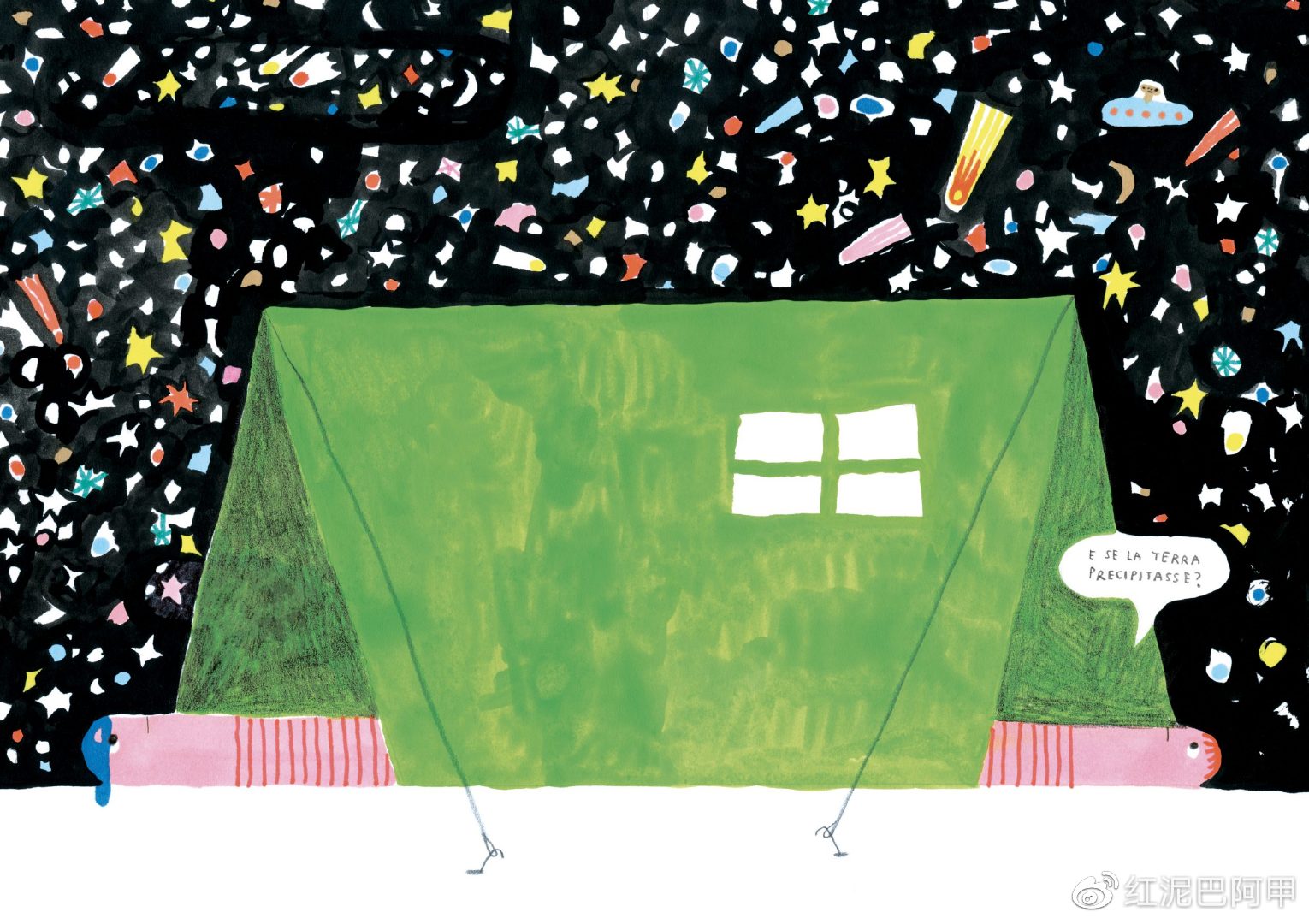
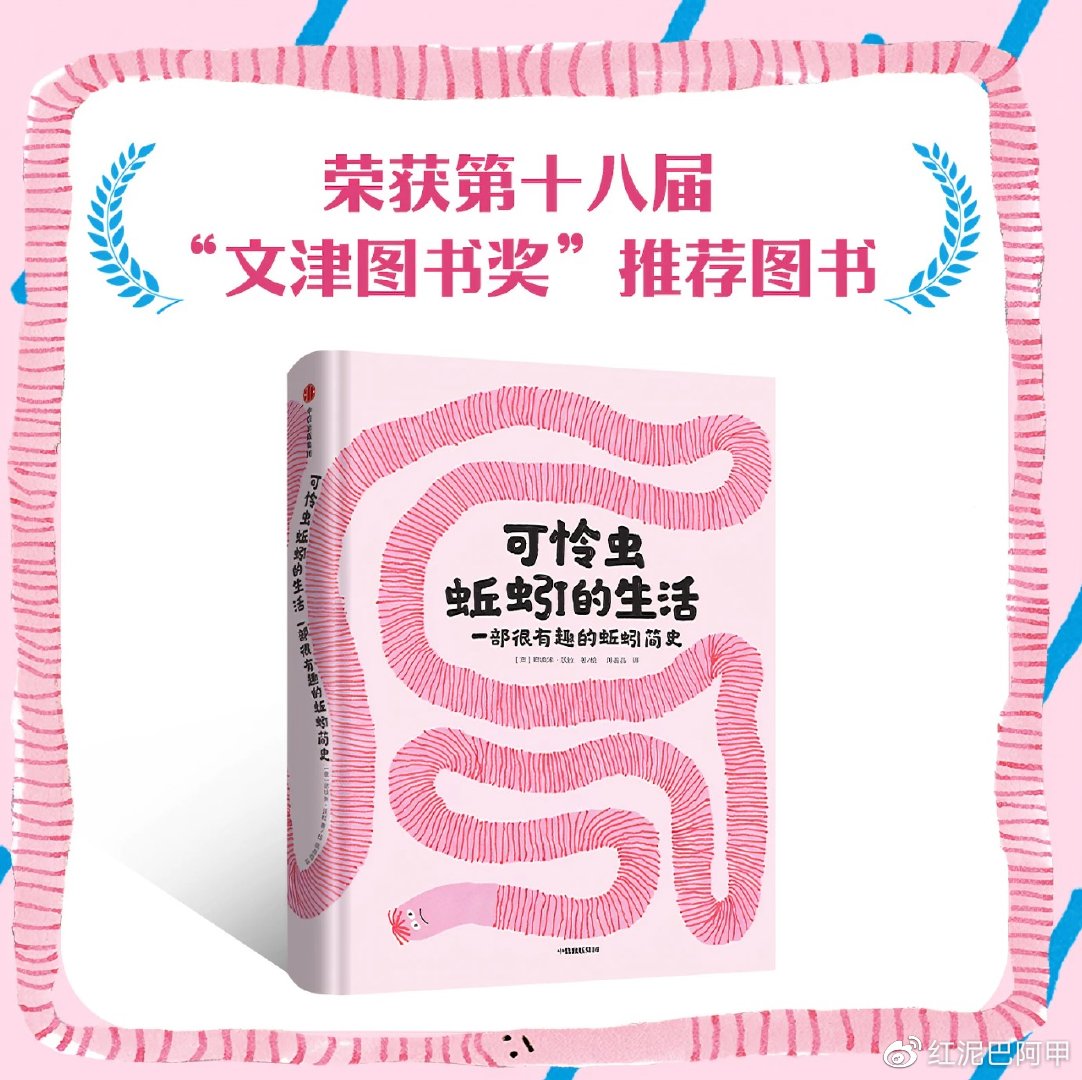
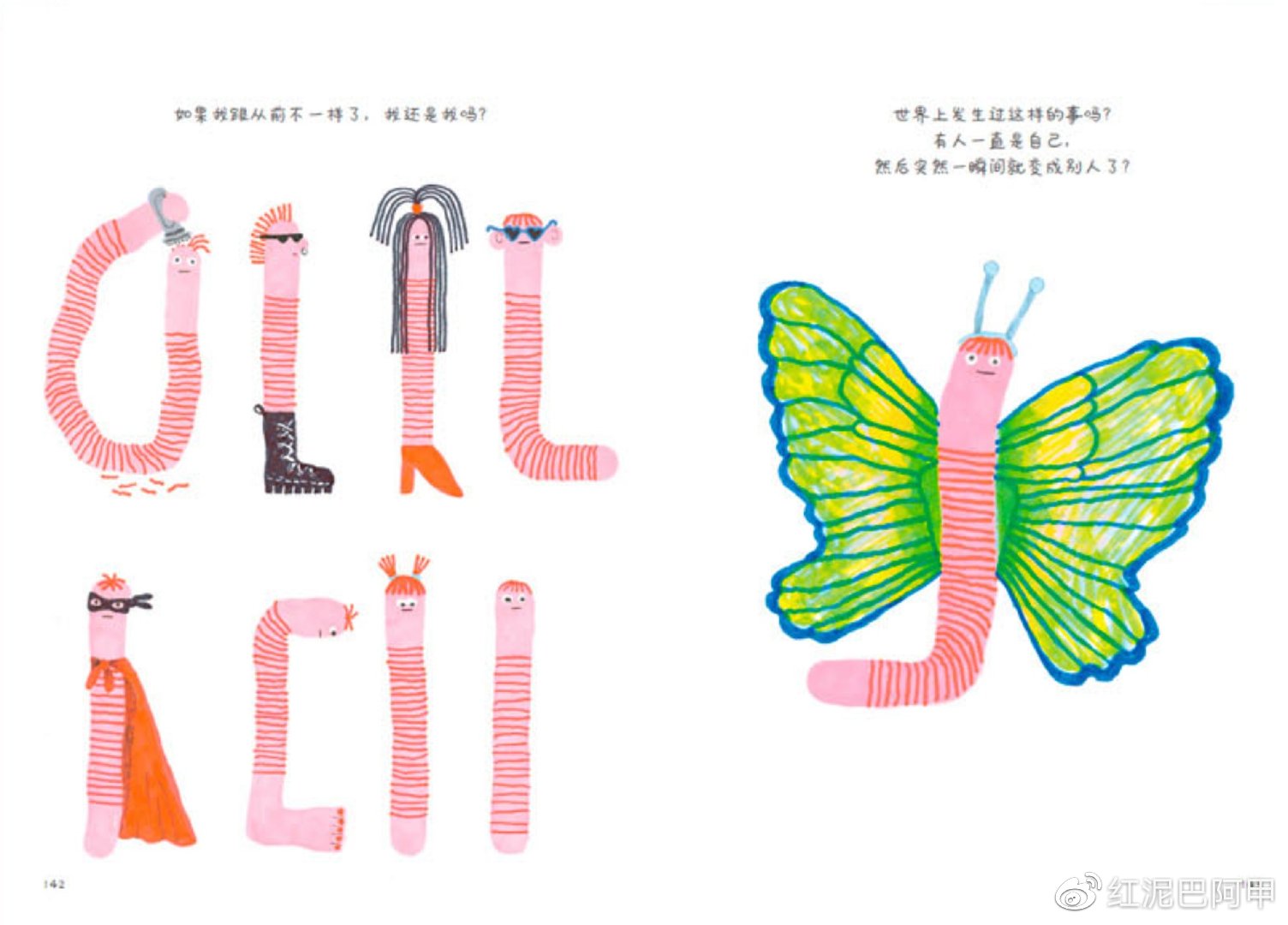
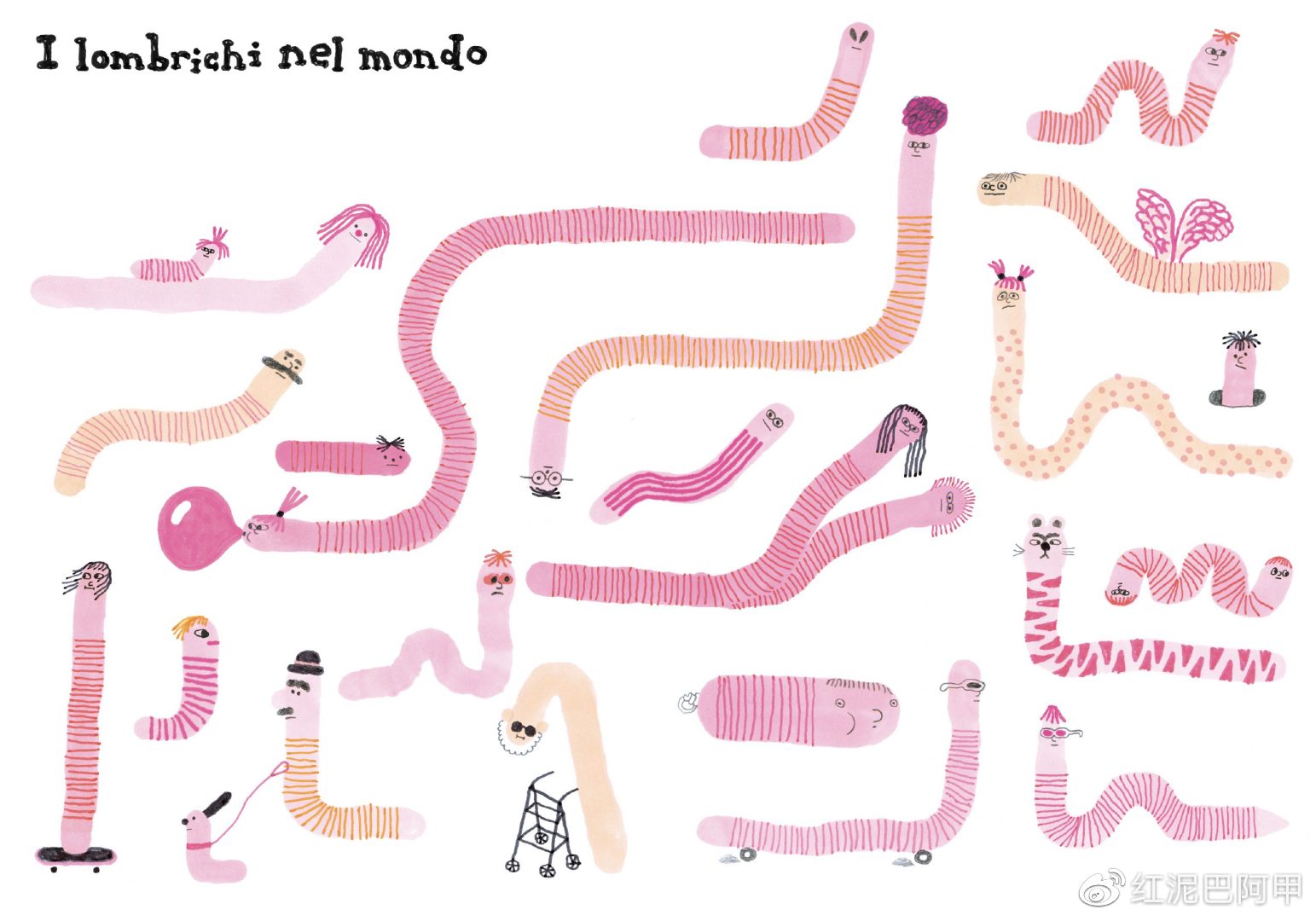
Fortunately, illustrator Noemi didn’t create this book as a serious science manual. That would likely have attracted few readers, even fewer children, and would have offered little help in improving earthworm survival. At first glance, *The Poor Earthworm’s Life* seems more like a trendy photobook. First, it’s extremely pink—pink from beginning to end, even the spine. Second, it’s filled with popular elements, including photos of various celebrities (of course, earthworm celebrities), and a showcase of different hairstyles and looks. Additionally, there are candid glimpses into the protagonist’s (earthworm head, tail, and half an earthworm) life, accompanied by numerous personal reflections, such as, “If I’m different from before, am I still me?” and “Has such a thing ever happened in the world? Someone who has always been themselves, and then suddenly becomes someone else?” This is a book brimming with youthful energy, brimming with imaginative artistic ideas. Earthworms, as segmented worms, always wear stylish red striped sweaters. Their soft, elastic, long bodies are perfectly suited to forming various beautiful patterns. The book’s visual effect is novel and elegant, captivating readers and offering new discoveries at every turn. But all of this contributes to enhancing the book’s soul-searching and philosophically insightful questions:Who am I? Why am I alive in this world?
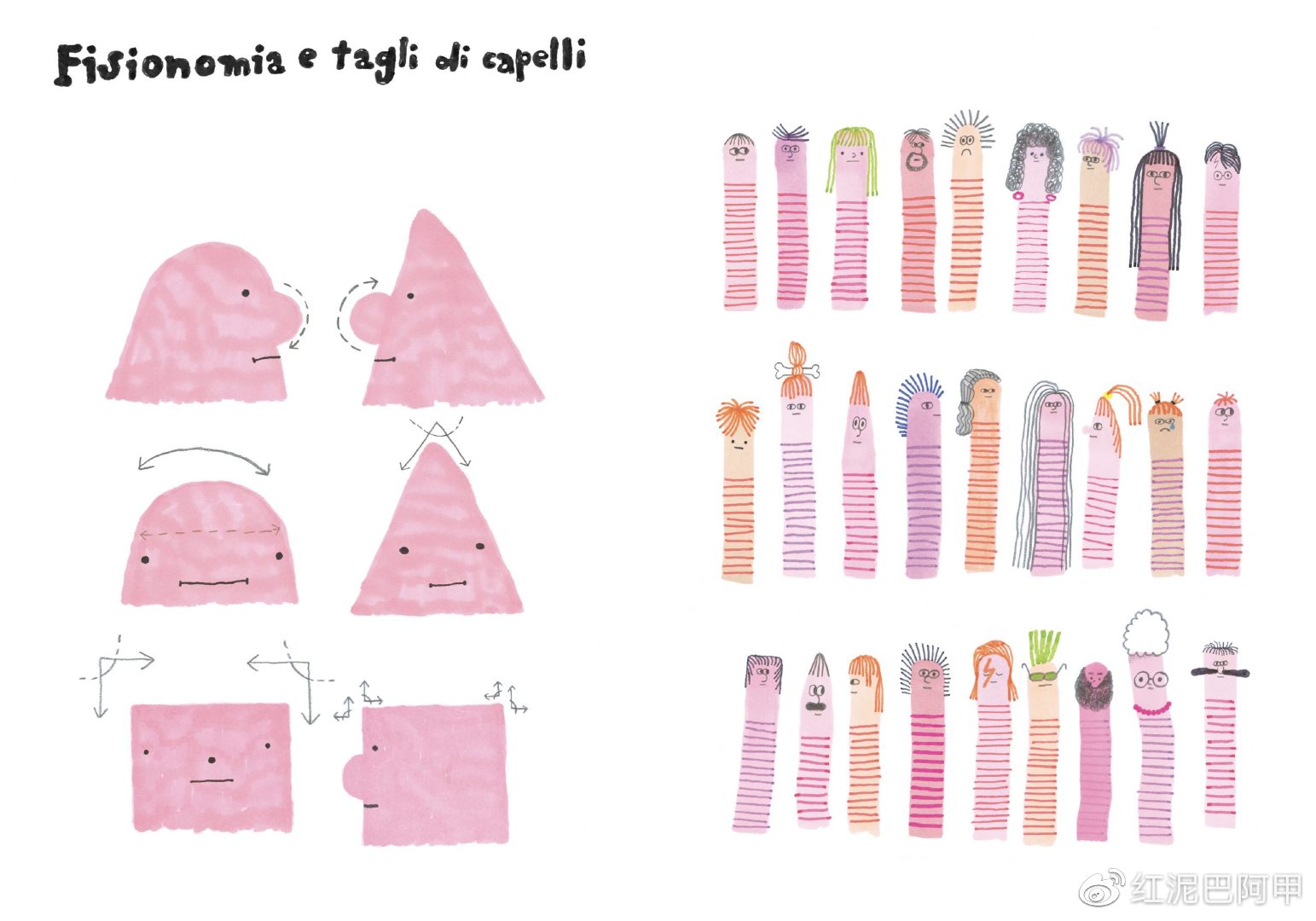
I think children and young people will love this beautifully illustrated book that defies easy categorization. It is far thicker than a typical picture book, yet as a science book it incorporates too many humorous fairy tales. Compared to typical fairy tales, its storytelling is weaker, and its structure is more like a scientific paper or animal observation report. In short, the fact that this work cannot be categorized is probably one of the important reasons why it is loved by young people today, because life does not need standard answers.
However, liking this beautiful and witty book does indeed help to enhance one’s love for life. If even humble creatures like earthworms can be appreciated, then it will be easier to savor the wonders of ordinary life.
Written by A‑Jia on November 10, 2022 in Beijing