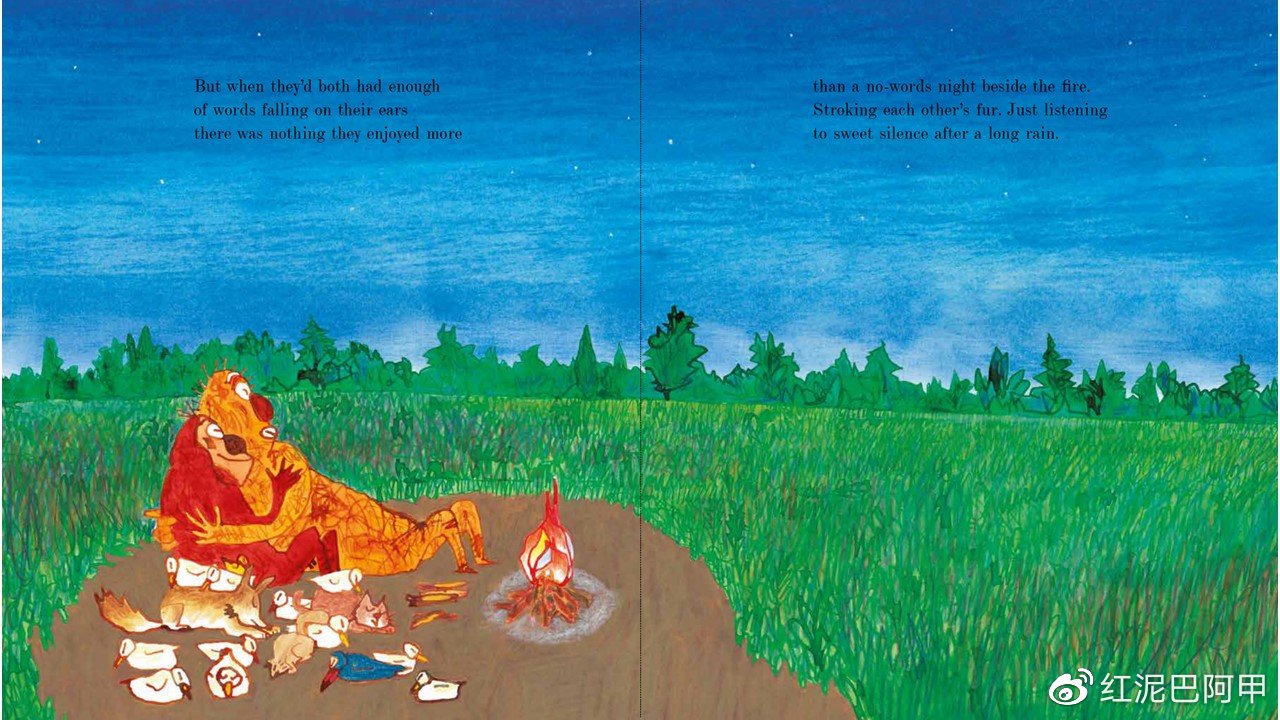
*This is a transcript of a speech given during the translator-themed dialogue session on the morning of May 27th at the 2023 Singapore AFCC (Asian Children’s Book Festival).For event details, please refer to their official website link..
[Chinese Manuscript]
First of all, I would like to express my sincere gratitude to the Singapore Book Council for the invitation. This year, I am once again participating in the AFCC event, and this is my first time attending in person (rather than online). I am delighted to see that the Singapore Book Council has organized numerous events related to book translation, demonstrating its strong emphasis on this topic. With so many people from different cultural backgrounds and speaking different languages on Earth, the ability to coexist peacefully, appreciate each other, learn from each other, and promote mutual progress largely depends on translation, right? The work of translation certainly deserves sufficient attention.
I think we translators are particularly happy to be here to share experiences beyond pure language translation. To be honest, translation itself has a very demanding side; technically speaking, it can be very challenging, and some tasks even seem impossible. While it’s satisfying to overcome the difficulties and achieve the goal, the technical details can be quite tedious for the average reader. I’m glad to be here today to talk about the more fun side of being a translator.
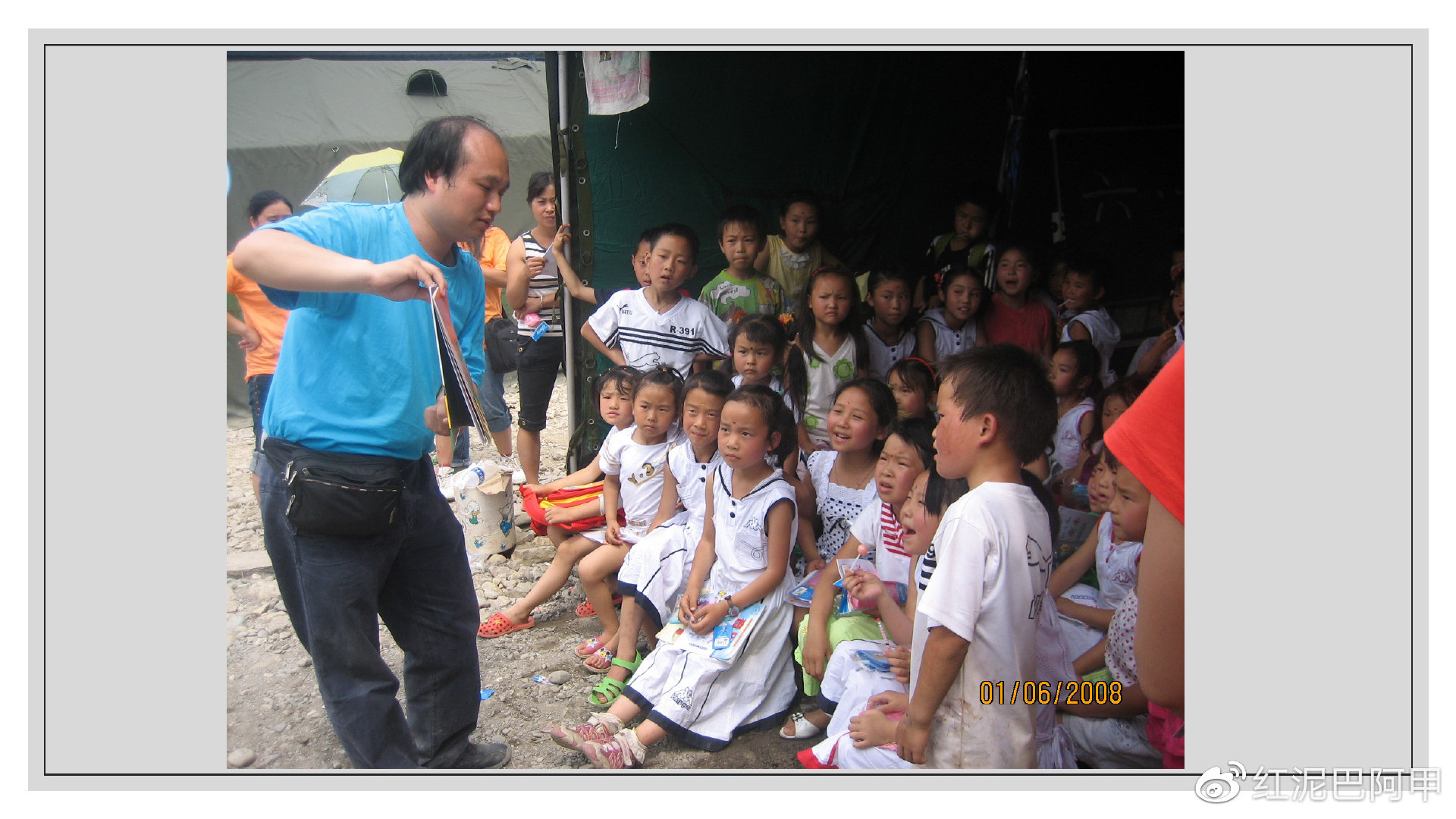
I have translated nearly three hundred picture books.There are now nearly four hundred books.(This mainly involves translating from English to Chinese.) I am a storyteller who frequently tells stories to children, such as in bookstores, libraries, or schools.
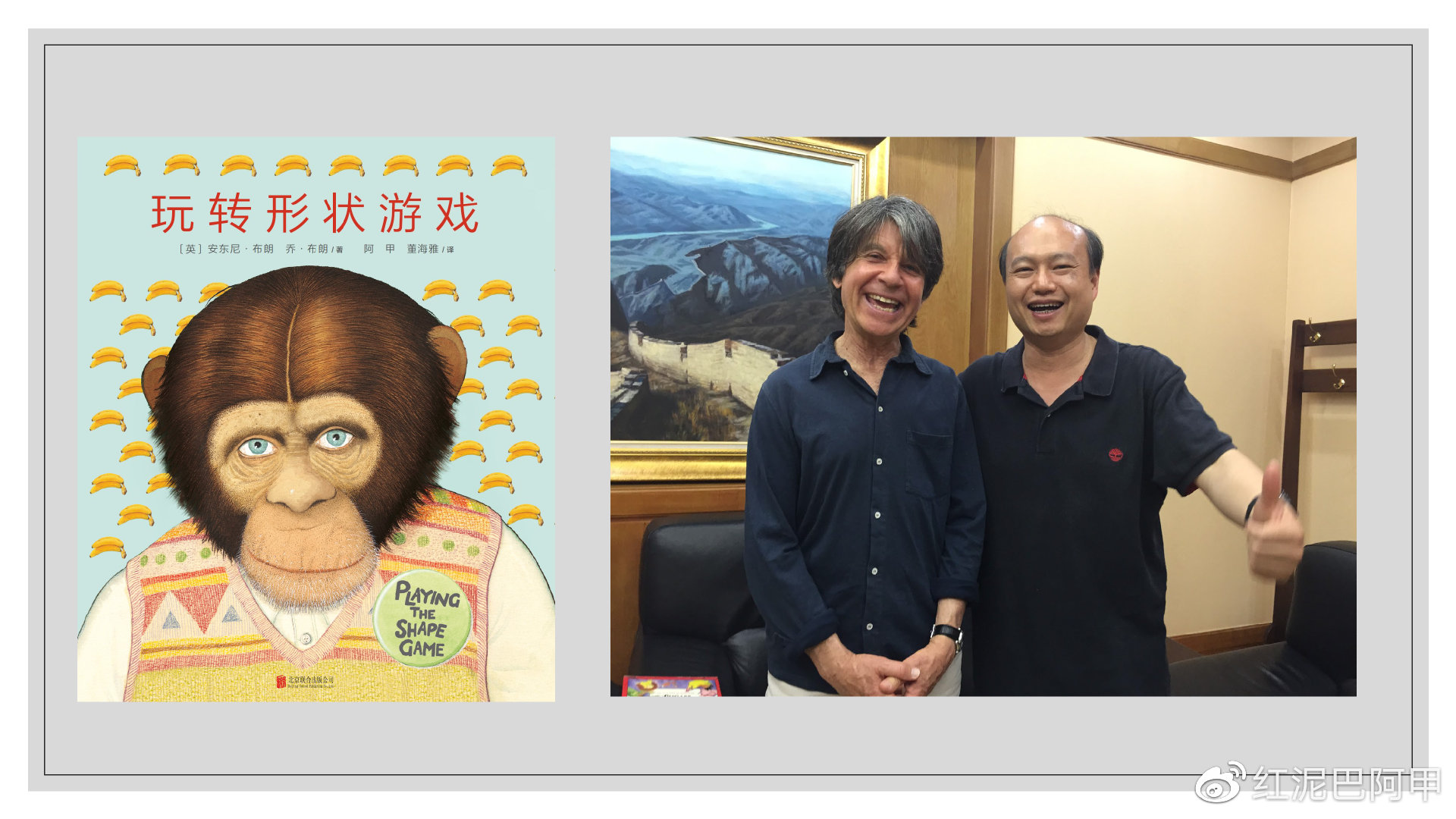
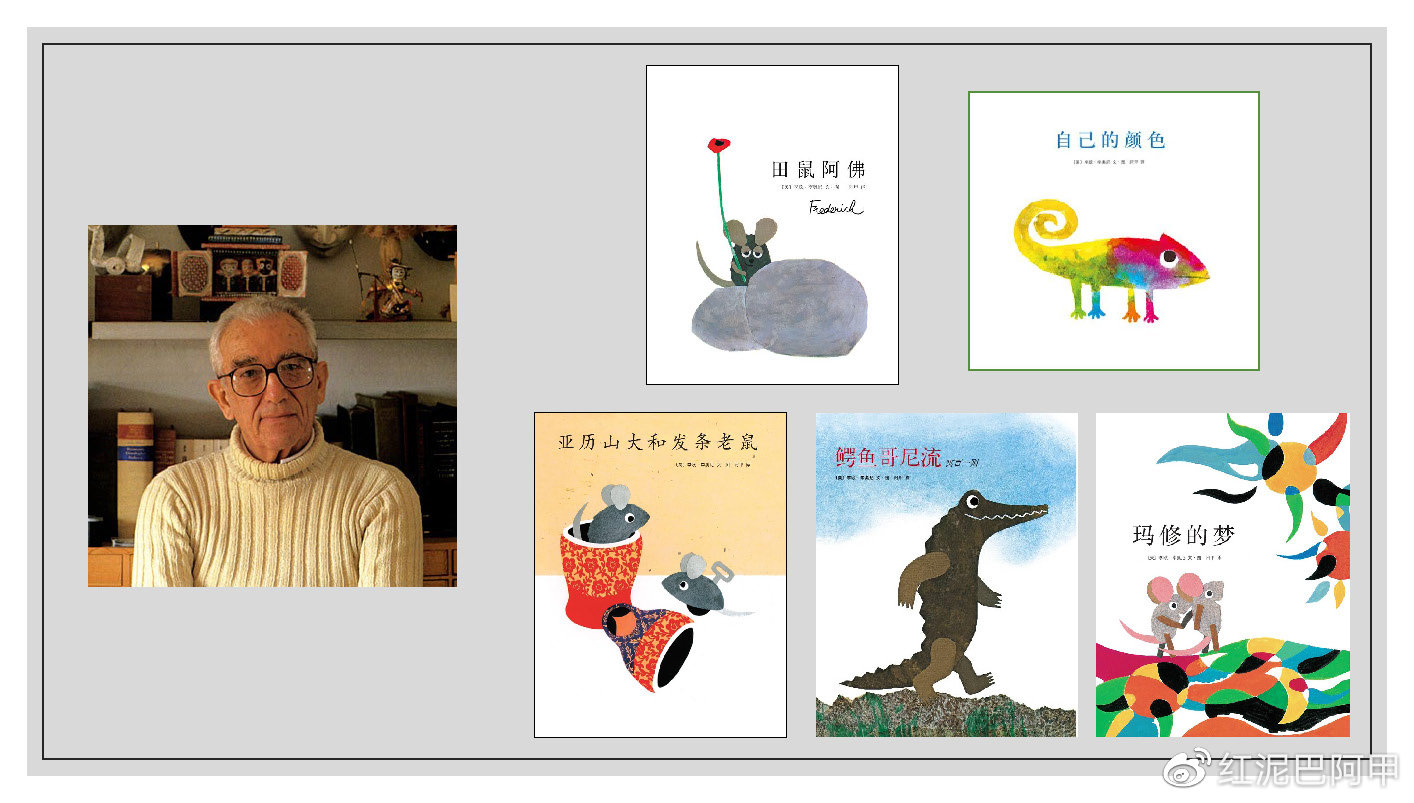
I am also a researcher with a particular interest in the history of picture books, and I have written a book called *A Brief History of Picture Books*, which introduces the development of picture books worldwide. Therefore, I enjoy systematically studying the overall works of certain creators, and fortunately, publishers have been willing to give me the opportunity to translate their works in a concentrated manner. For example, I translated Beatrix Potter’s complete “Peter Rabbit World,” more than 20 “Miffy” books by Dick Bruna, 20 picture books by Anthony Browne and his autobiography *Shape Play*, and 19 books by Leo Lionni, including my favorite *Frederick*. I must say, being able to translate the works of creators I admire is truly a very happy thing.
Let me start by talking about the 23 books in “The World of Peter Rabbit.” It took me eight years to translate this series. Yes, if I were to go into the technical details of translating it, you’d probably all fall asleep—it’s so tedious. However, some parts are quite fun, like the nursery rhymes.
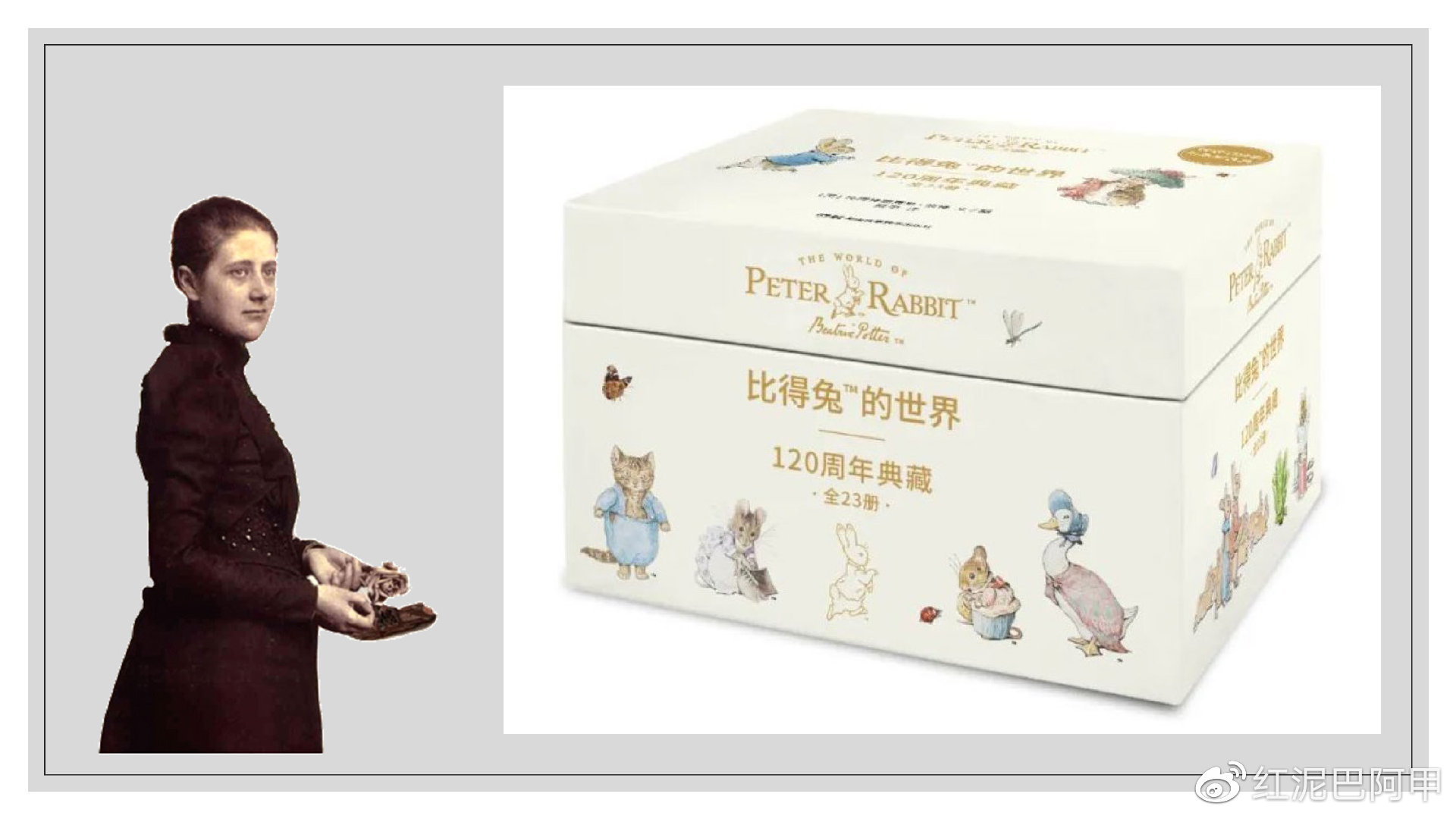
Miss Potter was raised by a Scottish nanny, a common practice in wealthy Victorian families. These nannies were particularly skilled at singing nursery rhymes to children, and Miss Potter was fascinated by this. Therefore, she often included nursery rhymes in her books, usually her own adaptations, but most of them were singable. Translating rhyming nursery rhymes is not easy in itself, and translating them into a way that can be sung in the target language is even more difficult, somewhat like translating songs. For example, in *The Tale of Brand the Pig*, there is a rhyme that goes like this:
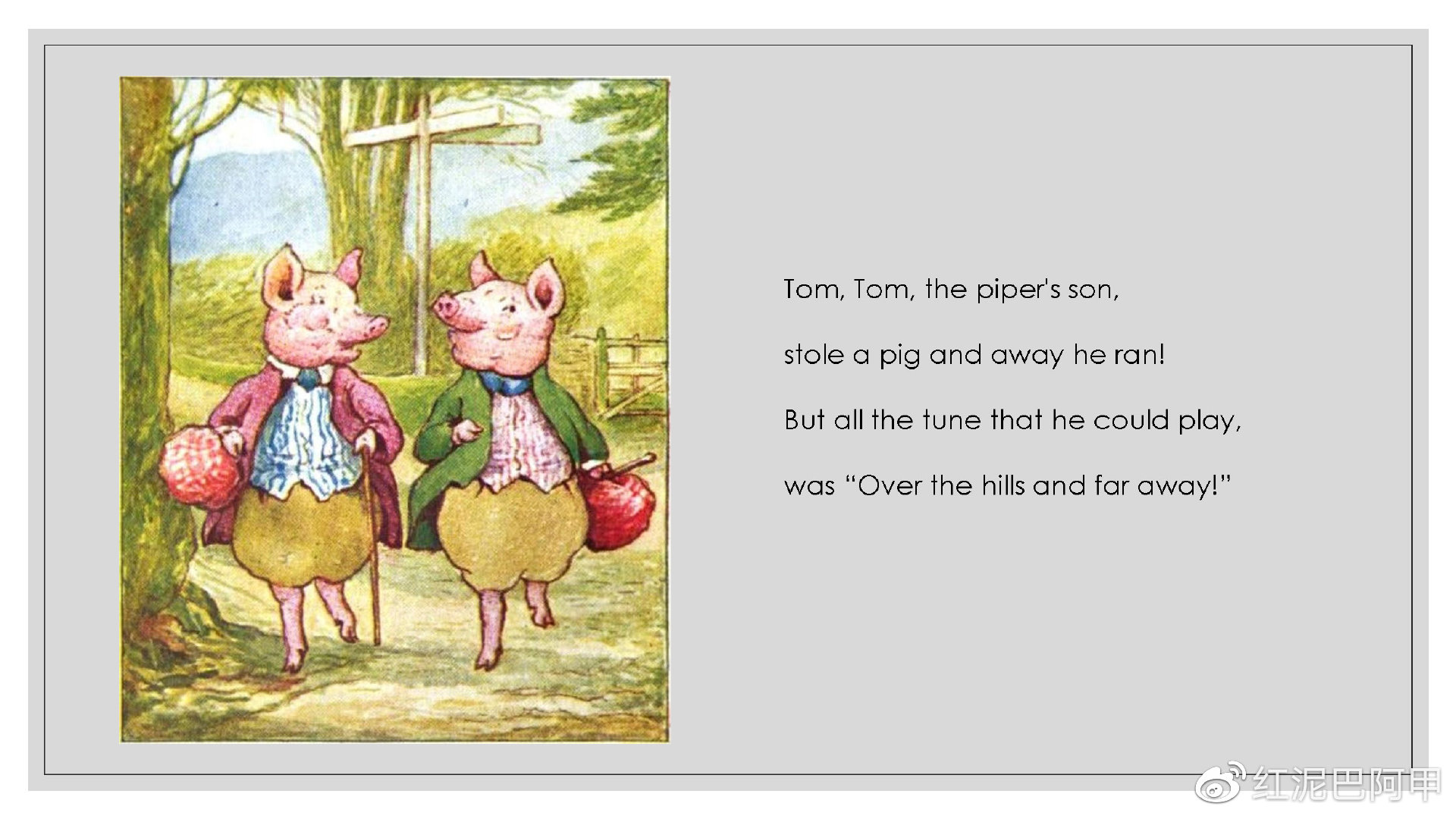
““Tom, Tom, the piper’s son,”,
He stole a pig and ran away!
But all the tune that he could play,
was ‘Over the hills and far away!’ ”‘
It sounds beautiful, right? It took me about three weeks to make it playable in Chinese, like this:
““Tom, Tom, known as the King of the Flute”
I’m so nervous after stealing a little pig!
But he doesn’t know any other songs.
All they do is ‘travel over mountains and rivers to distant places!’‘
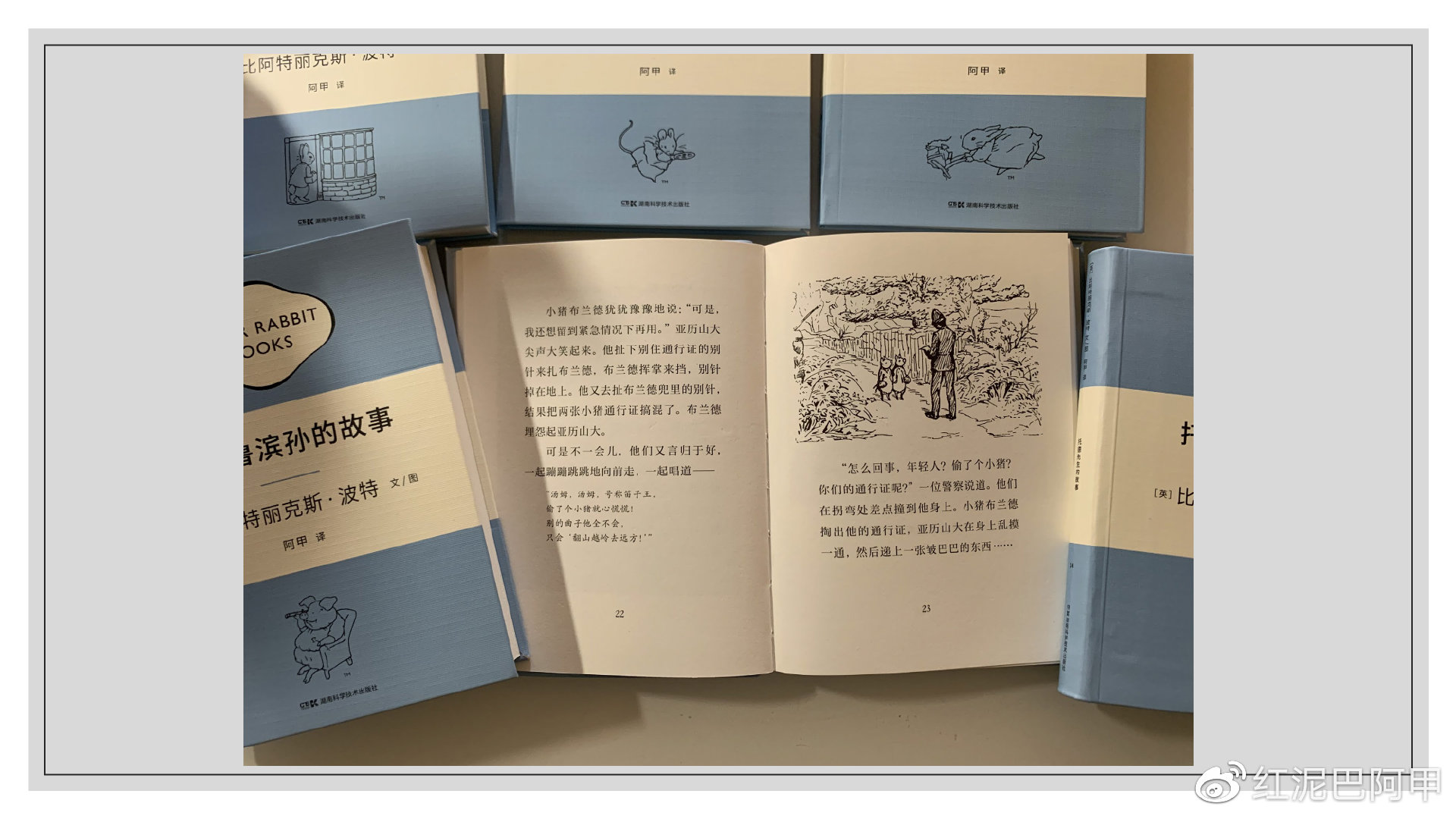
Not perfect, but acceptable, right? Readers familiar with both languages may find that the translation does not correspond word for word to the original, but the meaning is similar, and more importantly, the rhythm and taste are similar.
There is an assumption in translation strategies:Assuming the original author is also proficient in the target language, how would he/she use the target language to achieve an equivalent effect, so that readers in the target cultural environment can also naturally accept and understand it?In this process, the translator actually becomes a Cultural Mediator, more like a bridge between two cultures.
Works that transcend geographical, temporal, linguistic, and cultural boundaries are not easy to understand, but once you make the effort to overcome these barriers, you’ll find that we are actually quite similar. The best way to understand the world of “Peter Rabbit” is to experience it firsthand in the English Lake District, where these little books were born. I’ve been to the Lake District three times: once with my daughter, and twice with family tour groups, where I told stories to the children and acted as a cultural guide for the entire group.
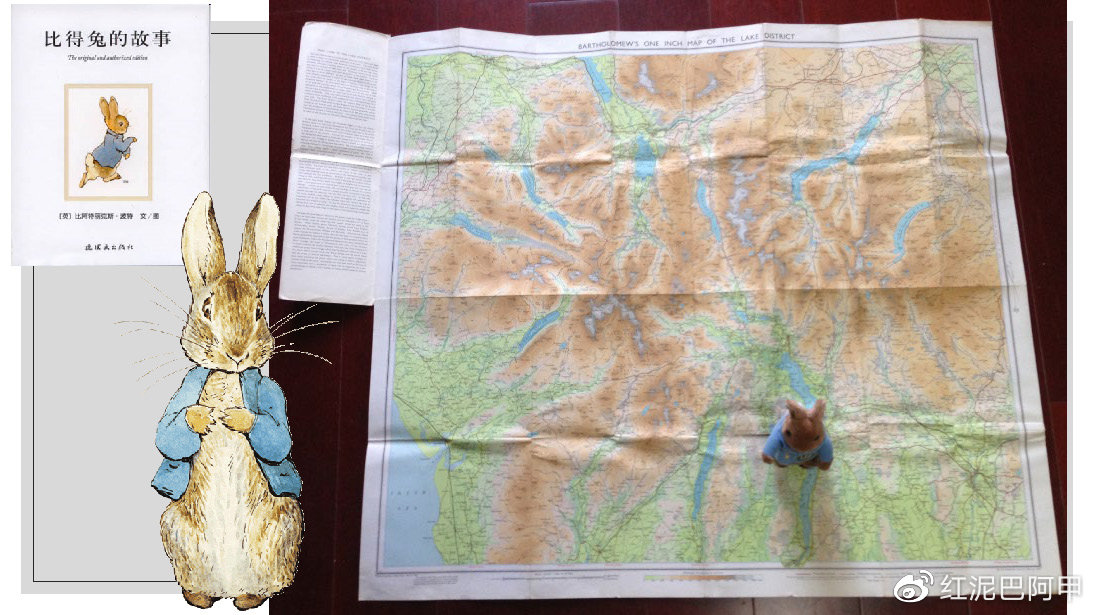
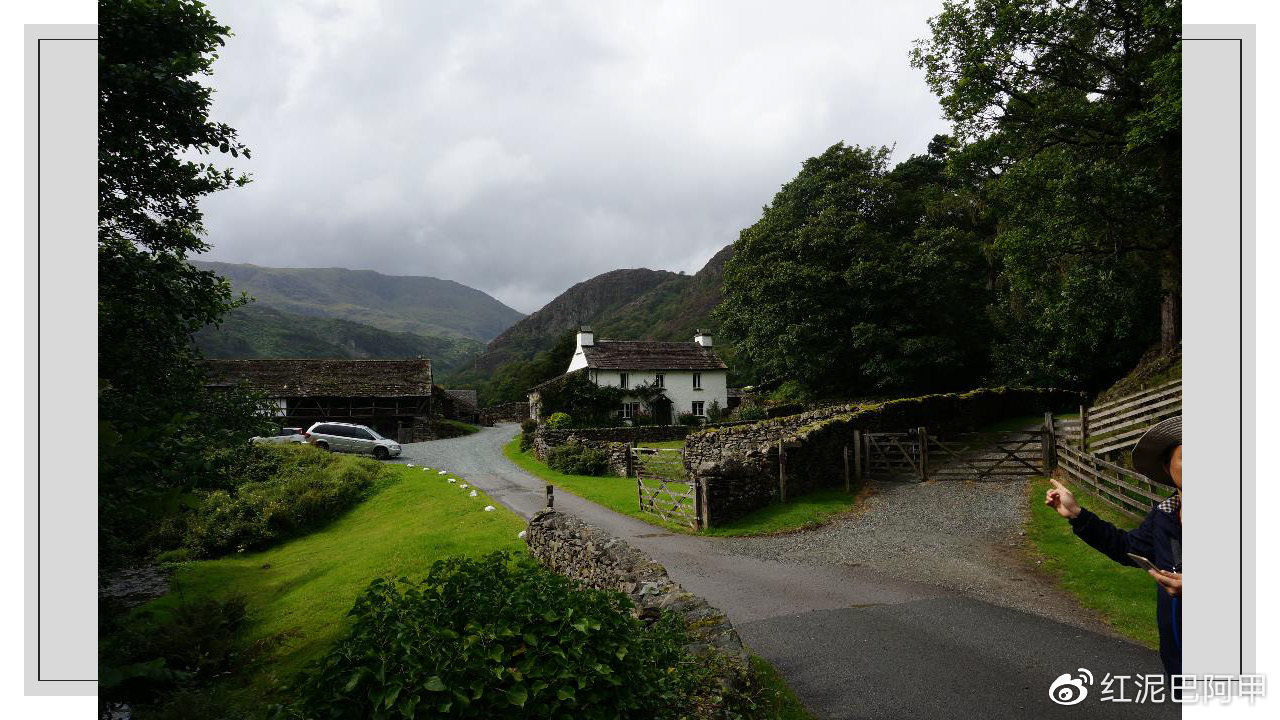
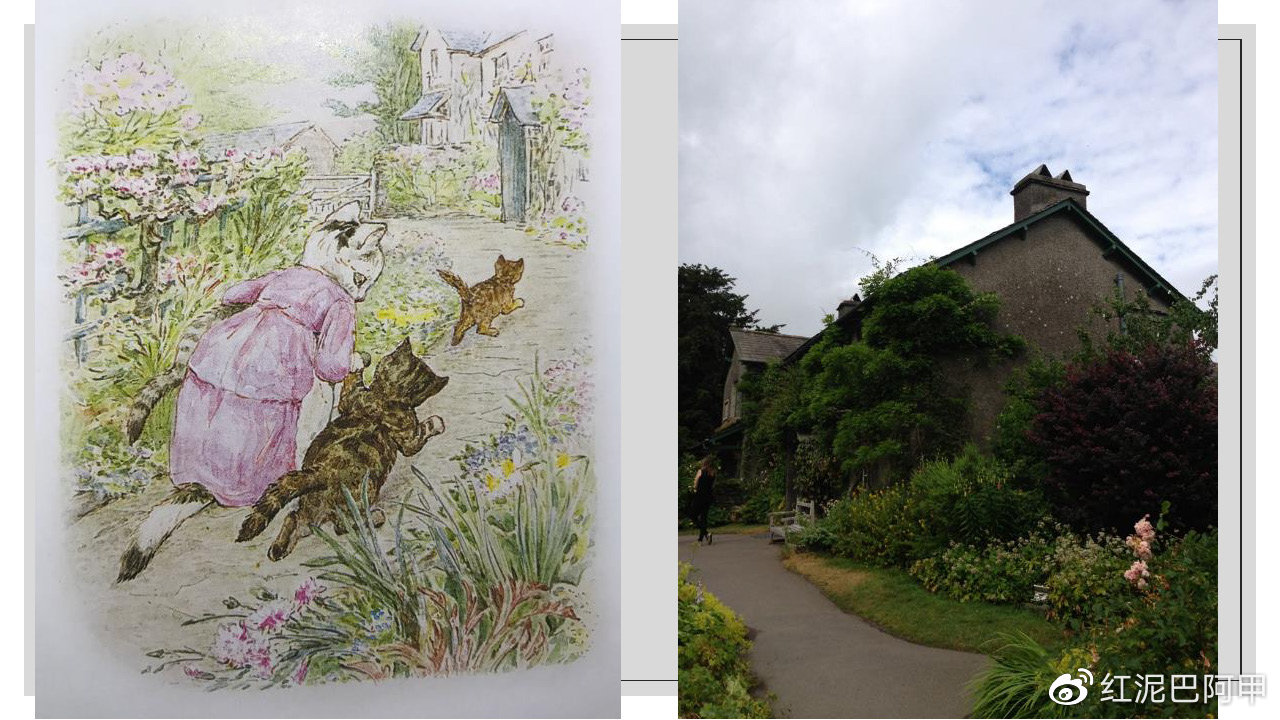
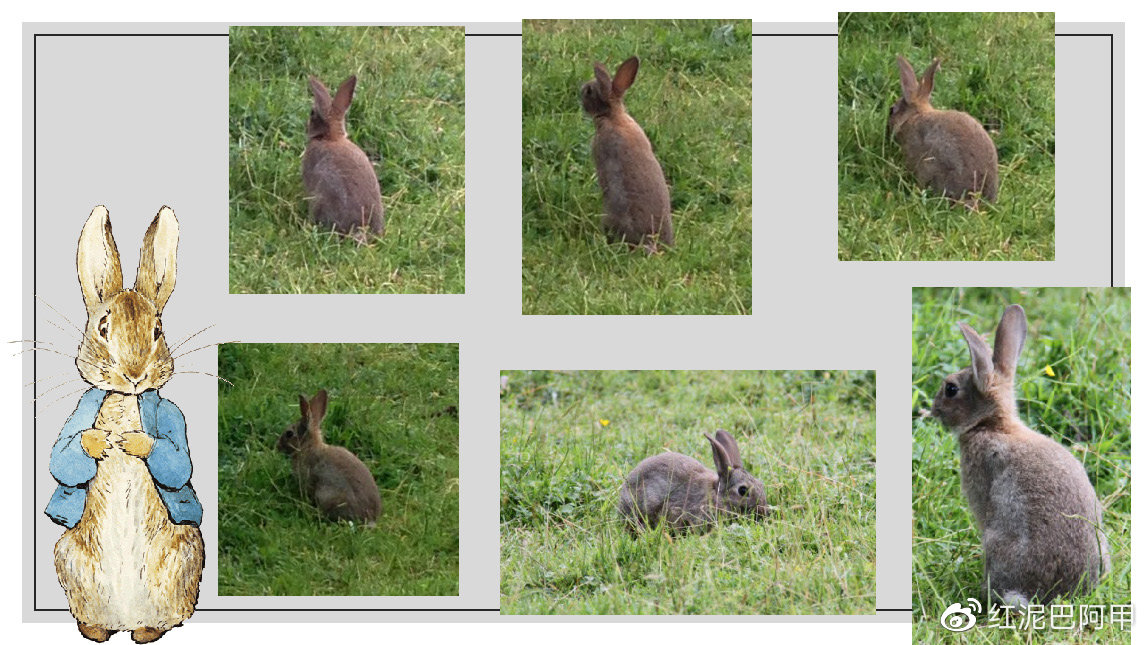
Sometimes I wonder if we translators are like tour guides? We take tourists to places that may have been unfamiliar, to discover interesting people and things, but the real experience is up to the readers themselves.
Over the years, I’ve written many articles about Miss Potter and “The World of Peter Rabbit,” published on websites, in magazines, and in books, totaling probably over 100,000 words. The more I research her, the more I appreciate the greatness of this woman, so I hope readers can gain a deeper understanding of Miss Potter and find inspiration and enlightenment in her life.
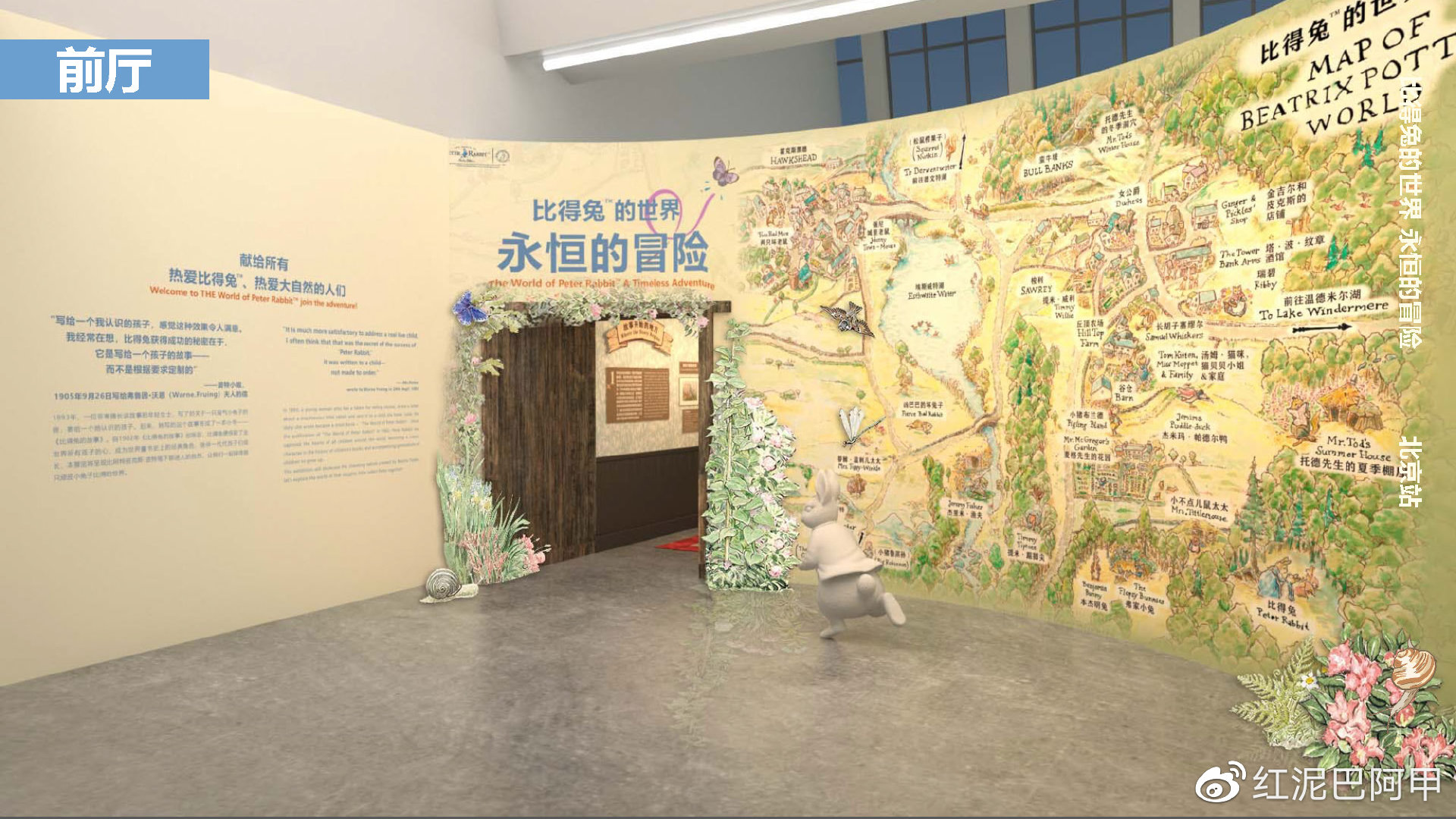
Recently in Beijing, a group of friends organized an exhibition called “The World of Peter Rabbit: An Eternal Adventure,” and I was one of the curatorial consultants. Coincidentally, it opens today in Beijing, and I will be participating in the opening ceremony online this afternoon. This exhibition primarily uses story settings to help children experience the world, while also introducing adult readers to Miss Potter’s life and works. I believe that adults and children in China today can also feel that powerful vitality.
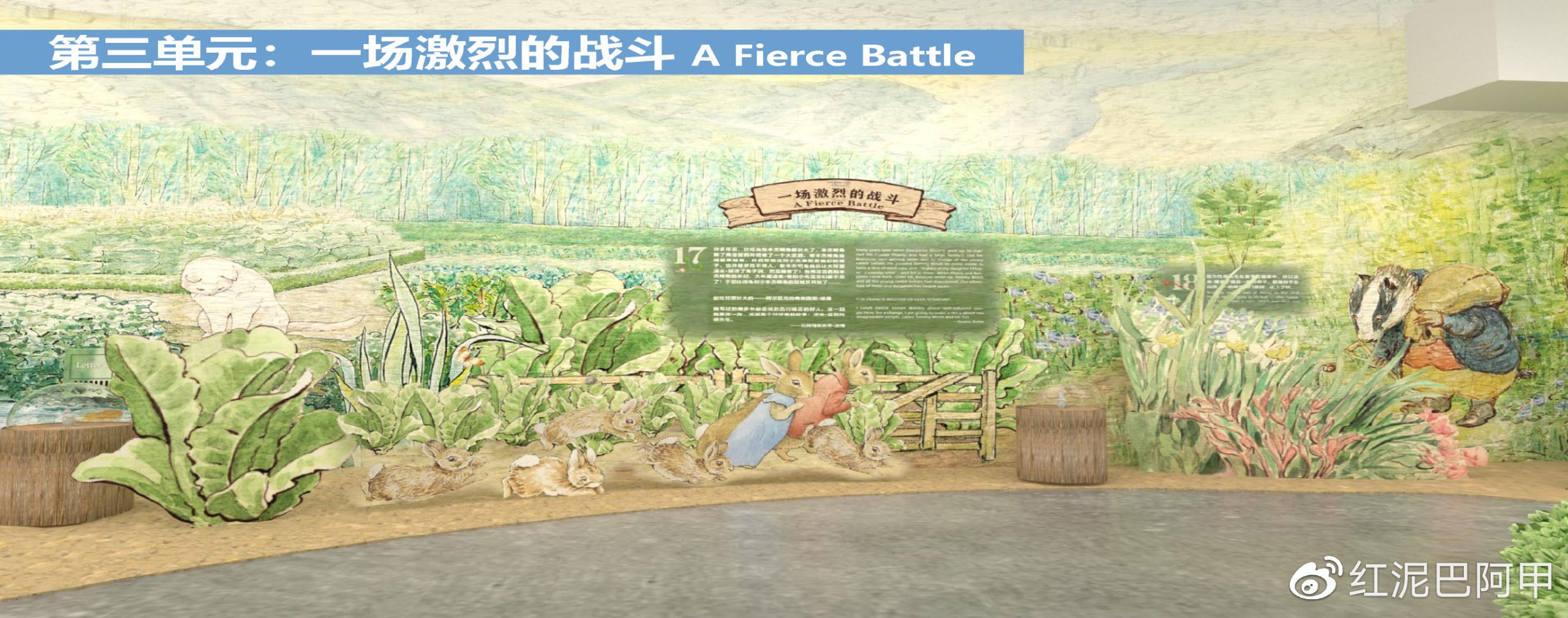
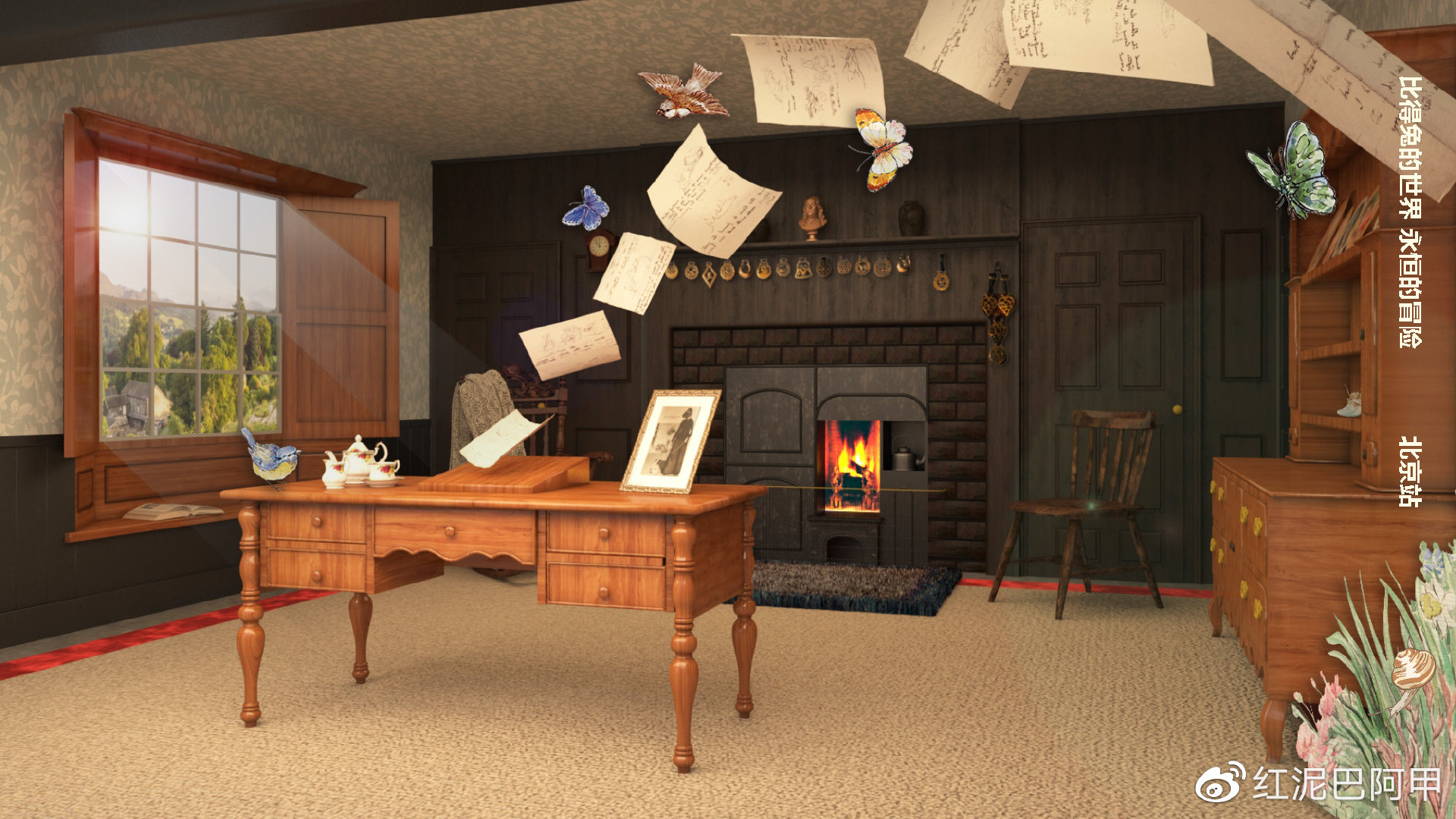
I am happy to play multiple roles as a translator: storyteller, author, editor, researcher, cultural intermediary, guide, advocate and bridge… although it seems that we are not paid enough.
Thank you everyone! That’s all for now.