The above book mentionedAs the years went by, while Ada continued to pour her passion into the romantic strings of intellect and ideals, Nora, the younger sister of Mafi’s family, with her avant-garde short hair and clear, vibrant life, began to quietly knock on Leo’s heart with a completely different rhythm of life…

3. Nora: Towards Clear and Primitive Vitality (elemental vitalityThe quiet transfer
A portable record player blared British jazz as Nora and Leo danced the Charleston; Ada, meanwhile, held a book, pretending to be engrossed in reading. This was a scene from everyday life that Leo remembered. Then one day, he and Nora discovered that they had fallen in love.
Nora looked very different from Ada and Mario. While her older siblings were tall and thin, she resembled a sculpture by Aristide Maillol, possessing a rustic beauty, her legs firmly planted, her body smooth and sturdy. She didn’t share the family’s penchant for intellectual discussions, yet she was sociable, outgoing, and always willing to help. While Ada busied herself fixing her long braids, Nora’s boldly cut short hair and bangs would flutter in the wind.
She preferred magazines to books, and she was frank about her likes and dislikes. Sometimes, when her family argued too fiercely at the dinner table, she would run out of the dining room crying. She loved to have fun, the sillier the better. Leo was attracted to her straightforwardness, as well as her inner clarity and simplicity.
He used a musical metaphor to illustrate the different feelings the two sisters evoked in him:
““Ada played romantic chords with passion and dedication, while Nora, with her genuine and simple vitality, and her high-pitched and syncopated notes, stirred my natural longing for life.””
However, this shift wasn’t entirely easy. Leo and Nora carefully concealed their feelings for a time; his love for Ada still lingered, and he didn’t want to jeopardize their shared friendship. He even tried to convince himself that the sisters’ differences could form a morally acceptable and complete relationship. But this explanation clearly couldn’t hold up.
Fortunately, the new feelings deepened gradually, and the old romance faded away, without suddenly erupting into a complete break. Leo described the transition as “quite civilized,” while also noting occasional scenes of jealousy and sarcasm. Ada remained courageous, Nora was somewhat confused, and tried to back down; Mario and Bruna would tease him, but remained tolerant. Their shared friendship did not break down, but their individual pain was not brought out for public judgment.
Leo and Ada were still reading Proust, and he and Nora were searching for their own little haven: near the end of the cable car, on a shrub-covered hill above the city. Winter lingered, and the two, wrapped in wool scarves, followed the winding path to a gray bench, washed clean by the snow and now basking in the sun, its surface engraved with the names of other lovers. When spring arrived, Nora discovered the first wild daffodils to bloom, marveling again and again at how much they resembled tiny teacups and saucers. Leo remembered her clear laughter, which seemed to travel across the hills, through the city below, and all the way to the distant, shimmering golden sea.
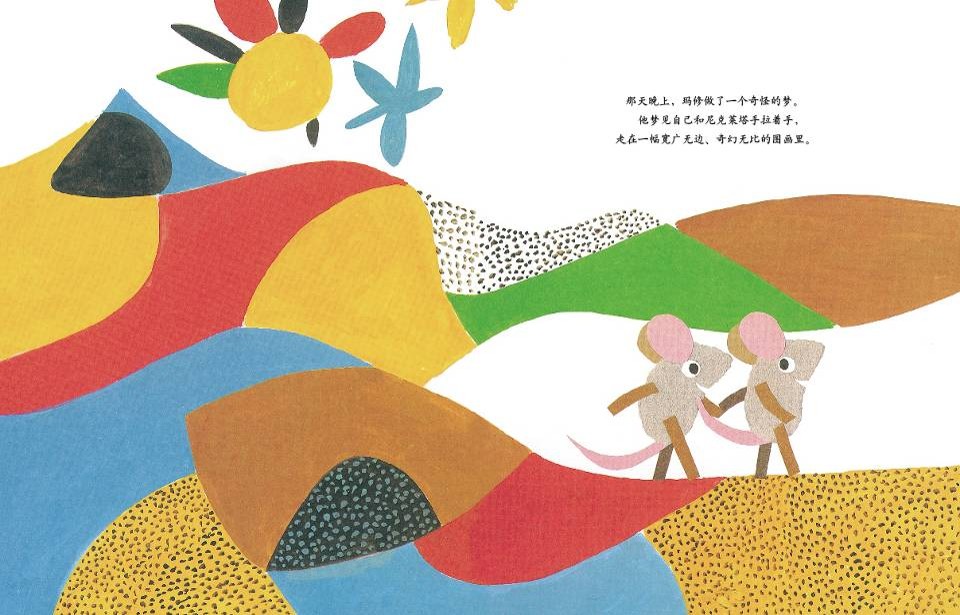
In his autobiography, Leo wrote emotionally:
““I felt her clear, high-pitched laughter echoing between the mountains and the city below us. When I saw it gently glide over the golden trembling of the distant sea, I prayed that the whole world could hear it, because I know and fear the fragility of long-distance love.””
Leo’s anxieties about long-distance relationships soon became a reality. In the late spring of 1927, Mr. Maffei was transferred to Milan, and his family also prepared to move away from Genoa.
In late April, he heard that Mafi’s father would be transferred to Milan at the end of May, and he became frightened. He knew how fragile long-distance love was. However, the children did not leave immediately, but followed their father’s arrangement to spend the summer in the seaside town of Cavi and then move to Milan in the fall.
Kavi’s summers were among the most carefree times in his memory. The beach wasn’t yet teeming with bathing areas, and they had it all to themselves on weekdays. At night, they would go dancing in Santa Margarita with friends who had cars, then head into the mountains to find an old woman living in an old barn, knock on her door, and ask her to get up and bake focaccia. Leo had a regular seat at the dining table at Mafi’s house, and even his own silver napkin ring. This small item reassured him that he was considered family.
Autumn finally arrived. When he saw Nora off at the train station, he was busy with the tension of pre-exam preparations, and the farewell even carried a touch of youthful exuberance. It wasn’t until several hours later, as her waving handkerchief disappeared along the curve of the tracks, that he truly realized she was gone. He sat at his desk writing love letters, continuing until dawn.
A week later, Nora texted back, saying school was boring, she missed Kavi, asked how his exams went, and ended with the ambiguous word “hug” (abbracciHer handwriting still carried her vivacity, but the letter lacked the passionate declaration he had hoped for. He read it repeatedly, trying to find a hidden meaning, but her writing was as straightforward as her speech. Afterwards, their letters remained the same: his were long and fervent, while hers were short and sparsely sentimental. He even tried making a long-distance call, sending a telegram specifically to invite her to his uncle’s house to answer, but it took a long time to connect, and she said she knew nothing about it.
About three months later, she stopped replying. After several more agonizing weeks, Leo boarded an early morning train to Milan. In front of her grey apartment building, he happened to bump into Nora rushing out. He grabbed her shoulders, looked at her, but couldn’t say a word. She lowered her eyes, pulled away from him, whispered “I’m sorry,” and ran to a tall young man leaning against a nice car on the street. The two got in the car and drove away with the screeching of tires.
Mario came out, hugged Leo, and led him to a bench in the foyer. He told him that Nora had become infatuated with the boy in Ada’s class, and that she had always liked fancy cars. The autobiography didn’t explain it as a misunderstanding, nor did it offer any explanation for Nora. Leo only remembered his shock and frustration at the time.
At his father’s insistence, he first enrolled in a higher business school in Genoa, and the following week went to Zurich. His autobiography explicitly states here that he was nineteen. Heartbreak and the pursuit of education finally led him into yet another unfamiliar world.
Little did he know that this heartbroken journey would lead him into that red-lit living room in Lausanne, Switzerland, and usher in an unexpected variation concerning poetry, romance, and beauty…
4. Colette: A passionate, exotic, and poetic variation.
In the winter of 1928, nineteen-year-old Leo Lionni, a Dutch youth, was caught in a boundless existential crisis. The pain of losing Nora, the heartbreaking misunderstanding on the streets of Milan, and the absurdity of facing economics and utilitarian studies at the University of Zurich trapped him on an island of isolation, “surprised by his own indifference.” He wandered the clean yet cold streets of Zurich, playing the role of a student who hadn’t even been officially admitted, haunted night by the specters of nostalgia and envy.
It was at this time that his roommate and friend at the boarding house—Giorgio Cacciapuoti, a tall and gentle Italian youth—brought an unexpected turning point to this gloomy situation.
Like an Indian matchmaker desperate to snag a once-in-a-lifetime deal, George, with an almost anxious eagerness, repeatedly showed Leo photos of his sister Colette vacationing on the French Riviera. In the photos, Colette was wearing a simple swimsuit, lying on dark rocks. George went on and on praising his sister’s beauty, intelligence, and humor, desperately hoping his best friend would fall in love with Colette and marry her—in George’s view, this would not only prevent some foolish, acne-ridden stranger from stealing his sister away, but also ensure their friendship would remain strong forever.
With a touch of doubt and unease, Leo and George boarded a train to Lausanne, Switzerland, on Christmas Eve. Little did he know that the mansion on the shores of Lake Geneva in Lausanne was about to undergo a dramatic transformation that would completely upend his senses and aesthetic world.
As the train pulled into Lausanne station, the scene that greeted Leo shattered all his expectations. There to meet him were George’s deaf but incredibly talkative blonde sister, Yolanda, and Natasha, a Russian guest wrapped in a wool shawl and speaking with a heavy Russian accent. And when the car drove into the Cacciapuoti family garden, a petite woman with fiery red hair and large, clearly visible cobalt blue eyes—George’s mother—ran out to warmly embrace Leo.
To Leo’s disappointment, Colette wasn’t at the door. However, just as they settled into the living room, Colette burst in like a whirlwind.
She cheered and jumped into her brother George’s arms to kiss him, then leaped up and stood motionless in front of Leo. She wore an extremely serious, dramatic expression, with a “deadly beauty” quality.femme fataleHe murmured sarcastically, “And who is this charming creature?” Leo replied with the same sarcastic tone, “It’s the man you love, darling.”“
Colette’s stunning entrance completely captivated the audience. Leo Ou, in his autobiography, praised her, saying that although her nose might be too prominent and her posture too stiff, no one could deny that she possessed an extremely dazzling beauty.
““What was completely unexpected was her poise and the extraordinary way she took center stage. George was right—she was indeed stunningly beautiful. But her beauty defies explanation and description.””
At the dinner table, Colette displayed remarkable control. She led the conversation with sharp wit, humor, and composure, teasing her tall brother with witty jokes while simultaneously using all her charm to soothe hurt feelings and reveal true emotions, making Leo feel relaxed and at home like never before.
However, the most captivating moment of the night occurred during the living room gathering after dinner.
After dinner, family member Natasha began rearranging the furniture in the living room. Colette, arm in arm with Leo, whispered mysteriously in his ear, “Tonight is Mother’s big day. To welcome you, we’re going to see a special performance… sometimes it’s a play, sometimes it’s her own philosophical reflections, sometimes it’s poetry. Mother is amazing.”“
At that moment, on the sofa pushed against the wall in the living room, Colette sat beside Leo, her arm tightly clasped around his, her fingers tapping almost imperceptibly to the rhythm of a marching melody beneath his arm. All the lights were gradually turned off, leaving only a wall lamp with a small red silk lampshade, casting a rich, dreamlike red glow upon Kachaputi’s mother directly opposite them. In the nearly dark room, Kachaputi’s mother’s red hair resembled a burning torch.
The room fell silent. Completely unaware of what was about to happen, Leo felt uneasy, even worried that it might be a séance or hypnosis that would cause him to lose control.
“It’s starting,” Colette whispered in Leo’s ear.
Kachaputi’s mother slowly rose from her armchair, took a step forward, and announced in a slightly timid voice that she would recite a long poem by Albert Samain, a French poet of the same era as Baudelaire. She took another step forward, stopping in the center of the room, directly opposite Leo, her large blue eyes fixed intently on his. Suddenly, with an extremely firm and theatrically powerful voice, she recited the poem that Leo would never forget:
It’s a beautiful thing. It’s a beautiful thing. It’s a beautiful thing. It’s a beautiful thing…
(“I shook my hair, shaking off the dream. A long shiver followed me, like the sound of wind blowing leaves, and my beauty radiated a light as brilliant as armor…”)
As the last word faded into the silence, Leo was utterly stunned. Goosebumps rose all over his body; he wanted to applaud, but his arms were too heavy to lift. The only thing he could manage to utter was a barely audible murmur: “Incredible.“Incroyable).
On that Lausanne night bathed in red light, Leo truly understood and felt the soul-stirring power of poetry for the first time. Kachaputi’s mother, with a blissful smile, closed her eyes and leaned back in her chair, while Colette’s breathing mingled with the poetic atmosphere of the living room, opening up a vast territory for Leo’s soul that he had never before explored.
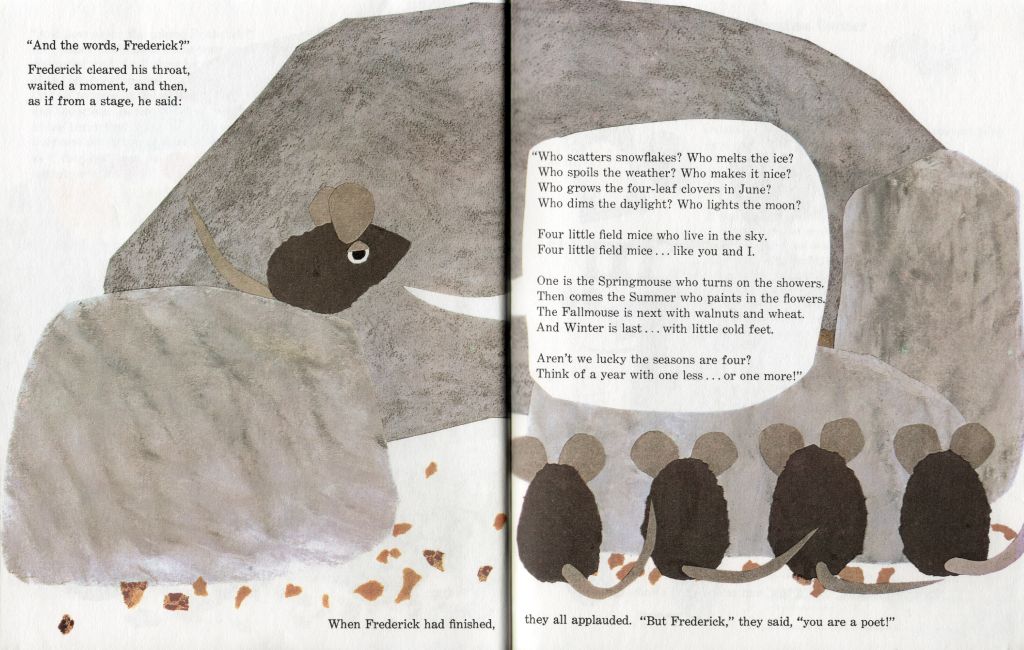
This Christmas holiday in Lausanne, and the poetic inspiration from Colette and her mother, became a crucial turning point for Leo in overcoming his mental crisis. Shortly after returning to Zurich, Leo wrote his famous “crisis letter” to his father.The LetterHe confessed to the absurdity and emptiness of his studies in Zurich and decided to completely re-plan his life.
In this profound reflection on growth and awakening, Leo Ou gave Colette and this trip to Lausanne the highest praise in his autobiography:
““In the long run, the discovery of French poetry may be more important to me than three years of Greek grammar. Learning to live independently may be more useful than two years of organic chemistry. Losing Nora and meeting young women like Colette will ultimately make me more mature than a course in world history.””
Colette was like a passionate, strange, and fleeting cloud in Leo’s youthful sky. She did not become Leo’s life partner, but with her vibrant life force and French poetic sensibility, she completely awakened the aesthetic senses deep within Leo’s soul, rescuing him from the gloom of heartbreak and the mundane utilitarian path.
As this vibrant and fulfilling “poetic variation” comes to a close, Leo, his passion and sense of existence rekindled, will soon cross the Mediterranean waves with a more mature, open, and resolute heart to embrace his lifelong destiny with Nora…
[To be continued]
[Behind the Scenes]
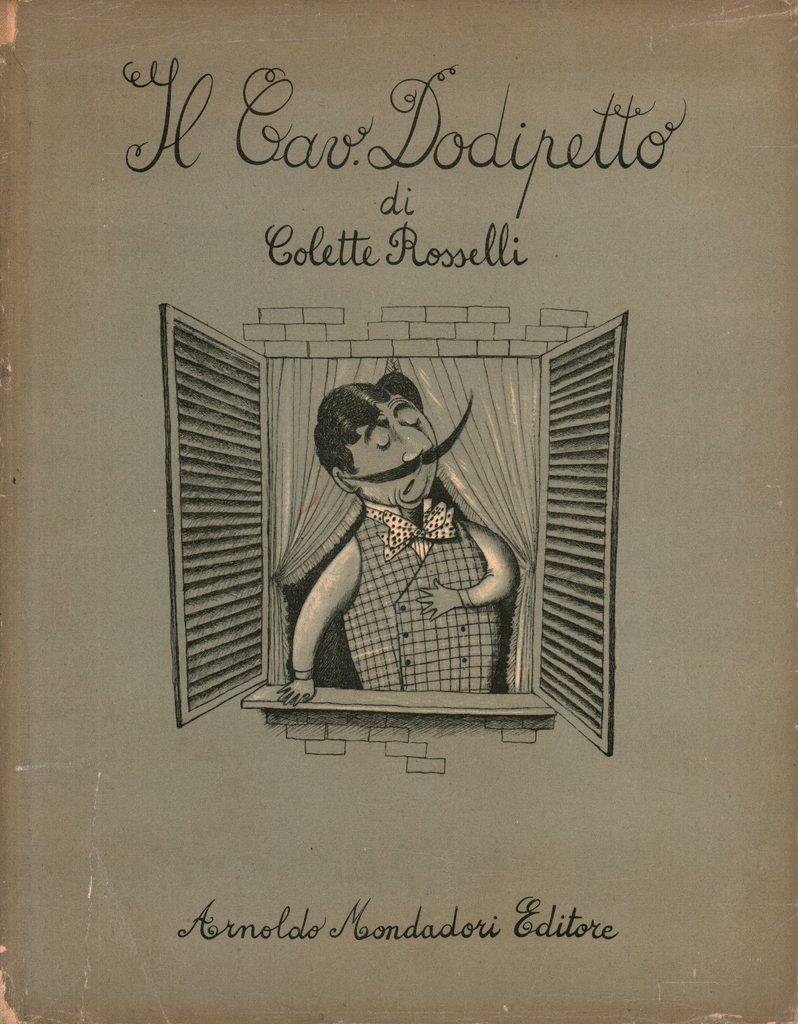
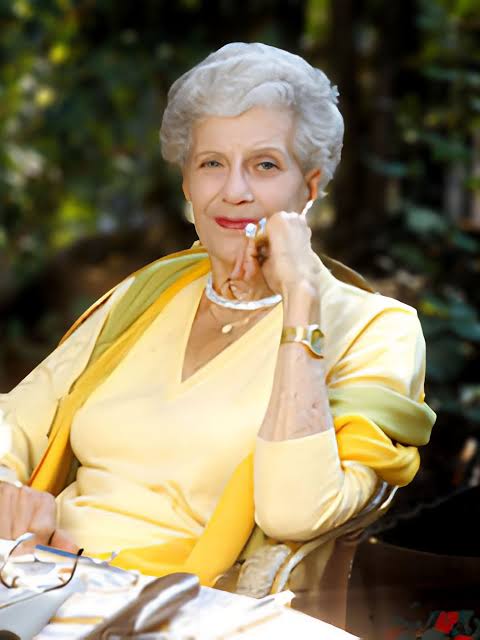
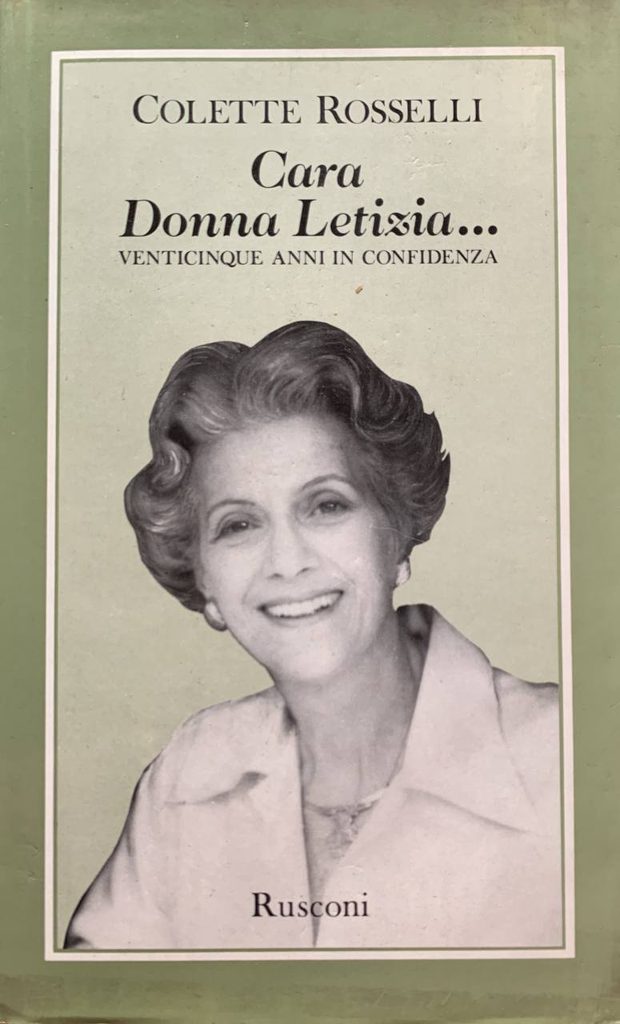
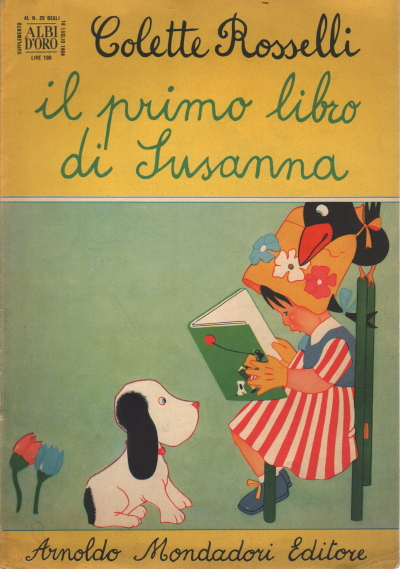
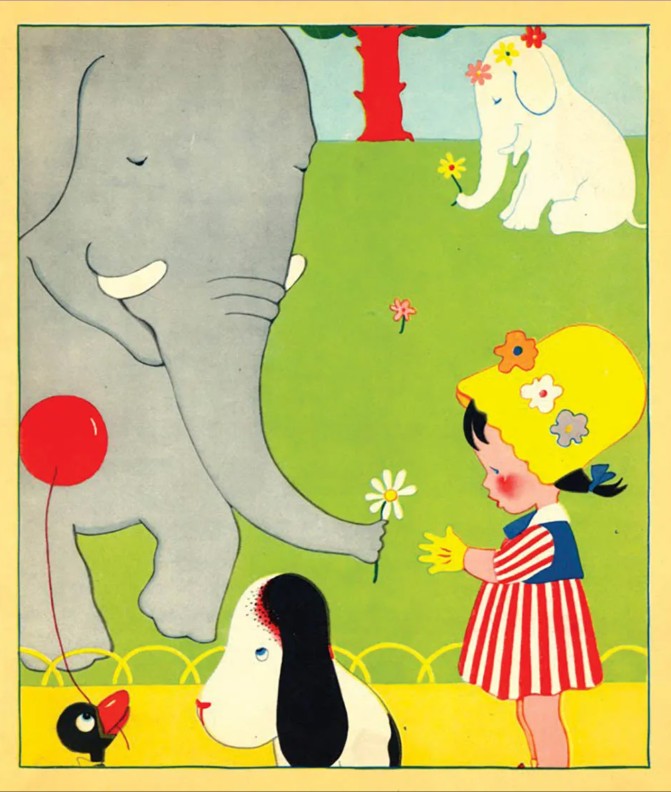
Sister ColetteHer future was also very promising. Far from being “lured away by some foolish, acne-ridden stranger” as her brother had feared, she had two remarkable marriages. Her first husband, Raffaello Rosselli, was a prominent Italian Jewish intellectual and a cousin of the famous Rosselli brothers (Carlo and Nello), who fought a life-or-death struggle against Mussolini’s regime. Her brother was certainly very satisfied with this brother-in-law, mentioning him several times in his autobiography. Her second husband… Indro Montanelli She was even more famous in Italy. However, what’s even more remarkable is that Colette’s own achievements were equally impressive. She was a pioneering children’s book author in Italy (presumably even earlier than Rodari), a self-illustrator of picture books (more than a decade earlier than Leo Lionni!), and a representative figure in mainstream Italian culture. After her death, a documentary was made in her honor.

Leave a Reply