🎂 1911 – Born: William H. Armstrong
A renowned American children’s author, historian, and educator (1911–1999). He taught ancient history for many years at a rural boys’ boarding school. His writing style was extremely restrained and calm, and he was adept at using simple and solemn language reminiscent of the Bible to confront the suffering and dignity of Black sharecropper families in the American South.
- Top Award and Representative Works:
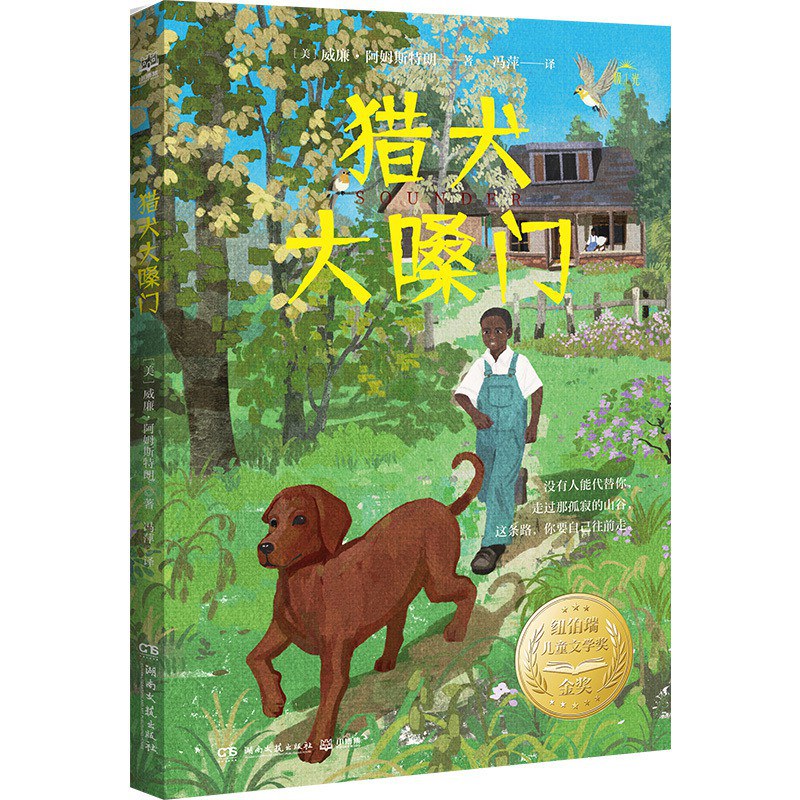
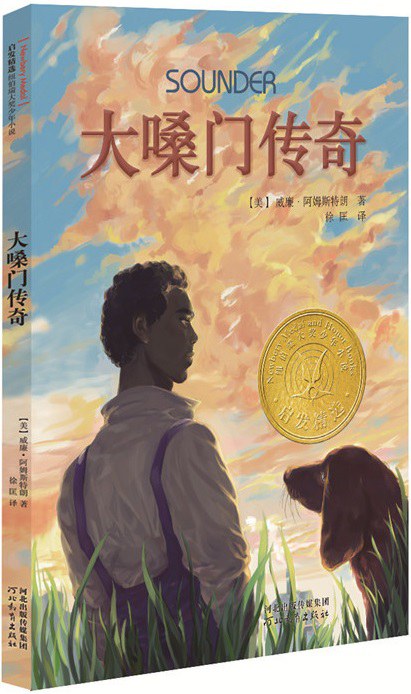
- The Hound’s Loud Voice (Sounder(1969, illustrated by James Barkley, also translated as “The Legend of the Loudmouth”) — Awarded The 1970 Newbery MedalSet in the American South during the late 19th and early 20th centuries, under the shadow of racial segregation, the novel follows an unnamed Black sharecropper family struggling with famine. The father steals a ham to feed his starving children, only to be brutally arrested by a white sheriff. Their loyal mixed-breed hunting dog, “Sounder,” is shot and wounded while chasing the police car, losing an eye and a leg. The young son embarks on a difficult journey through the long, harsh winter to find his father, who is serving hard labor. Amidst hardship, he meets a Black schoolteacher and learns to read. The novel, with its understated yet poignant portrayal, reveals the resilience and unwavering love of life in the face of adversity.
| Birth | William H. Armstrong | William H. Armstrong (Wikipedia) / Douban People |
🎂 Born 1950: John Steptoe
African American children’s picture book author and illustrator (1950–1989). He made his debut at the age of 19 with his self-written and self-illustrated book, *Stevie*.StevieHe shocked the American literary world and was one of the pioneers who brought real African American community life and ancient African myths to the mainstream picture book hall of the world.
- Top Award and Representative Works:
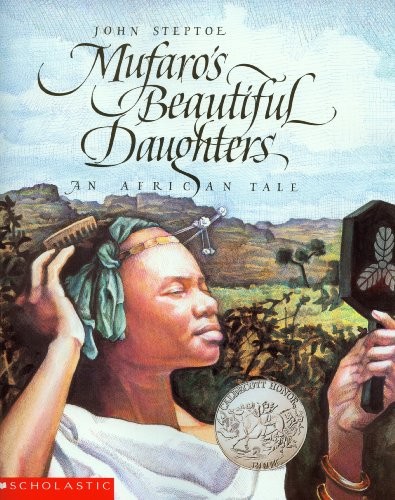
- Mufro’s Beautiful Daughter: An African Fairy Tale (Mufaro’s Beautiful Daughters: An African Tale(1987) — Awarded 1988 Caldecott HonorCorita Scott Gold Medal and Bratislava International Biennial of Illustration (BIB) HonorsBased on a traditional Zimbabwean folktale, the film tells the story of Muforo, an old farmer with two beautiful daughters: the temperamental and selfish Manyaka, and the gentle and kind Niasha. The King, disguised as a small green snake, a hungry boy, and an old woman, secretly probes the two sisters who have come to the capital to apply for the Queen’s hand in marriage. Steptoe vividly recreates the stone architecture of Great Zimbabwe and the majestic beauty of the African landscape with realistic lighting reminiscent of Renaissance classical oil paintings.
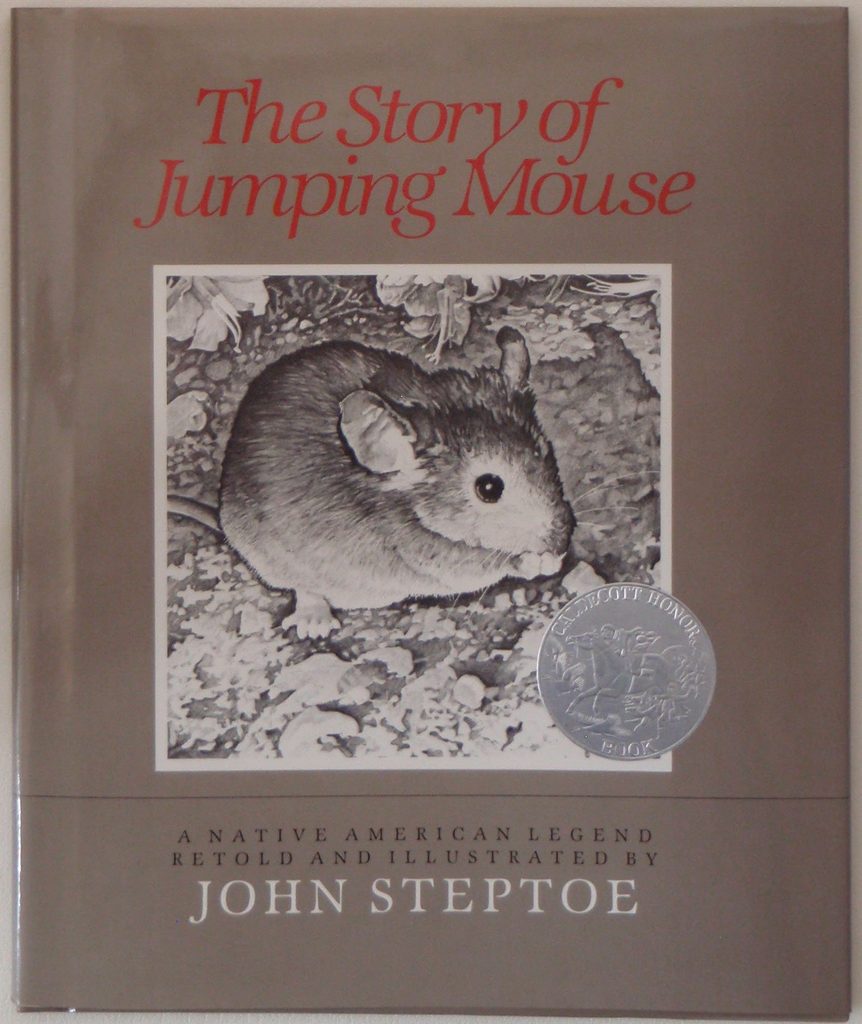
- The Story of the Jumping Mouse (The Story of Jumping Mouse(1984) — Award 1985 Caldecott HonorBased on the myths of the Plains Indians, this film uses pure charcoal sketches to depict the legendary sacrifice and growth of a mouse that sacrifices its sight and sense of smell to help other creatures in distress in its quest for a distant sacred land, ultimately transforming into a bird that can take flight.
| Birth | John Steptoe | John Steptoe (Wikipedia) |
🎂 Born 1956: Holly Meade
A renowned American children’s picture book illustrator and printmaker (1956–2013). She was skilled in using paper cutting and collage, watercolor collage, and woodblock prints, creating images full of natural wood textures, raw and rustic tension, and a vibrant sense of life’s rhythm.
- Top Award and Representative Works:
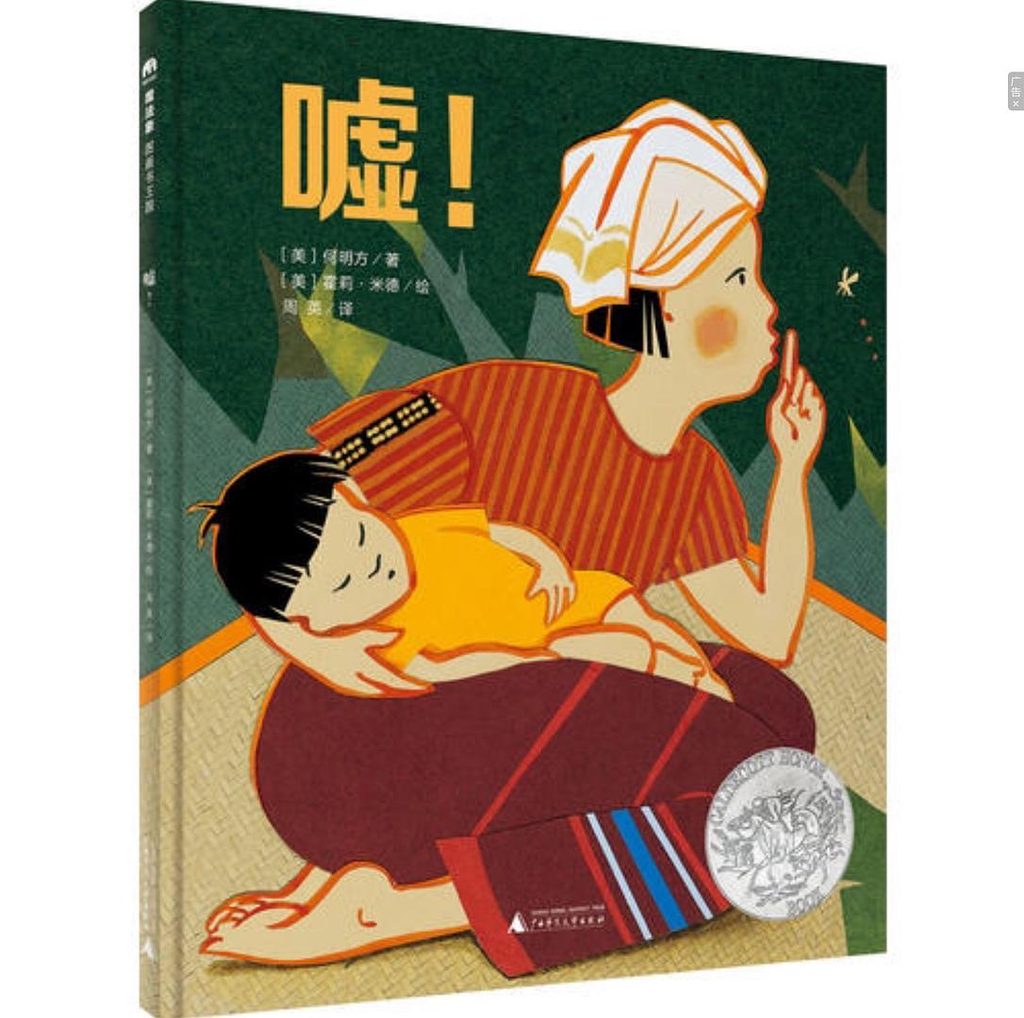
- Shh!: A Thai Lullaby (Hush!: A Thai Lullaby(1996, Minfong Ho) — Awarded 1997 Caldecott HonorThe story takes place in a Thai village at dusk. A mother gently places her sleeping baby in a hammock. To avoid waking the baby, she softly asks the mosquitoes, lizards, gibbons, buffalo, and even elephants in the forest to “Shh—don’t make a sound!” until night falls completely. Mead uses torn paper collage combined with soft watercolor to beautifully and serenely depict the postures of the tropical rainforest animals and the mother’s tender, watchful expression.
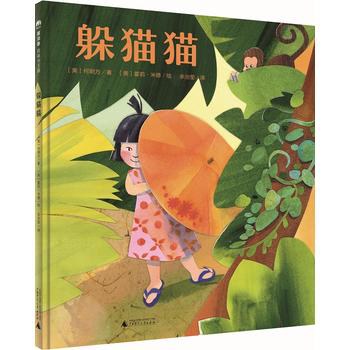
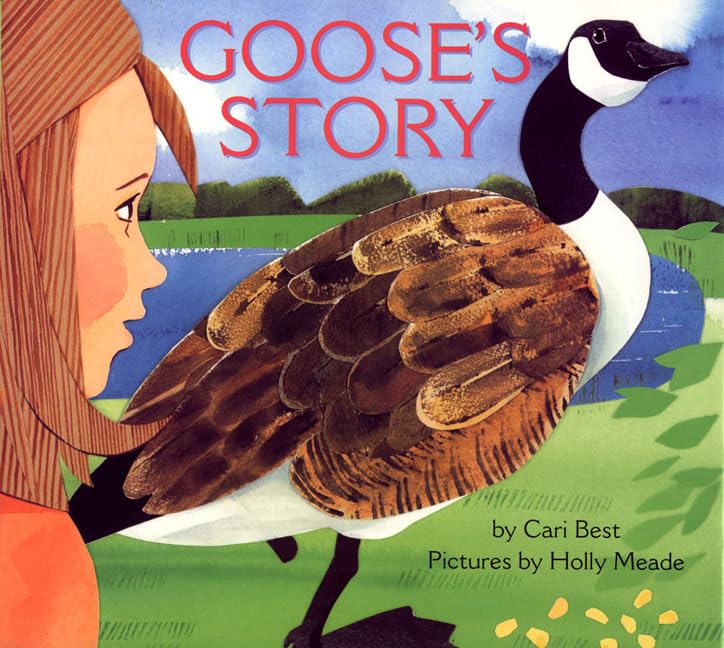
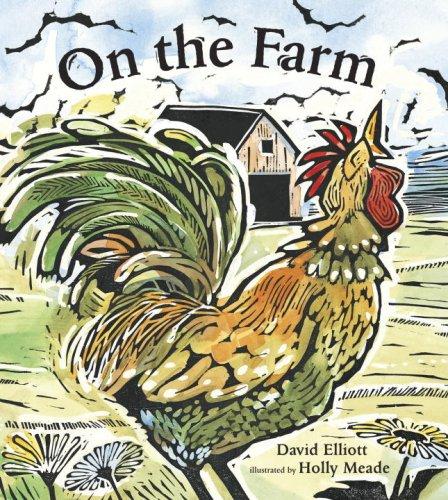
- His representative works also include the self-written and self-illustrated popular science picture book “On the Farm” (On the Farm), the folk hide-and-seek picture book “Hide-and-Seek” (Peek!: A Thai Hide-and-Seek) and the life-realistic picture book “The Story of the Wild Geese” (Goose’s Story).
| Birth | Holly Meade | Holly Meade (Wikipedia) |
🎂 1906 – Born: Eve Sutton
A renowned New Zealand children’s picture book author (1906–1992). She was known for creating rhyming nursery rhyme texts that were highly rhythmic and suitable for young children to repeat and role-play.
- Representative works and content:
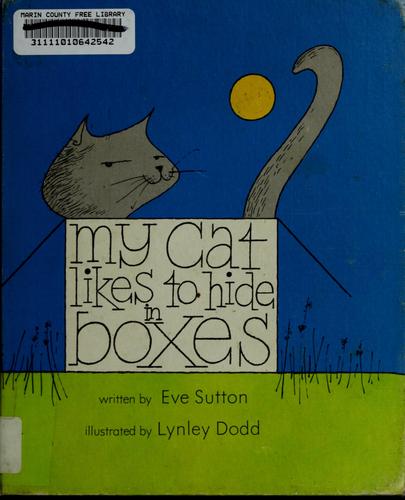
- My cat likes to hide in boxes. (My Cat Likes to Hide in Boxes(1973, illustrated by Lynley Dodd) — Selected for “1001 Children’s Books,” a landmark children’s rhyme picture book that has been popular in the Commonwealth for half a century. The text uses concise and cyclical parallel sentences to list cats from different countries that can play the violin, cats from Spain that like to fly airplanes, and cats from Norway that are good at singing and dancing… But no matter how many skills the famous cats from all over the world possess, “My cat just likes to crawl into cardboard boxes!” The work precisely matches children’s curiosity and sense of humor about simple things.
| Birth | Eve Sutton | Eve Sutton (Wikipedia) |
🎂 1948 – Born: Elizabeth Winthrop
A renowned American author of children’s and young adult literature (1948). Her works combine the realistic and delicate portrayal of psychological growth with the elegant structure of classical fantasy, and she excels at depicting the responsibility and courage of teenagers in the microscopic world and through time and space.
- Representative works and content:
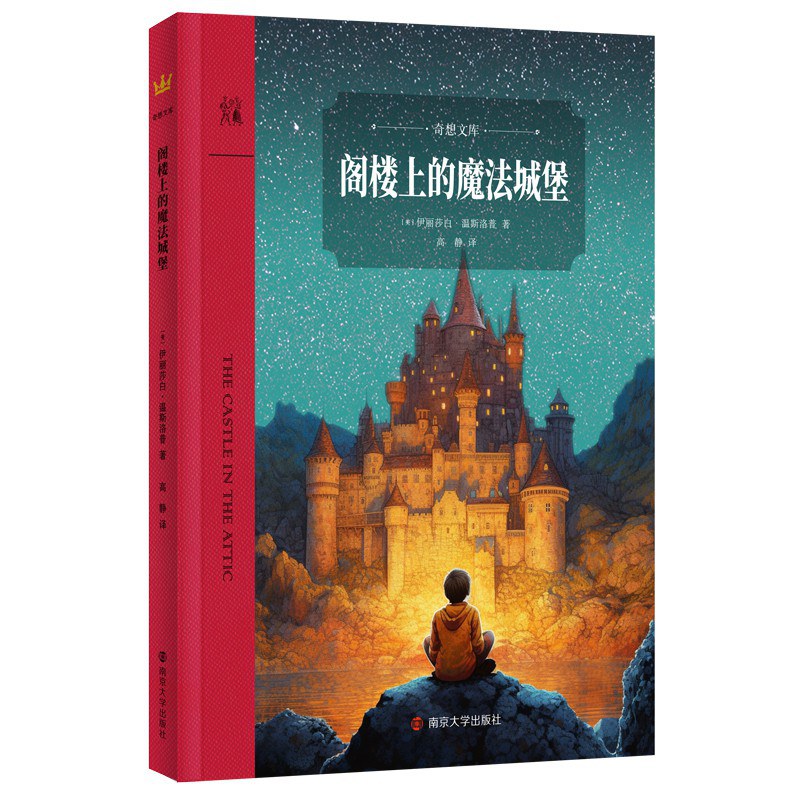
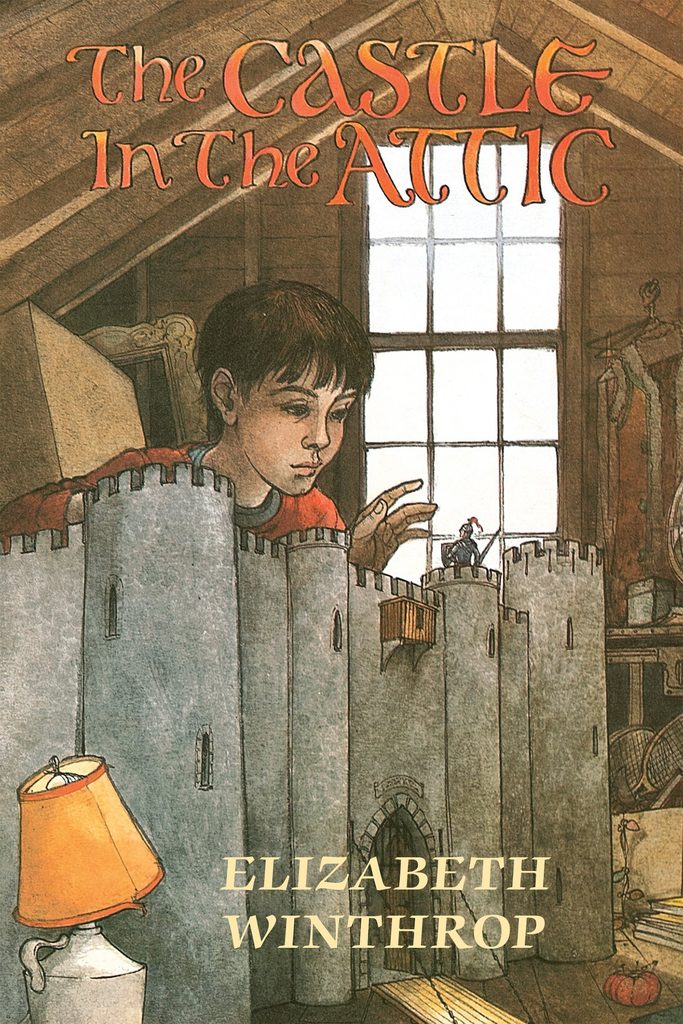
- The Magic Castle in the Attic (The Castle in the Attic(1985) — A bestselling children’s fantasy novel in the United States. Ten-year-old William receives a finely crafted old toy wooden castle and a lifelike model of a little silver knight from his nanny, Mrs. Applegate, who has cared for him for ten years. When William accidentally triggers the castle’s shrinking magic, the nanny is shrunk and trapped inside. William must take a shrinking potion to enter the castle and embark on a grand adventure to retrieve the Life Symbol from an evil wizard. The work profoundly explores the true meaning of letting go, growth, and courage.
| Birth | Elizabeth Winthrop | Elizabeth Winthrop (Wikipedia) |
🎂 Born 1972: Olivier Balez
A renowned contemporary French picture book illustrator and cartoonist (1972). He frequently traveled between Paris and Santiago, Chile, and his style is characterized by bold, bold ink lines, highly immersive high-contrast cinematic lighting, and a profound sense of humanistic social concern.
- Top Award and Representative Works:
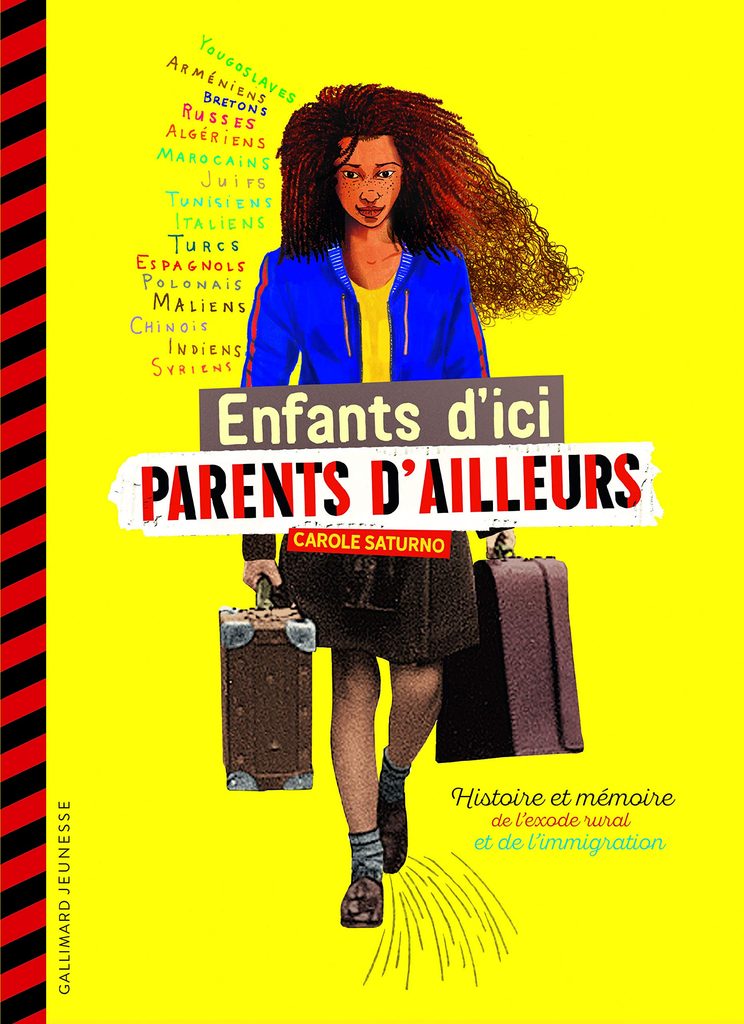
- With the picture book “The Children Here, the Parents Far Away“Enfants d’ici, parents d’ailleurs(2006, Carole Saturno/Text) won the award 2007 Prix Sorcières (French Sorcières Prize) for Nonfiction BooksWith its highly empathetic visual composition, the book documents the daily lives of second-generation immigrant children in modern Europe amidst the current global migration wave, and their connection to the culture of their distant homeland across the ocean.
| Birth | Olivier Balez | Olivier Balez (Wikipedia) |
🎂 Born 1942: Manfred Butzmann
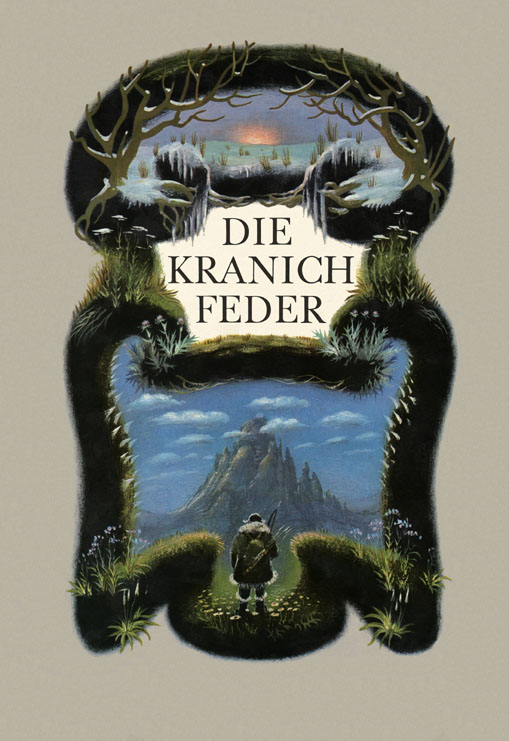
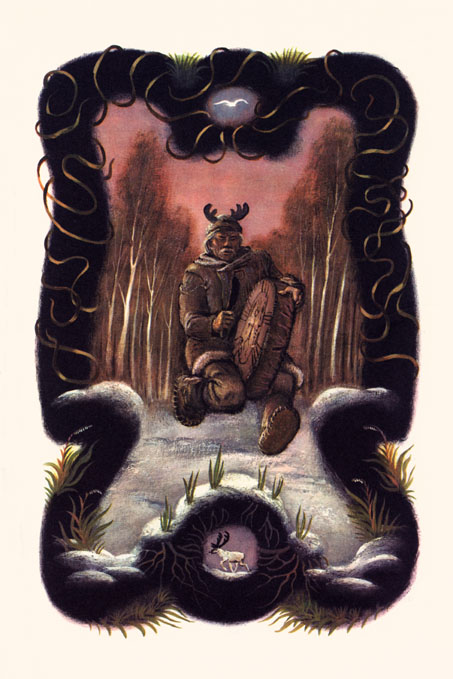
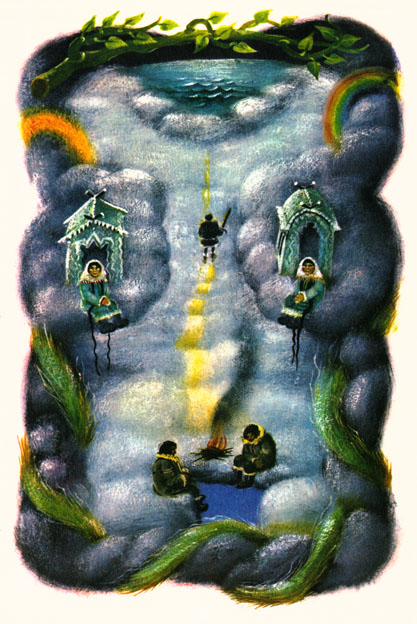
A renowned German printmaker, graphic artist, and book illustrator (1942). He was a key figure in East German Neo-Figurative Expressionism, adept at using highly atmospheric watercolor washes and lithograph techniques to depict wilderness landscapes and northern folk customs.
- International Awards and Representative Works:
- With the illustration book of Siberian native oral traditions, “The Feather of the Crane: Northern Soviet Fairy Tales” (Die Kranichfeder: Märchen aus dem sowjetischen NordenIllustrations drawn in 1974 won an award. Plaque Award, 1975 Bratislava International Biennial of Illustrations (BIB).
| Birth | Manfred Butzmann | Manfred Butzmann (Wikipedia) |
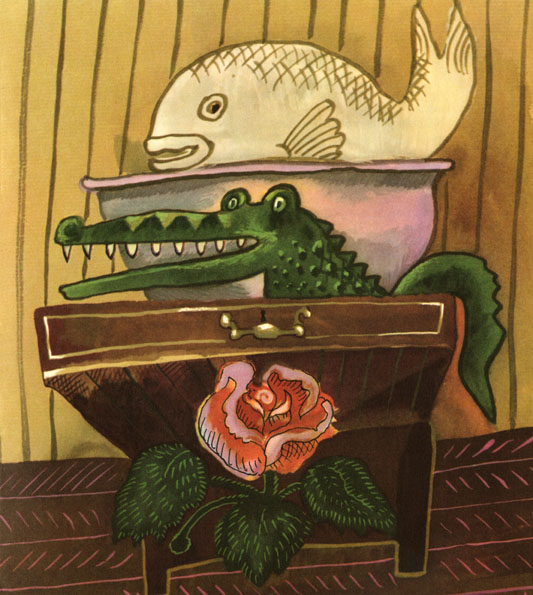
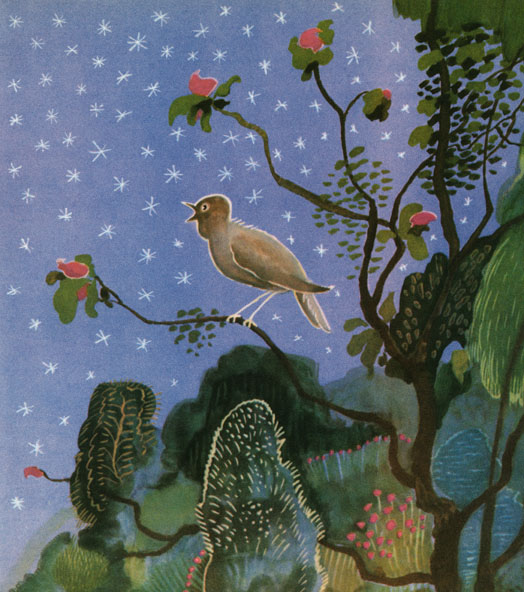
🎂 Born 1934: Waldemar Andrzejewski
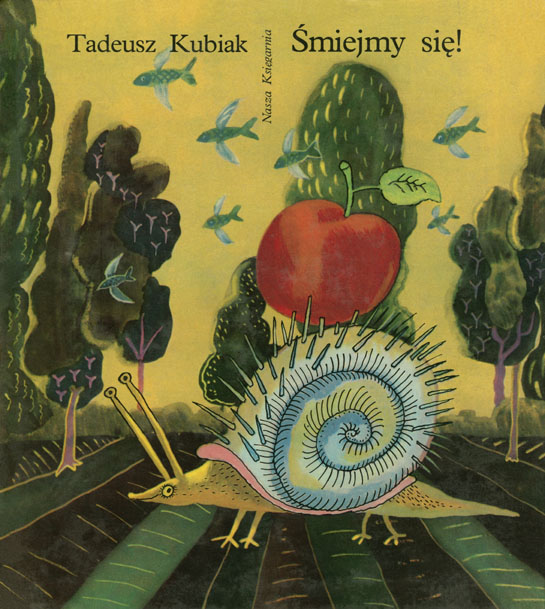
A renowned Polish poster designer, book designer, and illustrator (1934–1993). He was a key artist of the prominent Polish Poster School after World War II, known for his simple yet powerful symbolic metaphors and dramatic, humorous lines.
- International Awards and Representative Works:
- With the children’s humorous illustration collection “Smile!“Śmiejmy się!) won Honorary Mention at the 1977 Bratislava International Biennial of Illustrations (BIB).
| Birth | Waldemar Andrzejewski | Waldemar Andrzejewski (Wikipedia) |
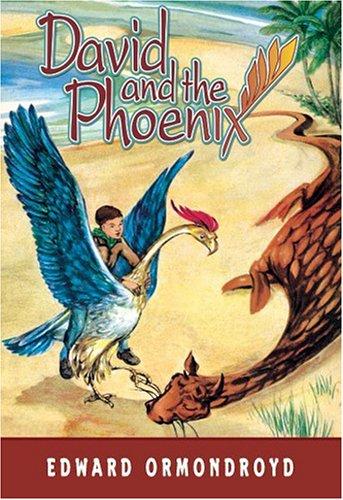
⚰️ 2025 — Death: Edward Ormondroyd
American author of children’s fantasy and humor novels (1925–2025).
- Representative works and content:
- David and the Phoenix (David and the Phoenix(1957) — A classic childhood fantasy novel: It tells the story of a young boy named David who moves with his family to the foot of a mountain in the suburbs. There, he accidentally rescues a mythical phoenix that is over five hundred years old, yet incredibly knowledgeable, even a little pedantic and endearing. The phoenix decides to become David’s “mythical creature tutor,” leading him to meet sirens, griffins, and outwit a cunning scientist. It is a classic children’s fantasy novel full of sunshine and innocent wisdom.
| Deceased | Edward Ormondroyd | Edward Ormondroyd (Wikipedia) |