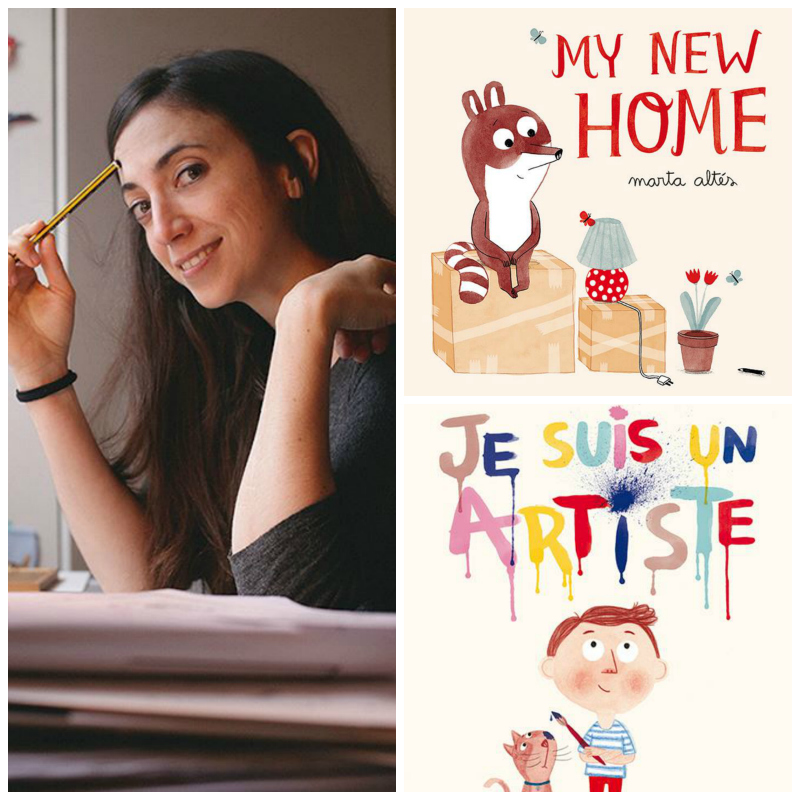
Spanish illustrator Marta Eds(Marta Altés(1982-) is a rising star in the British picture book world. While not prolific—having created only nine picture books since her debut in 2011—her work has garnered her numerous prestigious accolades, including a shortlist for the Waterstones Children’s Book Award, two nominations for the Greenaway Medal, and an Ezra Jack Keats Award for Best Newcomer. More importantly, her works are widely popular, having been translated into nearly 20 different languages, demonstrating a high degree of cross-cultural acceptance.
Marta was born in Barcelona in 1982, where she grew up and studied graphic design, eventually becoming a graphic designer after graduation. Her life seemed peaceful and smooth sailing, but Marta couldn’t settle for less. From a young age, she loved picture books and longed to become a picture book illustrator, an opportunity she couldn’t have in her hometown. So, in 2009, she decided to study children’s book illustration at Cambridge School of Art in the UK. She successfully completed her studies and immediately began creating picture books.

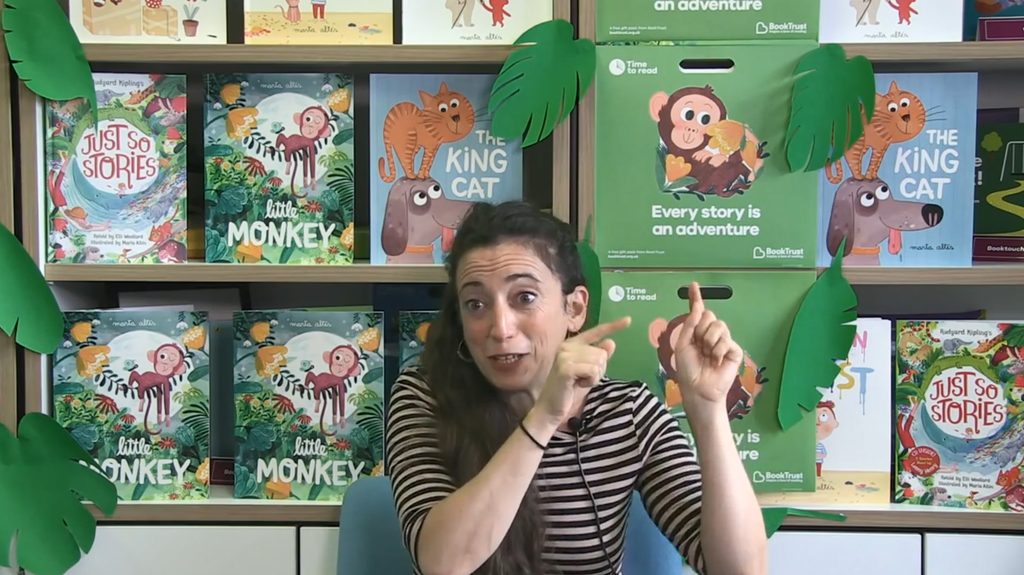
Marta’s debut book, *No!* (Guangxi Normal University Press, 2015), published in 2011, showcased her talent for illustrated storytelling, along with her signature light humor. The book features a cute little dog narrating the everyday life of his family in the first person; the dog’s boundless energy and self-absorption, contrasted with the various embarrassing situations depicted in the illustrations, will have readers laughing out loud. The huge success of her debut book established Marta in the British picture book world and gave her immense confidence. From 2012 to 2016, she maintained a consistent pace of releasing one excellent picture book each year: *My Grandpa*, *I am an Artist*, *My New Home*, *The King Cat*, and *Little Monkey*. After that, her writing slowed down until 2019–2020 when she published “Five More Minutes” and “New In Town,” and three years later she published her latest book, “It Wasn’t Me!”. Except for “No,” the other eight books are included in the “Marta’s Growth and Art Picture Books” series.
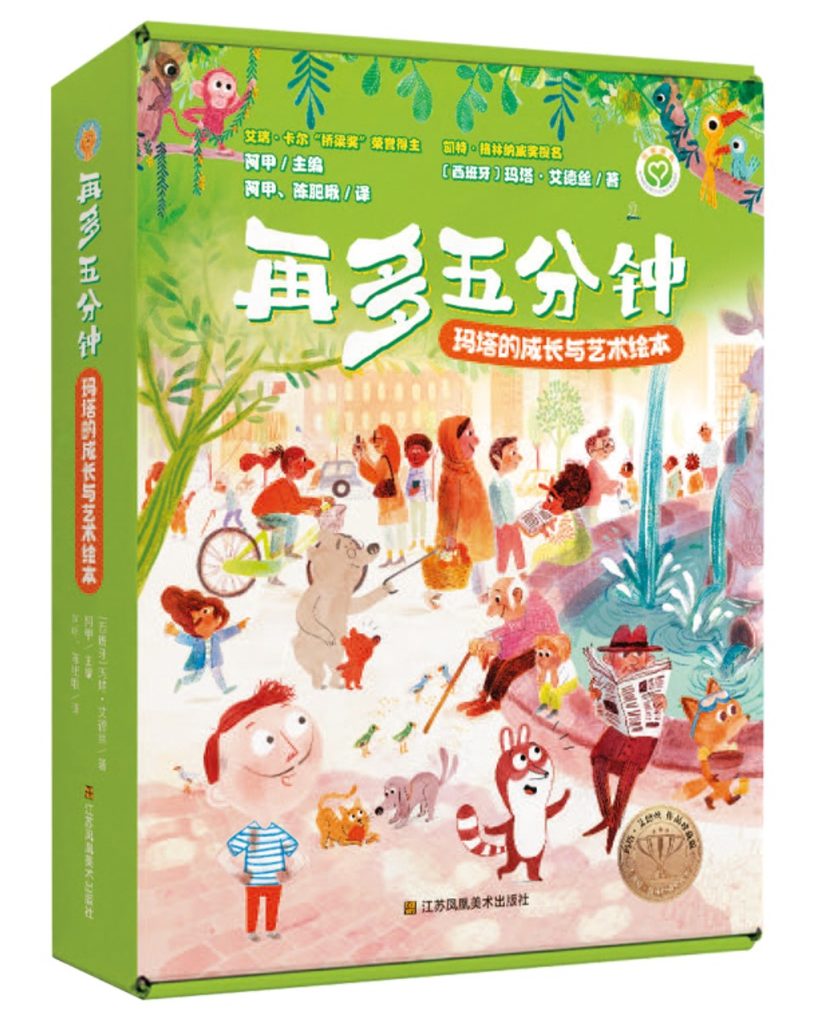

Few picture book creators are naturally adept at the unique narrative style of picture books from the outset; Marta is an exception. This may be partly due to her professional training at Cambridge School of Art, but it should also be attributed to her own passion and talent. From a narrative perspective, most of her picture books are told in the first person, using characters such as puppies, kittens, monkeys, grandchildren, little artists, and older brothers. This kind of narration is very immersive, allowing readers to feel as if they are there, experiencing the genuine emotions of the “I” in the story. However, this kind of narration also has limitations, often being too subjective and lacking a more objective observation from a third-party perspective. So, how does Marta address this?
In “No!”, the narrator is the family’s beloved little dog, who believes his name is “No!” because everyone constantly yells “No!” at him. However, he eventually discovers that the name tag on his leash reads “Spike”—and through the accompanying illustrations, the reader has already noticed the clues, clearly understanding that Spike often unknowingly misbehaves and steals food, causing the family to constantly yell “No!” Even so, everyone still loves him dearly. The combination of text and illustrations creates a heartwarming effect, allowing readers of all ages to experience a touching portrayal of parent-child relationships.
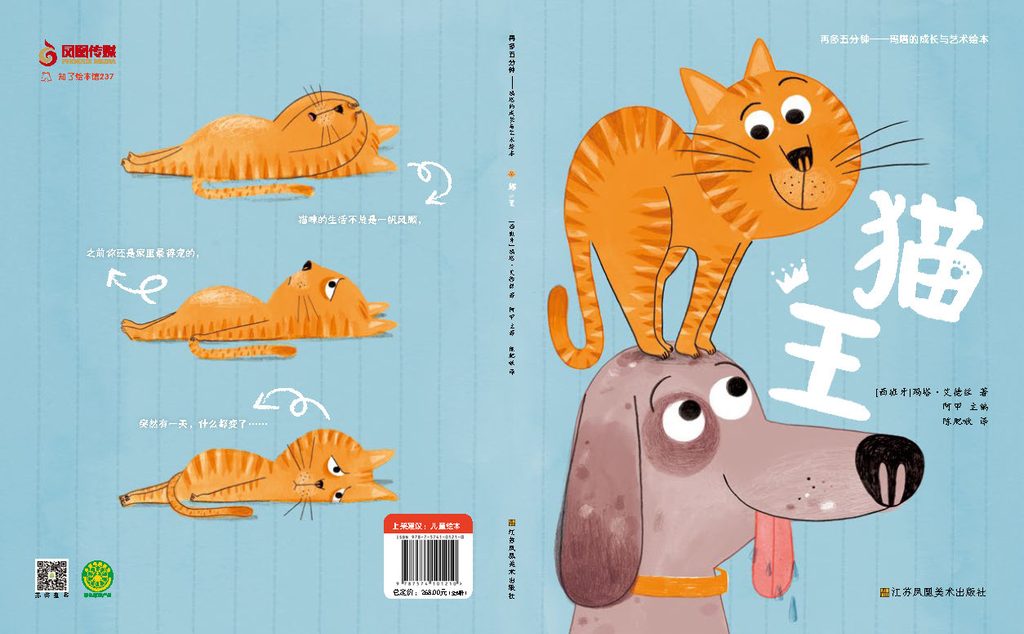
Marta seems to have masterfully employed this narrative technique throughout. For example, in *Elvis*, the narrator is the first pet cat in the house, and the story is told entirely from the cat’s perspective. The narrator feels like the king of the house, dominating the territory, all the resources, and all the affection, until one day a new dog arrives, disrupting the old order and seemingly threatening to take away the narrator’s territory and affection. Adult readers will easily recognize that this actually depicts the possible reactions of the firstborn child when a second child arrives. Anthony Browne would use surrealism, like in *Kid’s Home Is Different*, to address such topics, adding a layer of weighty mystery. But Marta tells the story through the voice of a cat, while simultaneously showing the reader the various mischievous and adorable moments of the new dog, the cat’s annoyance when the puppy is running wild, and the cat’s loneliness when the puppy is not around. Ultimately, the narrator continues to be the king of the house, treating the dog as his closest playmate. Marta’s playfulness and humor are hidden within this seemingly light and easygoing text-and-image narrative.
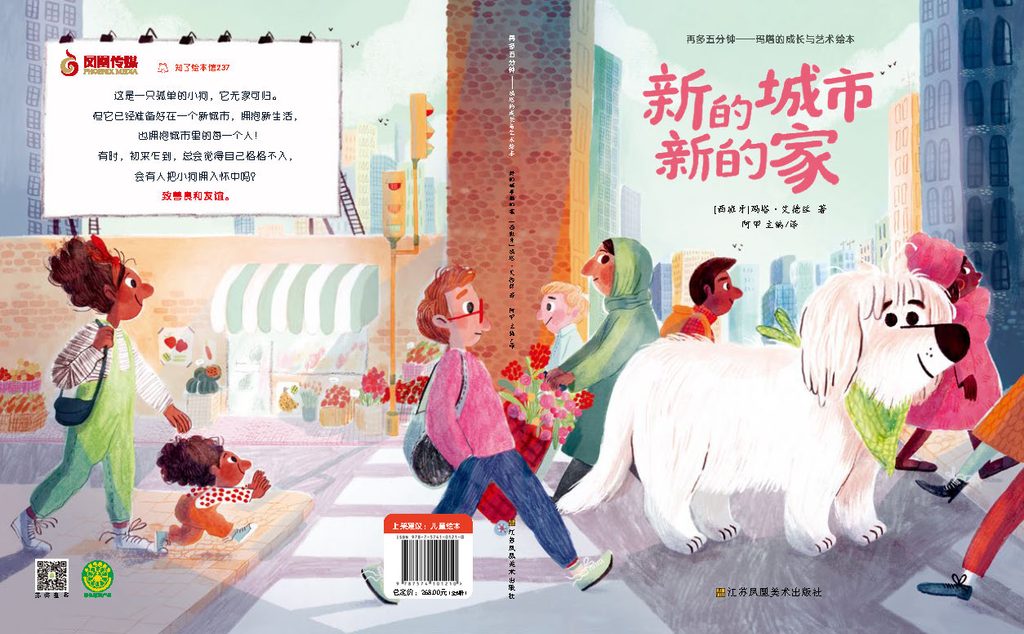
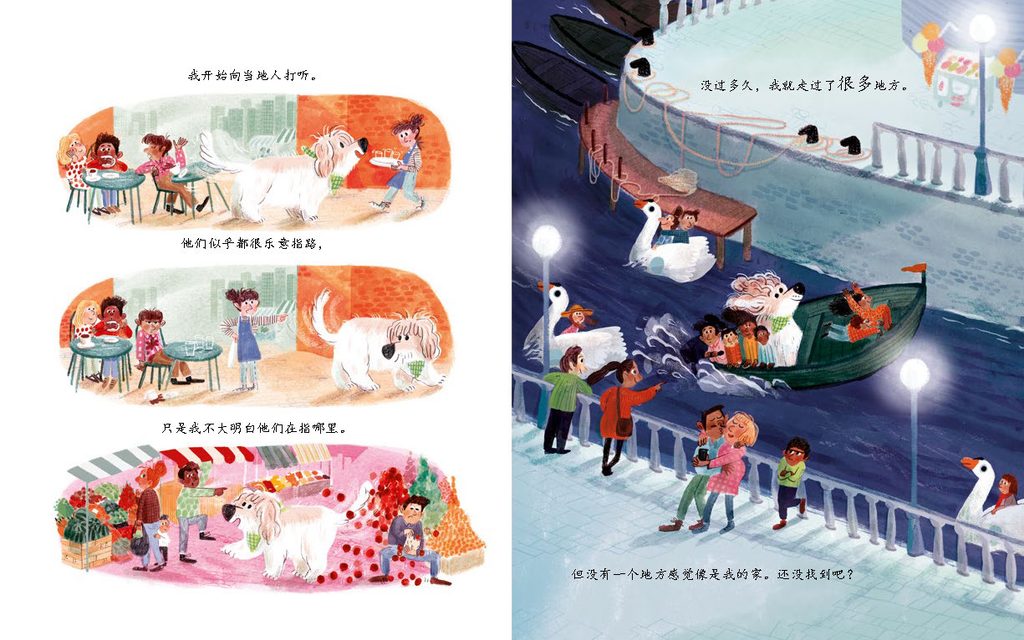
In her two books published in 2019–2020, Marta further masterfully employed this interwoven text and image narrative technique. For example, in *A New City, A New Home*, a large, fluffy dog arrives in a new city searching for a new home. The dog asks the locals for directions, and the text reads, “They all seem very willing to give directions! But I don’t always understand what they’re pointing to.” However, in the illustrations, we see the dog wagging its tail very amicably, unintentionally causing trouble as a waiter and a fruit vendor point and tell the dog to leave! This deliberately created “misunderstanding” between text and image produces a playful effect that is both evocative and playful, resulting in a delightful surprise that brings a smile to the reader’s face. It also allows readers to gain a richer experience from different perspectives, encouraging them to try to empathize and reflect. In this book, readers may not only smile but also feel the loneliness and desolation experienced by a newcomer.
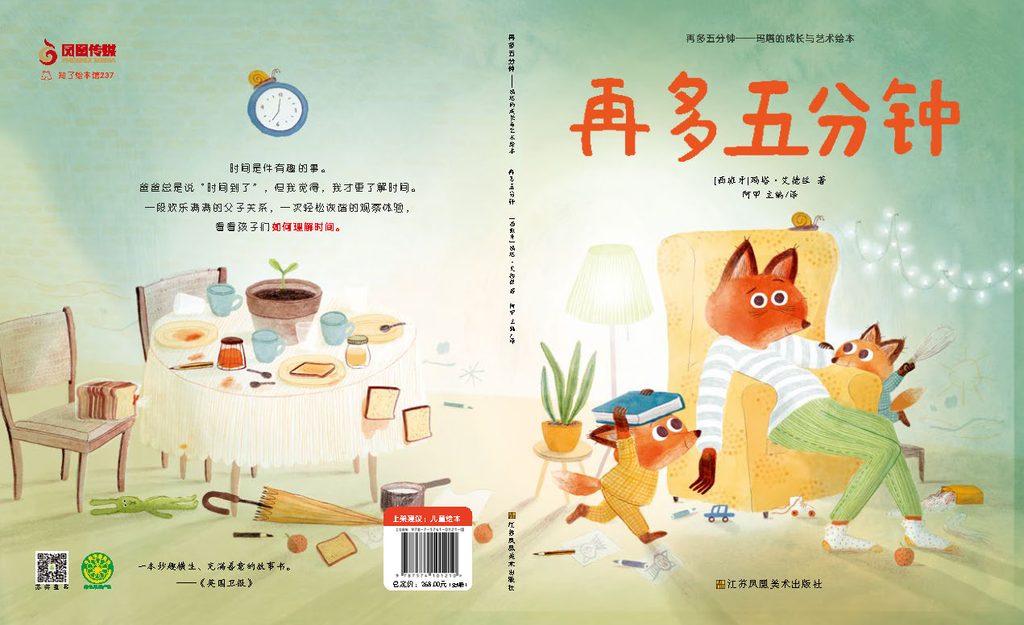
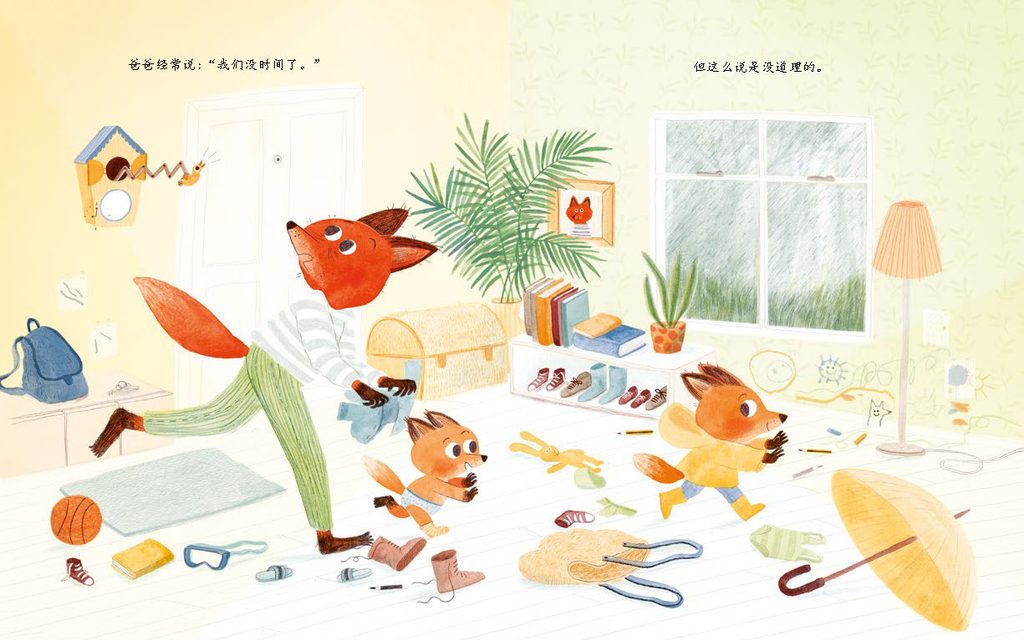
“Five More Minutes” utilizes the correspondence and comparison between text and image narratives to show readers the significant differences in mindset and state between children and adults in the daily process of raising children. Through the first-person narration of the little boy and the relatively objective presentation in the illustrations, it reveals the differences in the perceived length, speed, and presence or absence of time. With a very childlike and cheerful story, it reinterprets Einstein’s humorous yet profound “theory of relativity of time.” Einstein’s experimental report concluded that “the observer’s psychological state has a great influence on the perception of time.” Marta uses the fox boy as a metaphor for this perception, allowing readers to make relatively objective observations within the illustrated story. Readers of all ages, due to their different roles in raising children, will also empathize with different emotions. These are precisely the experiences that can be gained through the unique text-image relationship in picture books.
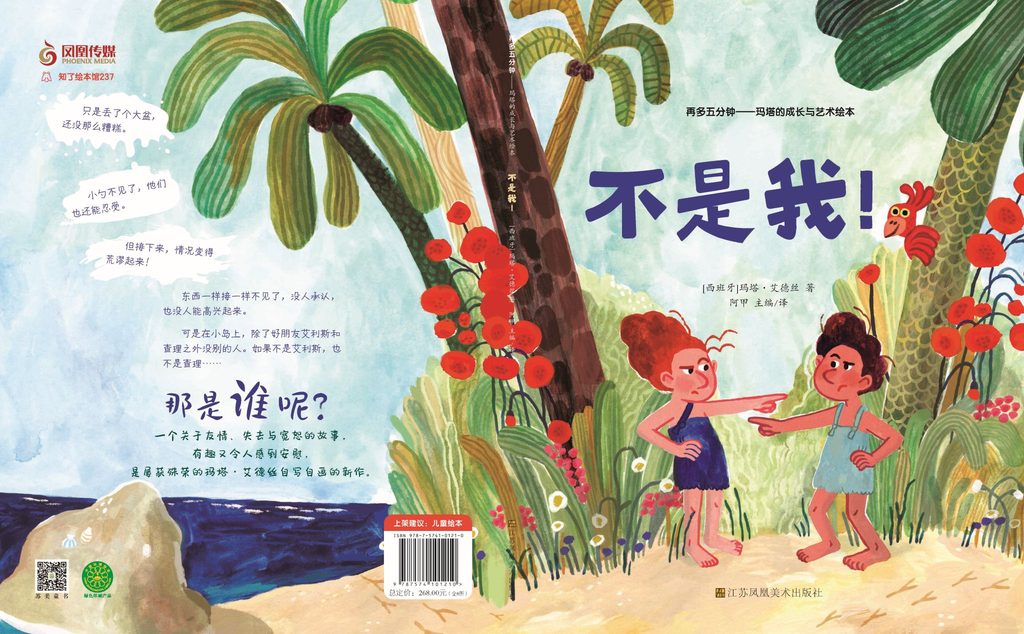
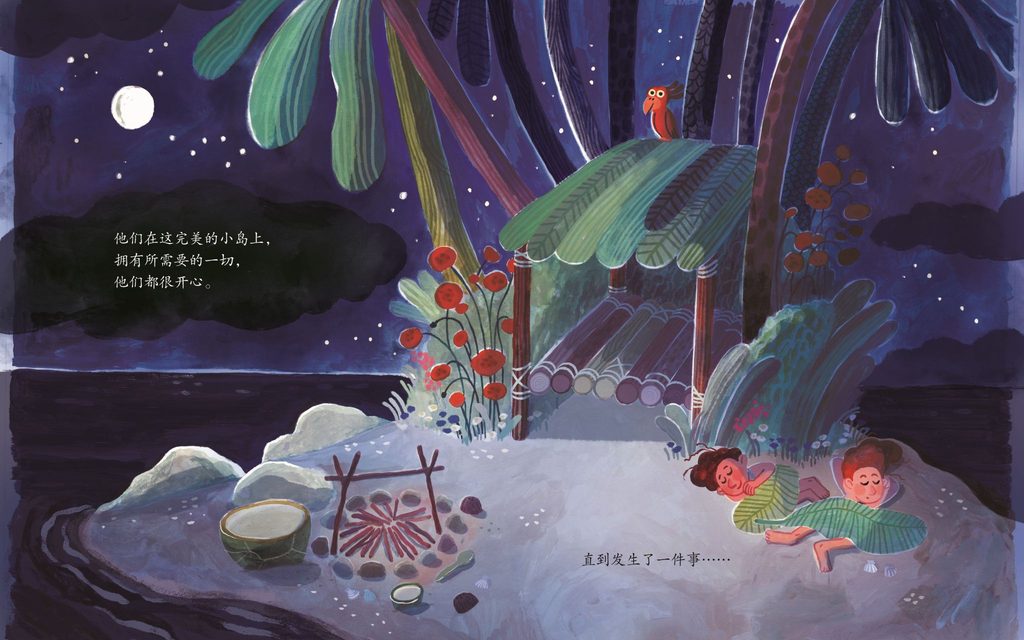
Published in 2023, *Not Me!* marks the first time Marta Braun has written and illustrated her own work without using a first-person narrative. This is likely because the book is the most personal, with the two protagonists, Ellis and Charlie, perhaps reflections of herself, necessitating the use of a third-person perspective. She dedicated the book to Luke, saying, “I love hiding things so he can’t find them.” Perhaps the story’s inspiration stemmed directly from real life. The perfect island in the book easily evokes the image of home, and the relationship between Ellis and Charlie can be seen as intimate romantic relationships or close friendships. Their relationship is destroyed by an “invisible hand” that steals what they share without their knowledge. However, upon closer examination, the real problem lies in their mutual suspicion, buck-passing, and loss of trust and cooperation in solving problems. —Martha uses the picture book format to show readers the “culprit,” a large bird that isn’t inherently evil; it simply needs to raise its chicks and build its own home.
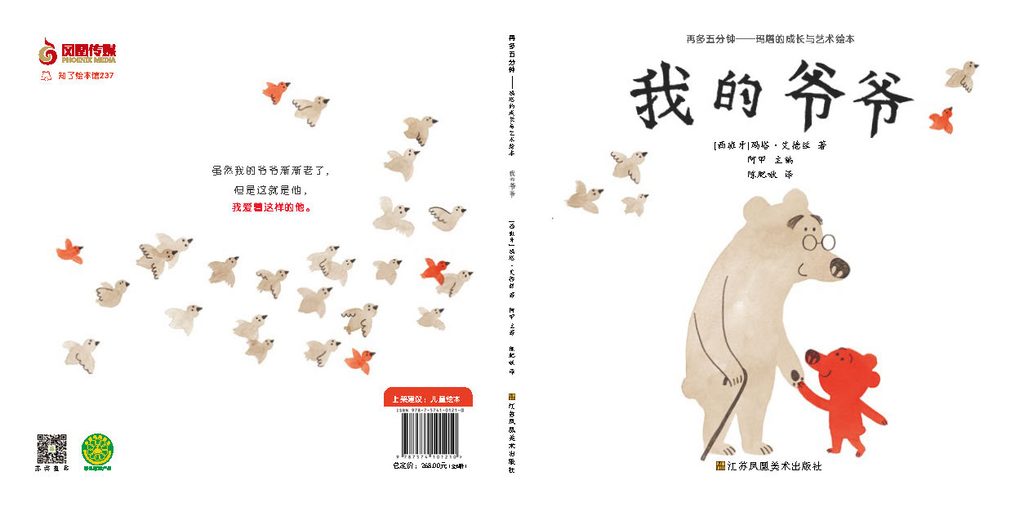
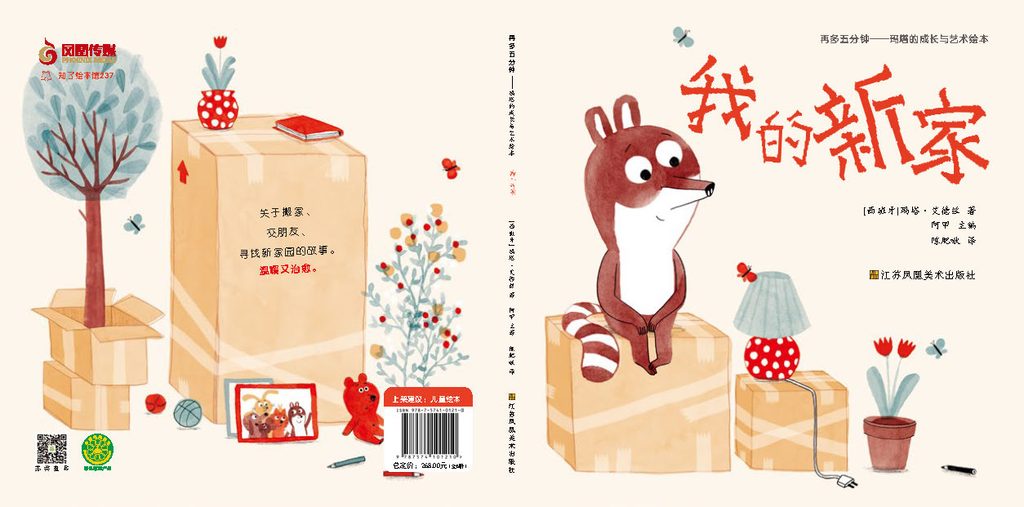
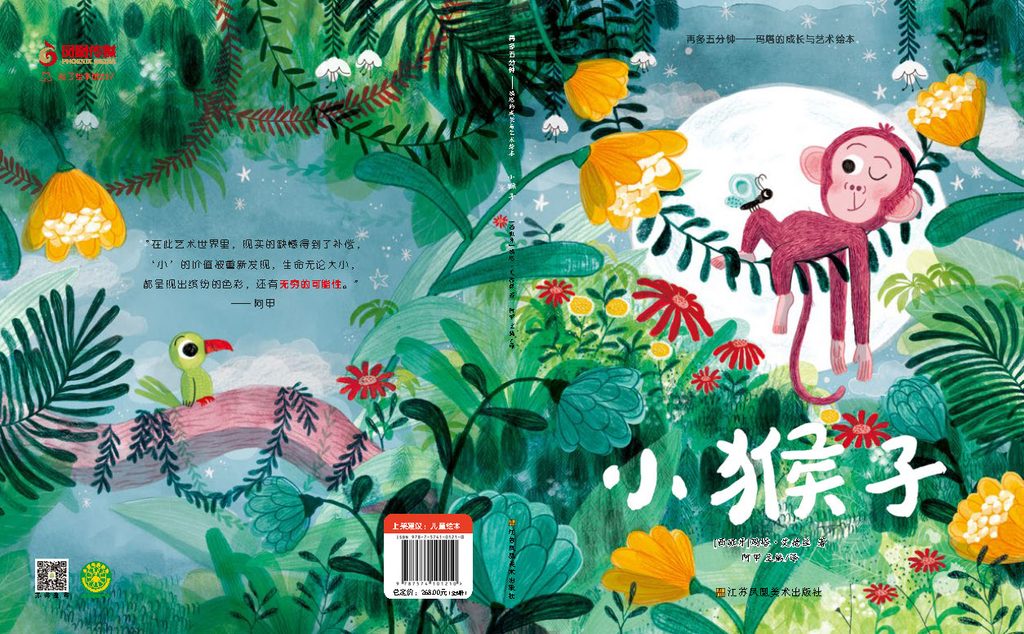
Throughout Marta’s picture books, the core theme she focuses on is “family.” Although most stories feature animal protagonists, readers can easily discern that they are all about family. In *My Grandfather*, the bear and grandfather represent all human grandparents and grandchildren; *Elvis*, dedicated to “my brother Burnett,” is clearly about siblings; the raccoon in *My New Home* represents all children who have moved; *New City, New Home* is also about moving, but the big, fluffy dog could also be an adult experiencing a new city; *Five More Minutes* seems more like a story of a single-parent family with an amazing dad and two little boys; *Little Artist* is somewhat like a battle of wits between a mother and son who love art; even in *The Little Monkey*, set entirely in the jungle, the monkey troop feels like a large family, and Marta admits that the little monkey is, in a way, herself. Her reflection on living in a large family, expressed by the little monkey, is, “Because the smaller you are, the greater the challenges you face. But the best part is, the bigger the hugs you get.”“
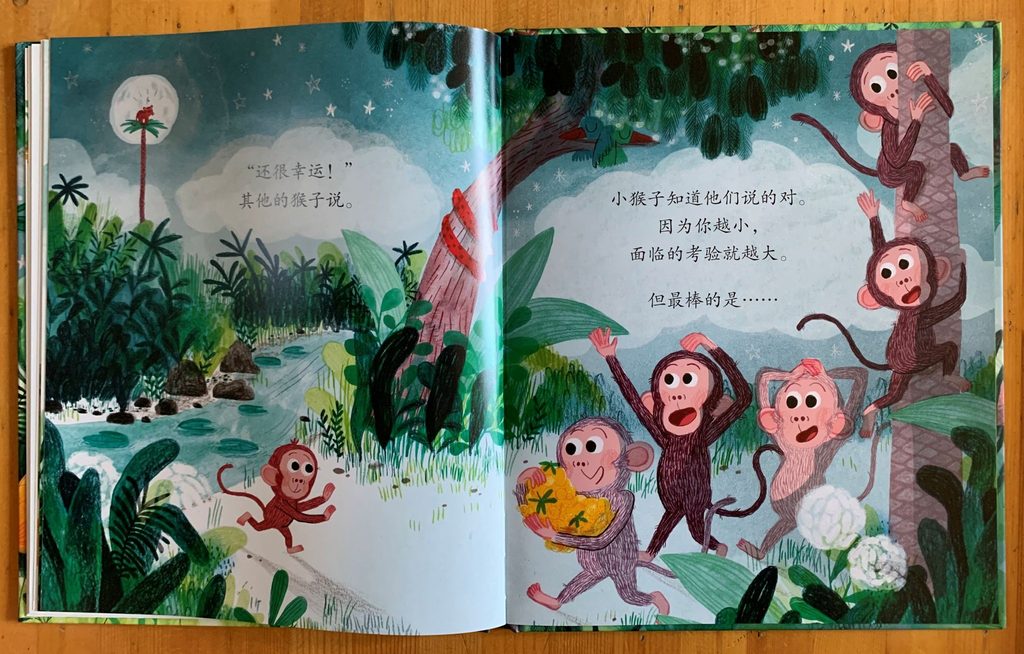
Because a person receives enough warmth and support at “home,” they have the courage and confidence to explore the wider world with curiosity, find new friends in new places, and build a new home in a new city. This is Marta’s own experience and insight. She now lives in London, England, and is dedicated to creating children’s book illustrations, while also serving as a part-time teacher at her alma mater, Cambridge School of Art. The fairy tales in her picture books are, to some extent, a reflection of her own growth.
Marta’s work is not only witty and humorous, but also deeply moving. In “My Grandfather,” the elements are remarkably simplified, with the background often completely reduced to a deep red bear and a light brownish-gray bear. This color combination is highly symbolic; the former evokes boundless vitality, while the latter conjures images of advanced age. The two colors, combined with specific shapes, dance against a simple and elegant background—Grandfather walks alone, accompanied by red fallen leaves; when resting on a park bench, he is accompanied by red and gray birds, and even in the distance, there are two trees, one red and one gray! Then, the appearance of “I” (the deep red bear) immediately brings the scene to life. The nine consecutive double-page spreads depicting “I” and Grandfather’s interactions inevitably bring to mind John Burningham’s “Grandpa,” equally touching, but unlike “Grandpa,” which focuses more on personal memories, “My Grandfather” evokes a more universal association.
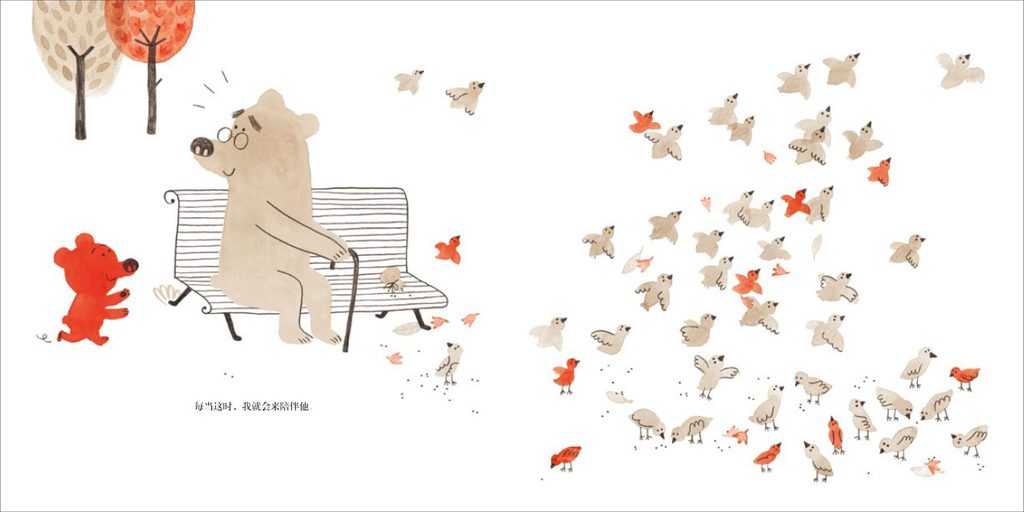
“My grandfather was very lonely when he was alone, but he was a completely different person when he was with the children. Sometimes he was like an old man, and sometimes he was like a child. When he was confused, he seemed not to recognize anyone, but when he hugged the children, he seemed to remember everything. “Sometimes, I am his eyes…sometimes, he is my eyes…”—these two pages are particularly wonderful. The illustrations are still dominated by red, brown, and gray tones, but suddenly they become colorful. The mutual seeing and discovery between grandfather and grandson allows life to be enriched to the fullest extent. It is this unique dependence and mutual appreciation that prevents the story from ending with a declaration like Anthony Browne’s “My Dad,” but rather “But that’s him. I love him just the way he is.”—It is probably because of this unique and moving power that this book was selected for Martin Sellisbury’s (author of “The Guide to Creating Children’s Picture Books”) “100 Great Children’s Picturebooks.”
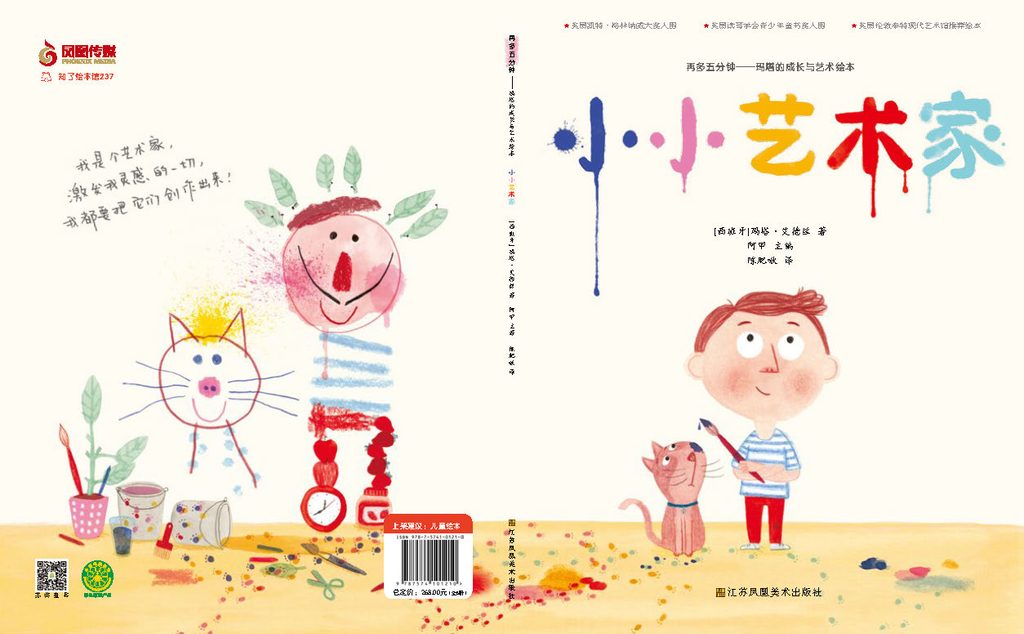
However, the book that surprised me the most among Marta’s works is *Little Artist*, which is absolutely adorable! She must have let loose in this book, pushing the humor to near-hilarious levels while elegantly answering questions like “What is art?” and “What is the relationship between art and life?” From a traditional perspective, the little boy in the book seems like a naive and mischievous troublemaker at home, coming up with one mischievous idea after another, while his incredibly patient mother tirelessly responds, finally securing a brief moment of peace and quiet at midday. But the endlessly creative and energetic little boy, using these precious two hours and ten minutes (look at the wall clock), unleashes a spectacular attack—you can imagine the earth-shattering roar his mother will let out when she wakes up!
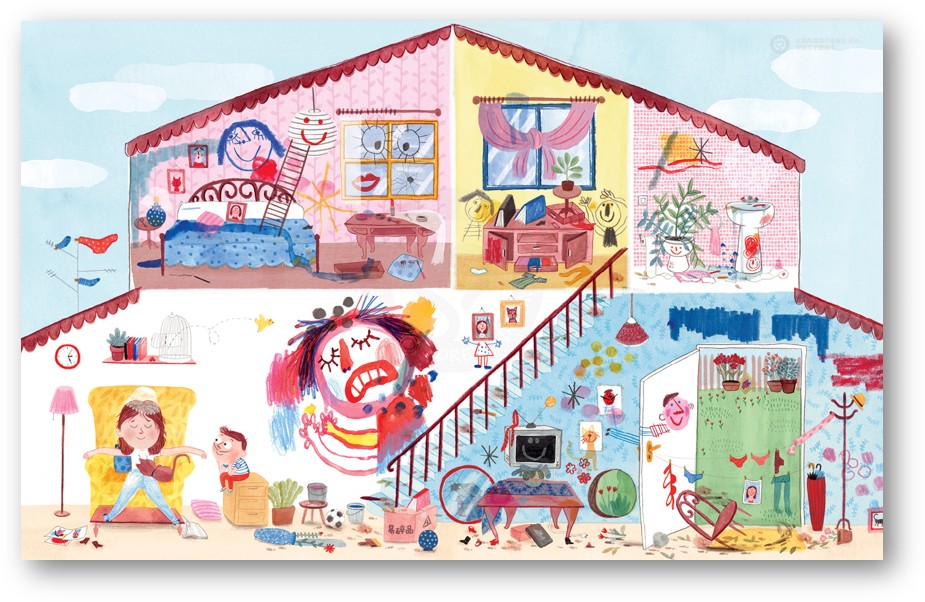
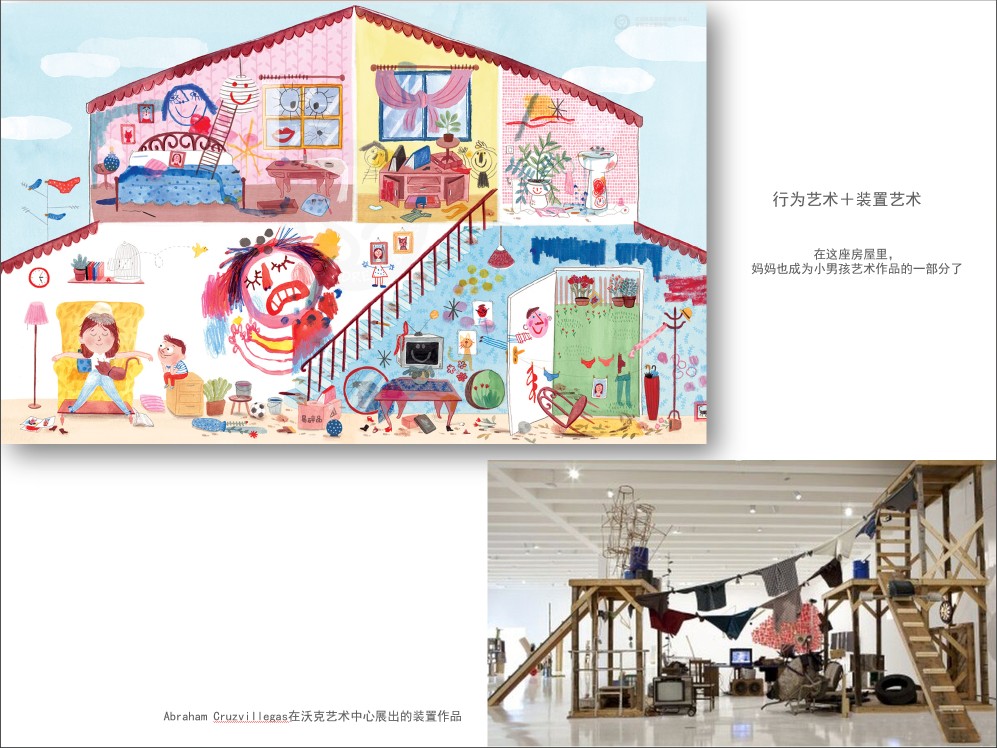
But wait, what if we look at it from a different angle? For example, if we reread this story from the perspective of contemporary art, the result might be completely different. I once shared this book with all the fifth-grade students in a school (about 400 students). Before sharing, I asked them, “Who thinks they have an artistic taste?” Only one or two students bravely raised their hands, because their paintings had won awards in the city. Then, we read “Little Artist” together. Every “work” created by the little boy in the book elicited bursts of laughter. The children claimed that they actually quite liked it, but on the other hand, they said, “I’ll definitely get scolded by my mom,” so they didn’t consider them works of art. However, when I showed them more recognized works of art, such as Dali’s mustache, David Hockney’s “Multiple Self-Portraits,” Manet’s “Luncheon on the Grass,” Ai Weiwei’s installation art, and Yves Klein’s “Klein Blue,” the children were pleasantly surprised because they discovered that their liking and identification were actually “legitimate”! So, after reading it together, when I asked again, “Who thinks they have an artistic taste?” almost every child raised their hand!
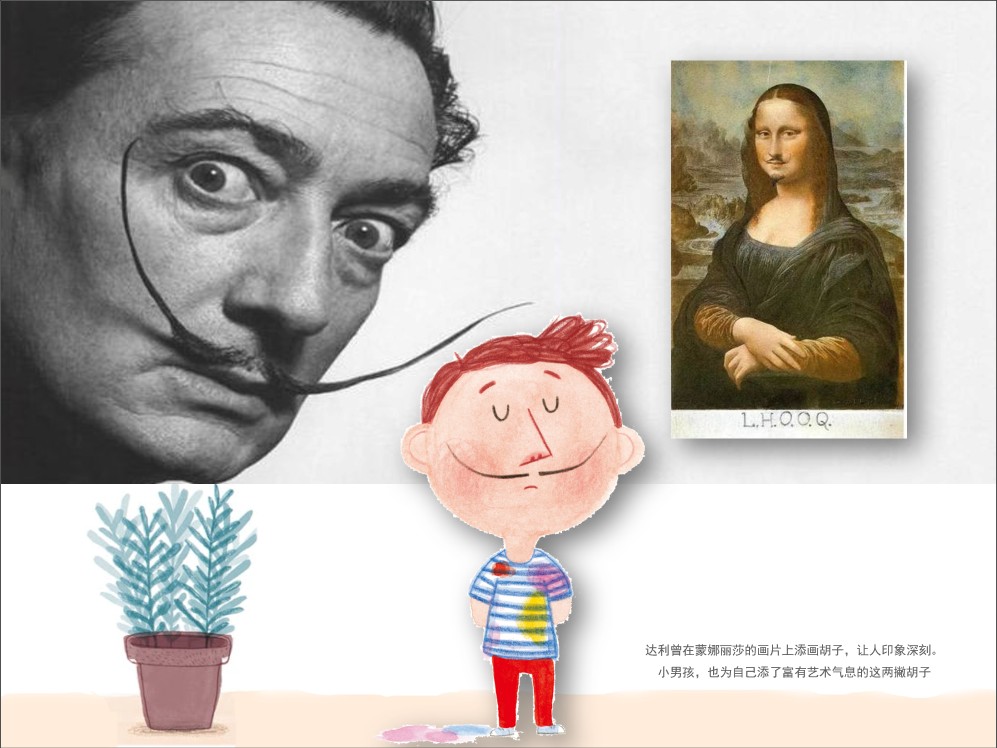
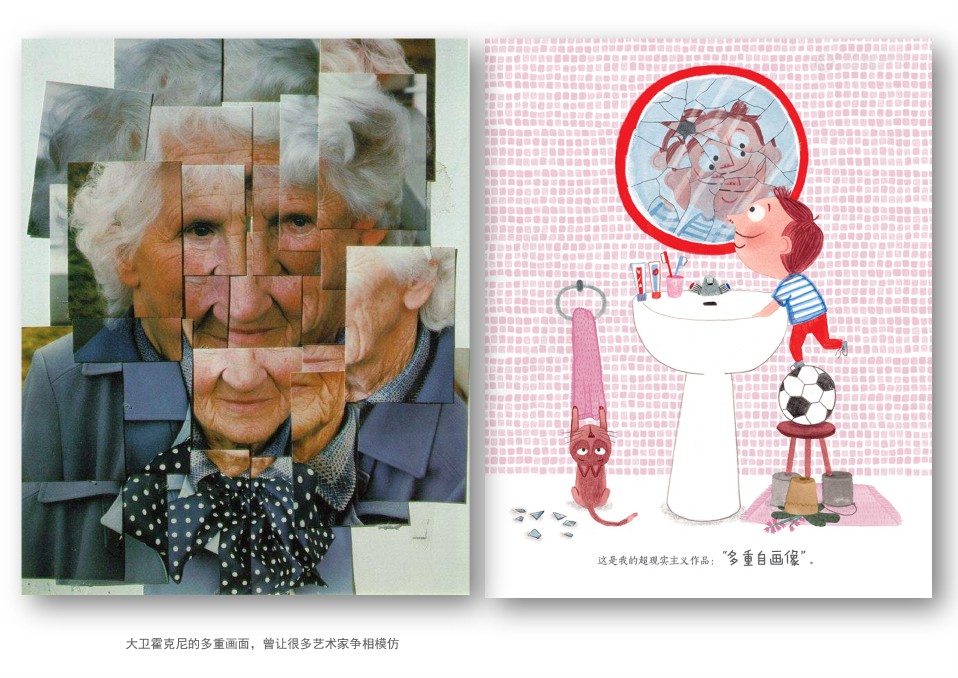
Art, like life, has no standard answers. Perhaps only school exams have standard answers. Only when you let go of standard answers can you truly engage with life and experience genuine artistic enjoyment. “Little Artists” simply tries to tell children that they are all artists by nature, and as long as they don’t let standard answers wear down their edges and sense of fun, they still have the opportunity to become artists in life.
Such insights can also be shared with adults.
Written by A‑Jia on June 20, 2022 in Beijing
Revised on October 8, 2023 and August 12, 2026

List of Chinese editions of works by Marta Eds
“No!”, translated by Liu Yang, Guangxi Normal University Press, 2015 | “No!”, Child’s Play, 2011
“My Grandpa”, translated by Chen Feijiu, Jiangsu Phoenix Fine Arts Publishing House, 2017 | “My Grandpa”, Macmillan Children’s Books, 2012
*Little Artist*, translated by Chen Feijiu, Jiangsu Phoenix Fine Arts Publishing House, 2018 | *I am an Artist*, Macmillan Children’s Books, 2013
My New Home, translated by Chen Feijiu, Jiangsu Phoenix Fine Arts Publishing House, 2017 | Macmillan Children’s Books, 2014
Elvis Presley, translated by Chen Feijiu, Jiangsu Phoenix Fine Arts Publishing House, 2017 | “The King Cat”, Macmillan Children’s Books, 2015
“Little Monkey”, translated by A‑Jia, Jiangsu Phoenix Fine Arts Publishing House, 2020 | Macmillan Children’s Books, 2016
Five More Minutes, translated by A‑Jia, Jiangsu Phoenix Fine Arts Publishing House, 2024 | Macmillan Children’s Books, 2019
“New In Town,” translated by A‑Jia, Jiangsu Phoenix Fine Arts Publishing House, forthcoming | Macmillan Children’s Books, 2020
“It Wasn’t Me!”, translated by A‑Jia, Jiangsu Phoenix Fine Arts Publishing House, forthcoming | Macmillan Children’s Books, 2023