⚰️ 1973 – Death: J.R.R. Tolkien
John Ronald Ruel Tolkien (1892–1973), a renowned British linguist, professor at Oxford University, and a founder of modern fantasy literature, was a pioneer of the modern “Second World” high-fantasy system. With his rigorous and profound knowledge of Old English and linguistics, he single-handedly created the modern “Second World” high-fantasy system and is widely recognized as the father of modern classical serious fantasy literature.
- An enduring literary monument:
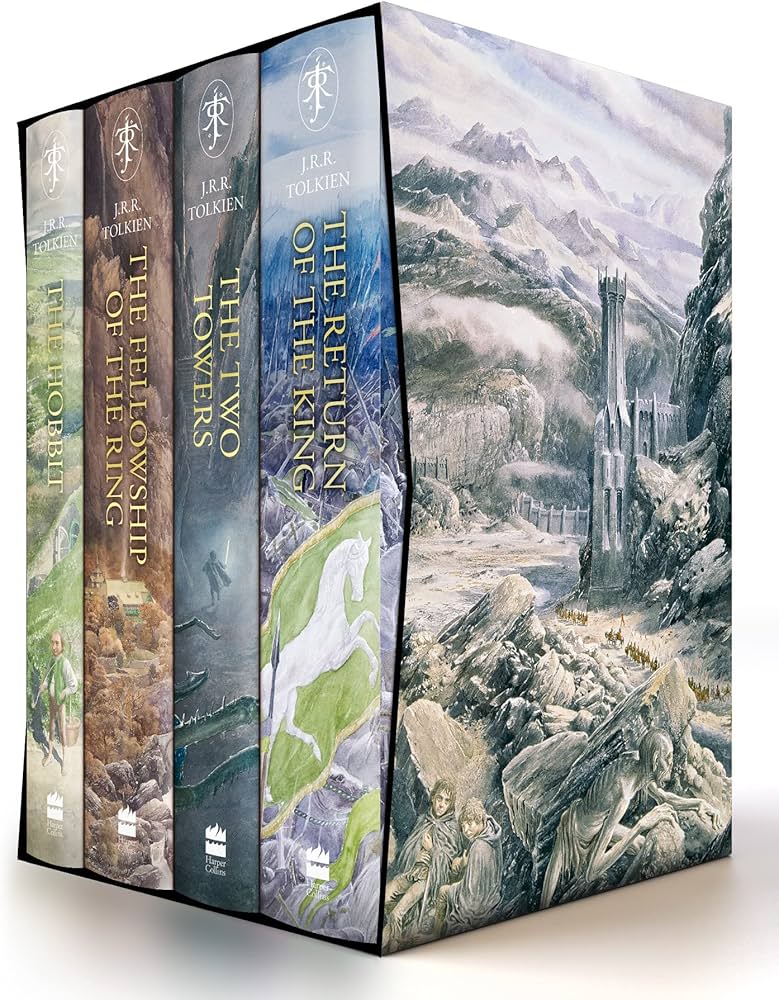
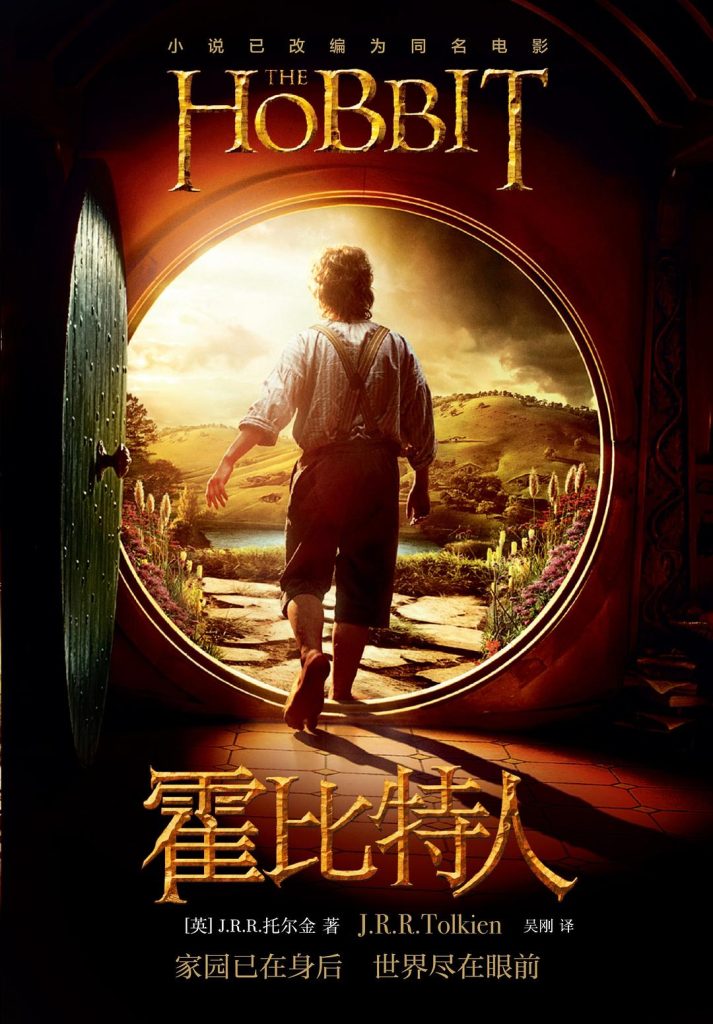
- The Hobbit (The Hobbit, or There and Back Again(1937) — Selected for “1001 Children’s Books,” a milestone in the history of children’s fantasy literature. The story begins with Bilbo Baggins, a hobbit who loves a peaceful life in Bag End, embarking on an adventure to the Lonely Mountain to reclaim the dwarven treasure seized by the dragon Smaug, at the invitation of the wizard Gandalf and the thirteen dwarves. Bilbo encounters Gollum in the Misty Mountains and unexpectedly obtains the One Ring, ultimately growing into a true hero through his kindness, wit, and courage.
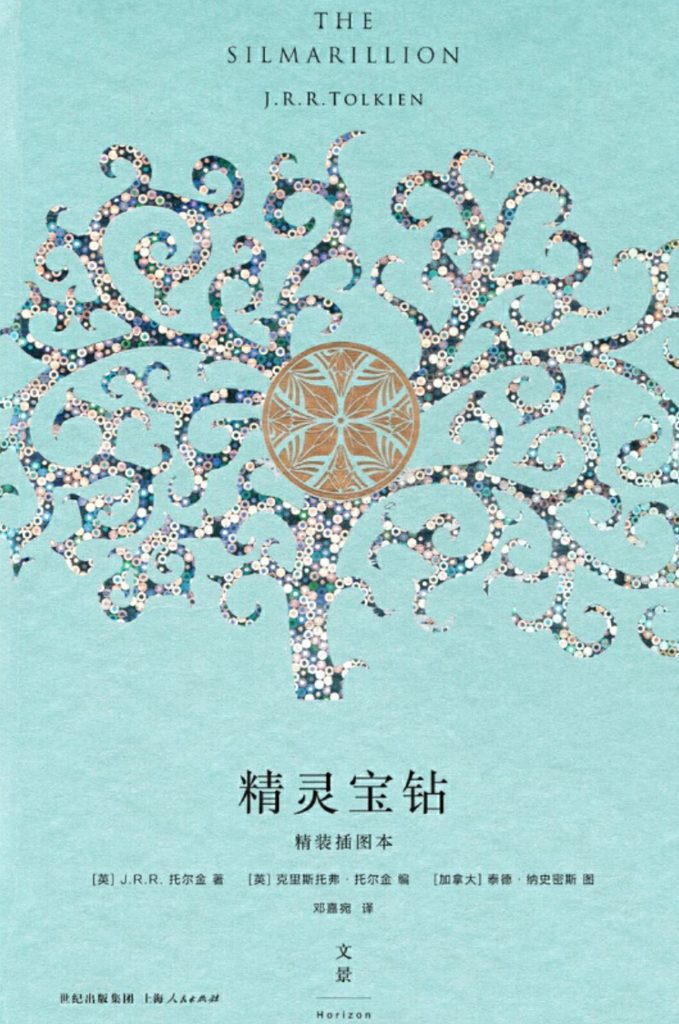
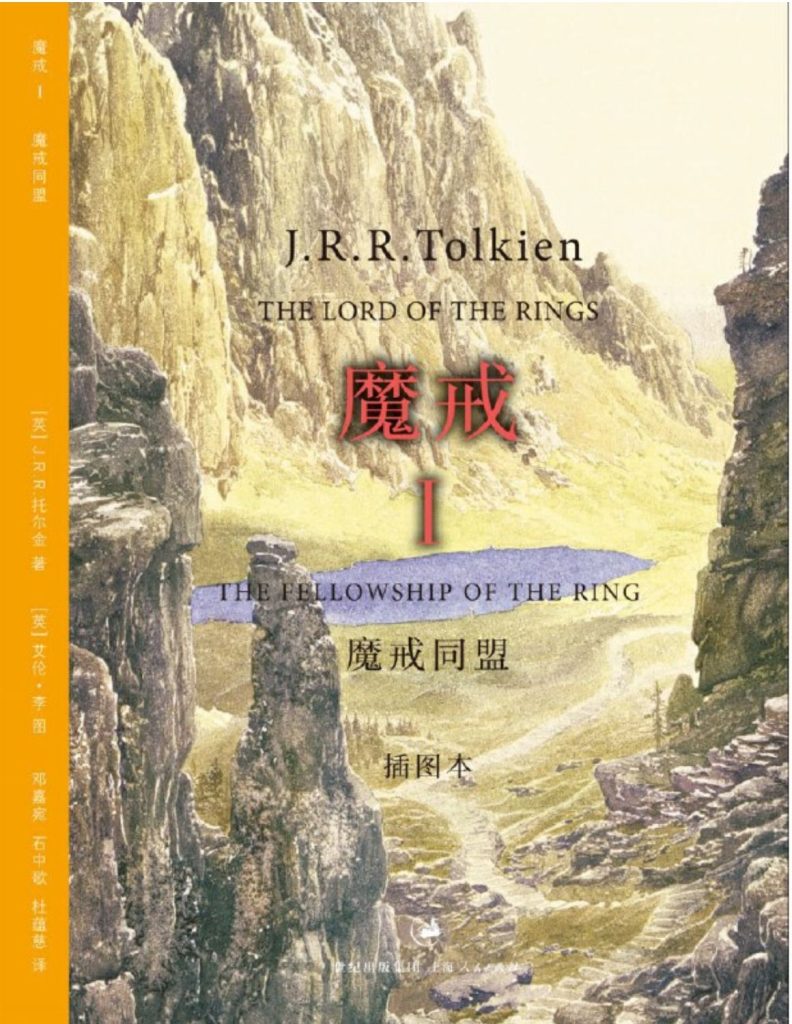
- The Lord of the Rings trilogy (The Lord of the Rings(1954–1955) and The Silmarillion (The Silmarillion(1977) — Constructs a grand epic of Middle-earth encompassing a self-created Elvish language, geography, chronicles, and mythology, and profoundly explores the allure of power, sacrifice, friendship, and the preservation of civilization.
| Deceased | JRR Tolkien | JRR Tolkien (Wikipedia) |
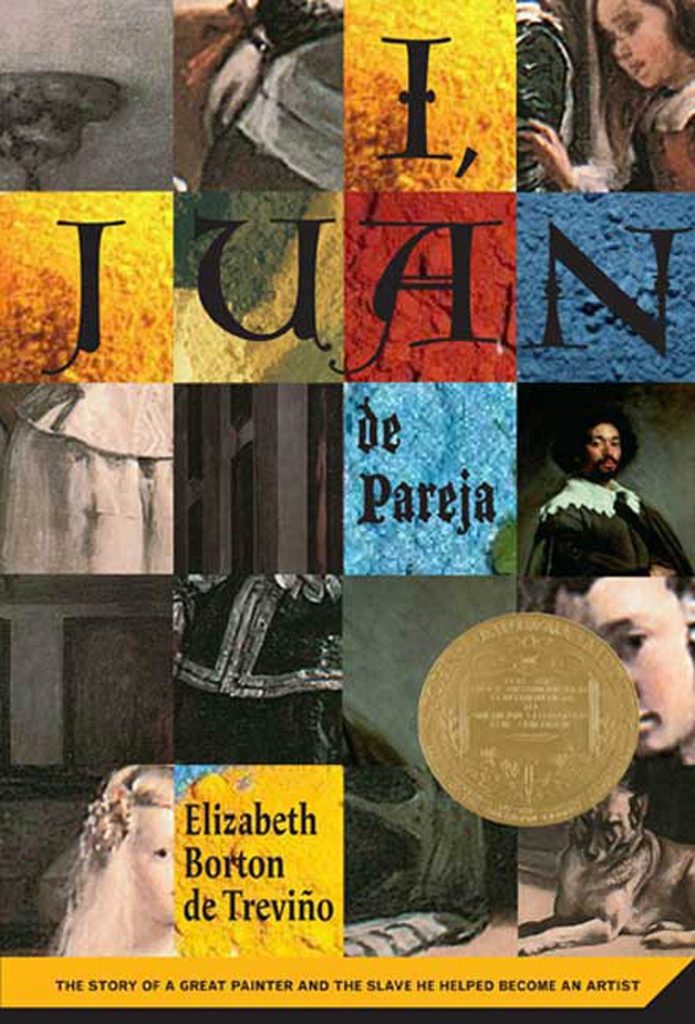
🎂 1904 – Born: Elizabeth Borton de Treviño
She was a renowned American/Mexican children’s author and journalist (1904–2001). Having lived in Mexico for many years, she excelled at reconstructing the lives of historical figures through rigorous historical research, a dignified humanistic perspective, and beautiful, authentic classical narratives.
- Top Award and Representative Works:
- “I, Juan de Pareja” (I, Juan de Pareja(1965) — Awarded 1966 Newbery MedalBased on a true historical figure, this film tells the story of Juan de Pareja, a black slave in 17th-century Spain during the Golden Age. From a young age, Juan served Diego Velázquez, the chief court painter. While slaves were forbidden from painting, Juan secretly learned the art and displayed remarkable talent. Velázquez, moved by Juan’s talent and noble character, eventually freed him and took him on as his official assistant and lifelong friend. Juan later became a renowned painter in Spanish history. The work profoundly interprets the dignity of art and the equal friendship that transcends social status.
| Birth | Elizabeth Borton de Treviño | Elizabeth Borton de Treviño (Wikipedia) |
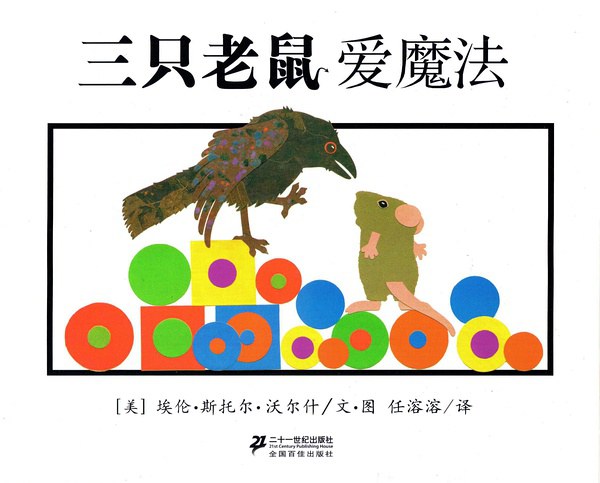
🎂 1942 – Born: Ellen Stoll Walsh
A renowned American children’s picture book author, illustrator, and collage artist (1942). She was adept at using solid-color cut-paper collage and highly refined animal stories to transform early concepts such as color harmony, spatial graphics, and numbers into picture books full of playfulness and suspense.
- Representative works and content:
- “Early Conceptual Understanding Series of “Three Mice”(Mouse Books (series) — A timeless classic in early childhood cognitive development across the United States:
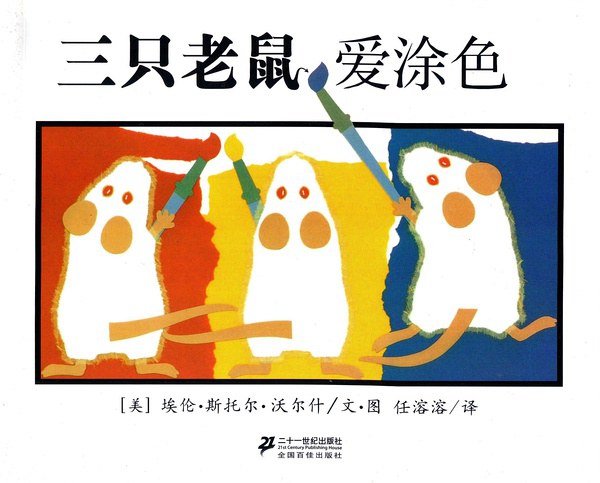
- Three Mice Love Coloring (Mouse Paint(1989) — Three pure white mice hide from a cat on a piece of white paper and accidentally discover three cans of paint: red, yellow, and blue. Through the fun game of mixing colors and leaving footprints, the book vividly demonstrates to young children the magical color principle that mixing the three primary colors produces secondary colors of orange, green, and purple.
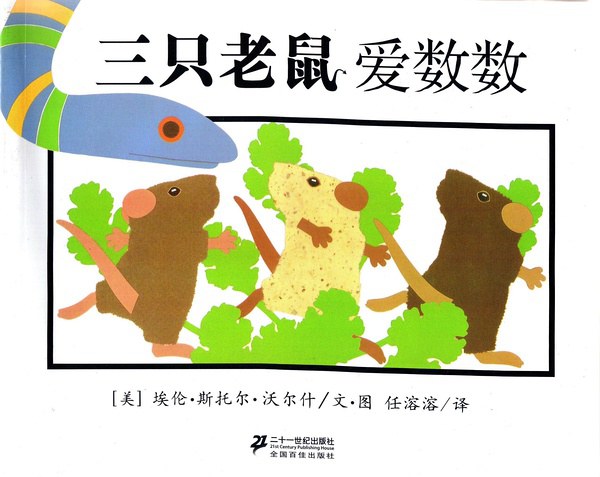
- Three Mice Love to Count (Mouse Count(1991) — Combining number counting with the clever escape plan of a little mouse outsmarting a hungry snake.
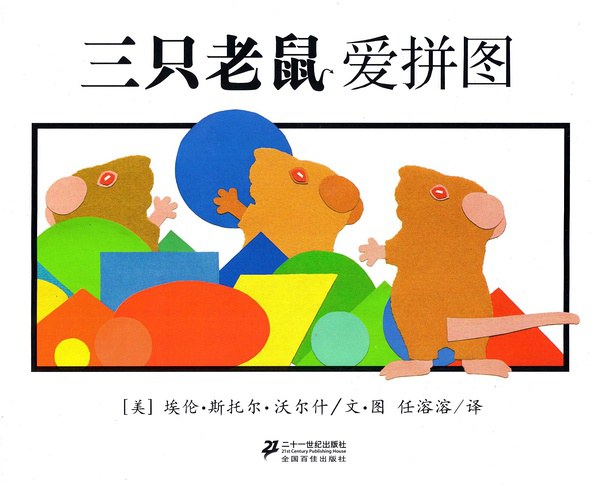
- His representative works also include “Three Mice Love Puzzle” (Mouse Shapes), Three Mice Love Magic (Mouse Magic).
| Birth | Ellen Stoll Walsh | Ellen Stoll Walsh (Wikidata) |
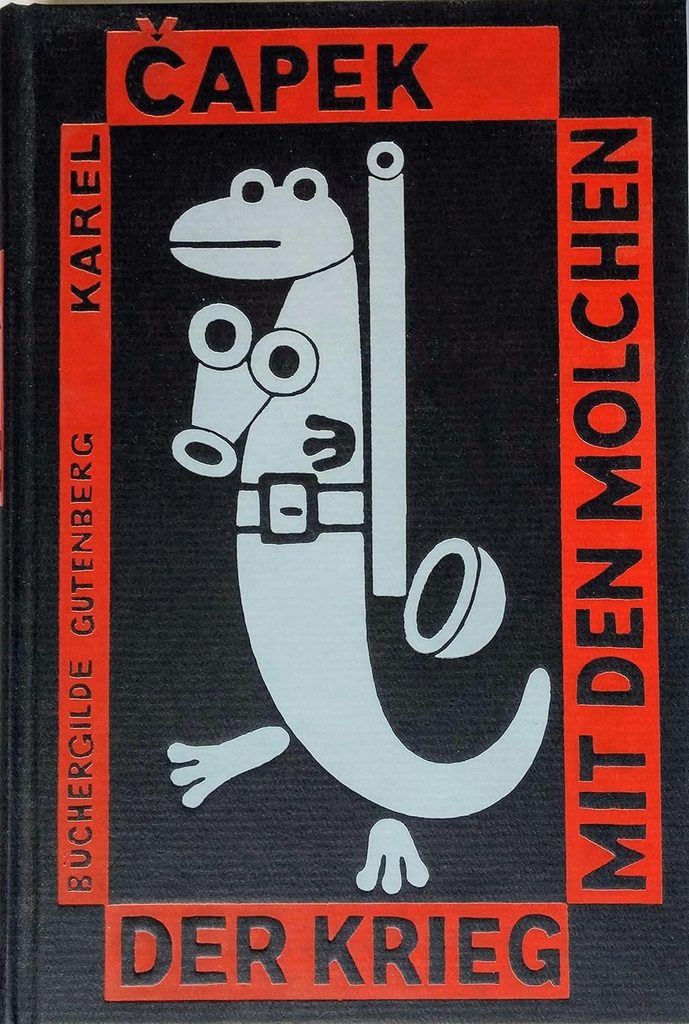
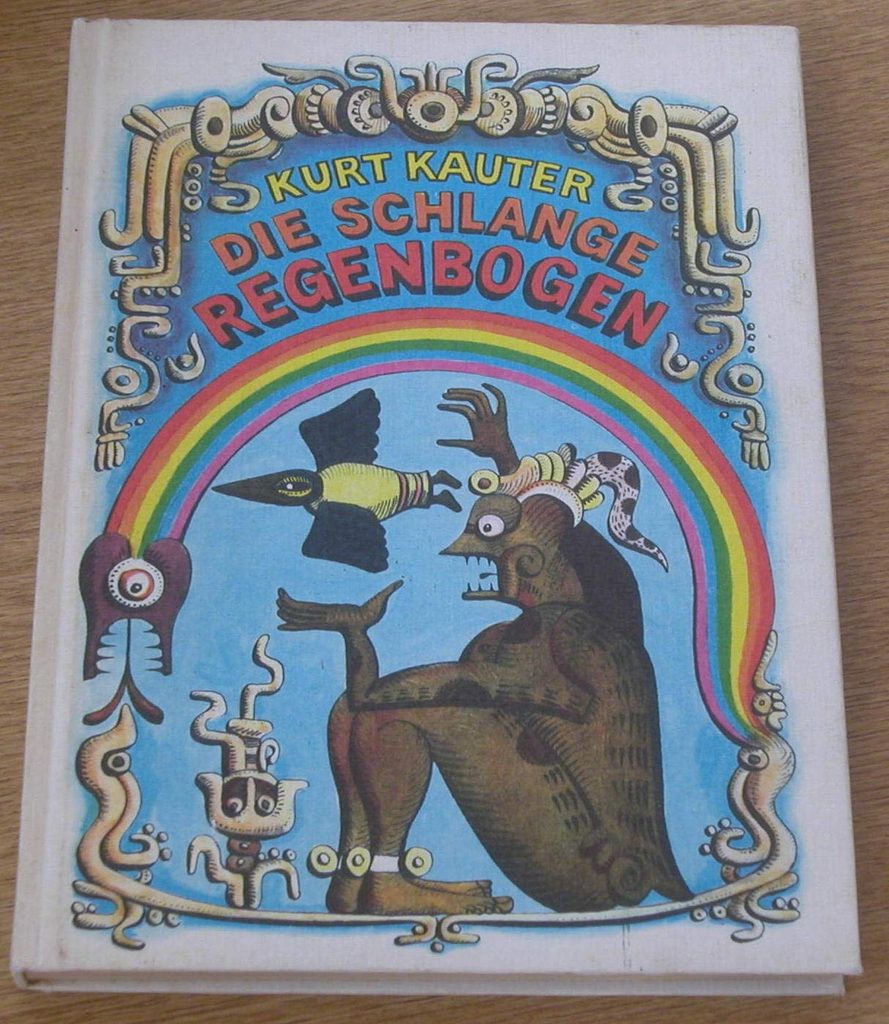
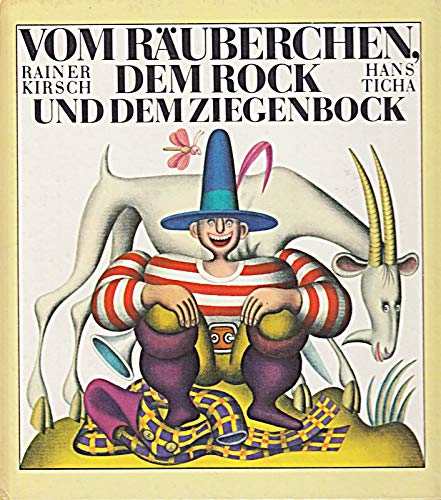
🎂 Born 1940: Hans Ticha
A renowned German illustrator, printmaker, and graphic designer (1940). He was a leading figure in East German and contemporary German Pop Art and Modernist illustration, known for his distinctive style characterized by striking geometric blocks of color, smooth spheres and cylinders, strong mechanical Pop Art elements, and sharp, humorous social satire.
- Top Award and Representative Works:
- At In 2022, he received the Special Prize for Lifetime Achievement in Illustration from the German Youth Literature Prize (DJLP)..
- The Salamander Rebellion (Der Krieg mit den MolchenKarel Čapekvin) and Rainbow Serpent (Die Schlange Regenbogen— Showcasing his unique Cubist and Pop Art compositions; his representative works also include the children’s picture book “The Little Robber, the Coat, and the Goat” (Vom Räuberchen, dem Rock and dem Ziegenbock).
| Birth | Hans Ticha | Hans Ticha (Wikipedia) |
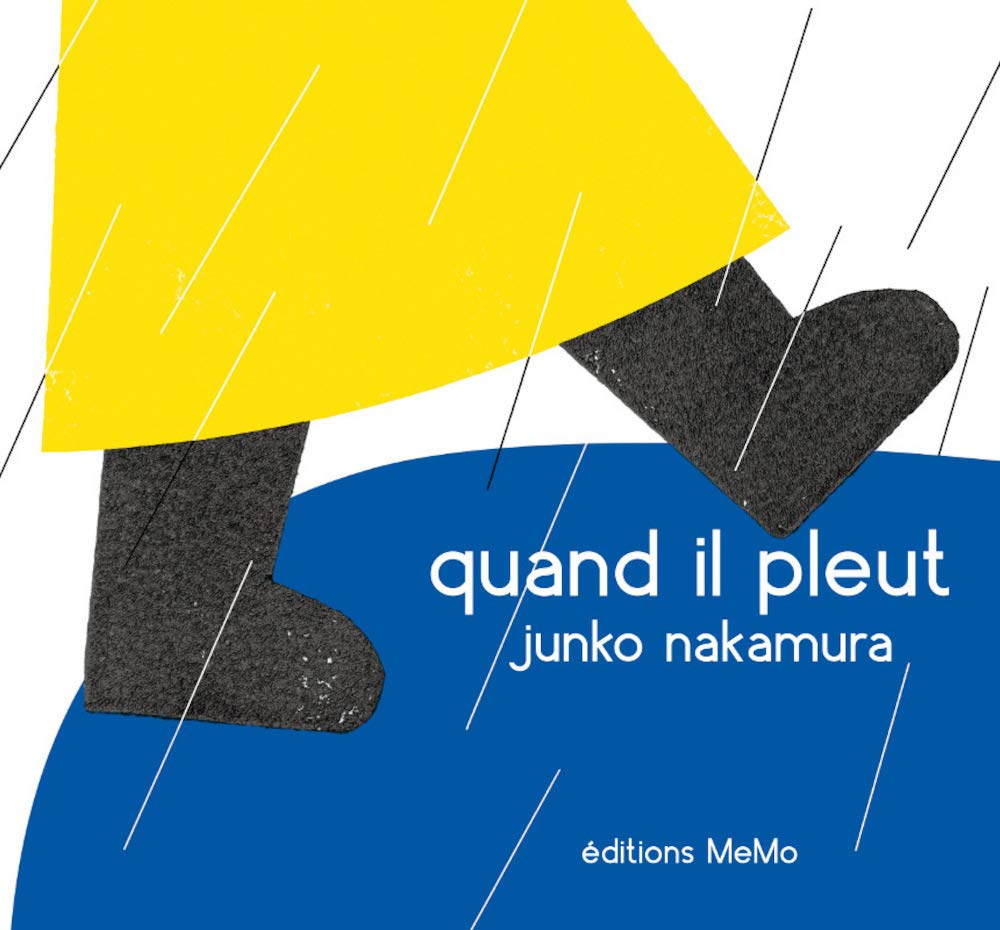
🎂 Born 1975: Junko Nakamura
A Japanese-French picture book author and illustrator (1975). Born in Japan, she later moved to Paris. Her style blends the delicate imprints of Eastern prints with the poetic white space of modern European children’s books, skillfully using monochrome roller printing and ink textures to depict the tranquility and warmth of everyday life.
- Top Award and Representative Works:
- At the Banana House (Chez Bergamote(2023) — Awarded 2024 French Prix Sorcières (Prince of Sorcières) Award for Toddler Picture Books (Carrément tout-petits)The book uses hand-printed prints with a very approachable and tactile feel to depict the daily light and shadow, smells and small details of a little girl in the warm home of bergamot, showing the tranquility and security of early life.
| Birth | Junko Nakamura | Junko Nakamura (Wikidata) |
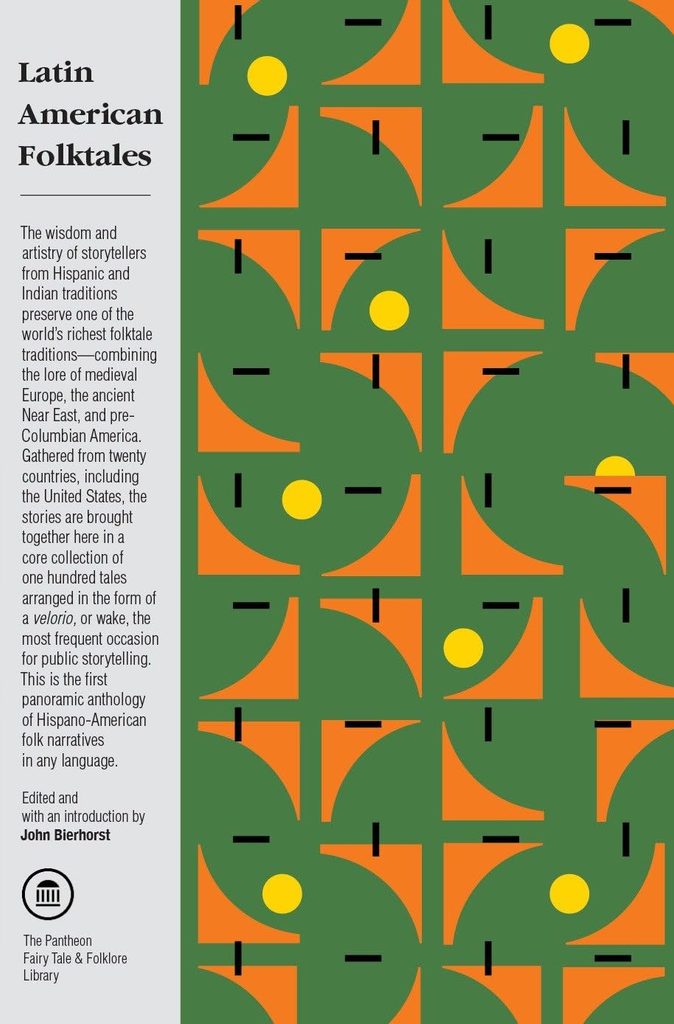
🎂 1936 – Born: John Bierhorst
A renowned American folklorist, anthropologist, and translator of children’s literature (1936). He dedicated his life to collecting, researching, and translating into English the oral literary heritage of Native Americans (Aztec, Mayan, Iroquois, etc.) and various Latin American peoples.
- Representative works and content:
- Selected Latin American Folk Tales (Latin American Folktales: Stories from Hispanic and Indian Traditions(2002) — This book systematically reviews and retells animal fables, creation myths, and ghost stories that have been passed down in Latin America for hundreds of years, opening the door for English-speaking children and general readers to understand the diverse traditional cultures of Latin America.
| Birth | John Bierhorst | John Bierhorst (Wikipedia) |
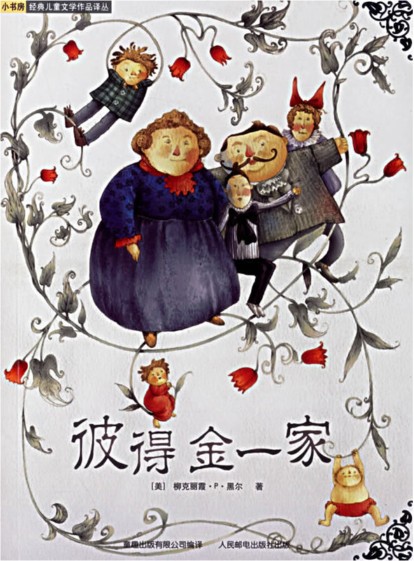
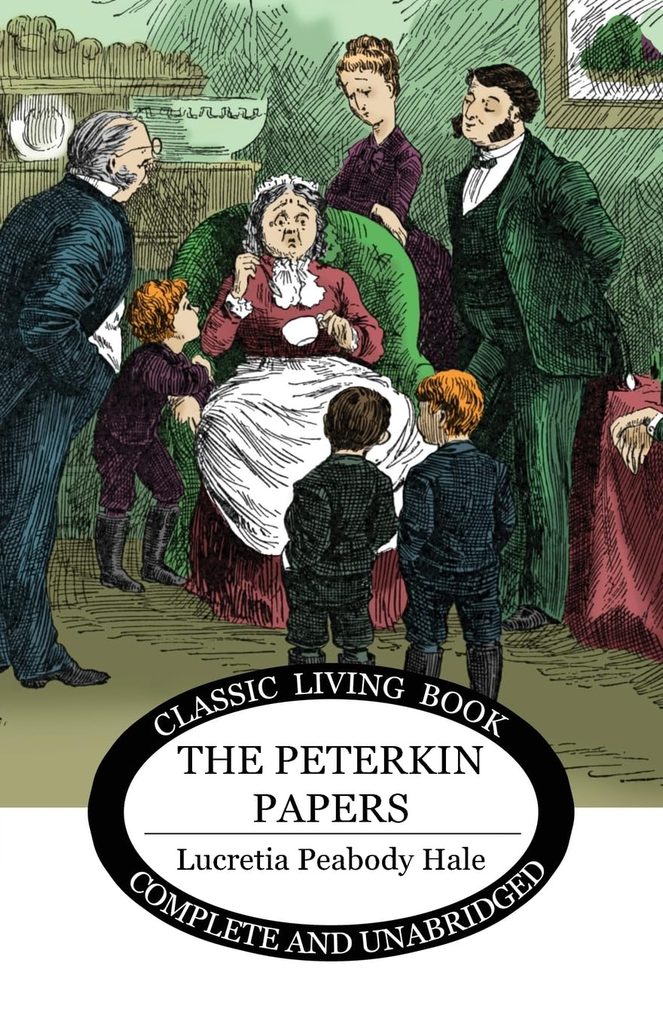
🎂 1820 – Born: Lucretia Peabody Hale
She was a renowned 19th-century American children’s humor writer and educator (1820–1900). She was an early pioneer of absurdist humor literature for American children in the 19th century.
- Representative works and content:
- The Peter Kings (The Peterkin Papers(1880) — A classic of American children’s humor: This book tells the story of the bumbling and confused Peter King family, who, when faced with trivial problems in their daily lives, always come up with extremely complicated and absurd ideas (such as putting salt in coffee instead of sugar and trying various chemicals to remedy the situation), until the clever “Lady Philadelphia” offers a simple, common-sense suggestion that resolves the troubles. The entire book showcases the joy of common sense and logic through gentle satire.
| Birth | Lucretia Peabody Hale | Lucretia Peabody Hale (Wikipedia) |