🎂 Born 1955: Susan Price
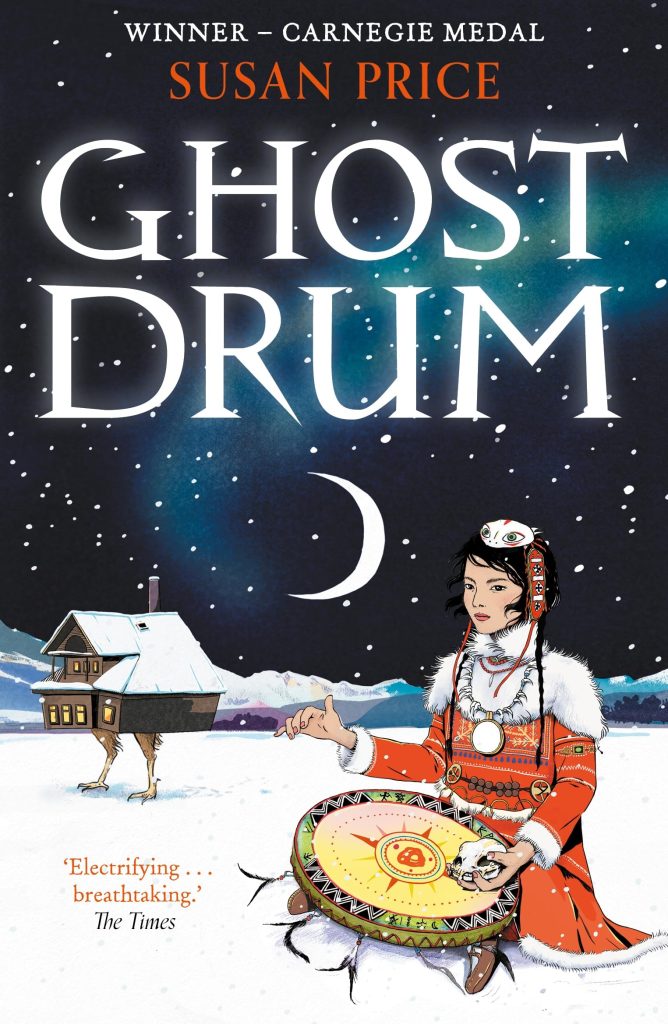
A distinguished British female fantasy writer for children and young adults (1955). She was a modern narrative giant in the post-World War II English children’s literature scene, known for her strong, refined style and ability to extract the spirit of ethnic minorities and women’s equality from the myths of indigenous peoples in the Arctic.
- Highest Honor: He won the top prize with his epic mythological work, “The Ghost Drum”. 1987 Carnegie Medal.
- A timeless masterpiece: Ghost Drum (The Ghost Drum)。
- Literary status: Price’s writing is imbued with a steely calmness and a classically melodic musicality. In *The Ghost Drum*, she groundbreakingly deconstructs the traditional Western prejudice against witches, using the frigid Siberian tundra as a backdrop to tell the epic tale of a girl raised by a shaman in a flying owl cabin, who, through her supreme knowledge, wisdom, and independent will, fights against Tsarist tyranny and rescues an imprisoned prince. With the restraint of pure literature, she dignifiedly elevates the philosophical depth of children’s fantasy.
| Birth | Susan Price | Susan Price (Wikipedia) |
🎂 1933 – Born: James Cross Giblin
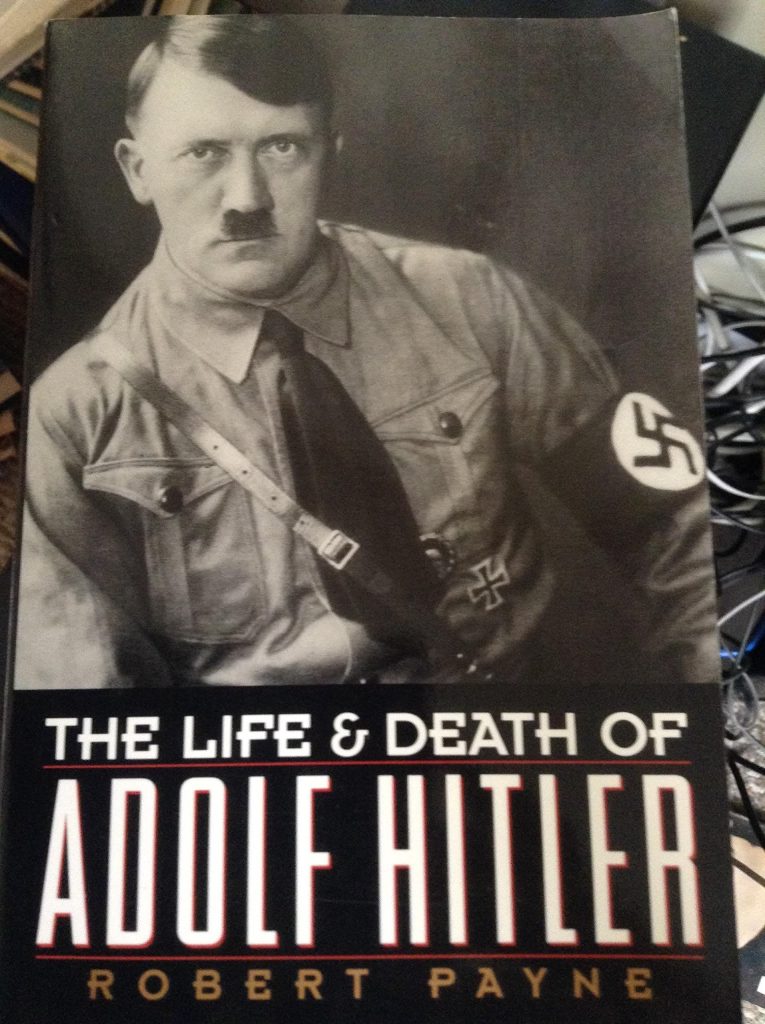
An immortal American nonfiction realist writer and a legendary children’s literature editor (1933–2016). He was a master of realist narrative in the mid-to-late 20th century, perfectly blending “extremely hardcore historical and political document research, critical thinking, and humanitarian equality” in the United States.
- A milestone in history: The Life and Death of Adolf Hitler (The Life and Death of Adolf Hitler)。
- Literary connotation: Giblin dedicated his life to recording history with an almost obsessive rigor and an unvarnished examination of blood and tears. His monumental work, *The Life and Death of Adolf Hitler*, has consistently ranked among the top recommended readings for intellectual development in major children’s libraries across the United States. He rejected empty, rigid slogans and indoctrination, using the most objective, calm, and incisive language to dissect for young people how Nazi totalitarianism and evil flourished through human blindness. Through his words, he built an indestructible Great Wall of reason for children, resisting totalitarianism and upholding order.
| Birth | James Cross Giblin | James Cross Giblin (Wikipedia) |
🎂 Born 1934: Nikita Čarušin
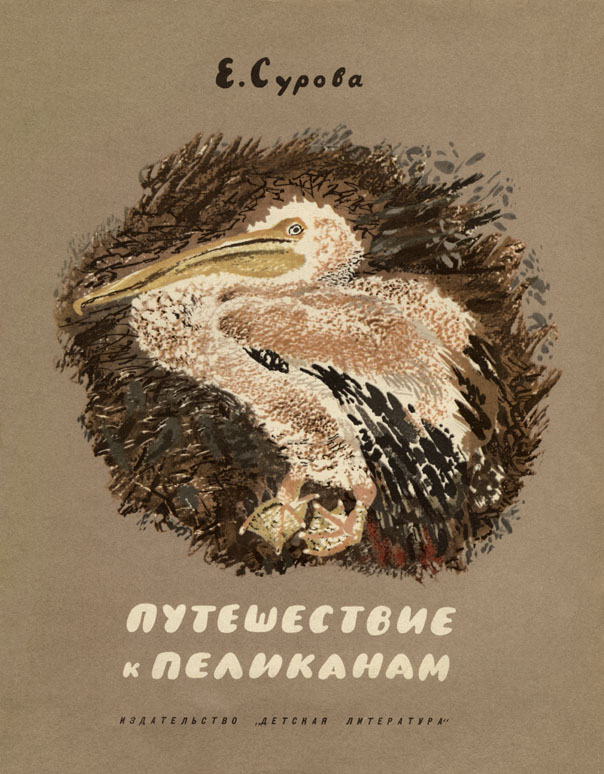
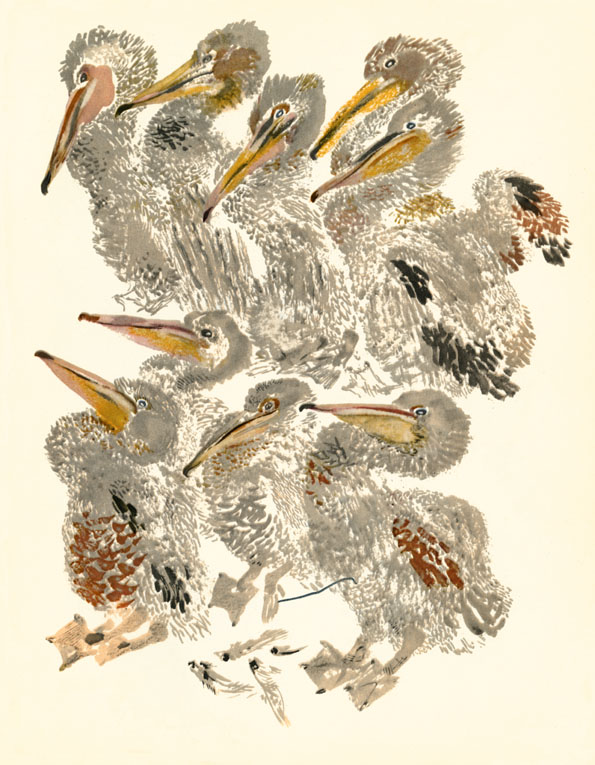
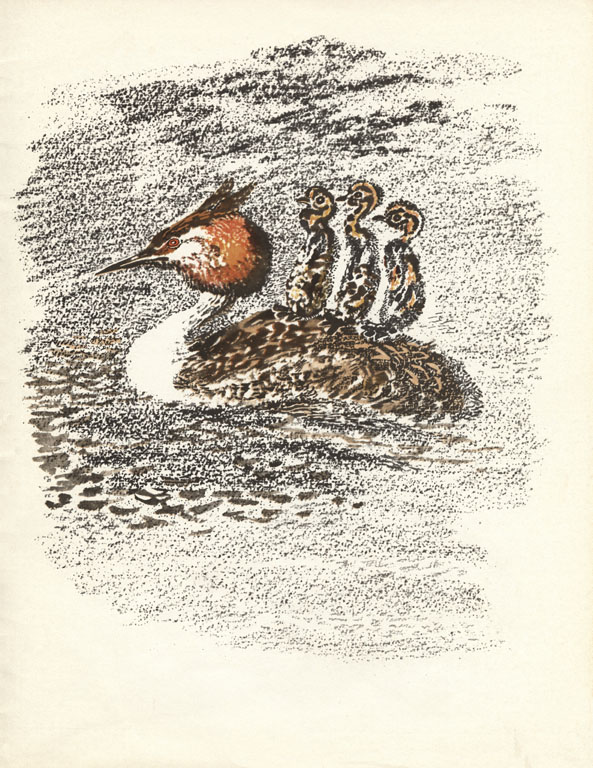
Nikita Yevgenyevich Charushin (1934–2000), a national treasure of Soviet/Russian graphic artist, fine art illustrator, and master printmaker, was one of the leading figures who spearheaded the rise of Eastern European naturalistic science picture books to the world’s avant-garde stage in the mid-to-late 20th century.
- International highest honor: With the classic wildlife nonfiction epic “The Pelican’s Journey”, it won the award. Plaque Award, 1973 Bratislava International Biennial of Illustrations (BIB).
- A timeless visual masterpiece: Pelican Tour (Putešestvije k pelikanam)。
- Ecological Aesthetics: Charushin completely overturned the saccharine, doll-like style of early childhood education books. He was exceptionally skilled at combining the ink wash techniques of traditional Chinese freehand brushwork with the unrestrained textures of lithographs and oil prints, along with the rough lines imbued with expressionistic tension, to vividly depict the dignity of wild creatures and the stark reality of the law of the jungle. Every picture he created possessed a noble composition, establishing the lofty spiritual authority of Soviet fine art picture books.
| Birth | Nikita Čarušin | Никита Чарушин (Wikipedia) |
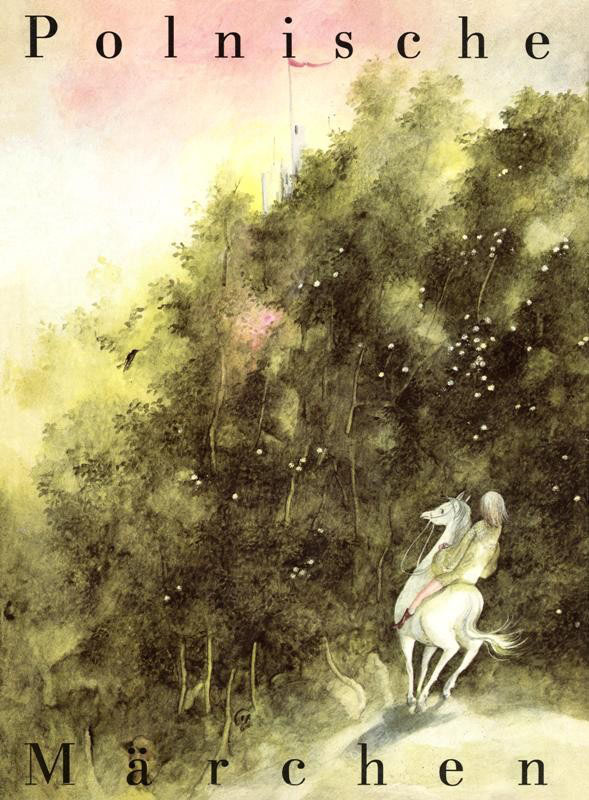
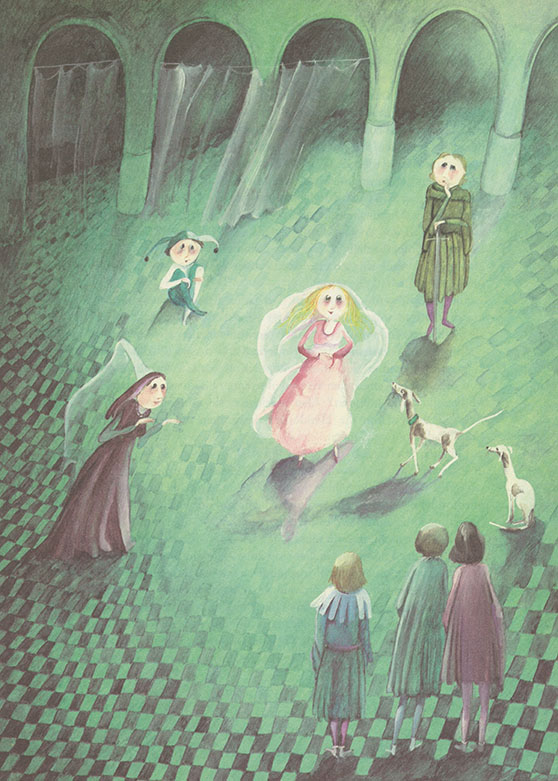
🎂 Born 1949: Jutta Mirtschin
A renowned German female graphic artist and master of classical hatching woodcut illustration (1949).
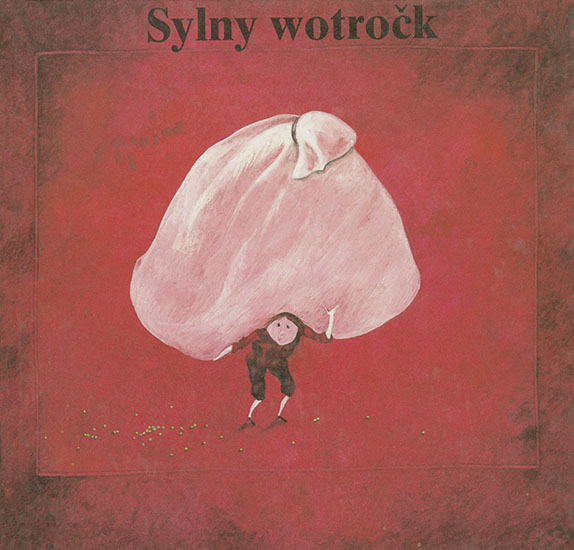
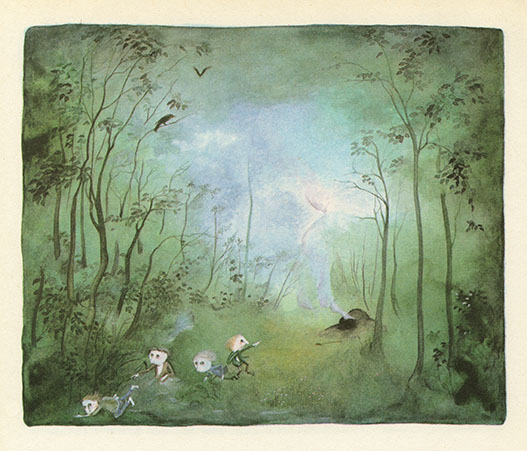
- International highest honor: With its visual works that possess the exquisite charm of traditional Chinese and European meticulous brushwork and the dramatic tension of stage plays, it has twice won the prestigious award. Plaque Award at the Bratislava International Biennial of Illustration (BIB)(1981, 1985).
- Award-winning representative works: Polish Fairy Tales (Polnische Märchen(The 1985 award-winning work), and classical epic poems. Sylny wotročk: serbska bajka(Award-winning work in 1981).
- Visual Aesthetics: Miltsch’s style is exquisite and ethereal. She adheres to the Bauhaus geometric aesthetic, using extremely calm and bold hand-etched lines to completely abandon the vulgarity of color application. Her reimagined traditional mythological figures possess immense psychological tension and spiritual dignity, earning her widespread acclaim in the global book collecting world.
| Birth | Jutta Mirtschin | Jutta Mirtschin (Wikipedia) |
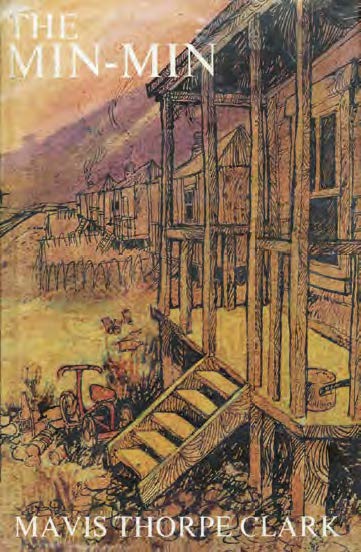
⚰️ 1999 – Died: Mavis Thorpe Clark
An immortal Australian female realist novelist and ecologist (1909–1999). She is an uncrowned queen, towering above the narratives of the Oceania interior wilderness and Indigenous conflicts. (Note: June 26th recorded her birthday; today is the anniversary of her death, a day deeply etched in the memory of this strong and resilient woman.)
- An immortal masterpiece: The Light in the Dark (The Min-MinIt was included in “1001 Children’s Books”.
- Literary status: Her masterpiece, *Min-Min*, uses a raw, sociologically textured, and vernacular language to record the lives of grassroots children living along a railway line in the extremely impoverished and isolated Australian wilderness. Facing the immense adversity of broken families and class separation, these young people struggle like the mysterious glimmer of light in the wilderness, desperately trying to uphold their integrity and moral order. With her steely, restrained prose, she established the highest rational dignity of realist literature in the Southern Hemisphere.
| Passed Away | Mavis Thorpe Clark | Mavis Thorpe Clark (Wikipedia) |
🗓️ Parallel briefings from other important creators
| event | figure | Details/Awards | Wikipedia/Data Links |
|---|---|---|---|
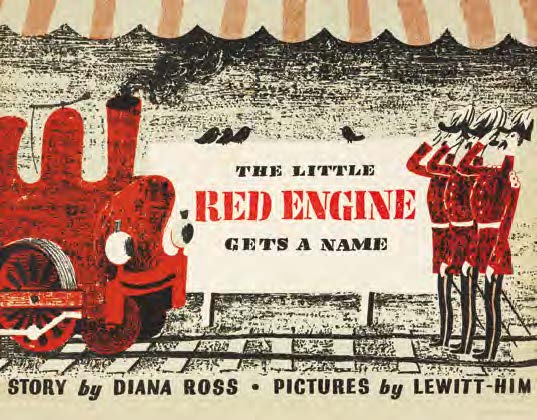
| born | Diana Ross | An immortal British female children’s author of the early 20th century (1910–2000). A pioneering female writer of non-fiction and mechanical anthropomorphism for children in Britain, her timeless masterpiece, *The Little Red Engine Has a Name*, vividly depicts the daily life of postwar British industrialization and was adapted into a long-running radio drama.The Little Red Engine Gets a NameIt was included in “1001 Children’s Books”. | Diana Ross (Wikipedia) |
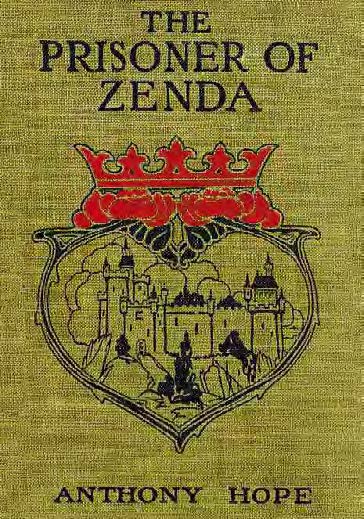
| Death | Anthony Hope | Sir Anthony Hope Hawkins (1863–1933), an immortal romantic adventure novelist and playwright of the Victorian/Edwardian era. His timeless classic, *The Prisoner of Zenda*, seamlessly blends rigorous mathematical and political logic, thrilling espionage for children, and chivalrous spirit.The Prisoner of ZendaIt was included in “1001 Children’s Books” and has been a must-read text for logical reasoning among middle school students worldwide for many years. | Anthony Hope (Wikipedia) |
| Death | Paula Danziger | A prominent American female realist novelist (1944–2004) focusing on children and teenagers in the mid-to-late 20th century. She was exceptionally skilled at using authentic, contemporary, and satirical teenage language to portray the psychological resilience of overweight girls and marginalized groups caught in the crossfire of prejudice. Her representative work is *The Cat Ate My Gym Clothes*.The Cat Ate My GymsuitIt is a perennial favorite of major libraries. | Paula Danziger (Wikipedia) |
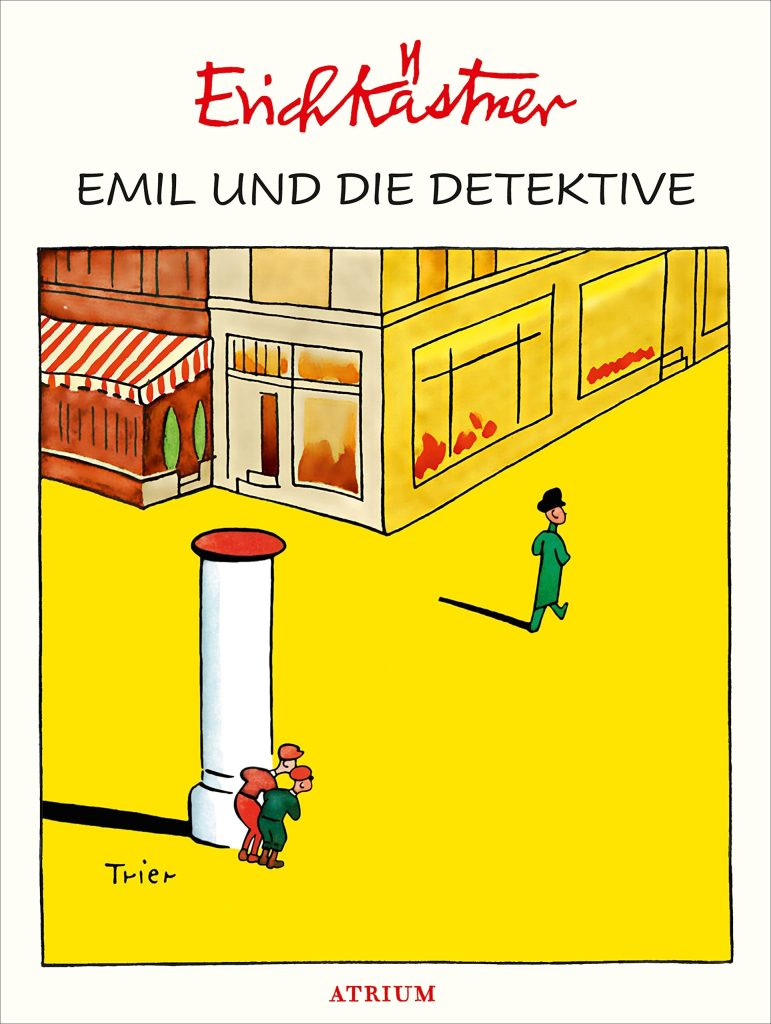
| Death | Walter Trier | Austro-Hungarian British cartoonist and graphic design master (1890–1951). (Note: His birthday was recorded on June 25th; today is the anniversary of this line giant’s death.) He is the author of Kästner’s masterpiece, *Emil and the Thieves*.Emil und die DetektiveThe first edition cover, illustrated with pen and ink wash lines, perfectly captures the modern and rugged spirit of Berlin and was included in “1001 Children’s Books”. | Walter Trier (Wikipedia) |