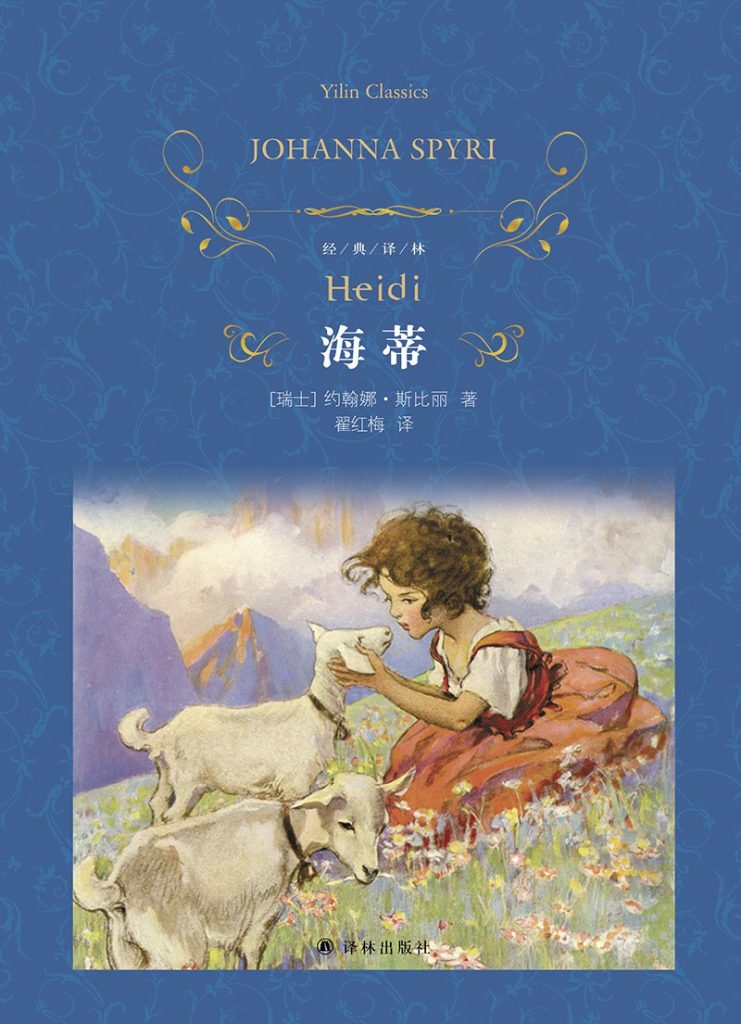
⚰️ 1901 – Death: Johanna Spyri
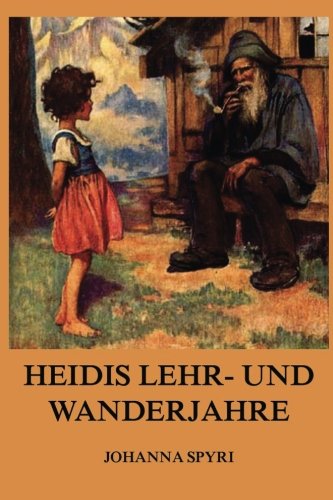
Johanna Louise Hauser, an immortal national treasure of Swiss women’s literature (1827–1901), whose real name was Johanna Louise Hauser, is an eternal icon in the history of children’s literature. Throughout her life, she used the most tranquil and gentle prose to build a spiritual utopia for all of humanity’s childhood, a symbol of a healthy soul, nature conservation, and an unyielding spirit against worldly pressures, amidst the wild winds of the Alps.
- An enduring and supreme monument: Wilderness Humanities Everlasting Classics Heidi (Heidi / Original name Heidis Lehr- und WanderjahrePublished in 1880, it was included in “1001 Children’s Books”.
- Literary status: Spielberg’s writing is clear, powerful, and filled with a noble compassion for the lives of the underprivileged. Her masterpiece, *Heidi*, tells the story of Heidi, an orphan sent to live with the reclusive Uncle Arum. Through integrating herself into the natural order of the mountains, goats, and fields, she not only heals the psychological wounds of two generations but also, in turn, heals Clara, a paralyzed girl in the city, with her selfless childlike heart. She completely overturned the rigid religious doctrines of Europe at the time, establishing, with extreme rational naturalism, the highest canon in Western children’s literature regarding “human beings gaining spiritual independence and dignity through closeness to the wilderness.”
| Passed Away | Johanna Spyri | Johanna Spyri (Wikipedia) |
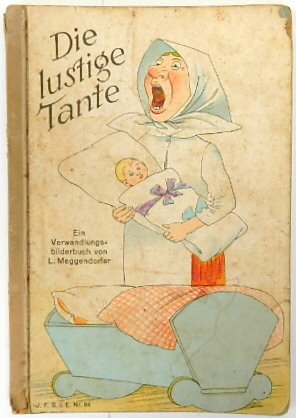
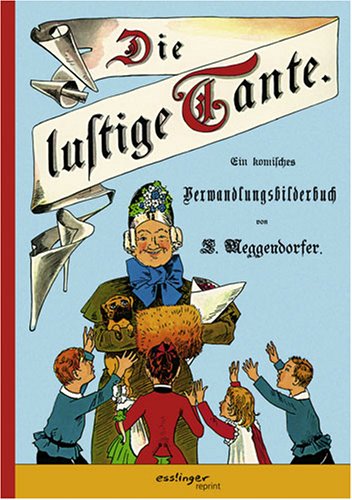
⚰️ 1925 – Death: Lothar Meggendorfer
He was an immortal 19th-century German graphic artist, illustrator, and book structural engineer (1847–1925). He is recognized worldwide as the “founding father of modern pop-up books,” elevating the mechanical techniques of paper folding to a revolutionary artistic height.
- A timeless masterpiece: Happy Aunt (Die Lustige TanteIt was included in “1001 Children’s Books”.
- Historical Visual Achievements: Megandorfer completely shattered the rigid paradigm of traditional picture books, which could only be read statically. He ingeniously invented a highly precise “composite lever paper art project,” using tiny rivets and multiple paper pull strips. With a gentle pull, the characters in the book would blink, laugh, and wave, undergoing a physical reorganization with a dry humor and theatrical tension. With his exquisite craftsmanship and rational spatial deconstruction, he transformed reading into a primal visual and intellectual frenzy for young children. The “Meggendorfer Prize,” named after him, was later established to recognize the pinnacle of achievement in the field of pop-up book engineering worldwide.
| Passed Away | Lothar Meggendorfer | Lothar Meggendorfer (Wikipedia) |
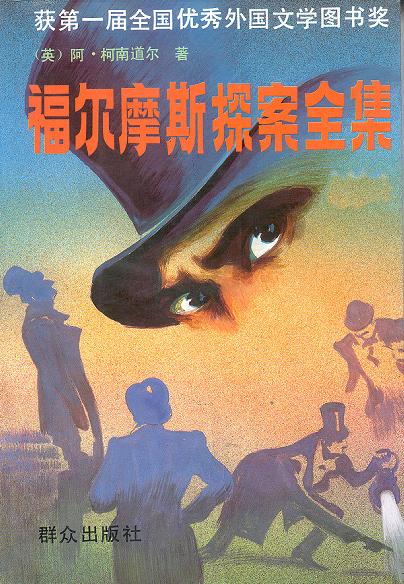

⚰️ 1930 – Death: Arthur Conan Doyle
The immortal British novelist, screenwriter, and cornerstone of modern detective fiction (1859–1930). He is a towering figure in the history of popular literature and intellectual enlightenment, and was awarded the Order of the British Empire.
- A Monument to World Literature: A timeless epic poem The Hound of the Baskervilles (The Hound of the BaskervillesIt was included in “1001 Children’s Books”;“The Complete Sherlock Holmes SeriesIt has long been a top choice for intellectual reading for young people recommended by libraries worldwide.
- Enlightenment of children’s minds and spirit: With his steely composure, logical deduction, and classical prose imbued with the gritty realism of his time, Arthur Conan Doyle created the enduring icons of Sherlock Holmes and Watson. His narratives perfectly eschewed hypocritical preaching, employing rigorous forensic examination, meticulous attention to detail, and a humanitarian concern that transcends class prejudice. They became the ultimate spiritual shield for generations of teenagers worldwide, helping them shed blind obedience and establish modern, independent reason and materialistic logic during adolescence.
| Died | Arthur Conan Doyle | Arthur Conan Doyle (Wikipedia) |

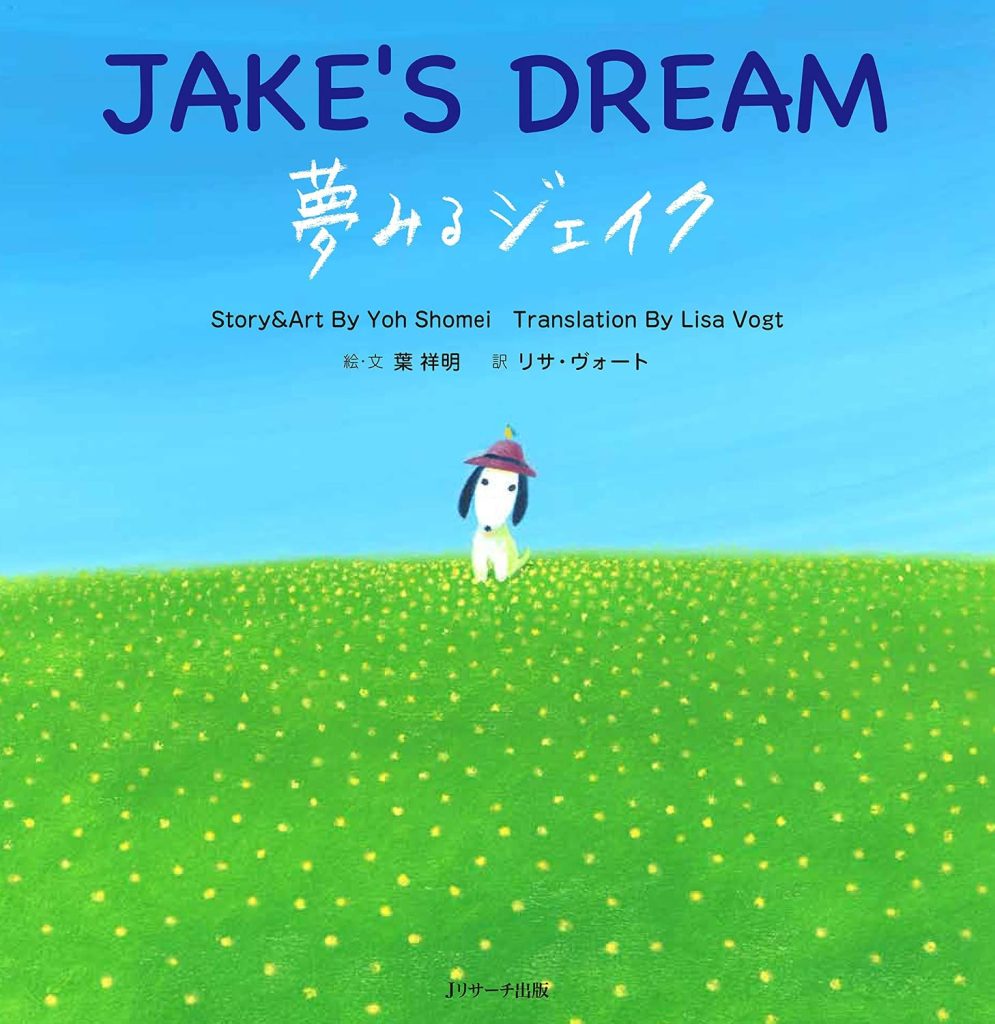

🎂 Born in 1946: Shōmei Yō
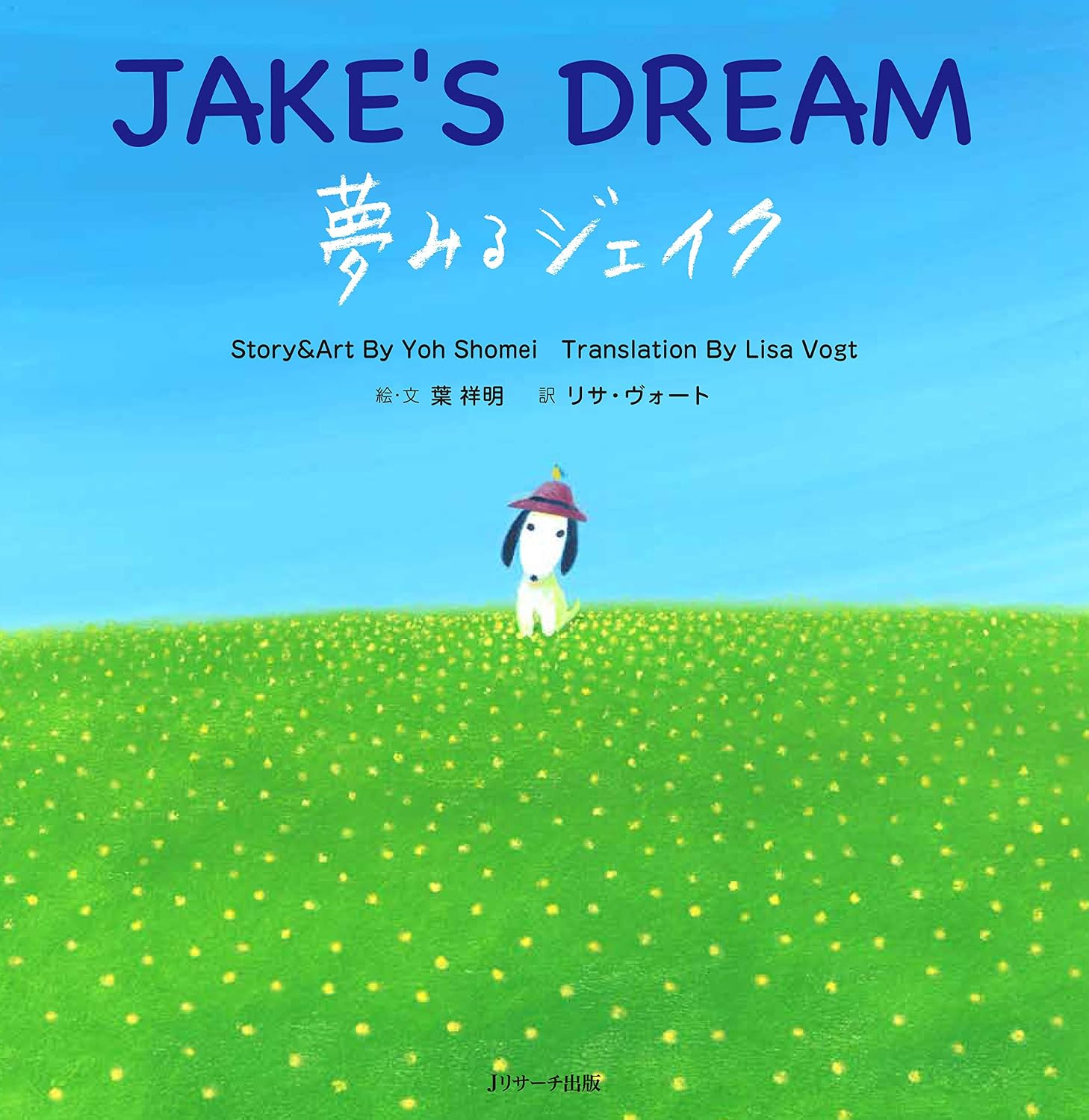
A renowned contemporary Japanese oil painter, graphic artist, and philosophical picture book author (1946), whose real name is Yoshiaki Hayama. He is a highly respected figure in the Asian modern picture book world, known for his “cold, impressionistic, ethereal minimalism” and his lifelong dedication to core narratives of environmental conservation, anti-war, and anti-greed.
- A timeless classic of realism: Dolphin Star (イルカの星), as well as the “Jack the Dog” series, which is popular in East Asia and is extremely comforting with empathy (representative works include “Jack the Dog: Dream Adventure”, “Jack the Dog: Walk on the Beach”, and “Jack the Dog: Starry Night Travel”).
- Contributions to visual aesthetics: Ye Xiangming has completely overturned the mediocre, dense, and obsequious pattern-filling of traditional children’s illustrations. He is extremely skilled at using large areas of moist and serene pure color blocks and extremely delicate watercolor light and shadow to bring to life the boundless sky, fields, and ocean of nature, full of breath. Every picture he draws has a noble composition, full of Freudian subconscious white space and a dignified gaze at each independent life, using the ultimate line drawing to support the visual spirit of modern classical picture books.
| Birth | Shōmei Yō | Ye Xiangming (Wikipedia)|
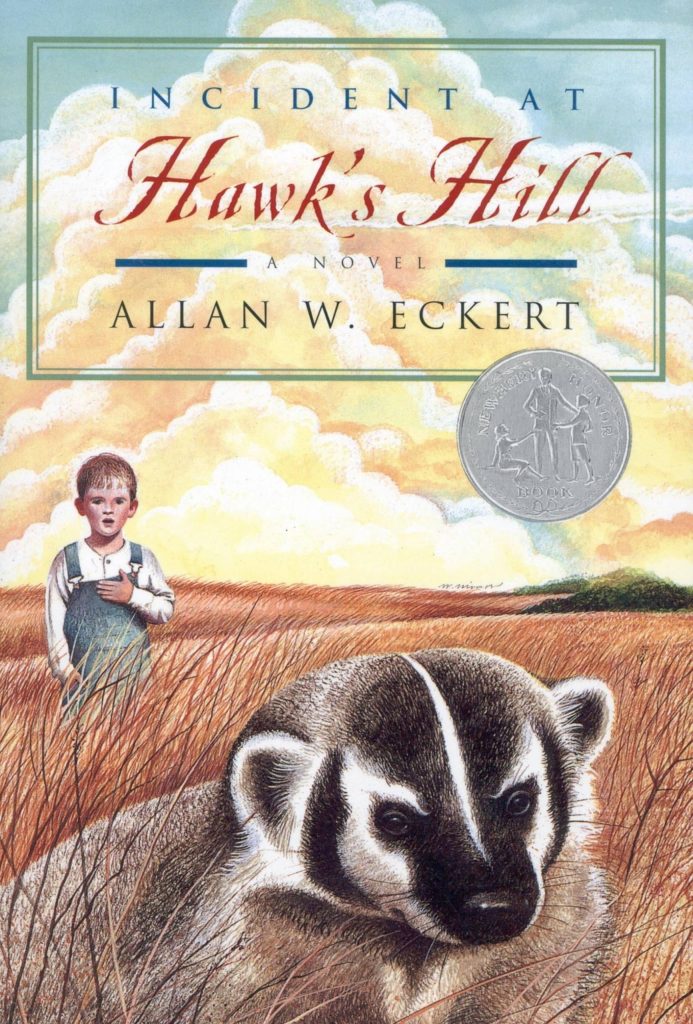
⚰️ 2011 — Died: Allan W. Eckert
Alan Wesley Eckert (1931–2011), an immortal American historian, wildlife nonfiction writer, and ecologist. He was a master of hard-boiled narrative in the mid-20th century, perfectly blending “extremely hardcore animal anatomy, Native American pioneering history, and the spirit of young heroes.”
- Highest Honor: With the children’s ecological epic classic “The Miracle of the Great Grassland,” they reached the top and won the award. Newbery Honor, 1972It has consistently ranked among the top required reading lists for humanitarian care in schools at all levels across the United States for many years.
- Masterpieces that have stood the test of time: Miracle of the Great Steppe (Incident at Hawk’s Hill)。
- Literary status: Eckert’s writing is seasoned, detached, and devoid of any artificial embellishment. His award-winning novel, based on true historical events, tells the poignant story of Ben McDonald, a reclusive six-year-old boy with an innate ability to communicate with animals, who becomes lost in the early 20th-century Canadian prairie. Trapped in dire straits, he is ultimately protected by a female badger who has lost her cubs. Together they survive for months in a cave, overcoming attacks from wolves in a powerful and unforgettable ordeal. With his iron-fisted realism, he shatters the arrogant prejudice of human supremacy, establishing the equal right to life and supreme dignity of animals and humans.
| Passed Away | Allan W. Eckert | Allan W. Eckert (Wikipedia) |
🎂 1950 – Born: Steven Heller
A renowned contemporary American historian of graphic design, top writer, and art director (1950). He is a highly respected figure in the global field of children’s visual and graphic aesthetics criticism, and has long been in charge of art design for the New York Times Book Review.
- Supreme Industry Monument Honors: Amazingly won 2016 Eric Carle Honors Bridge HonoreeThis honor is specifically awarded to those who, through rigorous interdisciplinary theoretical criticism and literature review, have made outstanding historical contributions to the world, perfectly introducing the noble and independent dignity of picture book art to the entire mainstream modern art world. Heller, with his decades of cool and sharp design theory, has built a high wall of reason in the field of non-fiction picture books.
| Birth | Steven Heller | Steven Heller (design writer) (Wikipedia) |
🗓️ Parallel briefings from other award-winning creators
| event | figure | Details/Awards | Wikipedia/Data Links |
|---|---|---|---|
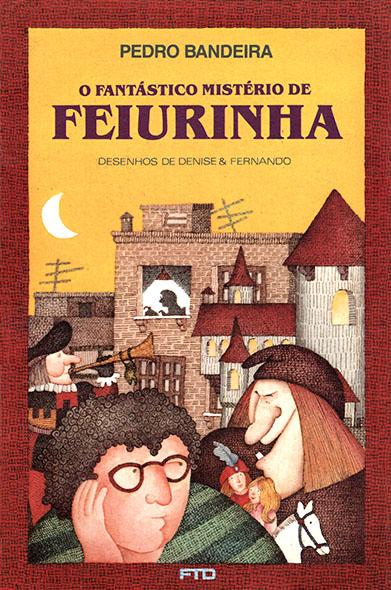
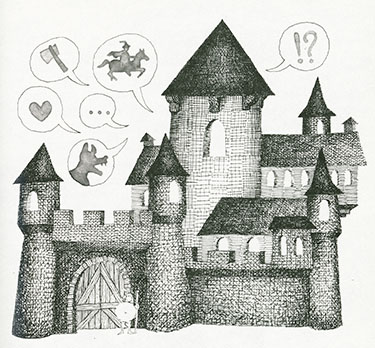
| born | Denise Fraifeld | A prominent Brazilian female graphic artist and master of realistic illustration in the mid-to-late 20th century (1958). She dedicated her life to combining traditional South American folk art with rough hatching techniques and modern cross-disciplinary photographic montage to deconstruct classic fairy tales, culminating in the classic psychological realism masterpiece, *The Wonderful Secret of Fiorina*.O fantástico mistério de FeiurinhaThe illustrations, drawn by [author’s name], possess a strong theatrical dynamism and have won [awards/recognition]. Plaque Award, 1987 Bratislava International Biennial of Illustrations (BIB). | Denise Fraifeld (Wikidata) |
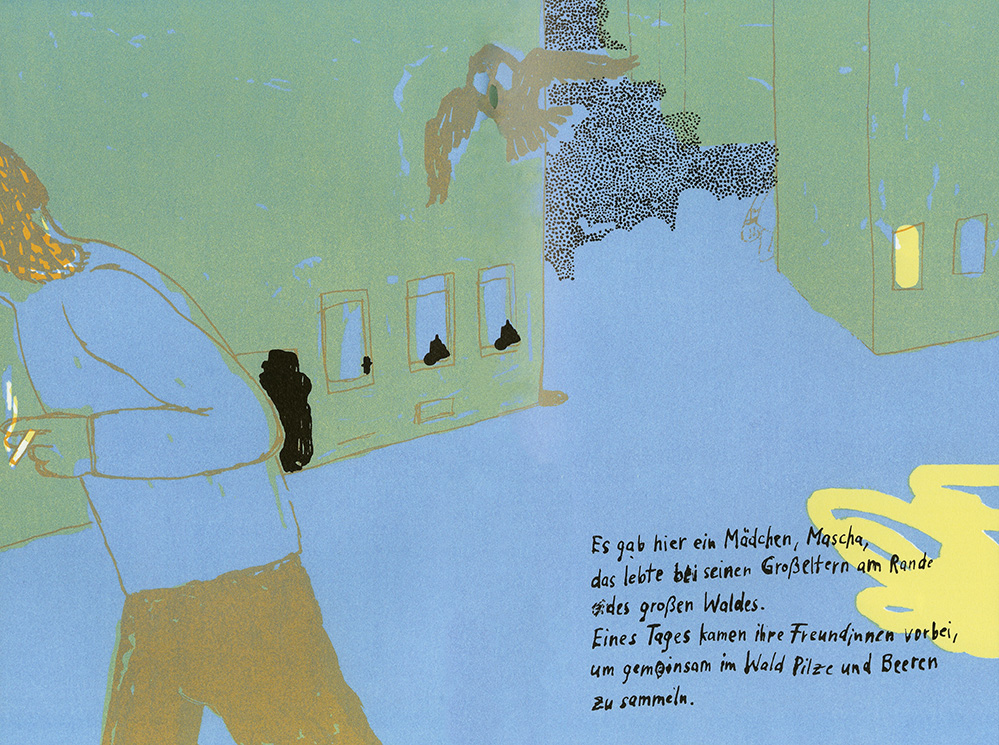
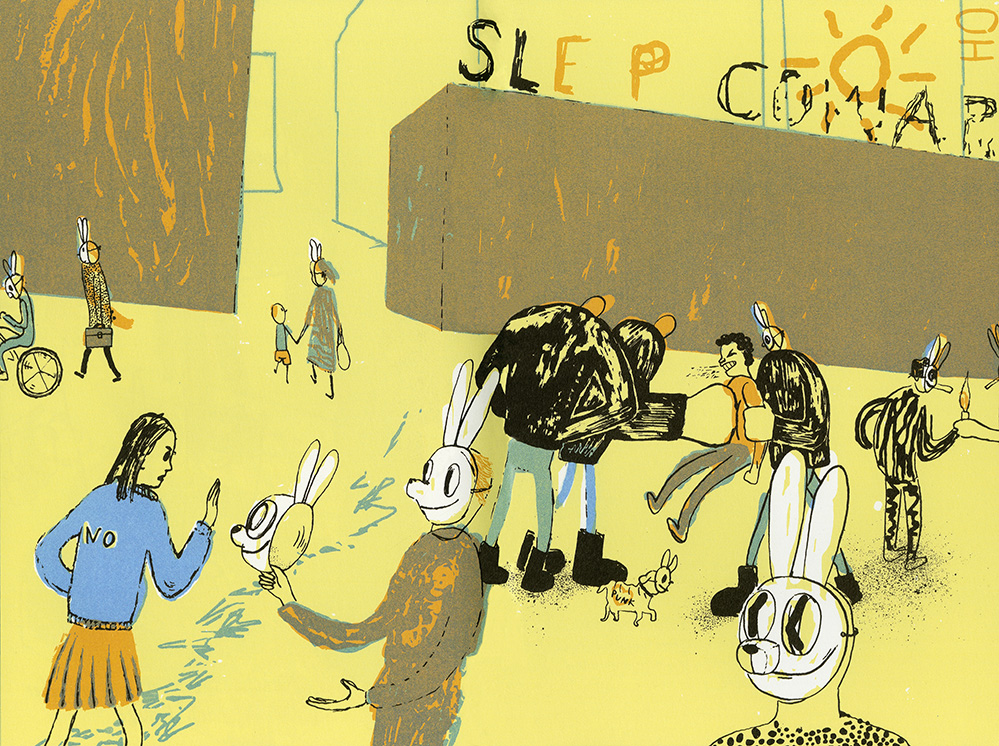
| born | Renate Wacker | A contemporary German female graphic artist and master of fine art (1977). She completely abandoned the sycophantic and mediocre designs of traditional cognitive publications, pioneering the use of highly textured lithographs with a heavy industrial historical feel, and cool, opaque watercolor washes. Her work on the Russian folk myth “Masha and the Bear” (…)Mascha und der BärThe reimagined visuals, filled with profound philosophical metaphors and spatial deconstruction, reached the top and won [award/title]. 2015 BIB Plaque. | Renate Wacker (Wikidata) |