
🎂 1898 – Born: HA Rey (original name Hans Augusto Rey)
Margrethe Rey (1898–1977), a renowned German-American children’s picture book author, illustrator, and popular science scholar specializing in astronomy. On the eve of World War II, he and his wife, Margret Rey, fled Paris by bicycle, carrying their drawings, eventually arriving in the United States. His art style is characterized by bright, pure blocks of color, humorous and flowing pen lines, and a precise, level understanding of children’s psychology.
- Representative works and content passed down through generations:
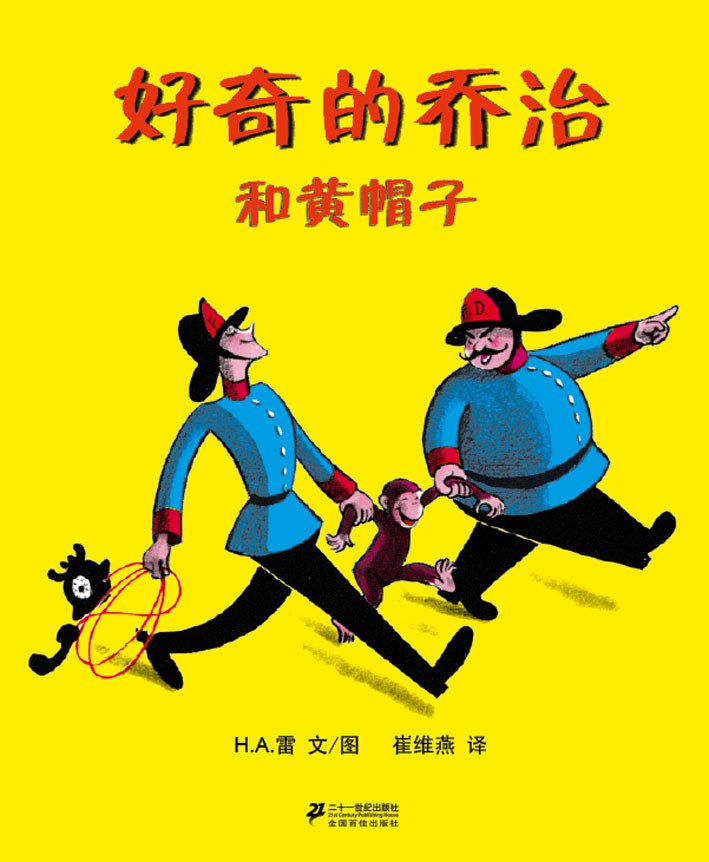
- Curious George series(Curious George (The series, published in 1941, co-authored with Margaret Ray) — included in “1001 Children’s Books,” a milestone in early childhood education that has captivated the world for over eighty years. The stories revolve around George, a little monkey full of curiosity about everything new in the world, and the “man in the yellow hat” who provides him with tolerance and guidance. George’s curiosity often leads him to tinker with everyday objects like telephones, balloons, and paint, causing a series of hilarious mishaps, which he always manages to resolve with his wit and kindness. The work perfectly echoes the natural instinct of young children to learn about the world through exploration and trial and error.
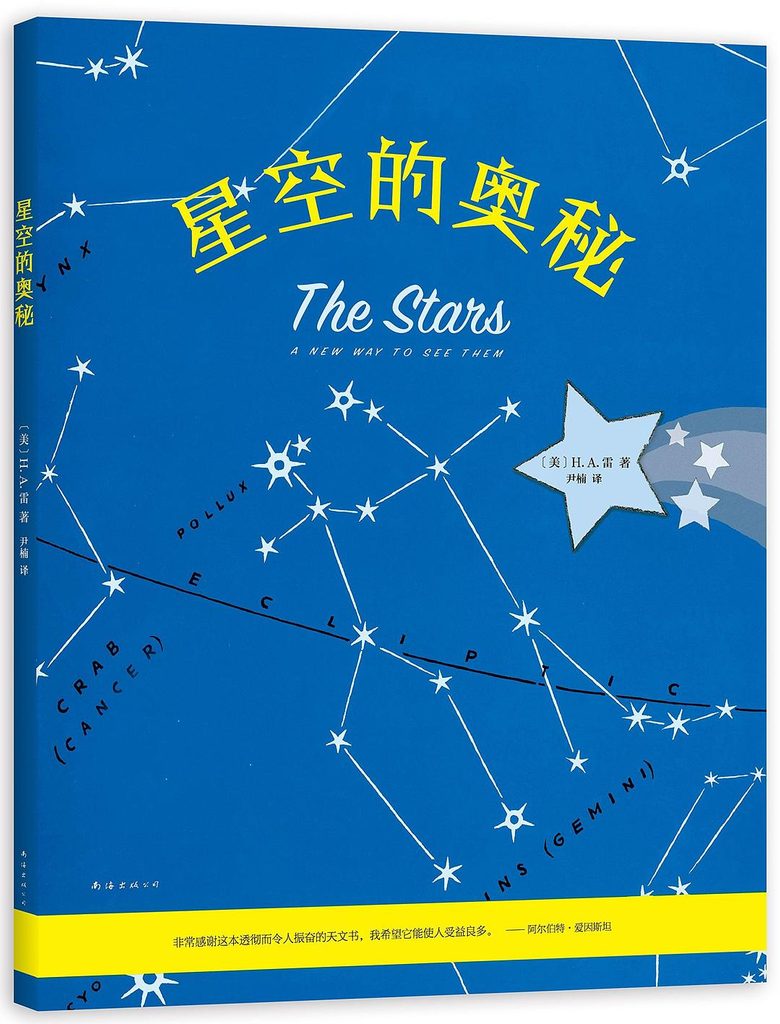
- A timeless classic of popular science in astronomy: The Mystery of the Stars (The Stars: A New Way to See Them(1952) and “The Constellations, Let’s Discover Them Together” (Find the Constellations(1954) — Ray broke away from the obscure and difficult-to-understand traditional classical star charts of the past hundreds of years. He was the first to use simple and intuitive geometric lines to directly connect stars into vivid human and animal shapes, which completely revolutionized the modern amateur astronomical observation and children’s star sky cognition system.
| Birth | HA Rey | HA Rey (Wikipedia) / Douban People |
🎂 Born 1948: Julia Donaldson
A renowned British children’s author, poet, and playwright (1948). She wrote songs for children’s television programs for many years and was proficient in the use of cyclical rhythms, parallelism, and onomatopoeia in folk songs. She served as Children’s Laureate from 2011 to 2013.
- Representative works and content passed down through generations:
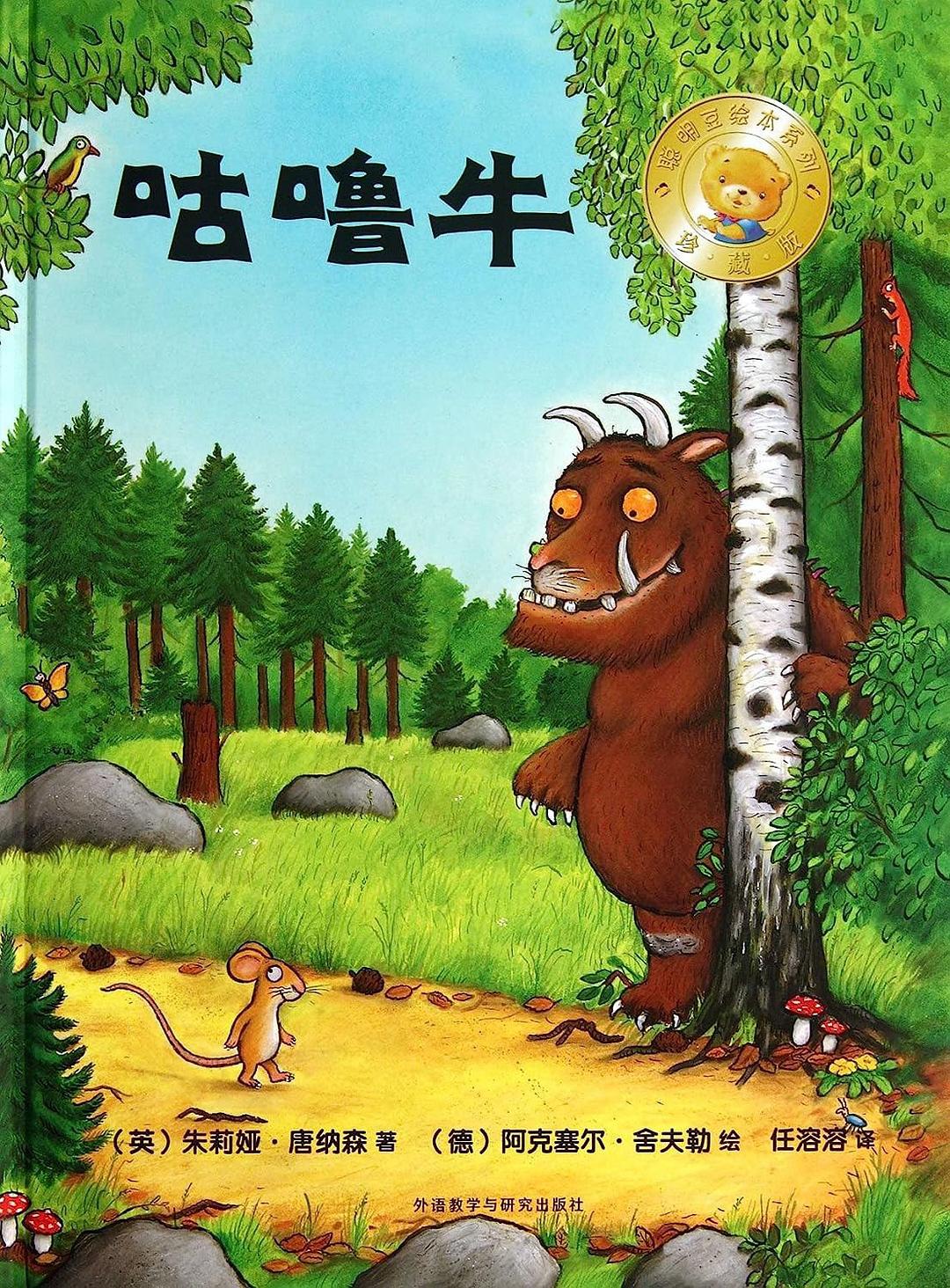
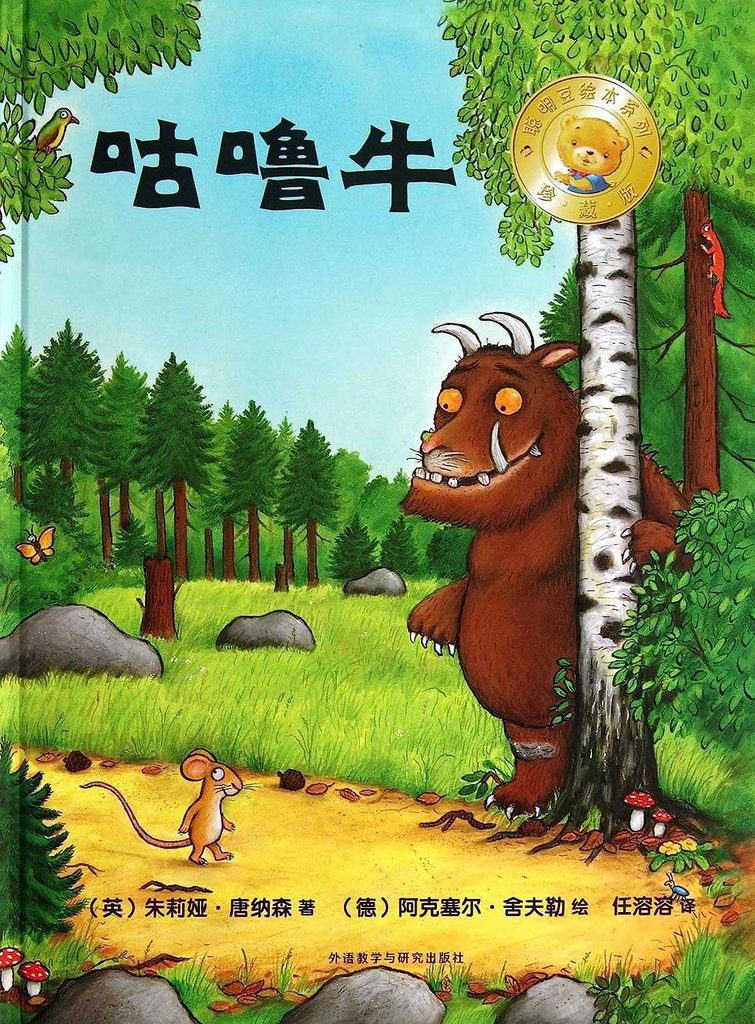
- The Gruffalo (The Gruffalo(Illustrated by Axel Scheffler, 1999) — Selected for “1001 Children’s Books” and winner of the Smarties Book Award: a landmark in modern picture book narrative rhythm. A clever little mouse wanders deep in the forest and encounters a fox, an owl, and a snake, all wanting to eat it. The little mouse conjures up a giant beast with fangs, claws, a black tongue, and a love for predators—the Gruffalo—and successfully scares away its predators. However, it then encounters a real Gruffalo that looks exactly like it! The little mouse remains calm and, with the Gruffalo in tow, leads it back into the forest, using the predators’ fear to its advantage and scare away the giant beast. The book is fast-paced and full of humor.
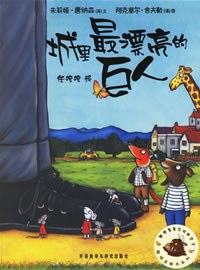
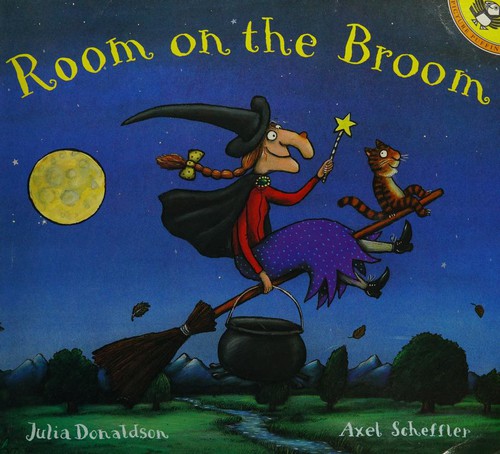
- His representative works also include the bestselling classic *Sitting in a Row of Witches*.Room on the Broom), exploring sharing and generosity in “The Most Beautiful Giant in Town” (The Smartest Giant in Town), and the prehistoric-themed “Little Wild Man” (Cave Baby).
| Birth | Julia Donaldson | Julia Donaldson (Wikipedia) / Douban People |
🎂 1897 – Born: Thomas Handforth
A renowned American printmaker, etching artist, and picture book creator (1897–1948). He traveled to North Africa and Southeast Asia, and lived in Beijing, China for several years, deeply observing the life and traditional customs of old Beijing’s hutongs. He was skilled at using highly expressive lithograph lines to showcase the beauty of Eastern folk customs.
- Top Award and Representative Works:
- Beautiful New Year (Mei Li(1938) — Awarded The second Caldecott Medal, awarded in 1939.A timeless classic of Chinese-themed picture books. On New Year’s Eve, a little girl named “Meili” from a northern village, carrying three copper coins and three lucky toys, sneaks into Beijing with her brother to visit the Spring Festival temple fair. In the city, she watches lion dances, eats candied hawthorns, walks on stilts, and skates on an ice skating rink. Before dark, she rushes home to help her family worship the Kitchen God and make dumplings to welcome the New Year. Handford’s exquisite and grand two-color lithographs vividly depict the lively and festive atmosphere of the traditional Chinese Spring Festival in the 1930s, capturing the charm of the hutongs and bustling streets.
| Birth | Thomas Handforth | Thomas Handforth (Wikipedia) |

🎂 Born 1965: Martin Baltscheit
A renowned German children’s picture book author, illustrator, playwright, and voice actor (1965). His works span philosophical themes, absurd fables, and social satire, and he excels at using extremely humorous and absurd situations to delve into the deepest emotions and realistic issues in children’s lives.
- Top Award and Representative Works:
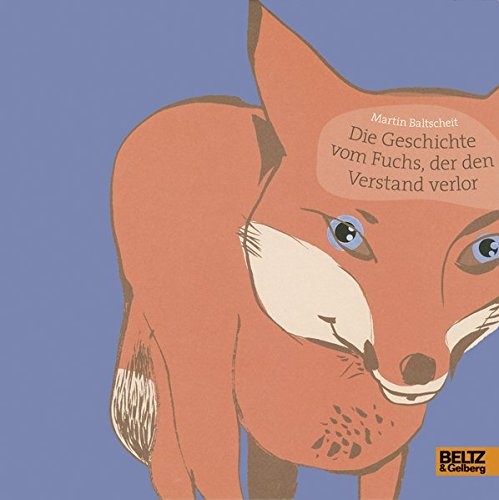
- The Story of the Fox Who Lost His Memory (Die Geschichte vom Fuchs, der den Verstand verlor(2010) — Awarded 2011 German Youth Literature Prize (DJLP) Picture Book AwardA heartwarming allegory confronting Alzheimer’s disease (dementia) and aging. The fox was once the most intelligent and agile hunter in the forest, possessing a mastery of all survival skills; however, as it grew old, it began to forget its own name, its hunting methods, and even that it was a fox. The young foxes no longer idolized it, but instead gathered around it, caring for it and finding food for it. The entire book poetically and subtly depicts the cycle of life and intergenerational inclusion.
- The Lion Who Couldn’t Write (Die Geschichte vom Löwen, der nicht schreiben konnte(2002) — The majestic king of the jungle, a lion, falls in love with a lioness who is reading. In order to write a love letter to her, he asks a monkey, a hippopotamus, and a dung beetle to write it for him, which results in a series of hilarious and absurd situations. In the end, the lioness teaches him to read herself.
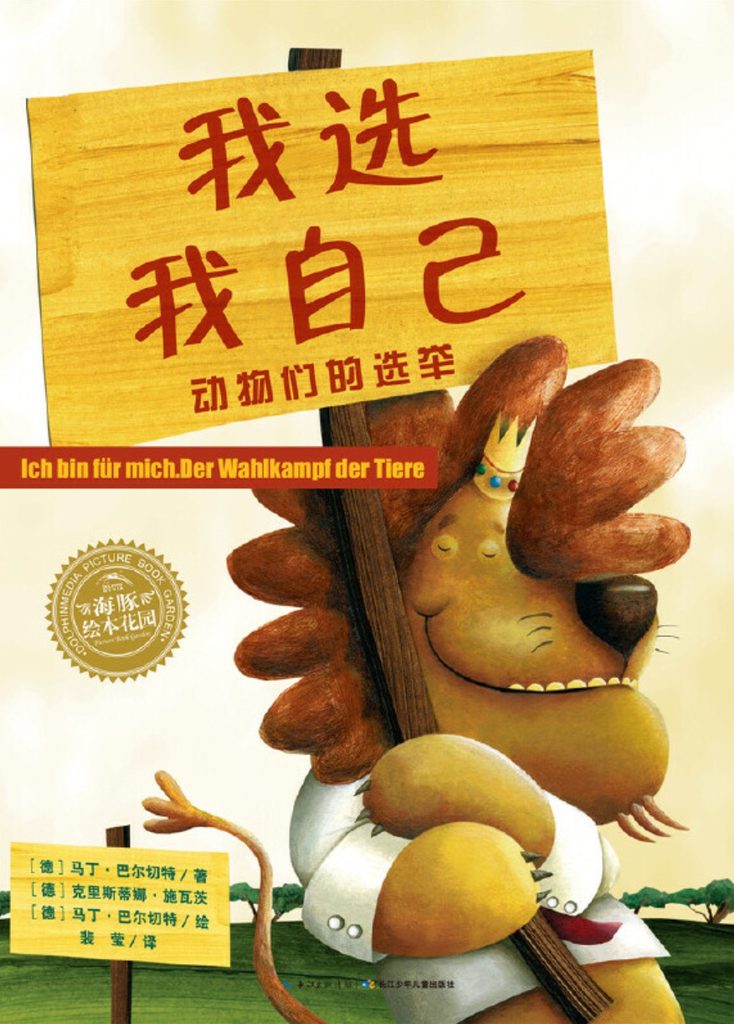
- His representative works also include the political enlightenment picture book “I Elect Myself” which explores democratic elections.Ich bin für mich!), The humorous picture book about mathematical concepts, “The Lion Who Couldn’t Count to 3“Die Geschichte vom Löwen, der nicht bis 3 zählen konnte) and the anti-war drama picture book “The Werewolf War” (Die Belagerung).
| Birth | Martin Baltscheit | Martin Baltscheit (Wikipedia) / Douban People |
⚰️ 2005 – Death: FK Waechter (full name Friedrich Karl Waechter)
A renowned German cartoonist, illustrator, and playwright (1937–2005). He was one of the core satirical artists of the postwar Neue Frankfurter Schule, known for his extremely sharp pen and ink lines, absurd and rebellious anti-authoritarian humor, and profound humanistic warmth.
- Twice awarded the German Youth Literature Prize (DJLP):
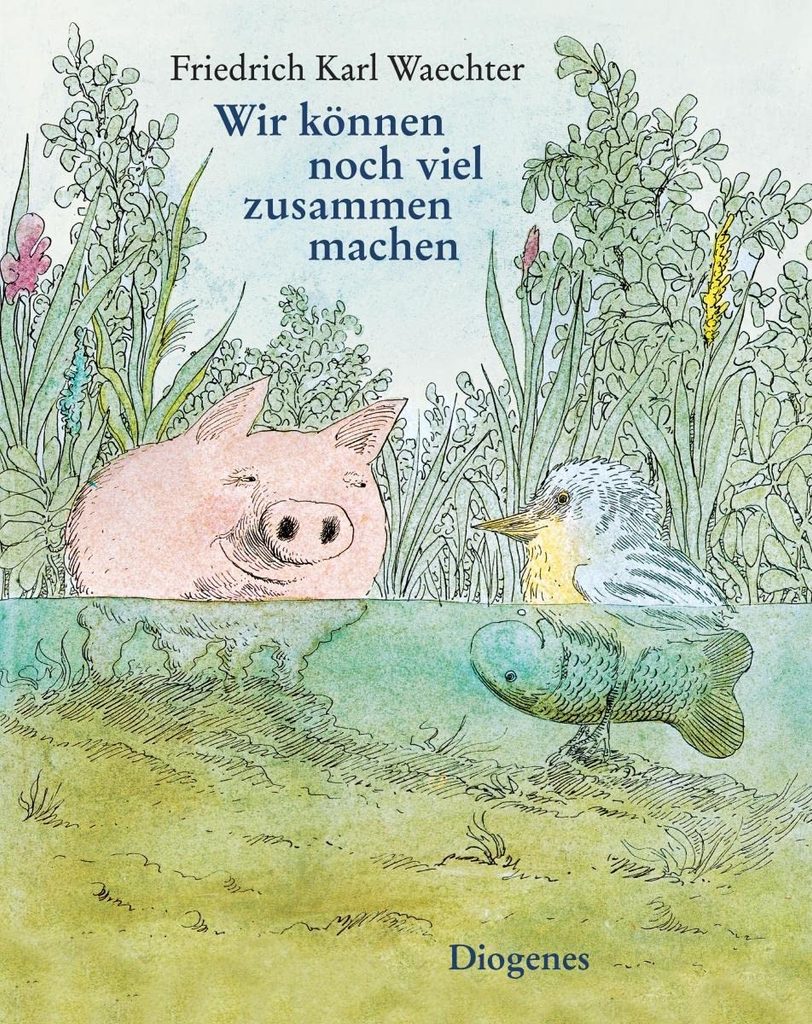
- We can still do many things together. (Wir können noch viel zusammen machen(1973) — Awarded 1975 German Youth Literature PrizeA pioneering picture book that rebels against rigid social rules and prejudices, encouraging children to explore the possibilities of life through collective cooperation and independent creation.
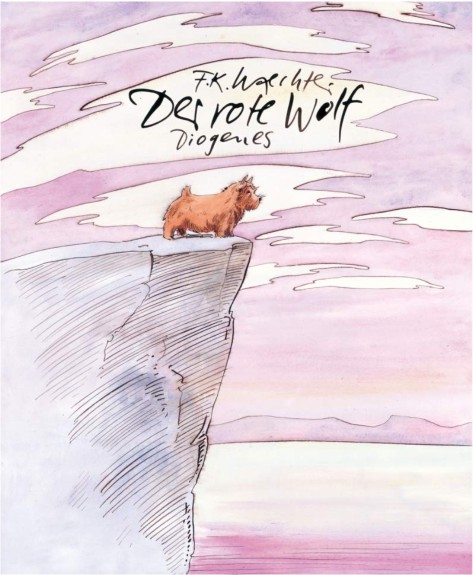
- Red Wolf (Der rote Wolf(1998) — Award 1999 German Youth Literature PrizeA World War II anti-war epic picture book. A red wolf cub, orphaned, is adopted and raised by a kind human mother and daughter. Later, war breaks out, bombing and ruins destroy the town, and the red wolf returns to the wasteland amidst the cruel flames of war, rescuing a lonely human baby in a snowstorm. The work explores the suffering and redemption across species through rough watercolors and sketches.
| Deceased | FK Waechter | FK Waechter (Wikipedia) / Douban People |
🎂 Born 1922: Ursula Wölfel
A renowned German children’s literature writer and educator (1922–2014). She was an important pioneer of postwar German-language children’s realism literature, adept at using extremely simple and concise language to depict the true psychology of ordinary children in postwar poverty, inferiority complex, and generational gap, without embellishment, and full of clear and gentle moral strength.
- Supreme Honors and Representative Works:
- At In 1991, he was awarded the Special Prize for Lifetime Achievement of the German Youth Literature Prize (DJLP)..
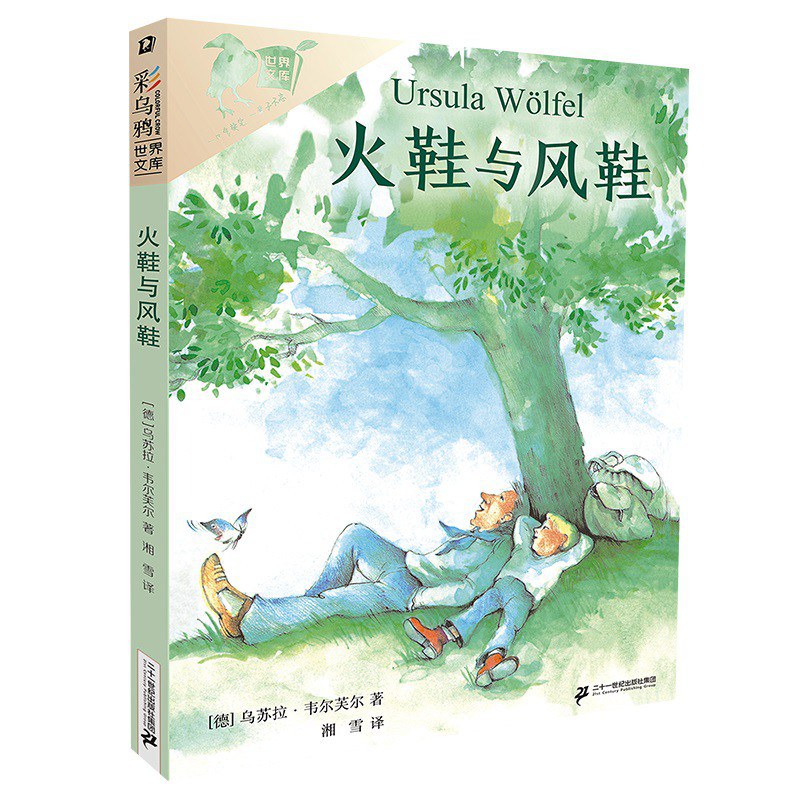
- Fire Shoes and Wind Shoes (Feuerschuh und Windsandale(1961) — Awarded 1962 German Youth Literature Prize for Children’s BooksTim, a little boy, was often teased by his classmates for being short and chubby. On his seventh birthday, his shoemaker father gave him a pair of red leather shoes and took him on a summer hiking trip through nature. Along the way, the father and son slept under the stars and experienced wind and rain. Through a series of vivid stories, the father guided Tim to accept himself, and Tim honed his will during the journey, growing into a cheerful and confident young man.
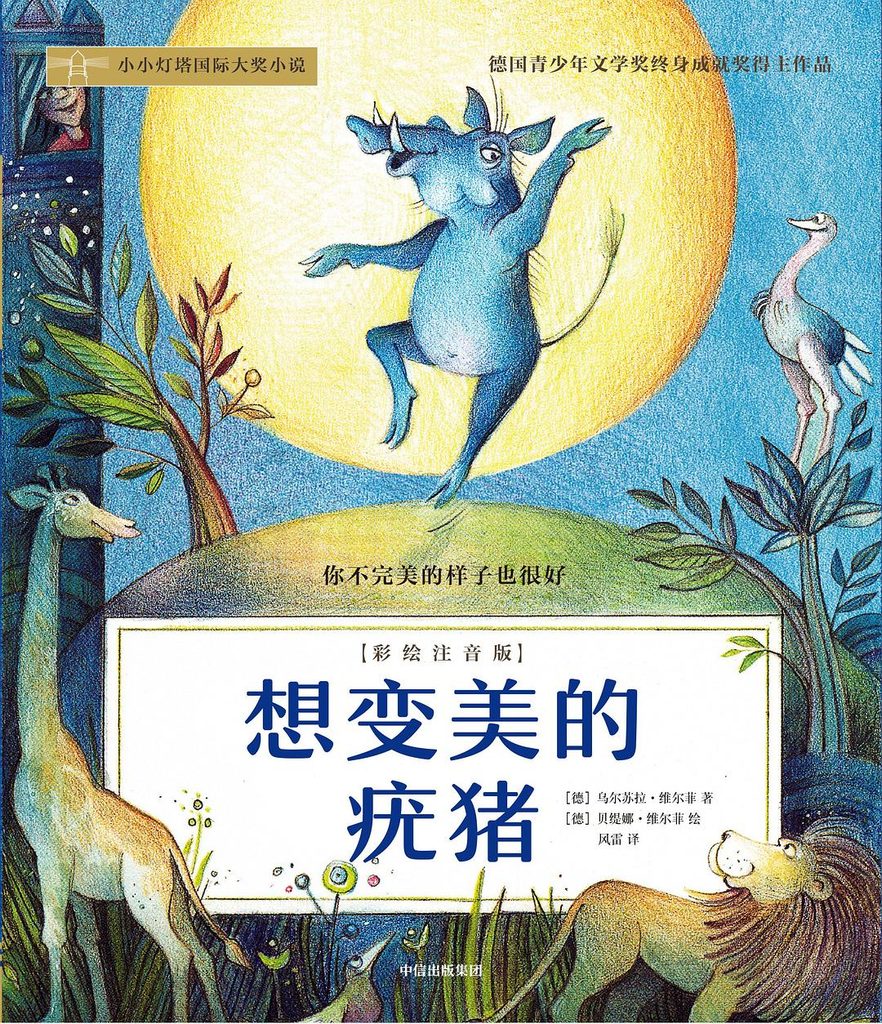
- His representative works also include the humorous animal fairy tale “The Warthog Who Wanted to Be Beautiful” (Blaue Wagilö), the classic children’s story “The White Puppy” (Geschichte vom kleinen weißen Hund).
| Birth | Ursula Wölfel | Ursula Wölfel (Wikipedia) |
Leave a Reply