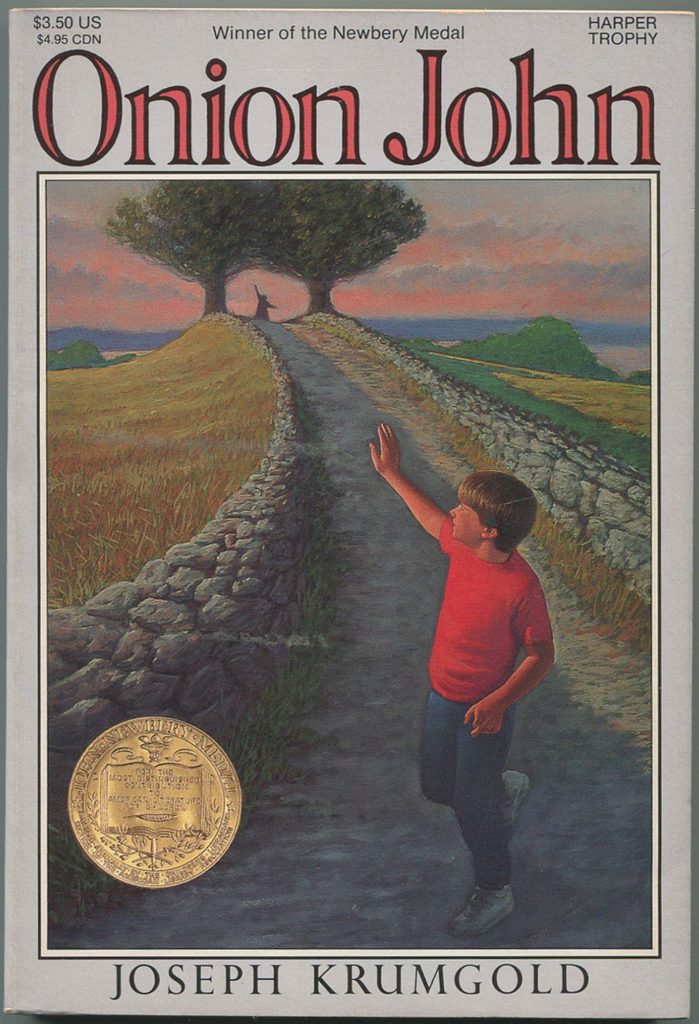
⚰️ 1980 – Death: Joseph Krumgold
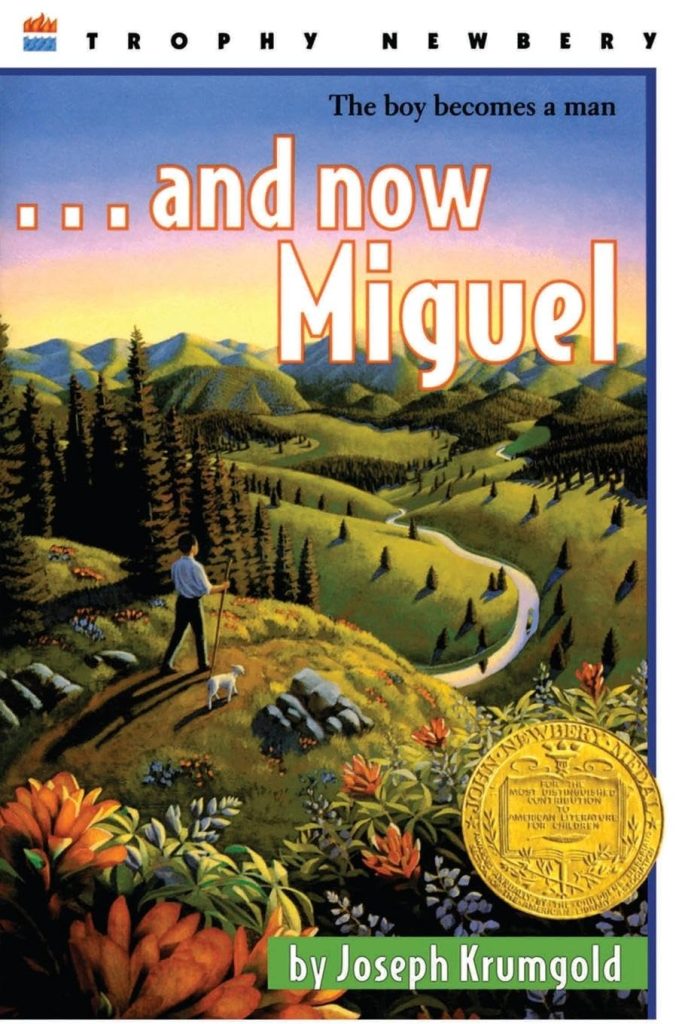
An immortal American novelist, screenwriter, and founder of modern children’s realism (1908–1980). He is a towering and revered pioneer in the history of world children’s literature.He is the first creator in the history of the Newbery Medal to win the Gold Medal twice.He spent his life examining the growth of teenagers with realistic, cinematic language.
- The highest Grand Slam honor and a masterpiece for posterity:
- “…Now Miguel” (…And now Miguel(1954 Gold Medal winner): It tells the epic story of a 12-year-old boy from a shepherd family in New Mexico, who grows up in the mountains and endures hardships in order to gain the approval of adults and his own dignity in the family’s labor.
- Onion John (Onion John(1960 Gold Medal winner): This work explores the sincere bond between a young boy and an unconventional, marginalized, and homeless old man, and how to break through the rigid, worldly prejudices and obsessive disciplines of adult society.
| Deceased | Joseph Krumgold | Joseph Krumgold (Wikipedia) |
⚰️ 2017 – Passed away: Peter Härtling
A German national treasure, master of children’s literature, current affairs commentator, and leading figure of postwar neo-realism (1933–2017). He was one of the most outstanding figures in the golden age of European children’s realism in the late 20th century, and throughout his life he refused to create a false and hypocritical greenhouse, advocating that literature must face up to children’s real family changes, disabilities, and the pain of loneliness.
- Supreme International Honors: Twice shortlisted for the Hans Christian Andersen Award (HCAA) Finalist Award for Writers(2006, etc.); He has consistently won the German Youth Literature Prize (DJLP) Lifetime Achievement Award.
- A timeless classic of psychological realism:
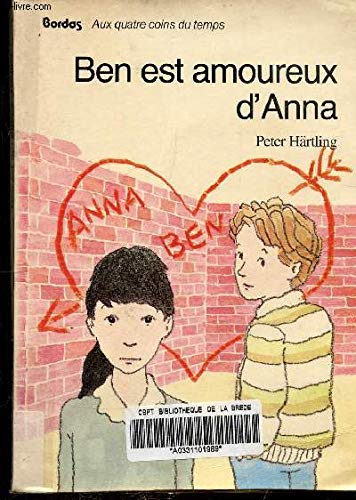
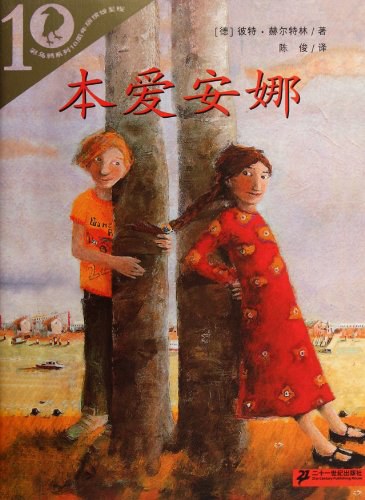
- Children’s emotions are paramount (Canon):Ben Loves Anna (Ben lieben den AnnaWith unparalleled literary restraint, it depicts the pure and innocent bond between a German boy and a refugee girl from Poland, transcending class and cultural barriers.
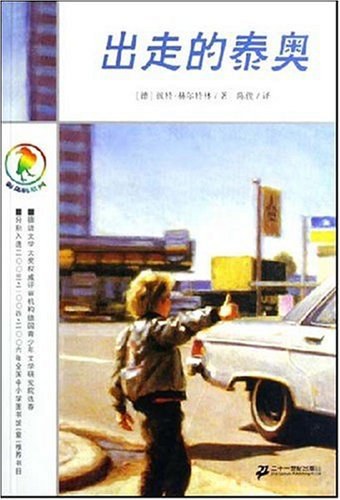
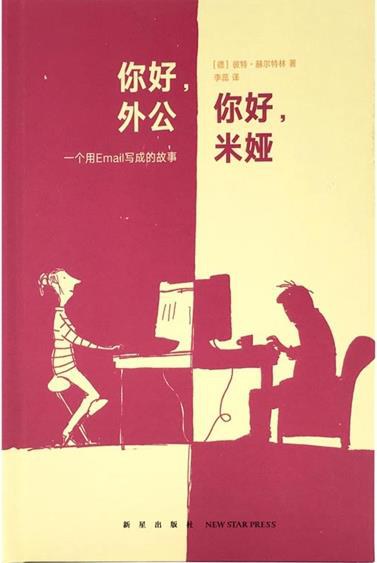
- Core Psychology Classics:Theo Who Ran Away (Theo haut ab)、Hello, Grandpa, Hello, Mia (Hallo Opa – liebe Mirjam), and Aunt Tilly’s Magic Box (Tante Tilli macht Theater)。
| Passed Away | Peter Härtling | Peter Härtling (Wikipedia) |
🎂 Born 1987: Katherine Rundell
One of the most outstanding contemporary female children’s literature writers in Britain, and a tenured fellow at All Souls College, Oxford (1987). She is a highly respected master of children’s literature in the global fantasy and adventure literature world of the 21st century, and is hailed by the literary world as “the narrative queen with the most Dickensian and Lewis-like spirit in the contemporary era”.
- Supreme International Honors: He won the top prize with his realistic masterpiece, “Sophie on the Rooftop.” The 2015 Prix Sorcières, the highest prize for novels in France.Waterstones Book Prize, Branford Boase Award.
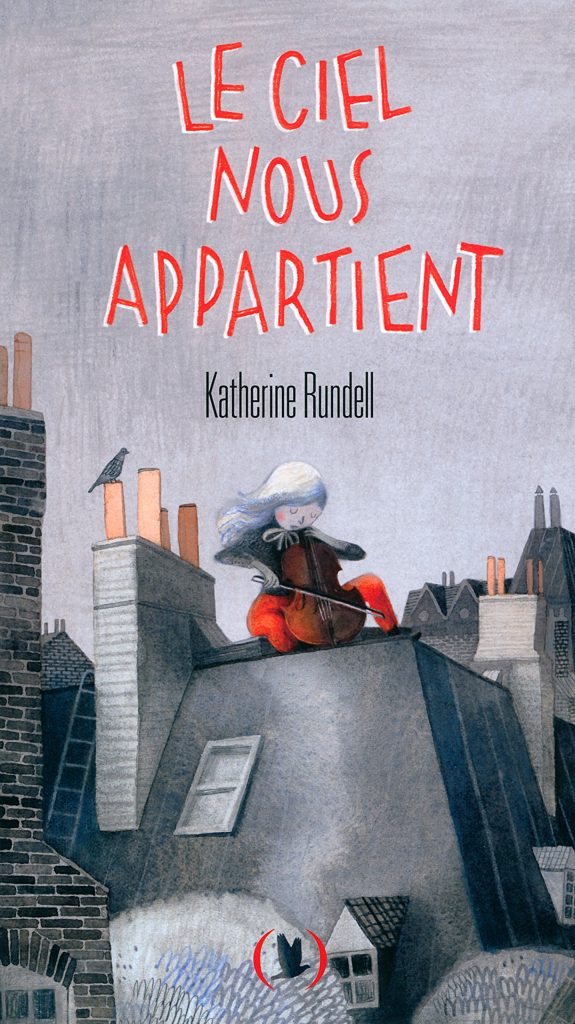
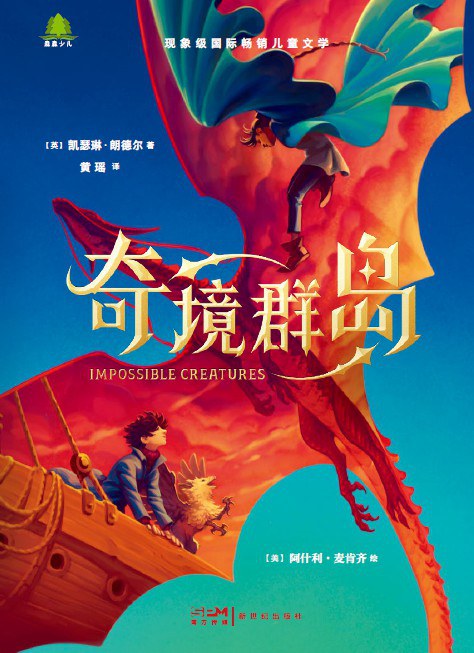
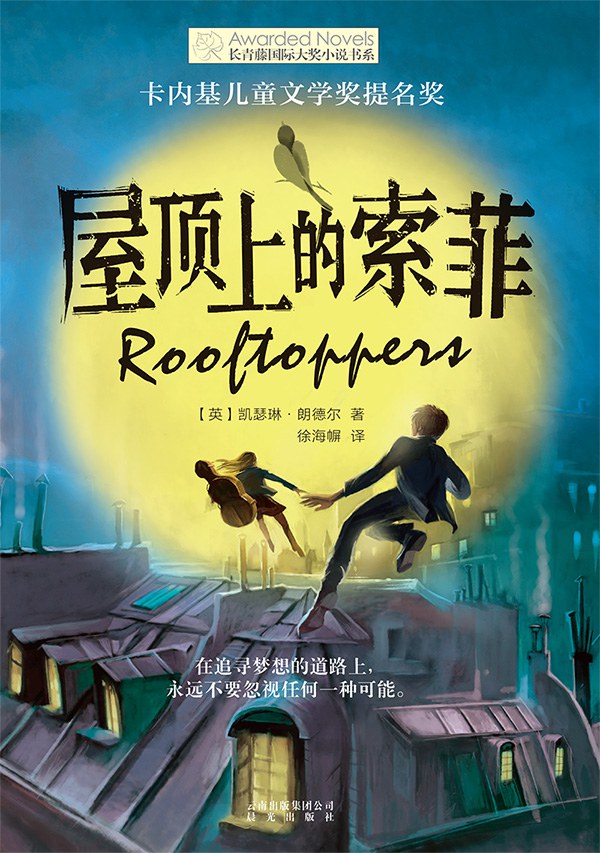
- An immortal masterpiece: Sophie on the Roof (Rooftoppers / French version name Le ciel nous appartient), the grand classical anthropomorphic epic “Wonder Islands” (Impossible Creatures), and the classic children’s detective novel “The Righteous Thief” (Good thieves)。
- Literary qualities: Landel’s writing is powerful, clear, and possesses a musical rhythm reminiscent of silvery moonlight. In *Sophie on the Roof*, she tells the story of Sophie, an orphan who survives a shipwreck, and her magnificent coming-of-age ritual as she journeys through the Parisian rooftops with a group of homeless children in search of her mother, clinging to her dreams and reason. She uses the noblest language to uphold the philosophical dignity of contemporary children’s fantasy.
| Birth | Katherine Rundell | Katherine Rundell (Wikipedia) |
🎂 1929 – Born: Miyako Moriyama
An immortal female children’s literature writer of modern Japan (1929–2018). She was a master of the “psychological and emotional reflection and gentle phenological realism” school for young children in East Asia. Her writing style was extremely elegant and refined, and she enjoyed a high reputation as an icon in the Chinese-speaking and Japanese children’s literature circles.
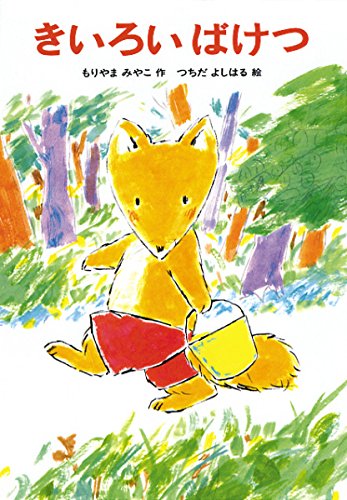
- Timeless classics for children: The Little Yellow Bucket (きいろいばけつIt has been included in the Canon anthology that is required reading for children throughout Japan.
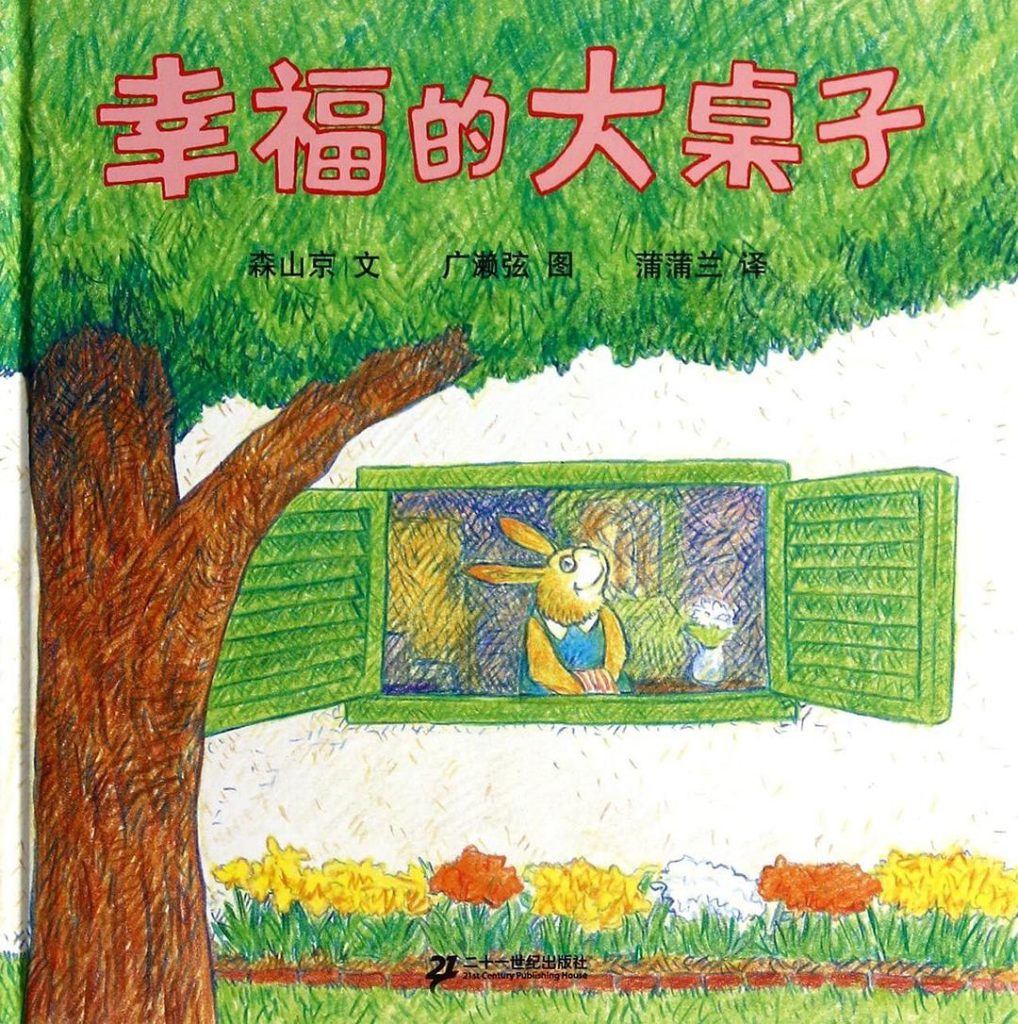
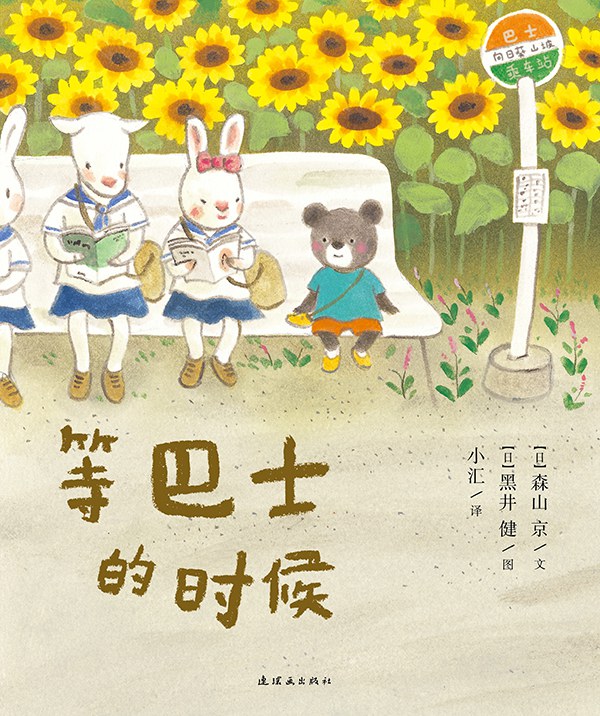
- Core Realist Representative Works: The Happy Table (おおきなテーブル)、While waiting for the bus (バスがくるまで), and “Let’s Play the Flute Together” (ドレミファ・ドーナツふきならせ)。
- Literary status: Her story, “The Little Yellow Bucket,” vividly portrays the hidden psychological powers of young children facing possession, loss, attachment, and self-control through the long anticipation of a fox finding an abandoned yellow bucket by a stream, the fox’s expectation of “borrowing” it for a week, and the bucket’s eventual disappearance. Using a warm yet rationally measured colloquial language, she imbues early childhood literature with a noble philosophical dignity.
| Birth | Miyako Moriyama | Kyo Moriyama (Wikipedia) |
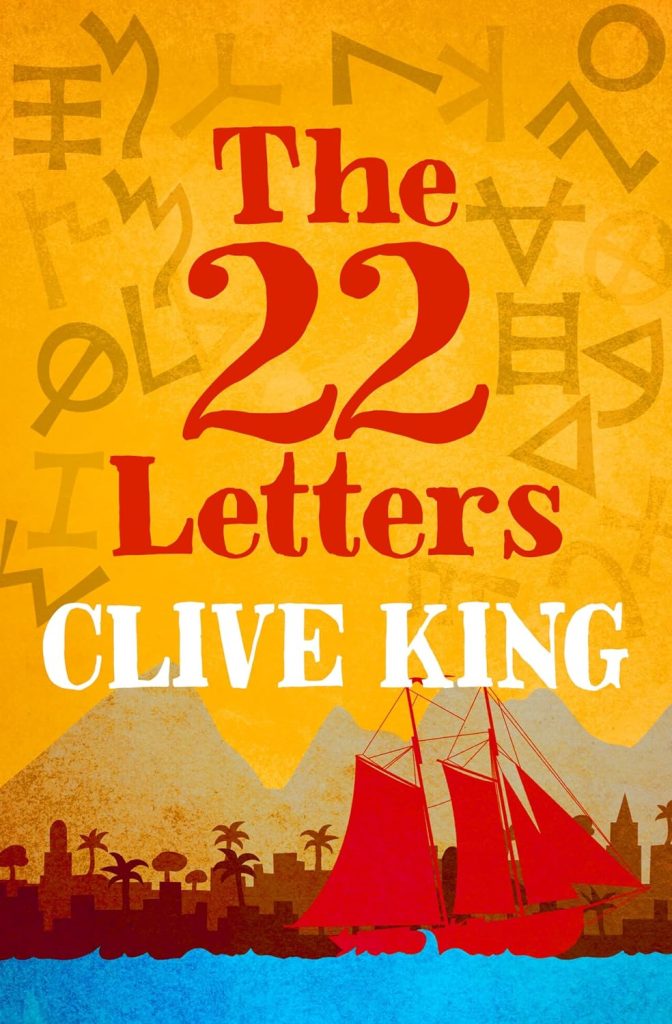
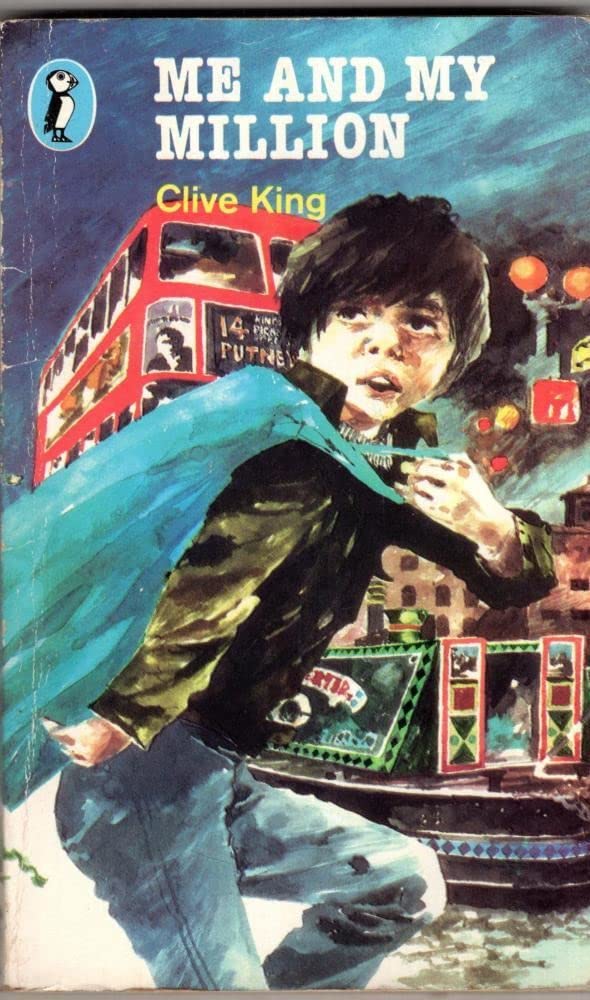
⚰️ 2018 — Passed away: Clive King
A prominent British realist and fantasy writer and war intelligence officer of the 20th century (1924–2018).
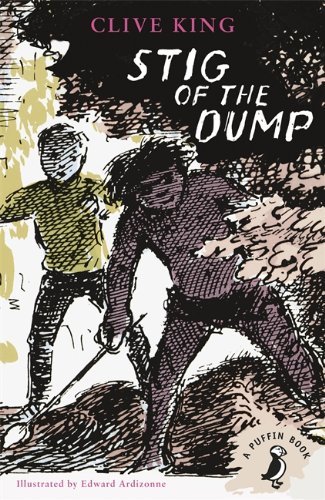
- An epic masterpiece that has stood the test of time: Stig in the Junkyard (Stig of the Dump(Published in 1963) It was included in “1001 Children’s Books”.
- Literary connotation: His novel *Stig in the Junkyard* is considered a pioneering work in Western children’s adventure and modern reflection on environmental conservation literature. The story tells of a boy who unexpectedly meets Stig, a Stone Age savage left behind in modern society, in a chalk mine’s junkyard. The two, empty-handed, embark on a journey to build a wooden hut in the wilderness by scavenging discarded industrial waste from the adult world and employing primitive handicrafts. He uses meticulous historical and archaeological details to dignify the intellectual heights of independent exploration in young readers. His other representative works include *That Night, the Water Came*, which reflects on ecological disasters.The Night the Water Came) and “Twenty-Two Letters“The Twenty-Two Letters)。
| Passed away | Clive King | Clive King (Wikipedia) |
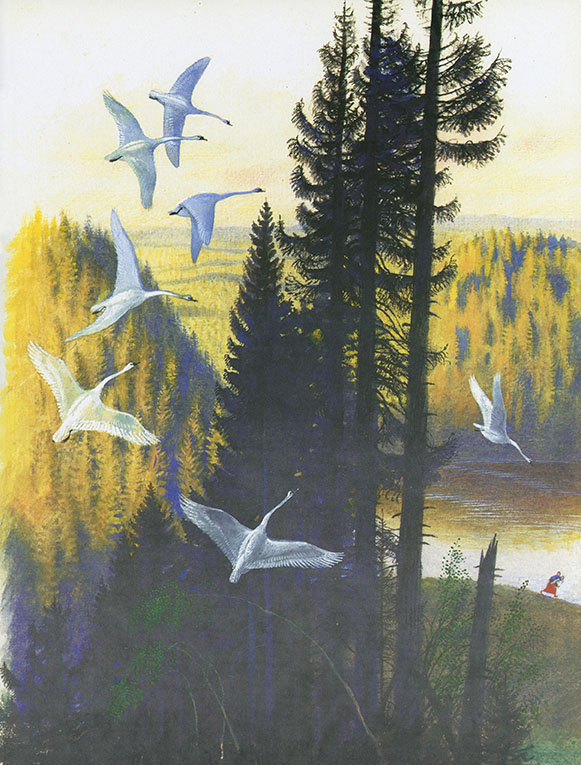
🎂 1937 – Born: Nikolai Ustinov
Nikolai Alexandrovich Ustinov (1937), a national treasure of Soviet/Russian graphic artist, master of fine art illustration, and book designer.
- International highest honor: With its visually striking combination of the vastness and breath of the Russian landscape, the dynamic yet meticulously crafted composition, and the seamless integration of classical realism and abstract imagery, it quickly rose to the top and won the award. 1997 Bratislava International Biennial of Illustrations (BIB) Children’s Jury Award.
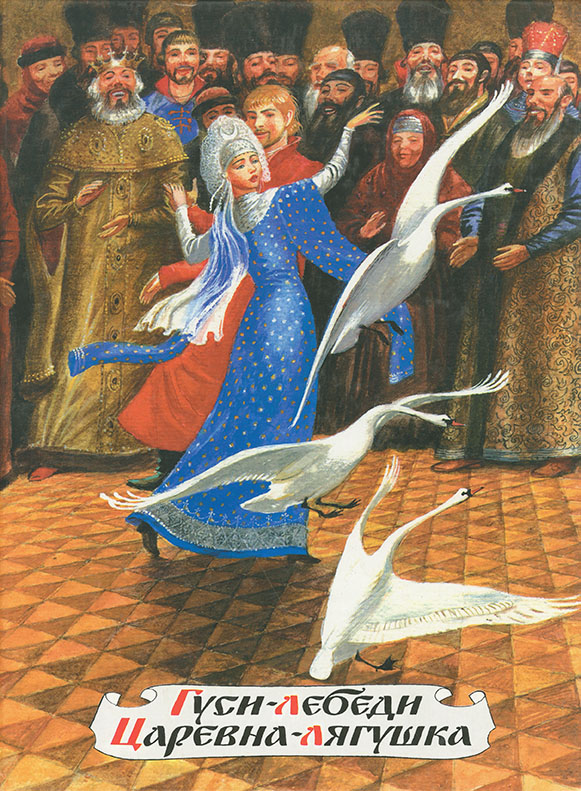
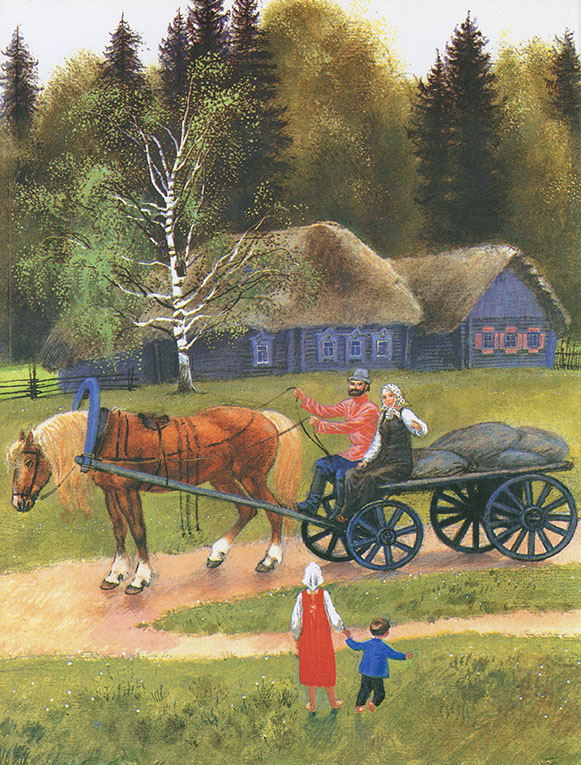
- Award-winning representative works: A masterpiece of Slavic art The Frog Princess (Carevna – laguškaFirst edition of the complete set of illustrations.
- Visual Aesthetics: Ustinov dedicated his life to adhering to the traditional Eastern European techniques of thin oil paint application and delicate pen and ink drawing. He brought to life the spirit and vitality of all things in the forest, completely abandoning the sycophantic and childish cartoons, and using the ultimate in pure artistic visuals to support the intellectual heights of non-fiction and historical folk literature.
| Birth | Nikolaj Ustinov | Николай Устинов (Wikipedia) |
🗓️ Parallel briefings from other award-winning creators
| event | figure | Details/Awards | Wikipedia/Data Links |
|---|---|---|---|
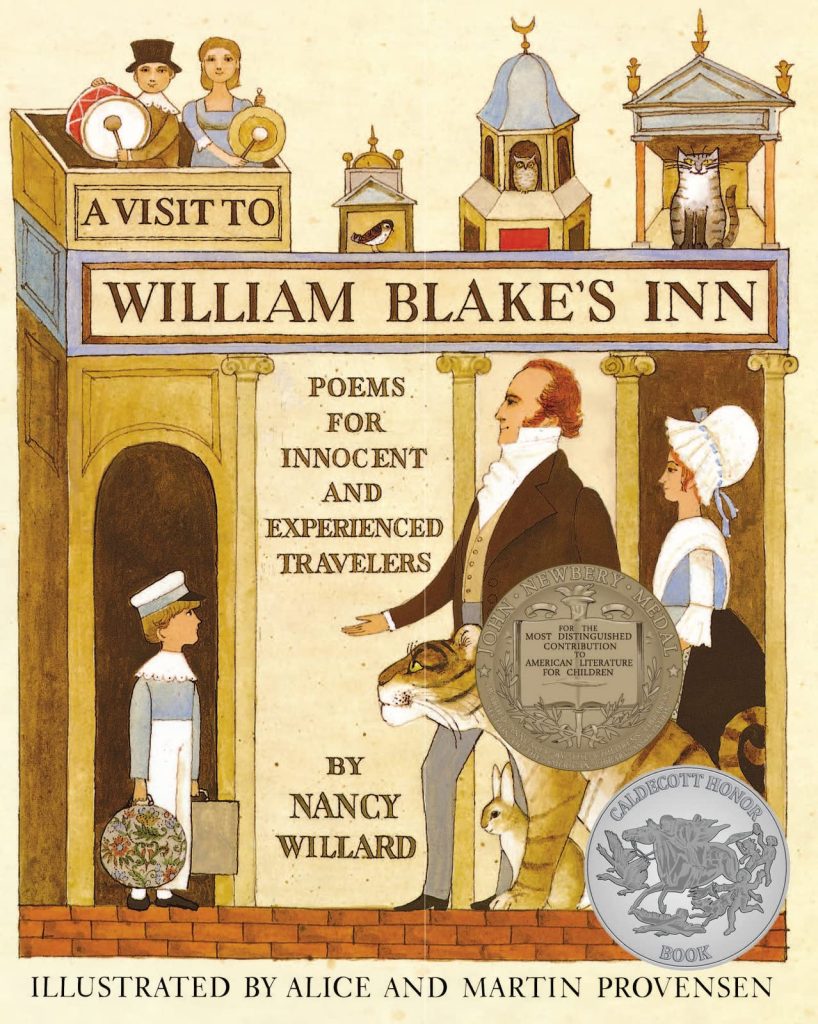
| born | Martin Provensen | A legendary American graphic artist of the 20th century and Caldecott Medal winner (1916–1987). He and his wife, Alice Provensen, were one of the most prestigious illustration duos in the United States. Their first complete set of illustrations for Nancy Willard’s literary masterpiece, *A Night in William Black’s Inn*, perfectly blended medieval polyphonic pen and ink hatching with Bauhaus geometric collage, won numerous awards. 1982 Caldecott HonorHis masterpiece, “A Year at Maple Hill Farm,” is considered an evergreen nonfiction work by Canon. | Martin Provensen (Wikipedia) |
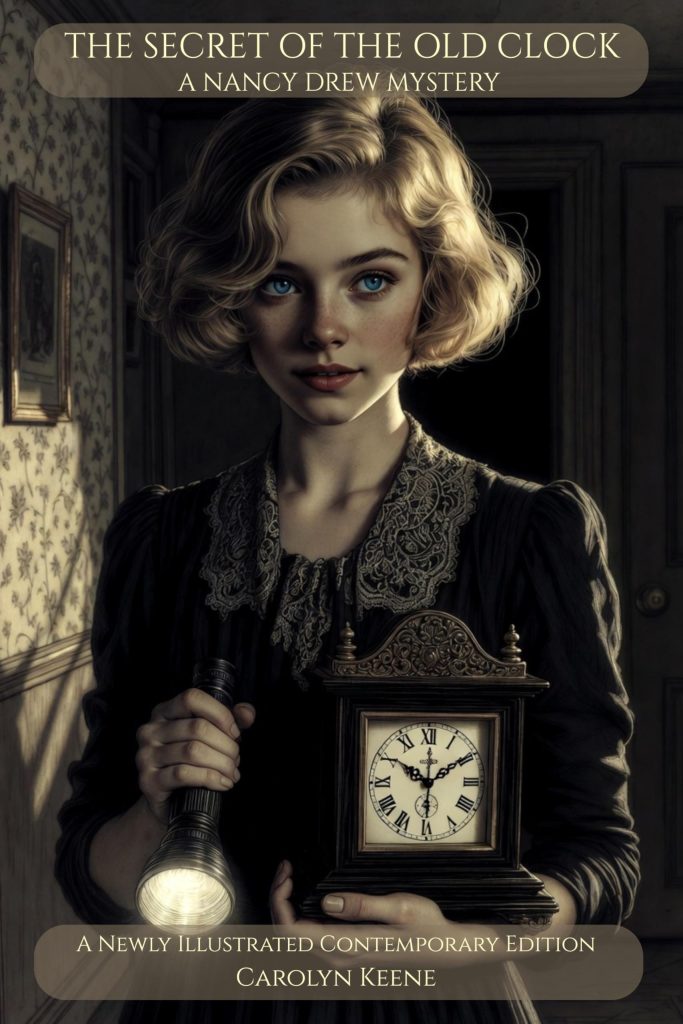
| born | Mildred Benson | A renowned American female journalist and legendary hard-boiled mystery novelist (1905–2002). She was the most influential and principal writer of the first half of the Nancy Drew series (the core pen name: Carolyn Keene), a super popular children’s cultural icon in the United States. Her seminal work, *The Secret of the Old Clock*, is a testament to her talent.The Secret of the Old ClockIt was included in “1001 Children’s Books” and it was determined to protect the rationality and independence of young girls. | Mildred Benson (Wikipedia) |
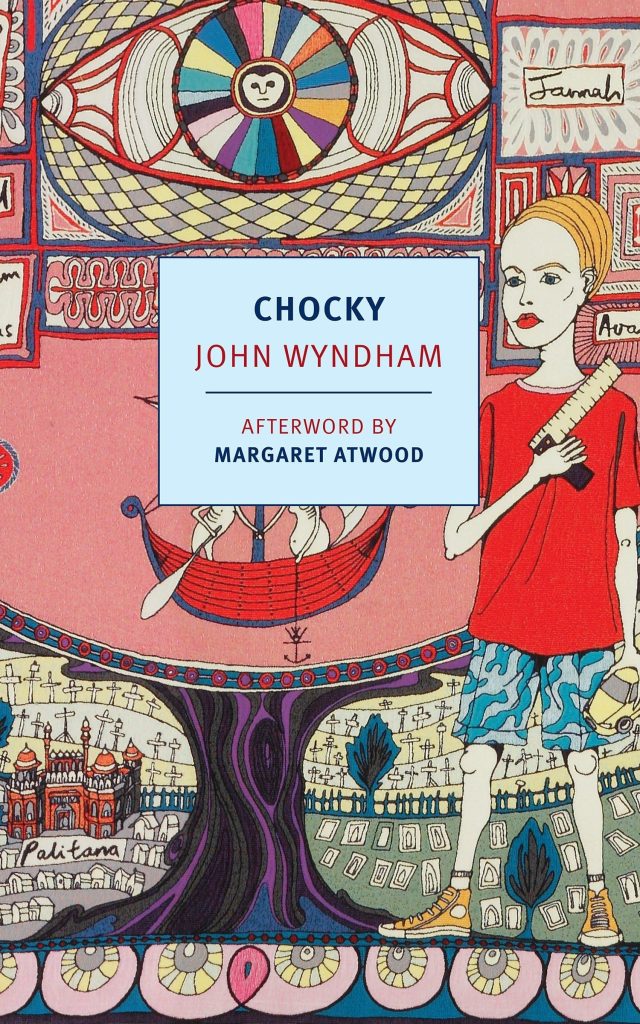
| born | John Wyndham | The immortal British master of hard science fiction and a giant of realist thriller (1903–1969). His timeless post-apocalyptic science fiction classic, *Chokichi*, which crossed over into the children’s/YA genre, is a testament to this.ChockyWith its extremely cold and rigorous language full of mathematical and logical research, it tells the story of a boy’s spiritual adventure with an independent alien consciousness of a higher dimension. The work is included in “1001 Children’s Books”. | John Wyndham (Wikipedia) |
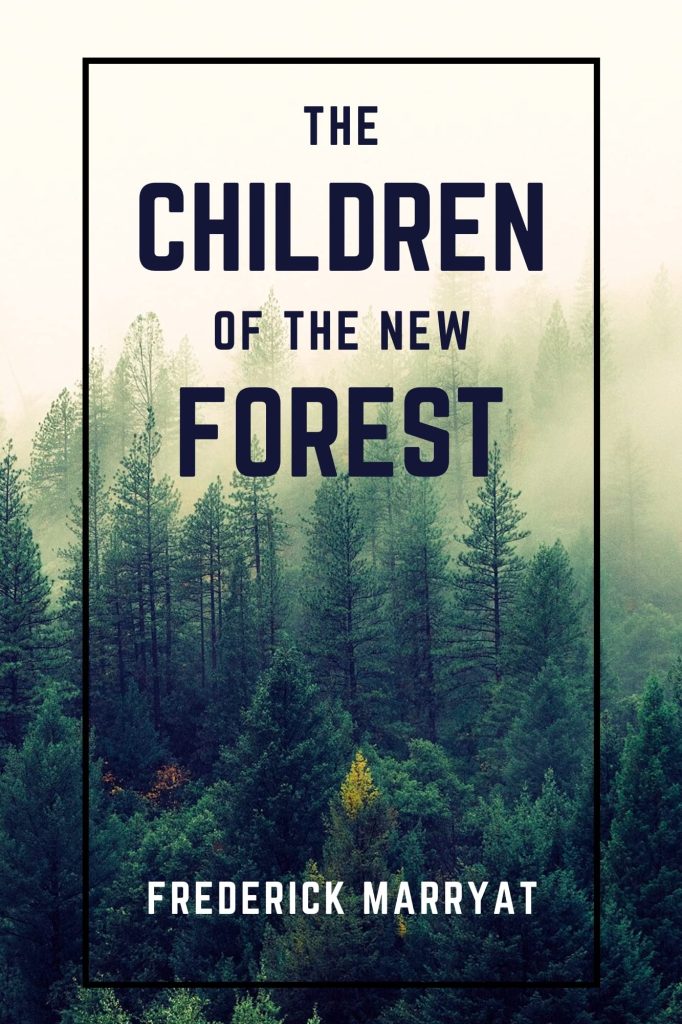
| born | Captain Frederick Marryat | A legendary British naval captain of the early 19th century, and a pioneer of non-fictional realism about the sea (1792–1848). His timeless masterpiece of wilderness survival, *Children of the New Forest*, was written specifically to instill in young men under Puritan constraints the spirit of independent craftsmanship.The Children of the New ForestIt was included in “1001 Children’s Books”. | Frederick Marryat (Wikipedia) |
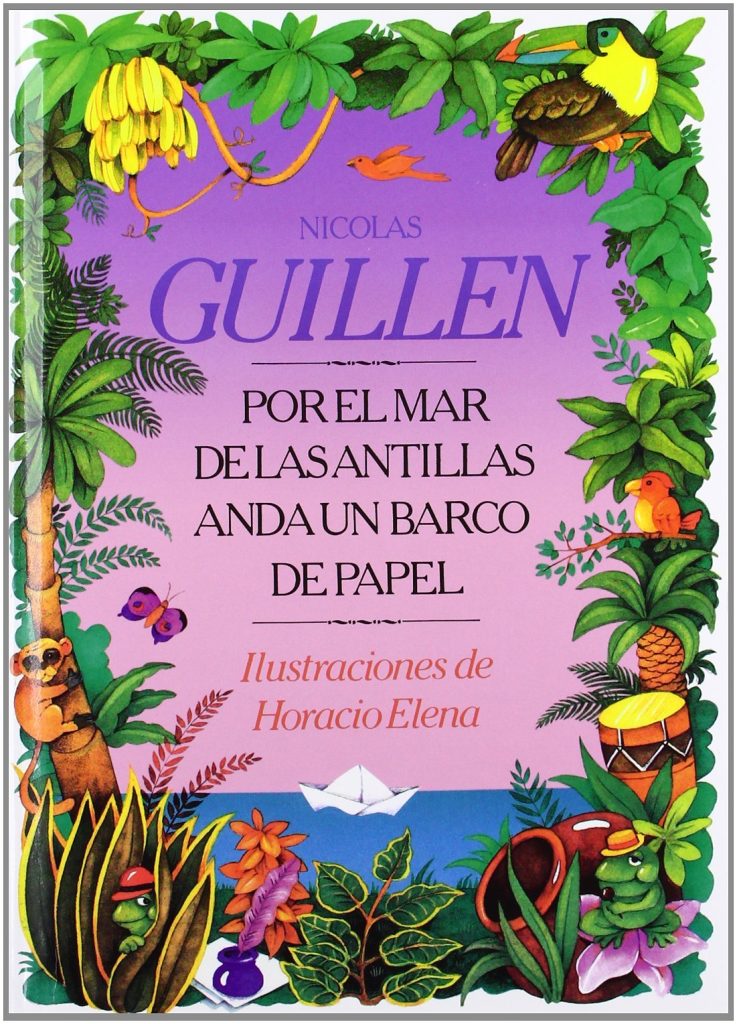
| born | Nicolás Guillén | Cuba’s national treasure, an immortal poet, essayist, and thinker on racial equality (1902–1989). He was a pioneering figure in integrating Latin American Afrocultural elements into children’s metrical poetry. His masterpiece, “Paper Boats on the Andes,” a timeless children’s song filled with noble island musicality and syncopation, was introduced to the Chinese-speaking world by masters such as Ren Rongrong.Por el mar de las Antillas…It was included in “1001 Children’s Books”. | Nicolás Guillén (Wikipedia) |
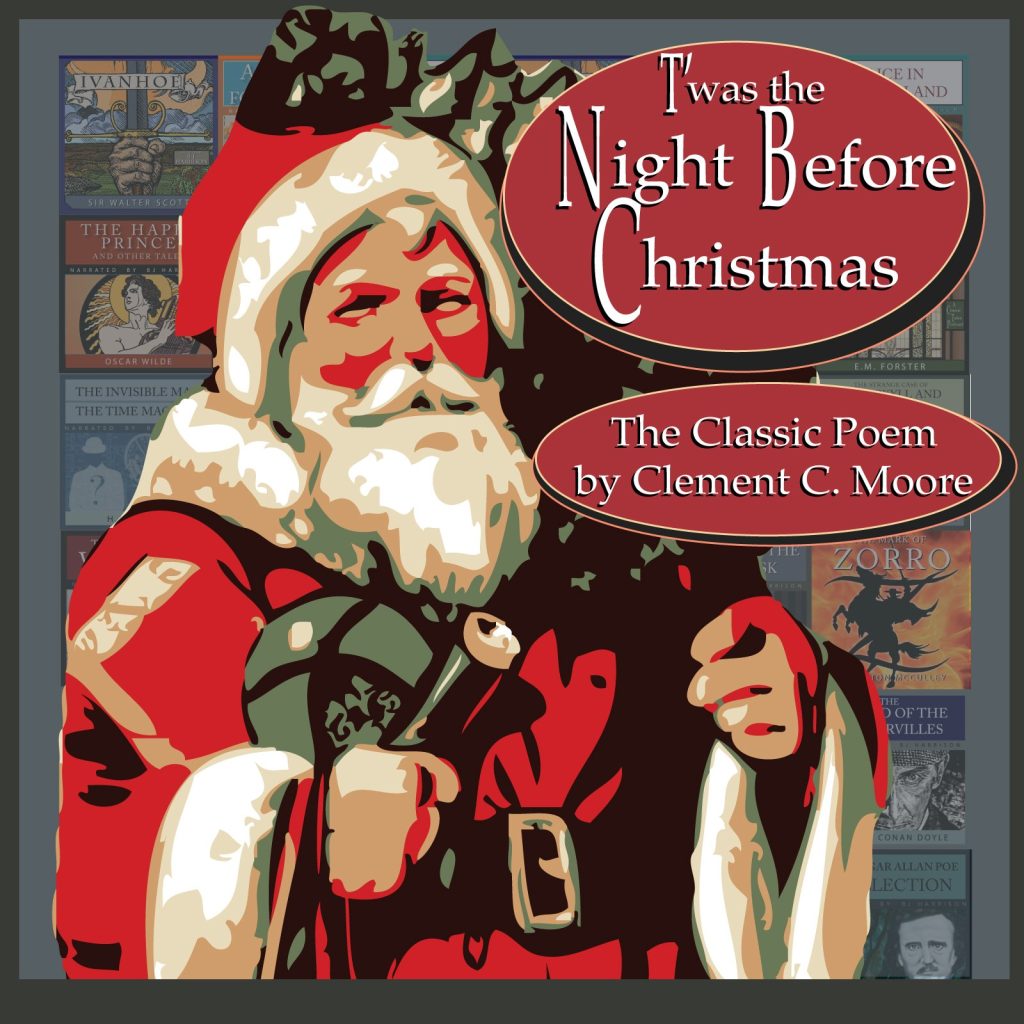
| Death | Clement Clarke Moore | A renowned American professor of Oriental languages and biblical literature, and a classical poet (1779–1863) of the early 19th century. He broke free from the strict Puritan constraints on childhood thought in early America, writing the eternally sacred polyphonic children’s poem “The Eve of Christmas” in 1823.’‘Twas the Night Before ChristmasIt has completely defined the modern Santa Claus as an enduring cultural symbol, and the work has been included in “1001 Children’s Books”. | Clement Clarke Moore (Wikipedia) |