🎂 1900 – Born: Antoine de Saint-Exupéry
A legendary French novelist, poet, and ace pilot (1900–1944). He is a towering and sacred monument in the history of human literature and spiritual development. With his unparalleled pure literary wisdom, he built a haven for the soul that transcends age, life and death, and class barriers in the cabin at 10,000 meters above the ground.
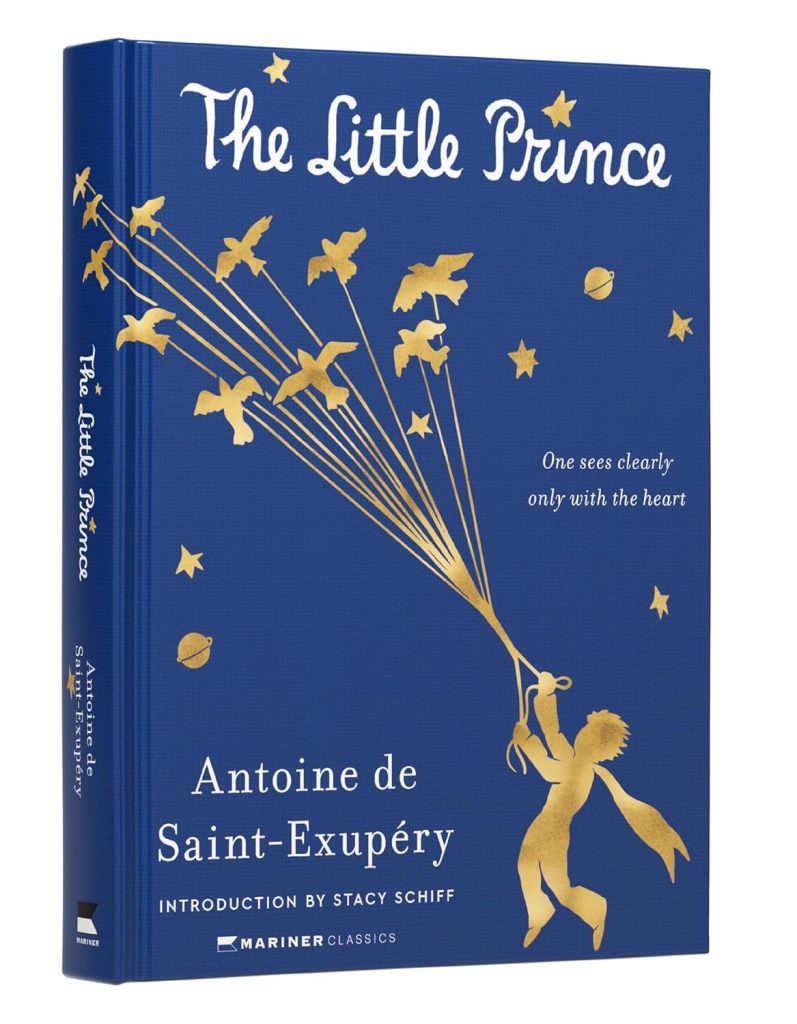
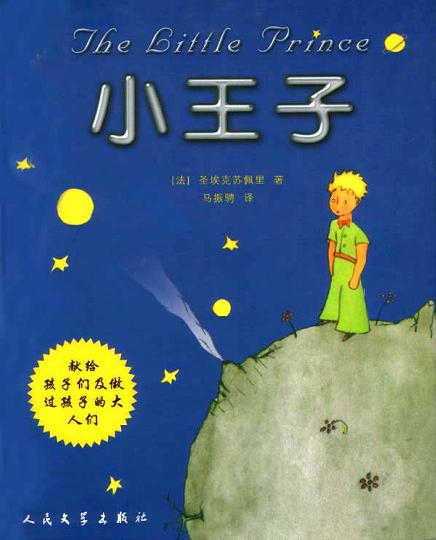
- An immortal masterpiece: The Little Prince (Le Petit Prince / English name The Little Prince(Published in 1943) It was included in “1001 Children’s Books”.
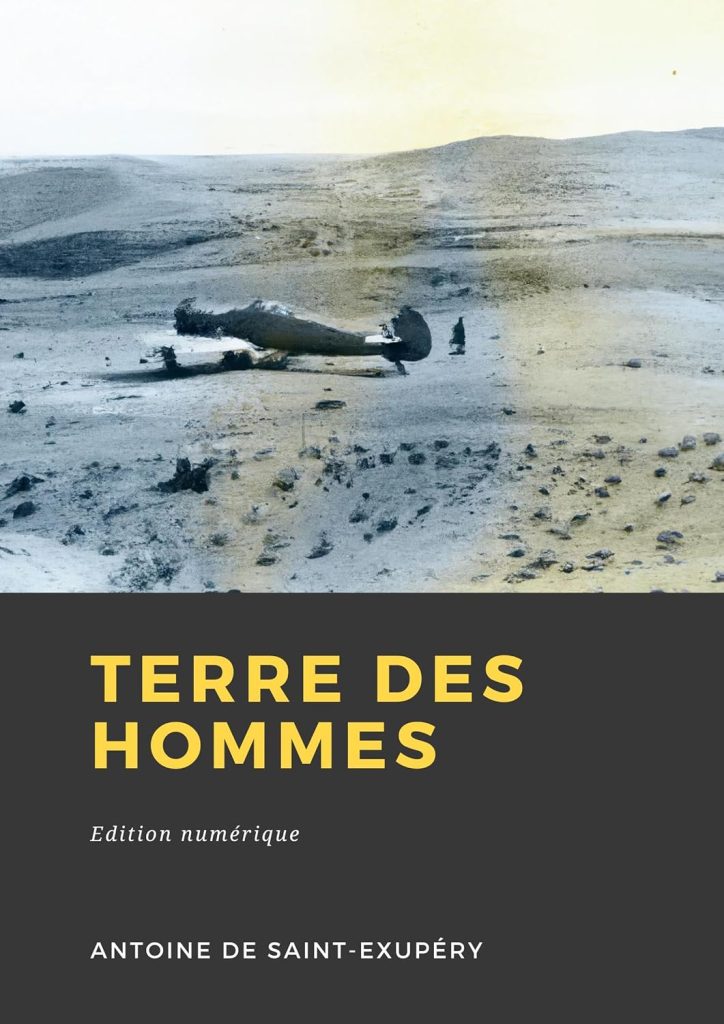
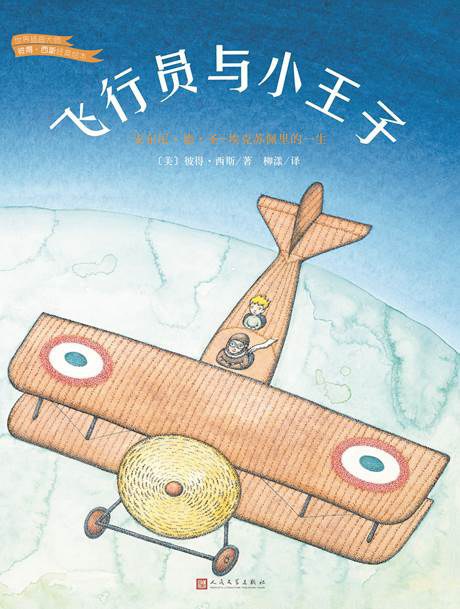
- Core Classics and Tributes: The enduring epic poem for adults, “The Land of Man”.(Terre des hommes); later winners of the Hans Christian Andersen AwardPeter Siss (Peter SísHe once painstakingly illustrated a tribute biographical picture book for them, “The Pilot and the Little Prince.“The Pilot and the Little Prince)。
- Literary status: Antoine de Saint-Exupéry personally created the extremely simple, vintage-style, pastel-textured pen illustrations for *The Little Prince*. Through the extraordinary encounter between a pilot whose plane crash-lands in the Sahara and a little boy from planet B612, he profoundly explores the ultimate philosophies of love, loneliness, responsibility, and “apprivoiser.” His writing is filled with a cool restraint and supreme poetry, thoroughly piercing the hypocritical rules of adult society, and defending the most sacred independent rationality and spiritual dignity of childhood with clear eyes.
| Birth | Antoine de Saint-Exupéry | Antoine de Saint-Exupéry (Wikipedia) |
🎂 1928 – Born: James Lincoln Collier
He was an outstanding American historian, journalist, and writer of realistic historical novels for children and young adults (1928). He was a pioneer of hard-boiled literature in postwar America, moving away from false mainstream narratives and introducing “cold historical reflection and existential pain.”
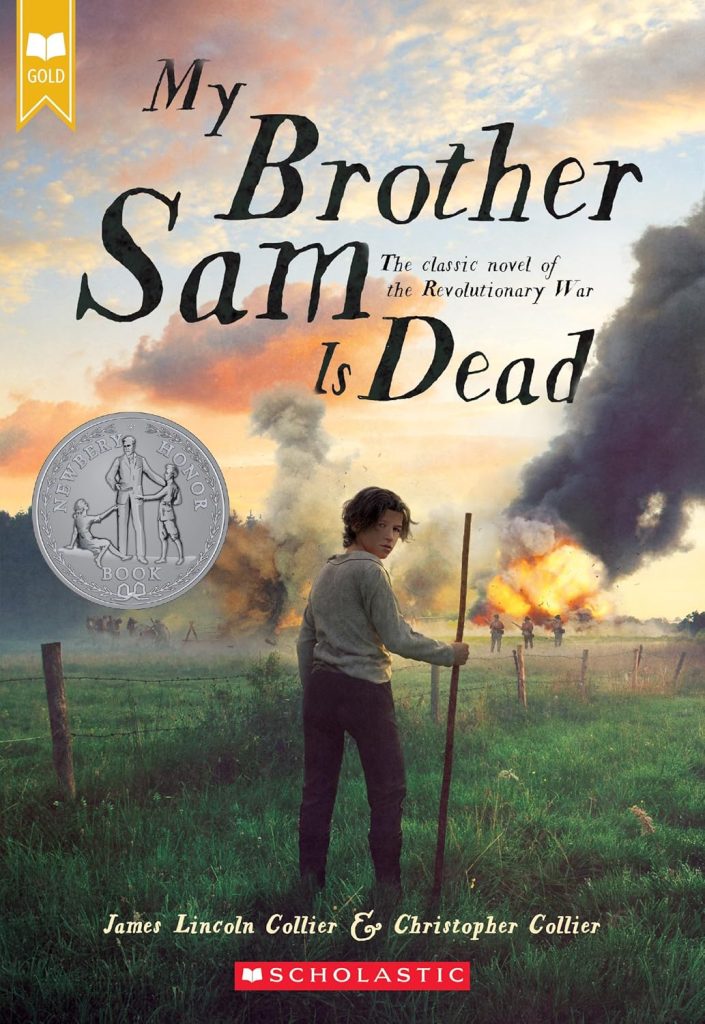
- Highest Honor: He won the award for his masterpiece “My Brother Sam Died”. 1975 Newbery HonorIt was included in “1001 Children’s Books”.
- Masterpieces that have stood the test of time: My brother Sam is dead. (My Brother Sam Is Dead(Co-authored with his brother Christopher Collier).
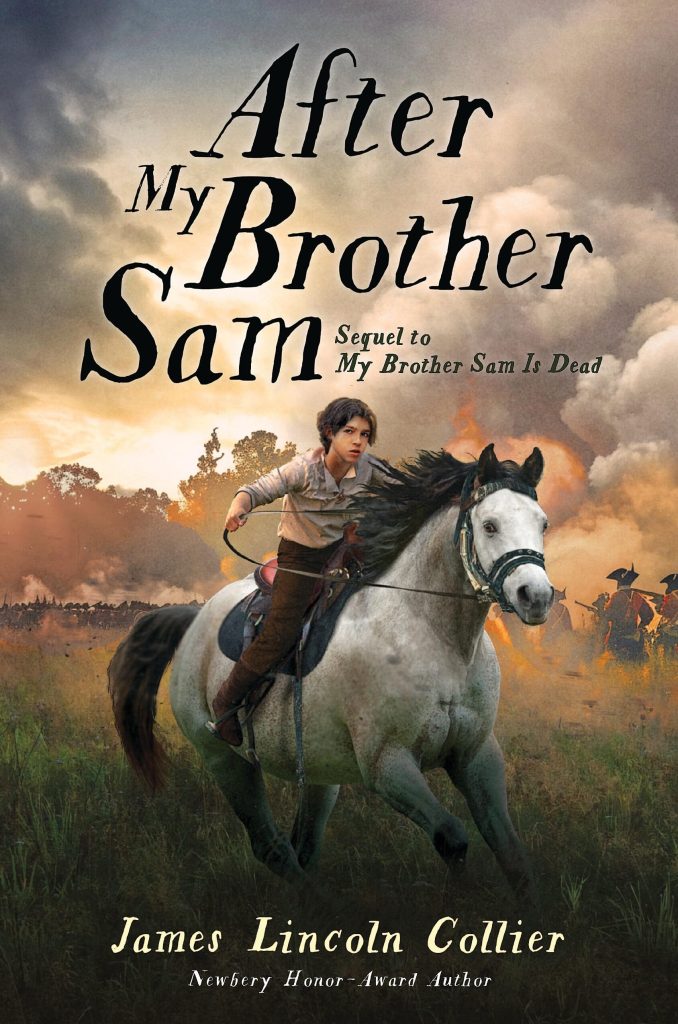
- Literary connotation: Collier excels at using a highly realistic, historically detailed style to deconstruct the grand narratives imposed on teenagers by the adult world. The story unfolds amidst the smoke of the American Revolutionary War, plunging the boy Tim into a generational conflict between his father, loyal to the King of England, and his brother Sam, who has joined the Continental Army to fight. When Sam ultimately dies not from enemy fire, but from a hypocritical and rigid military trial and gallows within his own army, the author uses a steely narrative to tell children: there are no winners in war, only broken families and the meaninglessness of life. It dignifiedly upholds the height of political and moral reflection in children’s historical literature.
| Birth | James Lincoln Collier | James Lincoln Collier (Wikipedia) |
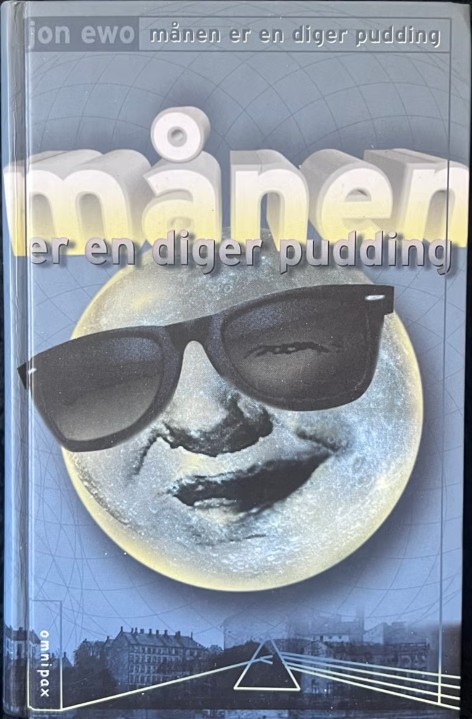
🎂 Born 1957: Jon Ewo
Norwegian author and essayist (1957) is a renowned contemporary writer of children’s literature and a prolific writer of essays. He is a leading figure in modern Nordic realist children’s fantasy literature, and he is adept at using the lightest, most Nordic dry humor and absurdist style to deconstruct the most hidden emotions and awakening of power in children’s hearts.
- International highest honor: Nominated Finalist for the 2006 Hans Christian Andersen Award (HCAA) for Best Writer.
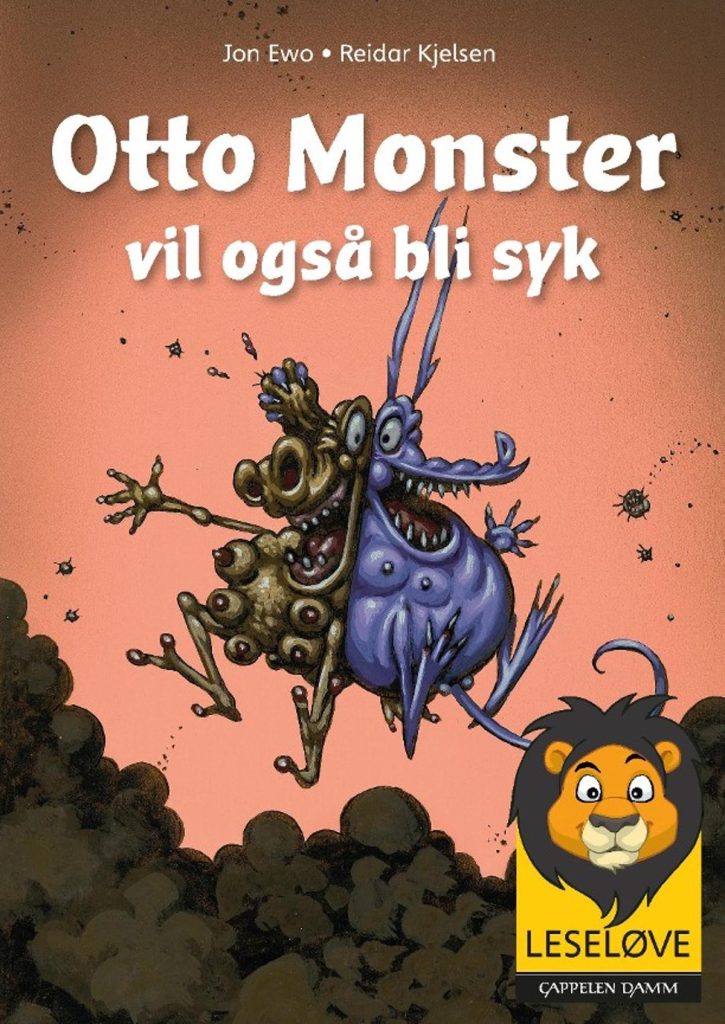
- Timeless classics: ““Otto Monsters” series (Otto Monster series(1996–2012).
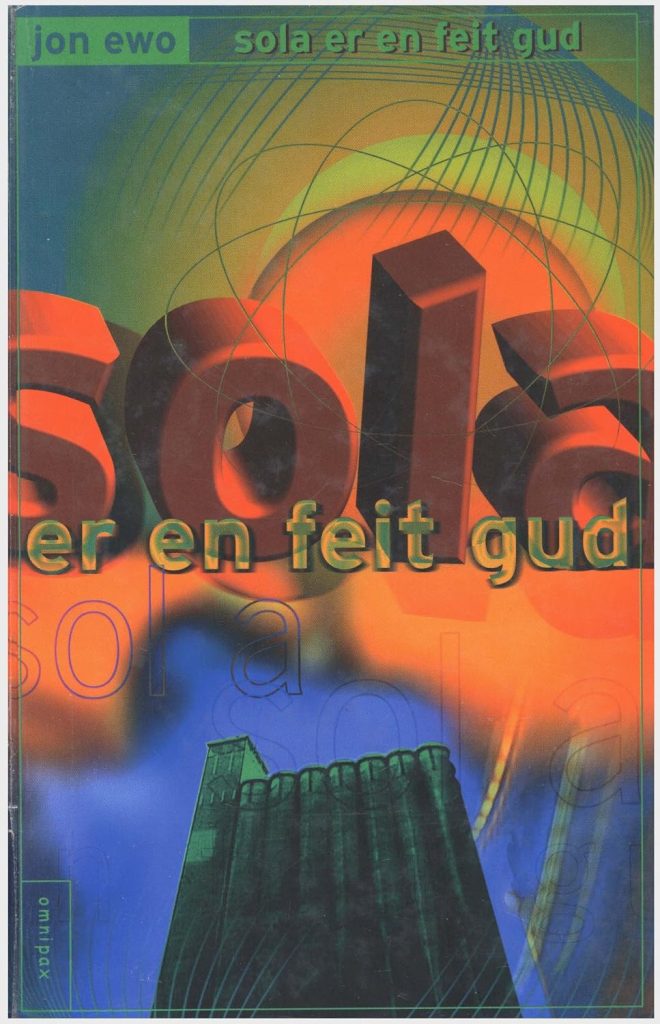
- Representative works of core critical thinking: The Sun is a Fat God (Sola er en feit gud)、The Moon is a Big Pudding (Månen er en diger pudding)。
- Literary qualities: Evo’s works are imbued with a strong sense of modern pop art. His “Otto the Monster” is rebellious and unconventional, yet he always manages to release children’s inferiority complex and anxiety through seemingly absurd everyday games. He is exceptionally skilled at using the dry humor of contemporary teenagers to explore the confusion of adolescence, the generation gap, and the search for self, earning him a high reputation in contemporary European children’s literature.
| Birth | Jon Ewo | Jon Ewo (Wikipedia) |
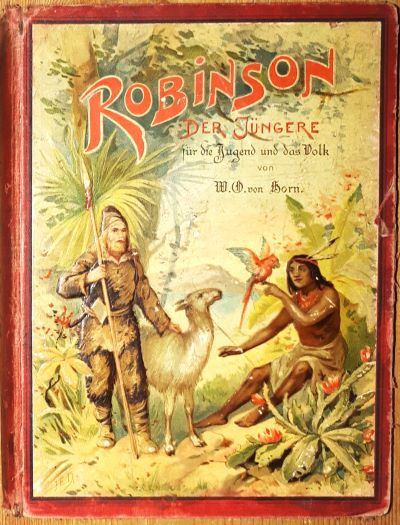
🎂 1746 – Born: Johann Heinrich Campe
Robinson Crusoe (1746–1818), an immortal educator, linguist, and pioneer of children’s literature in the Duchy of Brunswick/Germany in the 18th century. He was the undisputed and revered leader of the “Robinsonade” school of children’s literature in the history of world children’s literature, and was deeply influenced by Rousseau’s liberal educational thought.
- Immortal masterpieces: Young Robinson Crusoe (Robinson der Jüngere(Published in 1779) It was included in “1001 Children’s Books”.
- Historical achievements: His pioneering work became the most widely read and reprinted biblical text for children throughout Europe in the 18th and 19th centuries. Camper meticulously discarded the excessive religious and colonial preaching inherent in Defoe’s original work, rewriting it purely as a coming-of-age story of an empty-handed boy who, through primitive manual labor and unwavering rationality, ultimately earns dignity on a deserted island. With meticulous and realistic details of labor, he was the first in European children’s literature to open the door to the independent power of children to “transform nature through reason.”
| Birth | Johann Heinrich Campe | Joachim Heinrich Campe (Wikipedia) |
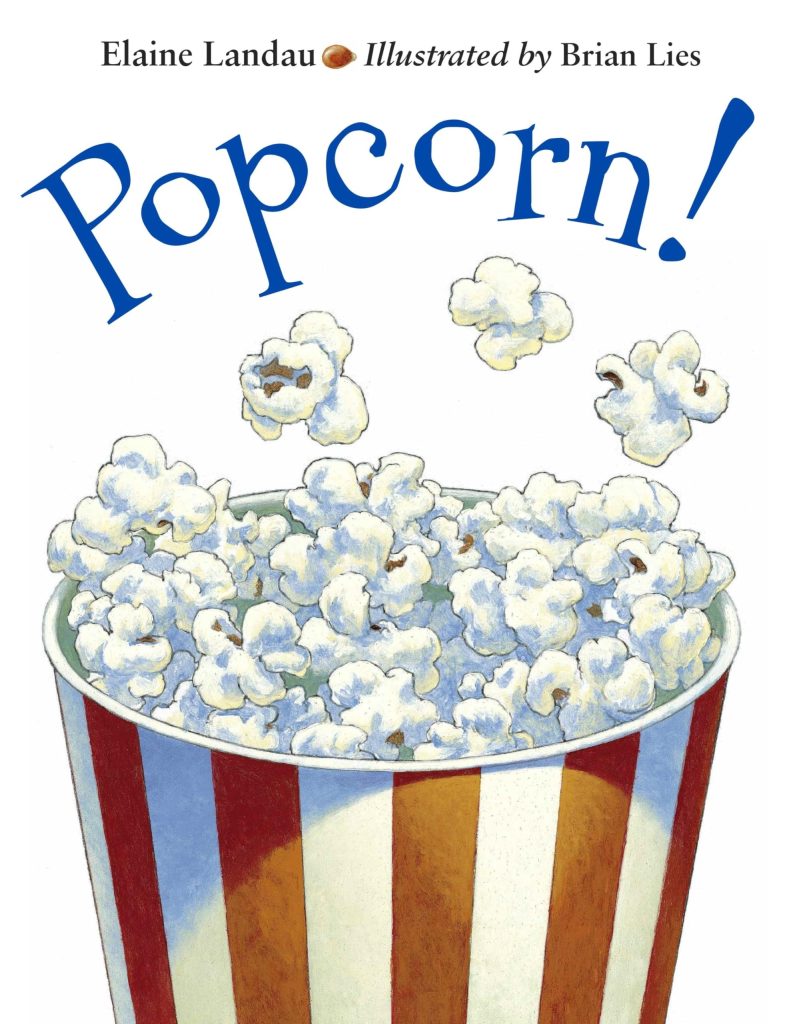
⚰️ 2013 – Passed away: Elaine Landau
An immortal American realist children’s science fiction writer of the mid-to-late 20th century (1948–2013).
- Key representative works: “Popcorn!” (Popcorn!)。
- Literary status: With an almost obsessive academic rigor and a deep empathy for life, Landau wrote hundreds of classic anthropological nonfiction works for children, focusing on food history, natural wonders, and social sciences. She was exceptionally skilled at transforming hard data and scientific principles into engaging and relatable narratives for children, and her representative works consistently rank high on the must-read science lists for young readers in major libraries across the United States.
| Passed Away | Elaine Landau | Elaine Landau (Encyclopedia) |