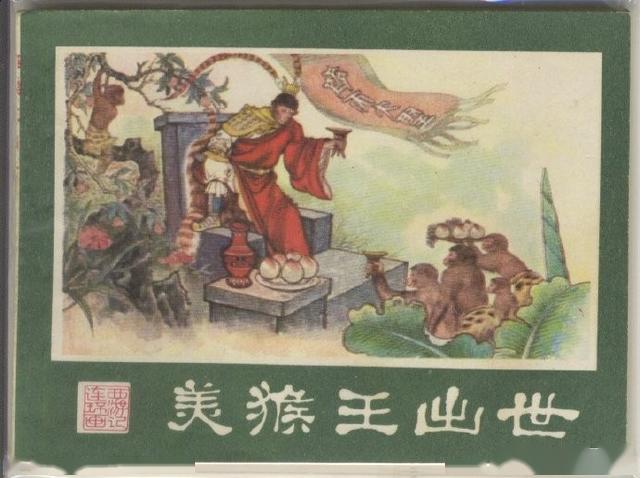
Not long ago, I chatted with a mother on an early childhood education forum about her four-year-old daughter and a book. Her daughter was obsessed with the “Journey to the West” comic book series, reading it repeatedly every day without getting tired of it, and even taking on the roles of Tang Sanzang and Sun Wukong. The mother was worried that if this continued, her daughter might lose interest in other books. I said, “Congratulations! Congratulations! It’s wonderful that your child is so engrossed in books. It took me a long time to find a book that my daughter could love.”
I’m a complete bookworm, and coincidentally, my work has given me a special interest in children and children’s books. So, as soon as my daughter was born, I was determined to raise her to be a little bookworm. How? The renowned British children’s literature author and children’s reading expert, Mr. Chambers, has a very insightful observation: cultivating reading skills is similar to a master-apprentice relationship. In other words, it’s a process of teaching by example, and as the “master,” we must fully trust our own experience.
Look at my adorable little apprentice! The moment I saw her, I fell in love with her from the bottom of my heart. She was very quiet, her two little fists clenched, carefully examining every living thing that passed before her. Everyone seemed to want to say something to her, and I don’t know which voice touched her, but she smiled. I think she understood everything. If she had the ability to communicate with language at that moment, she would have told me many, many secrets.
We started with the most basic training—listening. Normal people are born with hearing, but not everyone knows how to listen. Listening is a skill that needs to be cultivated, and those who can listen are fortunate. In the first six months after our daughter’s birth, we practically became experts in nursery rhymes and Tang and Song dynasty poems, many of which we could recite effortlessly. When close friends came to visit, we would always remind them to recite a few Tang poems beforehand, because the easiest way to amuse this little one was to recite a few lines while swaying their heads. I didn’t expect my daughter to actually memorize them; I just hoped she could use her hearing to fully experience the joy that language brings. I remember when she was seven or eight months old, the first time I recited “The Song of the Pipa” to her, she, who couldn’t speak yet, actually babbled along, each rhyme perfectly matched.
Listening skills are crucial for the development of bookworms. We can choose an appropriate time to start reading aloud to our children as early as possible. In this way, we can pass on our passion for books to our children and teach them how to read.
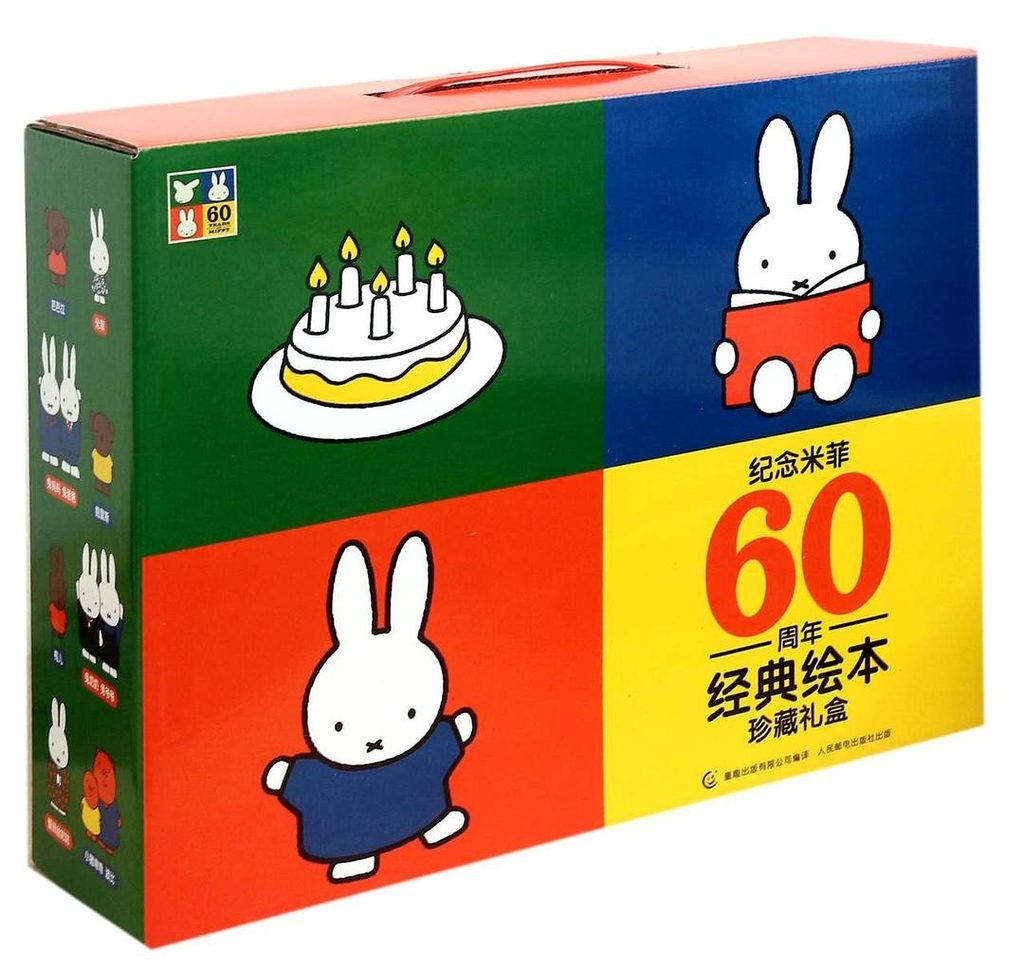
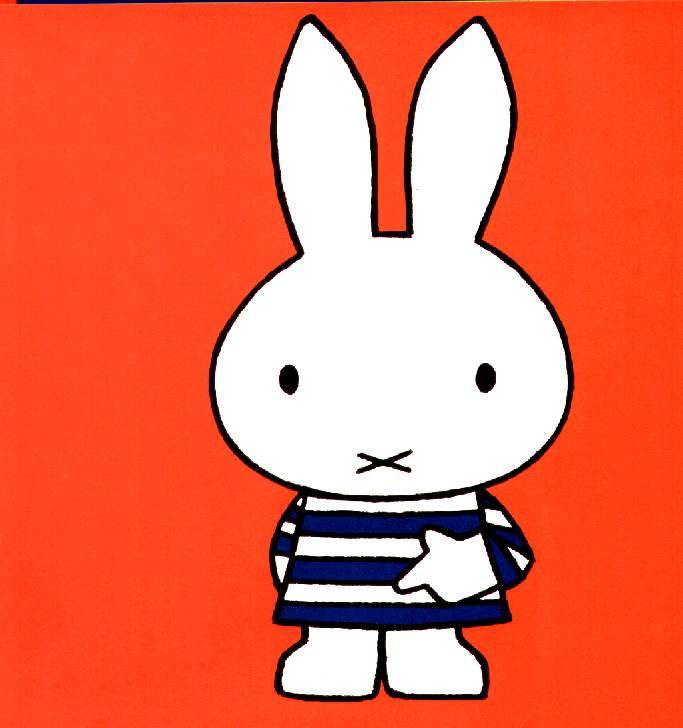
Next, my young apprentice needed to practice reading. Having eyes and vision doesn’t necessarily mean you can read; many people hold a book but their eyes are completely blank. Long before children can glean information from words, they can already read stories and find enjoyment in pictures. Picture books with simple, direct illustrations yet engaging stories are the best choice for this stage, such as Dudu Bear from *Baby Pictorial* or Miffy from the *Dick Bruner* series. I was also fortunate enough to find a set of *Glorious Childhood* children’s song animation VCDs, where each song was paired with a fitting original animated short film, each short film like a small, well-structured story. These excellent materials captivated my young apprentice’s attention, teaching her to pay attention to, associate with, and savor the world composed of words and pictures.
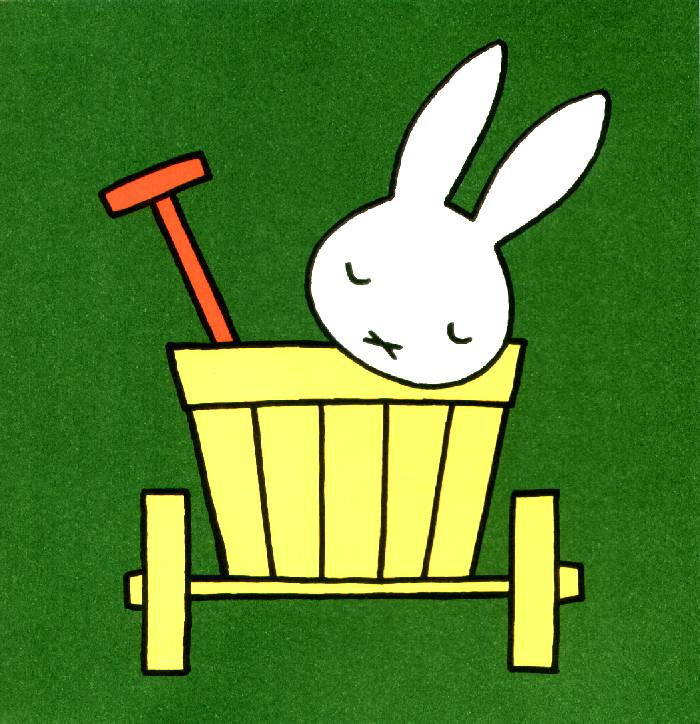
If you see a child under one year old sitting on the floor, flipping through a book with great interest, even if it’s just turning the book upside down (like my daughter used to do), don’t assume it’s innate; it’s definitely something they’ve learned.
Learning to listen and learn to read is far from enough for bookworms; they also need to know how to play and be fascinated by it.
In my daughter’s little bedroom, half the walls are made of books. Books belonging to her parents are out of her reach, while her own are within easy reach. Some of her books need to be read to her, some she can browse freely, and some are purely toys—like large foam puzzle books, “fun” books with hands and feet, and the most fun ones are car books with four wheels. When the sun is blazing and we’re feeling lazy, we sometimes go outside to play with our car books. We sit on the concrete playground or on a quiet roadside, and I push one over and shout “Bulldozer!” while my daughter pushes it over and shouts “Ambulance!” Then we both burst into laughter.
These books have gradually become part of our family. Sometimes we greet Peter Pan, “Oh, long time no see!”, and sometimes our daughter says “goodnight” to the Teletubbies or the Seven Dwarfs before going to sleep. When she’s in a good mood, she’ll even “read” stories to her little teddy bear. Whether we’re going out for a meal or hiking, we never forget to bring books. Once, when we went hiking, I told her she could only bring one book that day. So she thought for a moment, put down a book, and said to it, “Little crab, you stay home and be good. Today I’m taking the kitten with me.” Haha, turns out that’s a kind of honor!
But I was still somewhat unsatisfied, because I felt she hadn’t yet encountered a book that truly captivated her. You see, for a bookworm: one cannot truly read without being completely engrossed!
When my daughter was about two and a half years old, our whole family went on a trip and stayed at a resort. As usual, my daughter picked out a few books, which we took with us. The next morning, she woke me up very early, holding a large book in front of me. I looked at the clock—it was only seven o’clock! I said, “Spare me, let’s sleep a little longer.” But she insisted on reading it to me. So I had no choice but to get up and read it over and over again. It was a book from the “Colorful World Classic Fairy Treasure Trove”—“The Little Elf and the Steam Carriage.” To this day, I still can’t figure out what was so special about this story that attracted her, but from then on, we read it to her repeatedly for at least a month, and she “read” it to her toy bears for a month as well. My daughter showed a kind of dedication to this story that only a bookworm would have.
Let’s reminisce; every book lover has a similar story. Isn’t that right? If you hope your child will grow up to be a happy, book-loving abbot, why not try to find that first book that captivated them?
- (This article is an old draft by A‑Jia published in “Parents’ Must-Read” in May 2003. The original text is reproduced verbatim without any revisions.)