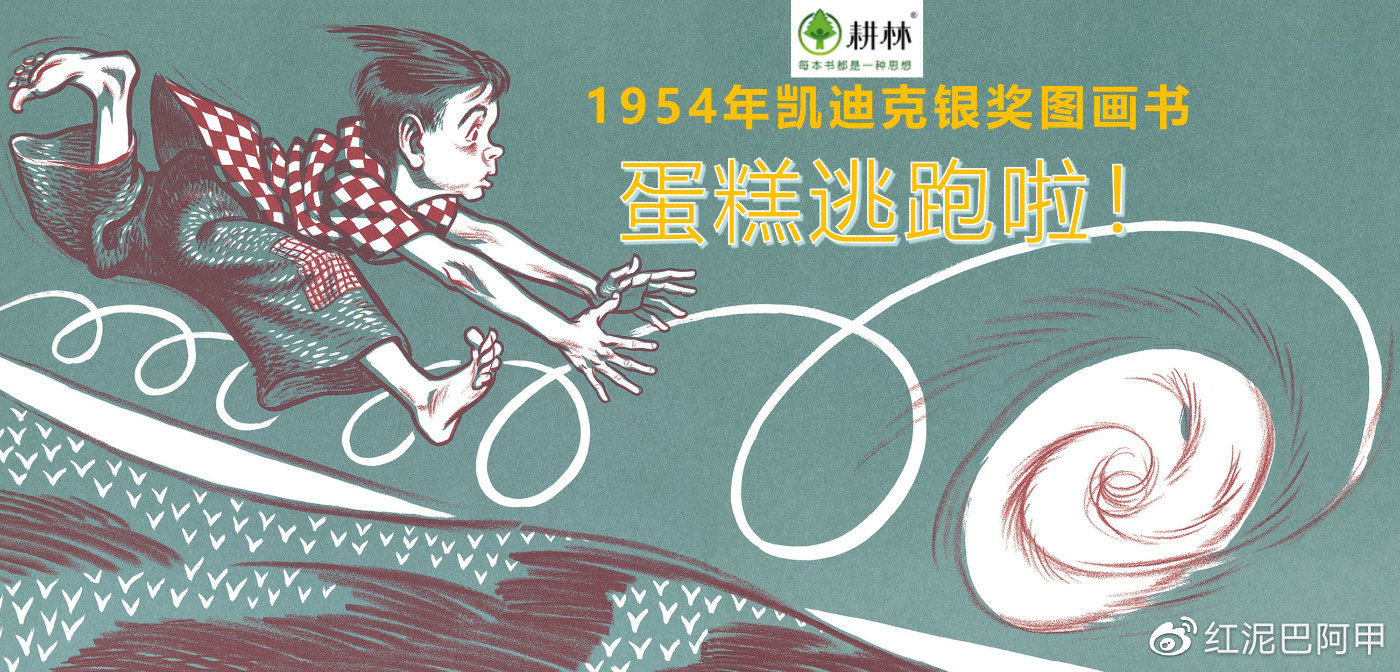
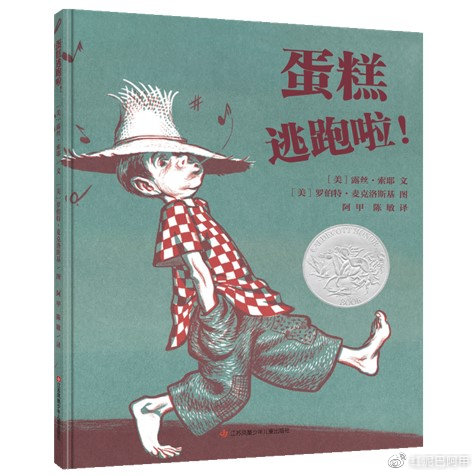
 The cover of “The Cake Ran Away!”
This is a story that is somewhat absurd yet exceptionally cheerful.
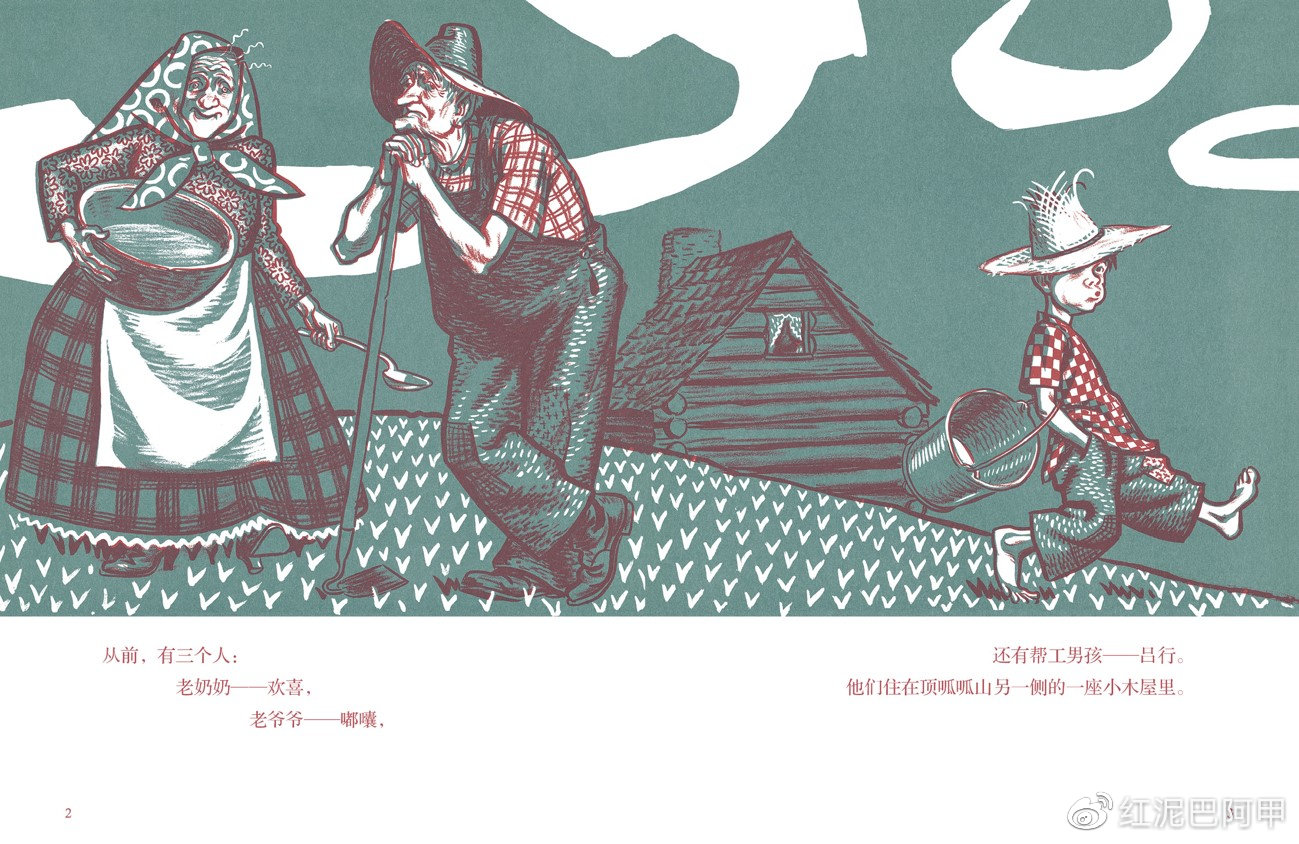 Inside pages of “The Cake Ran Away!”
On one side of Dingguagua Mountain lived an elderly couple and their helper, a boy named Lü Xing. Their world was peaceful and beautiful until—all their animals were gone. The old couple decided to send Lü Xing to find new employment so he could live a better life.
Before Lü Xing left, the old lady specially prepared a travel cake for him. As Lü Xing began his journey, the cake rolled away. Along the way, Lü Xing and the cake passed through various places, and animals everywhere they went joined the chase… Lü Xing brought back a large group of animals, and the old couple were overjoyed. Life returned to its tranquility; they hugged, sang, and celebrated. It turns out, life is full of unexpected opportunities—isn’t that true?
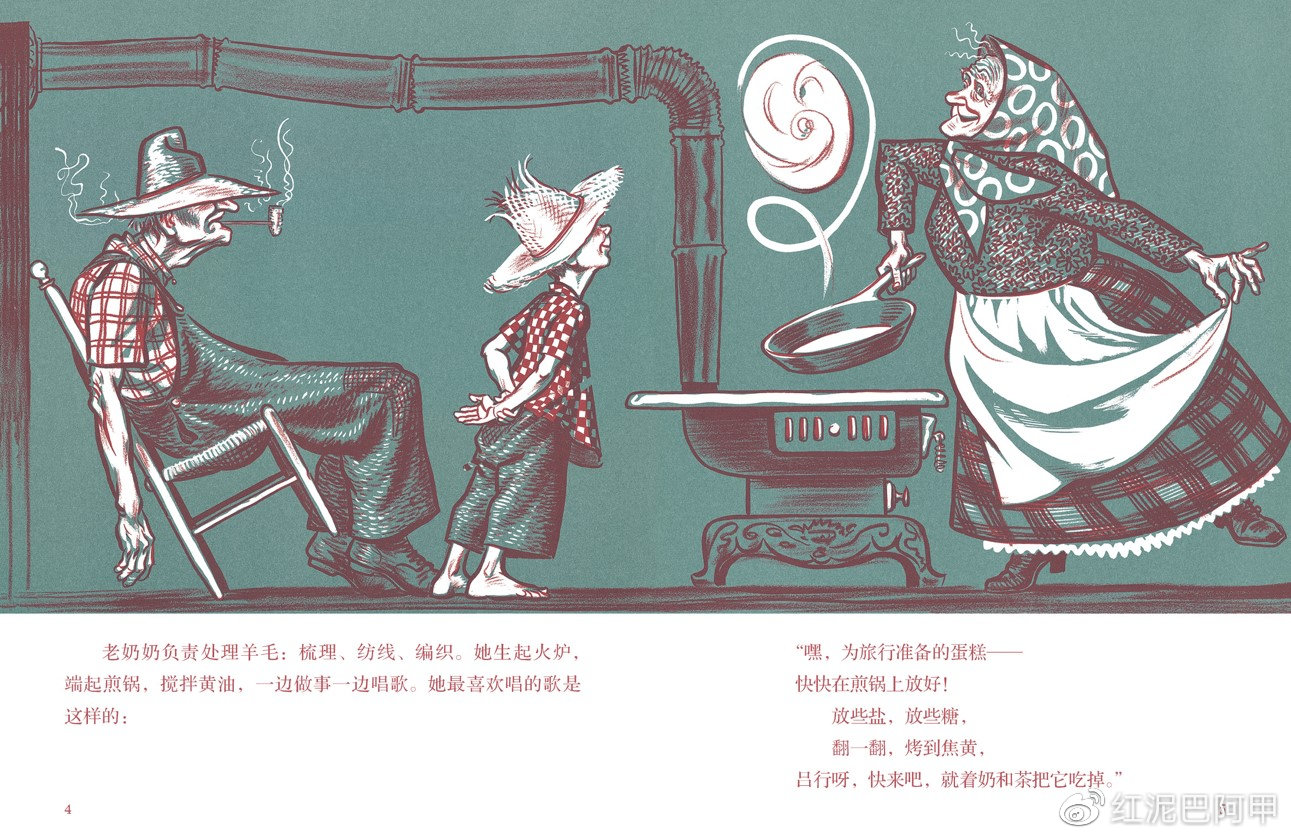 Inside pages of “The Cake Ran Away!”
The most fun character in the story is probably the boy helper.Lü Xing—Yes, the pronunciation is the same astravelSame! SoTravel cakeIn the end, it will becomeLvxing Cake!thisLü XingWhat kind of person is he?
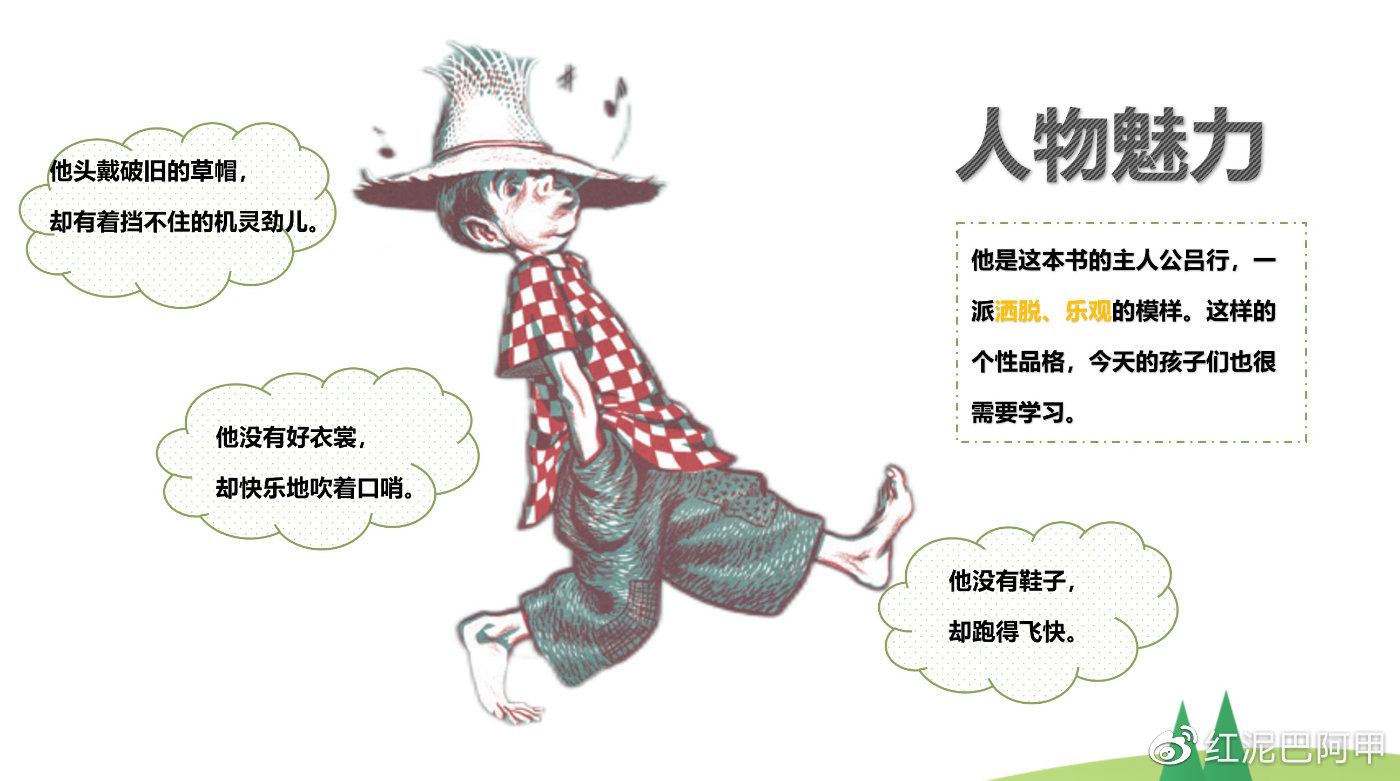
To be honest, he was an exceptionally optimistic boy. No matter what happened, he seemed capable of continuing to whistle, hopping along on his left foot, right foot, left foot… Until that day when his last ration of food…Travel cakeThey ran away! Yes, it’s only here that we might realize the true protagonist of this story is a round…Travel cake!
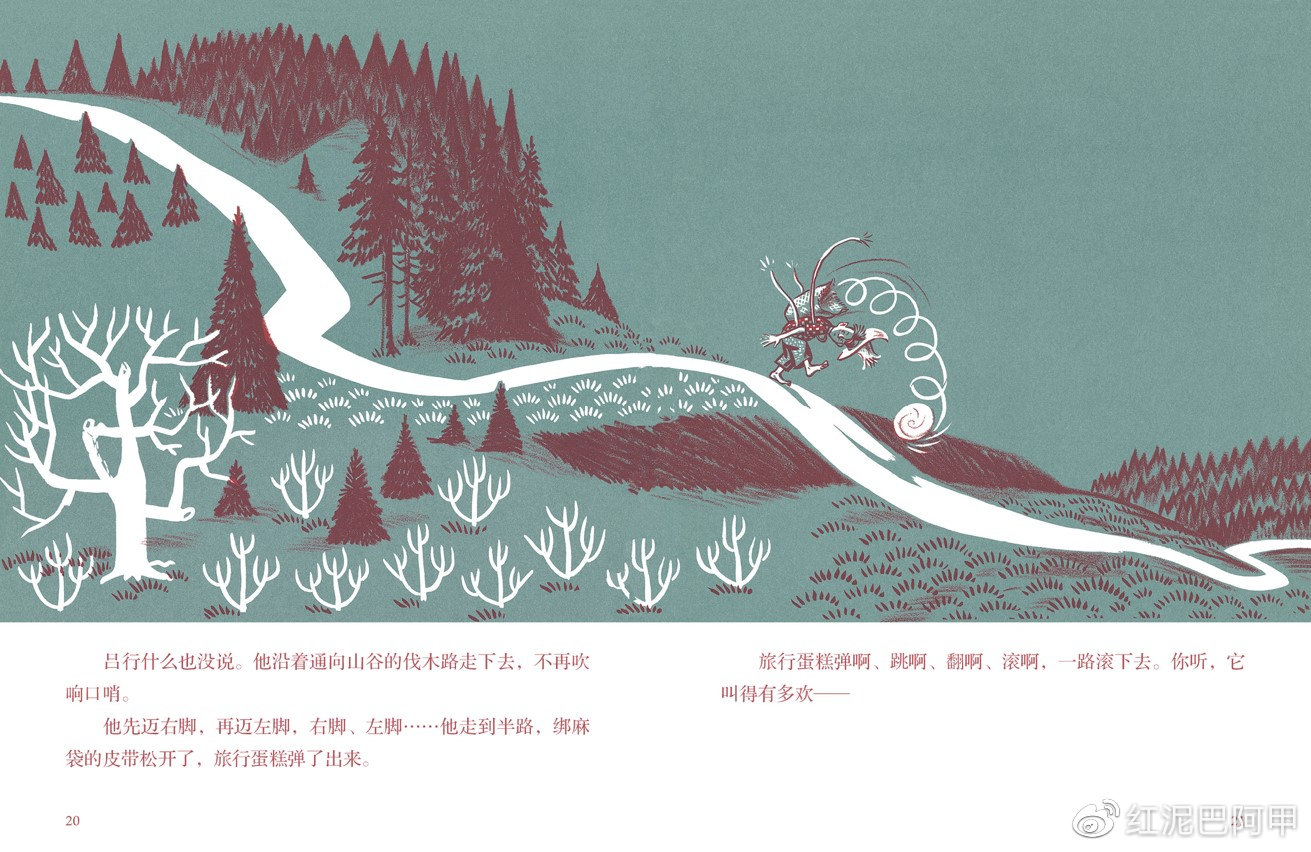
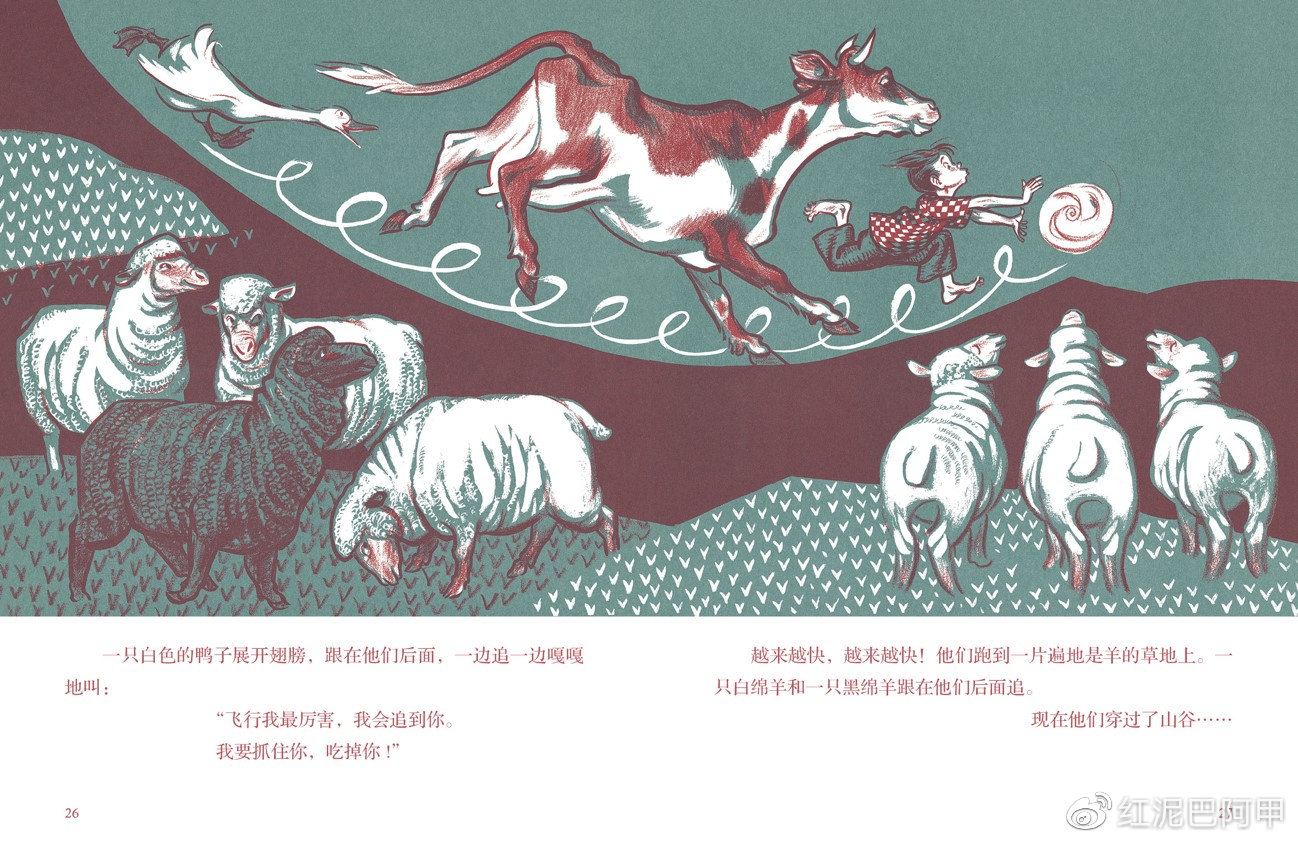 Inside pages of “The Cake Ran Away!”
Can we catch the cake that’s run away so happily? How can we catch it? Will it go hungry if we can’t? —Don’t worry, this is a perfectly happy ending. The author tells the story in a very smooth way, and the illustrator draws it just as smoothly. Notice how circles appear throughout the entire book? The cake is still spinning in circles even at the very end…
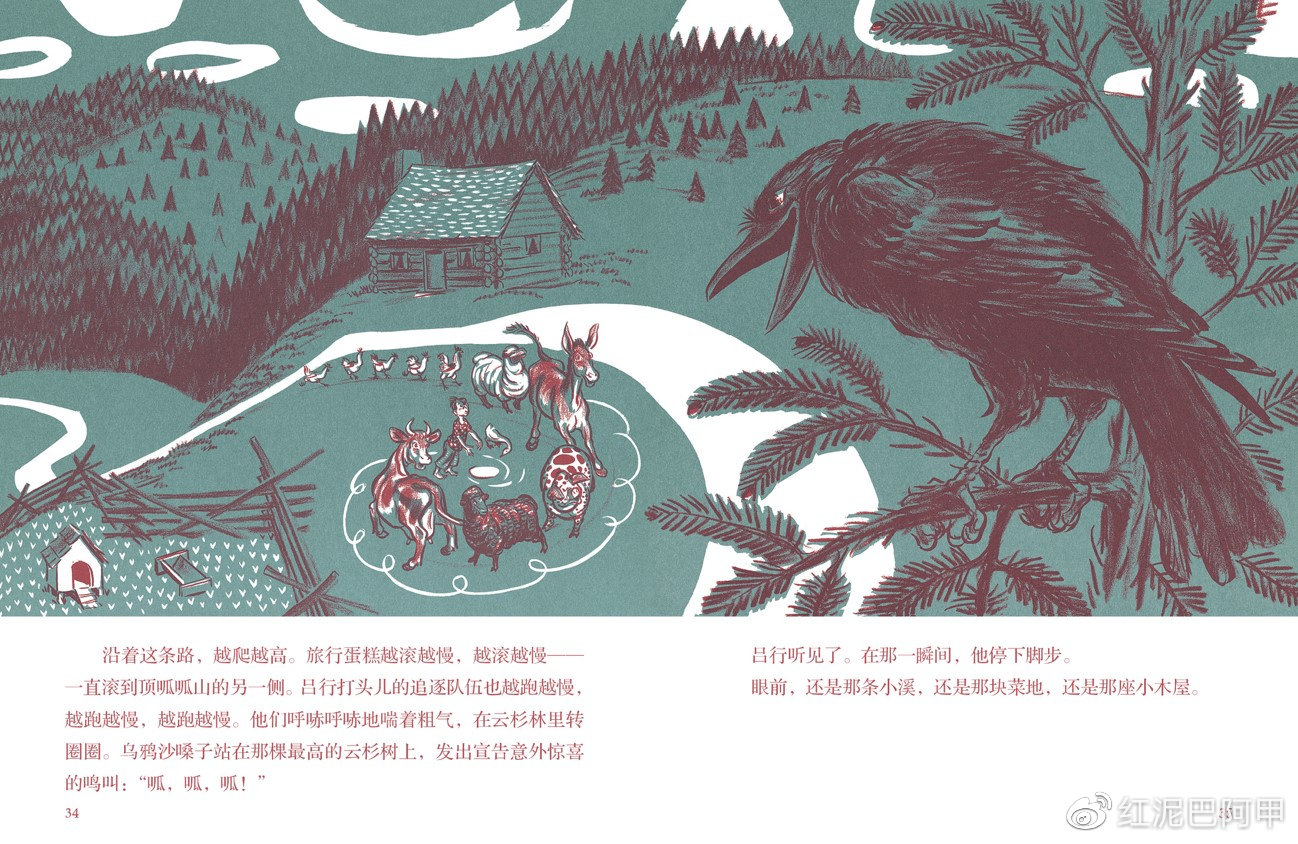 Inside pages of “The Cake Ran Away!”
Don’t believe me? Look, even when they’re dividing the cake at the end, there are so many circles in the picture—
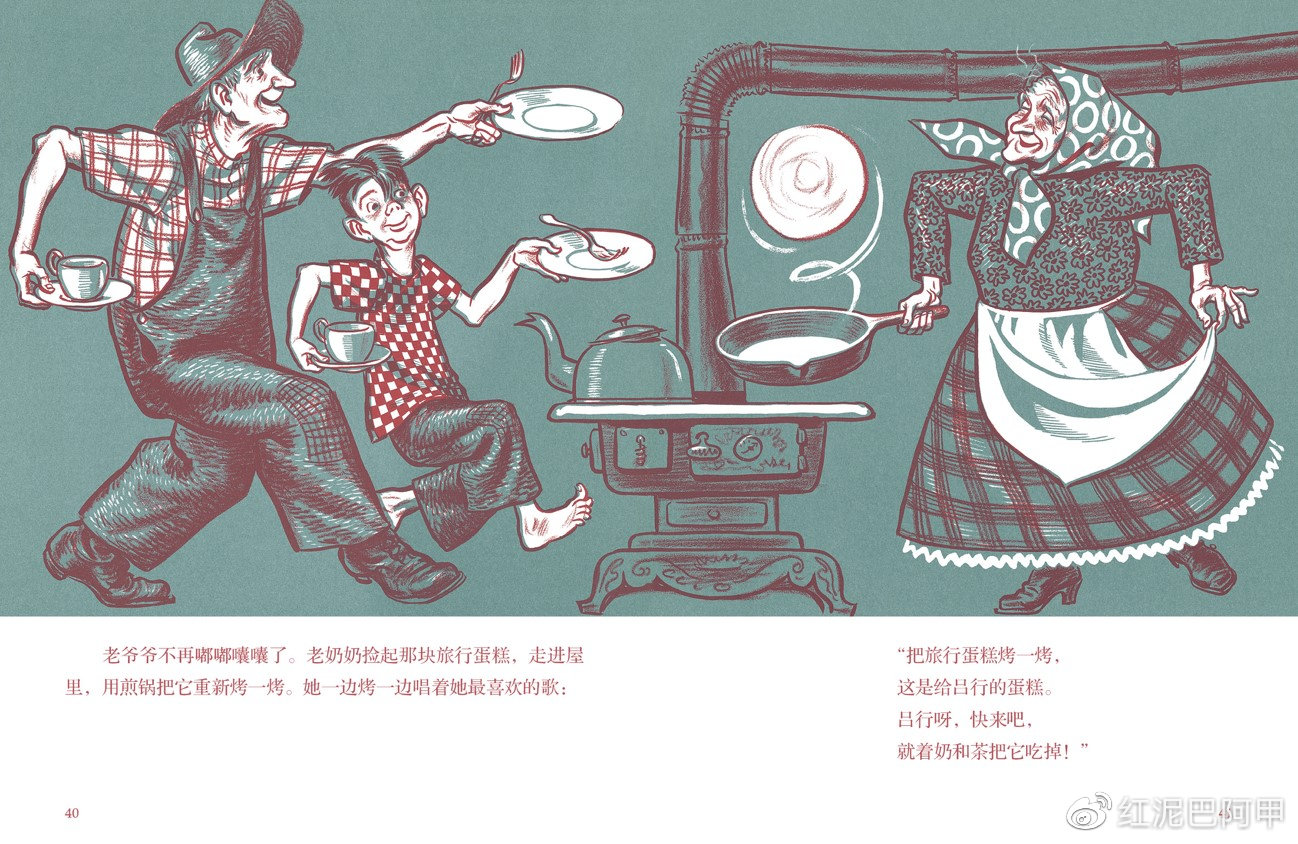 Inside pages of “The Cake Ran Away!”
Such a happy ending is quite enjoyable to read. The story has a strong traditional folk tale flavor, interspersed with nursery rhymes, which are repeated constantly, and the plot is layered until it brings a surprising happy ending.
What’s particularly amusing is that this book is still… A creative duo of a gold medal son-in-law and a gold medal mother-in-law! The son-in-law is Robert McCloskey, a two-time Caldecott Medal winner, and the mother-in-law is Ruth Sawyer, the 1937 Newbery Medal winner.
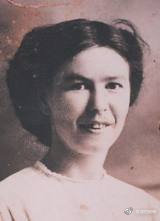 Ruth Sawyer
Let’s start with the author, Ruth Sawyer, who lived to a very old age. She was a renowned American storyteller, children’s book author, and teacher. She was an exceptionally skilled storyteller and writer. She also had a talent for collecting, organizing, and retelling folk tales, a skill similar to that of the Brothers Grimm. However, what truly made her famous was her 1937 Newbery Medal-winning children’s novel, *Lucinda the Roller Skating Girl*.
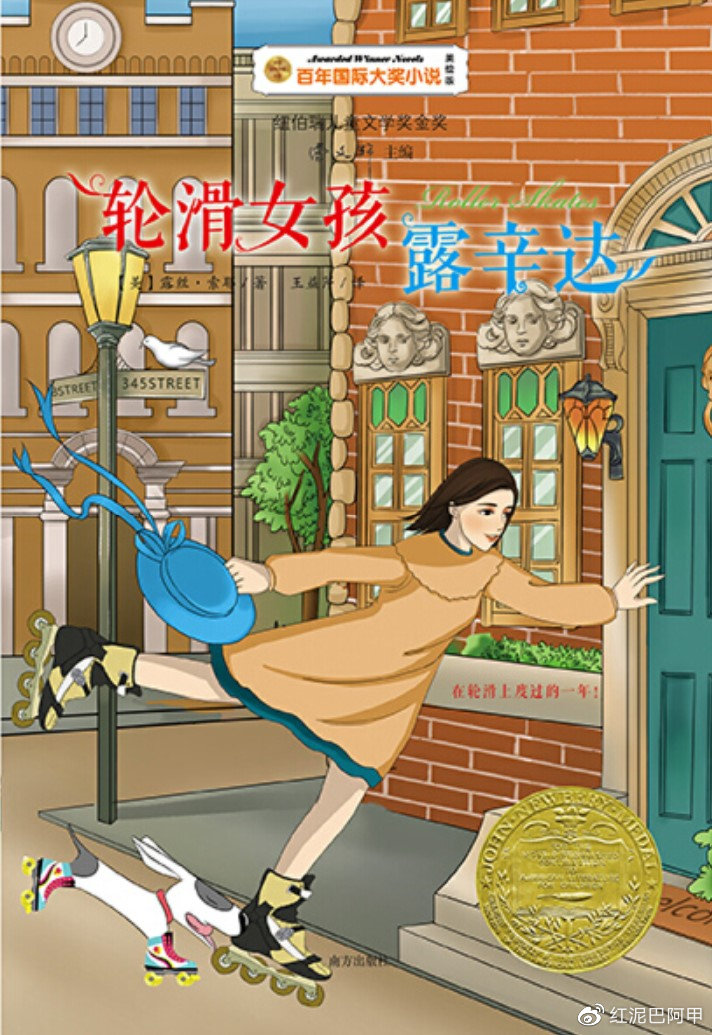
However, the story of “Journey Cake, Ho!” was born thanks to her ability to compile and retell folk tales. The story’s predecessor may have come from “Journey Cake” in Joseph Jacobs’ “English Fairy Tales”. The original text of this classic English fairy tale is attached at the end of the article for comparison.
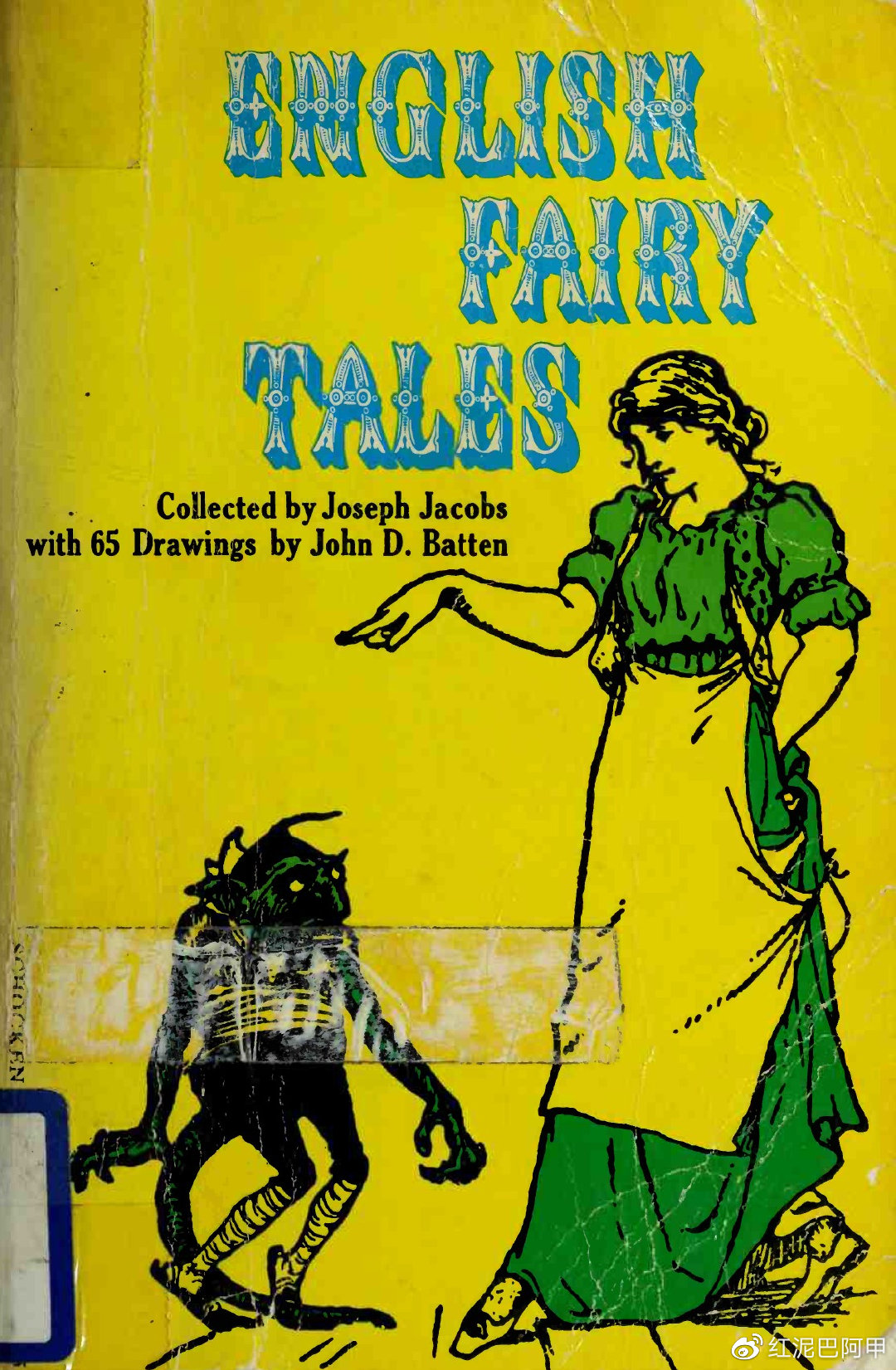 Original cover of “The English Fairy Tales”
Furthermore, attentive readers can also find echoes of classic fairy tales like “The Golden Goose,” “The Gingerbread Man,” and “The Pancake” in this story. For instance, in “The Golden Goose,” a series of people chasing the golden goose end up stuck together, while “The Gingerbread Man” and “The Pancake” are both stories of food escaping and ultimately ending up in the mouths of cunning foxes or pigs. The story of “The Pancake” from “100 Enduring Human Stories” is also included at the end for comparison.
Ruth Sawyer’s story, *The Cake Ran Away!*, is set in the American mountains. The protagonist, Lu Xun, embodies the “fool” archetype from traditional folktales—a carefree, optimistic person who acts on instinct with a cheerful disposition, lacking guile and always finding good fortune in simple things. Compared to the folktales mentioned earlier, Ruth’s story is the most fulfilling and joyful!
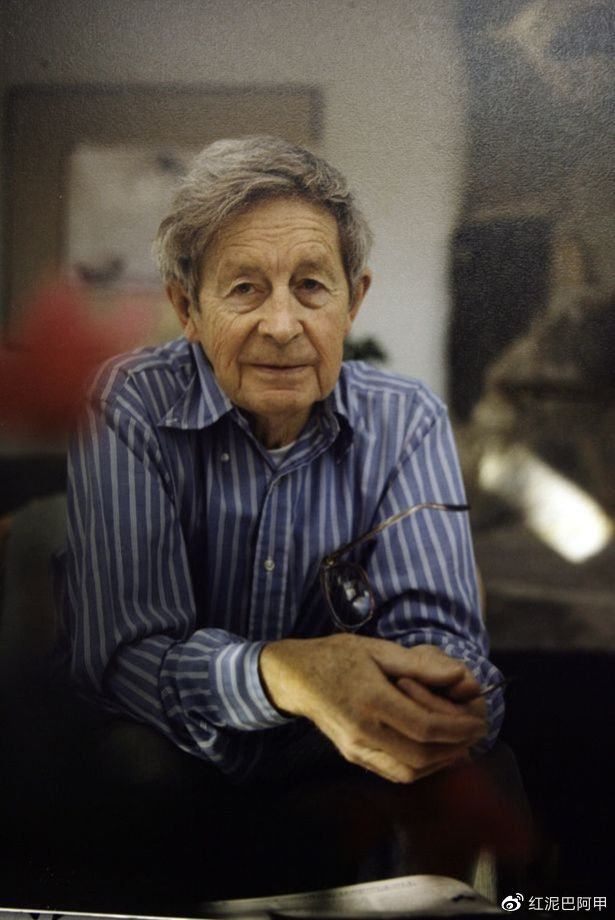 Robert McCloskey
Then there’s the illustrator, Robert McCloskey (1914–2003), who also lived a long life. This master picture book author didn’t produce a large number of works, but his award-winning rate was very high, receiving two Caldecott Medals and three Caldecott Honors. Take a look at his award-winning works; are there any you’ve read and enjoyed?
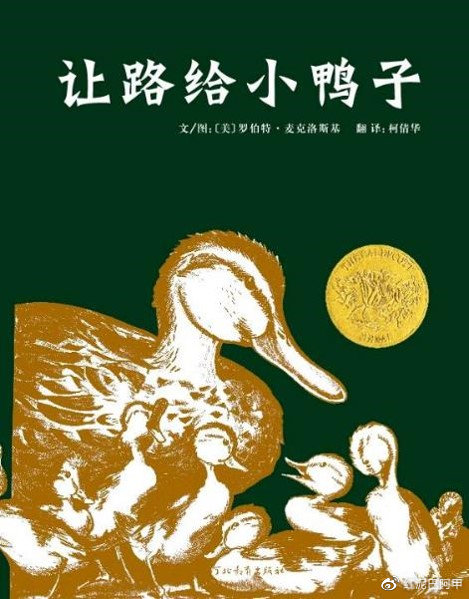 The gold medal-winning work, “Make Way for the Ducklings”
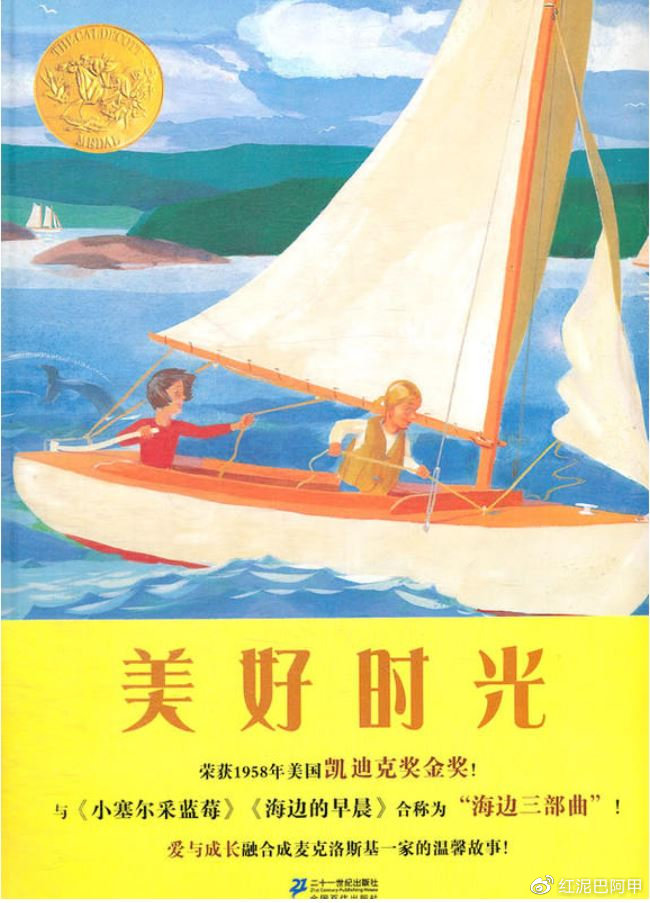 Gold Award Winning Work: “Beautiful Times”
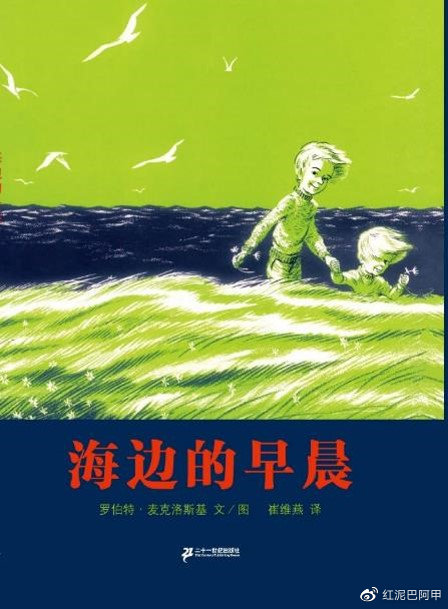 Silver Award Winner: “Morning by the Sea”
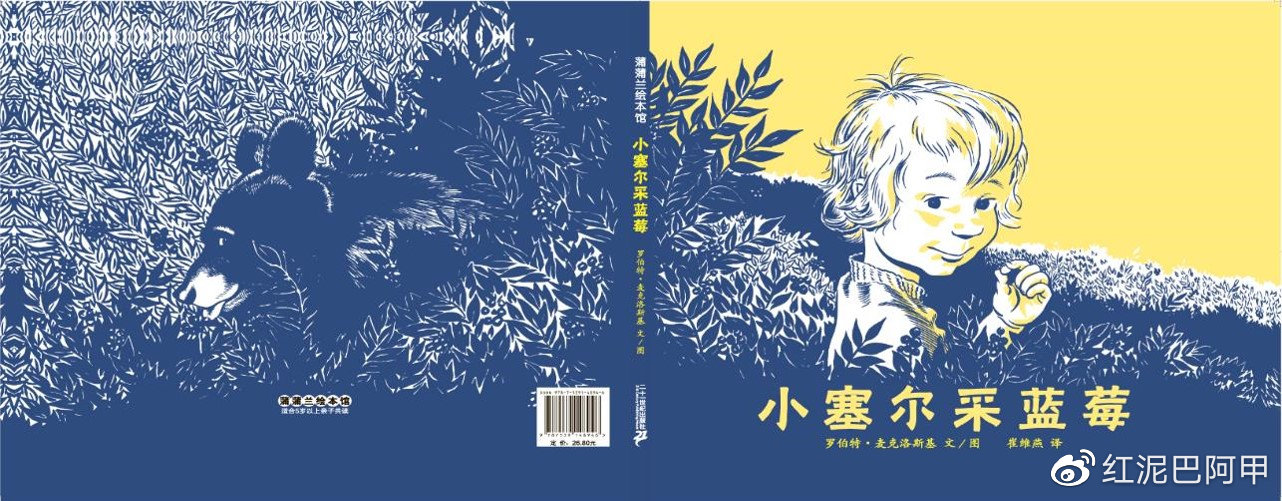 Silver Award Winner: “Little Sel Picking Blueberries”
Are all of them classics? Among them, *Make Way for Ducklings* is probably the most popular, because it gave McClossky some savings, allowing him to buy property on Deer Island, Maine, and live a secluded artist’s life. *Little Sel Picking Blueberries* is based on his family’s life there; Little Sel is his eldest daughter, and Sel’s mother is depicted in the book based on Ruth Sawyer’s daughter, Margaret. Sel later had a younger sister, which can be seen in *Morning on the Beach*. As the younger sister grew older, she could sail freely with Sel around Deer Island; their story is in *Good Times*. —Just imagine, because he won the Caldecott Medal, he had the money to live a secluded life in such a beautiful place, then turned that secluded life into a book, and continued to win gold and silver medals! Where else in the world can you find such a good thing?! It must be said, Robert McClossky was very fortunate.
Just a little gossip: why did Robert become Ruth Sawyer’s son-in-law? How did they come to have the opportunity to work together? It must have been due to their shared editing…May MasseyThat’s relevant. To learn more about this legendary editor’s story, you can read the relevant section of *A Short History of Picture Books*.
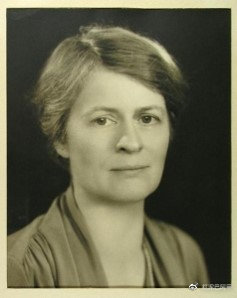 Legendary editor May Massey

Readers familiar with Robert McCloskey’s style might find “The Cake Ran Away!” a bit unlike his work; we can compare it to the style of “Make Way for the Ducklings”—
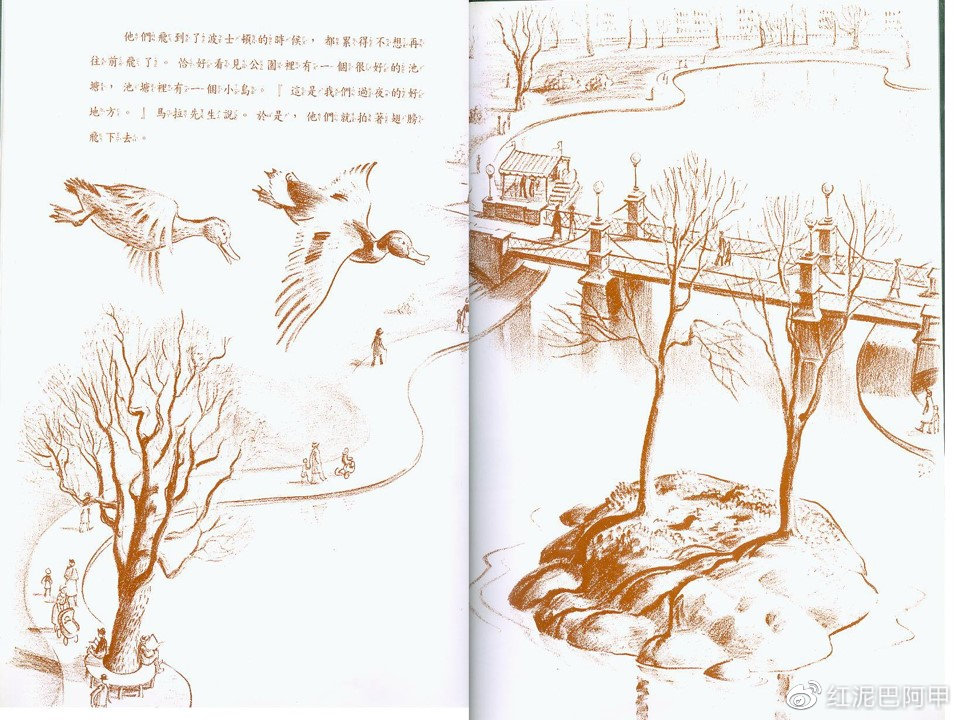 Special-colored inner pages for “Make Way for the Ducklings”
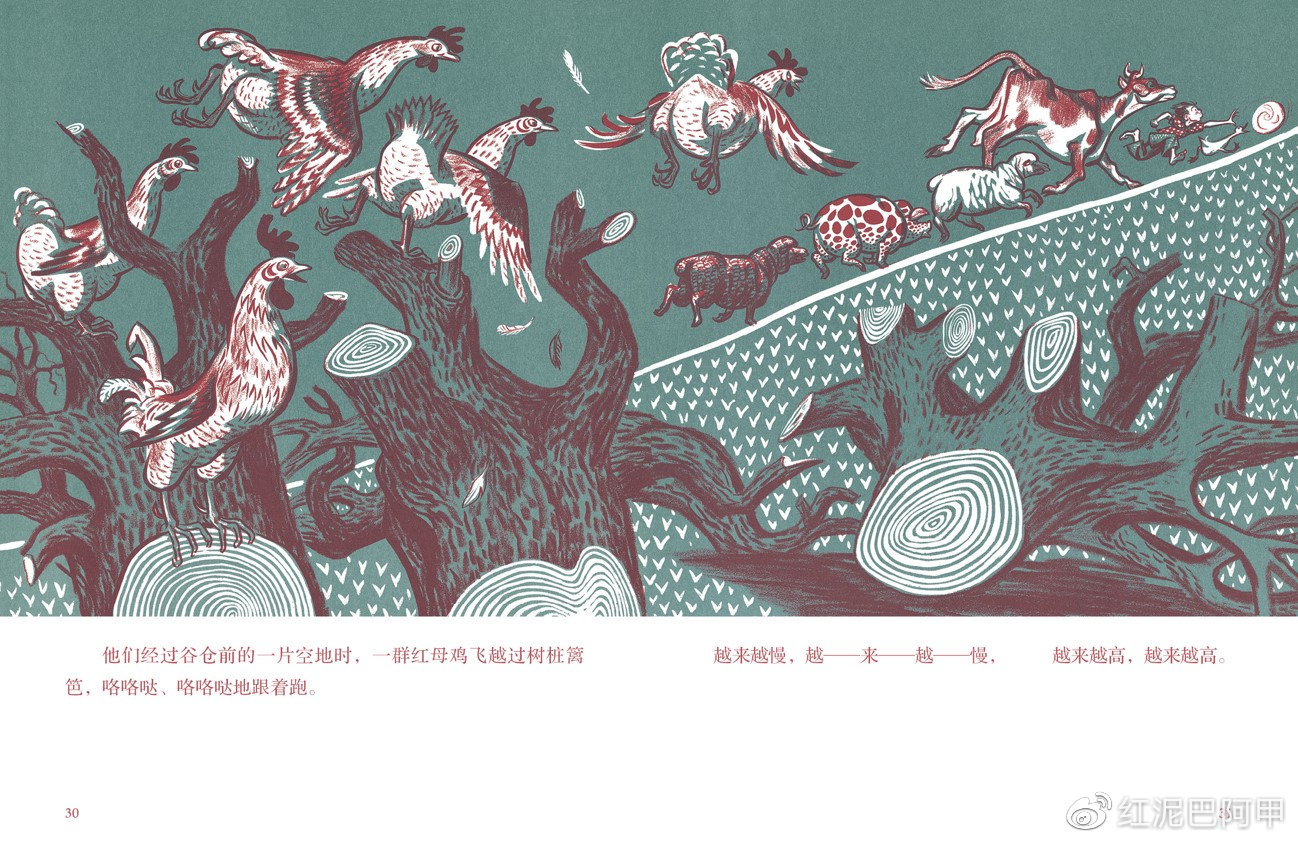 Inside pages of “The Cake Ran Away!”
“The Cake Ran Away!” features a rather rare woodcut style in McClossky’s work; perhaps only in this way can the story appear particularly old-fashioned, complementing Ruth Sawyer’s vintage folktale charm. It’s said that creating this book was a challenge for McClossky, and judging from the result, he was a great success!
The combination of some absurd and cheerful stories with rather exaggerated and cheerful illustrations makes up this cheerful classic.
More similar and fun versions of the story—
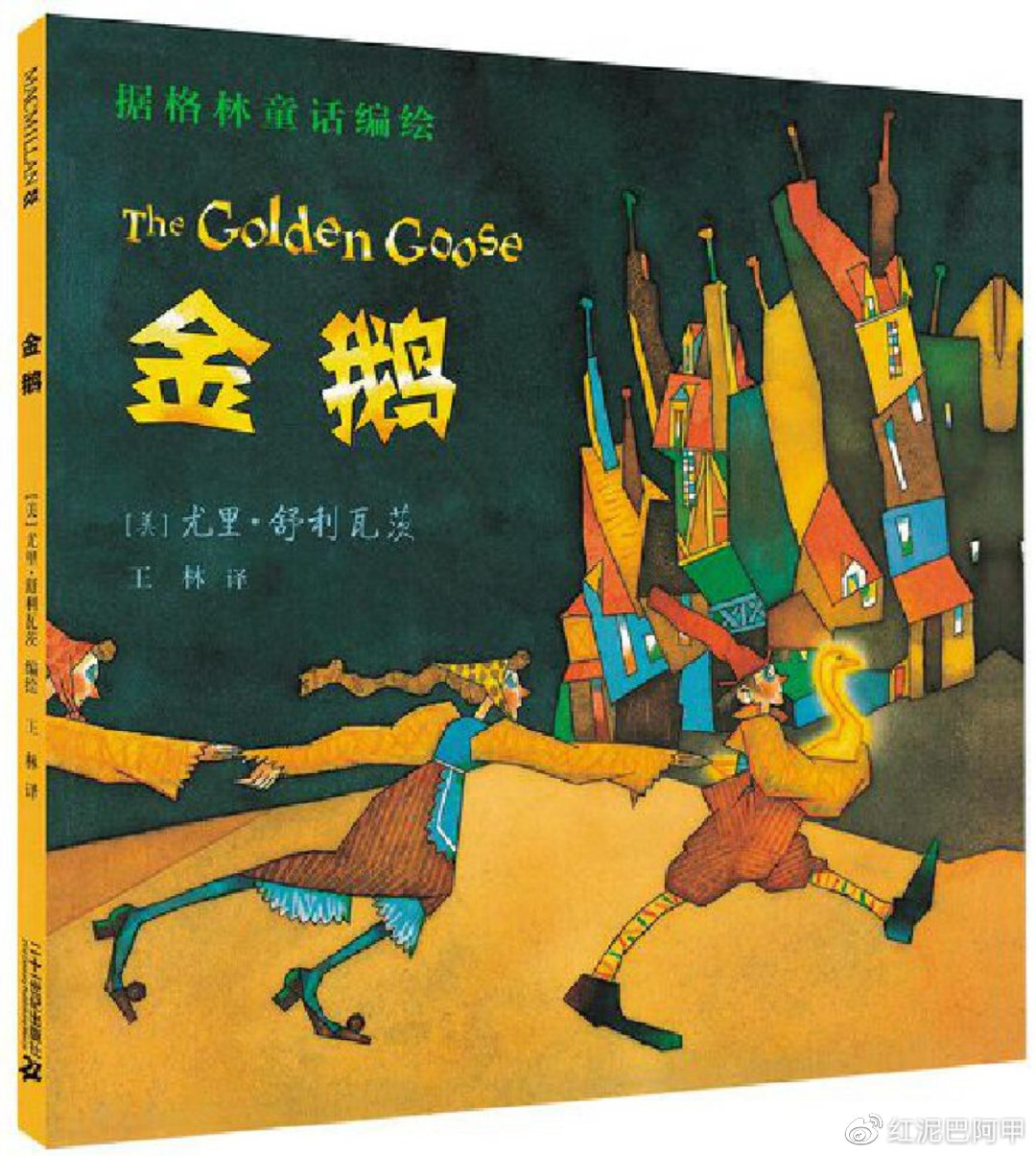 The Golden Goose – Yuri Shulwitz’s Retelling
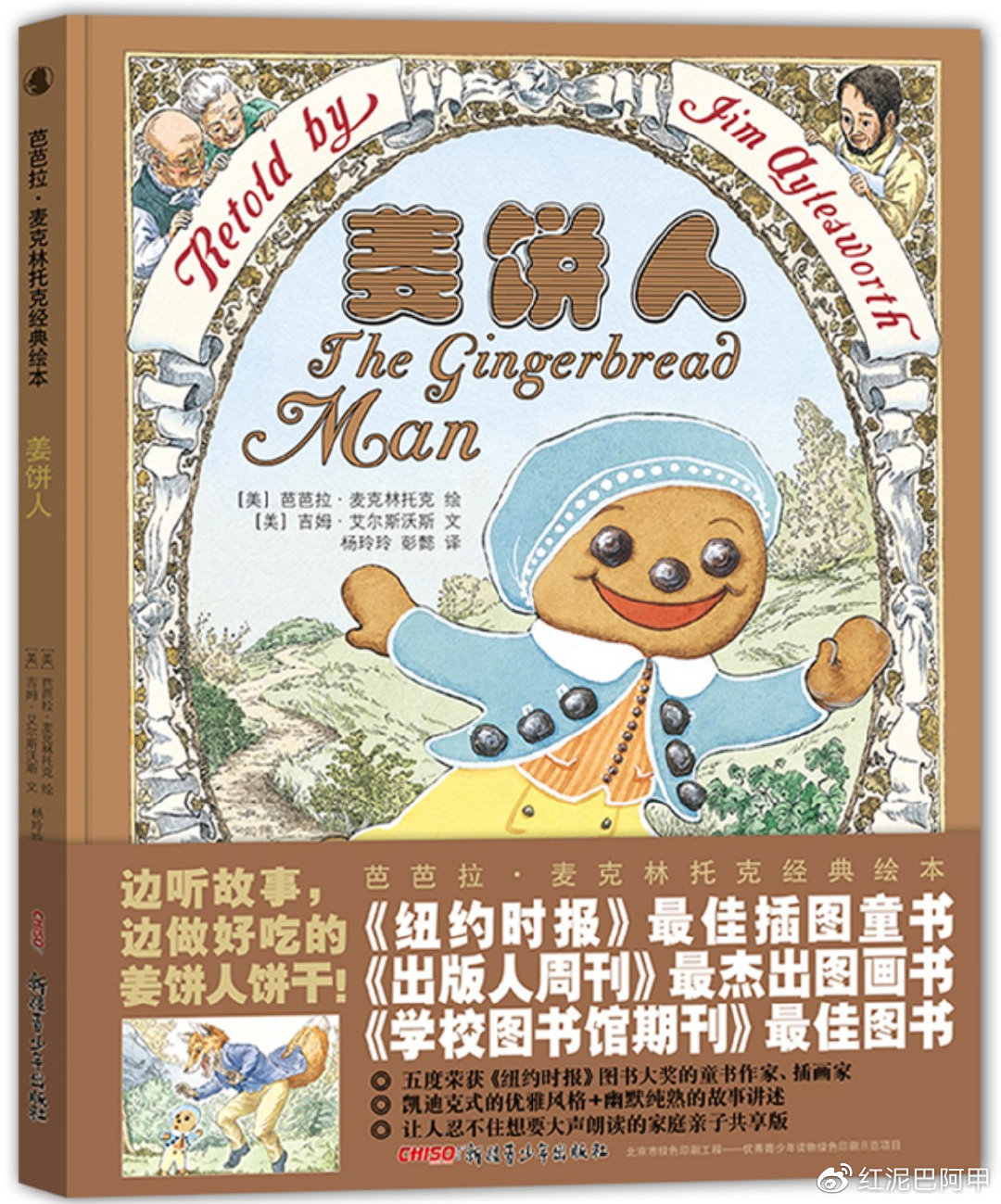 Gingerbread Man
The Norwegian folktale “The Pancake” (from “100 Enduring Stories of Humanity”)
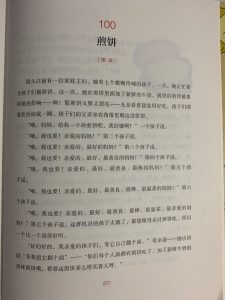
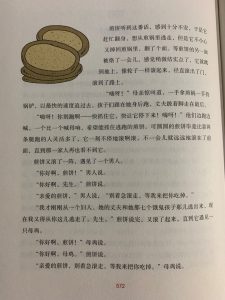
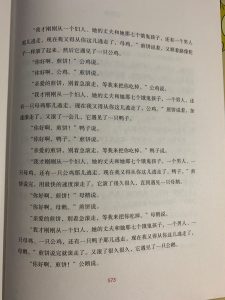
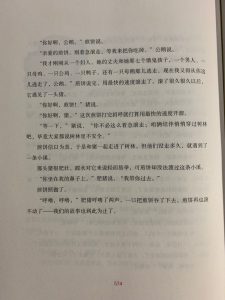
The Norwegian folktale “The Pancake”
English folktale Johnny-Cake
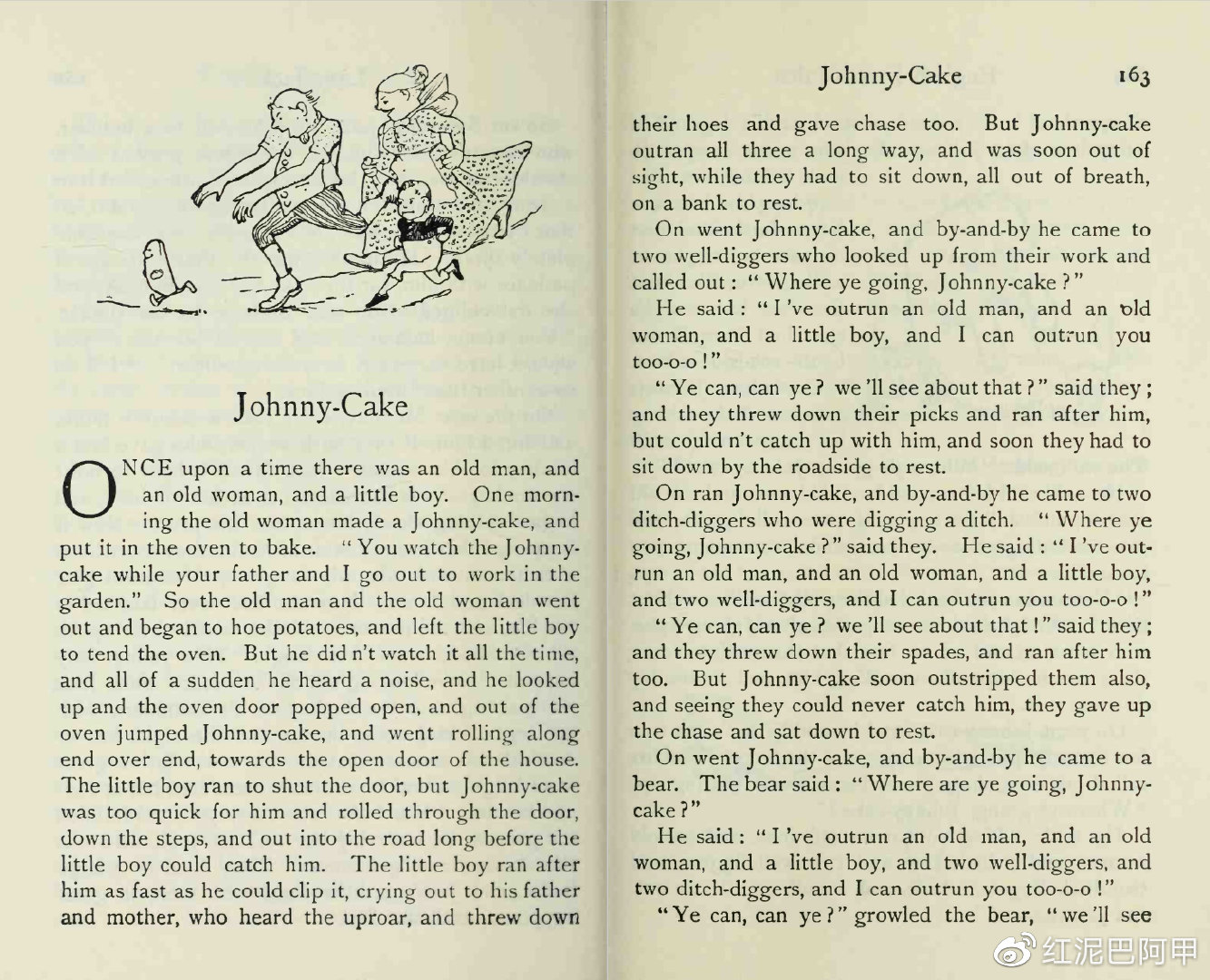
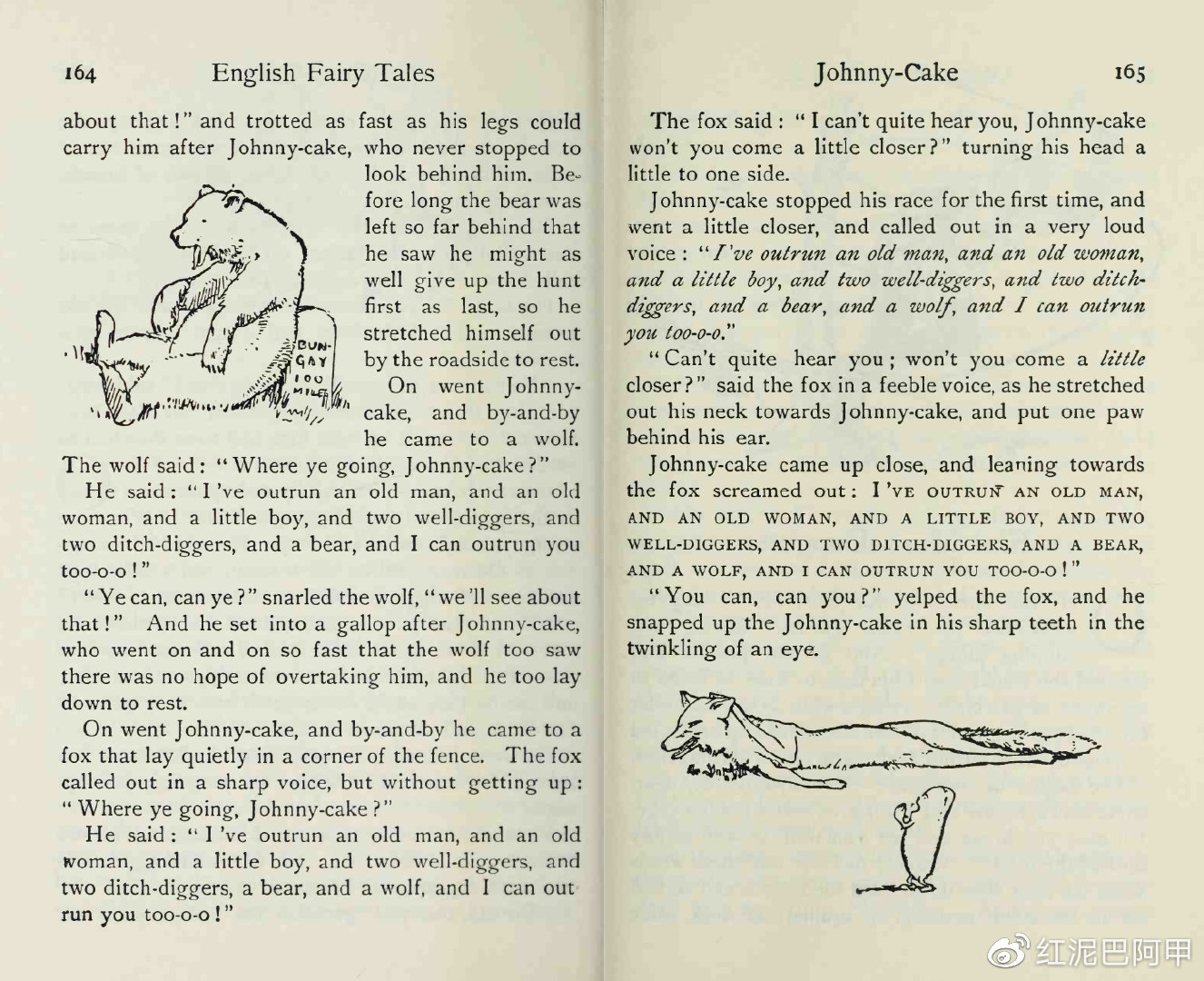
The original English text is as follows:
Johnny-Cake
Once upon a time there was an old man, and an old woman, and a little boy. One morning the old woman made a Johnny-cake, and put it in the oven to bake. “You watch the Johnny-cake while your father and I go out to work in the garden.” So the old man and the old woman went out and began to hoe potatoes, and left the little boy to tend the oven. popped open, and out of the oven jumped Johnny-cake, and went rolling along end over end, towards the open door of the house. The little boy ran to shut the door, but Johnny-cake was too quick for him and rolled through the door, down the steps, and out into the road long before the little boy could catch him. three a long way, and was soon out of sight, while they had to sit down, all out of breath, on a bank to rest.
On went Johnny-cake, and by-and-by he came to two well-diggers who looked up from their work and called out: “Where ye going, Johnny-cake?”“
He said: “I’ve outrun an old man, and an old woman, and a little boy, and I can outrun you too-oo!”“
““Ye can, can ye? we’ll see about that?” said they; and they threw down their picks and ran after him, but couldn’t catch up with him, and soon they had to sit down by the roadside to rest.
On ran Johnny-cake, and by-and-by he came to two ditch-diggers who were digging a ditch. “Where ye going, Johnny-cake?” said they. He said: “I’ve outrun an old man, and an old woman, and a little boy, and two well-diggers, and I can outrun you too-oo!”“
““Ye can, can ye? we’ll see about that!” said they; and they threw down their spades, and ran after him too. But Johnny-cake soon outstripped them also, and seeing they could never catch him, they gave up the chase and sat down to rest.
On went Johnny-cake, and by-and-by he came to a bear. The bear said: “Where are ye going, Johnny-cake?”“
He said: “I’ve outrun an old man, and an old woman and a little boy, and two well-diggers, and two ditch-diggers, and I can outrun you too- oo!”“
““Ye can, can ye?” grew the bear, “we’ll see about that!” and trotted as fast as his legs could carry him after Johnny-cake, who never stopped to look behind him. Before long the bear was left so far behind that he saw he might as well give up the hunt first as last, so he stretched himself out by the roadside to rest.
On went Johnny-cake, and by-and-by he came to a wolf. The wolf said: – “Where ye going, Johnny-cake?” He said: “I’ve outrun an old man, and an old woman, and a little boy, and two well-diggers, and two ditch-diggers and a bear, and I can outrun you too-oo!”
““Ye can, can ye?” snarled the wolf, “we’ll see about that!” And he set into a gallop after Johnny-cake, who went on and on so fast that the wolf too saw there was no hope of overtaking him, and he too lay down to rest.
On went Johnny-cake, and by-and-by he came to a fox that lay quietly in a corner of the fence. The fox called out in a sharp voice, but without getting up: “Where ye going Johnny-cake?”“
He said: “I’ve outrun an old man, and an old woman, and a little boy, and two well-diggers, and two ditch-diggers, a bear, and a wolf, and I can outrun you too-oo!”“
The fox said: “I can’t quite hear you, Johnny-cake, won’t you come a little closer?” turning his head a little to one side.
Johnny-cake stopped his race for the first time, and went a little closer, and called out in a very loud voice “I’ve outrun an old man, and an old woman, and a little boy, and two well-diggers, and two ditch-diggers, and a bear, and a wolf, and I can outrun you too-o‑o.”“
““Can’t quite hear you; won’t you come a little closer?” said the fox in a feeble voice, as he stretched out his neck towards Johnny-cake, and put one paw behind his ear.
Johnny-cake came up close, and leaning towards the fox screamed out: I’VE OUTRUN AN OLD MAN, AND AN OLD WOMAN, AND A LITTLE BOY, AND TWO WELL-DIGGERS, AND TWO DITCH-DIGGERS, AND A BEAR, AND A WOLF, AND I CAN OUTRUN YOU TOO-OO!””
““You can, can you?” yelped the fox, and he snapped up the Johnny-cake in his sharp teeth in the twinkling of an eye.
—From Joseph Jacobs’s *English Fairy Tales*