🎂 Born 1924: Joan Aiken
A renowned British children’s author and novelist (1924–2004), and daughter of the famous poet Conrad Aiken. She was known for her extraordinary literary imagination, highly rhythmic language, and Gothic adventure atmosphere. She could handle both short, poetic magical short stories and grand, meticulously crafted alternate history novels.
- Representative works and content passed down through generations:
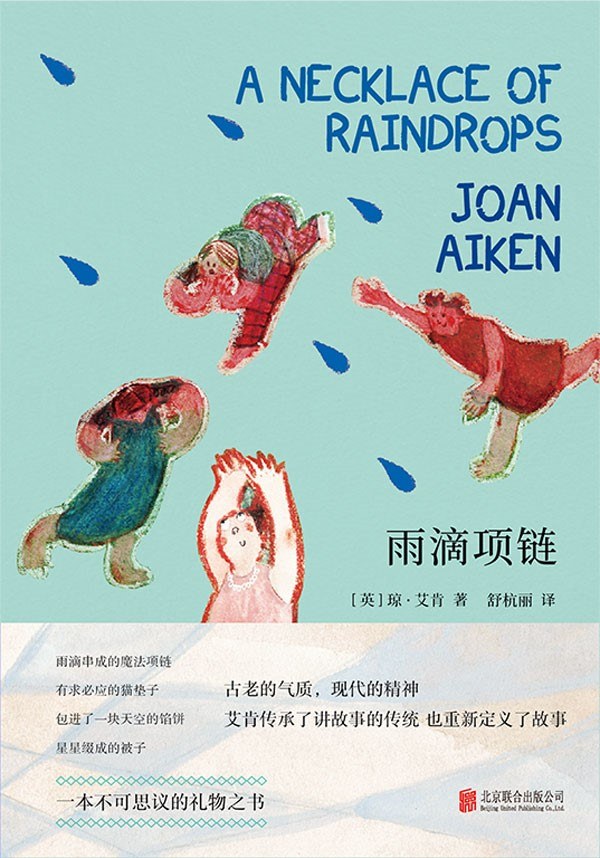
- Raindrop Necklace (A Necklace of Raindrops(1968, illustrated by Jan Pieńkowski) — Included in *1001 Children’s Books*. A collection of short stories brimming with modern poetry and the magic of ancient fairy tales. The eponymous masterpiece tells of the North Wind giving a little girl a magical necklace strung together from pure raindrops, each drop granting her the superpowers of staying dry and communicating with the wind. The story is serene and ethereal, showcasing Jan Pieńkowski’s extraordinary genius in crafting short fantasy stories.
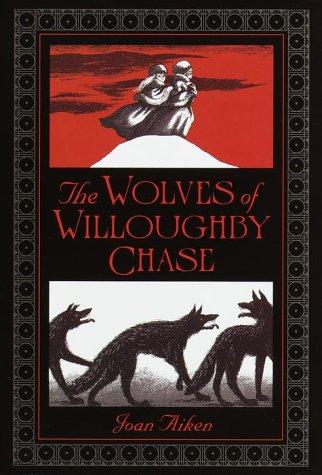
- “The Wolf of Willoughby(The Wolves of Willoughby Chase (Series, first published in 1962) — A milestone in children’s thriller and alternate history adventure novels. The story is set in an alternate early 19th-century England—the Stuart dynasty was never overthrown, the Channel Tunnel was open, and hungry wolves were pouring into wintery England from the European continent through the tunnel. Two young girls, caught between the machinations of an evil governess and the wolves in a blizzard, embark on a Dickensian-style thriller of escape and revenge.
| Birth | Joan Aiken | Joan Aiken (Wikipedia) |
⚰️ 1944 – Died: Margery Williams (also known as Margery Williams Bianco)
A renowned British-American children’s author (1881–1944). She excelled at exploring the emotional connection between toys and children, as well as the perseverance of family members in times of hardship. Her writing is imbued with philosophical tranquility and profound love.
- Timeless masterpieces and the highest awards:
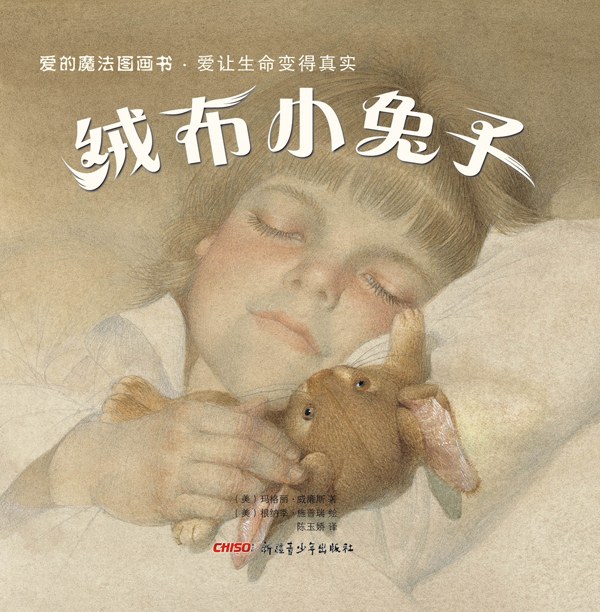
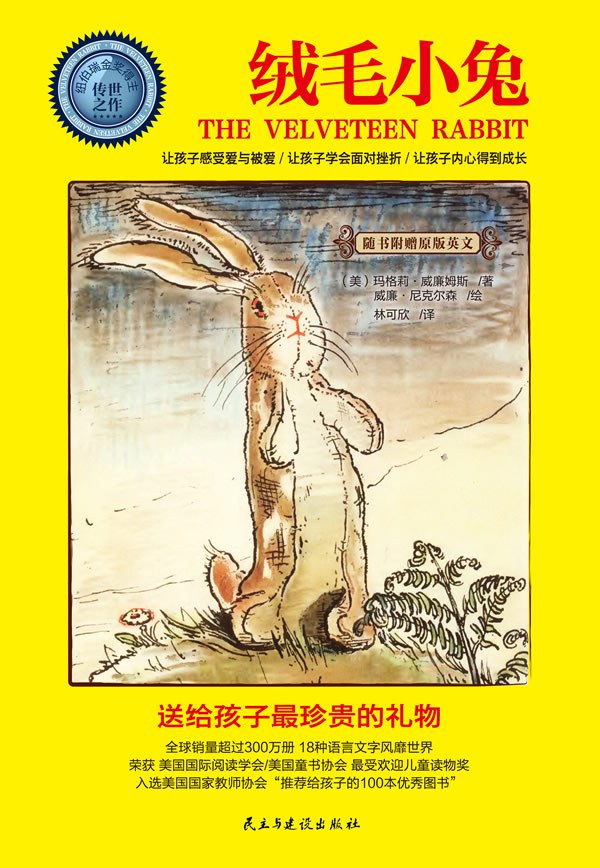
- Plush Rabbit (The Velveteen Rabbit(Illustrated by William Nicholson, 1922) — A timeless gem of world children’s literature with a century-long history. The story tells of a toy rabbit made of plush fabric and filled with wood shavings, who longs to become “real” like Old Pony. Old Pony tells it, “When a child truly loves you for a very long time, not only playing with you but loving you with all his heart, you become real.” Later, the little boy contracts scarlet fever, and the rabbit faces the fate of being sterilized and burned. Through tears, it receives salvation from the tears of a fairy and truly leaps into the forest. The work profoundly interprets the true meaning of love, hardship, and life through simple allegory.
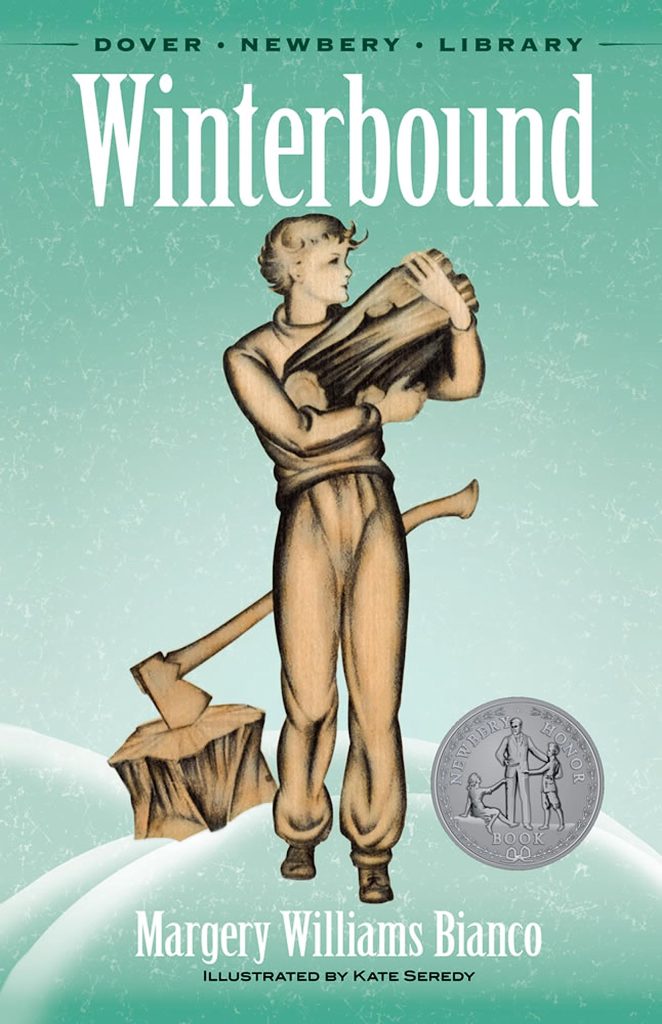
- Snow and Ice Block the Road (Winterbound(1936) — Awarded Newbery Honor, 1937It tells a realistic and heartwarming coming-of-age story about four children who, during the Great Depression, survive a harsh winter in a Connecticut farmhouse while their mother is away caring for their seriously ill father. They are independent, self-reliant, and supportive of each other.
| Passed Away | Margery Williams | Margery Williams (Wikipedia) |

🎂 1912 – Born: Syd Hoff
Harper was a renowned American cartoonist and children’s picture book author (1912–2004). He drew satirical single-panel cartoons for The New Yorker and The New York Times for many years. Later, he incorporated friendly and concise sketches with extremely humorous colloquial language into his early bridge books and was a key pioneer of Harper’s “I Can Read” series.
- Representative works and content:
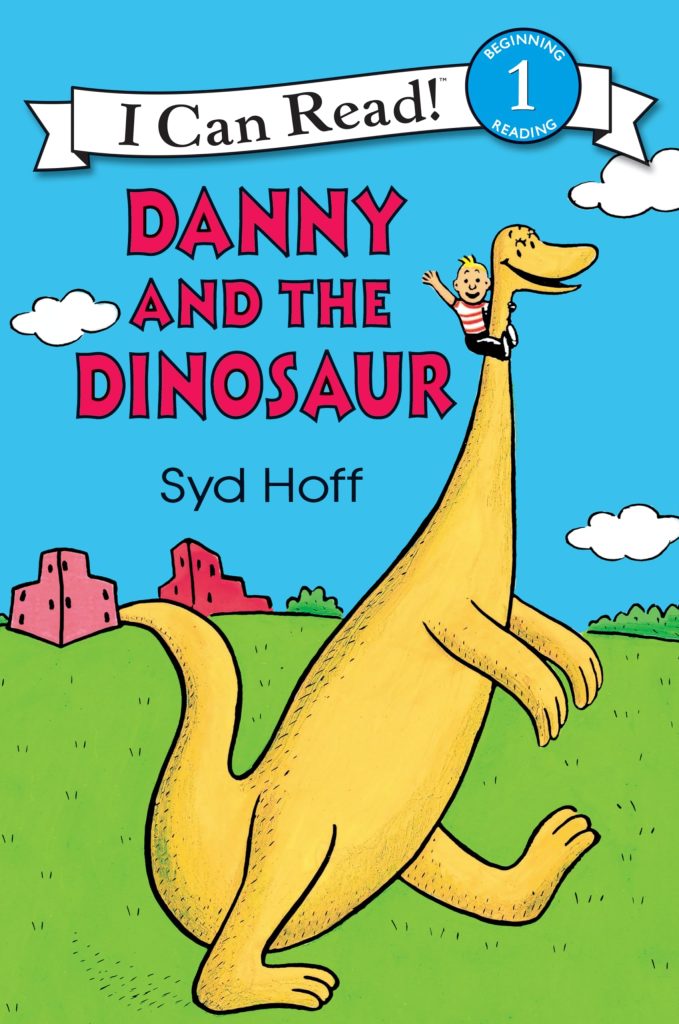
- Danny and the Dinosaur (Danny and the Dinosaur(1958) — The cornerstone of the “I Can Read” series: A young boy named Danny visits a natural history museum to see dinosaur skeletons and exclaims how wonderful it would be to play with the dinosaurs. The giant dinosaur miraculously comes to life and agrees! Danny rides the dinosaur through a bustling modern city, where it helps police officers with directions, acts as a bridge for pedestrians, and plays hide-and-seek with children until dusk when it politely returns to its display stand at the museum. The book uses lighthearted humor to dissolve the sense of distance associated with these massive creatures, accompanying generations of children as they take their first steps towards independent reading.
| Birth | Syd Hoff | Syd Hoff (Wikipedia) |
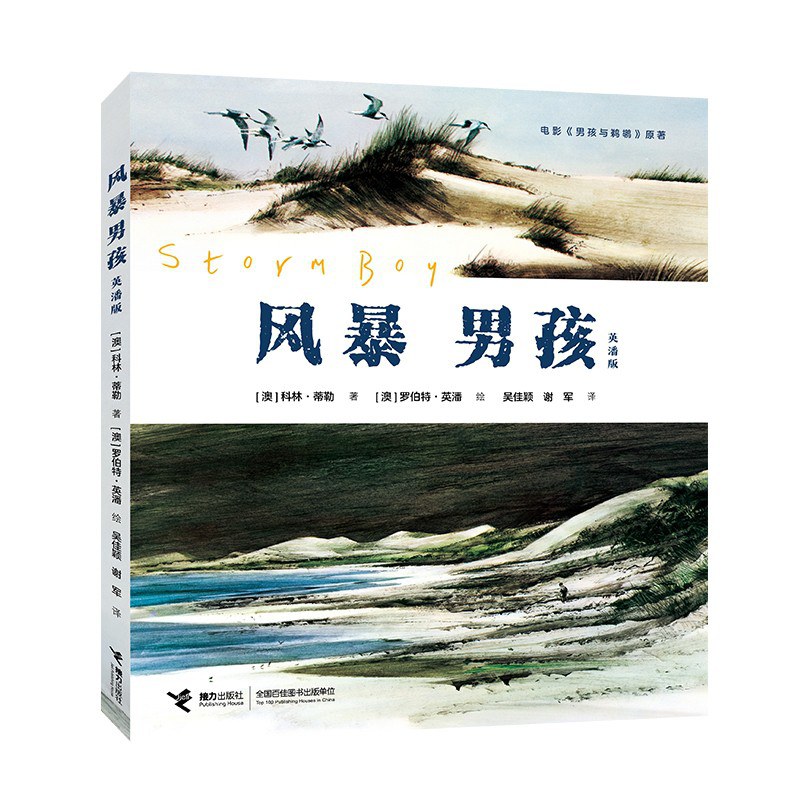
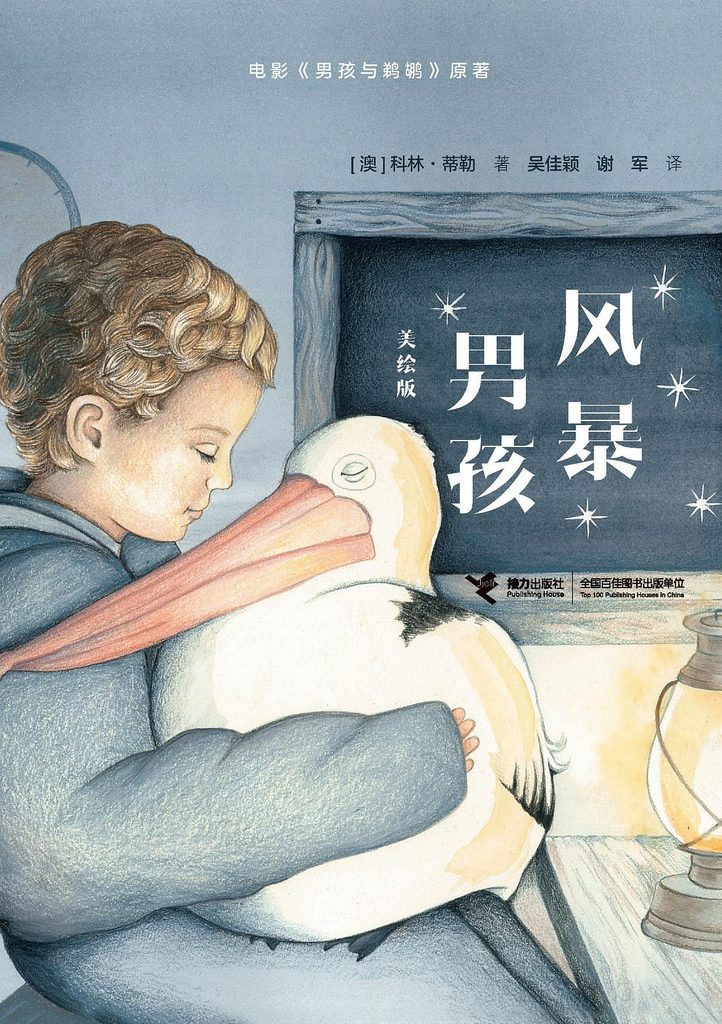
⚰️ 2006 – Death: Colin Thiele
A renowned Australian educator, poet, and leading figure in children’s literature (1920–2006). His works are rooted in the vast and harsh natural wilderness and coastal hills of South Australia, and he excels at depicting the profound bonds that young people form with wild creatures amidst wild storms.
- Representative works and content:
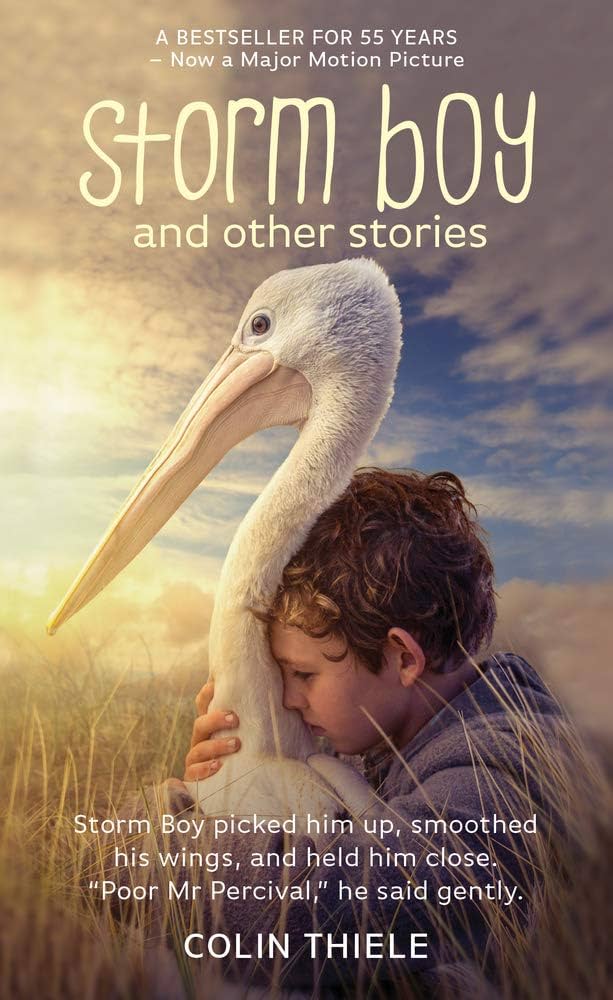
- Storm Boys (Storm Boy(1964) — Selected for “1001 Children’s Books,” a national classic of Australian nature literature. The story takes place on the saltwater lagoon and long sand dunes of Coorong, South Australia, where a lonely boy named “Storm” lives with his reclusive father in a makeshift shelter on the beach. Storm rescues three dying pelican chicks on the beach after their parents have been killed by poachers, and raises them with great care. The most intelligent of them, “Mr. Percival,” even saves a fishing boat from distress during a blizzard by carrying a lifeline. However, the wild birds ultimately face the vicissitudes of nature and the guns of humans, and the work poignantly and beautifully explores the meaning of ecological conservation and farewell.
| Died | Colin Thiele | Colin Thiele (Wikipedia) |
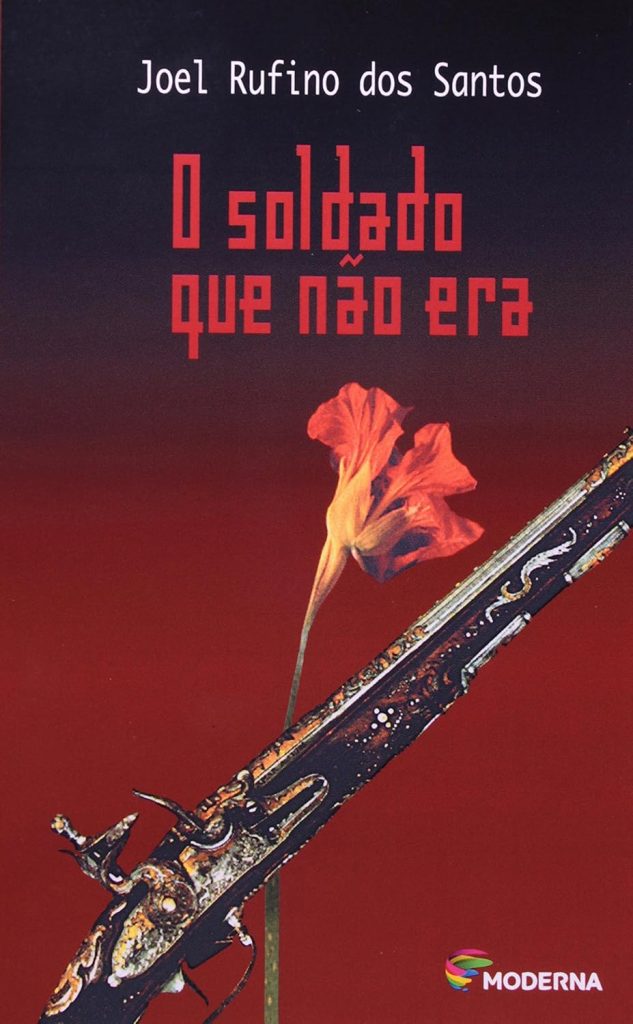
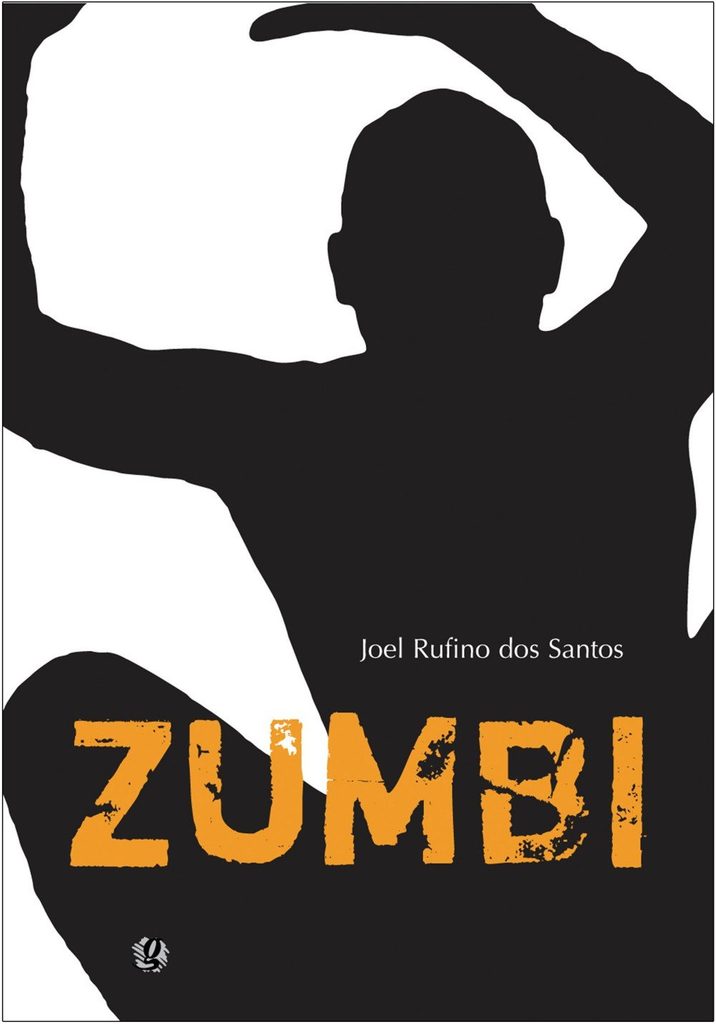
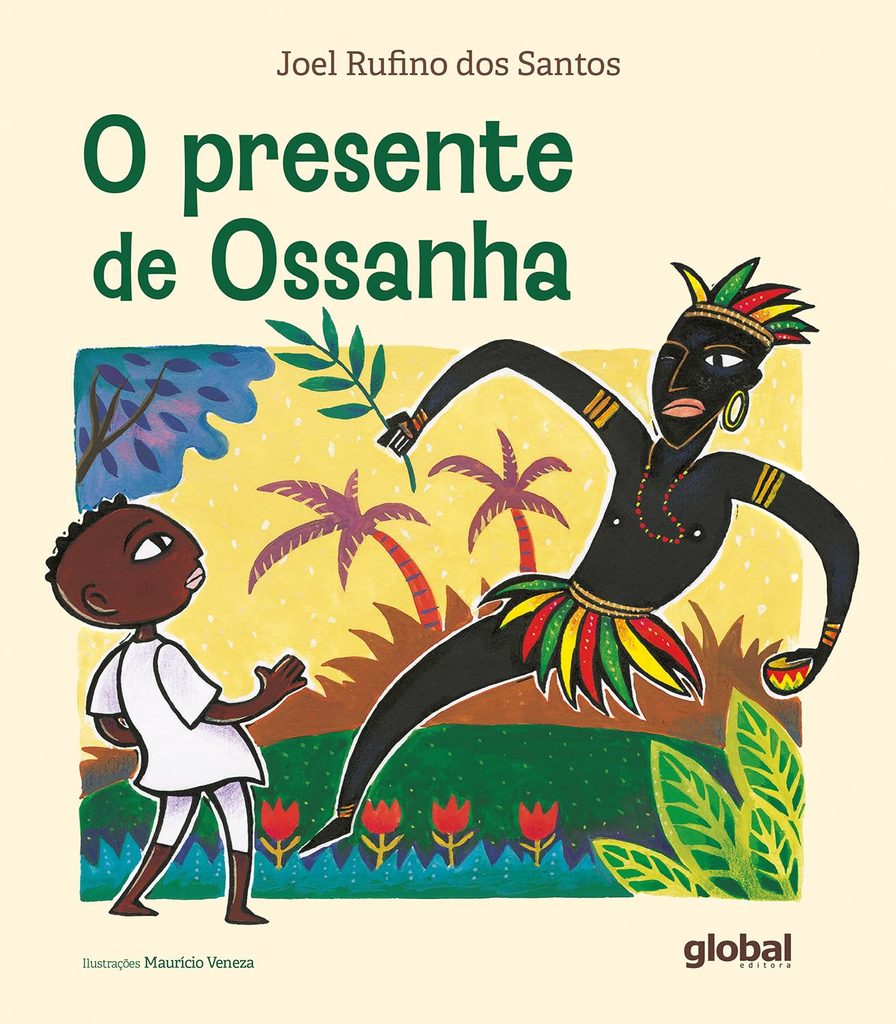
⚰️ 2015 – Passed away: Joel Rufino dos Santos
A renowned Brazilian historian, children’s author, and professor at the Federal University of Rio de Janeiro (1941–2015). He was an important advocate for the transmission of Afro-Brazilian culture and oral folk traditions, actively resisting the military dictatorship, and adept at deeply blending African mythology, the history of resistance against oppression, and children’s stories.
- International Awards and Representative Works:
- At In 2004, he was shortlisted as a finalist for the Hans Christian Andersen Award (HCAA) for Best Writer.He has won the Brazilian National Book Award (Jabuti Award) multiple times.
- His representative works include *The Taste of Africa*, a reconstruction of the oral folk tales of Afro-Brazilian people.Gosto de África), The Gift of Ossagna (O presente de Ossanha) and the novel *The Soldier Who Won’t Join the Army*, which reflects the survival choices of ordinary people in an absurd history.O soldado que não era).
| Died | Joel Rufino dos Santos | Joel Rufino dos Santos (Wikipedia) |
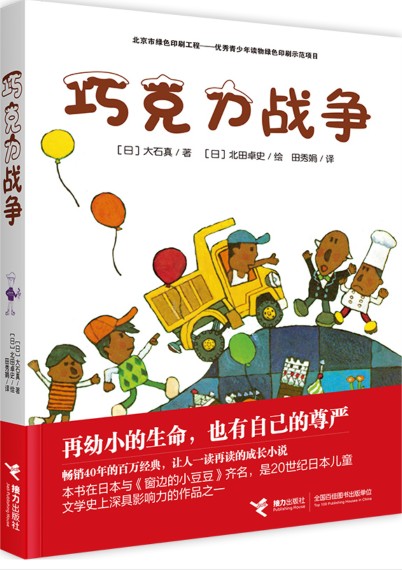
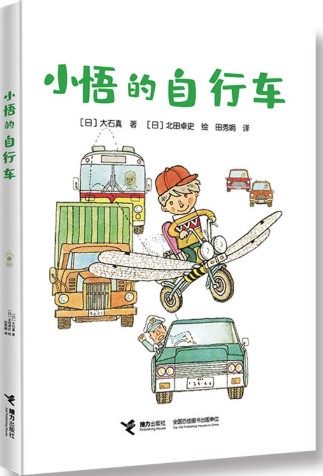

⚰️ 1990 – Death: Ōishi Makoto
A renowned Japanese children’s literature author after World War II (1925–1990). He studied Russian literature at Waseda University and was known for his vivid and lively depiction of elementary school students’ interpersonal interactions in the classroom, the emergence of their sense of justice, and their resistance against adult hypocrisy, using an extremely brisk and concise writing style and an objective, child-centered perspective.
- Representative works and content:
- Chocolate Wars (チョコレートWar(Illustrated by Takashi Kitada, 1969) — A foundational work of postwar Japanese children’s school realism literature: Two elementary school students, Koichi and Akira, are admiring an exquisite chocolate castle model in the glittering window of the upscale confectionery shop “Kinbedo.” Unexpectedly, the model tipps over and breaks. The arrogant and domineering shop owner, without asking any questions, falsely accuses them of knocking it down and complains to their teacher. To clear their names and defend their dignity, the children in the class devise a brilliant “chocolate battle,” ultimately forcing the shop owner to admit his mistake, profoundly showcasing the children’s simple and pure sense of justice.
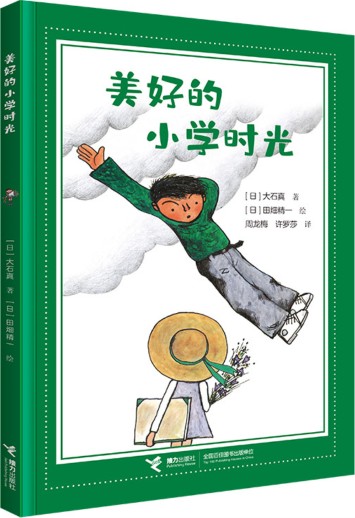
- His representative works also include the classic children’s book “Little Wu’s Bicycle” (さとるのじてんしゃClassroom 205Classroom 205), “The Wonderful Elementary School Days“ぼくたち青の时).
| Passed away | Ōishi Makoto | Makoto Oishi (Wikipedia) |