⚰️ 2016 — Passed away: Brian Wildsmith
A renowned British children’s picture book author and illustrator (1930–2016). He is hailed as a “master of color in modern picture books” and, along with John Burningham and Charles Chipping, together ushered in the golden age of British picture books in the 1960s. His style is characterized by highly explosive watercolor splashes, kaleidoscopic geometric color blocks, and a deep appreciation for nature and its creatures.
- Top Award and Representative Works:
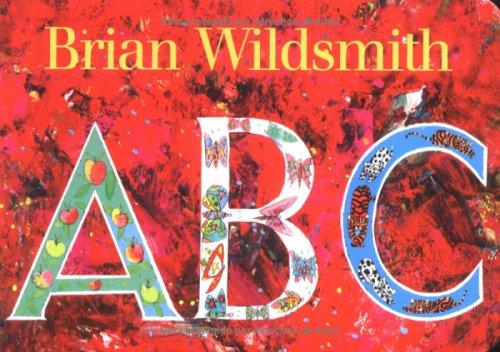
- The Alphabet Book (Brian Wildsmith’s ABC(1962) — Awarded The 1962 Kate Greenaway Medal (CIL)A groundbreaking visual enlightenment masterpiece. Will Smith broke away from the monotonous and dull sketches of traditional early literacy books, pairing each letter with large, rich, and vibrant watercolor animal illustrations across multiple pages, stunning the international children’s book world with the pure beauty of visual art.
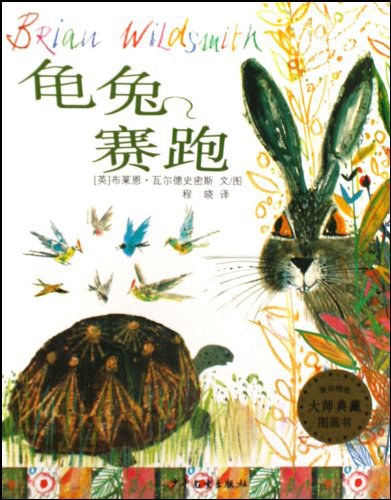
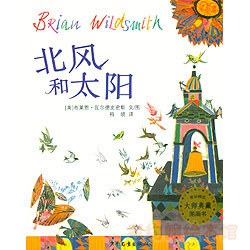
- The North Wind and the Sun (The North Wind and the Sun(1964) and The Tortoise and the Hare (The Hare and the Tortoise(1966) — Using flowing colors, light, shadow, and textures, it retells Aesop’s fables, showcasing the profound philosophy that warmth is better than cold.
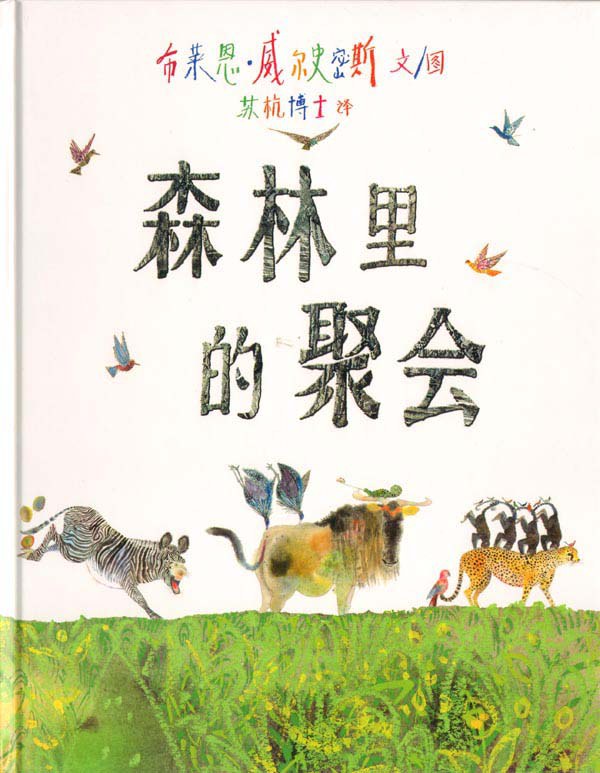
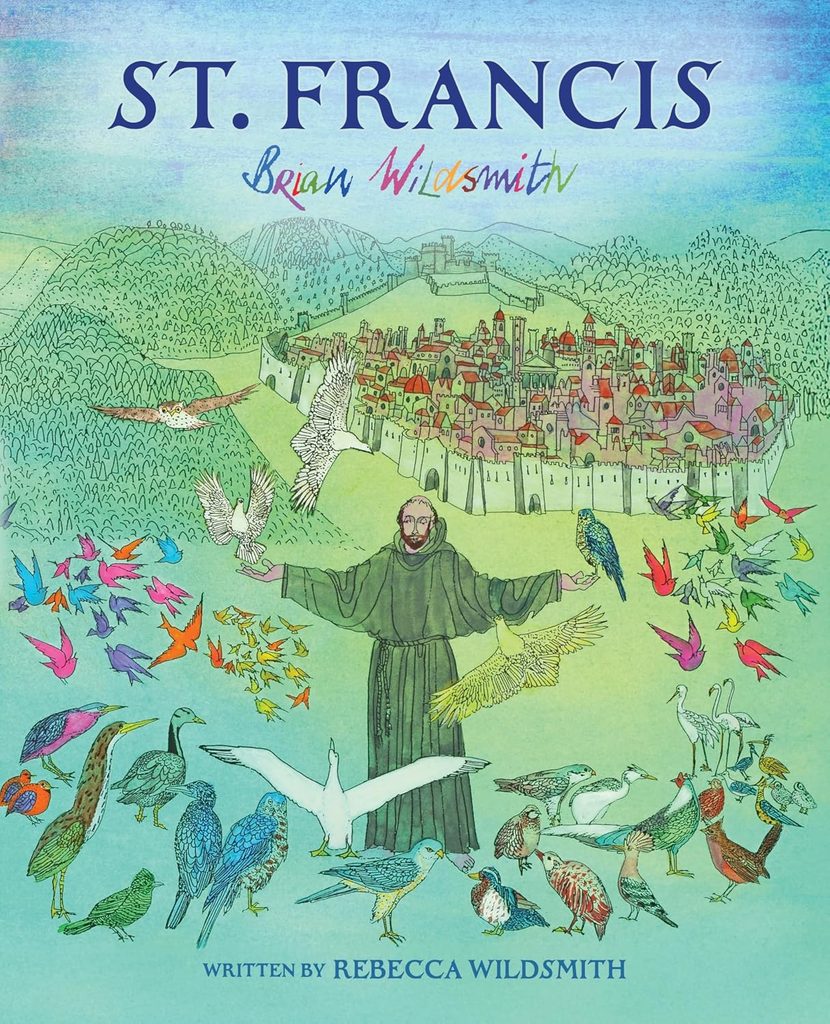
- His representative works also include the nature picture book “Birds,” which was honorably nominated for the Hans Christian Andersen Award.Birds), Forest Party (Jungle Party(Also translated as “The Gathering in the Forest”) and the illustrated biography “Saint Francis” (Saint Francis).
| Deceased | Brian Wildsmith | Brian Wildsmith (Wikipedia) |

⚰️ 1986 – Death: Elizabeth Coatsworth
She was a renowned American children’s author, poet, and novelist (1893–1986). In her early years, she traveled extensively to the Far East, Egypt, and the Mediterranean region. She was adept at blending Eastern philosophy, folk beliefs, and poetic descriptions of nature, and was specially nominated for the Hans Christian Andersen Award (HCAA) for Best Writer.
- Top Award and Representative Works:
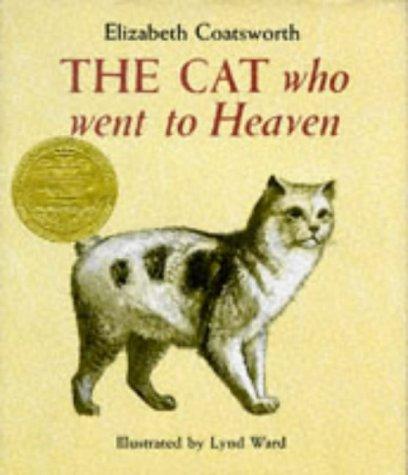
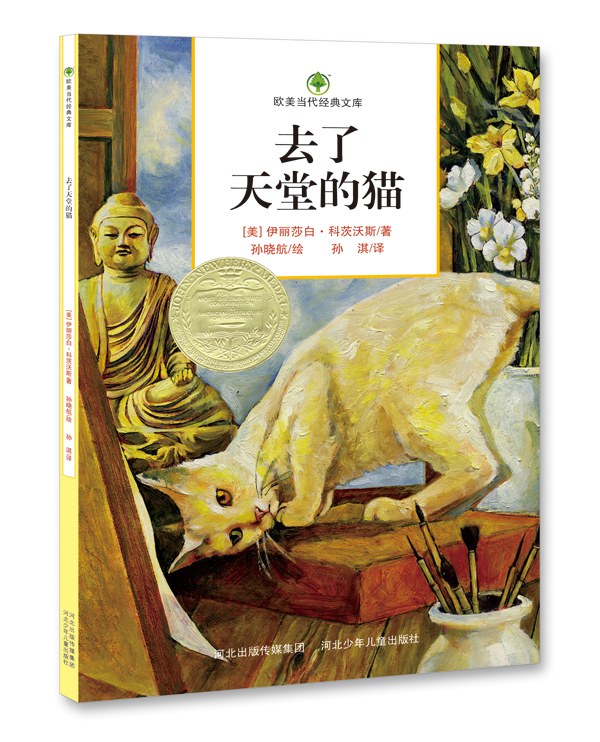
- The Cat That Went to Heaven (The Cat Who Went to Heaven(Illustrated by Lynd Ward, 1930; also translated as “The Painter and the Cat”) — Awarded The 1931 Newbery MedalSet in ancient Japan, the story tells of a poor young painter commissioned by a temple to paint a massive Buddhist painting depicting the Buddha’s Nirvana and the farewell of all living beings. The painter adopts a remarkably intelligent white calico cat named Fukuko. According to legend, the cat’s arrogance prevents it from being accepted by the Buddha; however, the painter is moved by Fukuko’s piety and compassion, and at the last minute, risking the temple’s destruction of the painting, he adds the cat to the Buddha’s feet. A miracle occurs at dawn: the Buddha’s image reaches out and strokes the cat, demonstrating the equality of all beings and selfless love.
| Died | Elizabeth Coatsworth | Elizabeth Coatsworth (Wikipedia) |
🎂 1886 – Born: Conrad Buff
He was a renowned Swiss-American painter, lithographer, and picture book illustrator (1886–1975). He and his wife, children’s author Mary Buff, were an outstanding creative couple in the history of American picture books and children’s literature. Buff was adept at using large, heavy woodcut prints, majestic geological landscapes, and precise sketches of animals and plants to depict the magnificence of nature.
- Multiple Newbery and Caldecott Medals:
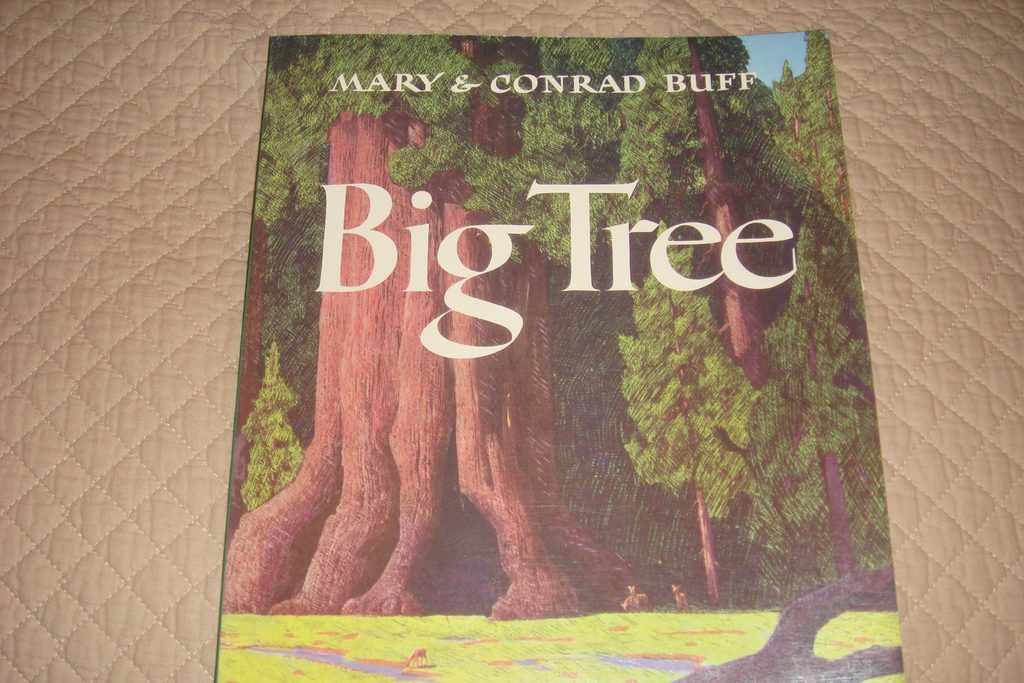
- The Big Tree (Big Tree(1946) — Awarded Newbery Honor, 1947With its epic prints and text, the book tells the story of Wawona, a giant redwood in California, which sprouted in ancient Greece and survived 3,500 years of wind, rain, fire, Native American migrations, and modern logging threats, witnessing the natural epic of human history.
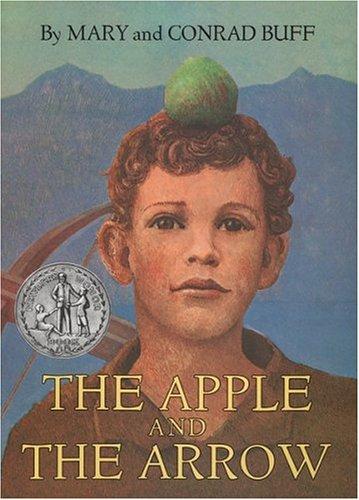
- Apples and Arrows (The Apple and the Arrow(1951) — Awarded Newbery Honor, 1952Based on the legendary story of the Swiss national hero William Tell, who shot an apple off his son’s head with an arrow and led his people in rebellion against tyranny.
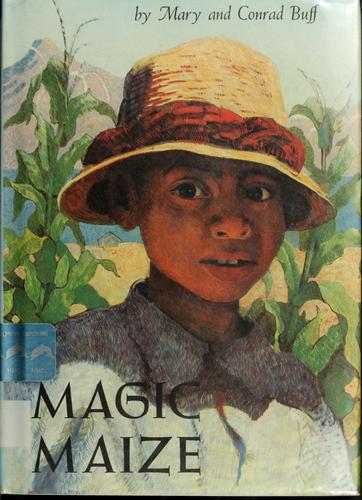
- The Magical Corn (Magic Maize(1953) — Awarded Newbery Honor, 1954It depicts the exploration of Guatemalan Mayan indigenous youths between traditional beliefs and modern agricultural technology.
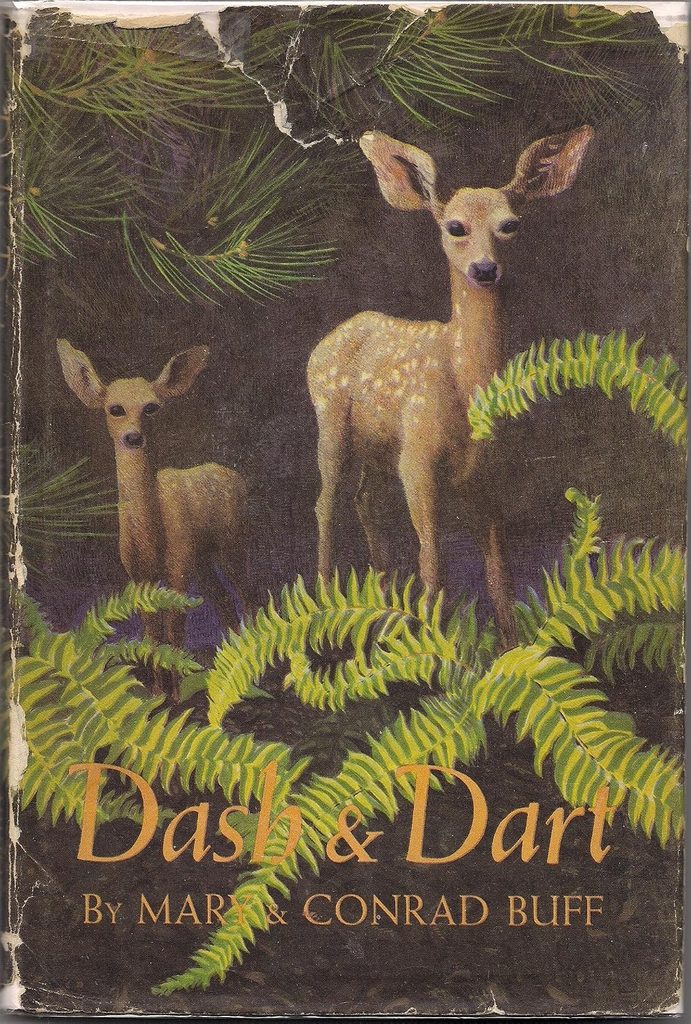
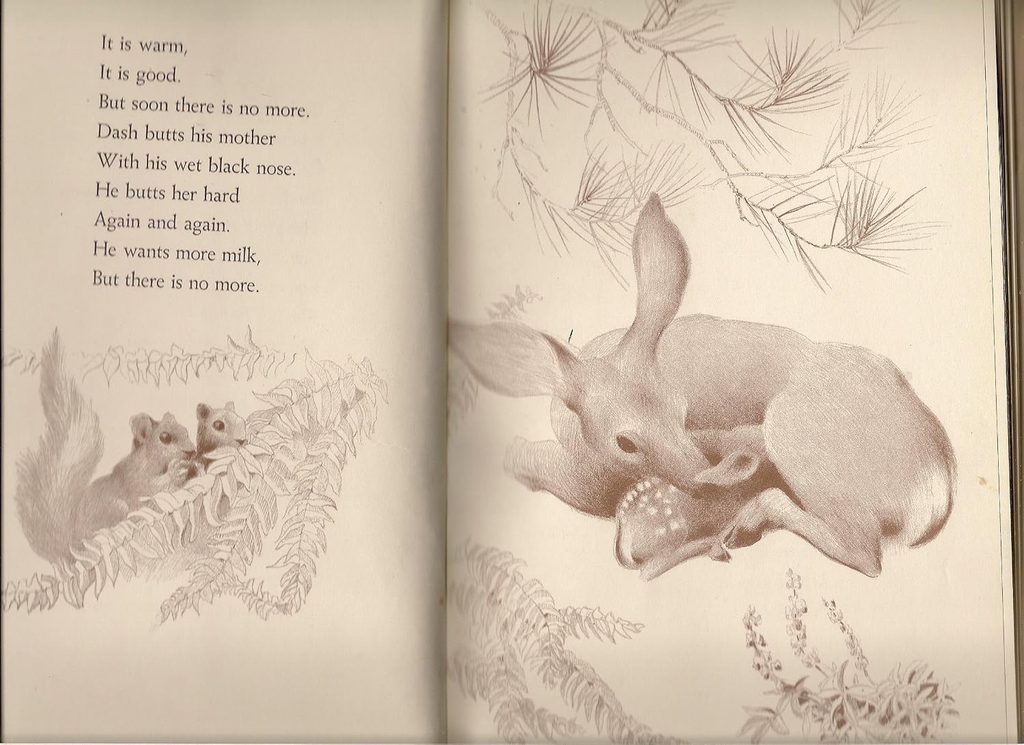
- Natural Picture Book “Leaping and Running“Dash and Dart, 1942) won 1943 Caldecott Honor.
| Birth | Conrad Buff | Mary and Conrad Buff (Wikipedia) |
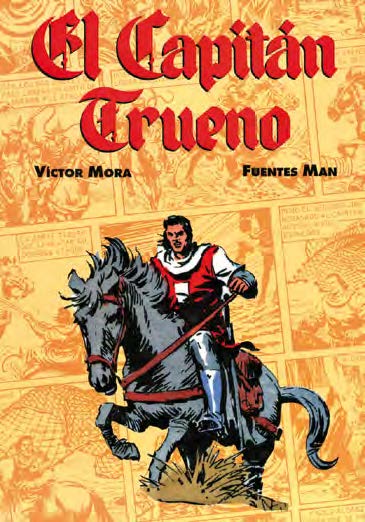
🎂 1913 – Born: Ambrós (original name Miguel Ambrosio Zaragoza)
A renowned Spanish comic book artist and illustrator (1913–1992). He was a leading figure in the Spanish Golden Age of comics in the 20th century, whose work was characterized by stunning dynamism, fluid paneling, and a powerful sense of heroism.
- Representative works and content:
- Captain Thunder (El Capitán Trueno(1956, written by Víctor Mora) — Selected for “1001 Children’s Books,” a Spanish national historical adventure comic. Ambos, the main creator, provided the most iconic visual characters, vividly depicting the legendary adventures of the medieval knight Captain Thunder and his companions Goliath and Crispin as they travel the world, fight tyranny, and rescue the weak, profoundly influencing generations of Spanish readers.
| Birth | Ambrós | Ambrós (Wikipedia) |
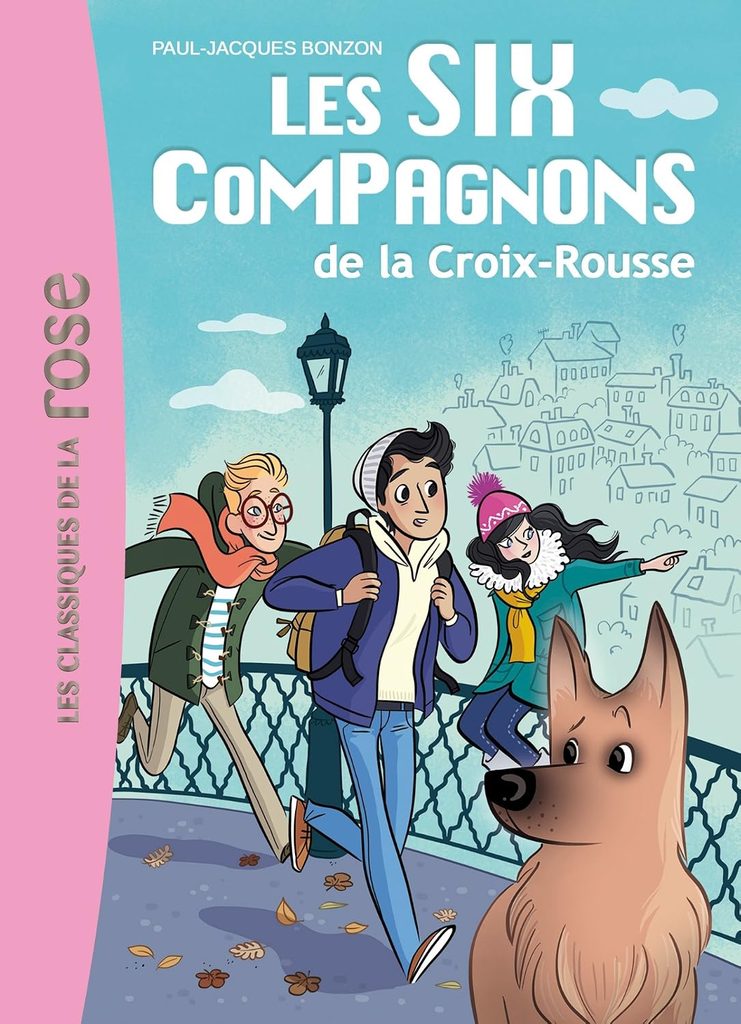
🎂 1908 – Born: Paul-Jacques Bonzon
A renowned French children’s adventure novelist and primary school teacher (1908–1978). He was adept at using simple and vivid everyday language to construct tightly woven and thrilling stories of young detectives and cooperative puzzle-solving.
- Representative works and content:
- The Six Boys’ Mystery Exploration Series (Les Six Compagnons The series, first published in 1961 (with the debut work “The Friends of the Cave of Carouche”) — included in “1001 Children’s Books,” is a classic adventure detective series for young readers that has swept the French-speaking world. It tells the heartwarming adventure stories of six boys from a poor suburb of Lyon and their loyal dog Carouche, who, with their courage, teamwork, and wisdom, solve smuggling, theft, and other mysteries in old factories, underground passages, and the old town.
| Birth | Paul-Jacques Bonzon | Paul-Jacques Bonzon (Wikipedia) |
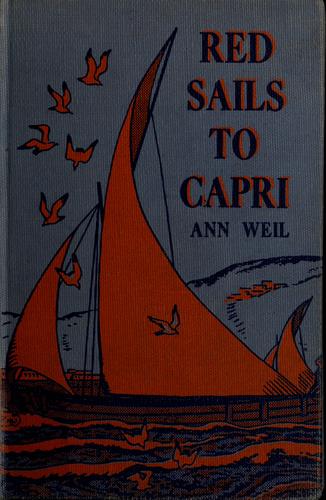
🎂 1908 – Born: Ann Weil
American children’s historical and geographical novelist (1908–1969).
- Top Award and Representative Works:
- The Red Sails of Capri (Red Sails to Capri(1952) — Awarded Newbery Honor, 1953The story takes place in 1826 on the island of Capri in the Bay of Naples, Italy. Michel, the young owner of an inn, meets three foreign guests with distinct personalities (a painter, a scholar, and a writer). Amidst the locals’ ancient superstitions and fears about mysterious sea caves, Michel follows them out to sea in a small boat with red sails, eventually discovering the world-renowned natural wonder, the “Blue Grotto of Capri.”
| Birth | Ann Weil | Ann Weil (Wikipedia) |
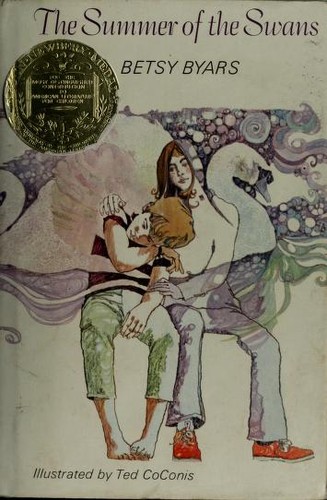
🎂 1927 – Born: Ted CoConis
American illustrator, commercial artist, and poster designer (1927–2023). He was known for his realistic pencil sketches and oil illustrations with strong emotional tension and deep, delicate light and shadow.
- Representative works and content:
- Summer Swan (The Summer of the Swans(By Betsy Byars, 1970) — Selected for “1001 Children’s Books” (winner of the 1971 Newbery Medal). Kirkness created the poetic and melancholic cover and black-and-white illustrations for this classic coming-of-age novel, vividly depicting the psychological transformation of 14-year-old Sarah, a confused girl, and her intellectually disabled brother Charlie, as they search for lost swans by the lake.
| Birth | Ted CoConis | Ted CoConis (Wikipedia) |