
🎂 1896 – Born: Kenji Miyazawa
He was a renowned Japanese children’s author, poet, agricultural science teacher, vegetarian, and geologist (1896–1933). He was relatively unknown during his lifetime, but his works were posthumously hailed as national literary treasures of Japan. His writings are characterized by a profound and ethereal worldview, a compassionate and egalitarian view of nature and all living things, and a language rich in musical rhythm and mystical onomatopoeia.
- An enduring literary monument:
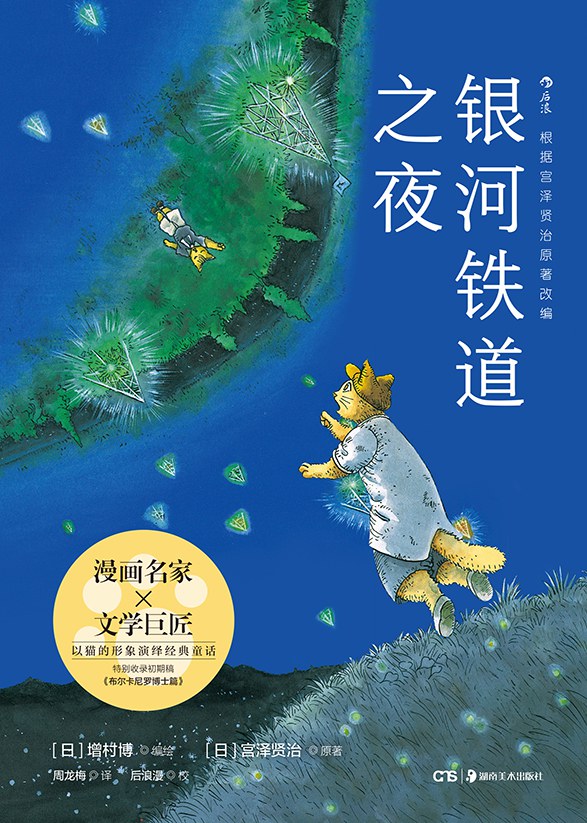
- Night on the Galactic Railroad (Night on the Galactic Railroad (Original Japanese title: *Ginga Tetsudo no Yoru*) — A pinnacle of Japanese children’s fantasy literature: On the night of the Galactic Festival, impoverished boy Giovanni unexpectedly boards a mysterious train traveling through the dazzling Milky Way with his best friend Cobenella. They pass through the constellations Cygnus, Scorpius, and Southern Cross, witnessing the souls of various departed beings, and ultimately come to understand the sublime meaning of sacrifice, truth, and “for the true happiness of all.” The work is filled with poetic depictions of the starry sky and a profound spirit of self-sacrifice.
- The Restaurant That Makes Too Many Demands (The Restaurant of Many Orders / (Original Japanese title: ‘注文の多い料理店’, 1924) — A humorous and satirical fairy tale: Two arrogant gentlemen, with their hounds, go hunting in the mountains and mistakenly enter a Western restaurant called “Lynx House.” The signs on the door instruct them to remove their hats, take off their guns, and apply butter and salt, which the gentlemen believe to be high-class hospitality, until they finally discover that they are actually the “main course” on the lynx spirit’s menu.
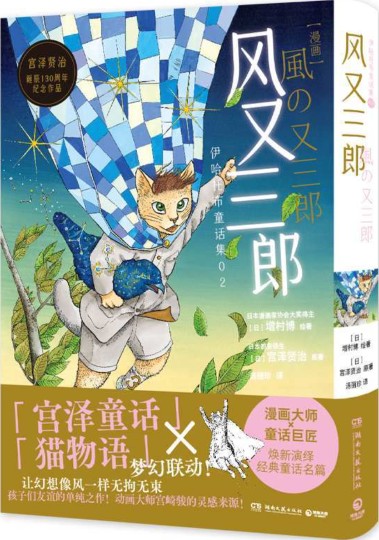
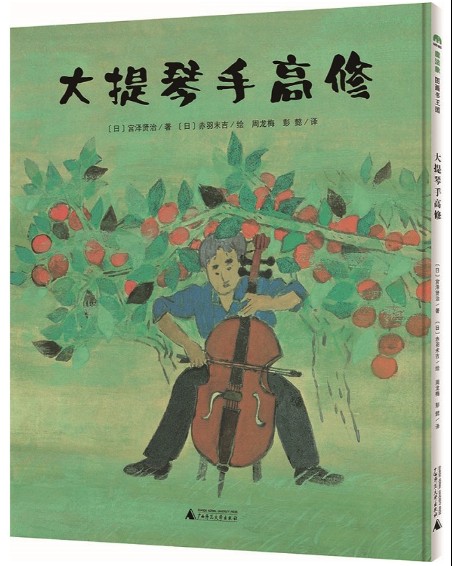
- Representative works also include “Cellist Takasu” (『セロ弾きのゴーシュ』) and “Wind Mata Saburo” (《风のMATATASABRO》).
| Birth | Kenji Miyazawa | Kenji Miyazawa (Wikipedia) |

🎂 1921 – Born: Arlene Mosel
American children’s author, librarian, and university professor (1921–1996). She was adept at refining and retelling ancient folk tales and ballads from around the world into rhythmic and engaging classic picture book texts suitable for reading aloud.
- Authors of representative works that have won the Caldecott Medal (of course, the Caldecott Medal is mainly awarded to illustrators):
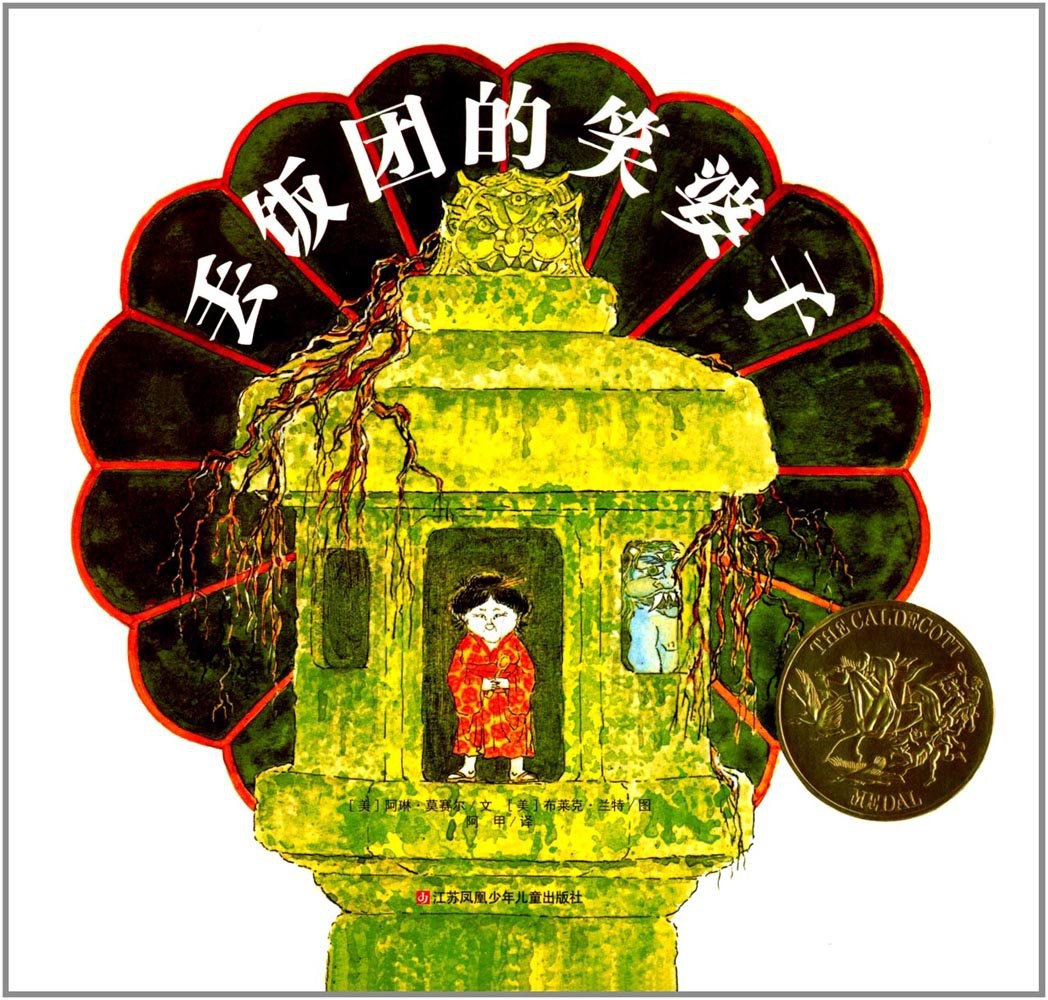
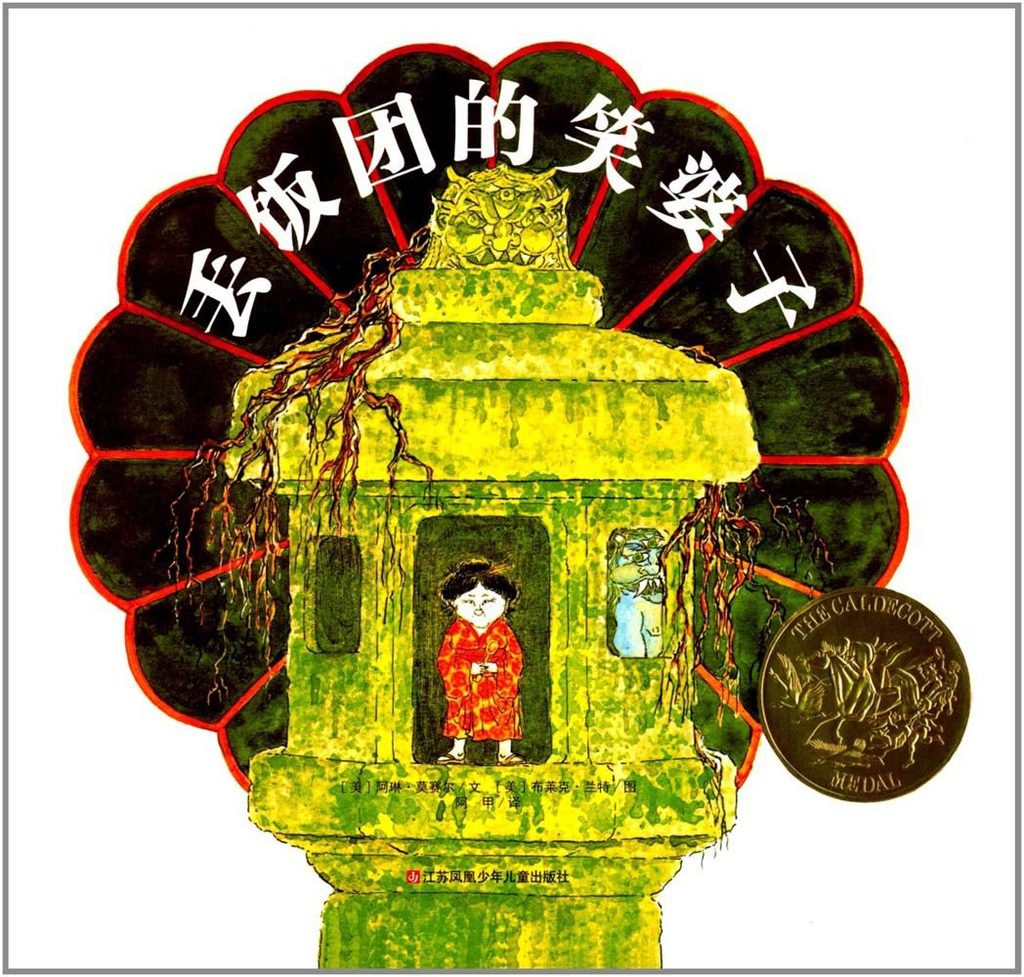
- The Laughing Old Woman Who Lost Her Rice Ball (The Funny Little Woman(Illustration by Blair Lent, 1972) — Awarded 1973 Caldecott MedalBased on a Japanese folktale, the story tells of a cheerful old woman who always laughs with a “hee-hee-hee-hee” laugh. While chasing a rice ball that rolls into a hole in the ground, she is captured by the evil spirits and forced to become their cook. The old woman uses a magical rice spoon to cook for the evil spirits, and eventually escapes back to the surface with her wit and humor, becoming the richest laughing old woman in all of Japan with her magic rice spoon.
- “Heaven-Sent Baby and Ah Xiao” (Tikki Tikki Tembo(Illustration by Blair Lant, 1968) — Awarded 1969 Caldecott HonorThis humorous story, adapted from an ancient Eastern oral tradition, tells of how, according to old custom, the eldest son’s name had to be extremely long (“Tiki Tiki Tambo-Nosa Lumbo-Charlie Barry Luchi-Pep Perry Bloombo”), while the second son was called “Little.” When the two brothers fell into a well one after the other, the long names led to a long cry for help and a hilarious reflection, explaining why people’s names later became shorter.
| Birth | Arlene Mosel | Arlene Mosel (Wikipedia) |
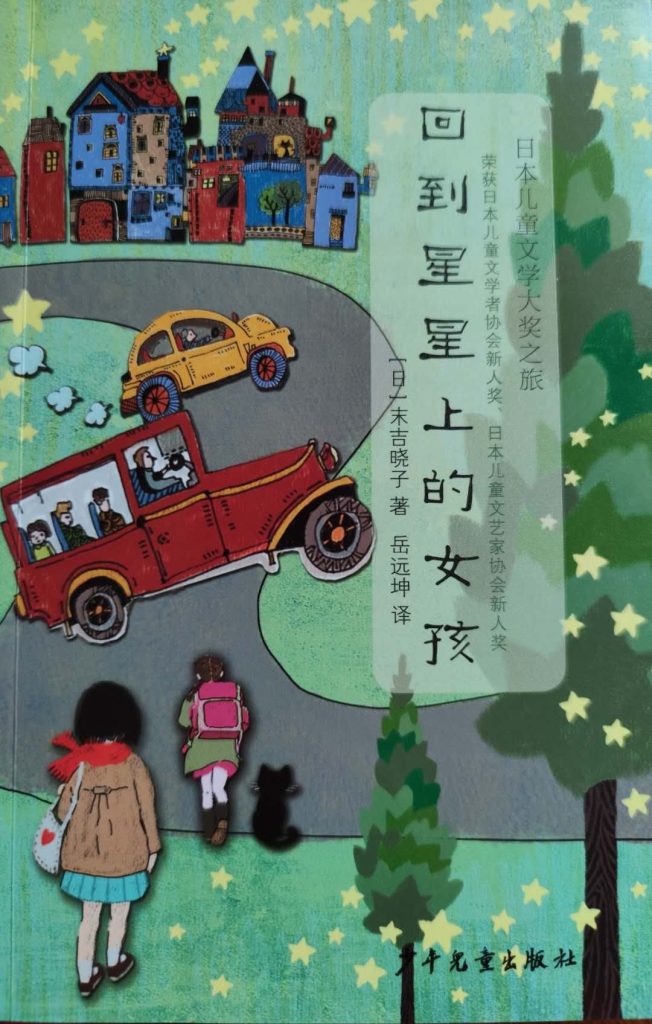
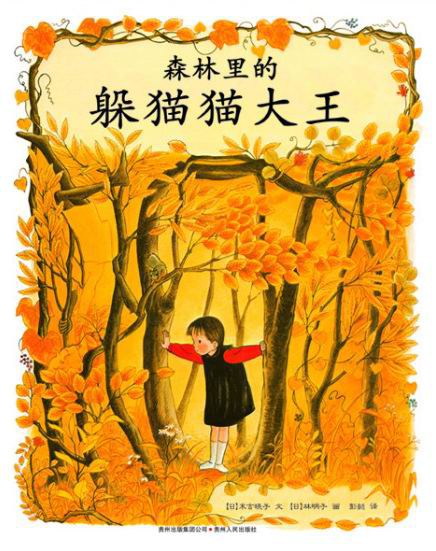
🎂 1942 — Born: Akiko Sueyoshi
A renowned Japanese children’s literature author (1942–2016). Her works are known for their extremely delicate and gentle observation of children’s psychology and for their ability to open up entrances to mystery and fantasy in the mundane space of daily life. She has won the Noma Children’s Literature Award, the Shogakukan Literature Award, and the Sankei Children’s Publishing Culture Award.
- Representative works and content:
- The King of Hide and Seek in the Forest (もりのかくれんぼう(1978, illustrated by Akiko Hayashi) — A classic fantasy picture book: It tells the story of a little girl named Keiko who, while chasing after her brother, accidentally wanders into a mysterious forest shrouded in golden autumn leaves. In the forest, she encounters a “hide-and-seek king” whose entire body is made of leaves and branches, and engages in a wondrous game of hide-and-seek with the animals hidden among the trees. Akiko Hayashi’s delicate use of light and shadow perfectly complements Akiko Sueyoshi’s heartwarming narrative.
- His representative works also include the children’s fantasy novel *The Seven Magics of the Black Rose*.Black magic), The Girl Who Returned to the Stars (Star girl).
| Birth | Akiko Sueyoshi | Akiko Sueyoshi (Wikipedia) |
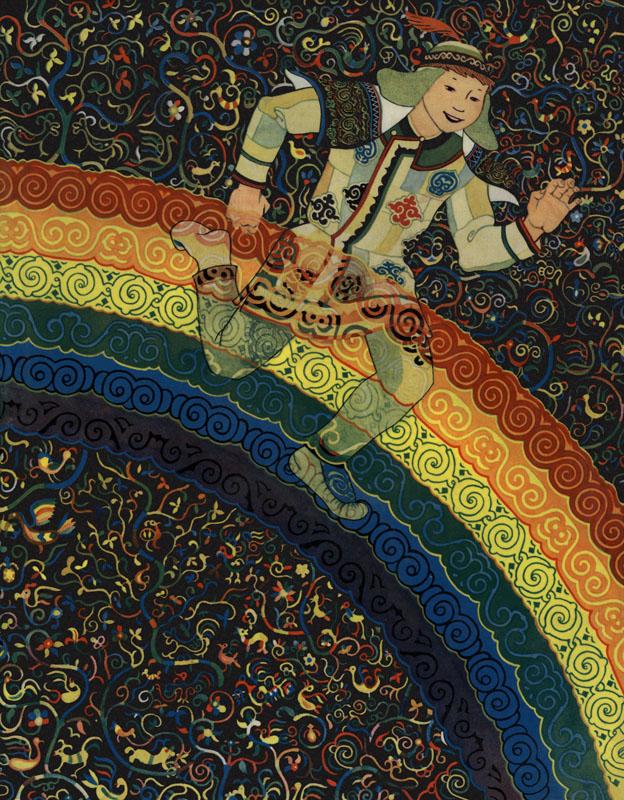
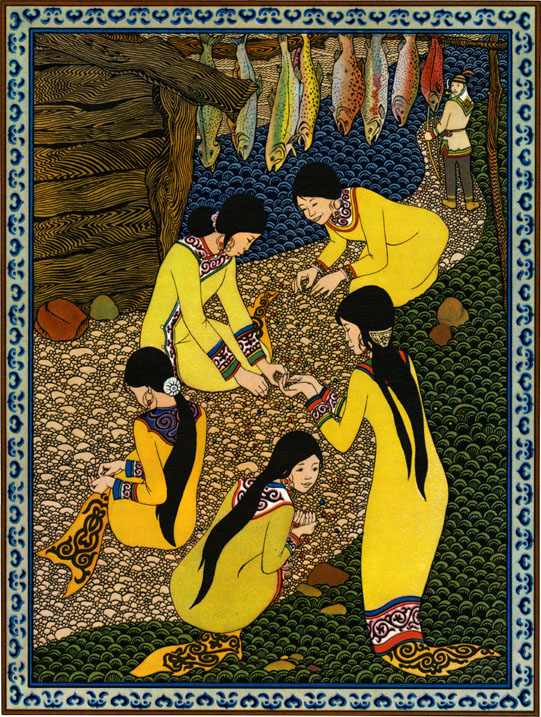
🎂 1938 – Born: Gennady Pavlishin
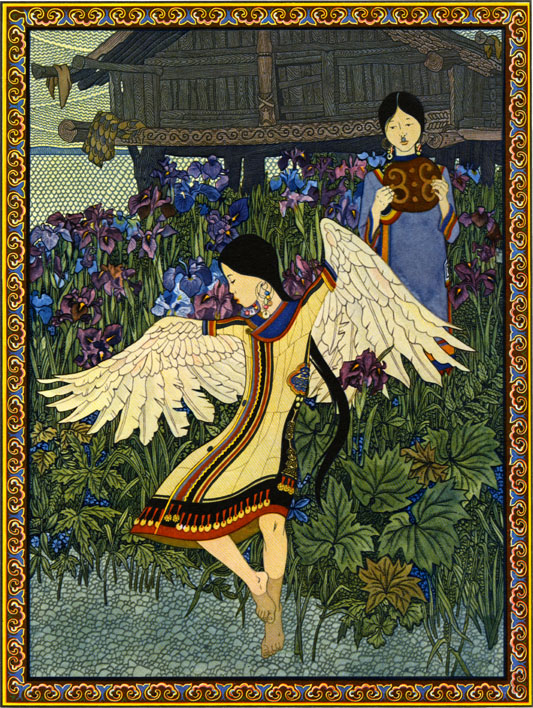
A renowned People’s Artist, illustrator, and mosaic master of the Soviet Union/Russia (1938). He lived for a long time in the Khabarovsk region of the Russian Far East and was famous for his extremely meticulous brushwork, rich colors, and painting style that was full of the characteristics of the northern primeval forests and the local people.
- International Awards and Representative Works:
- Based on his collection and editing of Amur Fairy Tales for Dmitry Dmitrievich Nagishkin (Amurskije skazki / Russian original name Амурские сказкиThe grand folk illustrations drawn in 1975 won an award. Golden Apple Award at the 1975 Bratislava International Biennial of Illustrations (BIB)The book uses meticulous details of zoology and botany, along with the totemic patterns of ethnic groups such as the Namibian and Udegai, to present a mysterious epic of the relationship between humans and nature in the great forests of East Siberia.
| Birth | Gennady Pavlishin | Павлишин, Геннадий Дмитриевич (Wikipedia) |
🎂 1934 – Born: Ann Rinaldi
American children’s historical fiction writer and journalist (1934–2021). She was an extremely prolific creator in the field of American children’s historical fiction, and was skilled at using ordinary girls in real historical events as first-person narrators, combining rigorous archival documents with delicate portrayals of adolescent emotions.
- Representative works and content:
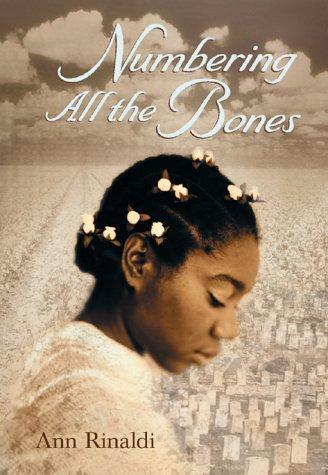
- Exhausting the Spirit of Character (Numbering All the Bones(2002) — This film tells the moving story of Euryale, a 13-year-old slave girl from the Andersonville prisoner-of-war camp in Georgia, who, at the end of the American Civil War, helped identify and bury tens of thousands of fallen soldiers in the ruins and search for freedom and her loved ones.
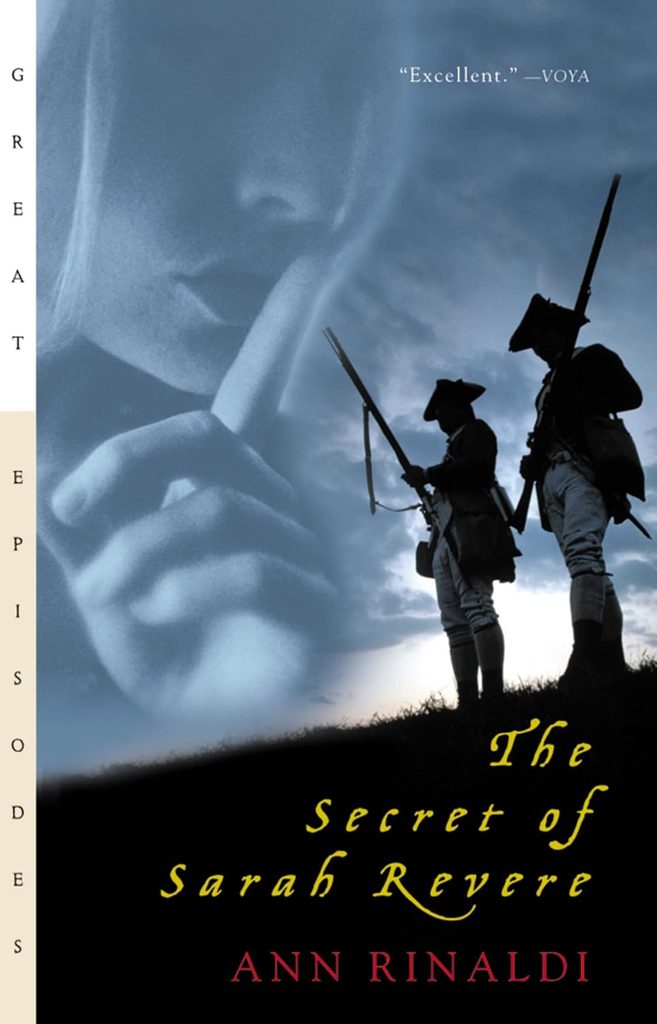
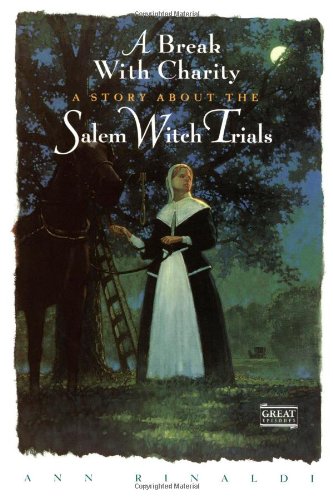
- His other notable works also include *Break with Mercy*, set against the backdrop of the Salem witch trials.A Break with Charity), Sarah Revere’s Secret (The Secret of Sarah Revere).
| Birth | Ann Rinaldi | Ann Rinaldi (Wikipedia) |
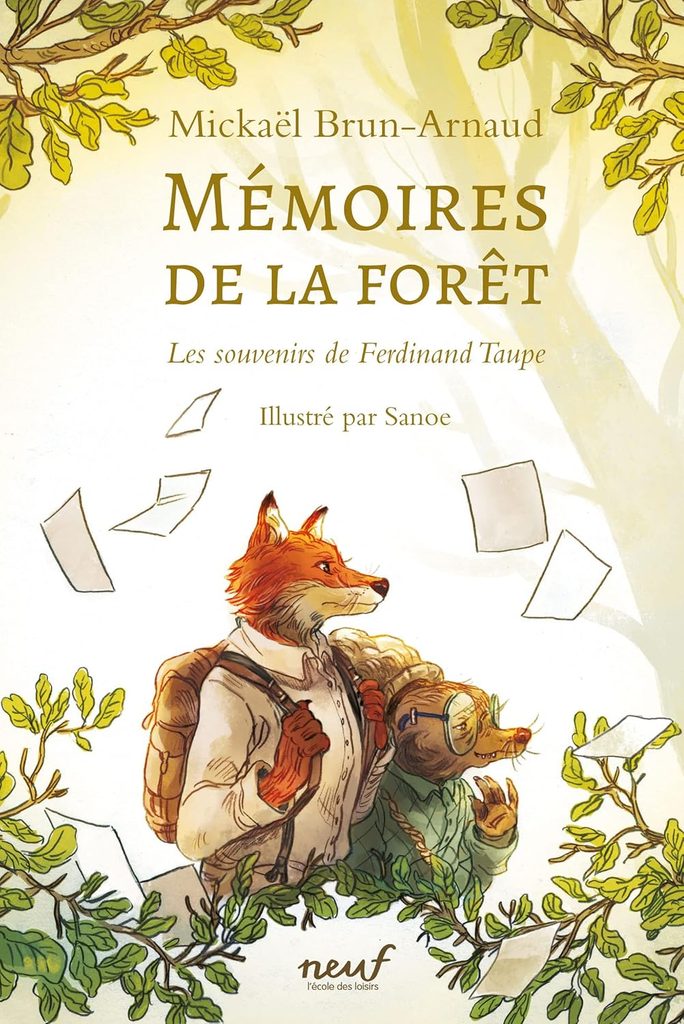
🎂 Born 1986: Mickaël Brun-Arnaud
French children’s literature author, psychologist, and founder of a children’s bookstore in Paris (1986). His writing style is gentle and delicate, and he is good at exploring profound life themes such as memory, aging, and family warmth through anthropomorphic forest animal stories.
- Top Award and Representative Works:
- Memories of the Forest: The Memories of Ferdinand the Mole (Monuments to the fore: Les Souvenirs de Ferdinand Taupe(2022, illustrated by Makoto Sano/Sanoe) — Awarded 2023 Prix Sorcières (French Sorcières Prize) for Children’s FictionThe story takes place in the warm and inviting Bellawood Forest, where Archibald the fox runs a used bookstore, and Ferdinand the mole gradually loses his memory due to the “winds of forgetting” (a tender metaphor for Alzheimer’s disease). Archibald decides to accompany Ferdinand on a journey across the forest to find his scattered memories and loved ones, making it a heartwarming and healing work for readers worldwide.
| Birth | Mickaël Brun-Arnaud | Mickaël Brun-Arnaud (Wikipedia) |
🍃 [other]
| event | figure | Details/Awards | Wikipedia/Data Links |
|---|---|---|---|
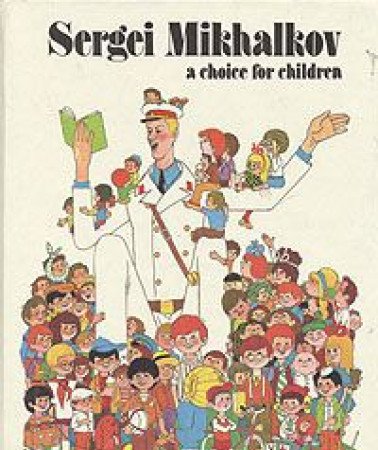
| Death | Sergey Mikhalkov | Hans Christian Andersen (1913–2009), a renowned Soviet/Russian poet, playwright, and master of children’s literature. He was awarded the Hans Christian Andersen Award with an honorary certificate. His classic children’s literary character, Uncle Stejopa, is famous.Uncle Styopa(1935) tells the story of a tall, brave, helpful and kind policeman, and is a well-known national fairy tale in Russia; he is also the lyricist of the national anthem that spans the Soviet Union and the modern Russian Federation. | Sergey Mikhalkov |
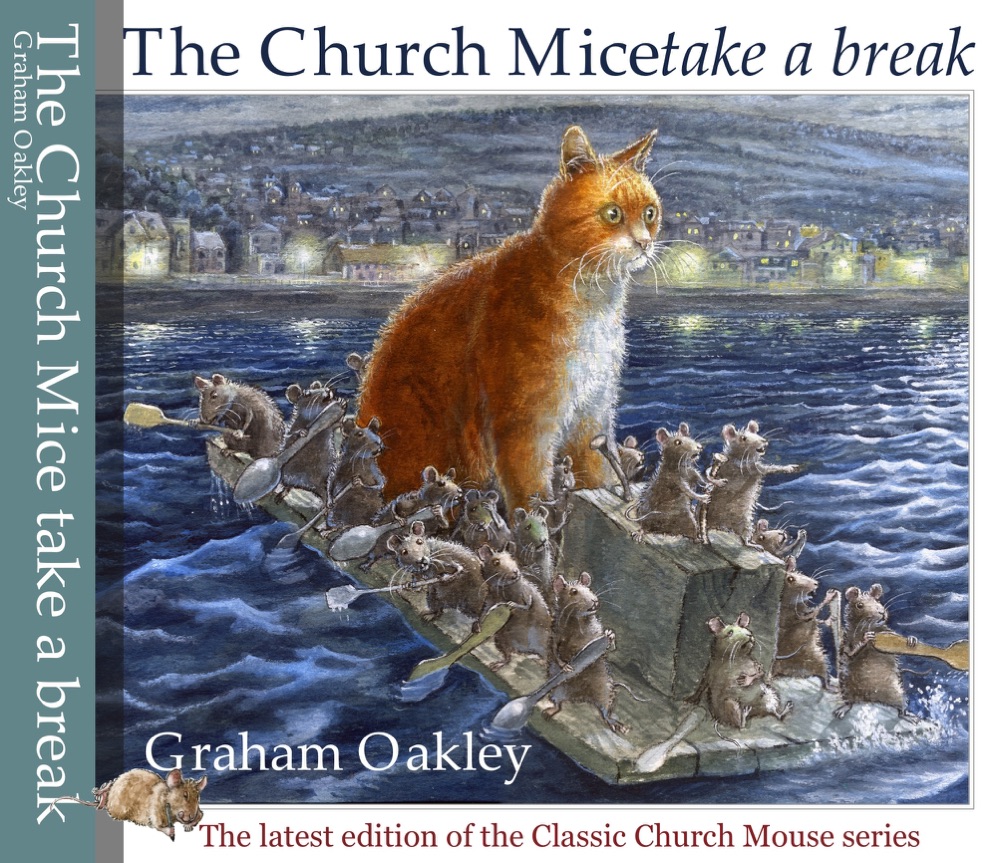
| born | Graham Oakley | A renowned British children’s picture book author and illustrator (1929–2022). His classic picture book series, *The Cat and the Mouse*, is a testament to this.The Church Mouse(1972) tells the hilarious story of Samson, a loyal cat, living peacefully with a group of clever mice and outsmarting thieves in an old English church. It was included in “1001 Children’s Books”. | Graham Oakley |
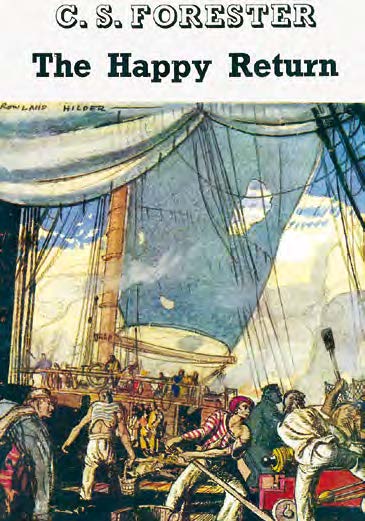
| born | CS Forrest CS Forester | A renowned British nautical and historical novelist (1899–1966). His representative work is *The Happy Return*.The Happy Return(1937) Featuring Horatio Hornblower, a Royal Navy captain during the Napoleonic Wars, the book showcases a steadfast seafaring adventure and naval battles, and is included in the “1001 Children’s Books”. | CS Forester |
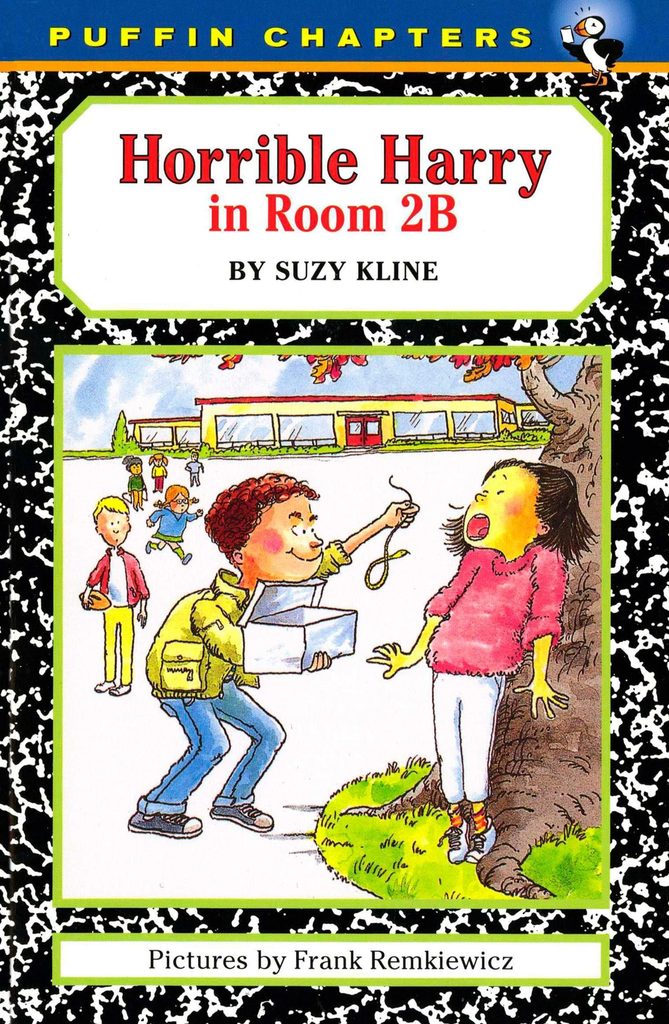
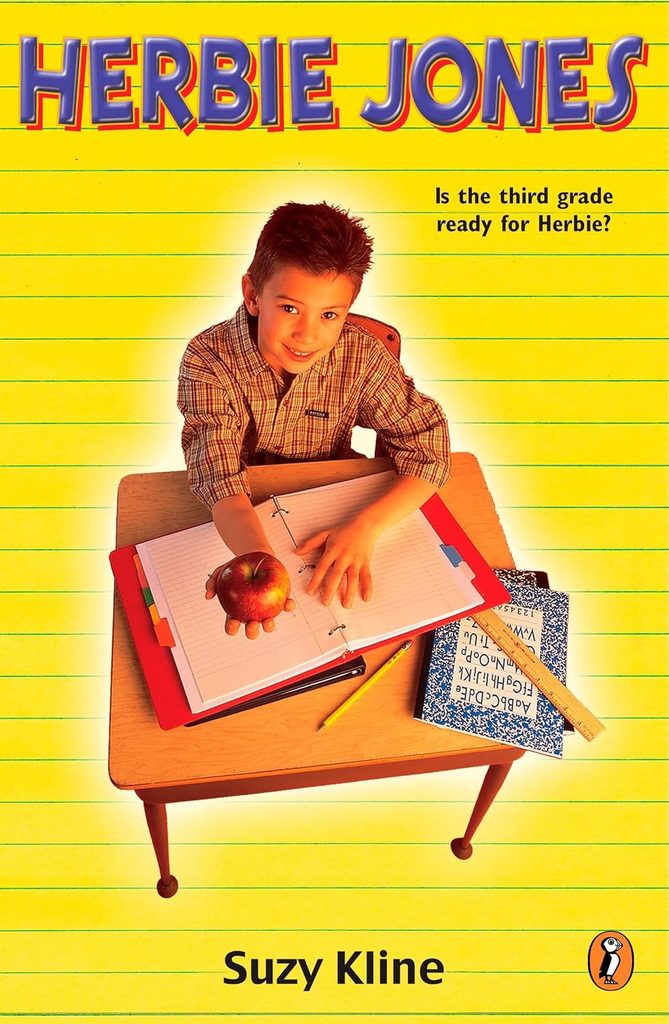
| born | Suzy Kline | American children’s novelist and former elementary school teacher (1943). His classic children’s bridge book, *The Terrible Harry in Classroom 2B* (…).Horrible Harry in Room 2BThe series (1988) uses a lighthearted and humorous style to depict the real mischievous daily lives and friendships of lower elementary school students. | Suzy Kline |
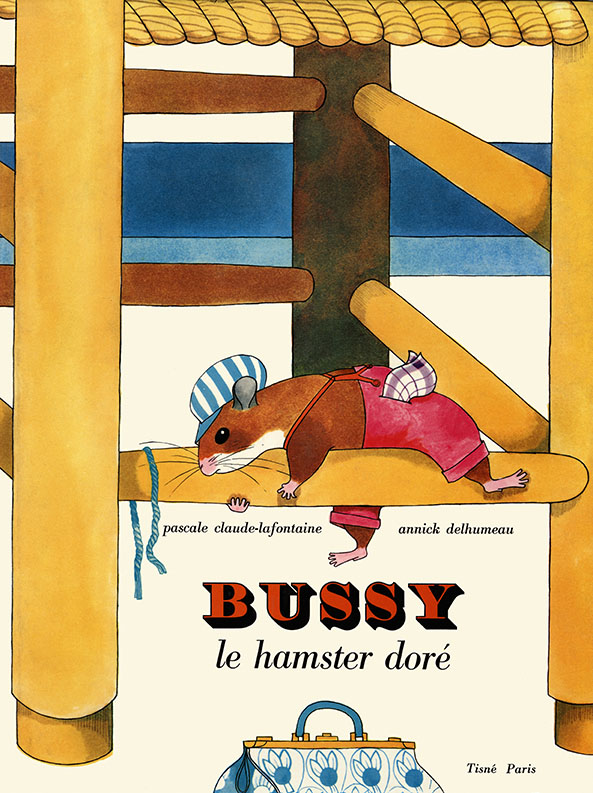
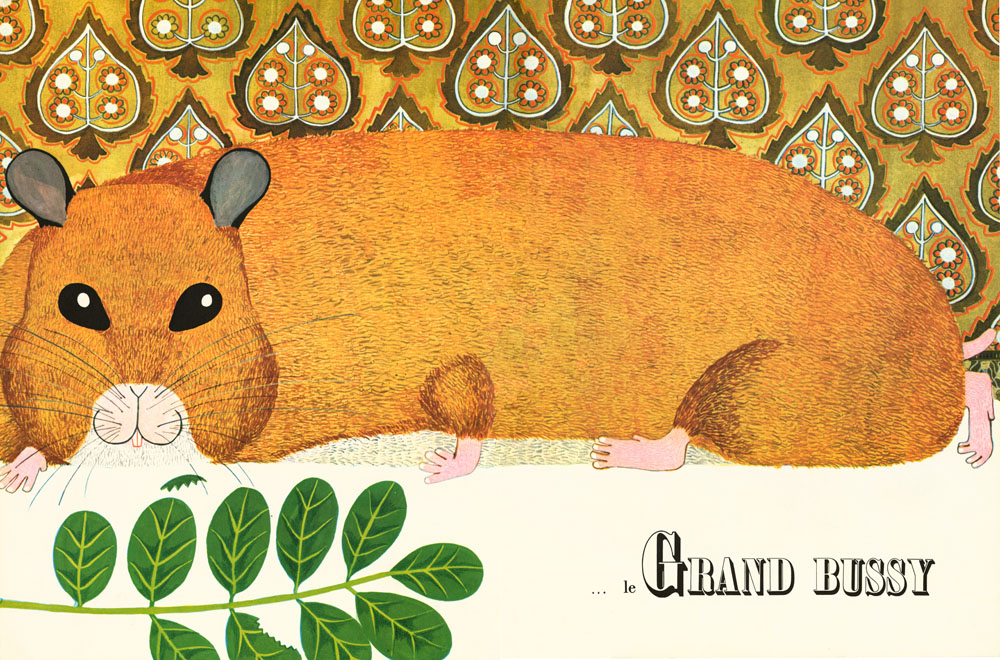
| born | Annick Delhumeau | French illustrator and sculptor (1937). His most famous work is the picture book *Boossy the Golden Hamster*.Bussy le hamster doréThe playful and whimsical flat coloring won an award. Plaque, 1969 Bratislava International Biennial of Illustrations (BIB). | Annick Delhumeau |
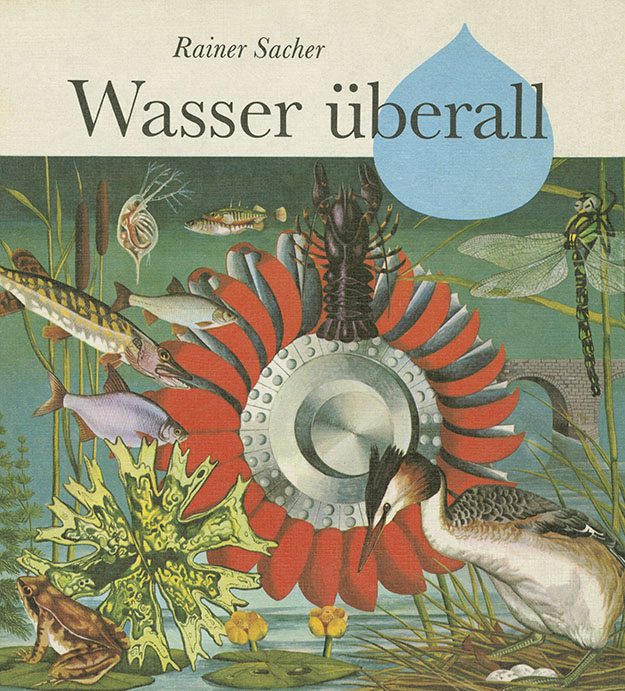
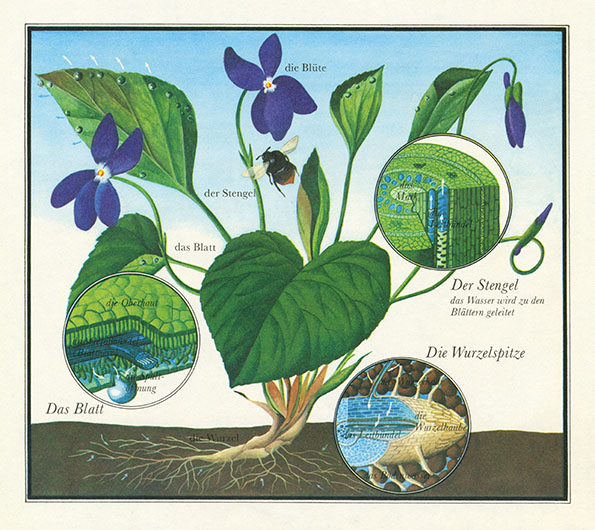
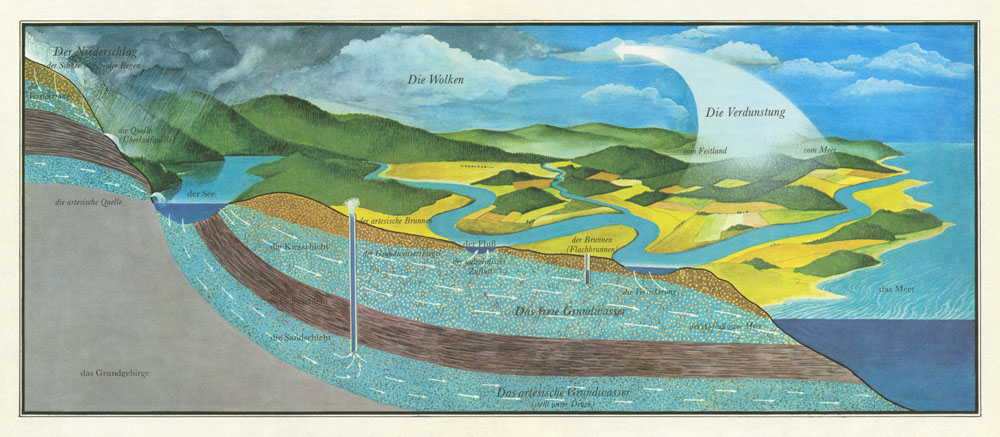
| born | Rainer Sacher | German science and children’s illustrator (1939). Known for her children’s science illustrations, “Water Everywhere” (…).Wasser überall), won Honorary Mention at the 1981 Bratislava International Biennial of Illustrations (BIB). | Rainer Sacher |
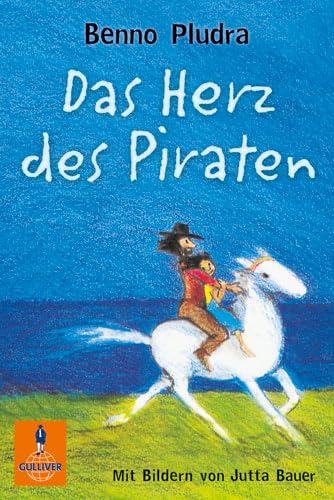
| Death | Benno Pludra | A renowned German children’s author (1925–2014). He was a multiple finalist for the Hans Christian Andersen Award, and his representative work is *The Pirate’s Heart*.Das Herz des Piraten(1985) tells the story of a girl named Jessie who finds a magical pirate heart-shaped stone on the beach and reconstructs her memories of her father and her own courage in a fantasy and reality. It is listed in “1001 Children’s Books”. | Benno Pludra |