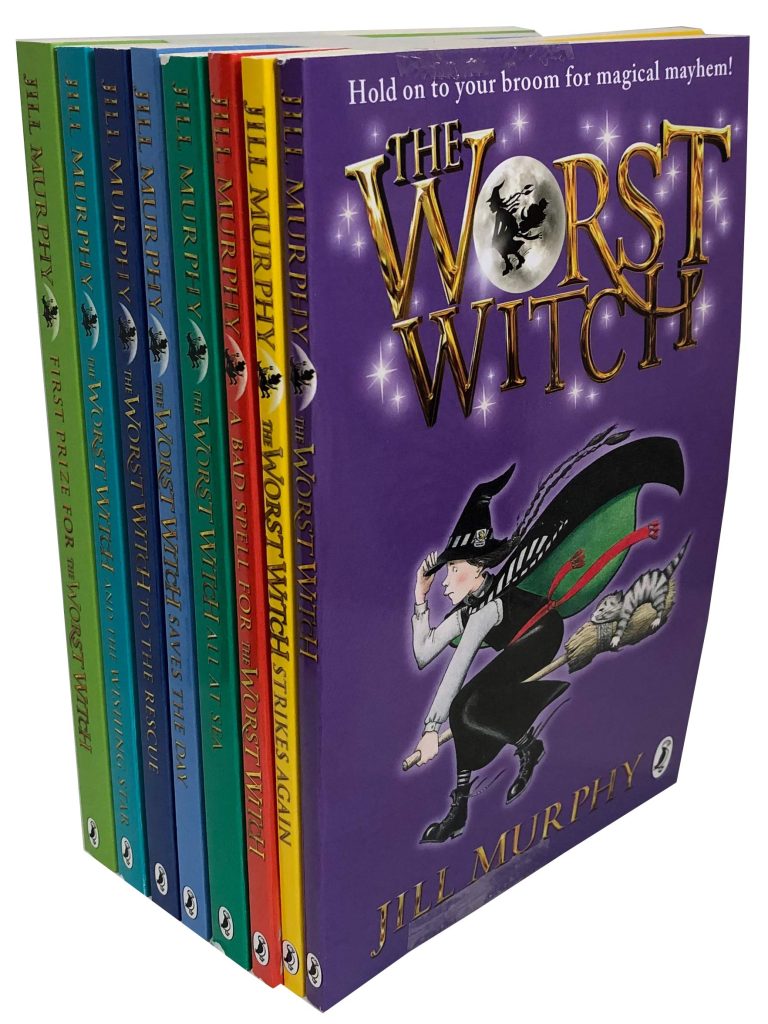
⚰️ 2021 — Passed away: Jill Murphy
British children’s picture book author, novelist, and illustrator (1949–2021). She was a leading figure in British children’s literature in the second half of the 20th century. As early as the 1970s, she pioneered the integration of magic and fantasy with boarding school life, profoundly influencing the creative paradigm of children’s magical school novels in later generations.
- Representative works and content:
- The Little Witch series (The Worst Witch The series (1974, also known as *The Worst Little Voodoo*) — a perennial favorite in European schools for half a century. The story takes place at the Cocker Witches’ School and follows the hilarious daily life of the clumsy, always-messaging potions and broomstick-wielding little witch Mildred Hubble. Predating *Harry Potter* by more than twenty years, it established the framework of the modern “magical boarding school narrative” and has been adapted into classic television series multiple times.
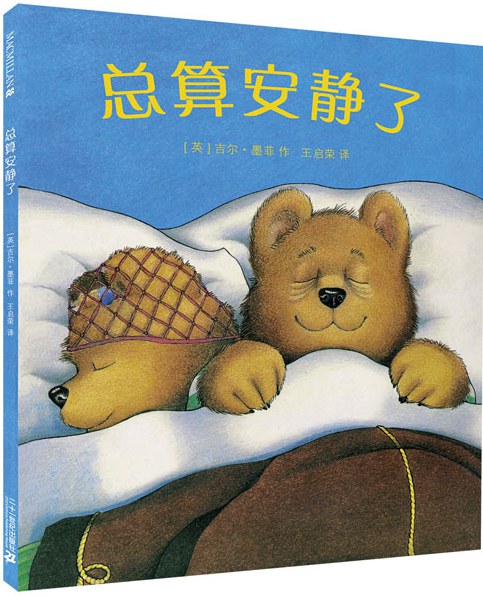
- Finally, it’s quiet. (Peace at Last(1980) — Listed in “1001 Children’s Books”. It tells the hilarious and realistic everyday scenes of Papa Bear being too tired to sleep at night, but being disturbed by Mama Bear’s snoring, the ticking of the living room clock, the dripping of the kitchen faucet, and the chirping of birds in the yard. He finally falls asleep in the car, only to be woken up by the morning light.
- His notable works also include the famous “Elephant Family” series (such as “Five Minutes of Peace”).Five Minutes’ Peace).
| Passed Away | Jill Murphy | Jill Murphy (Wikipedia) |
⚰️ 2018 — Passed away: Yuzo Otsuka
Japanese children’s literature translator and children’s folk tale adapter (1921–2018). He dedicated his life to introducing outstanding children’s literature from around the world to Japan, while also refining and adapting folk tales from various Asian ethnic groups into classic children’s picture book texts.
- Representative works and content:
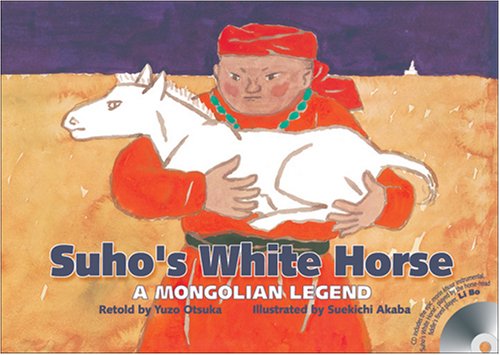
- Suho’s White Horse (スーホの白い马(Illustrated by Suekichi Akaba, 1967) — A timeless classic included in Japanese elementary school textbooks. Adapted from a Mongolian folktale, the story tells of a grassland boy named Suho who rescues and raises a white foal. The white horse wins a horse racing competition, but is forcibly taken away by a greedy prince. The white horse, wounded by an arrow, escapes back to Suho but dies from its injuries. In a dream, it instructs Suho to use its bones and tendons to make a morin khuur (horsehead fiddle). The work profoundly and serenely portrays the bond between humans and animals, and the origin of the morin khuur.
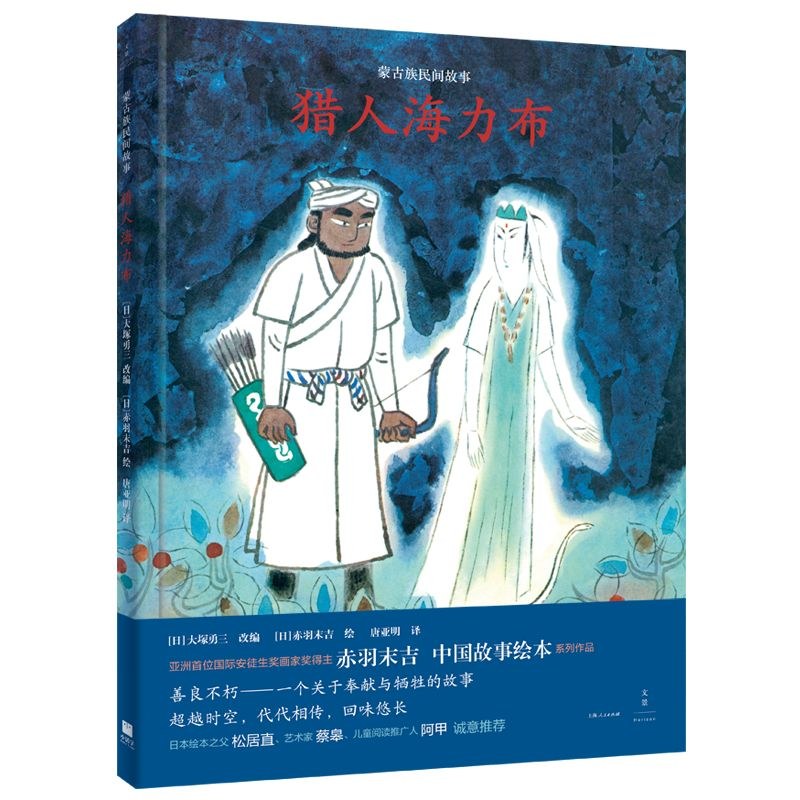
- The Hunter Hailebu (いしになったかりゅうど(Illustrated by Suekichi Akabane) — Adapted from a Chinese Mongolian folktale, it tells the story of a kind-hearted hunter named Hailibu who, in order to save his fellow villagers from a flood, breaks his vow to reveal a secret and ultimately turns into stone, achieving immortality.
| Deceased | Yuzo Otsuka | Yuzo Otsuka (Wikipedia) |
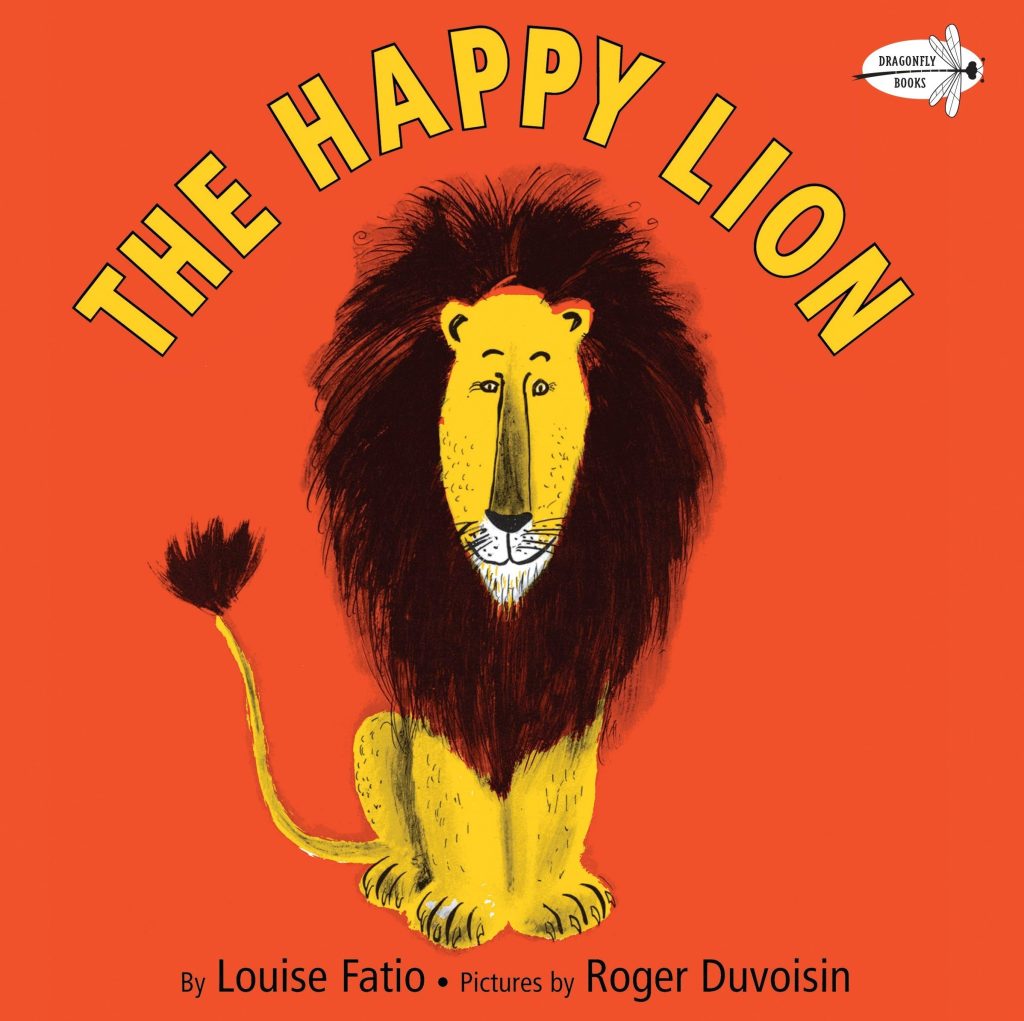
🎂 1904 – Born: Louise Fatio
Swiss-American children’s picture book author (1904–1993). She and her husband, renowned Caldecott Medal-winning illustrator Roger Duvoisin, were a prominent picture book creative partnership in the United States during the mid-20th century.
- Representative works and content:
- The Happy Lion (The Happy Lion(Illustrated by Roger Duwassen, 1954) — Awarded The inaugural German Youth Literature Prize (DJLP)Listed in “1001 Children’s Books,” the story takes place in a small French town where a friendly lion lives in the park’s zoo. One day, the cage door is unlocked, and the lion sneaks out of the park to stroll through town and visit its friends. It discovers that the usually warm-hearted townspeople are all terrified, scattering in all directions and locking their doors. Only a young boy named François calmly approaches the lion and leads it back to the park. The work presents social prejudice and pure friendship with a remarkably humorous perspective.
| Birth | Louise Fatio | Louise Fatio (Wikipedia) |
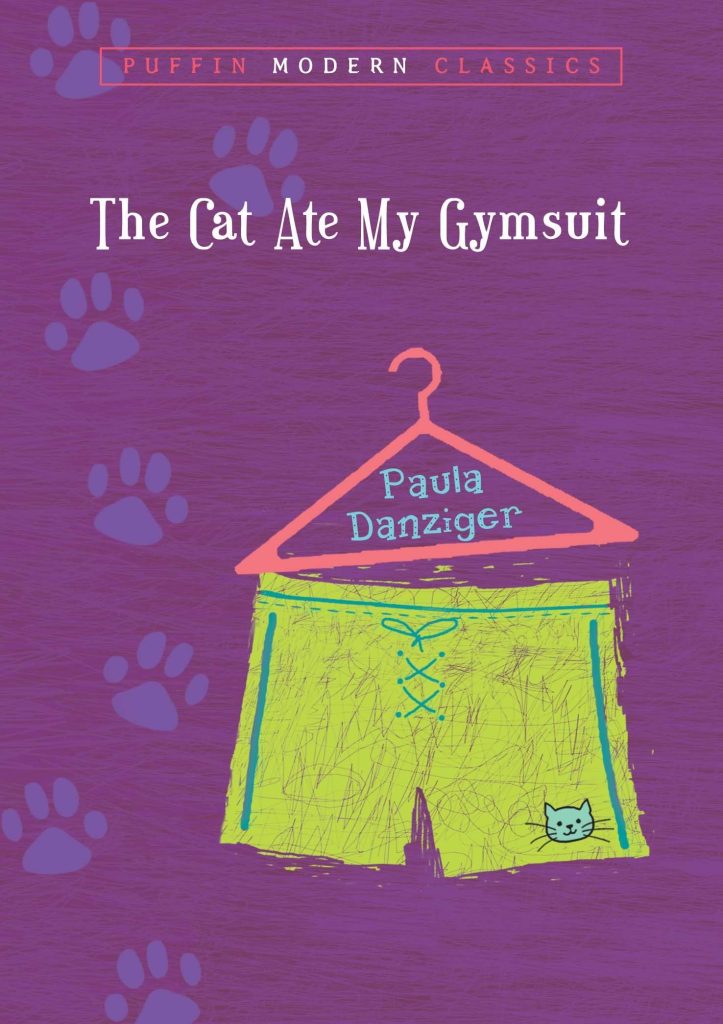
🎂 Born 1944: Paula Danziger
American realist novelist for children and young adults (1944–2004). She was widely popular for her extremely witty, humorous, candid, and straightforward writing style that closely addresses adolescent anxieties and family relationships.
- Representative works and content:
- My cat ate my workout clothes. (The Cat Ate My Gymsuit(1974) — This film tells the story of Mara, a 13-year-old girl who is extremely self-conscious about her weight and appearance and faces a volatile father at home. It is only after an enlightened new language arts teacher enters the school and encourages Mara to participate in clubs and express her opinions that Mara gradually regains her confidence and leads her classmates in protest when the teacher faces unjust dismissal.
| Birth | Paula Danziger | Paula Danziger (Wikipedia) |
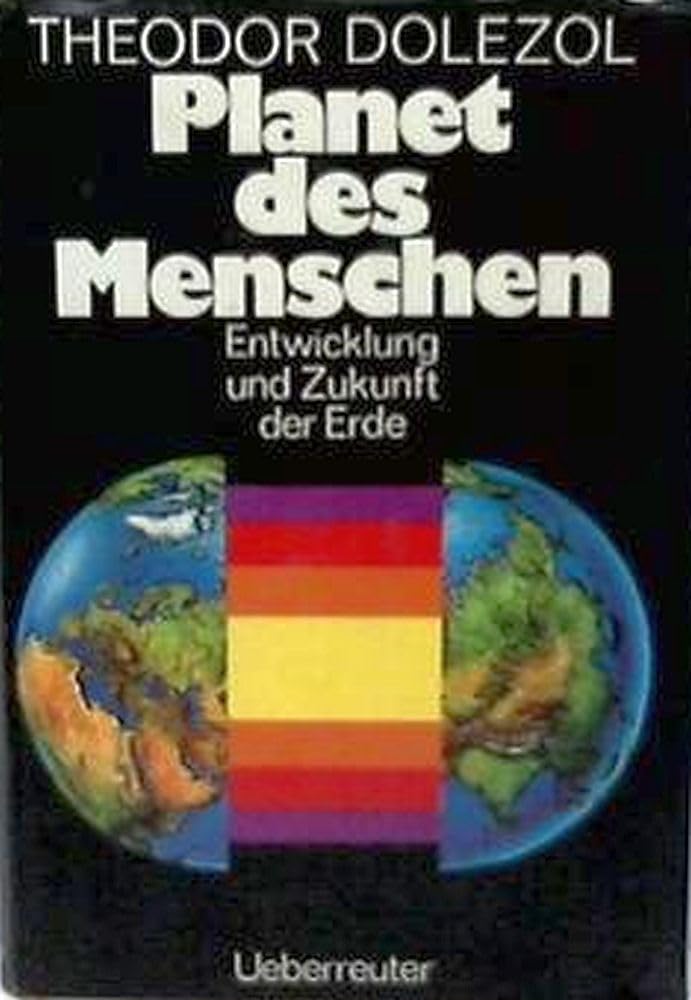
🎂 1929 – Born: Theodor Dolezol
German children’s science writer and editor (1929–2013).
- Top Award and Representative Works:
- Based on the children’s geography and Earth ecology popular science book “Humanity’s Planet” (Planet des Menschen) won 1976 German Youth Literature Prize (DJLP) Nonfiction Book AwardIt explores the close relationship between the Earth’s environment and human survival from an objective and rigorous perspective.
| Birth | Theodor Dolezol | Theodor Dolezol (Wikipedia) |