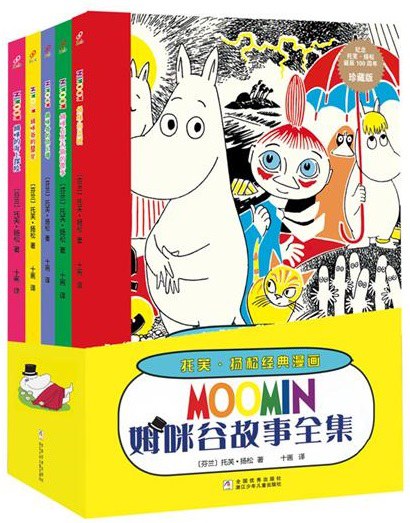
🎂 1914 – Born: Tove Jansson
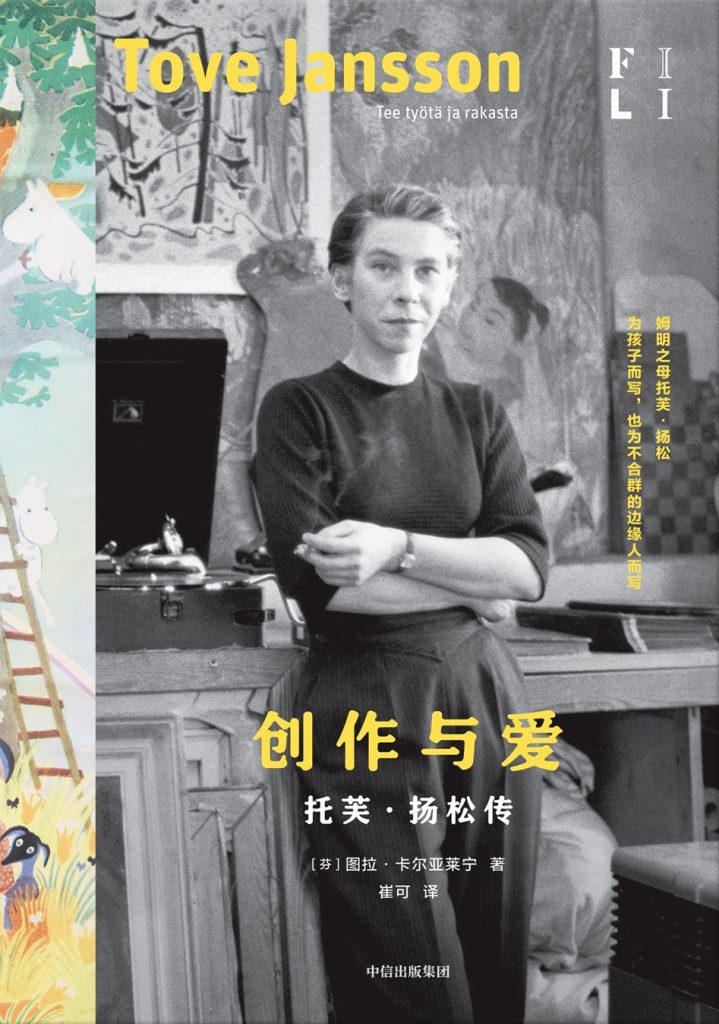
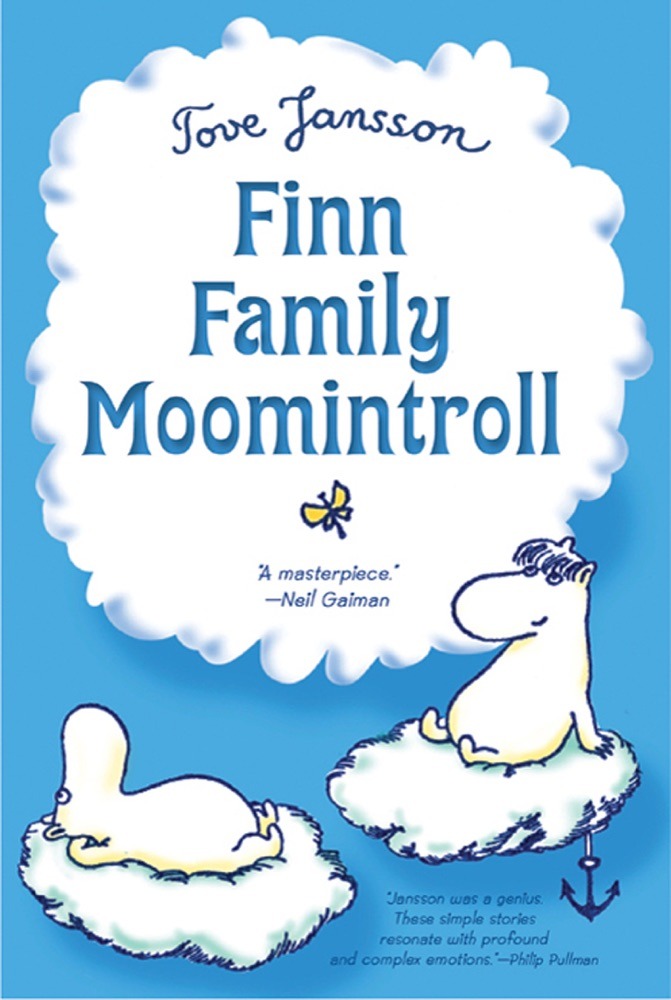
Finnish-Swedish children’s literature author, painter, illustrator, and cartoonist (1914–2001). She was a giant in the world of children’s literature and art in the 20th century, creating the world-renowned “Moomin Valley” universe with her highly inclusive humanistic spirit, exquisite and vivid lines, and philosophical thinking.
- Highest Honor: At He won the Hans Christian Andersen Award (HCAA) for Best Writer in 1966..
- Cultural History of Translation: The Chinese translation of “Moomin” reflects its popularity among readers worldwide. In mainland China, the official trademark is currently “姆明” (Mǔmíng), while historically it has been translated as “姆咪” (Mǔmī) or “木民” (Mùmín). In Hong Kong, the traditional translation is the endearing “肥肥” (Féiféi) or “小肥肥” (Xiǎo Féiféi). In Taiwan, “嚕嚕米” (Lúlúmǐ) has long been popular, and “大毛” (Dàmáo) or “莫咪” (Mòmī) have also been common.
- Representative works and content passed down through generations:
- Moomin and the Great Flood (Småtrollen och den stora översvämningen(1945) — The Moomin series’ first work in the ruins of World War II, telling the story of how Mama Moomin and Moomin search for Papa Moomin amidst fog and a great flood, eventually building the “Moomin House” in the valley, a place full of love and shelter.
- Comet in Moominvalley (Kometen kommer(1946) — The story tells of how Moomin, along with his friends Slime and Squirrel, venture to the Lonely Hill Observatory to investigate the truth when a threatening comet heads straight for Moominvalley, and how they show their appreciation for life, composure, and mutual help under the shadow of the apocalypse.
- The Magician’s Hat (Trollkarlens hatt(1948) — This story tells of Moomin finding a wizard’s tall black hat on a mountaintop. The hat can turn clouds into mounts and water into juice, bringing a series of hilarious and magical transformations. In the end, everyone uses love and wisdom to influence the wizard.
- Summer Book (Sommarboken(1972) — A masterpiece of pure literature that heals loneliness, recording the long summer spent by the little girl Sofia and her grandmother on a small island in the Gulf of Finland, exploring nature, aging, freedom and the rhythm of life with incredibly calm and clear language.
| Birth | Tove Jansson | Tove Jansson (Wikipedia) |
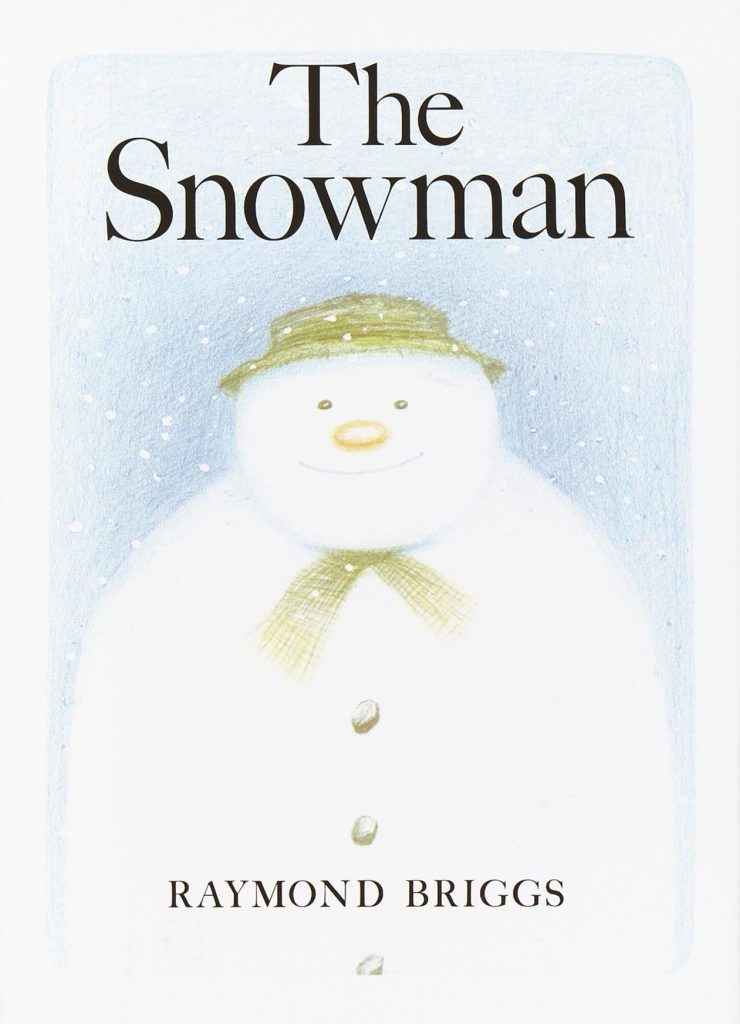
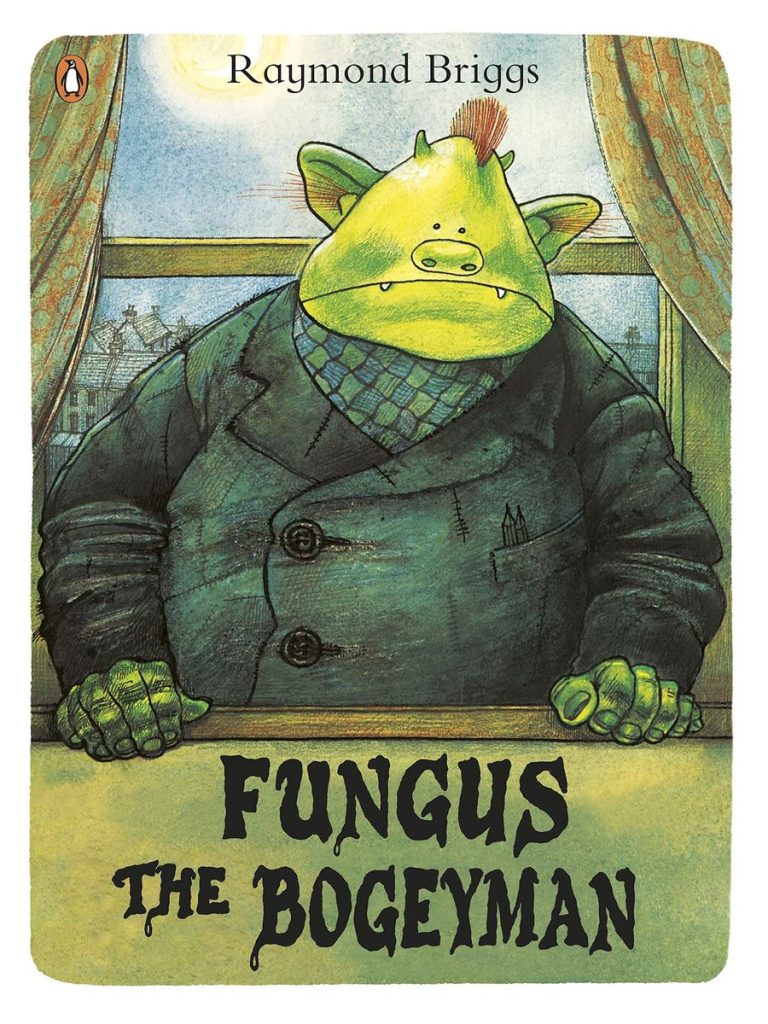
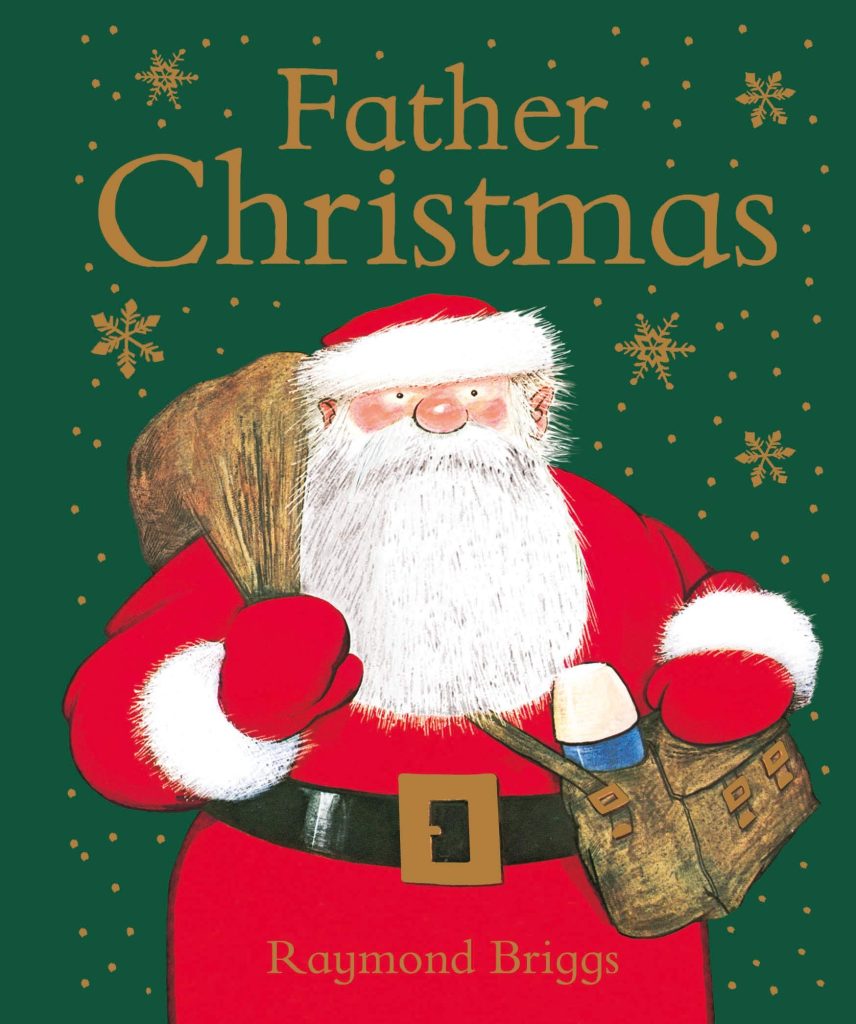
⚰️ 2022 — Passed away: Raymond Briggs
British children’s picture book author, illustrator, and cartoonist (1934–2022). He was adept at using softly textured colored pencil lines and the visual language of comic strips to combine poetic fantasy with the warmth and even cruelty of real life.
- Top Award and Representative Works:
- Twice awarded Kate Greenaway Medal (CIL)(Mother Goose Rhymes, 1966)Mother Goose Treasury1973’s *Father Santa*Father ChristmasHe was awarded a special nomination for the Hans Christian Andersen Award (HCAA) for his artistic talent.
- “snowman” (The Snowman(1978) — An immortal masterpiece of wordless picture books: It tells the story of a little boy whose snowman comes to life and takes him flying across snowfields and oceans to a snowman party in the dead of night. The entire book has no words, relying entirely on soft colored pencil images to show the childhood fantasy and the faint sadness of the snowman melting the next morning.
- Santa Claus (Father Christmas(1973) — This film subverted the traditional image of Santa Claus as a holy and sacred figure, portraying him as a nagging old man who lives in an ordinary cottage, complains about the cold weather and narrow chimney, but still diligently delivers every gift. It is humorous and entertaining.
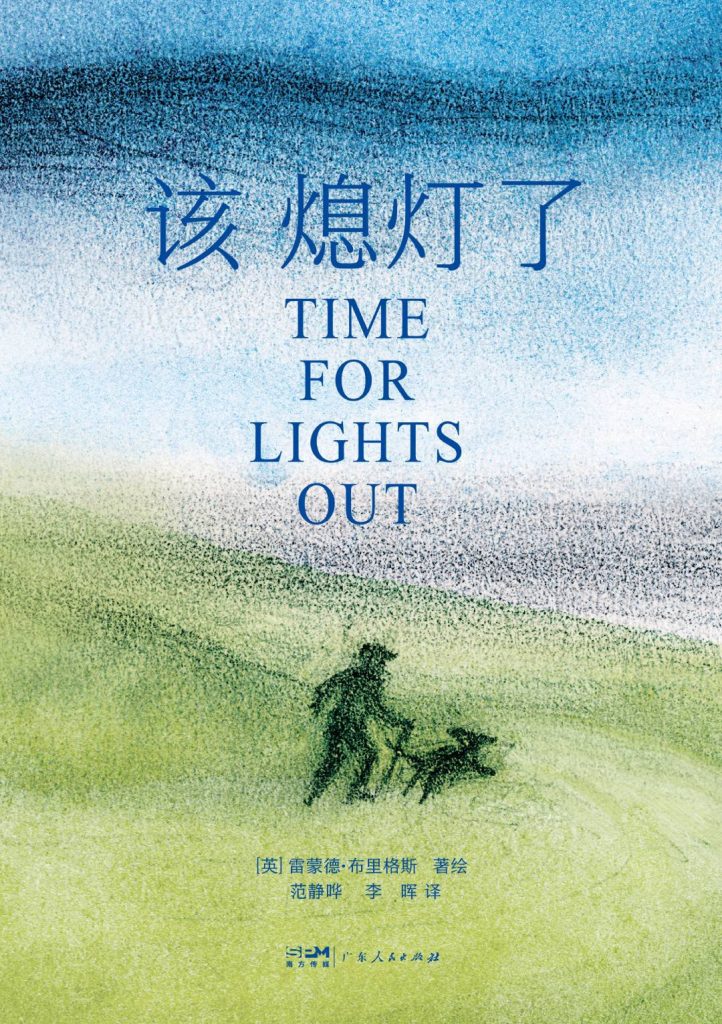
- Other representative works include “The Square Bacteria” (Fungus the BogeymanAnd his farewell song in his later years, “It’s Time to Turn Off the Lights“Time For Lights Out).
| Passed Away | Raymond Briggs | Raymond Briggs (Wikipedia) |
🎂 Born 1933: Tetsuko Kuroyanagi
Japanese children’s literature author, television presenter, and UNICEF Goodwill Ambassador (1933). She cares about children’s education and the well-being of children worldwide from an approachable, respectful, and equal perspective.
- Representative works and content:
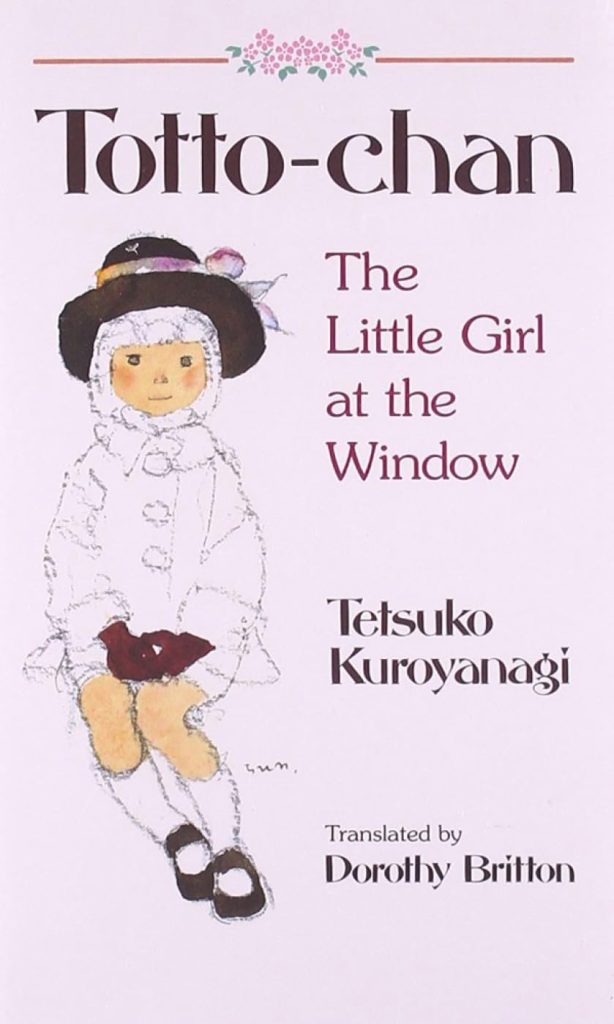
- Totto-chan, the Little Girl at the Window (窓ぎわのトットちゃん(Illustrated by Tomohiro Iwasaki, 1981) — A groundbreaking realistic autobiographical masterpiece that broke publishing records in Japan and worldwide: it recounts the author’s true experiences as a child who was expelled from school for being “naughty” and then attended Tomoe Gakuen (which used abandoned train cars as classrooms) founded by Sosaku Kobayashi. Through an educational approach that respects nature and children’s natural instincts, Totto-chan transformed from a “strange child” into a caring and confident young woman.
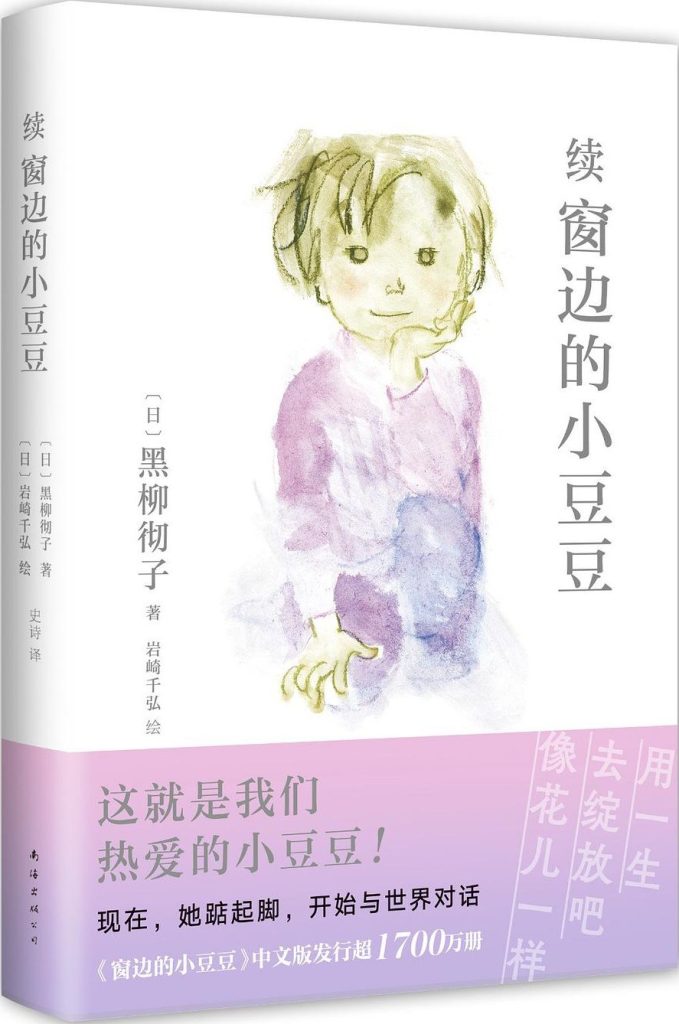
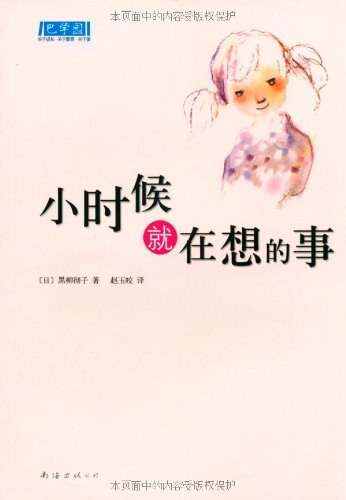
- His representative works also include “Totto-chan: The Little Girl at the Window” (sequel)Totto-Chan’s Children), “The Forgetful Little Bean“トットの owed a post).
| Birth | Tetsuko Kuroyanagi | Tetsuko Kuroyanagi (Wikipedia) |
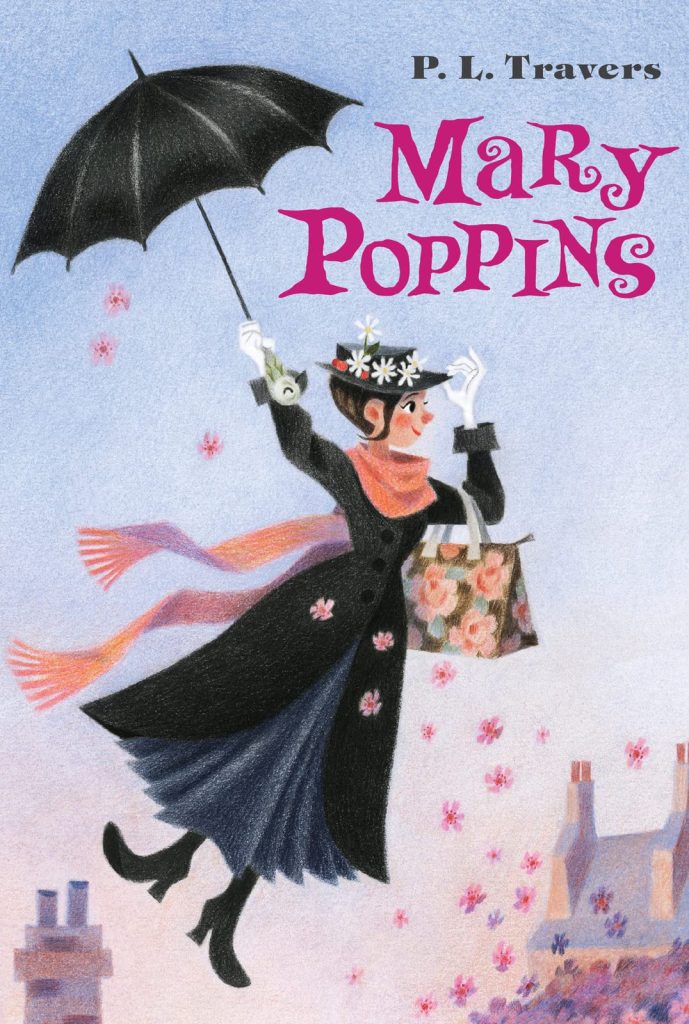
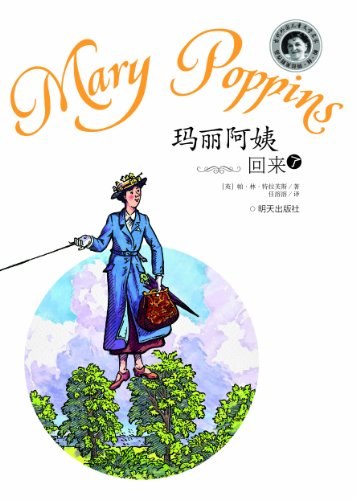
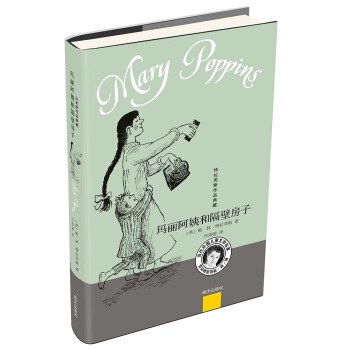
🎂 Born 1899: P.L. Travers
Helen Lyndon Goff (1899–1996), an Australian-born British children’s author, created one of the most famous magical nannies in modern children’s literature, blending everyday British family life with profound surreal fantasy.
- Representative works and content:
- The Mary Sisters Who Came with the Wind series(Mary Poppins The series (the first book in the series, published in 1934) — included in “1001 Children’s Books”. The story tells of Aunt Mary, a nanny with a blanket bag, a parrot-head umbrella, a somewhat stern and proud personality, but possessing boundless magical powers, who lands on the Banks’ house at 17 Cherry Tree Lane on an east wind. She takes the children to drink tea on the ceiling, have picnics in the paintings along the roadside, and even talk to the stars, bringing endless laughter and love to the otherwise quiet family. The work was later adapted into a classic Disney film and musical.
- The series also includes “Aunt Mary Who Came with the Wind: In the Park” (Mary Poppins in the Park), Aunt Mary Who Came with the Wind: Open the Door (Mary Poppins Opens the Door).
| Birth | P.L. Travers | PL Travers (Wikipedia) |
🎂 Born in 1973: Gene Luen Yang
American cartoonist and graphic novelist of Chinese descent (1973). He was a key figure in bringing contemporary graphic novels into the mainstream of children’s literature, the first cartoonist to win the National Book Award for Children’s Literature, and a former U.S. Youth Literature Ambassador.
- Supreme Honors and Representative Works:
- At In 2023, it won the NSK Neustadt Prize for Children’s Literature..
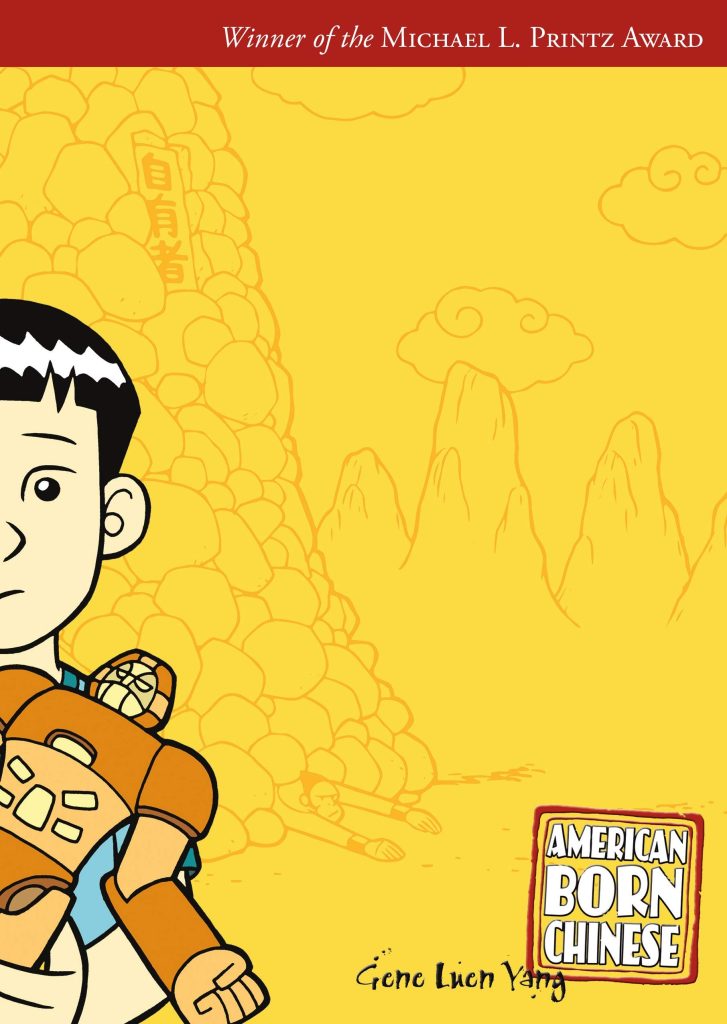
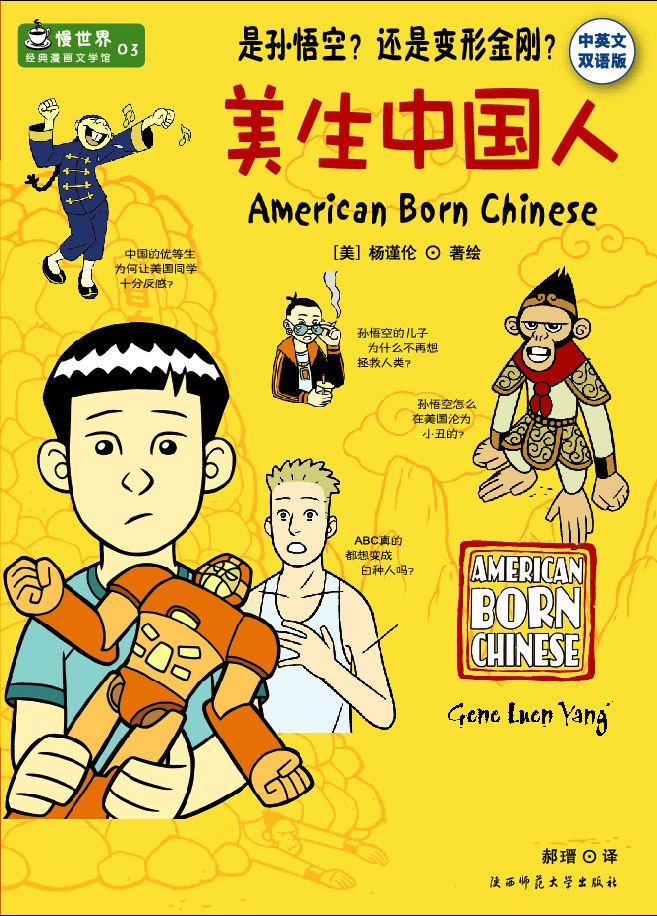
- American-born Chinese (American Born Chinese(2006) — A landmark graphic novel with three interwoven storylines: it tells the story of Wang Jin, a descendant of Chinese immigrants, struggling with identity and cultural exclusion at school, interwoven with a variant of the legend of Sun Wukong’s havoc in Heaven and the absurd life of “Chin-Kee,” a cartoon character representing American stereotypes about Chinese people. The three storylines eventually converge, revealing the powerful message of accepting one’s true self and cultural reconciliation.
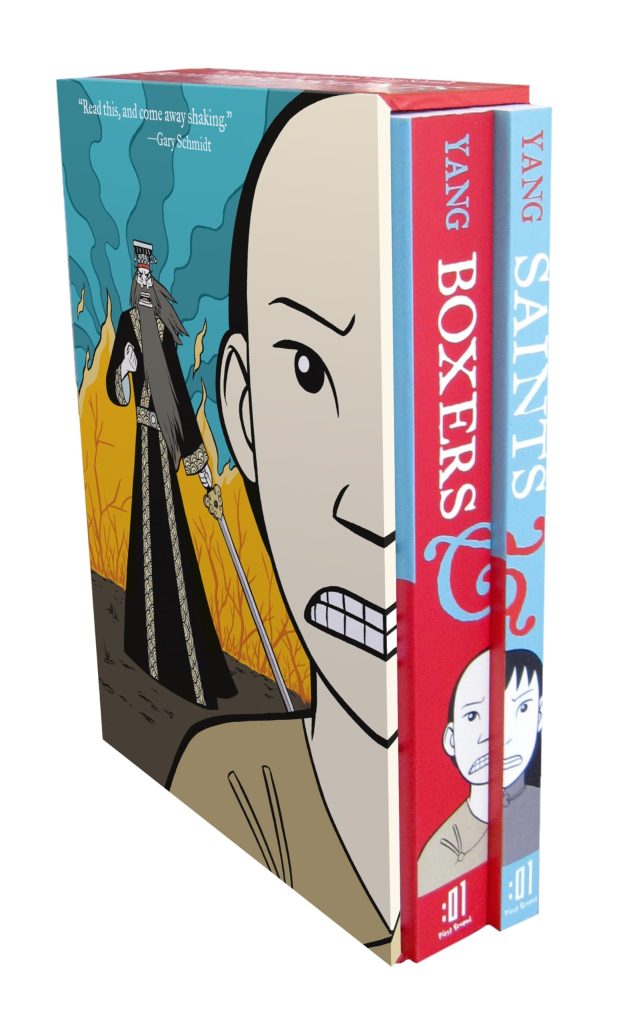
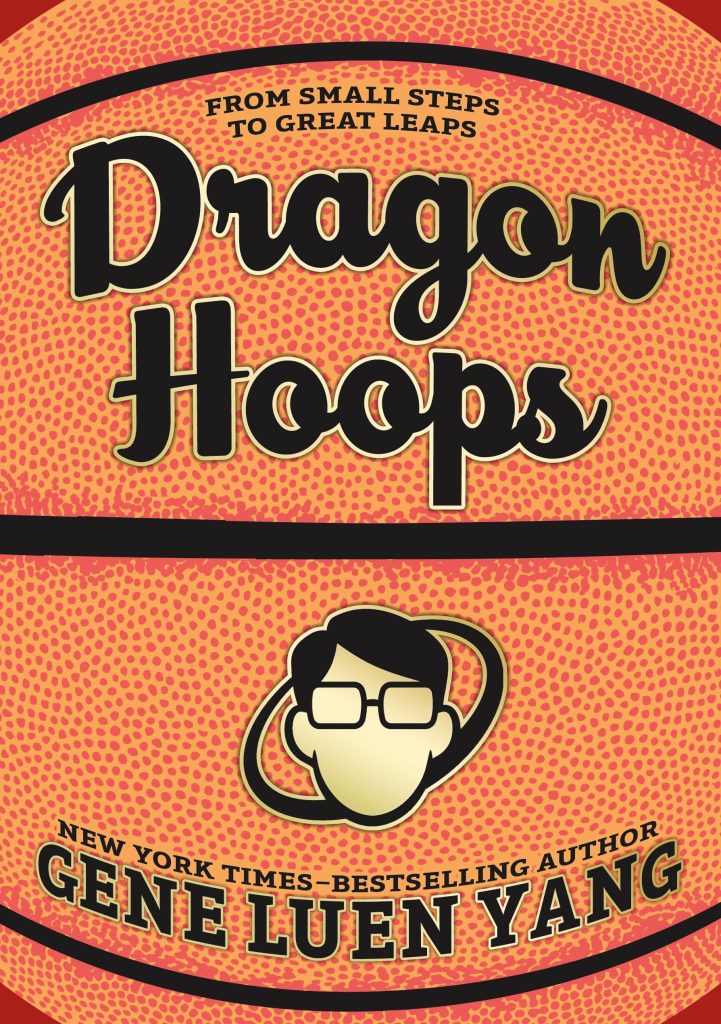
- Other notable works include the historical graphic novel twins, *The Boxers and the Saints* (…).Boxers & Saints), basketball-themed “Dragon Halo“Dragon Hoops) and Shadowman (The Shadow Hero).
| Birth | Gene Luen Yang | Gene Luen Yang (Wikipedia) |
🎂 Born 1944: Patricia McKissack
African American children’s author (1944–2017). Throughout her life, she collaborated with her husband, Fredrick McKissack, to create numerous classic children’s books about African American history, folklore, and the civil rights movement, winning the Coretta Scott King Book Award multiple times.
- Top Award and Representative Works:
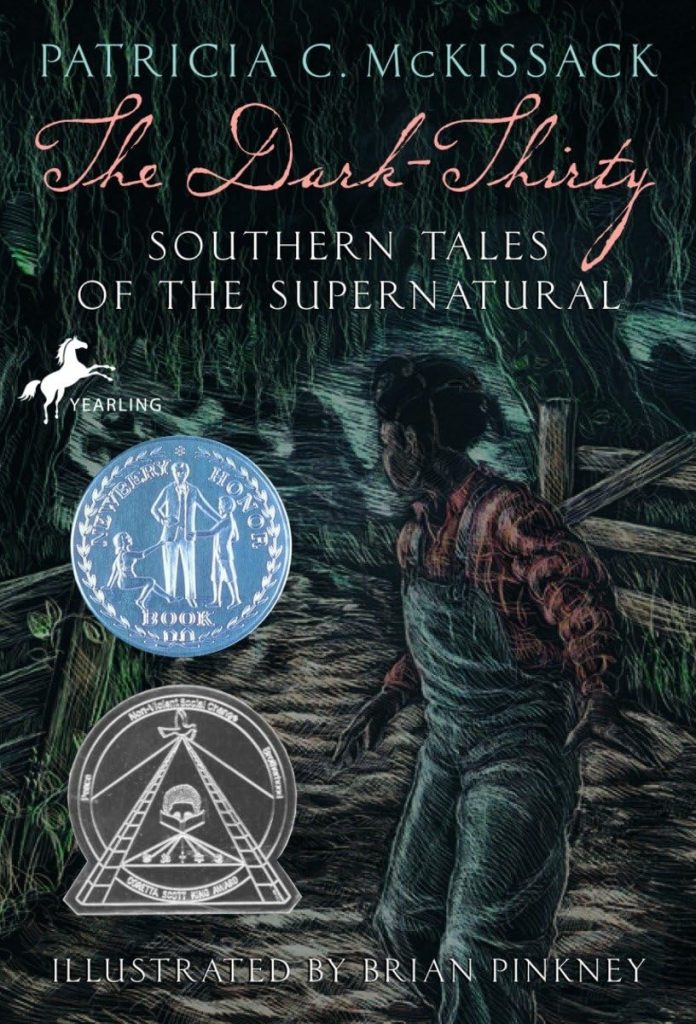
- Dark Thirty (The Dark-Thirty: Southern Tales of the Supernatural(1992) — Awarded 1993 Newbery HonorThis collection of short stories skillfully blends African American folklore from the Southern African with historical realities such as slavery, the Ku Klux Klan, and the Civil Rights Movement. While telling thrilling and suspenseful stories, the work profoundly reveals the pain of history and the resilience of the human spirit.
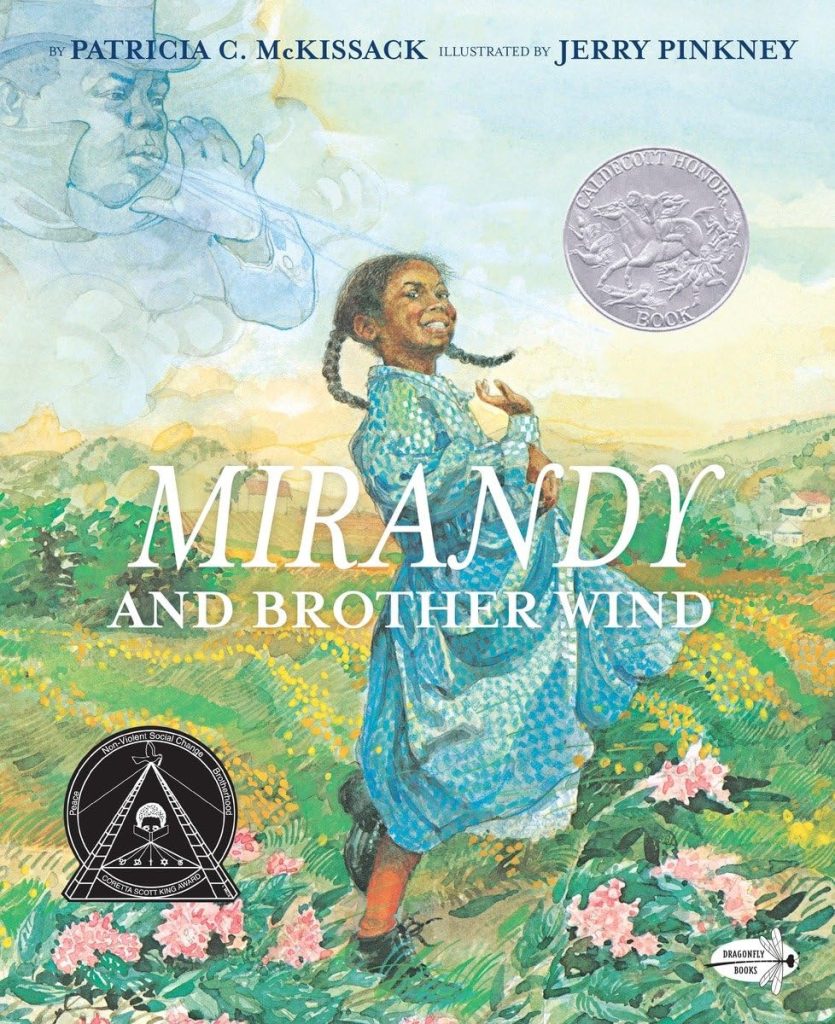
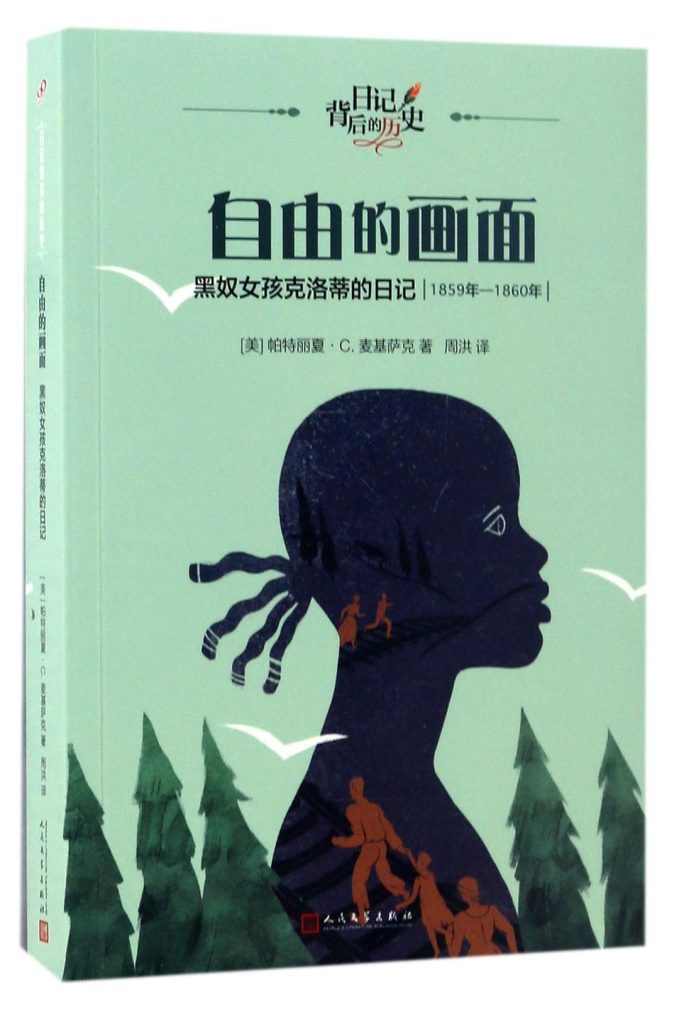
- His representative works also include the Caldecott Honor Book *Mirandi and the Wind* (…).Mirandy and Brother Wind) and “Pictures of Freedom,” which depicts the struggle of slave girls (Picture of Freedom).
| Birth | Patricia C. McKissack | Patricia McKissack (Wikipedia) |
🍃 [other]
| event | figure | Details/Awards | Wikipedia/Data Links |
|---|---|---|---|
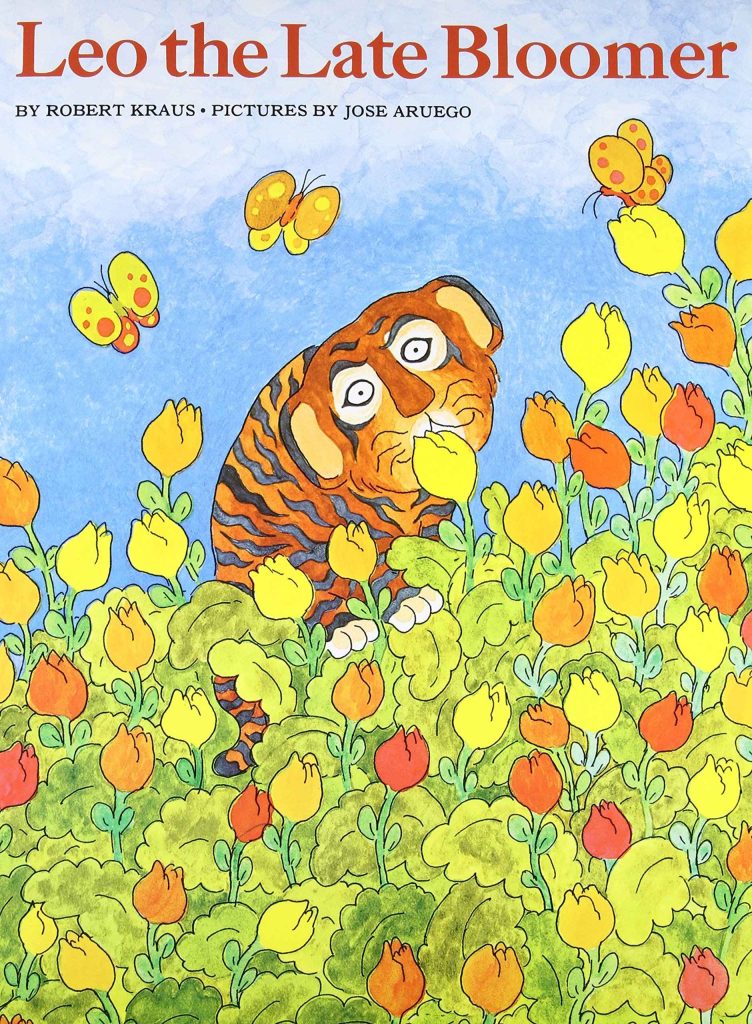
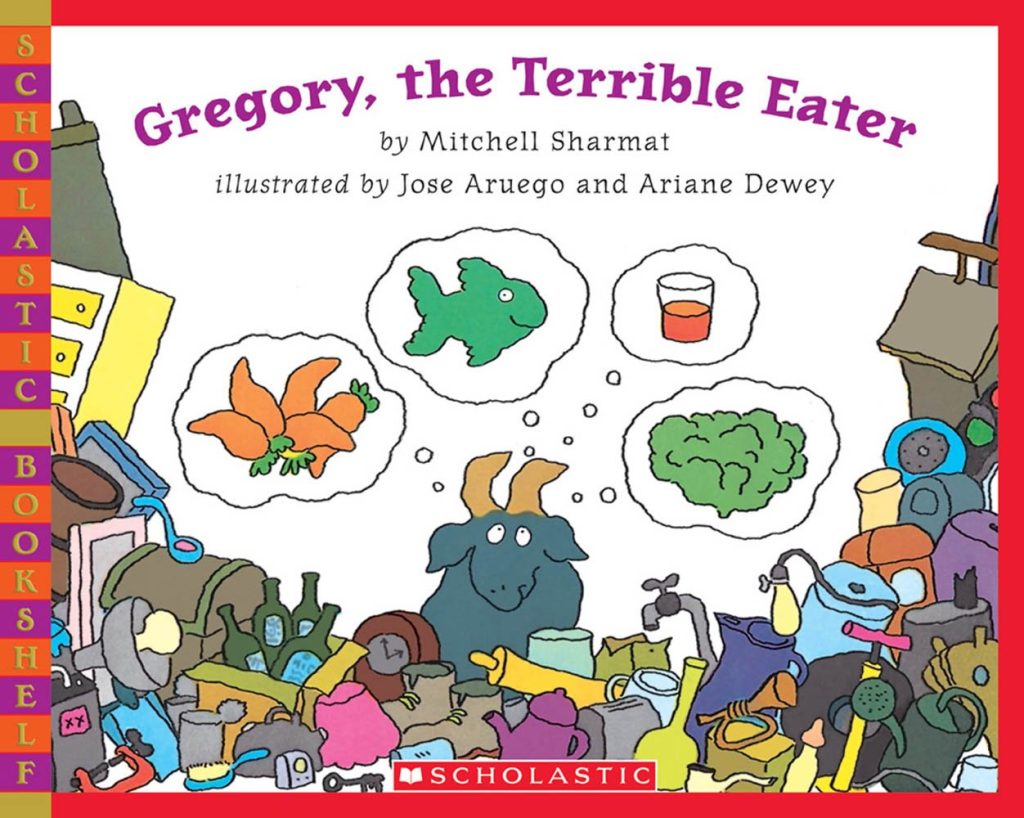
| Birth/Death | José Aruego | Filipino-American picture book illustrator (1932–2012). He was known for his lively lines and incredibly expressive and humorous animal illustrations, including the illustrator of Robert Caruso’s heartwarming classic, *Tiger Gets Smart*.Leo the Late Bloomer) and The Picky Eater Gregory (Gregory, the Terrible EaterThey created illustrations that are unforgettable. | José Aruego |
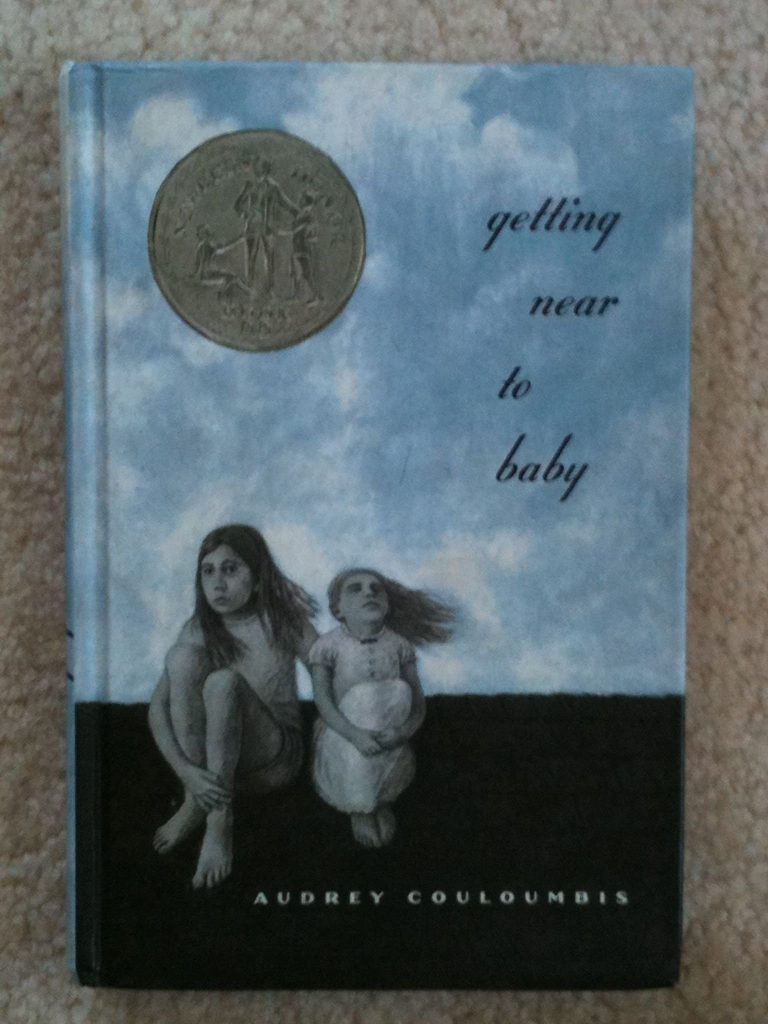
| born | Audrey Couloumbis | American children’s novelist (1947). His representative work is *The Child on the Roof*.Getting Near to Baby(1999) tells the story of two sisters who go to live with their aunt after the tragic death of their younger sister. The two sisters climb onto the roof and refuse to come down, gradually releasing their grief and gaining understanding and healing as they overlook the town. It won numerous awards. 2000 Newbery Honor. | Audrey Couloumbis |
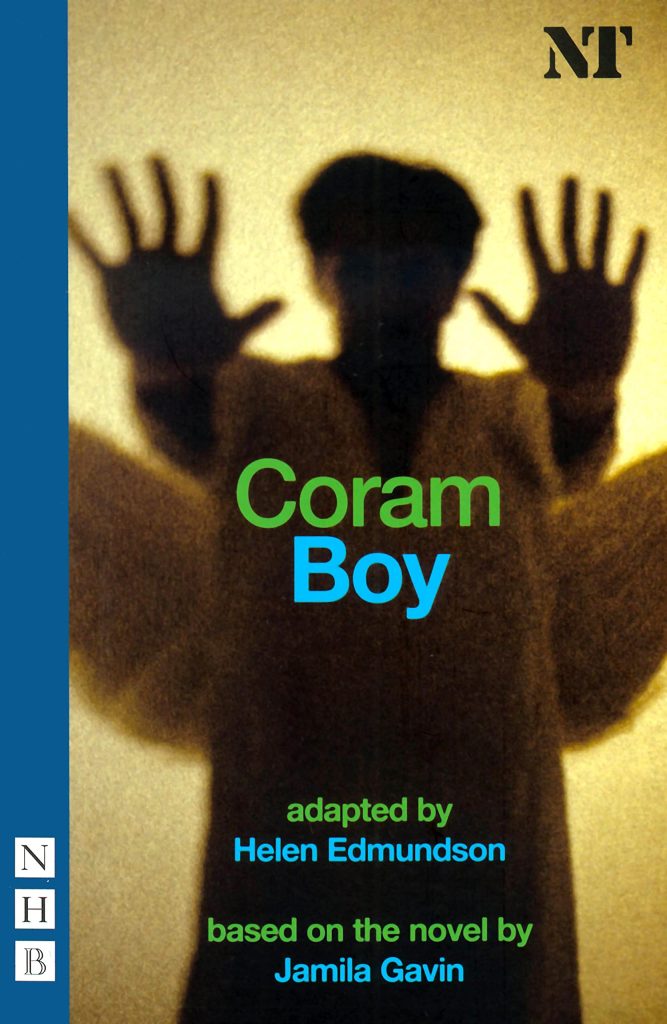
| born | Jamila Gavin | An Indian-British historical novelist for children (1941). His most famous work is *The Coram Boy*.Coram BoySet in 18th-century England, the book (2000) tells the story of a dark conspiracy behind an orphanage, musical redemption, and the coming-of-age struggles of a noble boy. It won the Whitbread Children’s Book Award and was included in “1001 Children’s Books”. | Jamila Gavin |
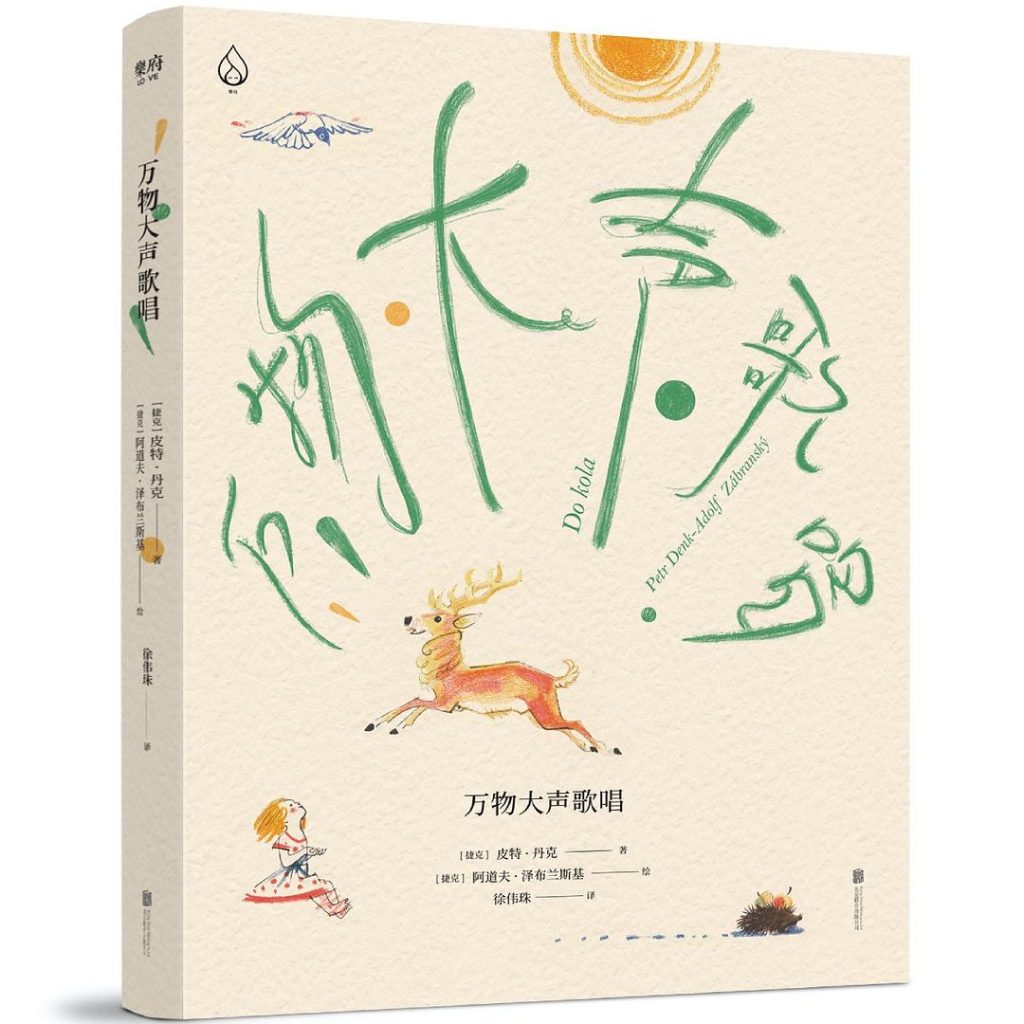
| Death | Adolf Zábranský | Czech painter and children’s book illustrator (1909–1981). He was known for his simple, refined watercolor lines and lyrical style in illustrating classic Czech folk songs and nursery rhymes. In 1972, he received the Honorary Diploma of the Hans Christian Andersen Award (HCAA) for his artistic achievements.His representative works include “All Things Sing Loudly” (Všelijaké povídání). | Adolf Zábranský |
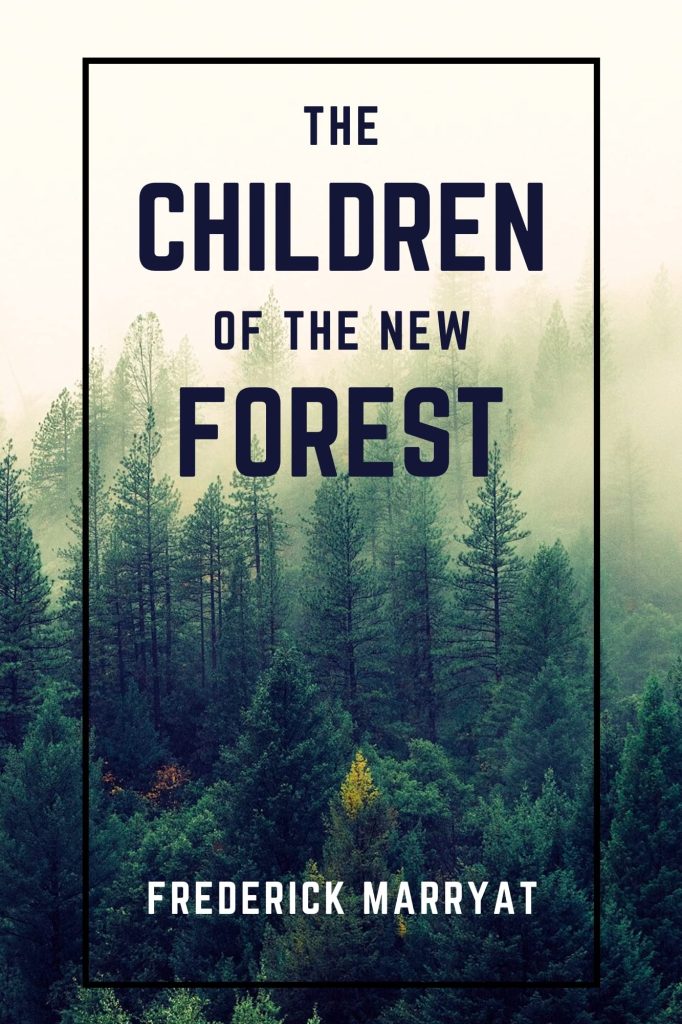
| Death | Captain Frederick Marryat | British Royal Navy Captain, early young adult adventure novelist (1792–1848). His representative work is *The Children of the New Forest*.The Children of the New Forest(1847) Set against the backdrop of the English Civil War in the 17th century, it tells the classic adventure story of four royal noble orphans who hide in the deep forests under assumed names, learn to chop wood, hunt, and become self-reliant. It is listed in “1001 Children’s Books”. | Frederick Marryat |