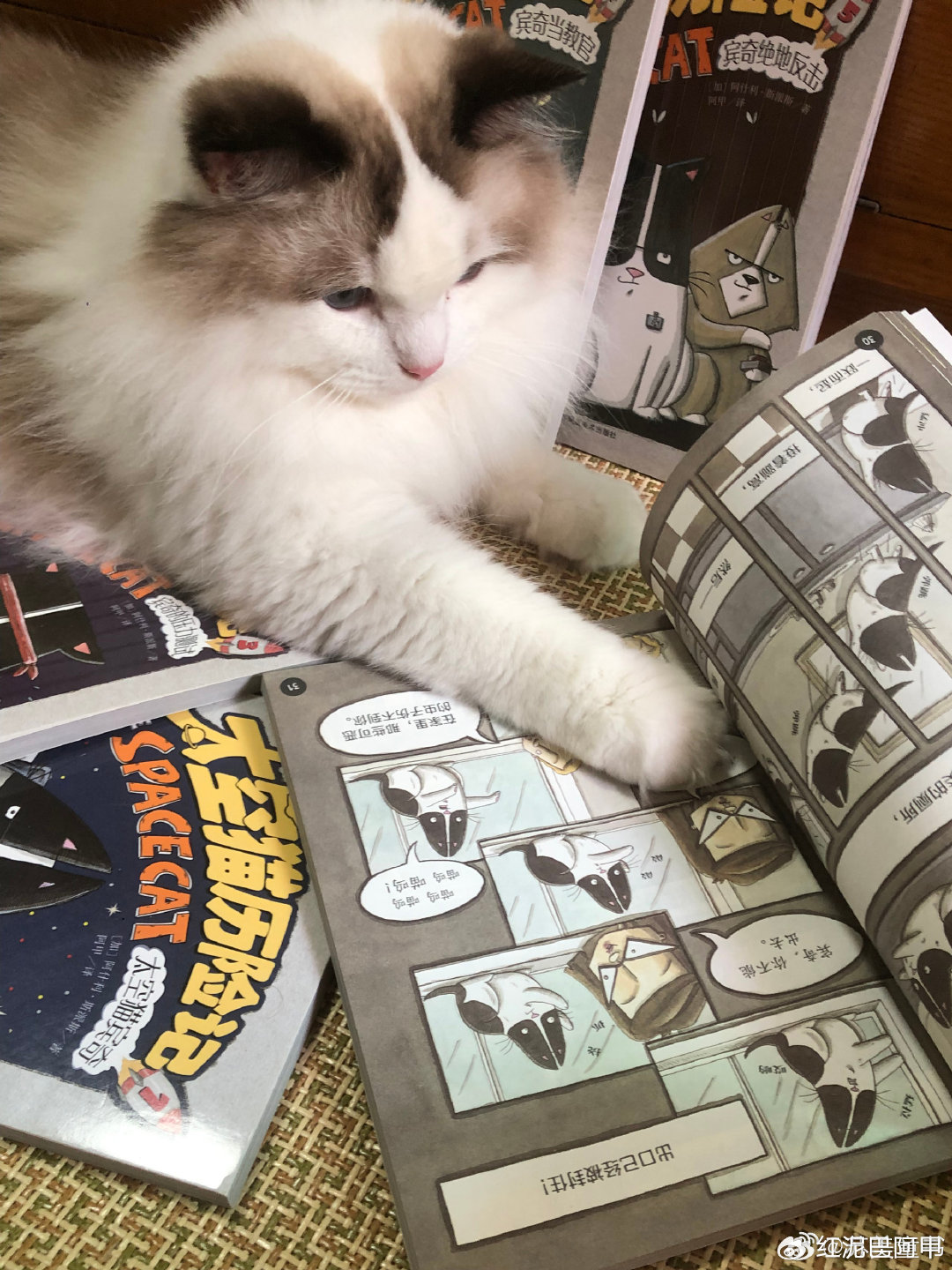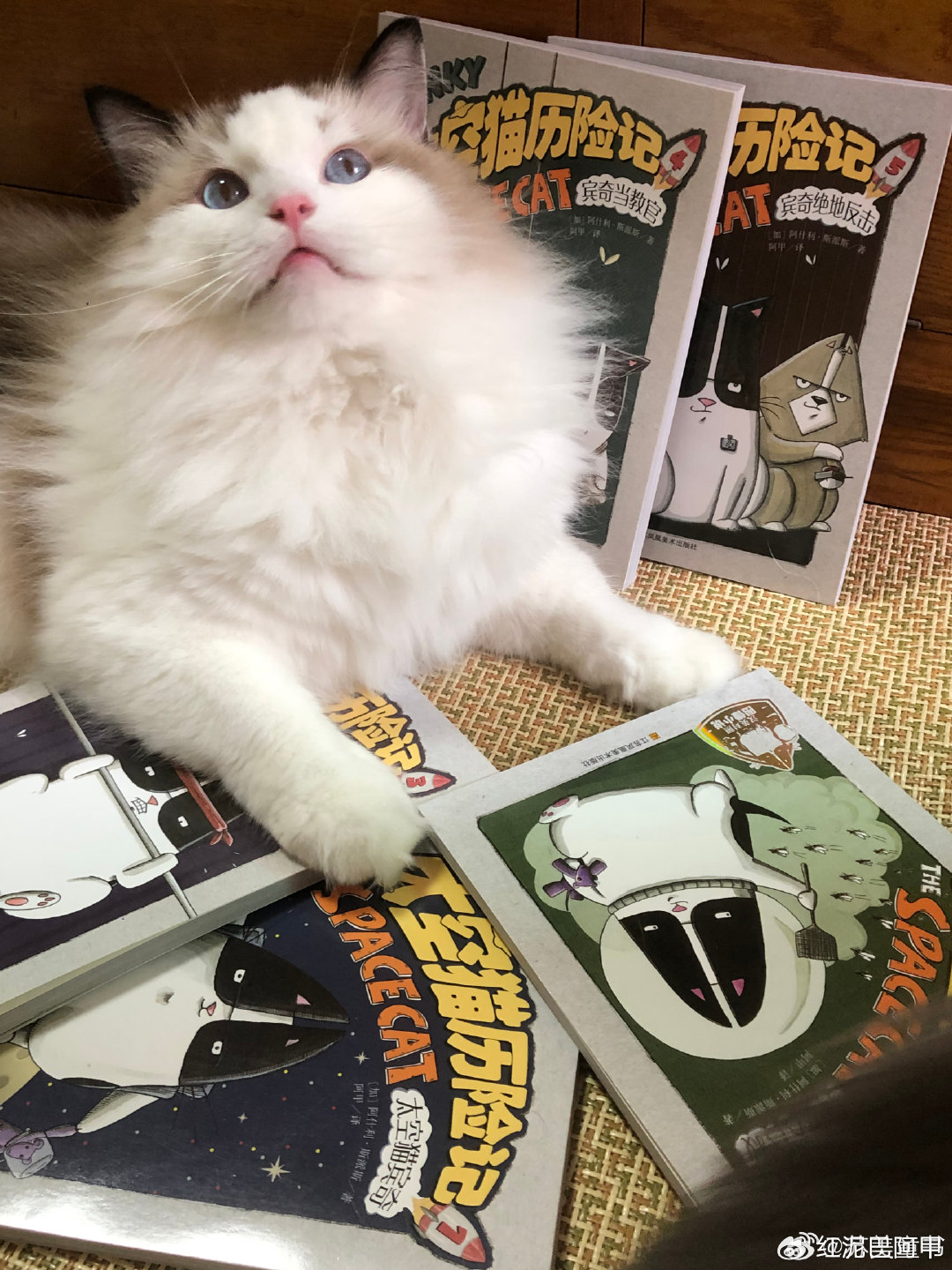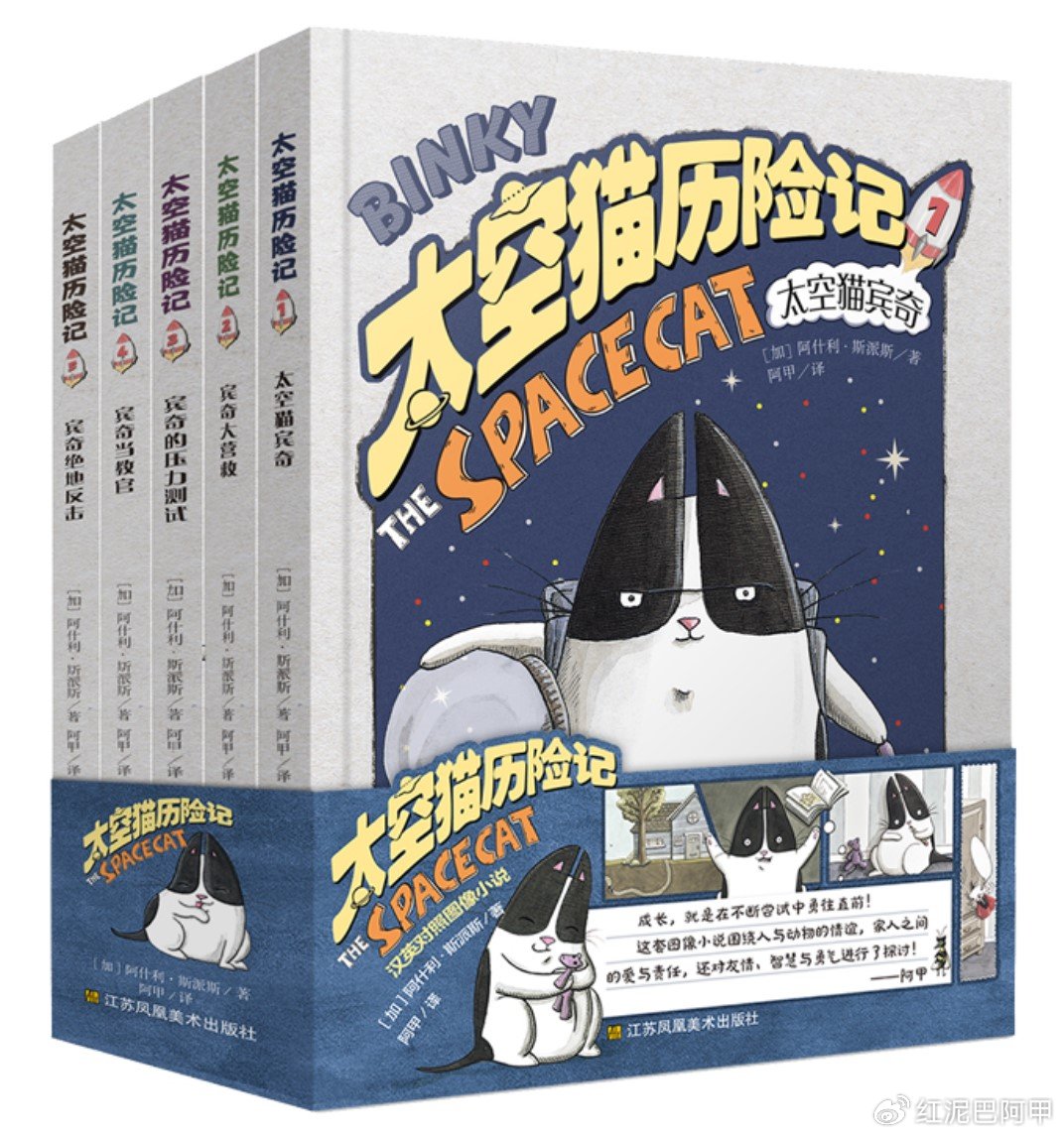
Once upon a time, there was a space cat named Binkey…
Oh, no, actually Binkey is a house cat, a house cat whose size rivals Garfield’s…
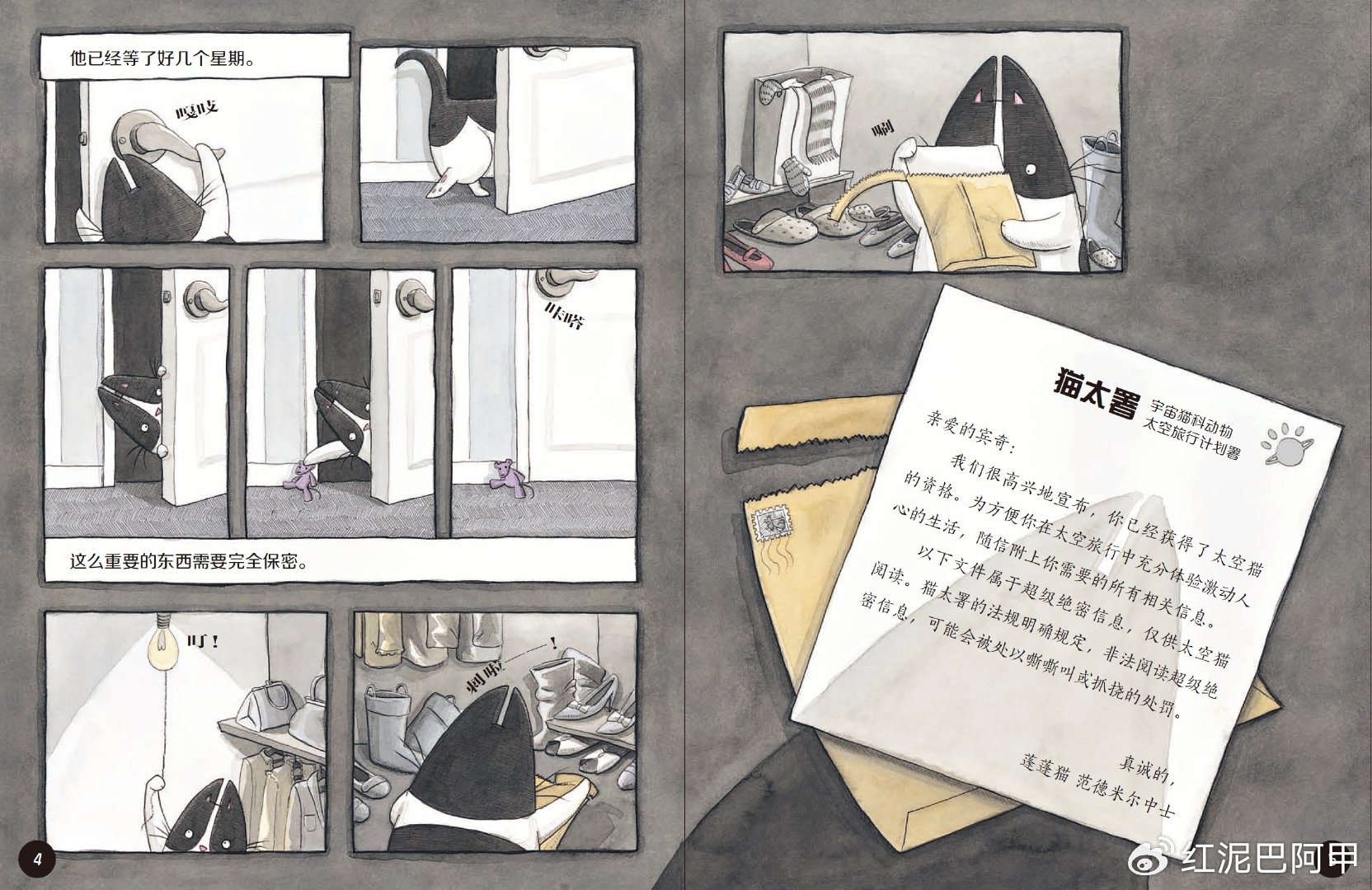
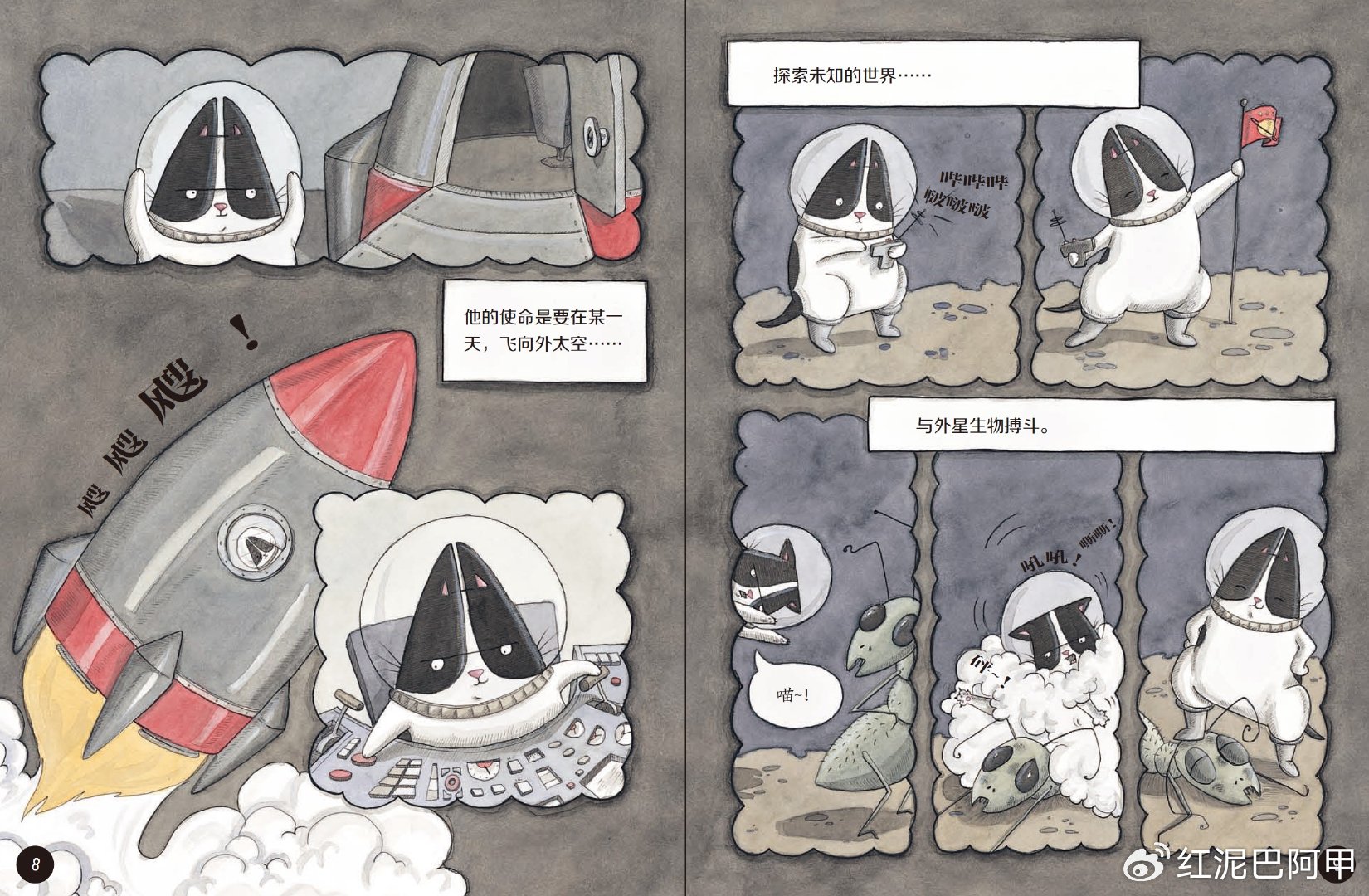
But it’s hard to say; Binch did receive a letter from…Cat OfficeHe has received a top-secret letter of appointment and a “space cat certificate” from the “Space Cat Space Travel Agency” (short for Space Cat Agency). Officially certified and given a special mission, he is to prepare to fly into outer space and fight alien creatures (mainly insectoids)!
Is that true? Of course, there’s photographic evidence—
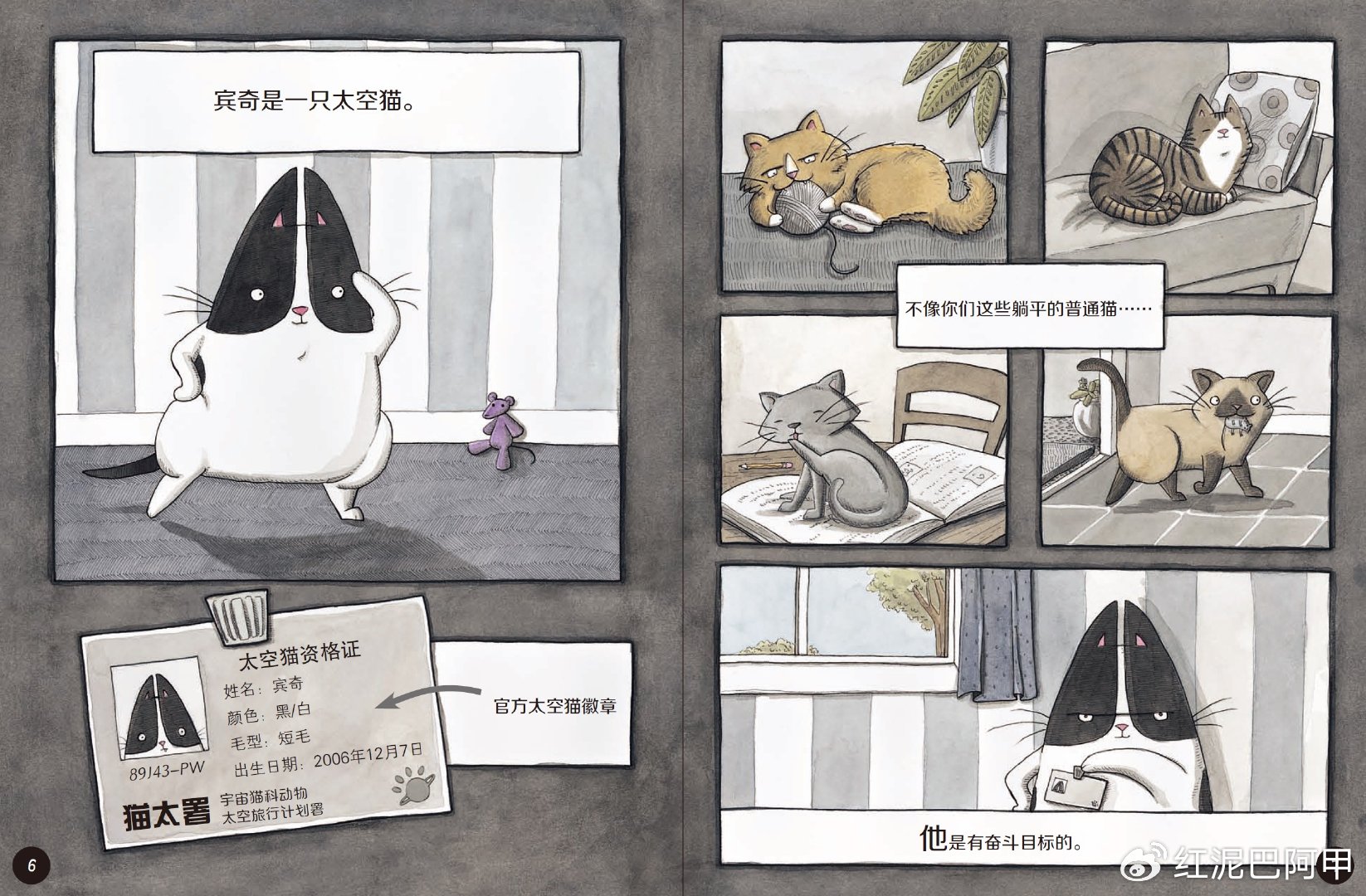
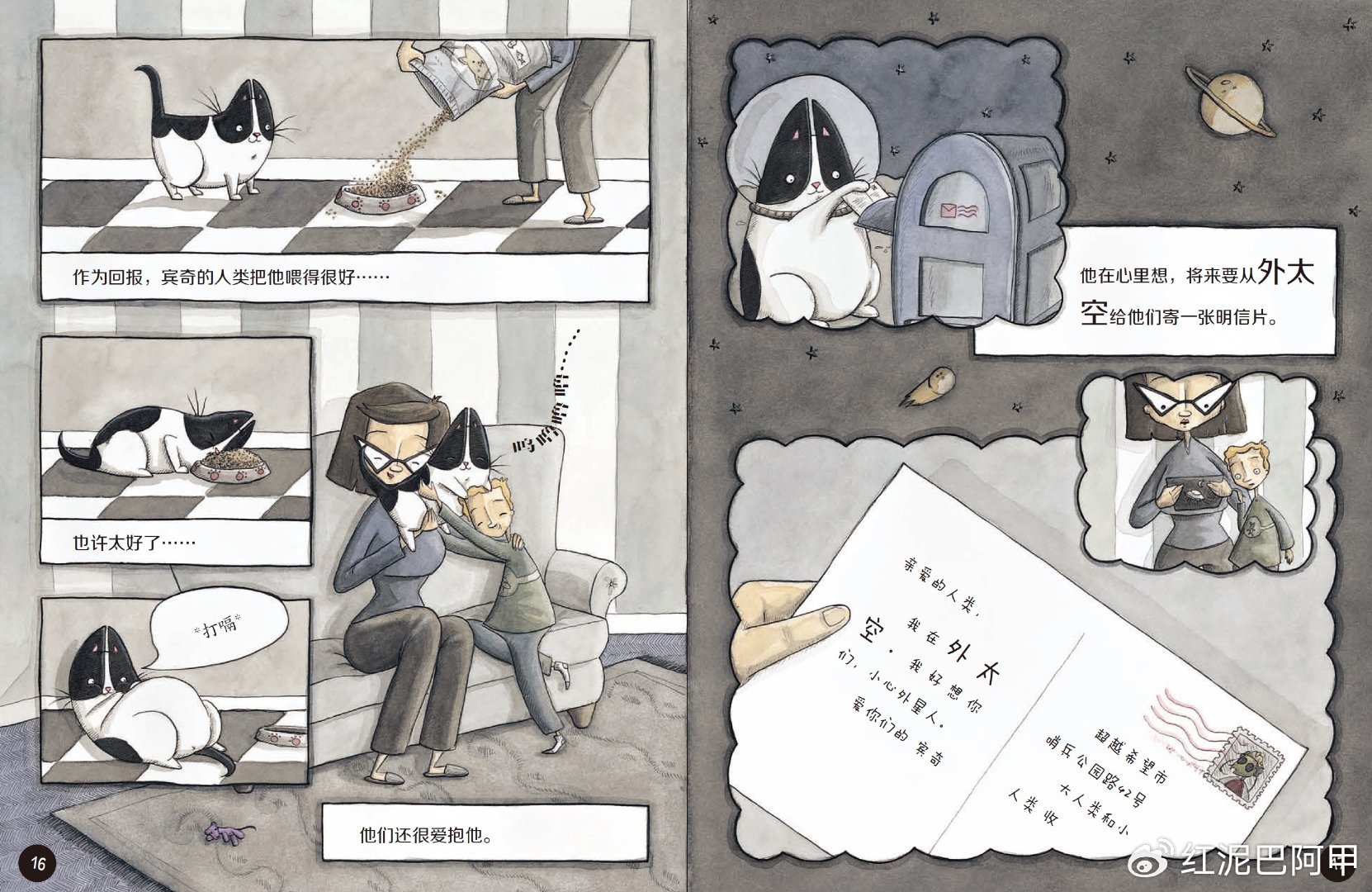
For Binkey, a house cat who has never been outside, his home is the space station, and the world outside the space station is outer space! Living with Binkey are a large human, a small human, and his beloved stuffed toy, a teddy bear. Binkey takes excellent care of his human and is constantly vigilant, protecting them from aliens! To accomplish this great mission, Binkey even secretly built a real rocket spaceship. However, just as he was about to ignite it for takeoff, Binkey jumped back to the space station with his teddy bear. Why?
““The Space Cat Adventure” is a very light and humorous science fiction comic book series. Readers who especially like cats, dogs and light-hearted science fiction stories will easily become fascinated by Binch’s stories.It is the typicalTwo-layered narrativeOn the surface, the narrator primarily tells the story of this “space cat” from Binch’s perspective in the third person. However, attentive readers can see the daily life of this house cat and its owner. In other words, the space station and outer space in Binch’s eyes are simply their everyday world, only made more colorful and even wondrous through Binch’s “pretend play.”
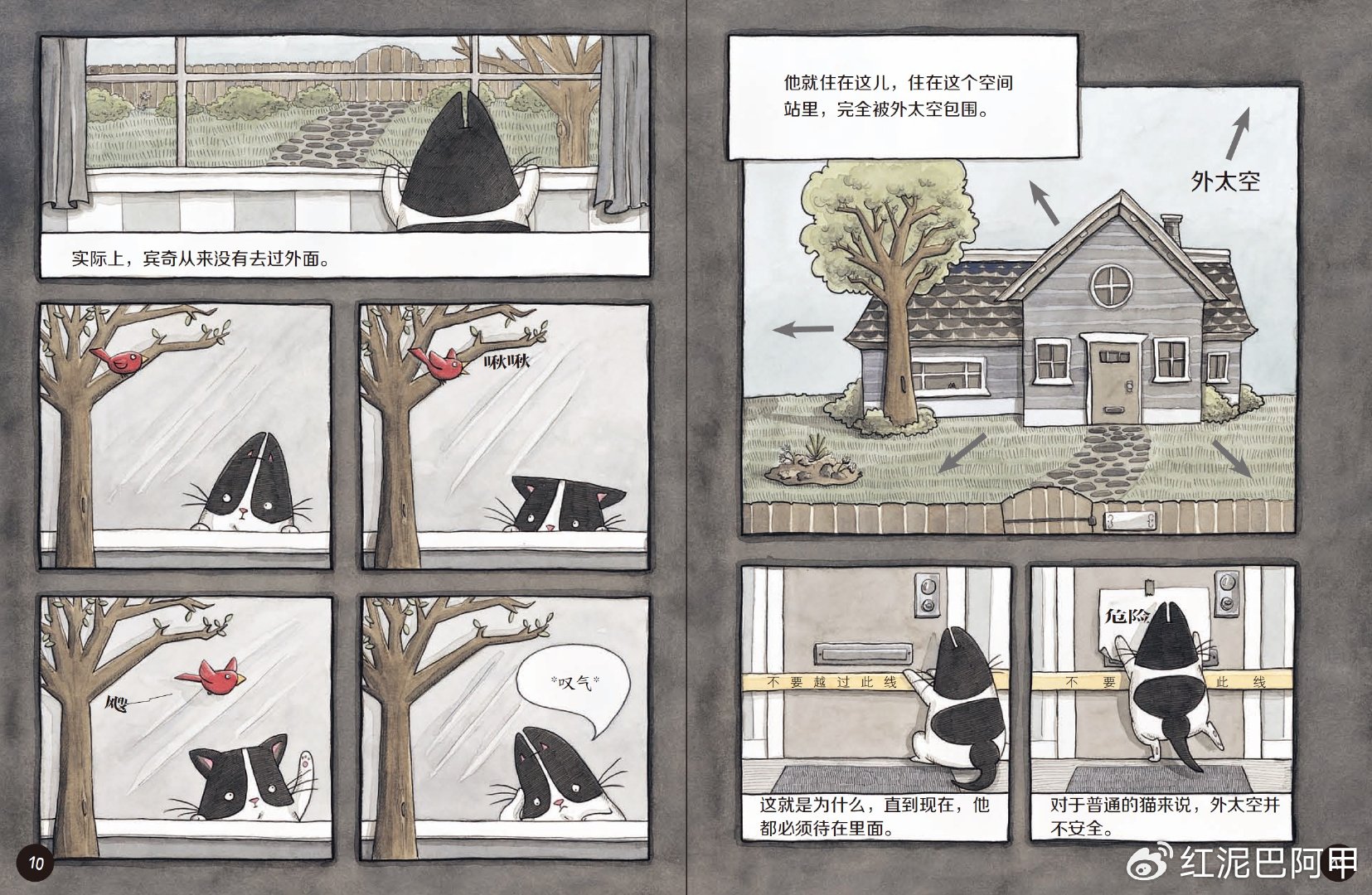
However, if the story remained solely a “pretend game,” the tale of Binkey the Space Cat would seem too naive. Creator Ashley Spear infused the story with authentic science fiction elements; the insects threatening humanity gradually took on the characteristics of the Arachnids from the science fiction film *Starship Troopers* (adapted from Heinlein’s novel of the same name), increasingly exhibiting highly socialized and intelligent traits. In the fifth book, *Binkey Strikes Back*, the mad cat Professor Tuffy, collaborating with the alien insects, and his masterpiece, “Space Cat Fusion,” are clearly a tribute to the classic science fiction novel *Frankenstein*. Ashley’s skillful use of a text-and-image hybrid narrative technique allows this two-tiered structure to unfold naturally, enabling both young and adult readers to find their own interpretations based on their life experiences and reading backgrounds. Of course, if each level can be understood and compared, the humor becomes particularly appealing.

Ashley Spier is a popular Canadian children’s book artist. Domestic readers may be more familiar with her picture books, such as *The Great Masterpiece*, *Ruby Who Can’t Climb Trees*, and *Ella’s Umbrella*, but her earliest children’s books were comics. The first three books in the “Space Cat Binkey” series, *Space Cat Binkey*, *Binkey’s Great Rescue*, and *Binkey’s Stress Test*, were published in 2009, 2010, and 2011 respectively. She didn’t publish her first picture book, *Little Saul*, until 2011. The latter two, *Binkey Becomes an Instructor* and *Binkey’s Counterattack*, were published in 2012 and 2013 respectively. After concluding the Space Cat Binkey series, she devoted more energy to creating picture books, challenging herself with more diverse forms of children’s literature. She also tried her hand at adapting her own works into animated films; in 2019, Space Cat Binkey became the protagonist of an animated series—but that’s another story.
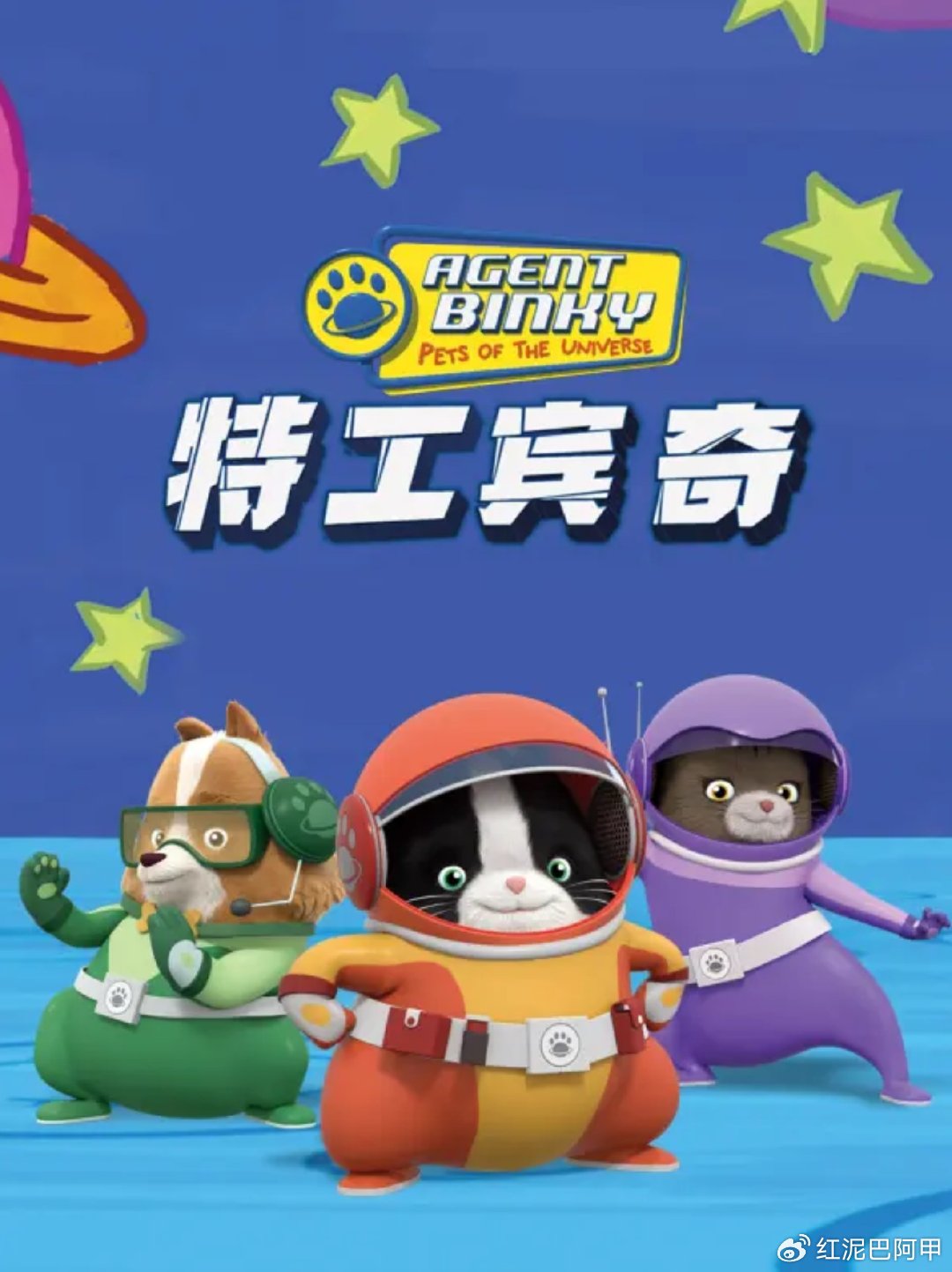
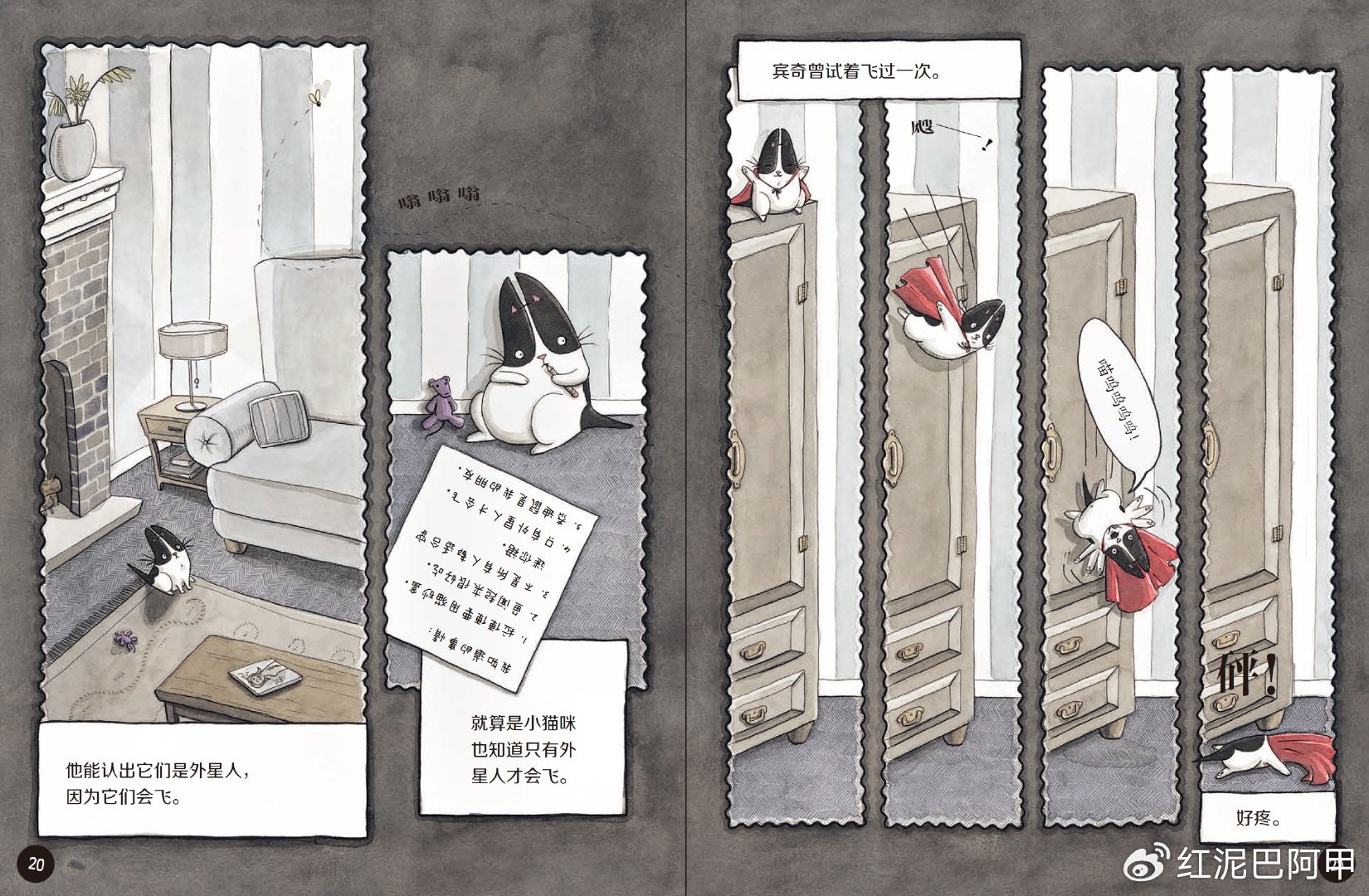
Ashley’s children’s books have won numerous awards, the most notable being the Silver Birch Award from the Ontario Library Association in 2011 for *Pinch of Space Cat*. This award is divided into fiction, nonfiction, and express mail categories, and *Pinch of Space Cat* received the third category, specifically designed for lower elementary school readers, including those less enthusiastic about reading, aiming to inspire their passion for reading. Each *Pinch of Space Cat* adventure story has 64 pages of text, but the translated Chinese text is only about 3,000 words, interspersed within numerous comic panels. It features many repetitive expressions, onomatopoeia, and other vivid imagery, making it dynamic and lively. Beginner readers can easily finish it without realizing it, feeling a great sense of accomplishment. It’s also fun and humorous, and young readers may reread it again and again. It is truly an excellent introductory reader.
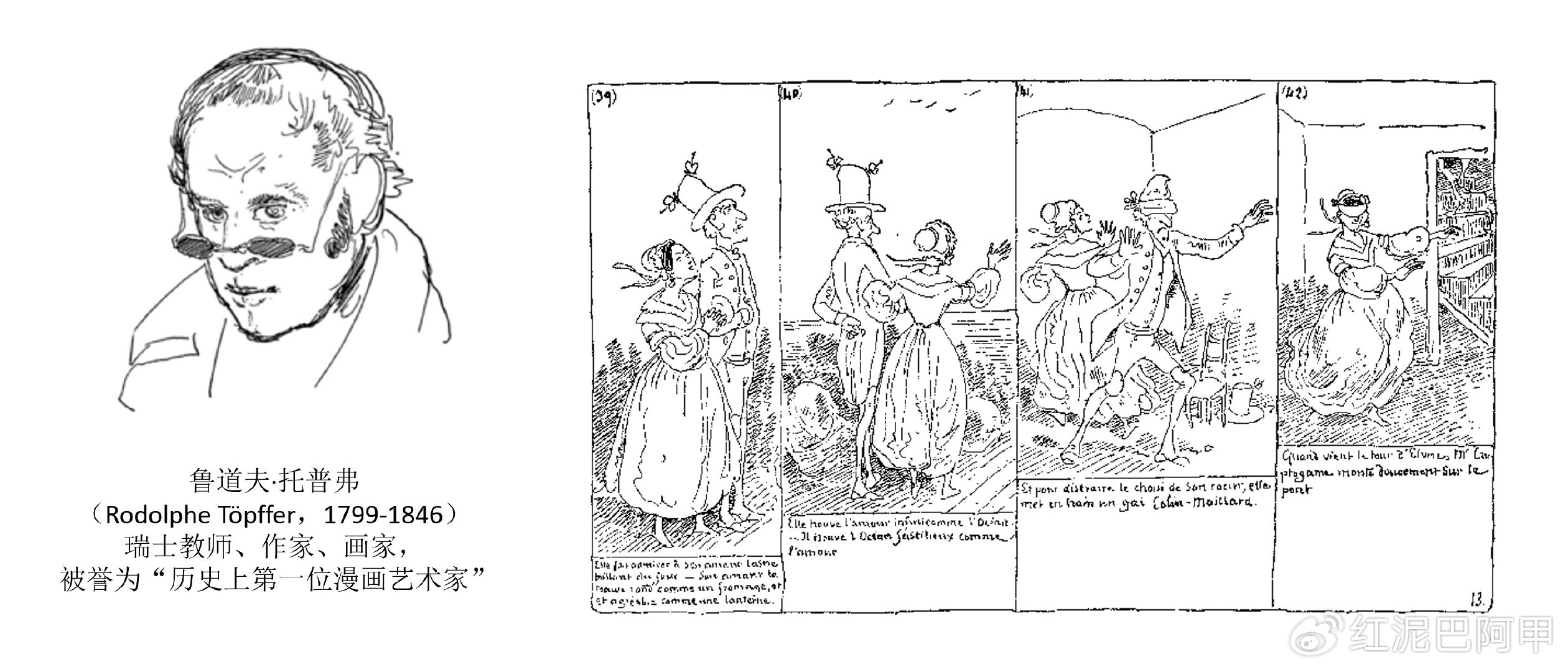
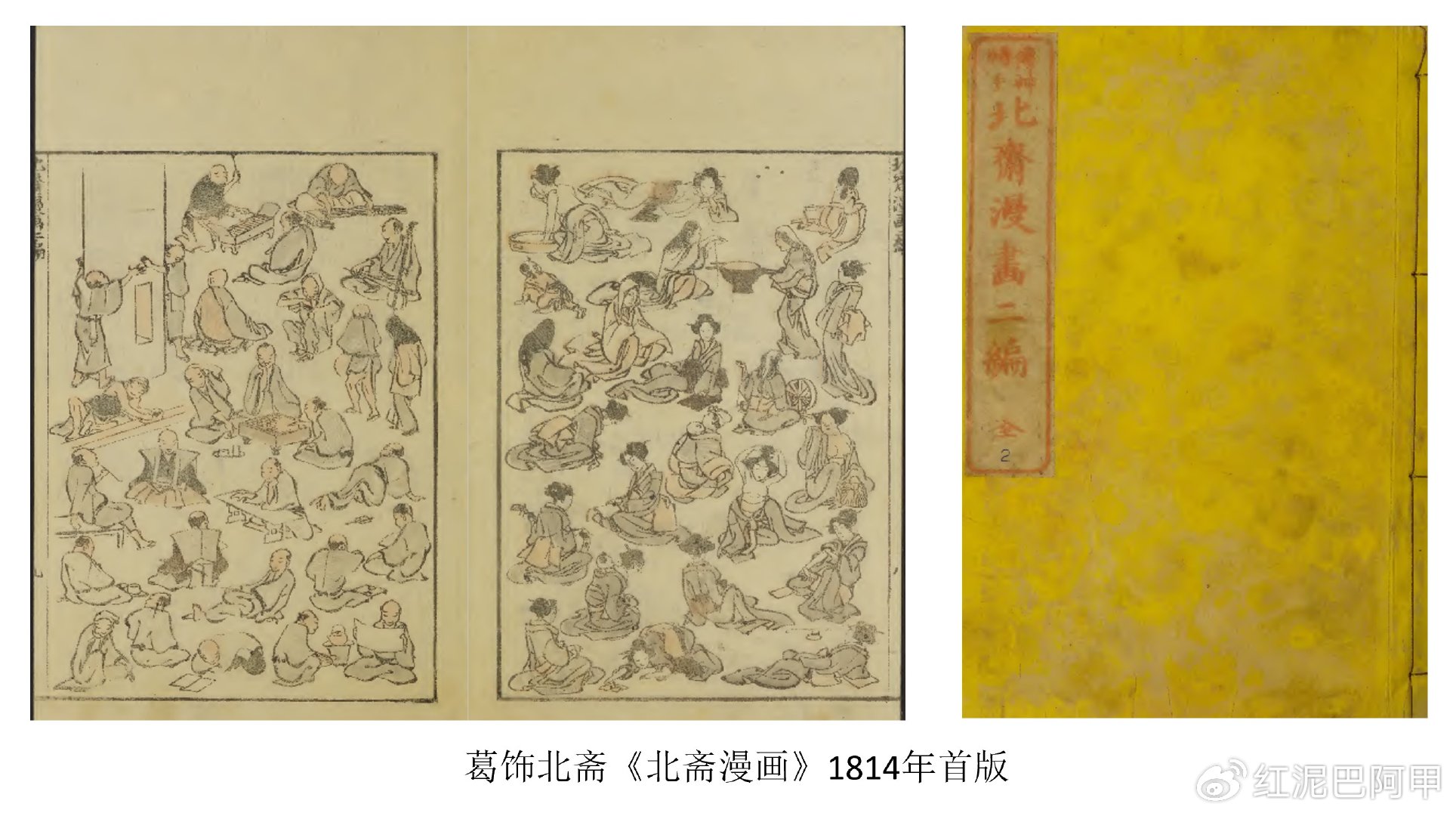
Many adult readers are unaware of the value of these comic books, and some parents and teachers even restrict their children’s reading, which is truly regrettable. Comics occupy a very important place in the history of human reading, and their role continues to grow today. As early as the beginning of the 19th century, a Swiss teacher, writer, and painter, Rudolf Topfer (1799–1846), used multi-panel comic strips to tell stories to boarding school students to soothe them, and it became very popular. He was later hailed as the “first cartoonist in Western history.” In the East, the Japanese ukiyo‑e master Katsushika Hokusai compiled his depictions of human nature into “Hokusai Manga” (1914), laying the foundation for the early style of Japanese manga.

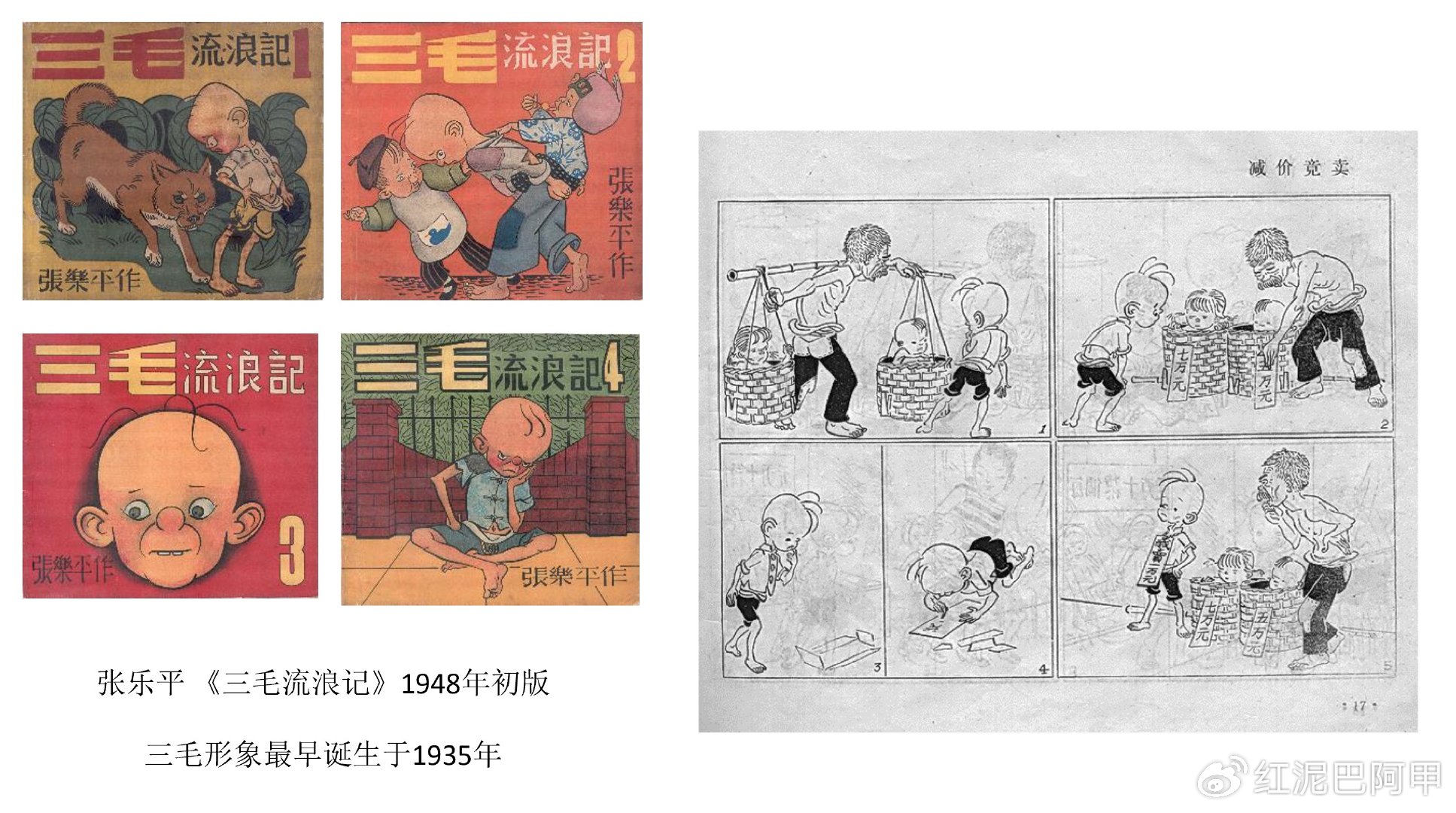
“The term “cartoon” first appeared in Chinese Song Dynasty painting art literature, but as a modern form of storytelling in continuous drawing, it emerged around the beginning of the 20th century. By 1925, with the publication of *Zikai’s Cartoons*, the name “cartoon” gradually gained widespread acceptance. Feng Zikai, an artist and educator of the Republic of China era, made significant contributions to the establishment of this form. He never concealed the fact that the artistic style of *Zikai’s Cartoons* was deeply influenced by the Japanese cartoonist Takehisa Yumeji. The “cartoon” he championed could be described as romantic, fresh, elegant, approachable, humorous, and full of philosophical reflections on life. Later, Zhang Leping’s cartoon style in *Sanmao the Vagabond* continued this tradition of romance and humor, while also possessing satirical elements and a strong critical realism. Such cartoons are a rather serious art form.
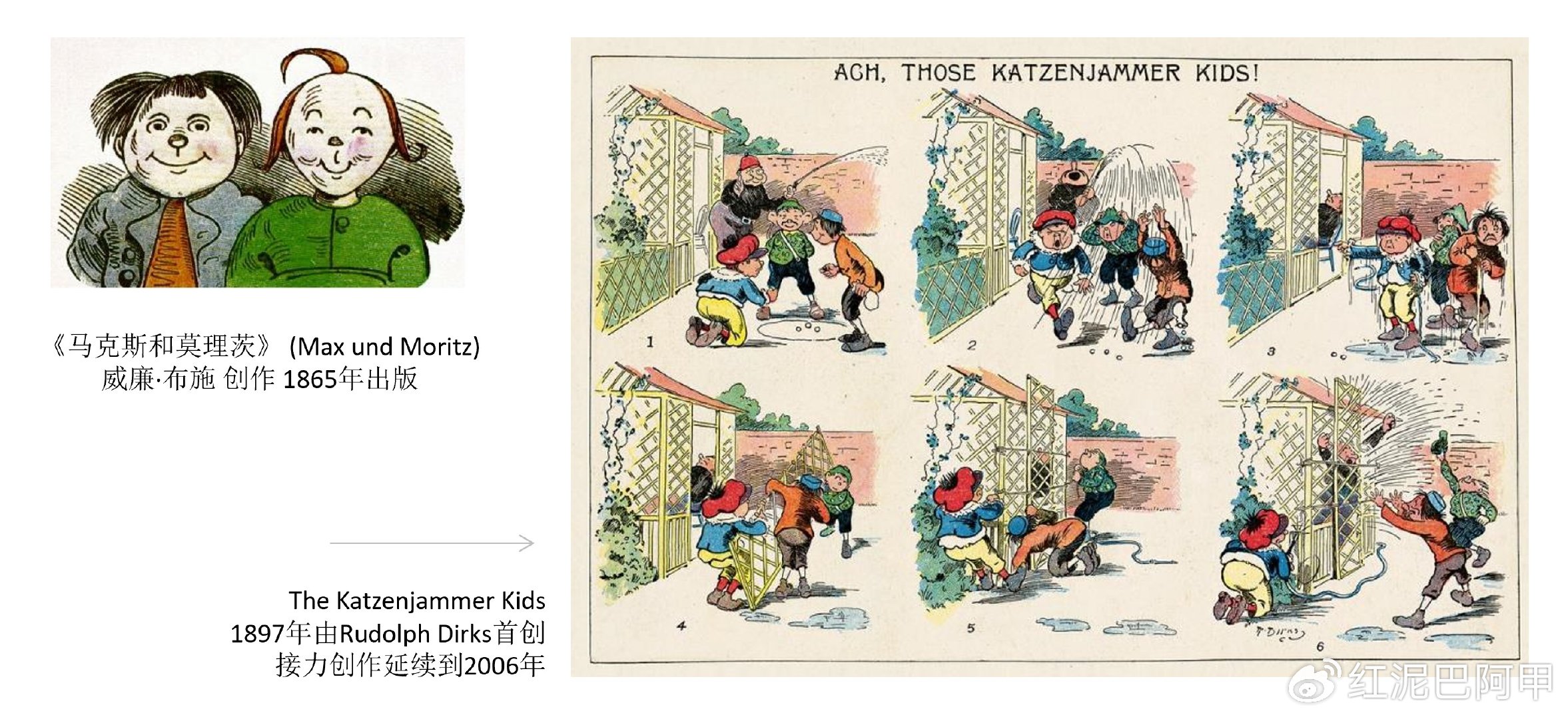
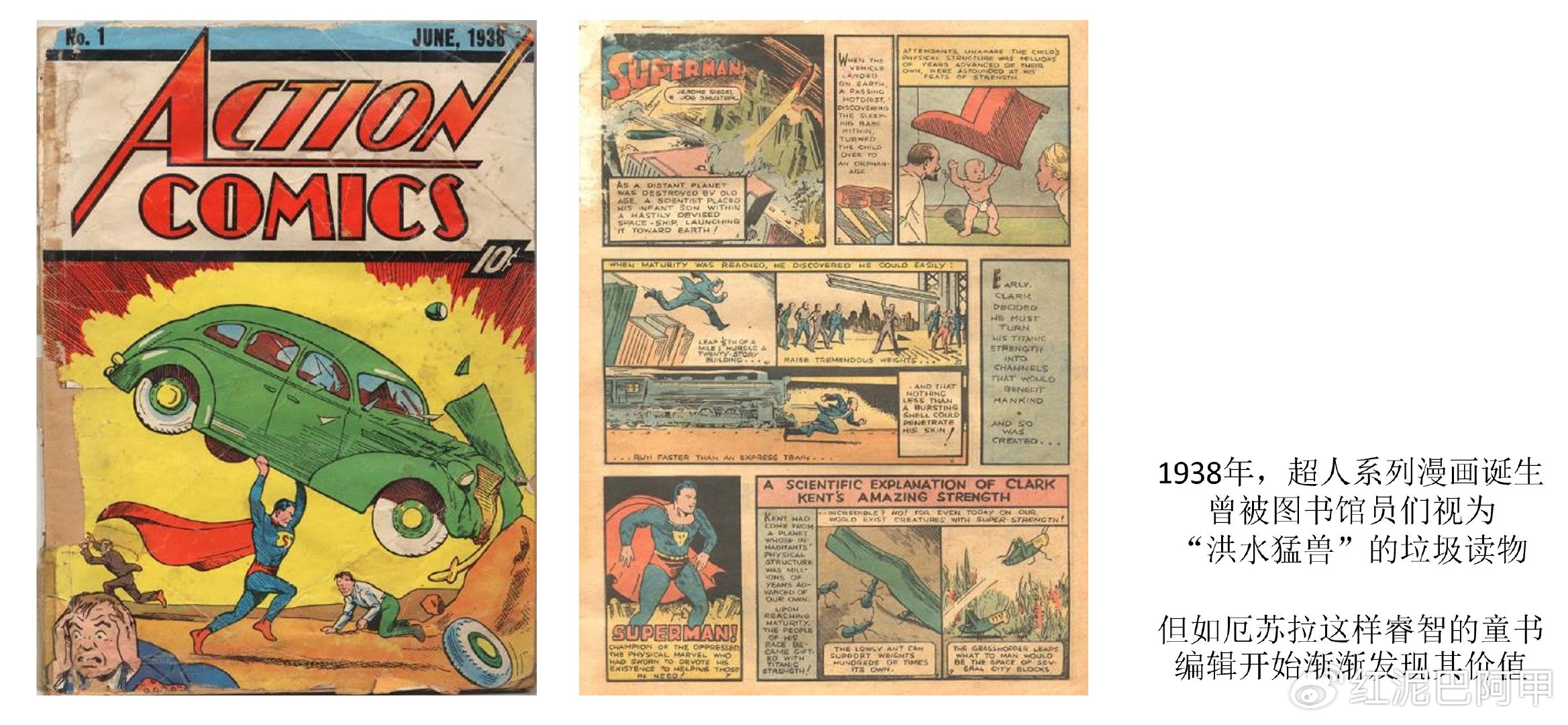
In the history of Western comics, works such as “Max and Moritz” by German artist Wilhelm Busch published in 1865, and the “Katzenjamer’s Children” American comic series created by Rudolf Dexter in 1897 (and continued until 2006), are treasures of children’s book history, continuing the theme of mischievous children in humorous comics. The birth of the “Superman” comic series in the 1930s sparked a wave of hugely successful commercial comics, giving rise to the commercial comic book giants we know today, such as Marvel and DC. Initially, American children’s librarians were quite averse to these comics, but brilliant children’s book editors like Ursula Nordstrom gradually discovered that they could learn many secrets to capturing the hearts of child readers. Moreover, even rather conservative adults have to admit that the more children’s reading of such works is restricted, the stronger their obsession with comics becomes.
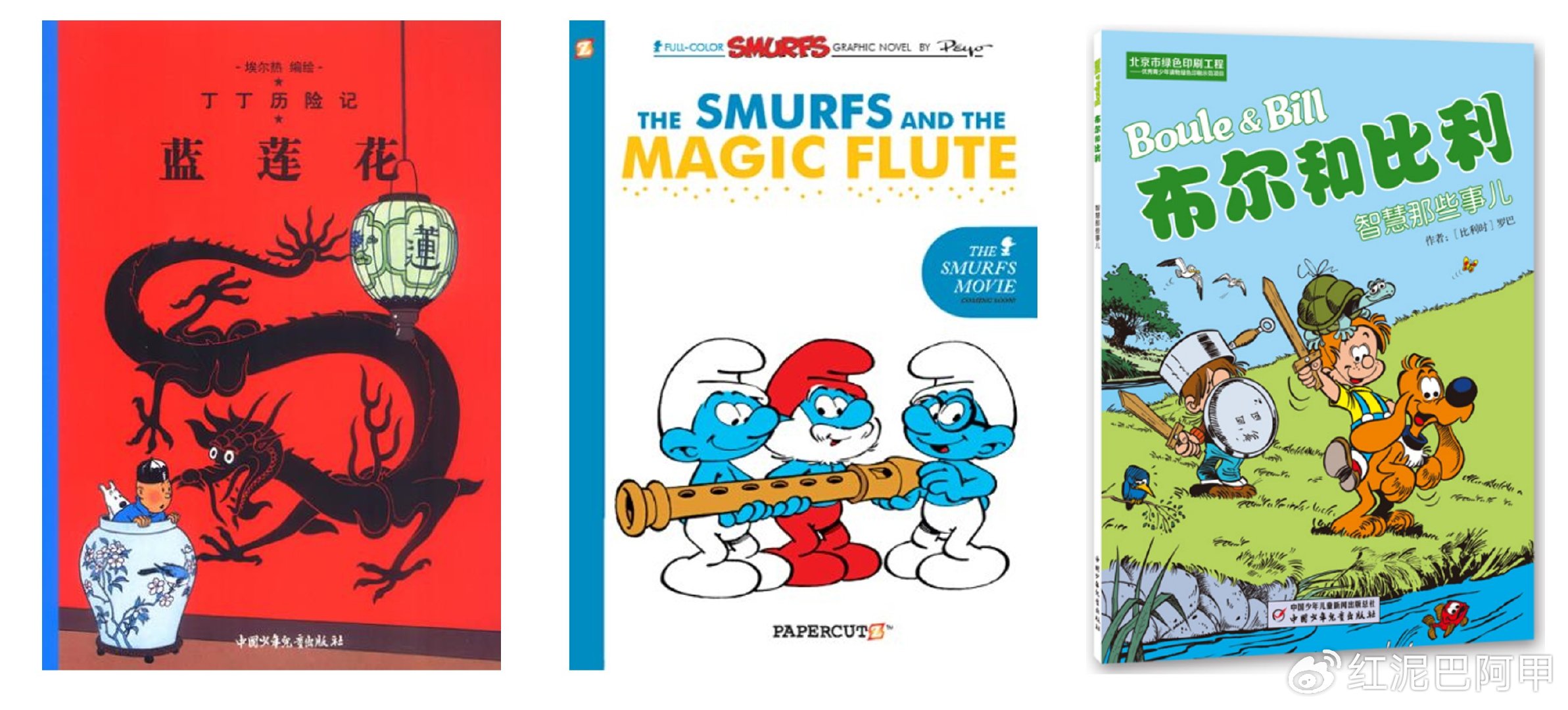
By the 1960s and 70s, comic book reading had gradually permeated the mainstream of children’s reading. Comic stories such as “The Adventures of Tintin,” “The Smurfs,” “Little Nicholas,” and “Asterix and the Gallic Aster” were enjoyed by both the refined and the common people. Wordless graphic novels (i.e. comic book novels) such as Raymond Briggs’ “The Snowman” even won the Greenaway Medal, the highest award in the children’s book industry.
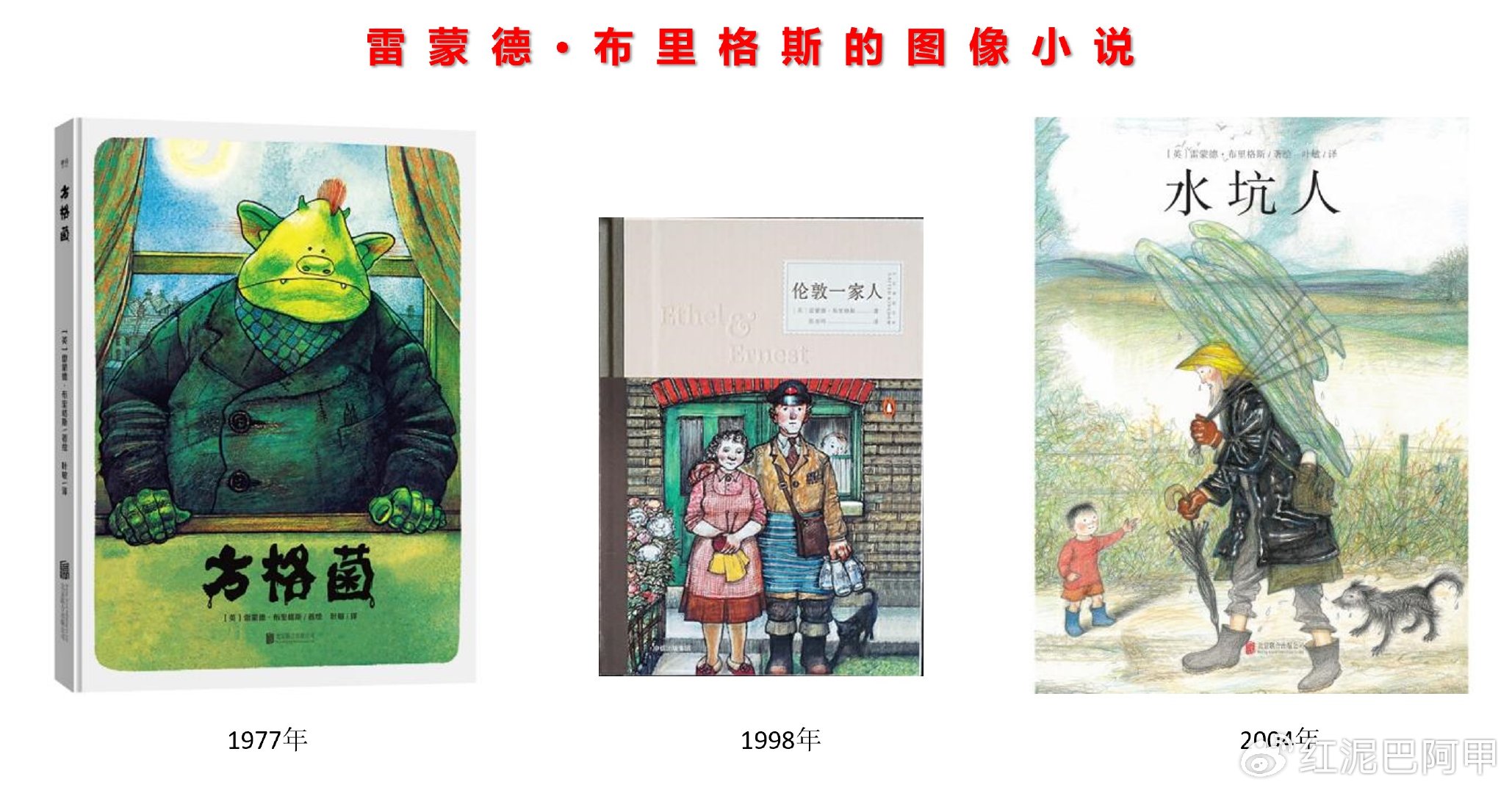
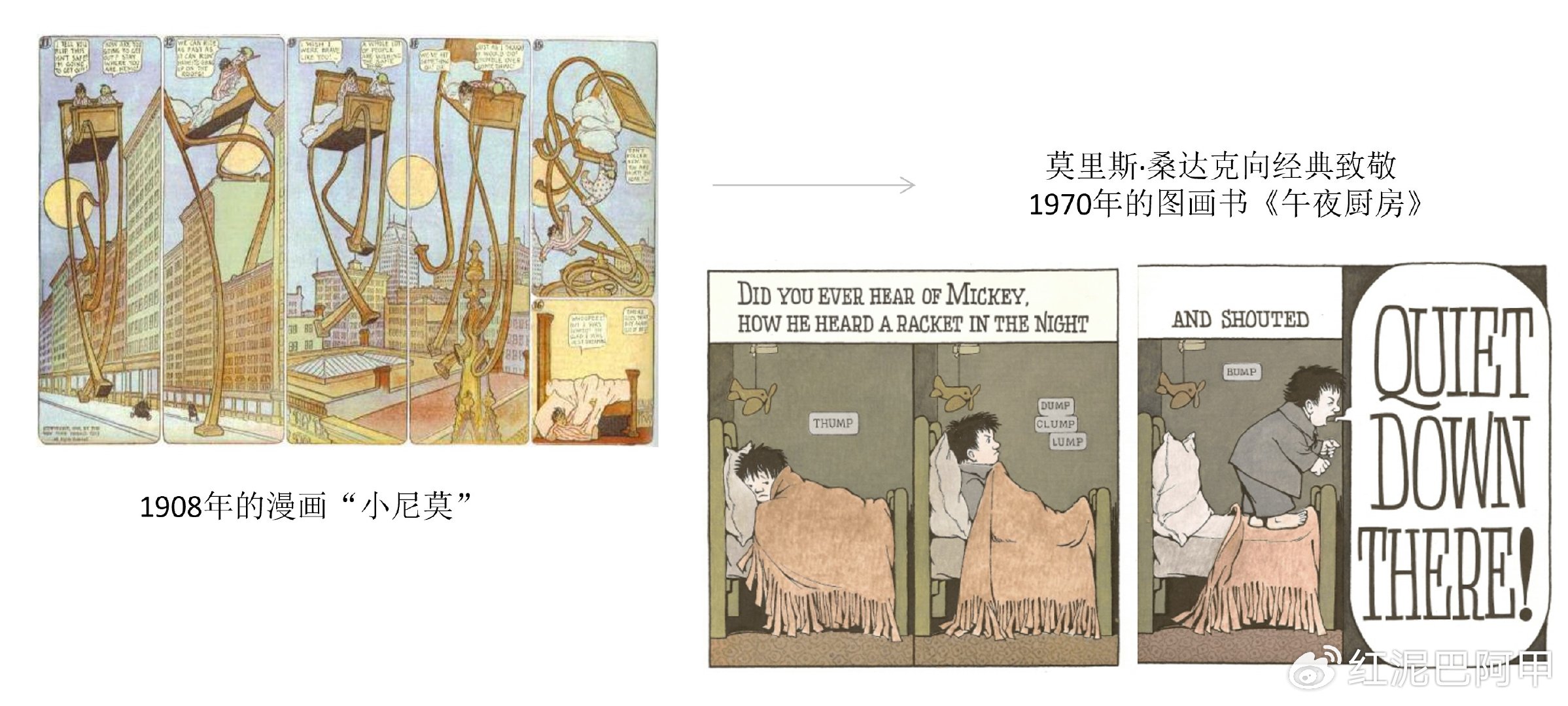
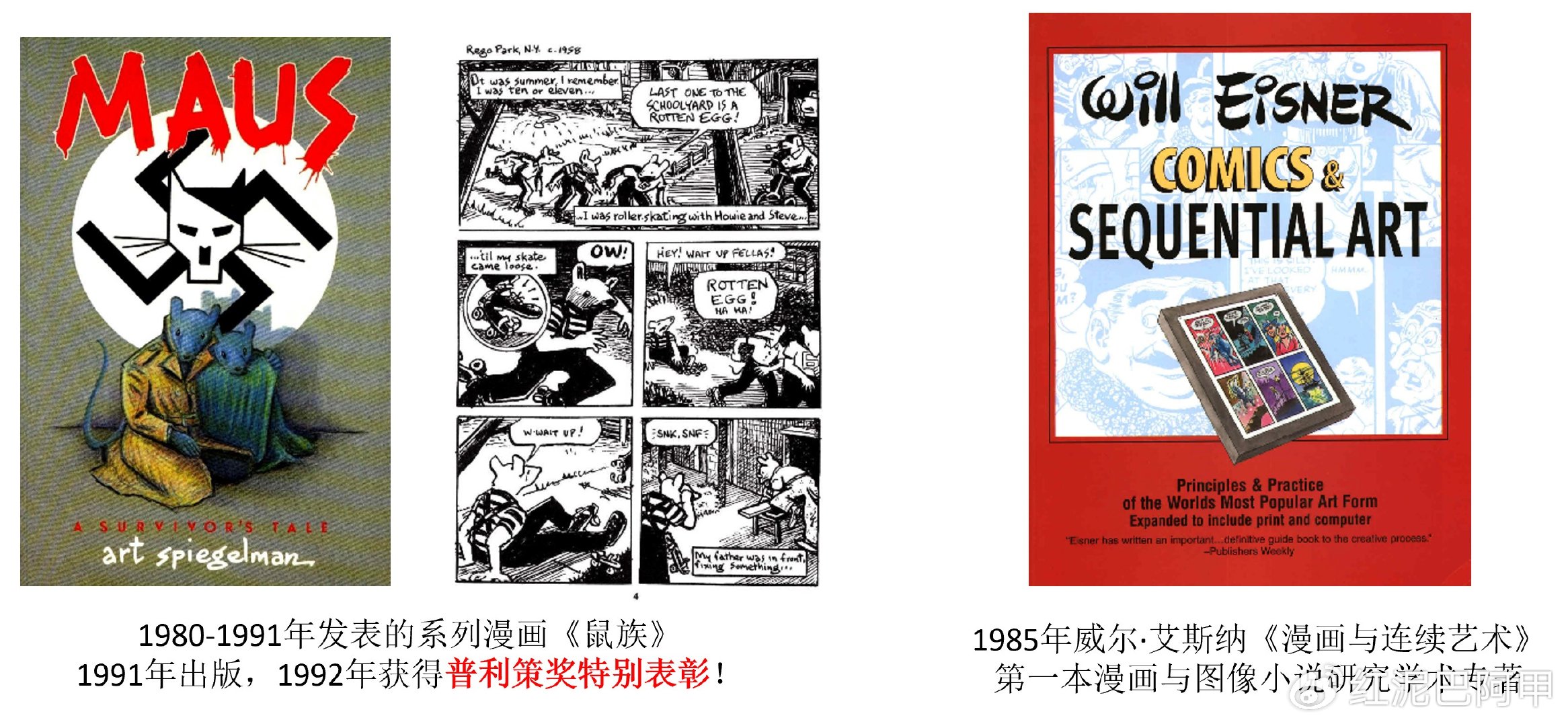
Maurice Sendak’s 1970 publication, *Midnight Kitchen*, paid homage to the classic comic book series “Little Nemo” and ascended to the highest echelons of picture book art. In the adult world of comics, the *Maus* series, published between 1980 and 1991, won the prestigious Pulitzer Prize. Furthermore, comic book artist and art professor Will Eisner published *Comic Books and Serial Art* in 1985, the first academic monograph on comics and graphic novels.
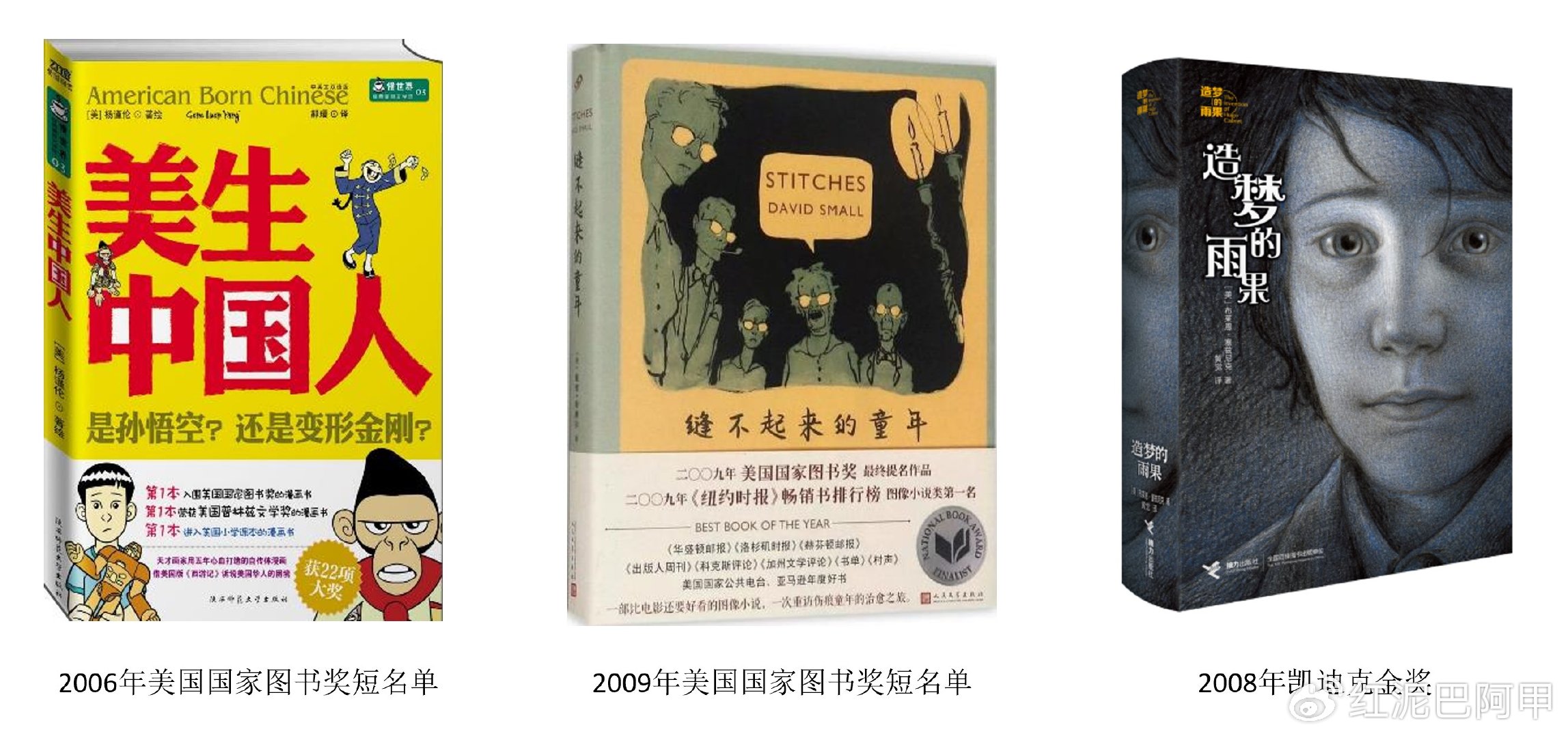
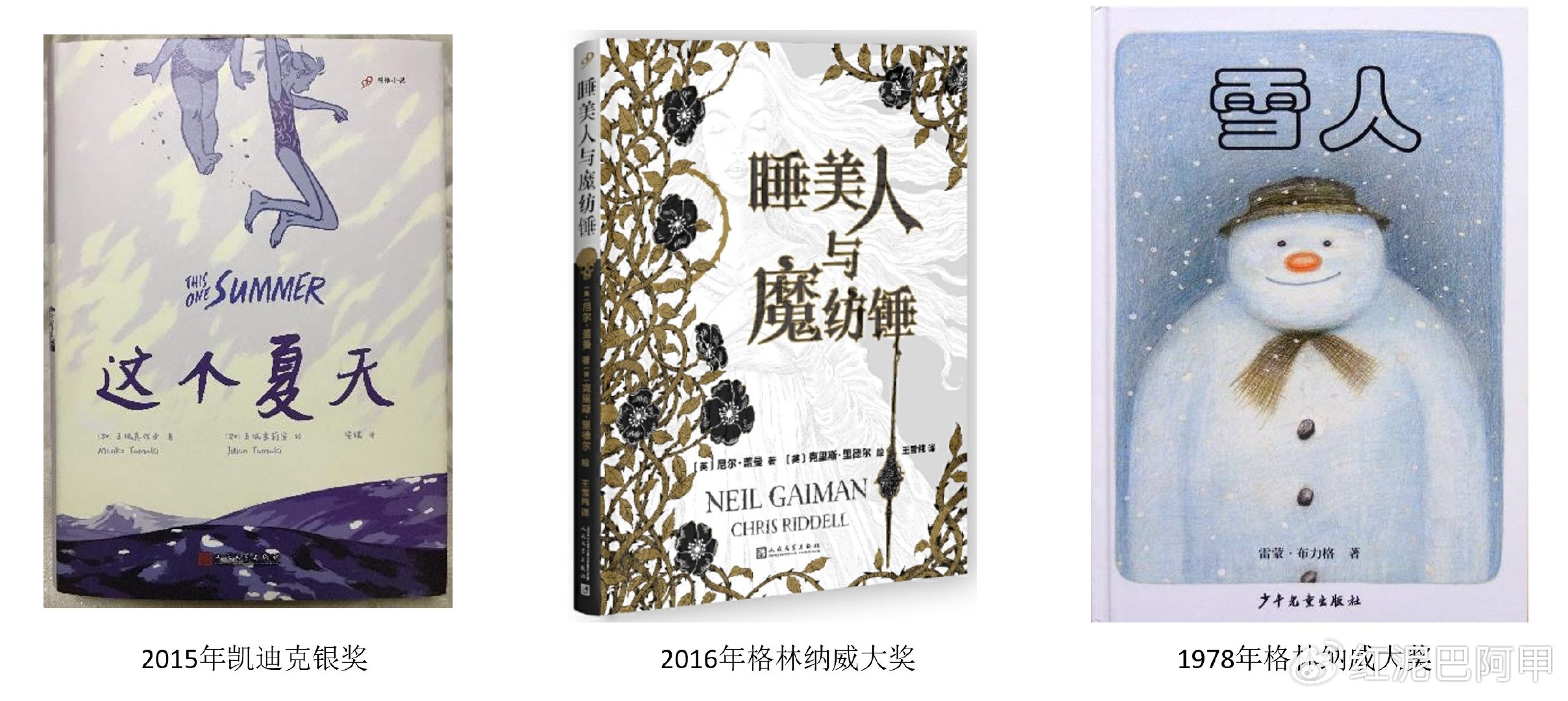
By the early 21st century, graphic novels had gradually entered the mainstream of Western children’s reading. Yang Jinlun’s “American Chinese” became the first graphic novel for children to be shortlisted for the National Book Award. In 2008, “Hugo the Dreamer” became the first graphic novel to win the Caldecott Medal. More and more top children’s book artists turned to this form of creation, including renowned authors such as David Wiesner and David Small, who have won the Caldecott Medal multiple times.
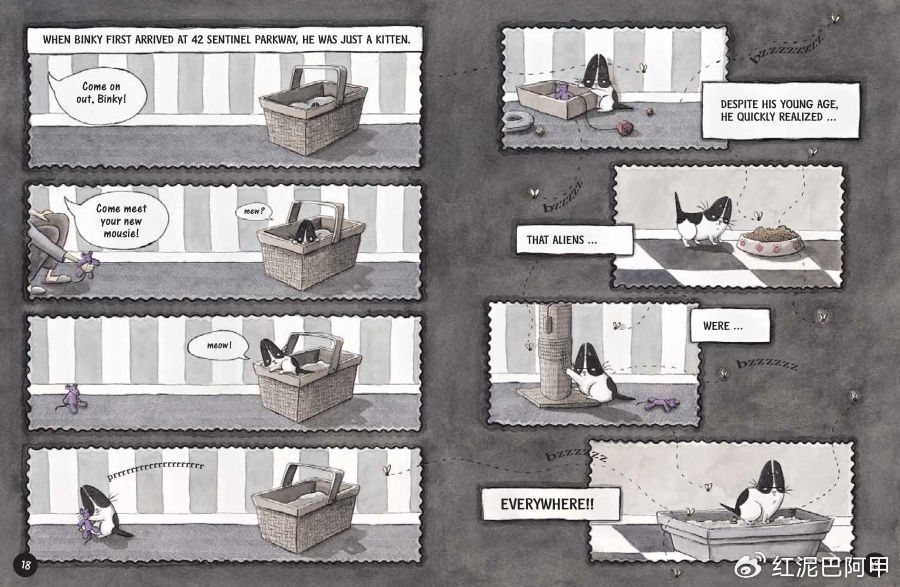
Ashley Spears’s “The Adventures of Binkey the Space Cat” is a product of this new creative trend. “Binkey the Space Cat” is defined as an “early graphic novel” in the children’s book category, meaning its target audience can be as young as lower elementary school students. Brian Selznick’s “Detective Monkey,” published in 2018, even extends the target age for graphic novels down to three years old!
So, we can’t help but ask, why do these talented children’s book artists and the publishers they work with believe that children need to read graphic novels (comic stories that resemble novels)? The reasons can be summarized as follows:
First, numerous surveys and studies on children’s reading show that high-achieving students worldwide love reading comics!This is best explained in Stephen Clason’s book, *The Power of Reading*. Of course, this doesn’t mean that students who love reading comics necessarily have good grades, but the reverse of the usual survey results surprises many adults: high-achieving students are often comic book lovers!
Secondly, the pleasure derived from reading comics does indeed contribute to children’s mental well-being.In particular, the humor in comics can help children maintain a more positive attitude towards life.
Third, for children who are just starting to read, comics are particularly helpful in improving their reading comprehension skills, especially in changing their attitude towards reading and greatly increasing their engagement in reading.
Fourth, in the fields of popular reading and education, comic book reading has likely become an irreversible trend.Take Yang Jinlun, the author of “American-Born Chinese,” as an example. He was originally a middle school computer science teacher. When he found that his students were clueless about scientific and technological terms and logic, he switched to teaching in the form of comics, which yielded remarkable results in the classroom. This discovery led him to make a brilliant transformation into a professional graphic novel creator!
Take my own parenting experience as an example. Before my daughter started school, I discovered she was obsessed with “The Adventures of Tintin” with two older boys from next door. She read the 22-book graphic novel series repeatedly. During one of our shared reading sessions, I subtly assessed how much she actually understood. To my astonishment, she had managed to comprehend more than half of the Chinese characters, albeit through a combination of guesswork and deduction. Keep in mind, that’s a text of 220,000 characters! Later, I invited first and second grade teachers at a bilingual school to conduct a year-long experiment, asking them to guide their students in learning characters using comic books like “The Smurfs.” One teacher with over ten years of experience remarked that it was the most effective experiment of her teaching career, and the most amazing thing was that the children were completely unaware they were learning characters! They were simply immersed in the experience with great enthusiasm.
However, many adult readers still worry that comic books offer little nutritional value, and some, like American children’s librarians in the 1930s and 40s, view comic books as a kind of “monster.” It must be acknowledged that some comic books are indeed of low quality and overly commercialized, but this also applies to other categories of children’s books. Low-quality picture books, fairy tales, children’s novels, and educational books also thrive in the market. As comic artist Will Eisner pointed out,Comics are a continuous visual narrative form, much like a container. What is contained in this container depends on the creator’s skill and sense of responsibility, which is no different from any other art form.In other words, reading is actually a communication between the reader and the creator. What matters is not the form itself, but who you are communicating with.
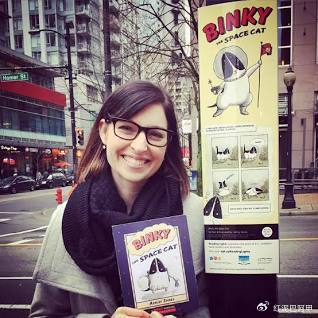
In short, when inviting children to read comics and graphic novels, try to choose high-quality works and engage with interesting, creative, and responsible creators. Take Ashley Spier, for example. She is a multi-talented artist who created the story of Binkey the Space Cat because she loves cats so much. Growing up, her parents ran a pet shop, which allowed her to be surrounded by various animals, with cats being her favorite. She spent time with at least eight cats throughout her childhood. Even as an adult, she often kept three or four cats, as well as a dog that bonded with cats (the prototype for Gordon, the dog who appears in the fourth installment). She also frequently helped care for stray cats in the community, once staying up all night to feed several kittens she temporarily cared for. She is truly a loving “catwoman,” possessing an intimate understanding of kittens’ habits and personalities. She firmly believes that cats, like Binkey, genuinely love and protect humans. Her Binkey story can be seen as a hymn to cats.
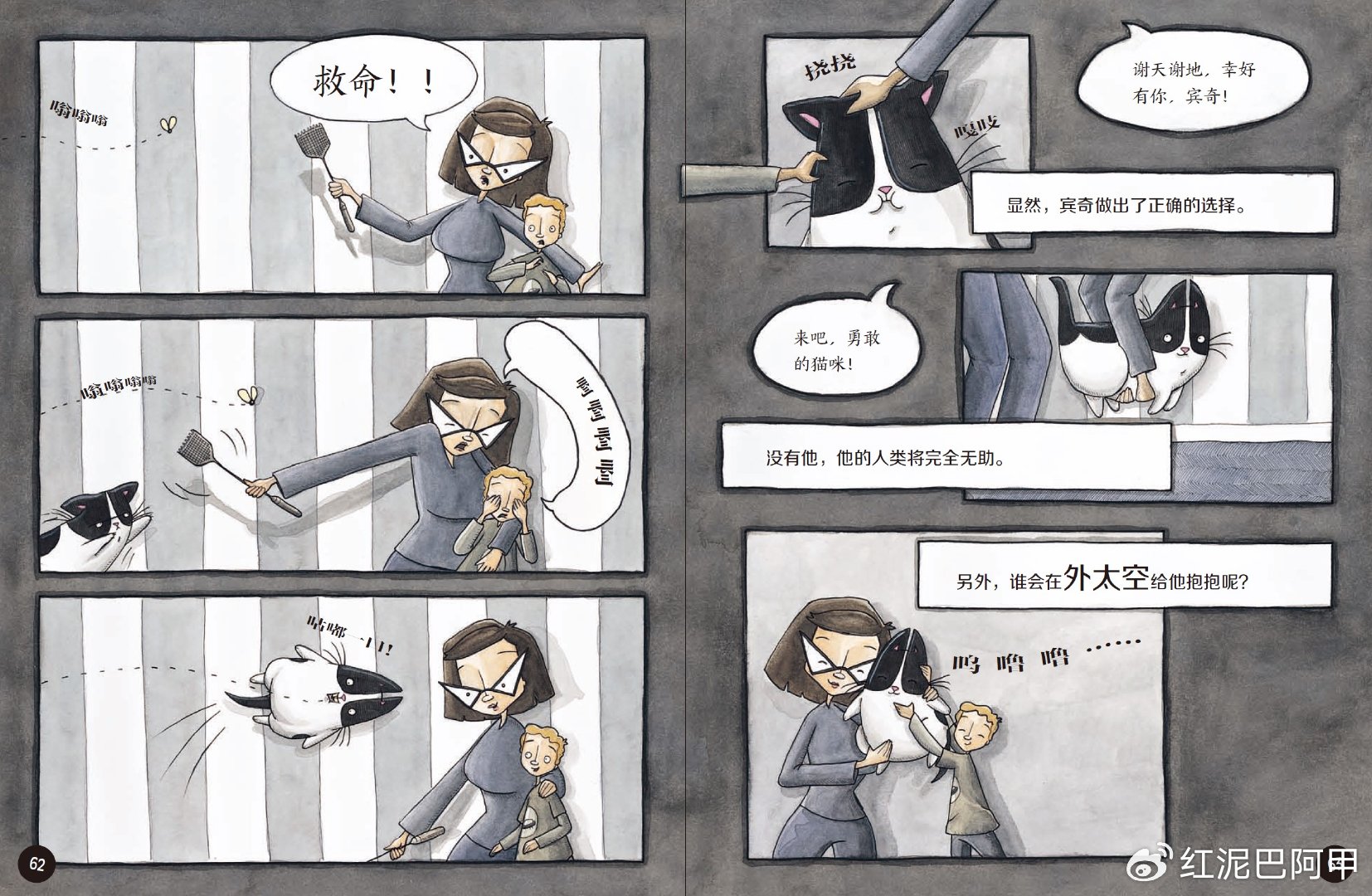
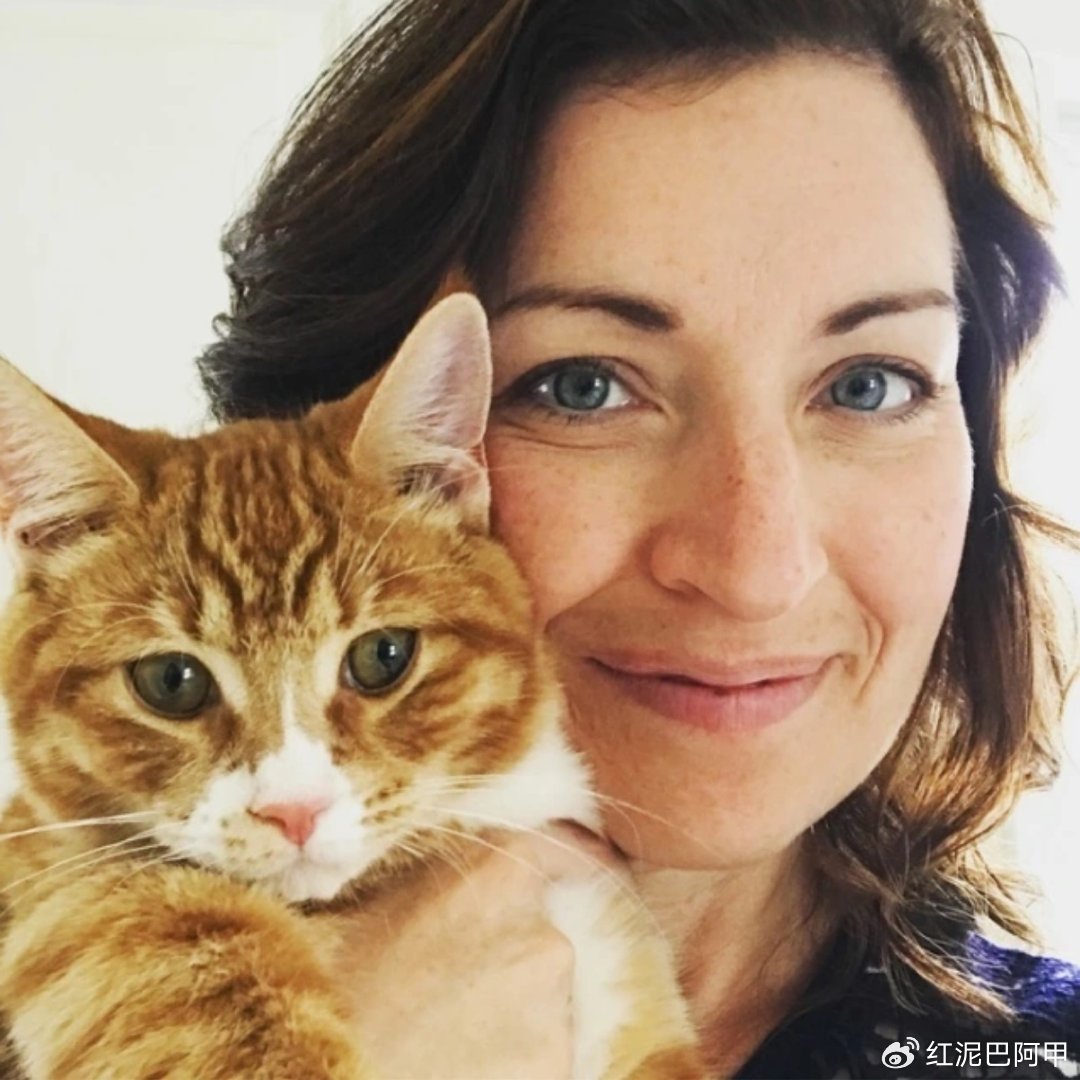
However, the prototype for the space cat Binkey wasn’t her own cat, but rather her sister’s. She found that cat so amusing, and how it would constantly catch small flying insects around the house, so she tried to imagine what the cat was thinking from its perspective. It’s a silly, very childish story, often using the cat’s farts to make silly jokes, but beyond these jokes…Unconsciously, she incorporated some rather serious reflections: the relationship between humans and animals, love and responsibility within families, friendship, problem-solving methods, wit and courage… Through her deep interactions with cats and cats and dogs, Ashley also touched upon issues of gender equality and racial equality.In the process of solving problems, she subtly guides young readers to expand their knowledge and experience scientific thinking and methods. In her stories, Binkey is a cat who is always “making mistakes” and making a fool of himself, which is naturally hilarious. But what’s valuable is that Binkey always grows through trial and error, ultimately bravely achieving his goals. Upon reflection, this is precisely the kind of encouragement children need most as they grow.Don’t be afraid of making mistakes; growth is a process of bravely moving forward through trial and error.
It is truly a blessing for a child to have the space cat Binchi accompany them on their journey of growth.
Written by A‑Jia on January 5, 2023 in Beijing