*Note: The following answers are collective answers only when only A is provided. When both A and C are provided, they represent the two translators, A‑Jia and Chen-Min, respectively.
Q: What kind of book series is “Super Sherlock”?
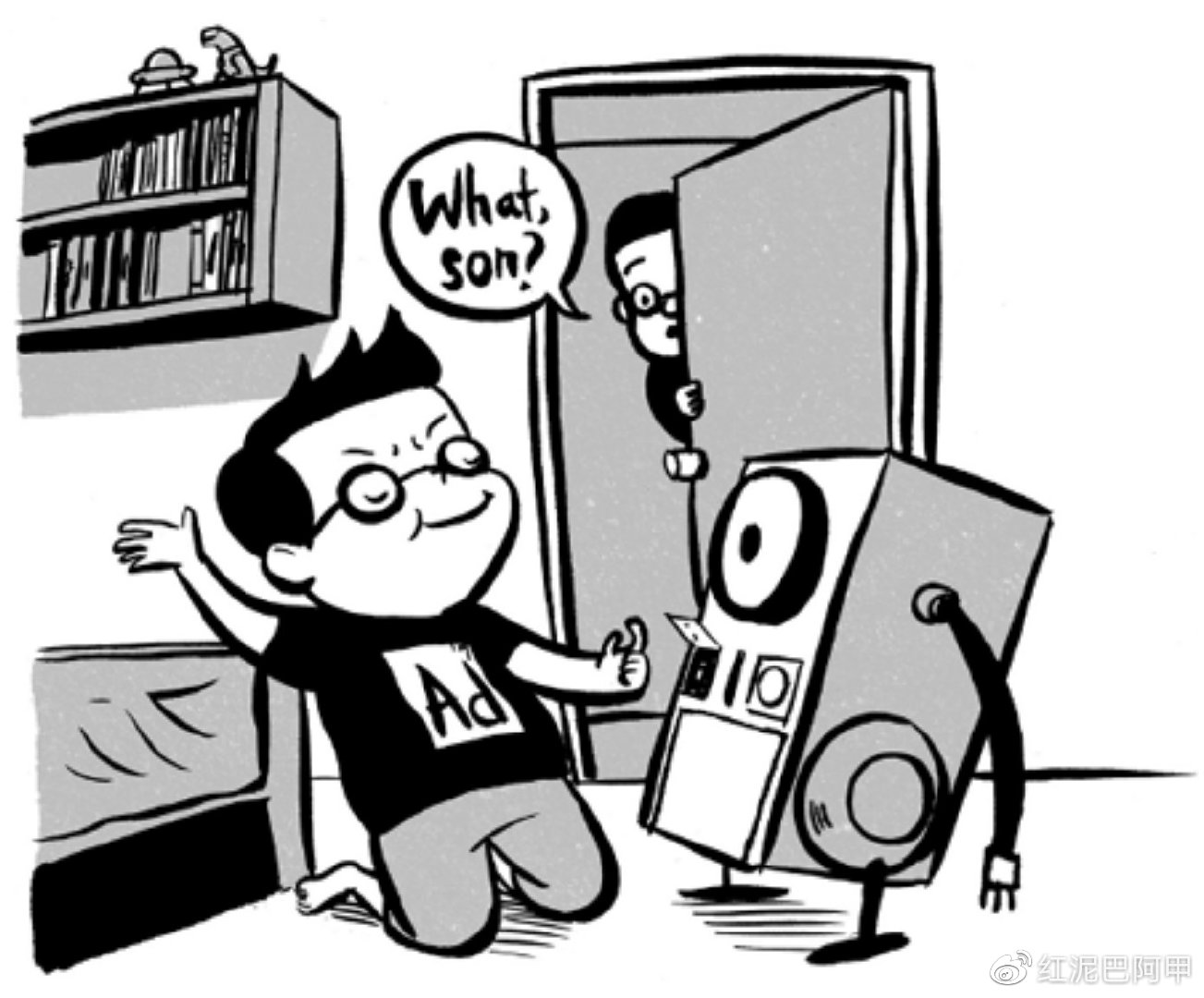
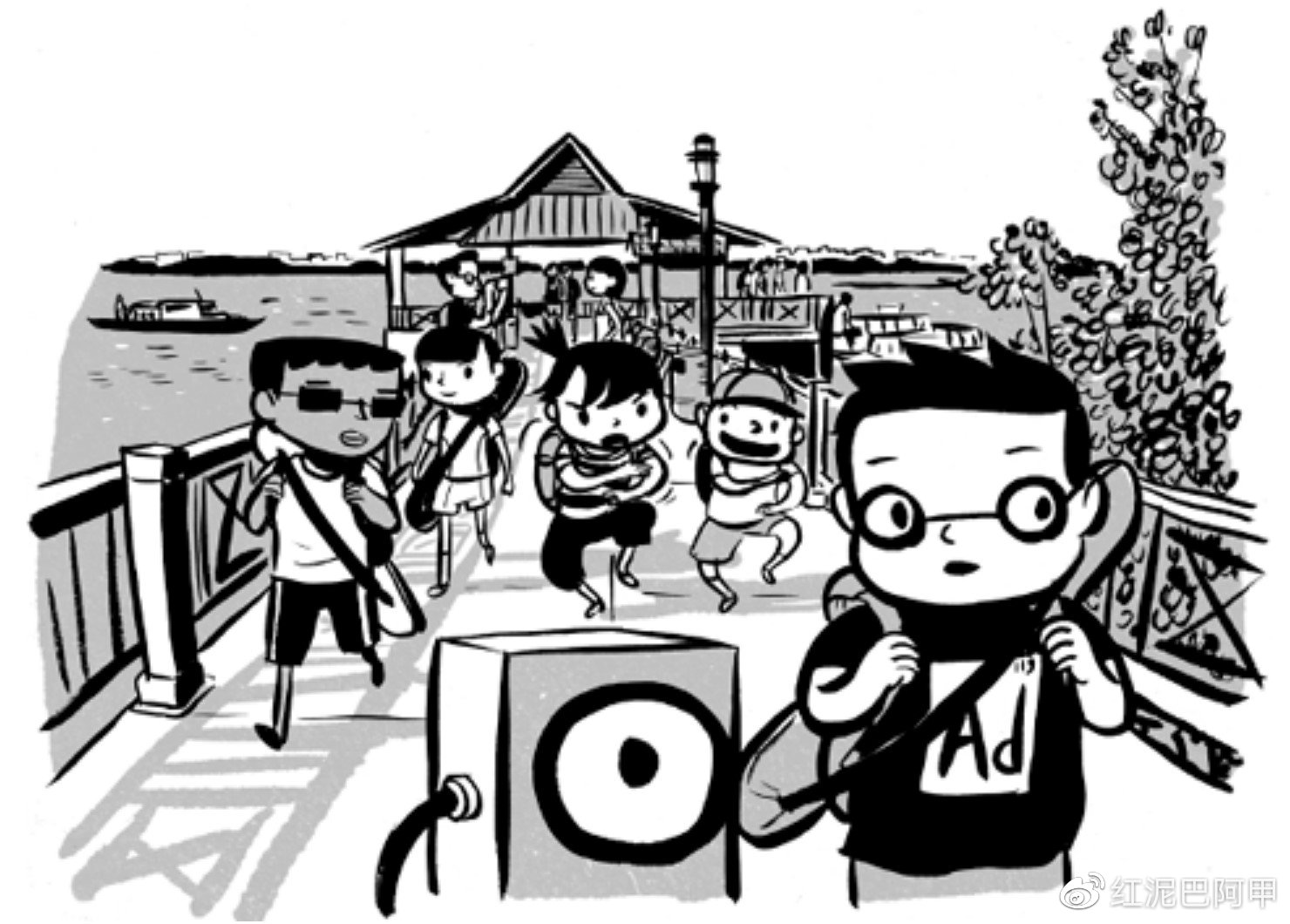
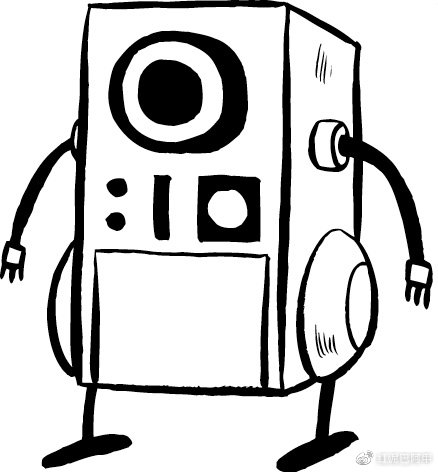
A:This series falls into the category of juvenile detective novels, featuring a group of Singaporean boys aged 10 to 12. The iconic core characters are ten-year-old Sherlock Sam and his robot companion Watson, but they quickly form a detective team centered around them, known as the “Midnight Club.” Solving mysteries with intellect is the main plot thread of each book, but the rich and varied lives of these young people and the relevant local cultural background are highlights of the series.
Q: What attracted you to translate this series of books?
C:I’m always fascinated by stories about a group of kids solving crimes.
A:When I first read the first book, “The Case of the Missing Heirloom,” the Singaporean atmosphere felt very familiar to me, while the Baba Nyonya culture aroused my strong curiosity. In addition, the fun elements of a young detective and robots made it hard for me to refuse the invitation to translate it.
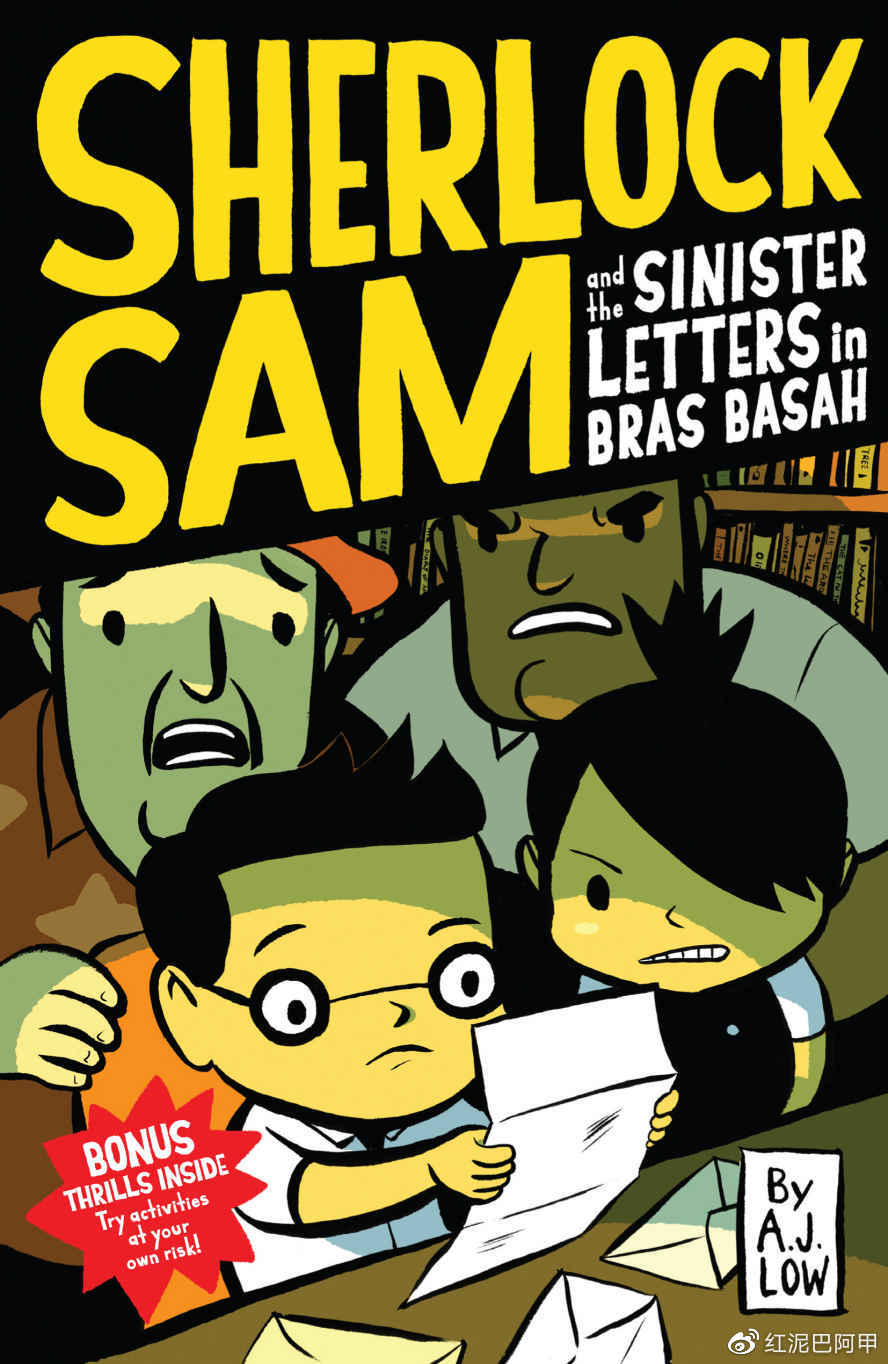
Another really funny coincidence happened. When I was translating the third book in the series, *The Serial Threatening Letters*, there was a chapter about the Singapore Book Council’s Asian Children’s Literature Award nomination ceremony, which was also the final chapter of the mystery. That day, I happened to be translating that chapter when I unexpectedly received an invitation from the Singapore Book Council to give a presentation at the 2022 Singapore Asian Children’s Book Festival! I felt so amazed that day; I wouldn’t even dare to make up such a coincidence in fiction! O(∩_∩)O haha~
Q: During the translation process, what impressed you the most about this book? What was the most fun part? What was the most challenging part?
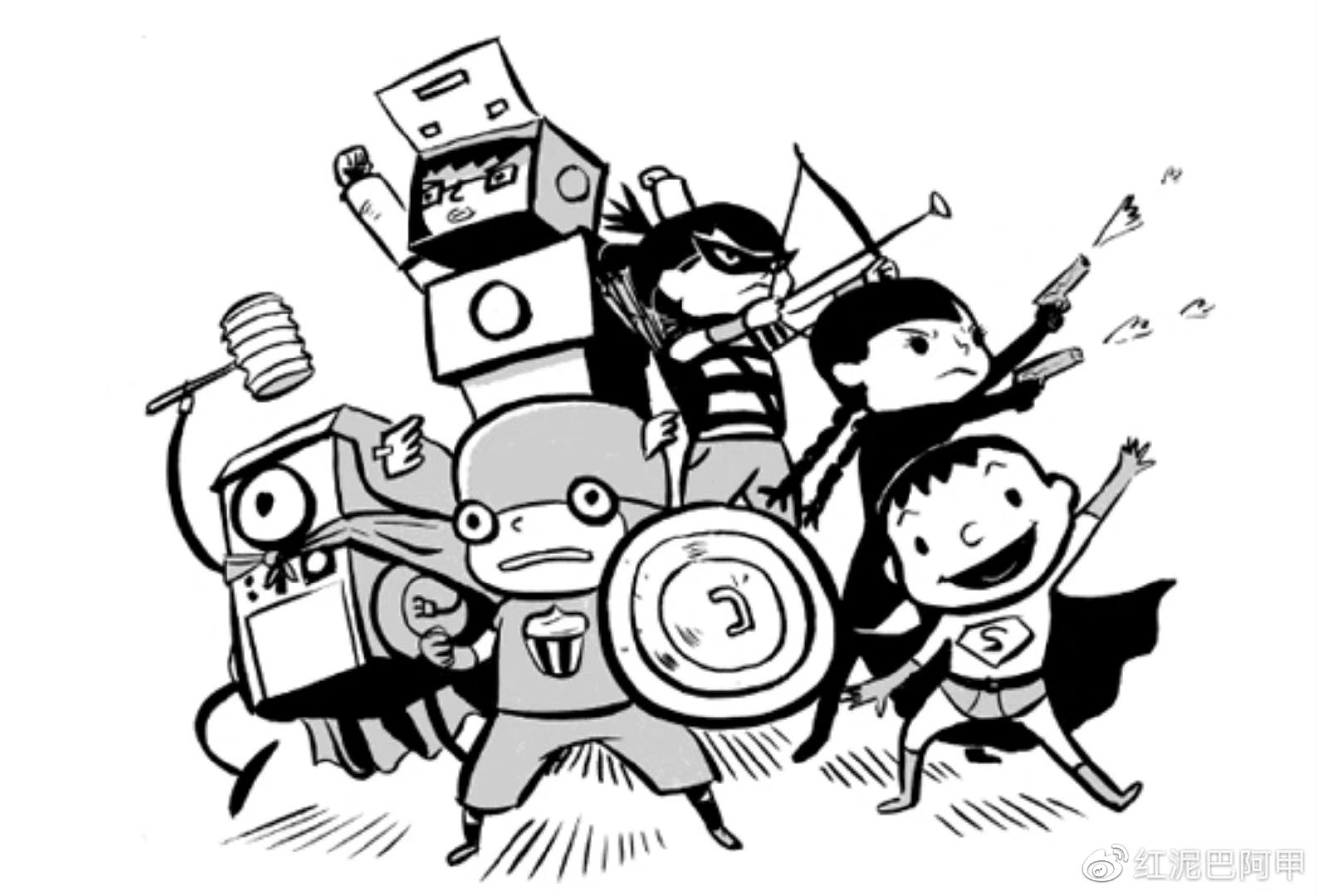
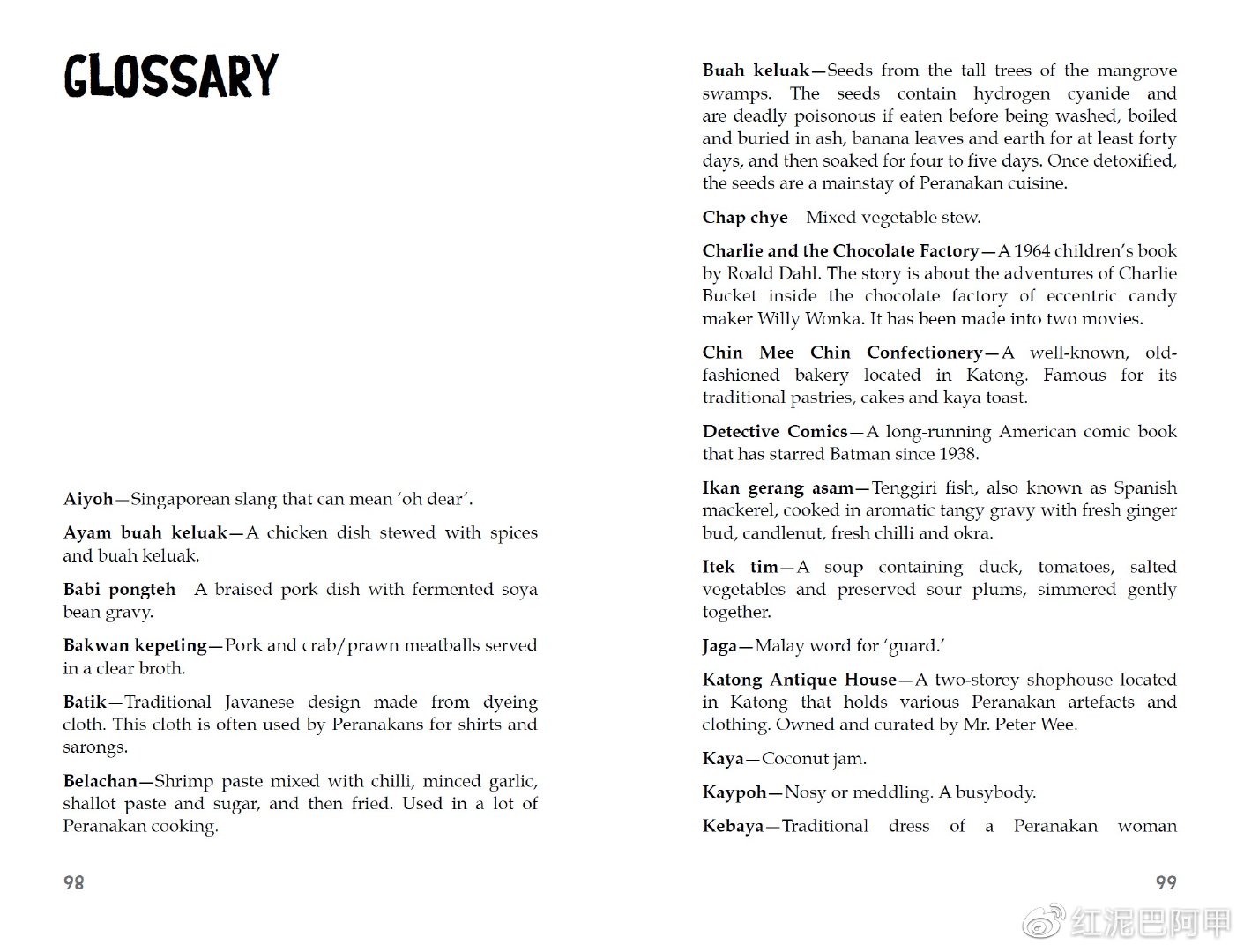
C:What impressed me most during the translation process were the members of the “Midnight Snack Club,” each with a unique personality. The most fun part was Sherlock and Watson bickering. The most challenging part was translating the glossary at the back of the book.
A:I found the dialogue in the book very entertaining, especially the banter between family and friends; some jokes became quite funny after being repeated three times. However, what impressed me most was the family bond within Sherlock’s family and the parents’ educational philosophies and methods, which served as a textbook example—something I hadn’t expected when I started translating. Additionally, I found the glossary at the back of each book (collected in the Chinese version’s essential detective handbook) the most challenging part. Translating this section required consulting a large amount of material and finding the most accurate translations (especially for foods from different cultural backgrounds).
Q: Why is this series of books called “Super Detective Sherlock”? Is it related to the Sherlock Holmes stories?
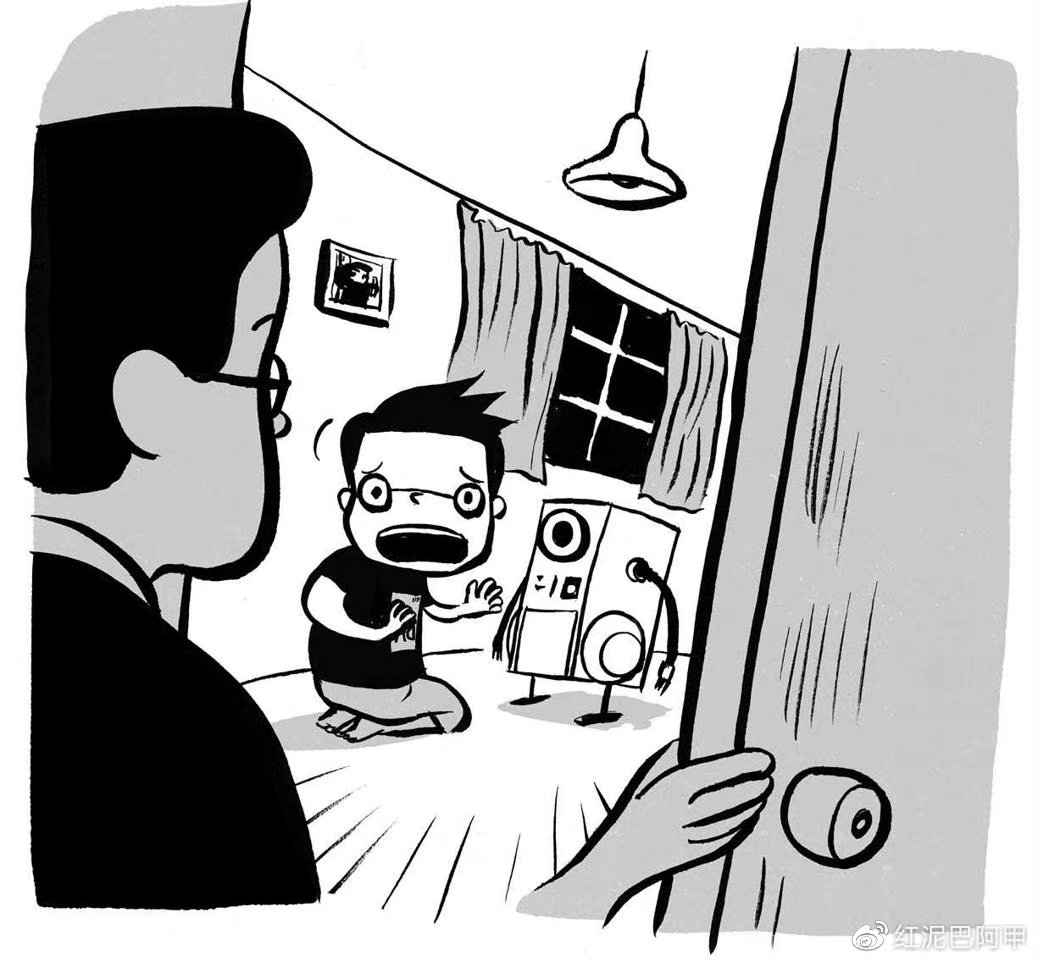
A:“Super Detective Sherlock” is primarily a detective story series, incorporating many elements reminiscent of the Sherlock Holmes stories. For instance, the protagonist, Sherlock Sam, whose real name is Samuel Chan Cherlock, prefers to be called “Sherlock” because Sherlock Holmes is one of his idols, and he aspires to be a great detective like Holmes. His robot, by sheer coincidence (based on a series of minor accidents), is named “Watson”! Later in the series, characters with names similar to those in the Sherlock Holmes stories also appear. Each book in the series has a specific detective theme, and the process of the “Midnight Snack Club” members encountering a case, reasoning, and solving it bears a striking resemblance to the story structure of the Sherlock Holmes stories.
Q: As a juvenile detective novel, what are the unique features of this series compared to similar works?
A:From the perspective of the main body of the investigation, this series emphasizes the power of teamwork. The members of the “Midnight Snack Club” have diverse personalities and different perspectives on problems, each playing a different role in the investigation. Furthermore, Sherlock’s parents also play a significant role in the story. Since Sherlock and his sister Wendy are minors, their parents adhere to certain parenting principles, such as prohibitions against going out alone without parental permission and against recklessly putting themselves or their friends in dangerous situations. This adds a layer of difficulty to the plot but also makes the story more believable and avoids any potentially dangerous demonstrative effects. In addition, the clever integration of elements such as robots, cutting-edge technology, and historical culture greatly enhances the series’ educational value.
Q: Who is your favorite character in the entire story series? Who is your least favorite character?
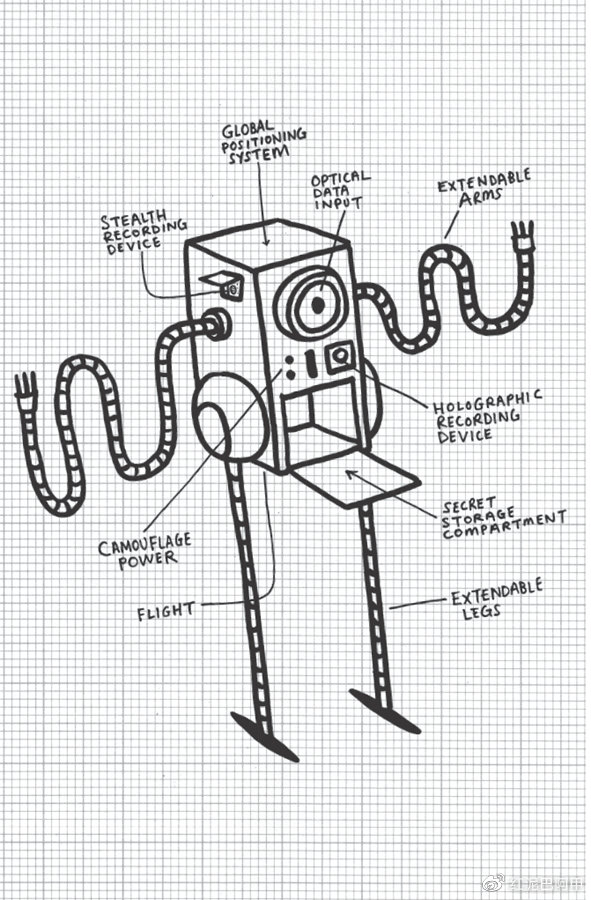
C:I prefer Watson. He’s rational, speaks directly, and often points out Sherlock’s “problems,” which sometimes embarrasses Sherlock. But upon reflection, Watson’s points are indeed quite valid. Watson is somewhat “harsh” on his master Sherlock, but very caring towards Sherlock’s friend Jimmy, even taking Jimmy flying through the sky. There aren’t any characters in the book that I dislike.
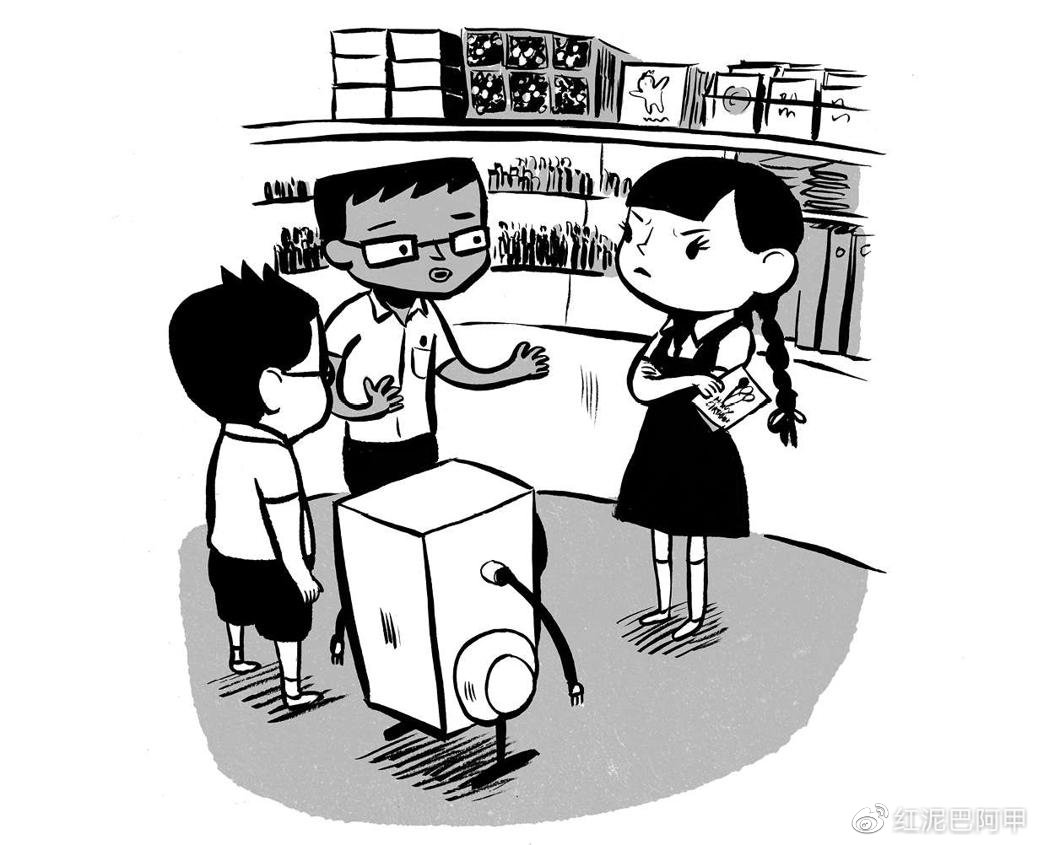
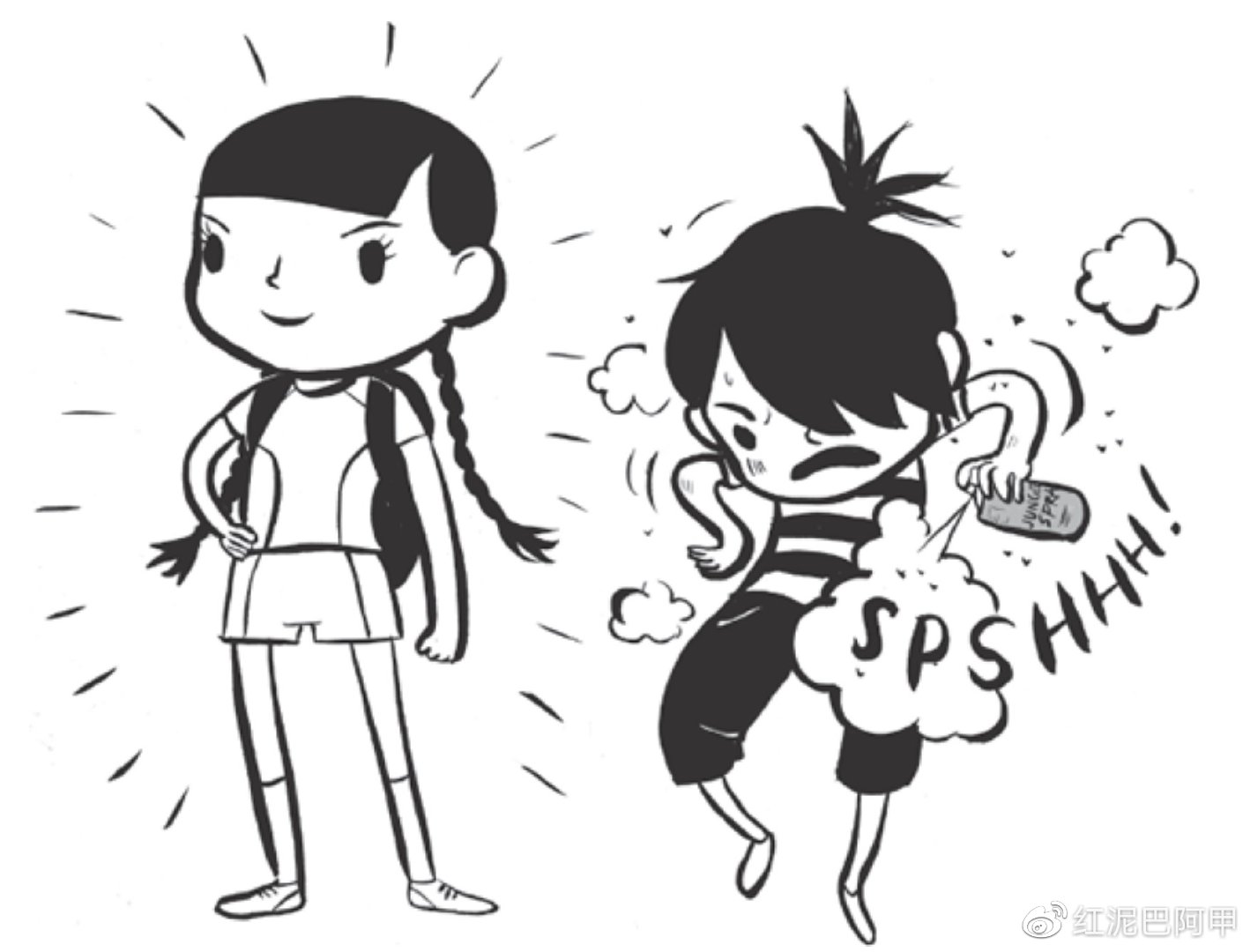
A:Every character in the book is interesting, but my favorite is Eliza, a girl who only appears in the second book. In fact, she seems quite stereotypical in the second book—the kind of girl who comes from a wealthy family, is pretty, arrogant, and loves to bully others. However, as the story progresses, readers discover she is a rather complex character. As we gradually understand her circumstances and her evolving inner world, we also find her quite endearing. In genre fiction, character development often falls into stereotypes, but I think Eliza’s character is handled quite successfully, possessing literary flair, and her presence adds more tension to the plot. From this perspective, there are no characters I dislike in the book, although a very annoying “villain” appears later in the story, but the author handles it very interestingly; it can be said that the villain is a very successful and entertaining character.
Q: How would you rate Sherlock Sam and his family in the story?
C:The Sherlock family is harmonious and loving, with members trusting each other; they are quite a happy family.
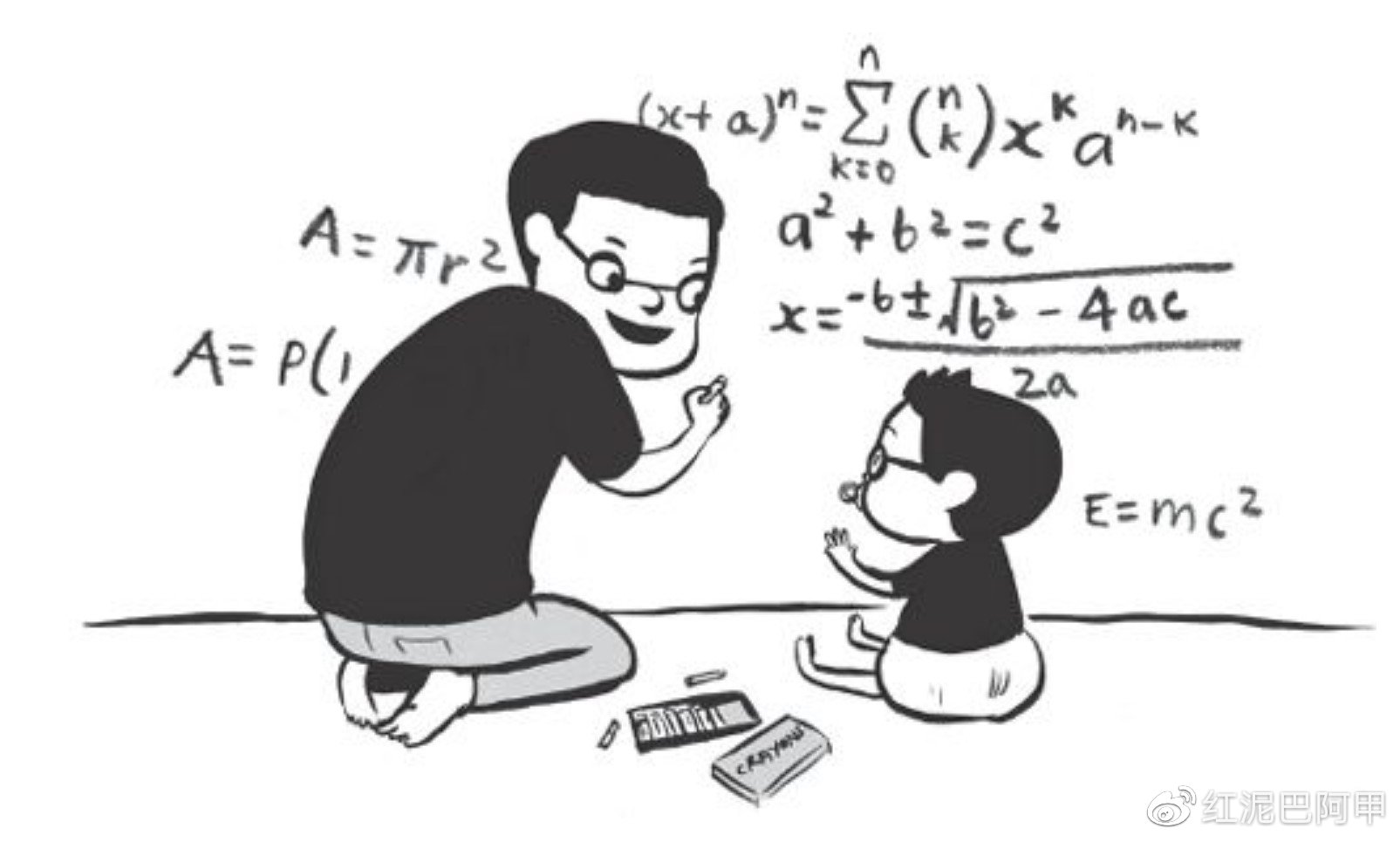
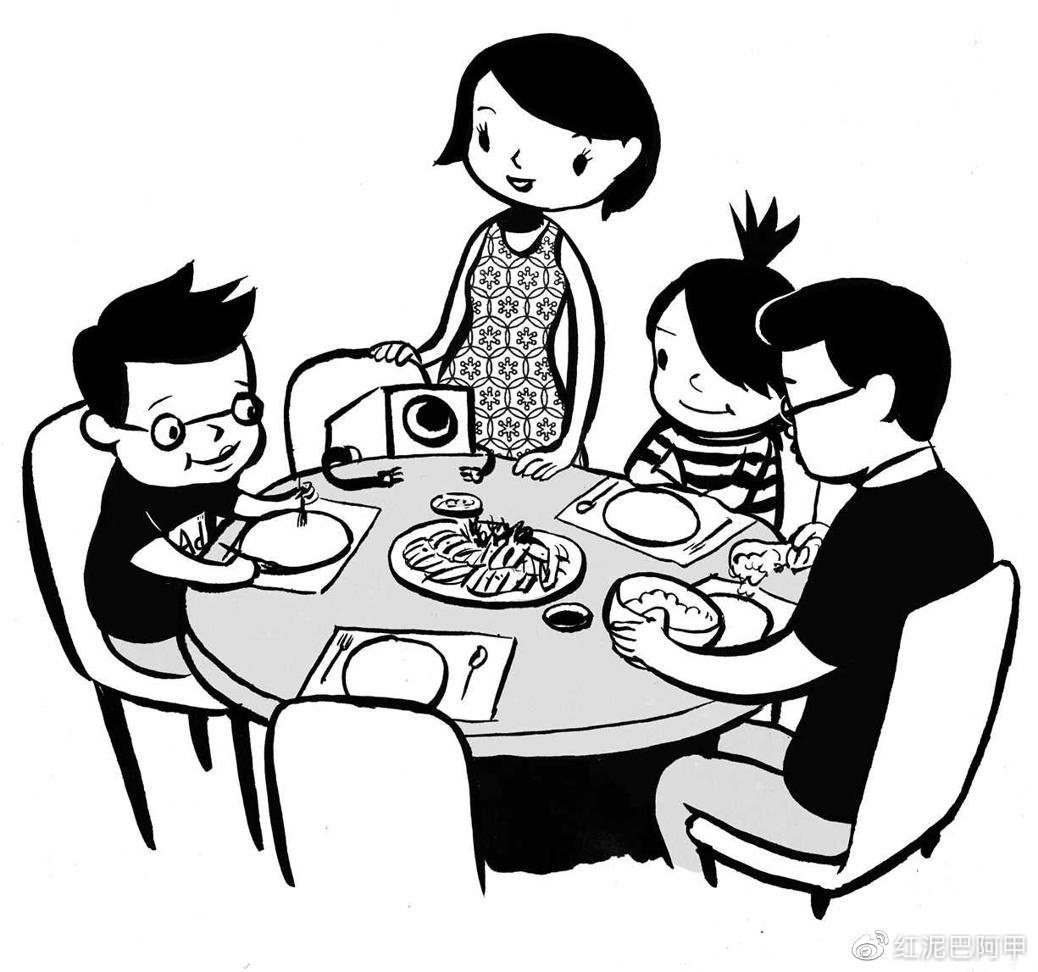
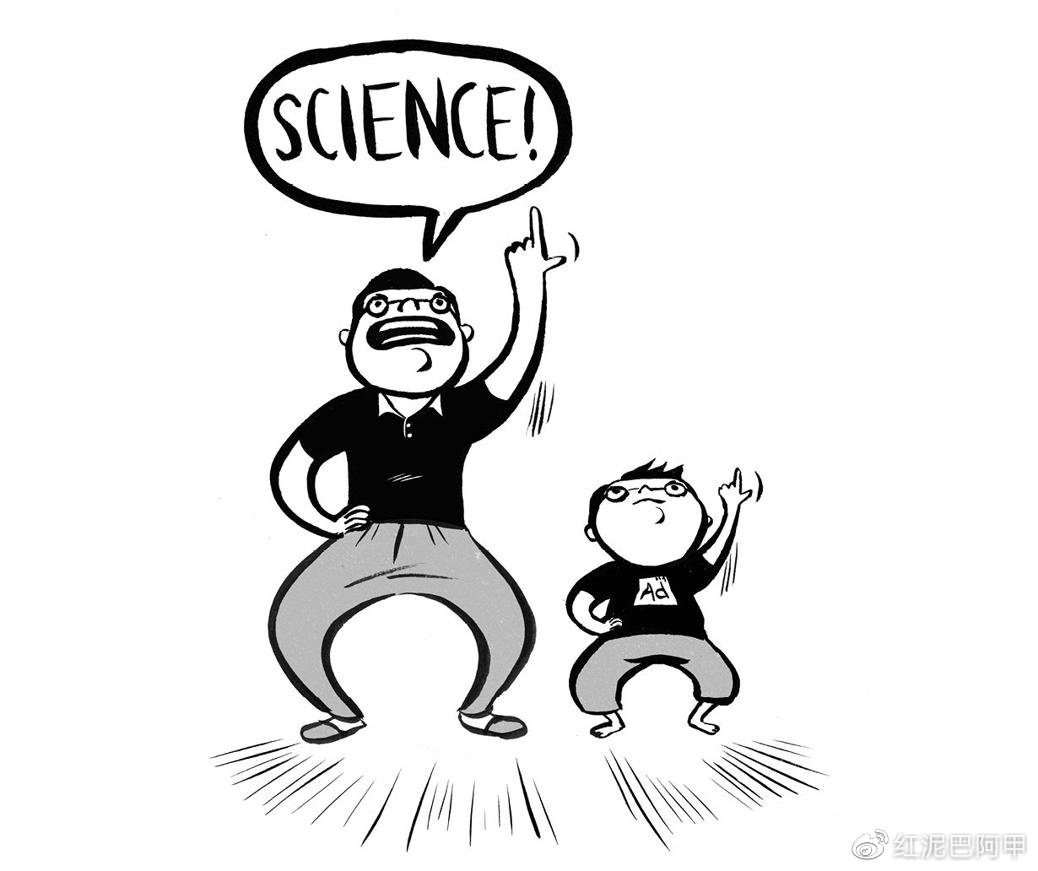
A:Indeed, this family is quite enviable. The father is a bit of a scientific fanatic, the mother is a talented yet contented housewife, the older sister is the family’s artist, and Sherlock is a math enthusiast, a science enthusiast, and a detective enthusiast. The parents are loving, their educational philosophies are extremely harmonious and consistent, they are excellent teachers, and their parent-child relationship is superb (their deep affection even extends to the robot Watson). In short, they are an ideal family. However, by the sixth book, a slight crisis has arisen in the family relationships… perhaps even the author felt that such a family was too idealistic ^_^
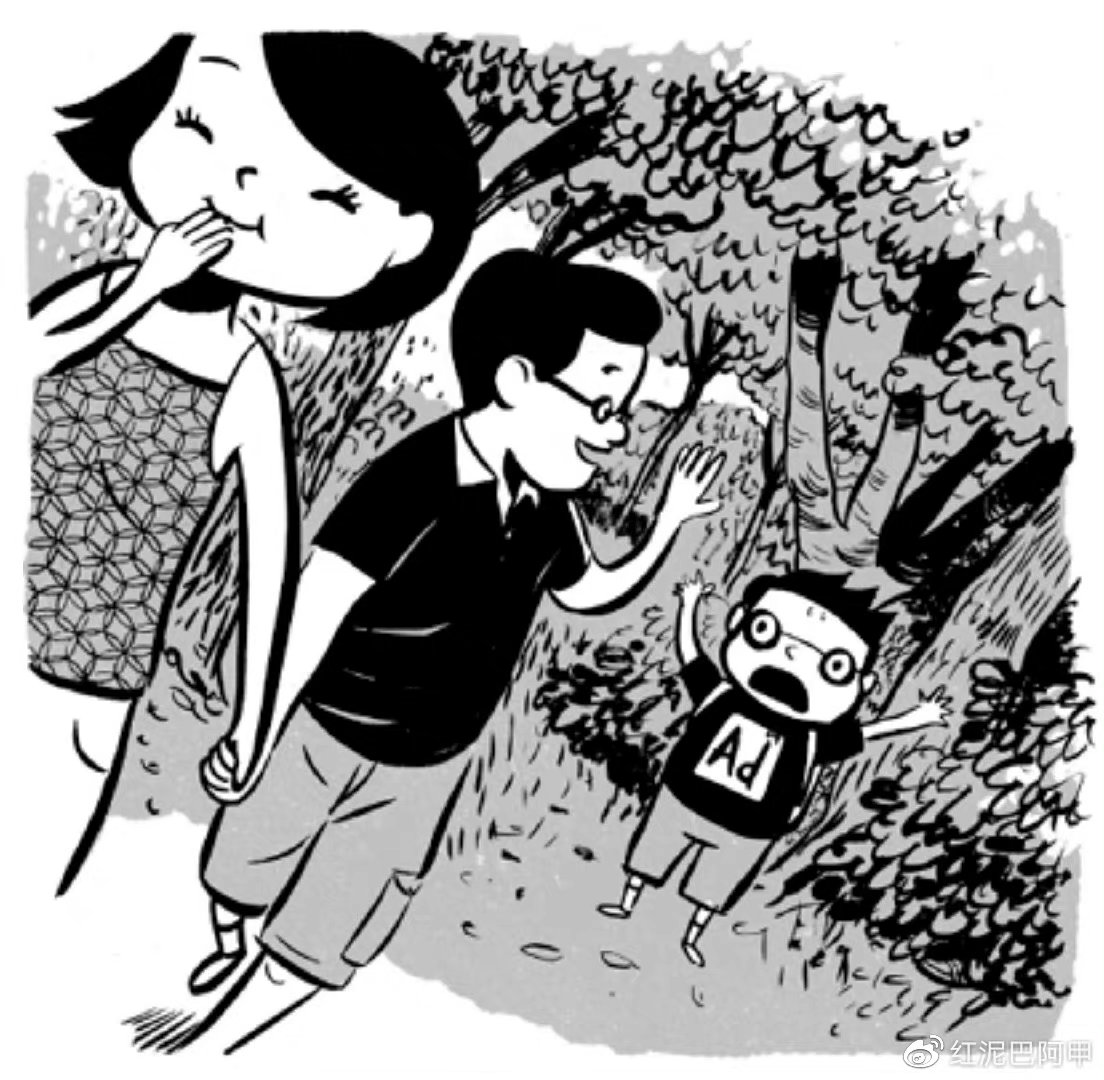
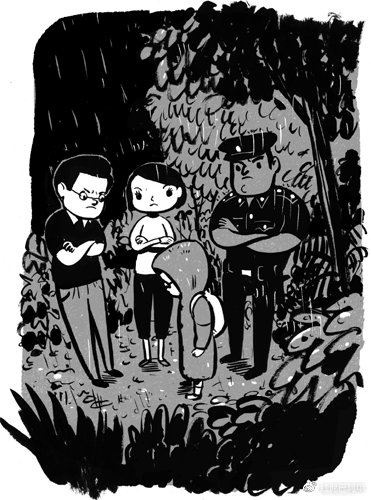
Q: What is your opinion of the members of the “late-night snack club” in the story?
C:“The members of the ”Midnight Snack Club” each have unique personalities, which I believe is a major characteristic of this book. In such a team, children must both contribute individually and collaborate to solve problems, requiring understanding, tolerance, and cooperation among members. For young readers, this is an excellent model for learning teamwork and problem-solving.
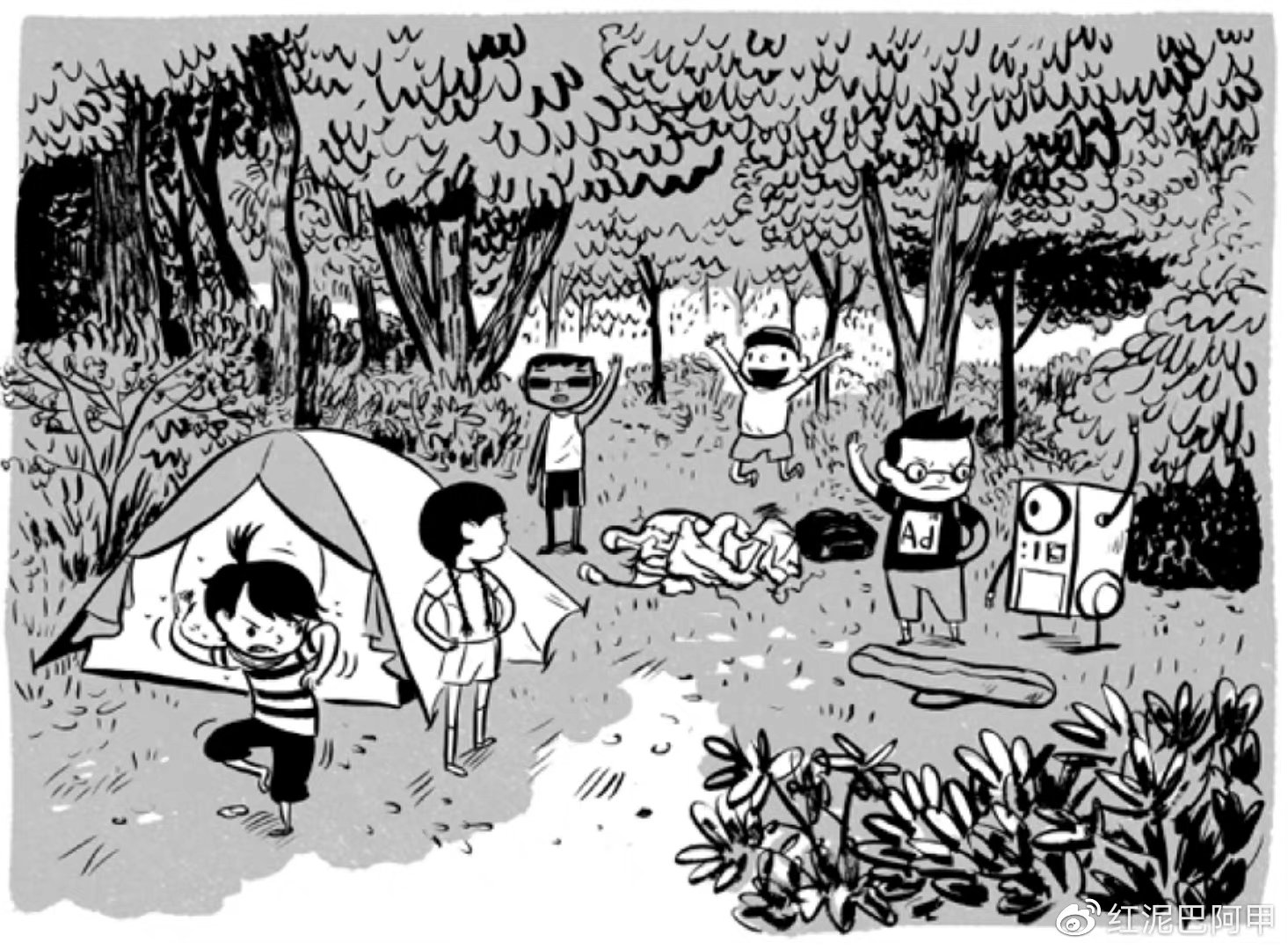
A:The author skillfully crafts a near-perfect team through humorous interludes: Sherlock’s scientific knowledge and reasoning abilities, Watson’s rationality and a degree of superpowers, Wendy’s artistic talent and keen observation skills, Nazar’s encyclopedic historical knowledge, Jimmy’s often illogical stumbles, Eliza’s outdoor knowledge and swift movements… However, they all possess rather stubborn weaknesses, which their companions frequently exploit. Therefore, only when they work together can they become a perfect team.
Q: In the process of translating (reading), you learned more about Singapore. Has this significantly changed your previous impression of Singapore?
C:Previously, my understanding of Singapore was limited to “tourist impressions.” The translation process allowed me to gain a deeper understanding of Singaporean culture, people’s lifestyles, eating habits, and more.
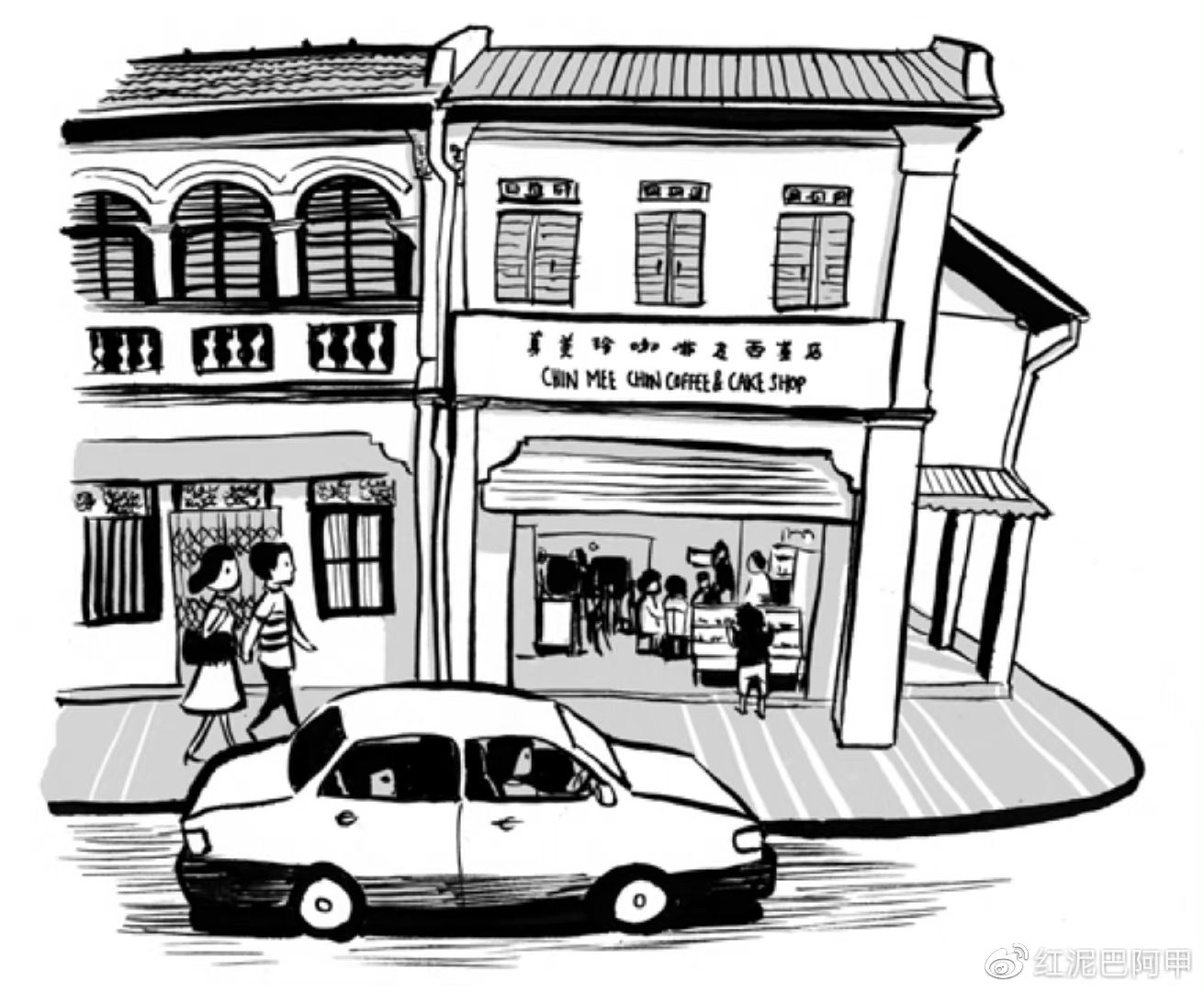
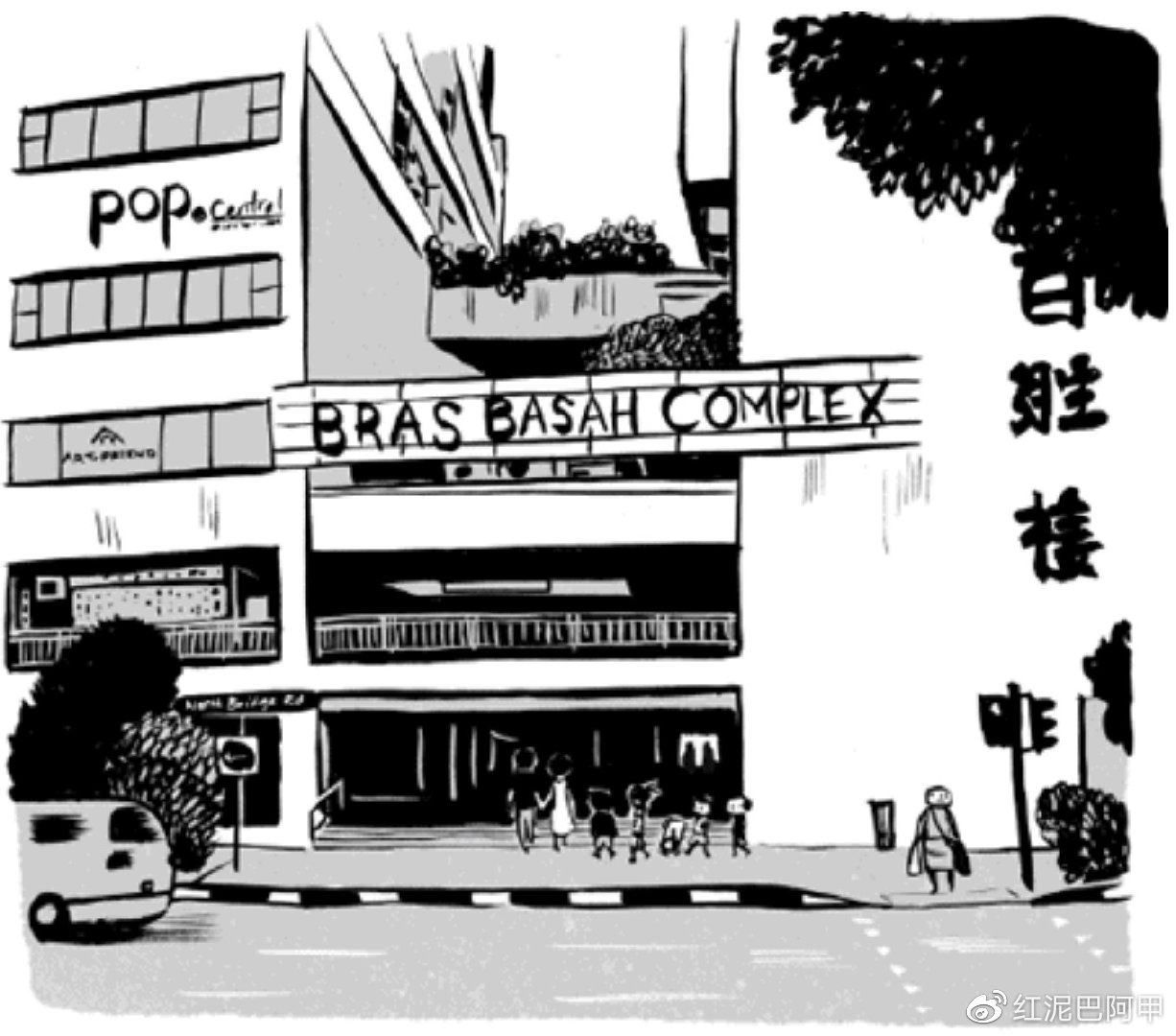
A:Yes, I also took a short trip to Singapore. After translating this book, I realized I missed a lot. Next time I go, I’ll definitely do a more in-depth trip, including sampling more delicious food. However, what impressed me most was Singapore’s harmonious blend of diverse cultures. The complex historical background and the natural harmony of various cultures are truly amazing.
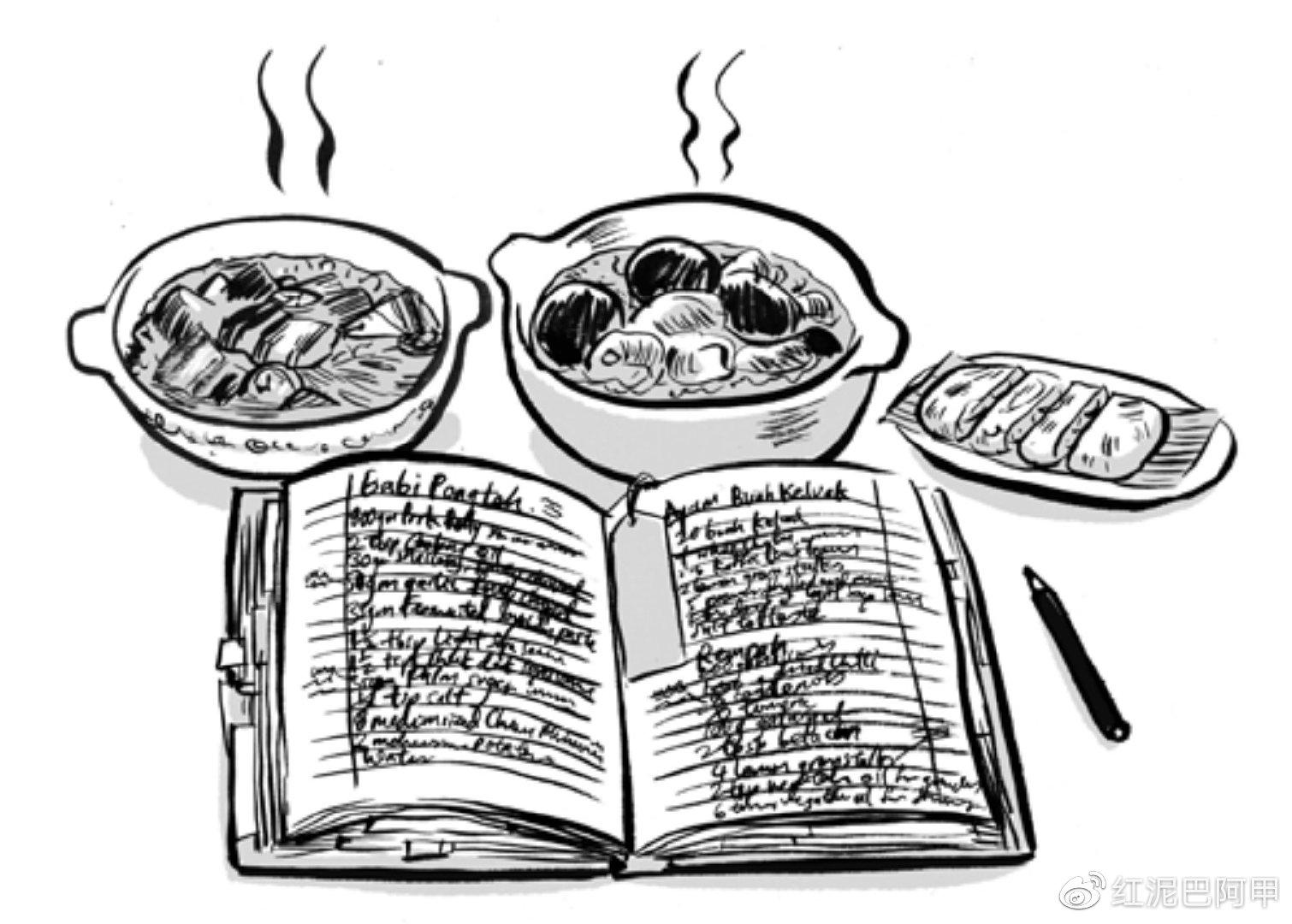
Q: The series of stories mentions a variety of foods. Are there any that you’ve never heard of before but would love to try?
C:Yes, I’d like to try Grandma Jinlian’s signature dish—Nyonya black nut braised chicken.
A:Translating this book made me quite hungry, especially at night, when I was translating the names and cooking methods of the dishes. To be honest, I really wanted to try all the Nyonya and Malay dishes: Nyonya black nut chicken, Nyonya pork stew with bean paste, Nyonya spicy and sour fish, Nasi Lemak, Kampung chicken… By the third book, I had learned a lot about Mexican cuisine, which I felt I shouldn’t miss out on either.
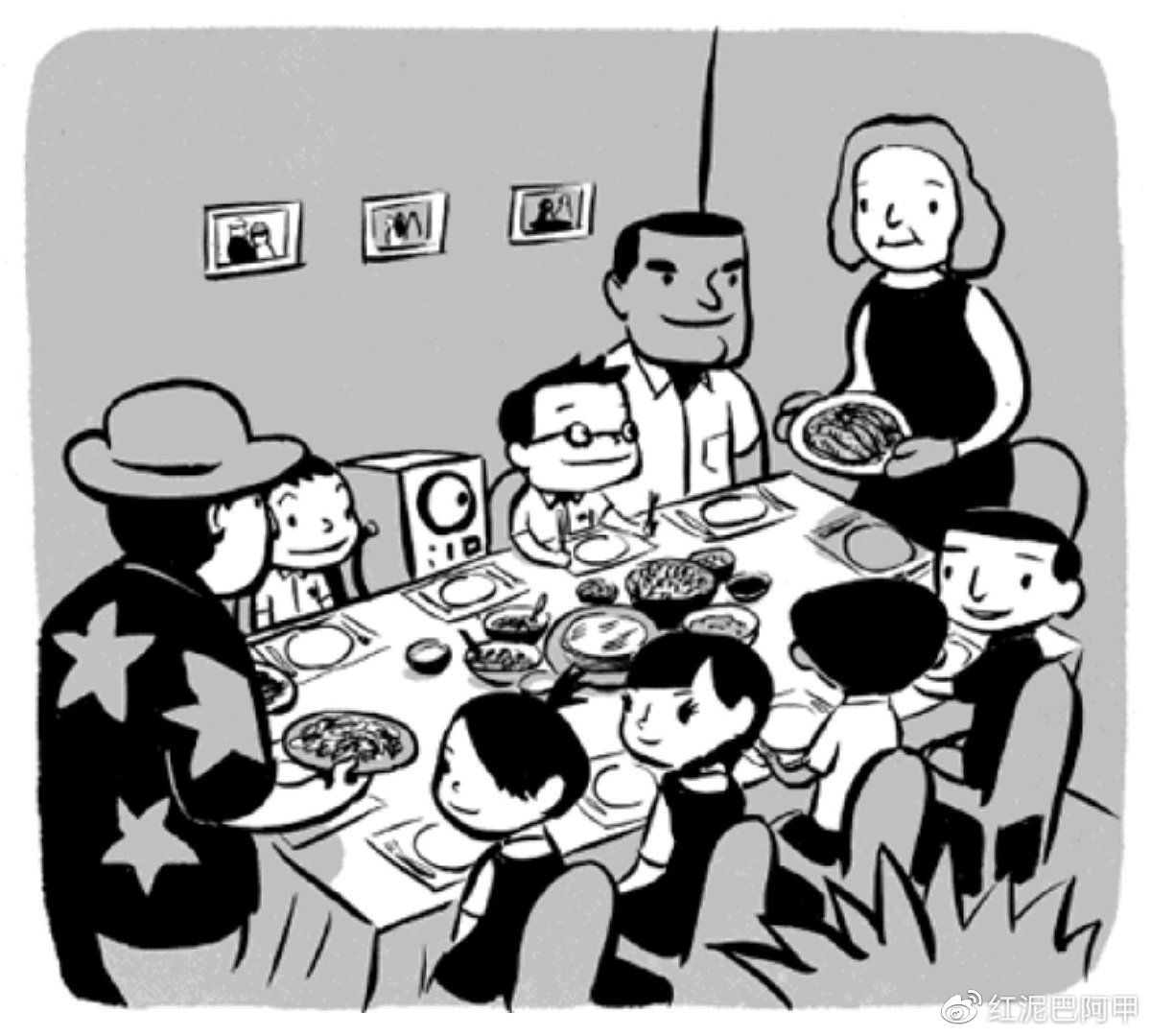
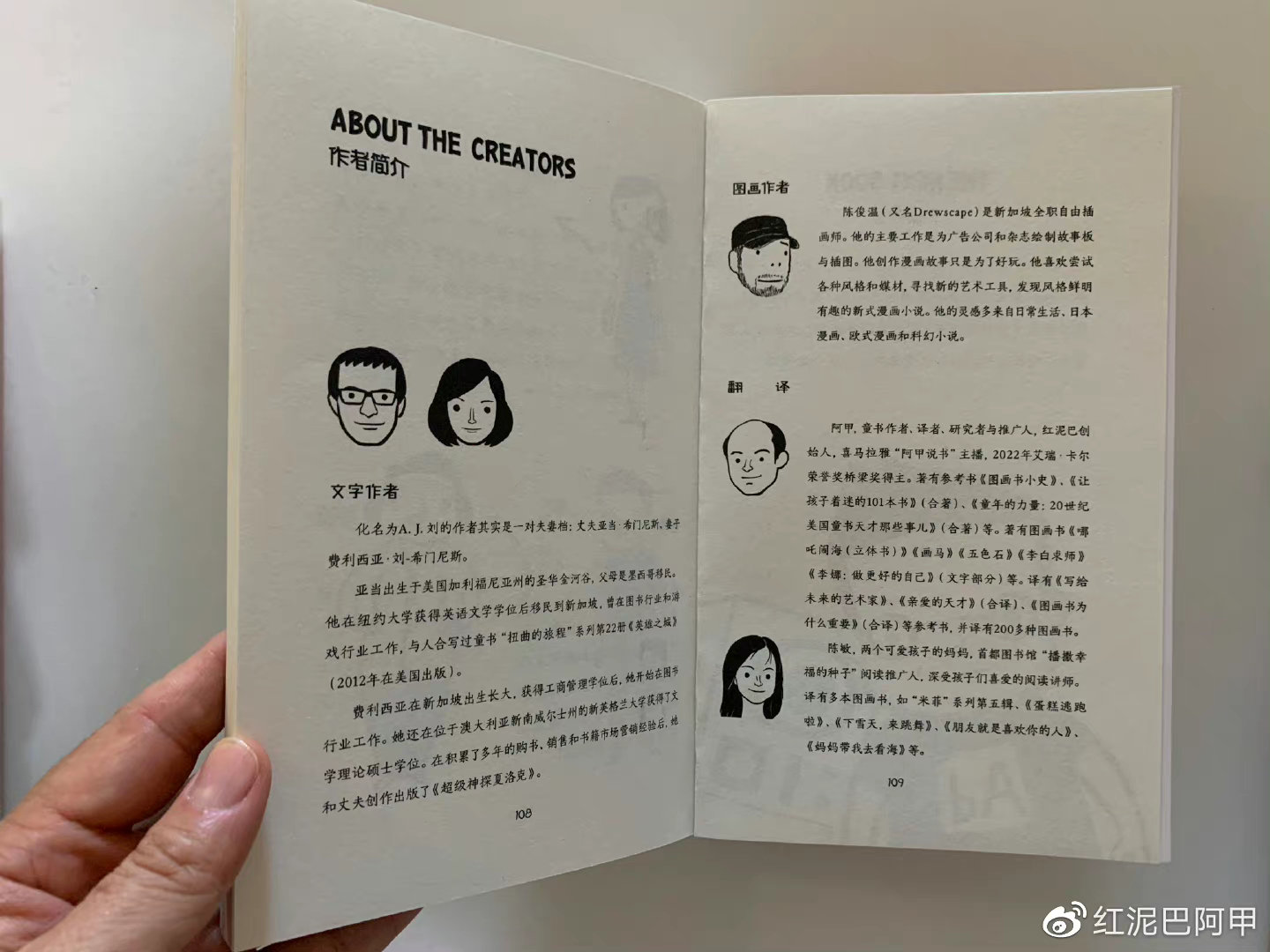
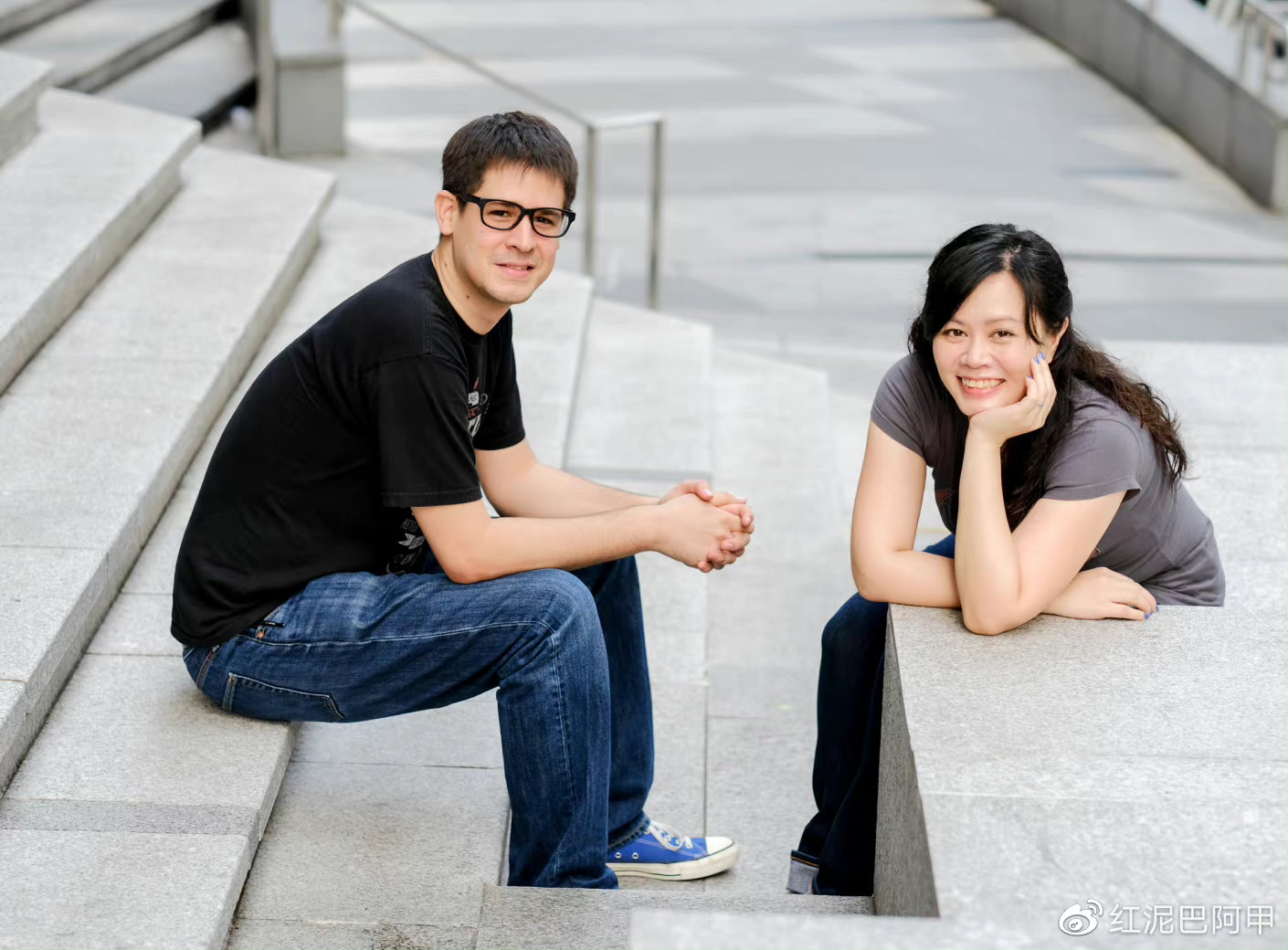
Q: Could you introduce the creative team behind the “Sherlock” series?
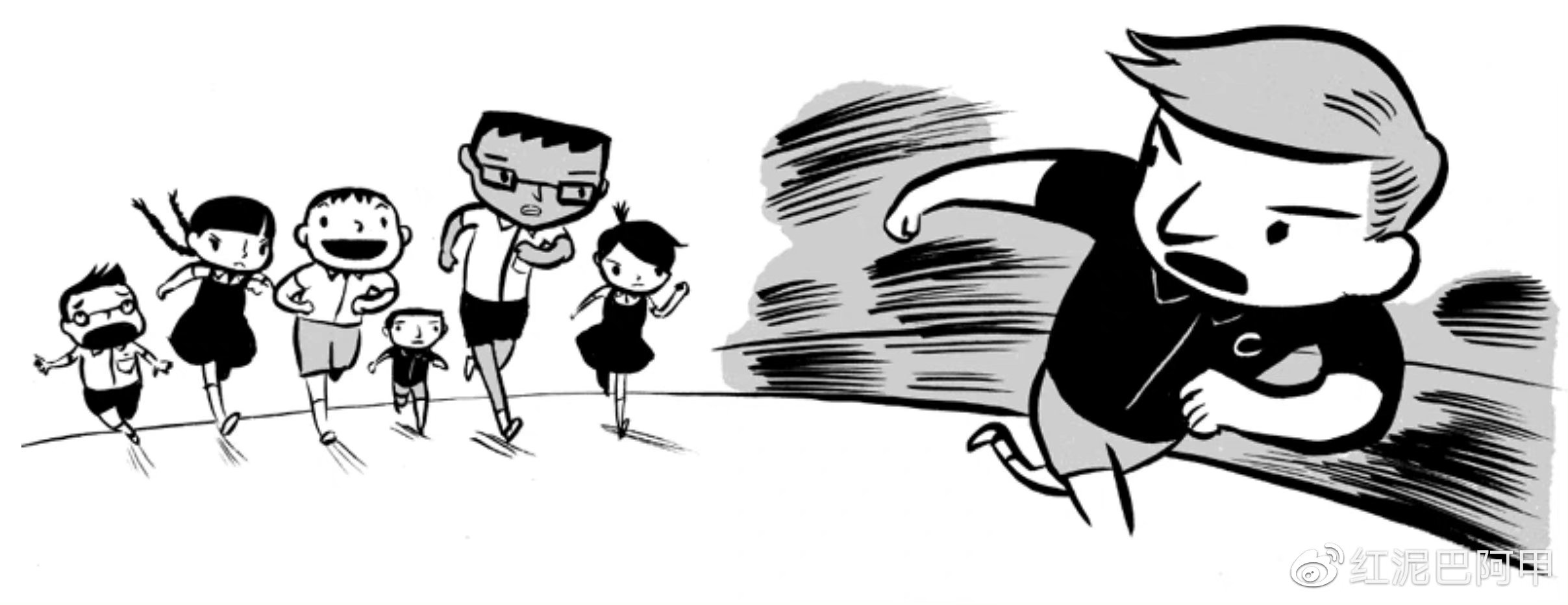
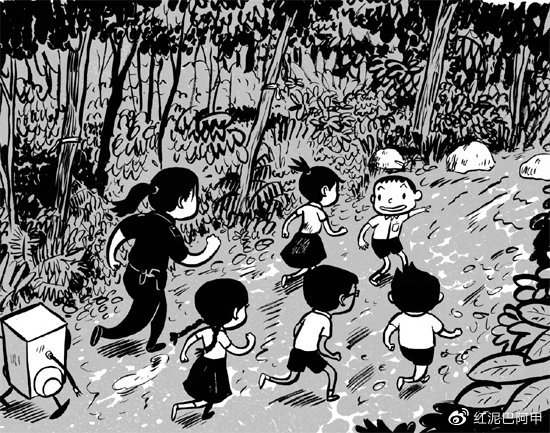
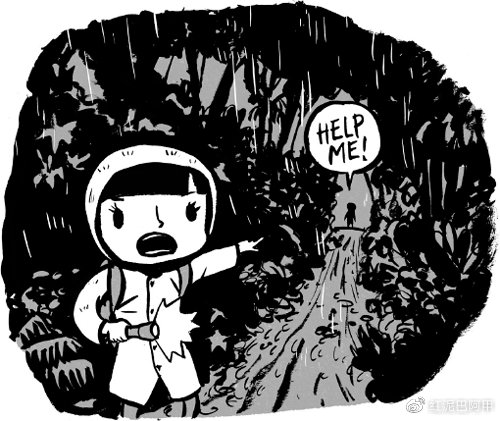
A:As introduced at the end of the book, the authors of this series are actually a husband and wife. The husband, Adam, is a Mexican-American who immigrated to Singapore, while the wife, Felicia (Chinese name: Liu Huimin), was born and raised in Singapore and is also of Baba Nyonya descent. Both are avid readers and geeks, passionate about anime and science fiction. Therefore, their creative collaboration inherently incorporates a diverse range of modern elements. While men are often perceived as more rational and women as more emotional, this couple seems to be the opposite. Adam is more prone to tears while watching movies, while Felicia is more composed in handling situations. Their collaboration is quite complementary, and the dialogue and psychology of the male and female characters in the stories are handled exceptionally well. As a book for middle-aged readers, the illustrations are rich and varied, with a comic book style, yet the characters’ expressions and movements are very expressive, thanks to illustrator Chen Junwen. As a series of novels, the story’s logic is quite rigorous, and it seems to become increasingly captivating as it progresses, thanks to the publisher’s editors.
It is particularly worth mentioning that although volumes 5–8 of the series can be seen as relatively independent volumes, they can also be combined into a substantial novel. The conflicts in the story are quite intense, and the emotional power is becoming increasingly moving. It seems that the author has the ambition to transcend the general “genre novel”. Judging from the dedication, the editors of the Aphorisms Publishing House must have played a significant role.
Q: What age do you think this book series is suitable for? In Chinese or English? What will children learn from the books?
A:The Chinese version is suitable for elementary to middle school students. The English version is suitable for children with experience reading English books; in fact, the original English version would also be suitable for high school or university students. I think children will gain a lot of enjoyment from this series, but more importantly, they will learn problem-solving strategies and methods, and of course, be exposed to some interesting knowledge and cultural background.
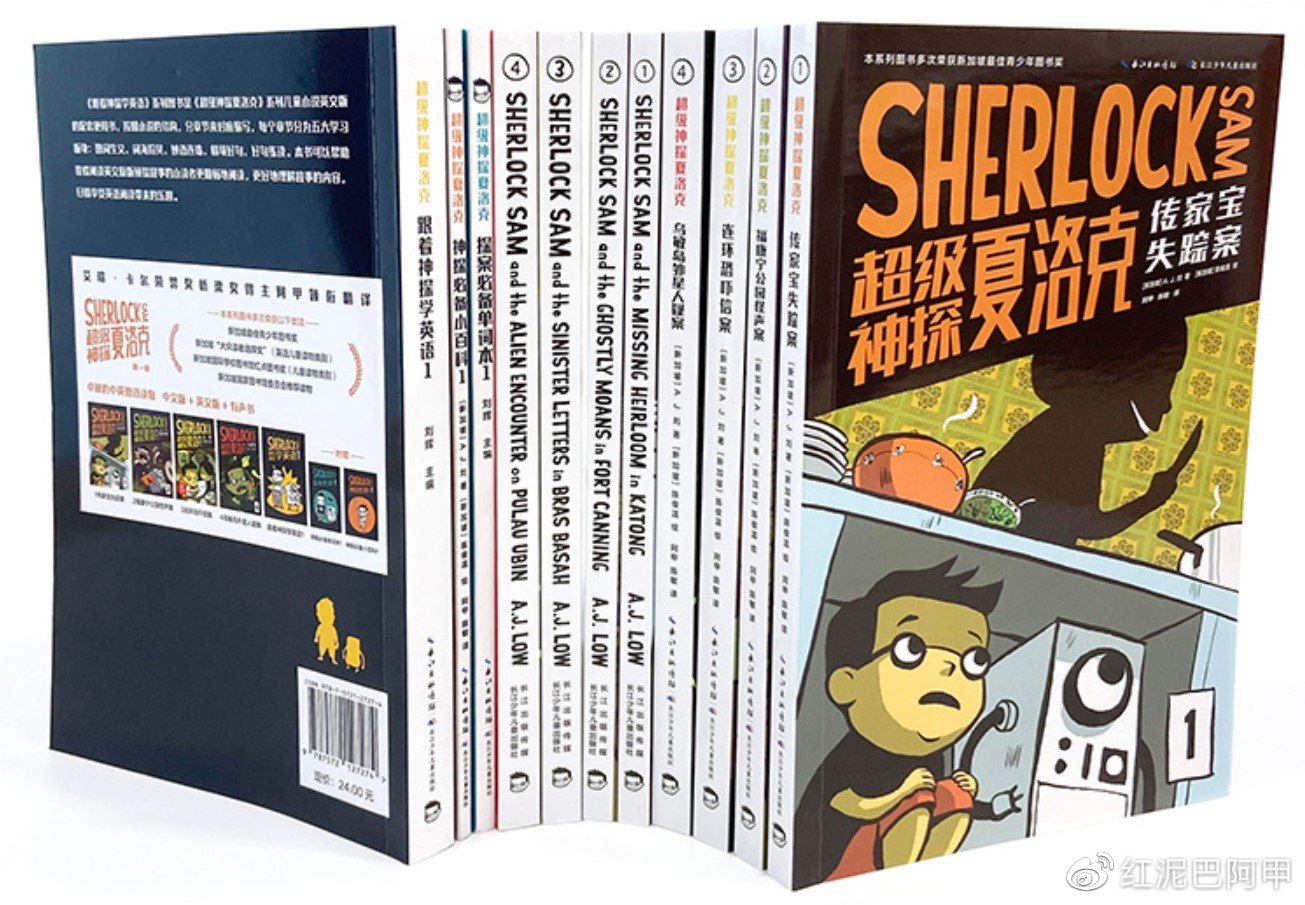
C:This is a set of books that focuses on the lives of children today. Although the stories are set in Singapore, the life experiences of the teenagers, the problems they encounter as they grow up, and their attitudes towards solving problems will resonate with young Chinese readers, aligning with their psychological characteristics. Each book in the set is both an independent case and can be read separately, or the books can be read together as a series. This will be a set of detective novels that young readers will enjoy. The entire set offers the tension and excitement of the investigation process, as well as the deep friendship between classmates and the care and love between family members. At the same time, it provides a deeper understanding of Singapore’s geography, culture, and customs.
Q: How would you rate the writing quality of this book series?
A:In my opinion, this series is a superior work within the genre of juvenile detective fiction. What’s particularly valuable is that the author seems to have ambitions to transcend genre writing; the story becomes increasingly complex as it progresses, the characters develop more depth, the cases become more difficult to solve, and each volume becomes longer. The further along the way, the higher the expectations for the reader will likely be.

Q: If my main goal is to learn English, is it better to buy the original version or choose this bilingual (Chinese-English) version?
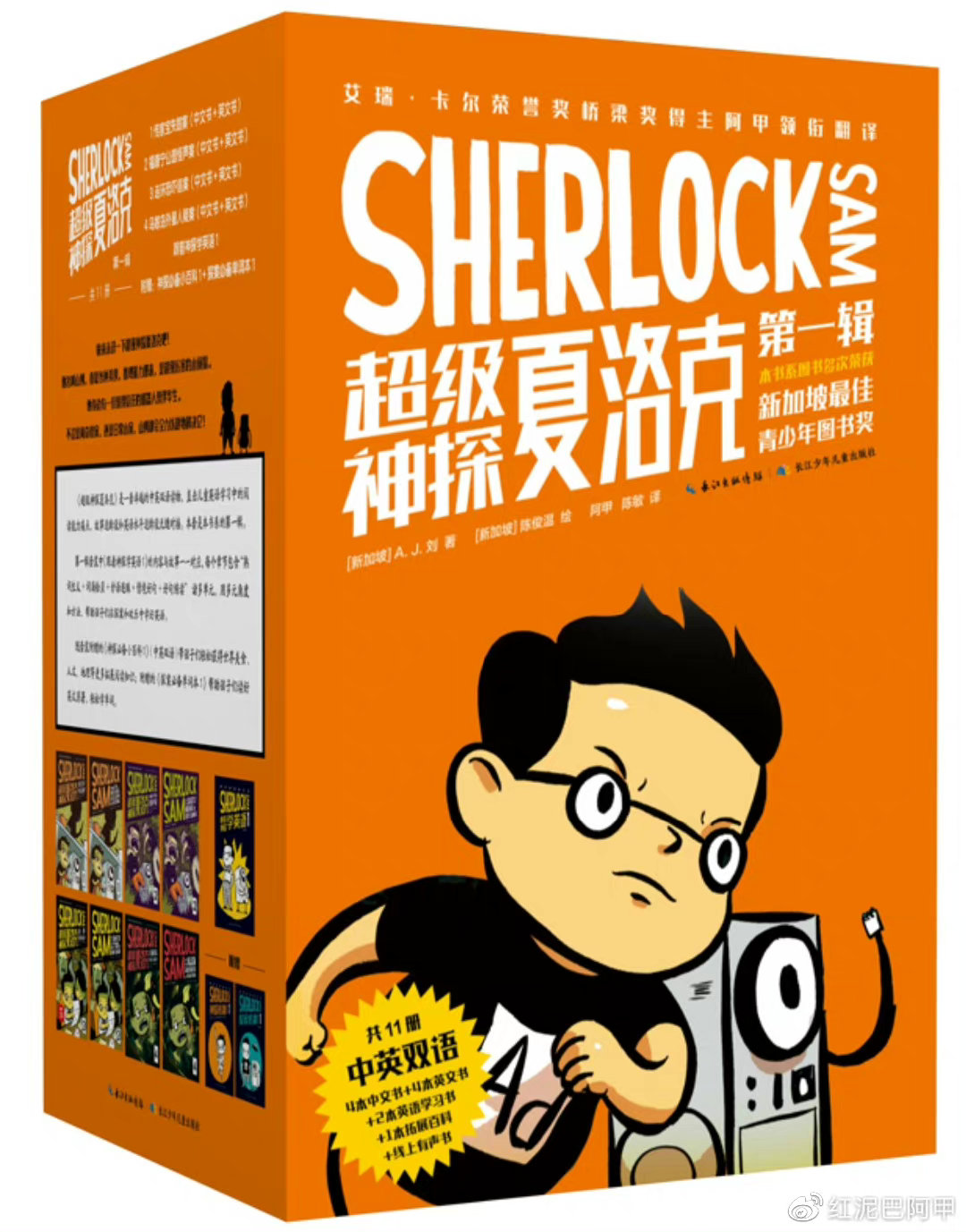
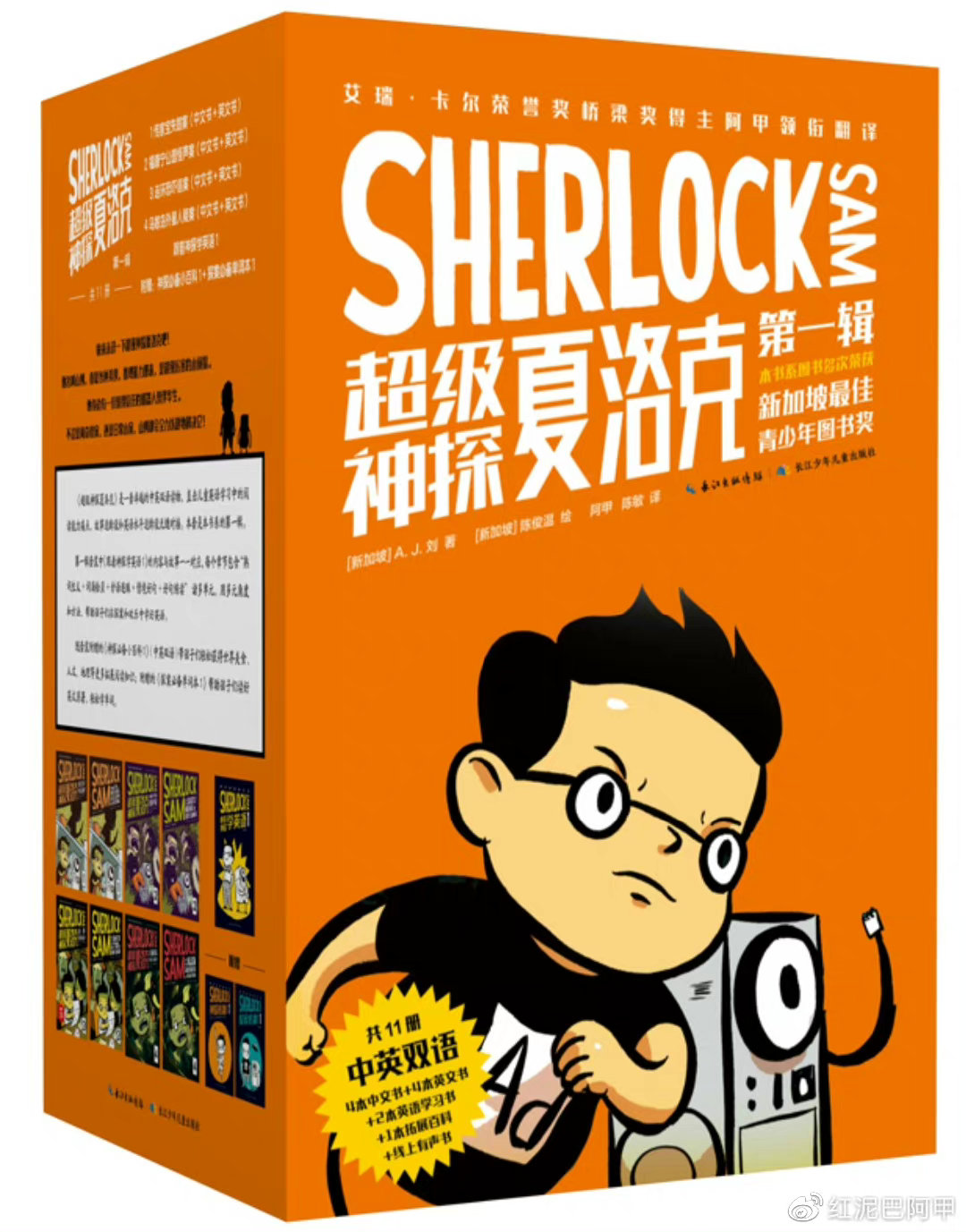
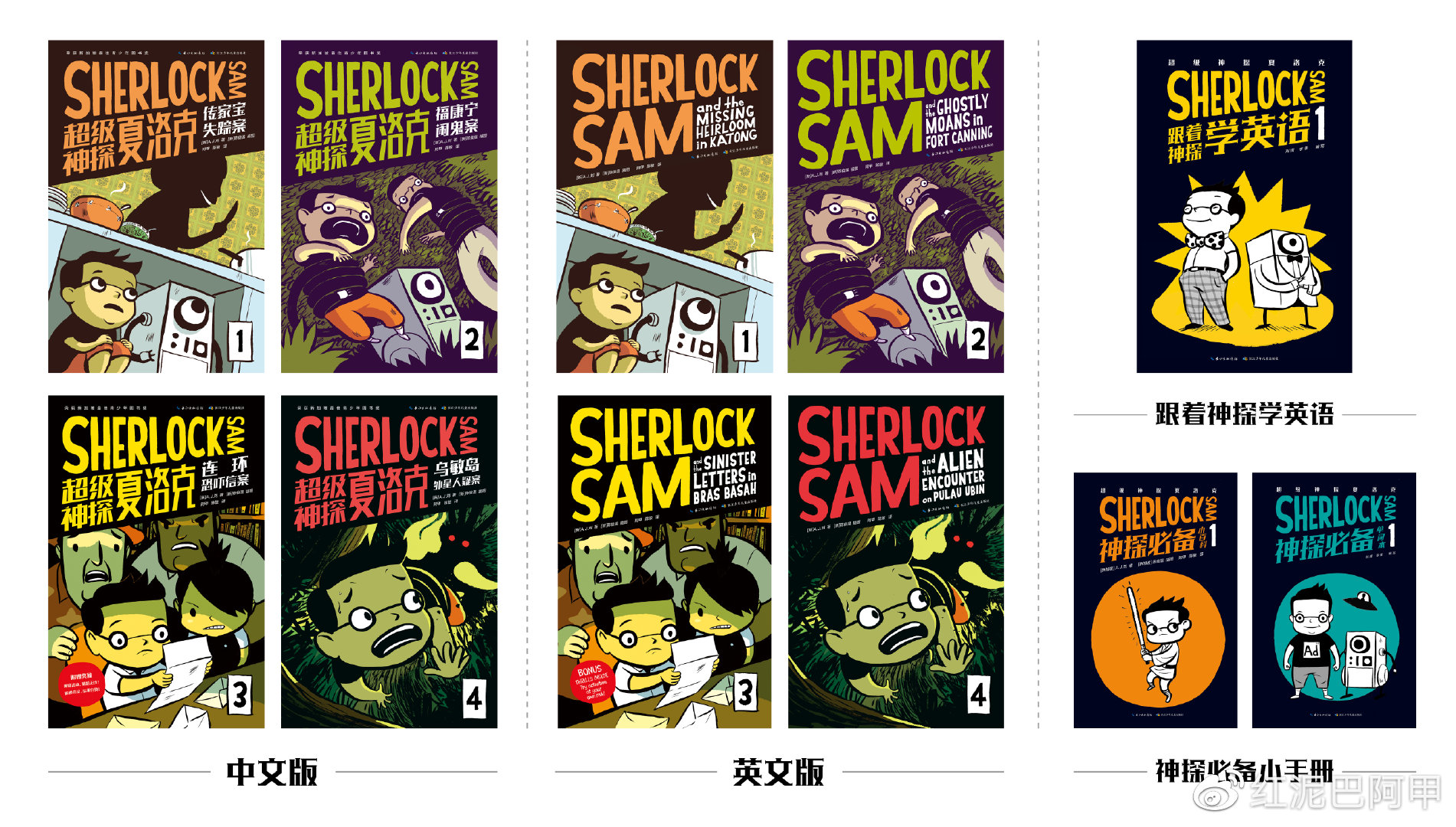
A: This bilingual (Chinese-English) edition is actually a two-volume set, with the English version presented separately in the original format, and includes supplementary readers developed by English teachers. The average price for a single English volume is $8, or $32 for four volumes (approximately 220 RMB). From this perspective, choosing the bilingual edition is definitely more worthwhile. Additionally, scanning the QR code for the audiobook allows you to listen to professional English narration for free.