🎂 Born 1967: Kimberly Brubaker Bradley
One of the most outstanding female children’s literature authors in contemporary America (1967). She is a towering master of psychological realism in 21st-century children’s literature, directly addressing issues such as children’s physical defects, hidden domestic violence, and intergenerational healing.
- Highest Honor: Twice awarded the Newbery Honor The winner; his works have consistently won prestigious humanitarian awards such as the Schneider Family Book Award.
- A timeless masterpiece:
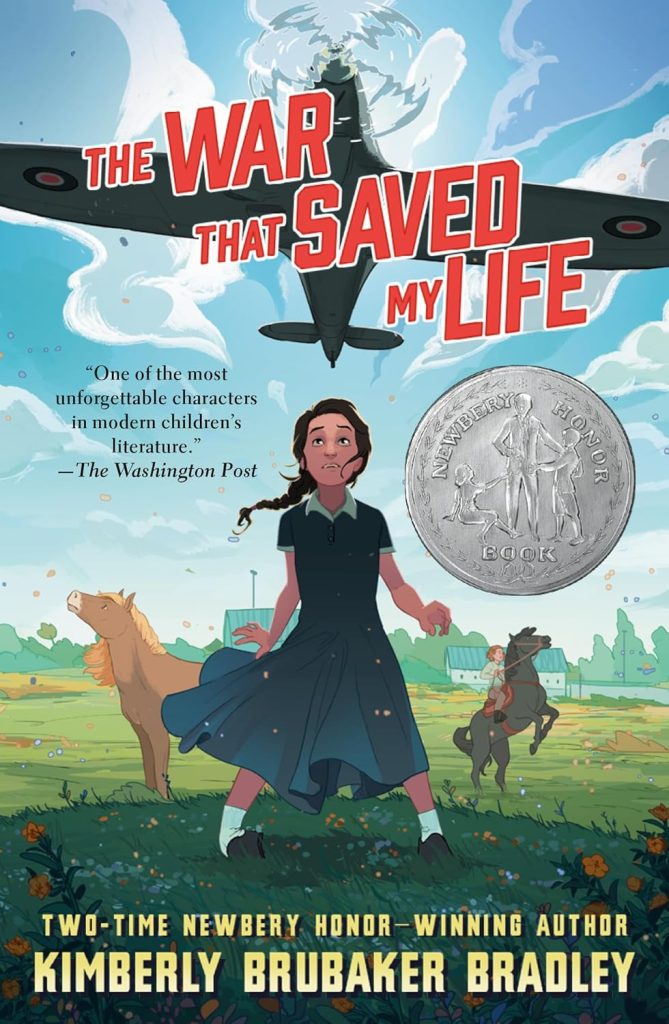
- The Girl Who Flew Across the War (The War That Saved My Life(2016 Newbery Honor Book) This book tells the epic story of a girl born with clubfoot who suffered years of abuse and confinement at the hands of her biological mother during the London Blitz of World War II. After being evacuated to the English countryside, she learns to ride a horse through her indomitable will and, under the tender protection of a bereaved woman, achieves a breakthrough in both her soul and body.
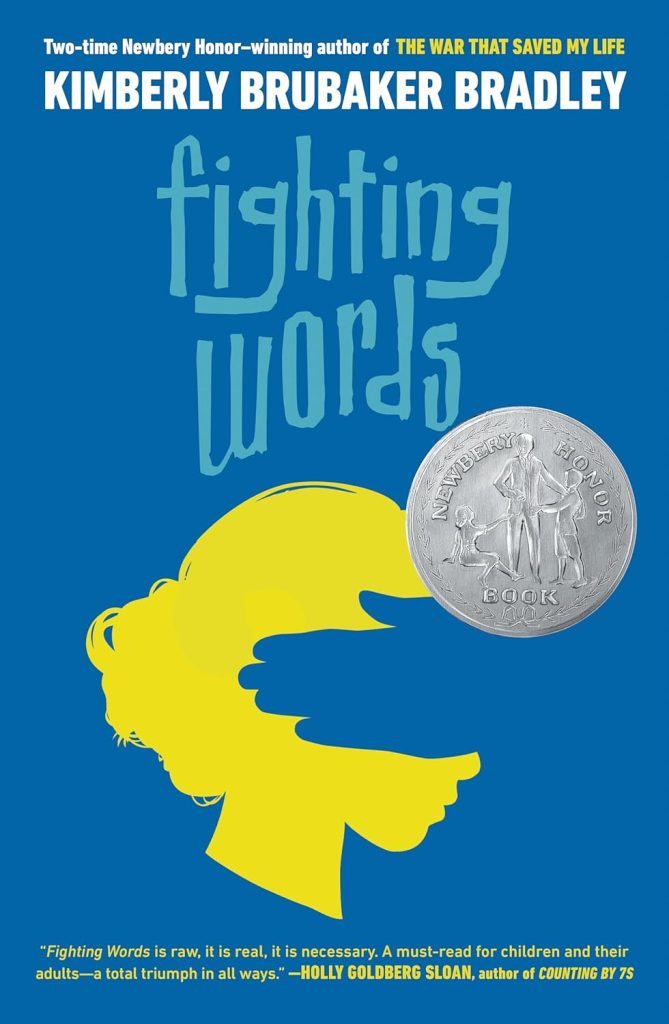
- Classic works on core critical thinking:Words of Resistance (Fighting Words(2021 Newbery Honor Book), with extremely noble literary restraint, explores the mutual support and awakening of power among children facing the shadow of sexual abuse.
| Birth | Kimberly Brubaker Bradley | Kimberly Brubaker Bradley (Wikipedia) |
🎂 Born 1944: Kathryn Lasky
An immortal, prolific American female writer and queen of nonfiction (1944). She was a phenomenal narrative queen with a thousand faces, spanning rigorous historical nonfiction, natural science picture books, and grand anthropomorphic animal epic fantasy.
- Supreme Honors and Masterpieces:
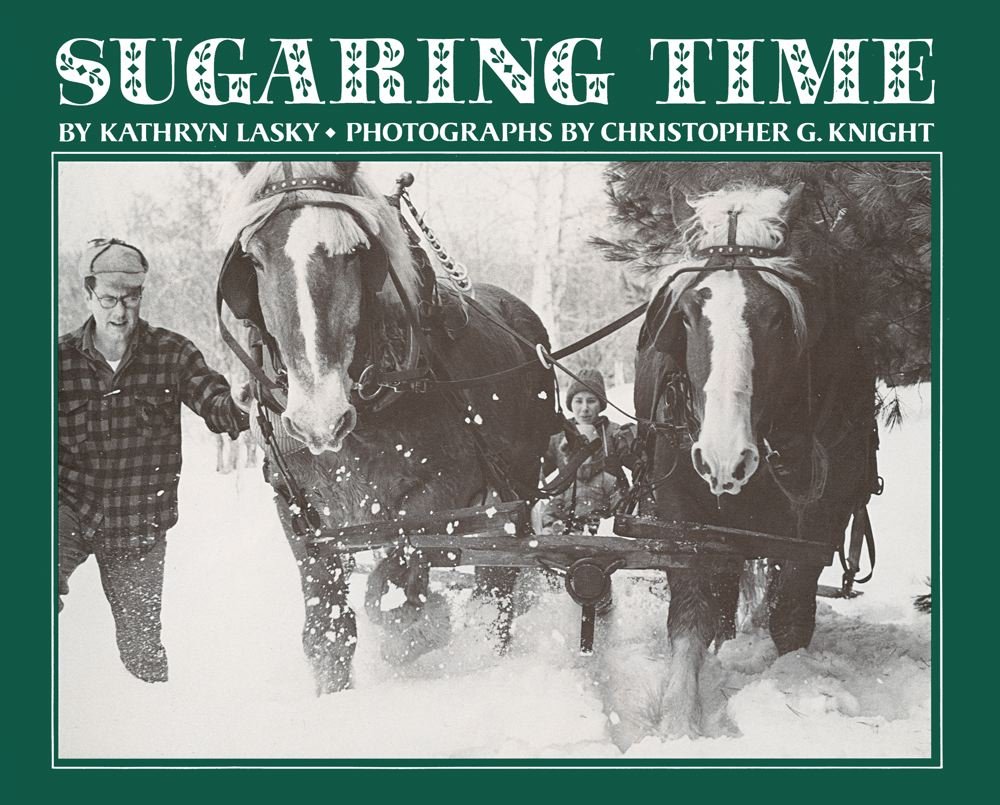
- Sugar Harvesting Season (Sugaring Time): Awarded 1984 Newbery HonorIt has been permanently included in the Newbery Swedish model text.
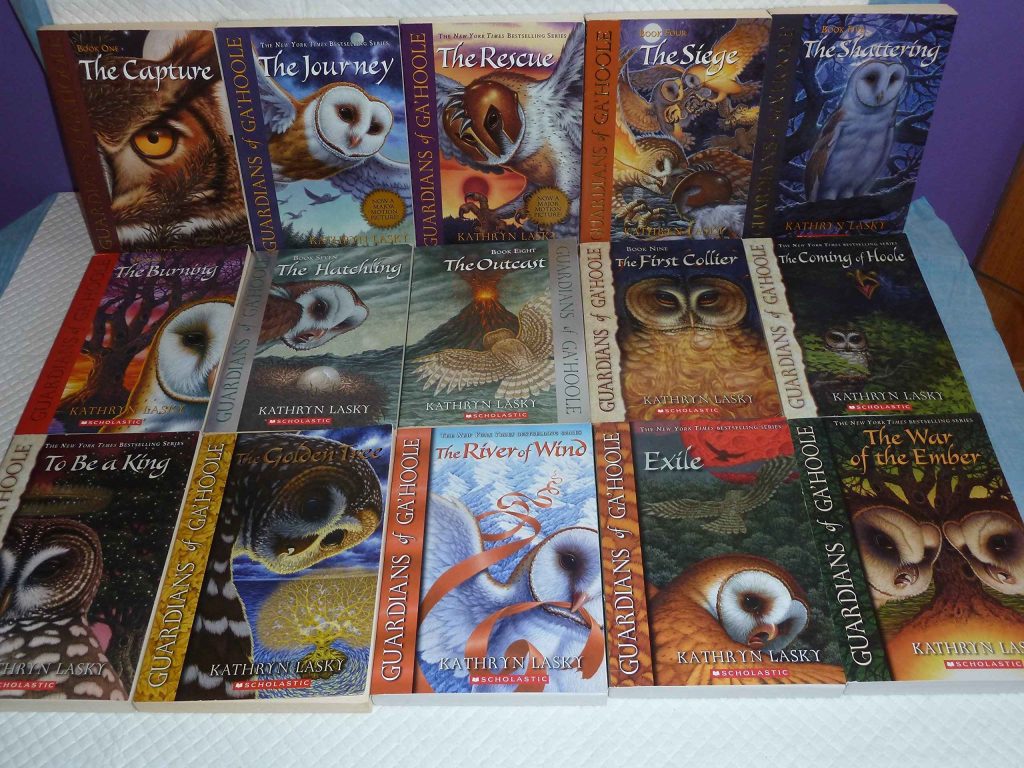
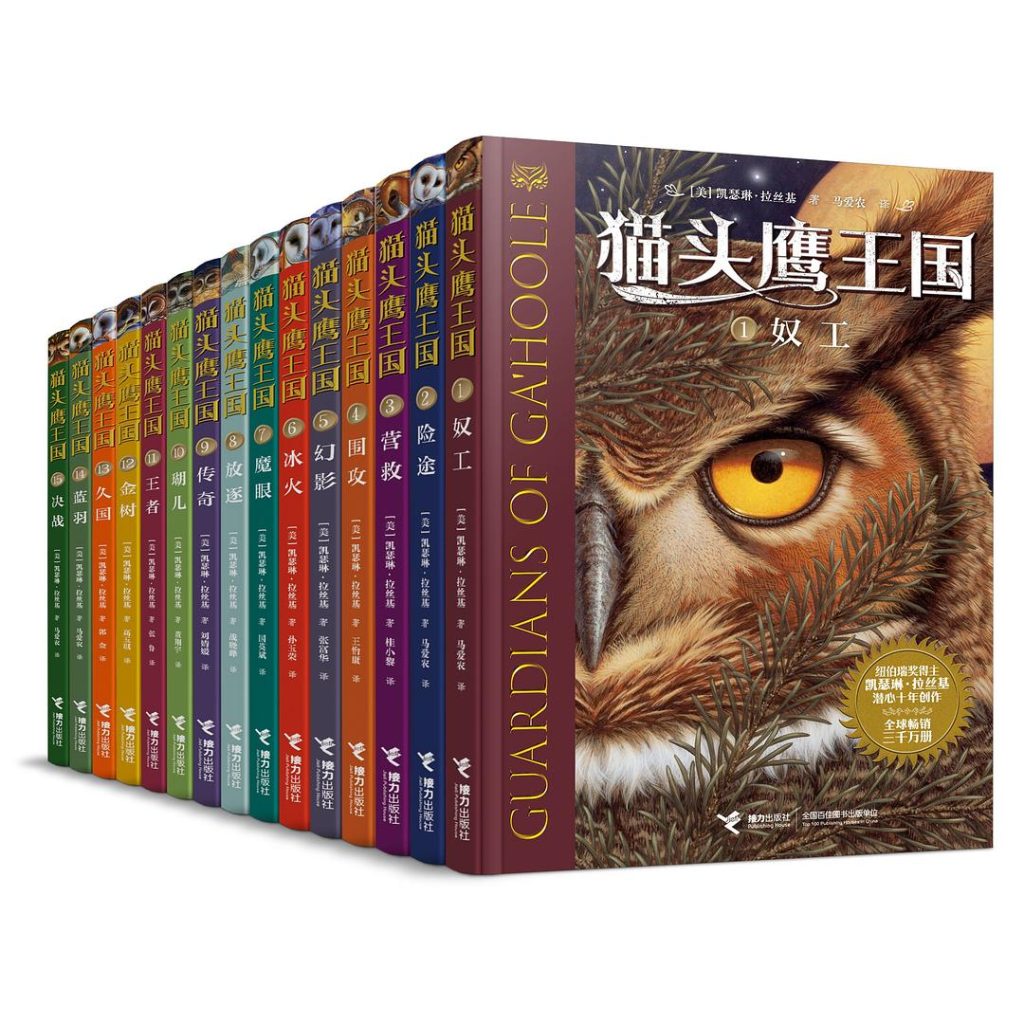
- A global bestselling epic:The Owl Kingdom series (Guardians of Ga’Hoole)。
- Literary status: Her novel, *Sugar Harvest*, uses extremely simple and elegant documentary prose to record a poetic panorama of a traditional New England family collecting maple syrup in early spring when the snow melts. Her epic novel, *The Kingdom of the Owls*, which she constructed independently, weaves together rigorous bird ecology observations with grand classical chivalry to showcase the indomitable spirit of a young man resisting totalitarian betrayal and upholding honor, earning it widespread acclaim from libraries worldwide.
| Birth | Kathryn Lasky | Kathryn Lasky (Wikipedia) |
🎂 1942 – Born: Jean Marzollo
She was a renowned American author of children’s literature and editor-in-chief of an educational magazine (1942–2018). She was a towering figure in the history of interactive aesthetics in the world of visual observation, puzzle-solving games, and educational picture books for young children and parents.
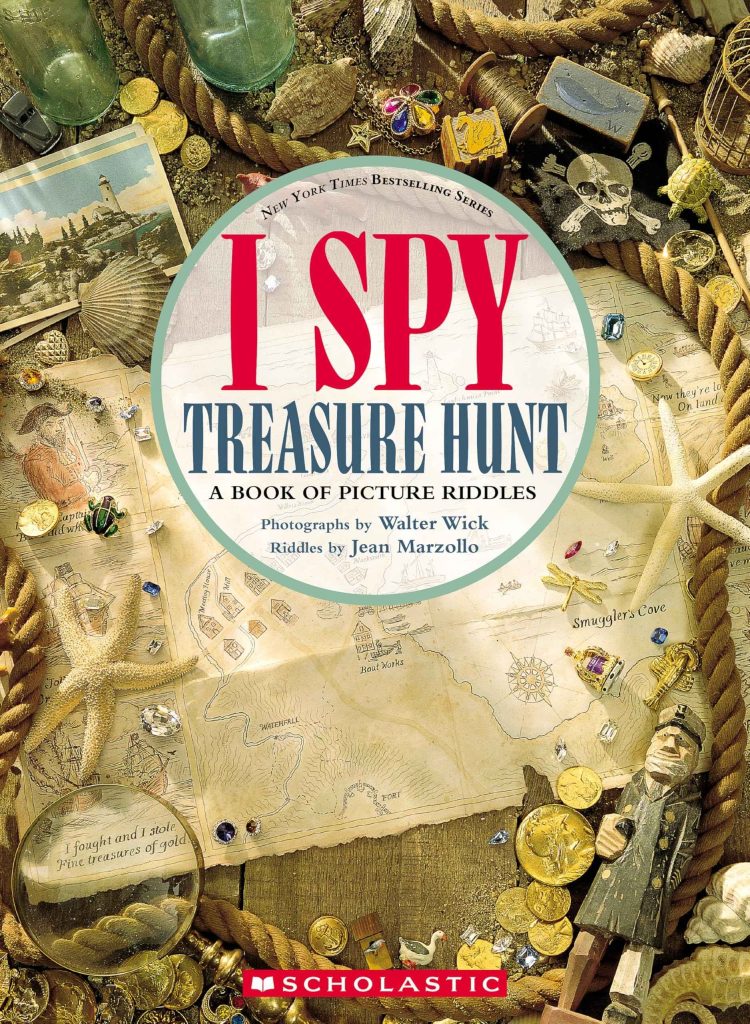
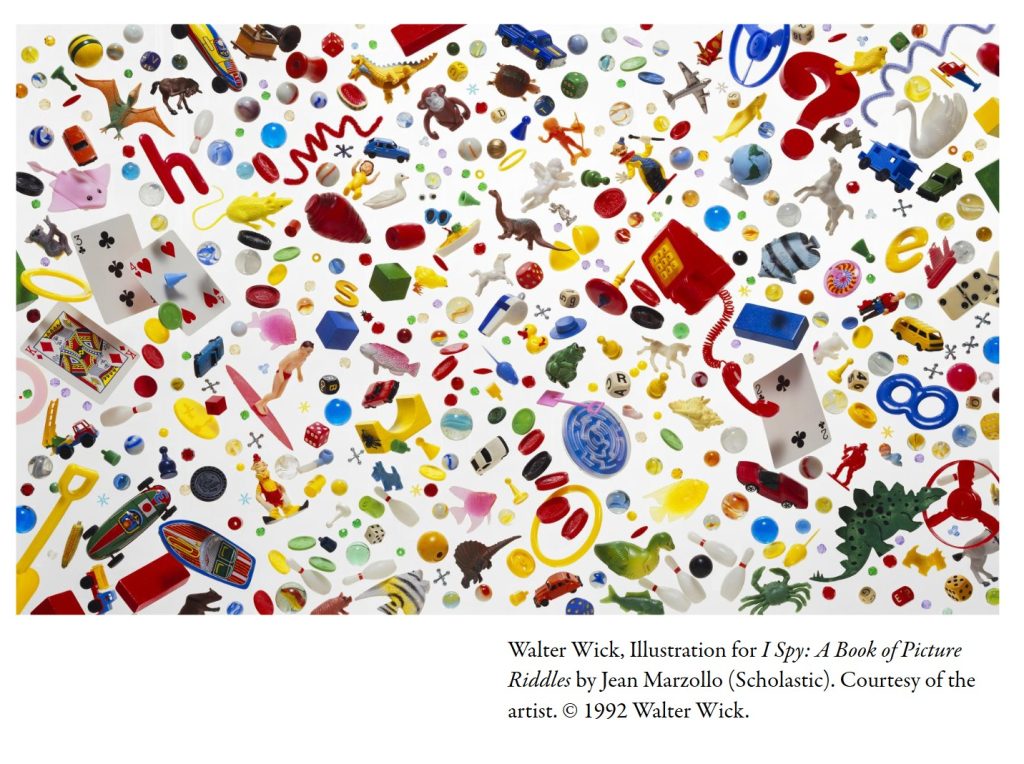
- An immortal masterpiece: Visual Discoveries Series (I Spy: A Book of Picture Riddles(Photo by Walter Wick)
- Historical contributions: Since its debut in the 1990s, the Visual Discovery series has achieved astonishing sales of tens of millions of copies worldwide. Mazzolo perfectly blends the rhythmic, enigmatic language of classic nursery rhymes with Vic’s trypophobia-inducing still-life photography of miniature panoramic models. She completely rewrote the rigid paradigm of early childhood cognitive books, transforming reading into a visual intellectual feast of touch, gaze, puzzle-solving, and wonder, accompanying generations of children around the world in their cognitive development.
| Birth | Jean Marzollo | Jean Marzollo (Wikipedia) |
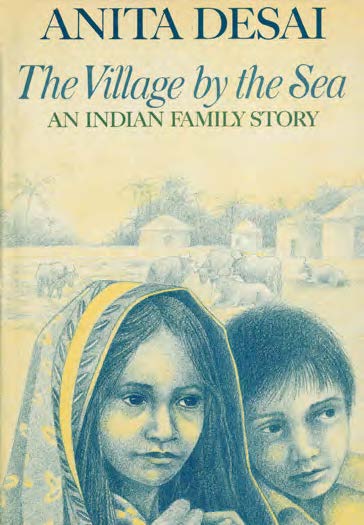
🎂 Born 1937: Anita Desai
An immortal national treasure of India, a female novelist, essayist, and professor of humanities at MIT (1937). She is a highly respected cross-cultural narrative master in contemporary English literature and was a three-time finalist for the Booker Prize.
- Timeless masterpieces: The Village by the Sea (The Village by the Sea(Published in 1982).
- Literary status: Her masterpiece for children, *The Village by the Sea*, was included in *1001 Children’s Books* and won the Guardian Children’s Fiction Award. With an extremely detached and sociologically nuanced realism, Desai tells the epic story of a brother and sister in an extremely impoverished fishing village near Mumbai, India, facing their parents’ serious illness and the engulfment of industrialization. It recounts how they, through sheer grit and unwavering resilience, work in the city to support their family. Using the noblest of literary languages, she establishes the independent dignity of Third World children in their indomitable struggle against fate.
| Birth | Anita Desai | Anita Desai (Wikipedia) |

🎂 Born in 1943: Ryūji Gotō
A legendary Japanese realist children’s literature writer (1943–2010). He was a core member of the postwar Japanese “New Children’s Literature Movement,” dedicating his life to opposing false and sweet preaching and advocating that literature must face up to the labor and struggles of grassroots children.
- Historical impact: It was included in the Kidslit Canon anthology in 2026.
- Immortal masterpieces:
- A poignant swan song:“Mom, how are you?” (おかあさん、げんきですか(Illustrated by Miho Takeda).
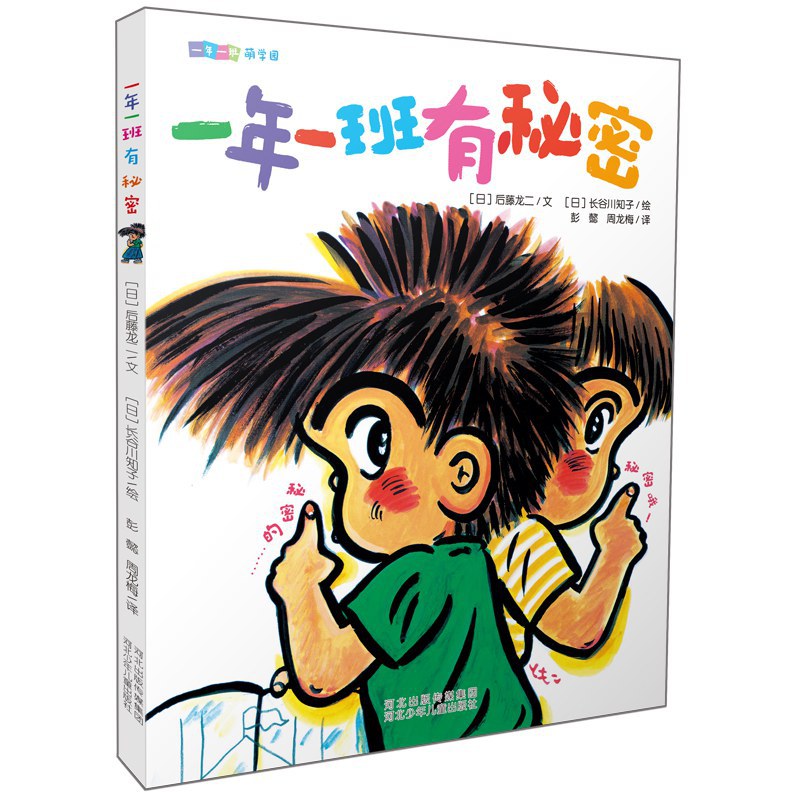
- Everlasting classics on campus:““Class 1, Grade 1: Cute Academy” series.
- Literary connotation: Ryuji Goto’s works are imbued with a rich, earthy atmosphere of northern China and the spirit of working-class colloquialisms. His masterpiece, “How Are You, Mom?”, depicts a young boy’s tender yet powerful letter to his mother during a crisis in his single-parent family, showcasing the hidden tenderness, guilt, and shared dignity in the face of life’s hardships. Goto enjoys a high reputation as a master in the entire Chinese-speaking and East Asian picture book world.
| Birth | Ryūji Gotō | Ryuji Goto (Wikipedia) |
🗓️ Other Important Creator Briefings
| event | figure | Details/Awards | Wikipedia link |
|---|---|---|---|
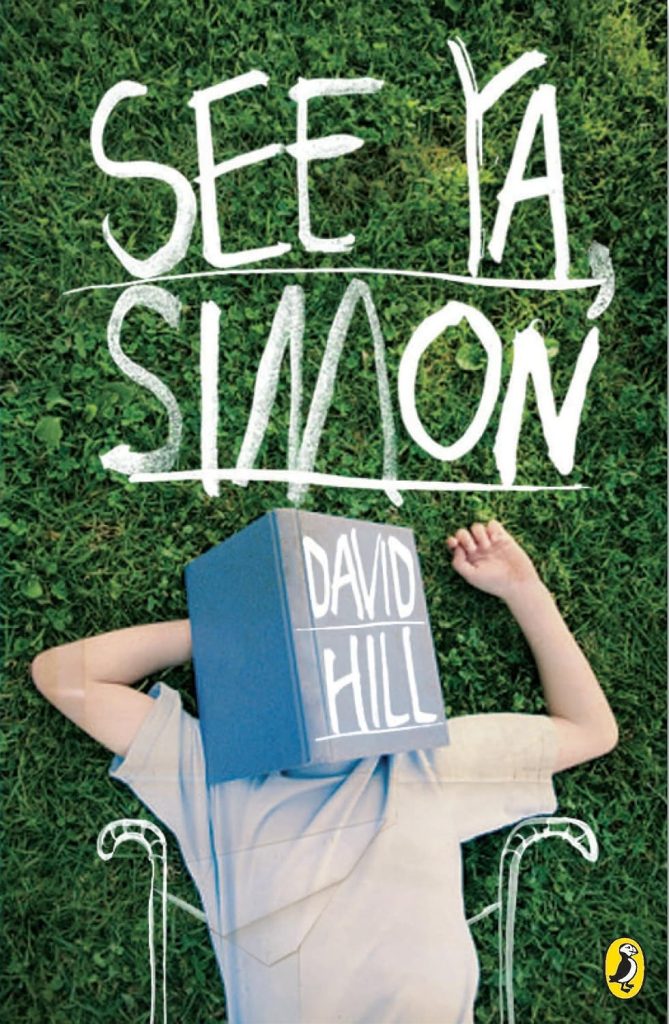
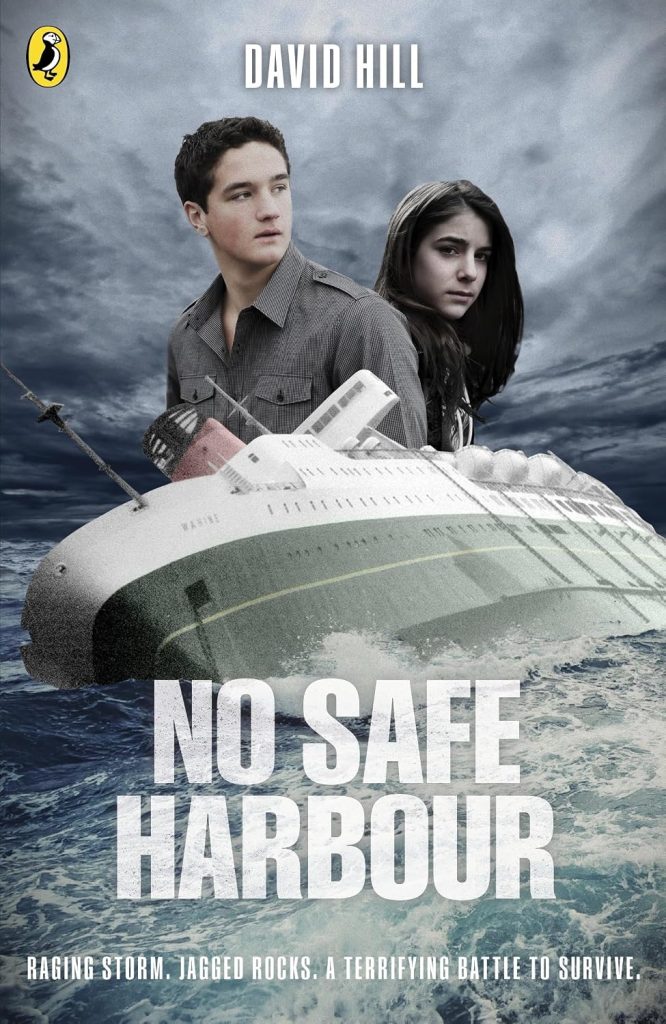
| born | David Hill | Simon, a New Zealand national treasure and a realist novelist for children and teenagers (1942). His enduring masterpiece, *Goodbye Simon*, directly confronts the plight of schoolchildren facing the degenerative effects of muscular dystrophy on a classmate, weaving together sorrow with unparalleled sincerity and British humor.See Ya, SimonIt was included in “1001 Children’s Books”. Other representative works include “Safe Harbor”, a classic about a family’s perseverance in the face of a maritime disaster. | David Hill |
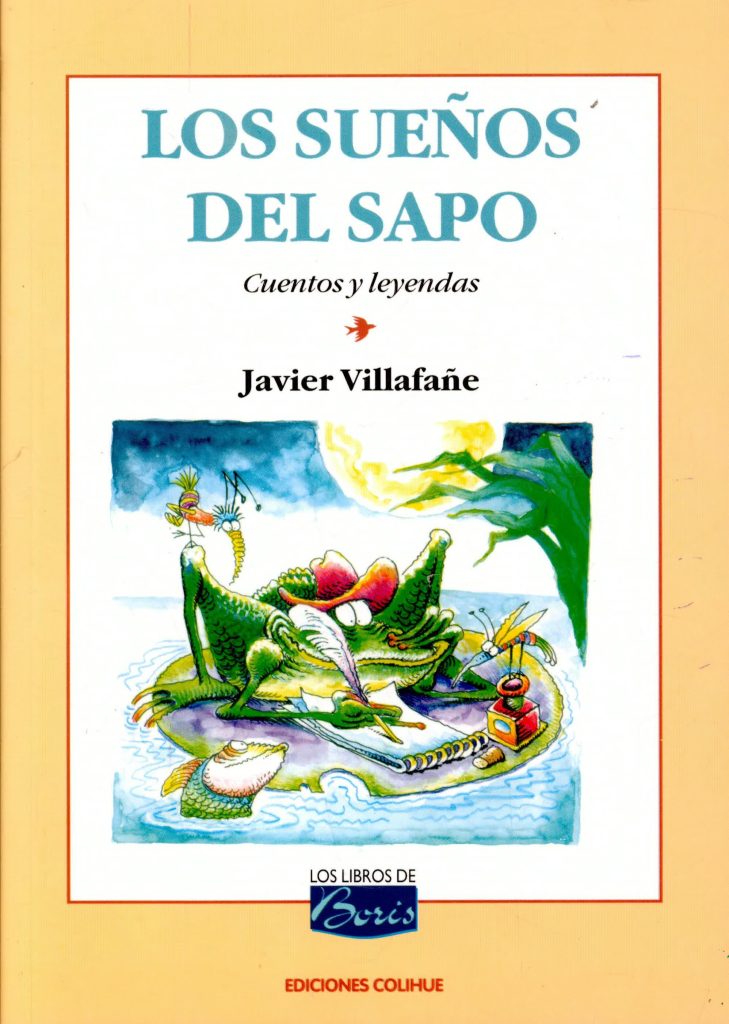
| born | Javier Villafañe | Argentine’s immortal puppeteer, legendary folklorist, and poet (1909–1996). He spent his life traveling the Latin American countryside in a caravan, collecting and integrating the noble Andean oral traditions. His masterpiece is *The Argentine Story* (1909–1996).Cuentos y LeyendasIt was included in “1001 Children’s Books” due to its extremely high anthropological appeal. | Javier Villafañe |
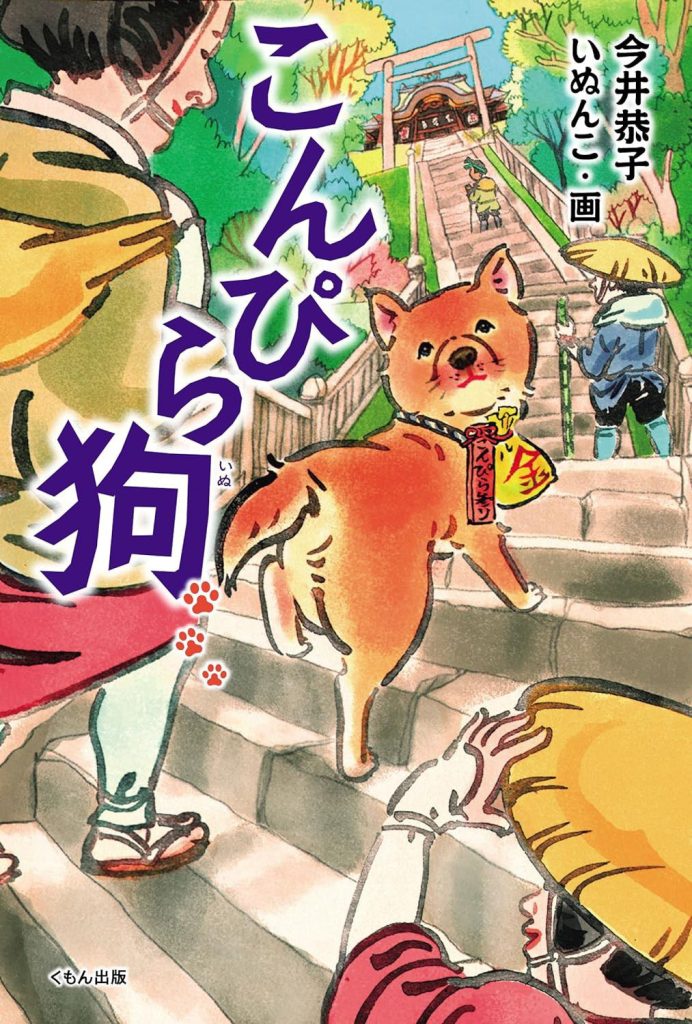
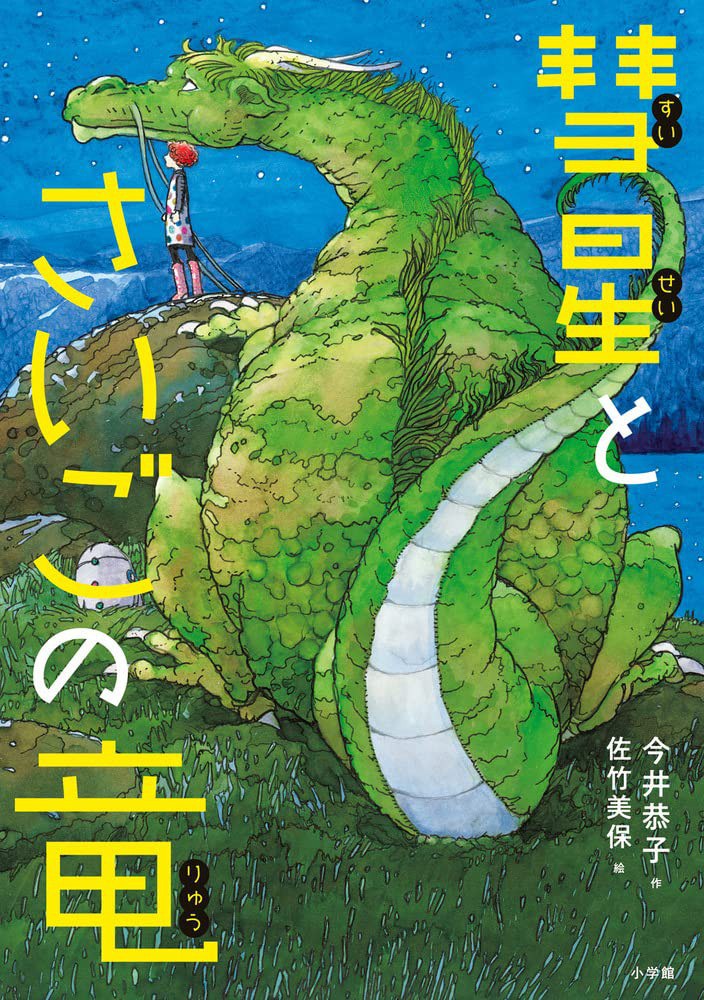
| born | Kyōko Imai | A renowned contemporary Japanese female historical realist fantasy novelist (1949). She excels at infusing children’s independent agency into her meticulous research into the historical customs and artifacts of the Edo and modern periods. Her representative work is *Kinpiro Dog* (…).こんぴらdog) and Comet and the Last Dragon (Comet とさいごの竜It has been listed as an international model of children’s literature (Kidslit Canon). | Kyoko Imai |
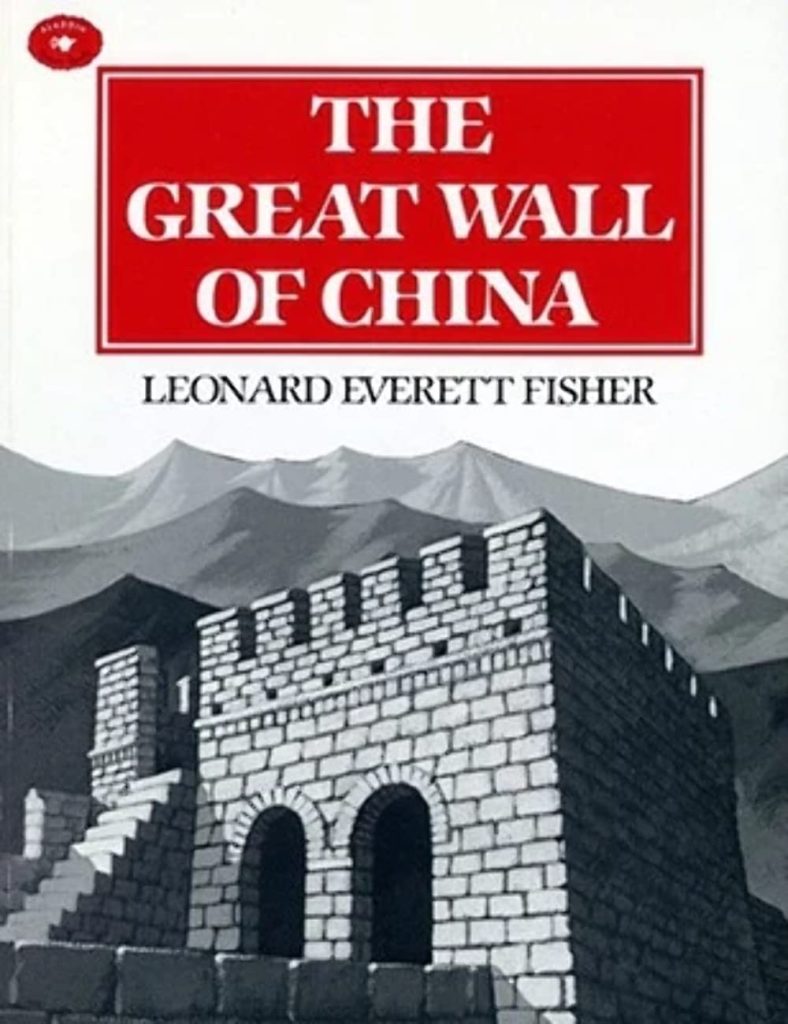
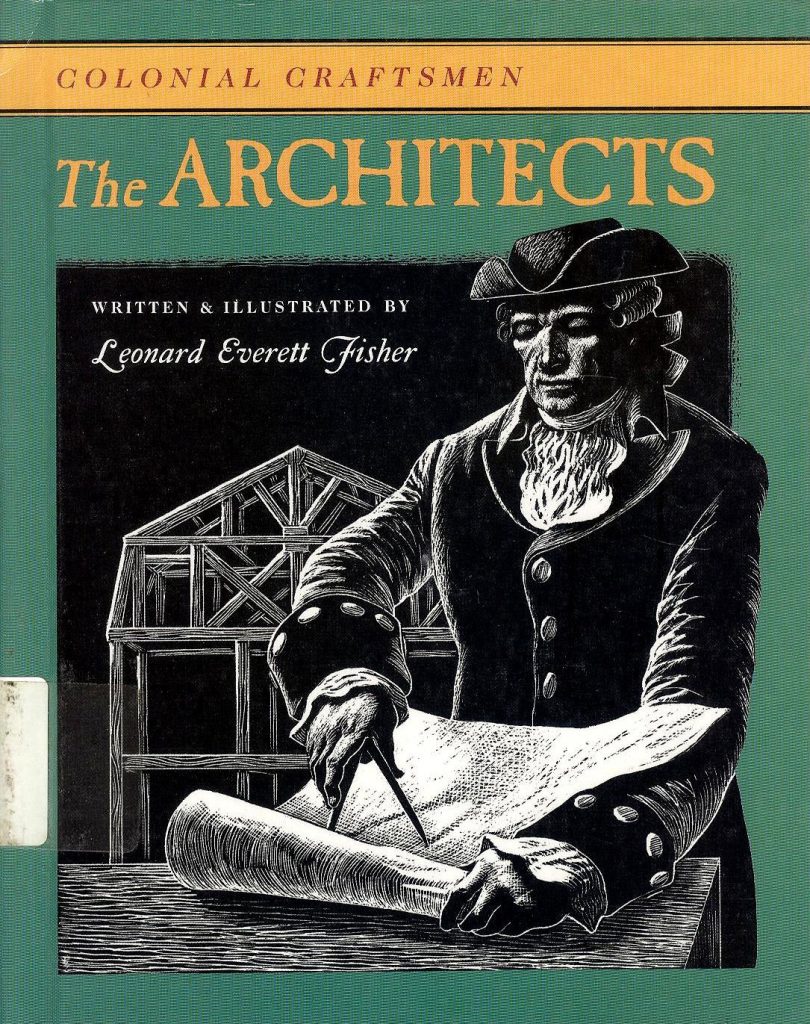
| born | Leonard Everett Fisher | A renowned American World War II veteran and a master of printmaking and illustration (1924–2024). He dedicated his life to the ancient art of hand-carving and the single-line hatching technique, imbued with the powerful, metallic feel of heavy industry. His architectural and historical nonfiction masterpiece, *The Great Wall of China*, is a testament to this.The Great Wall of China) and The Architects (The ArchitectsThe use of fine art line drawing elevates the intellectual level of non-fiction readings. | Leonard Everett Fisher |
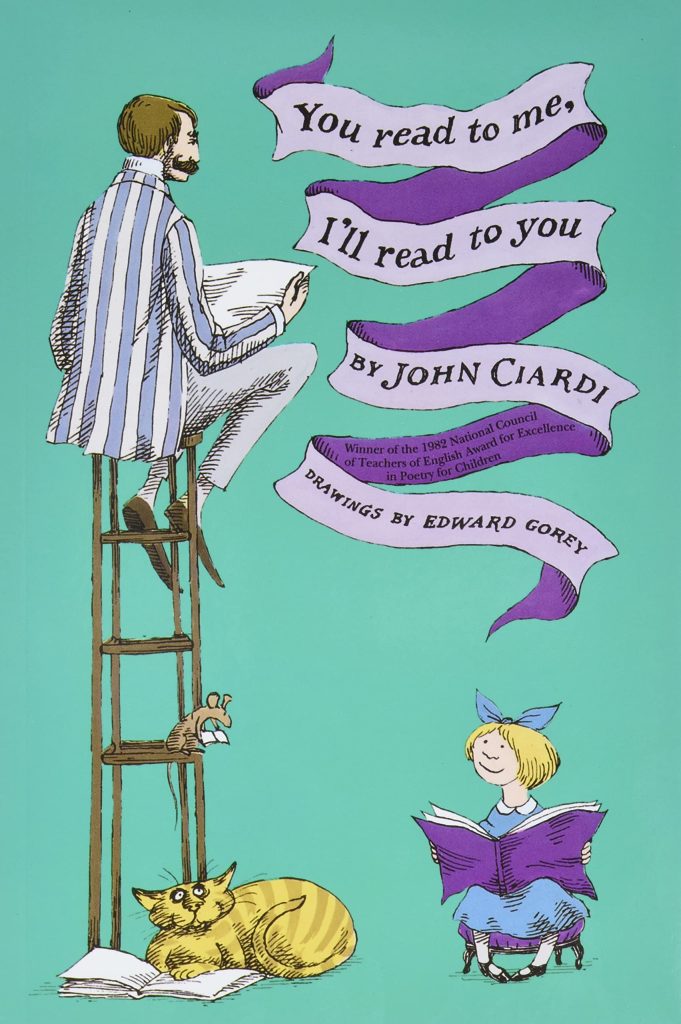
| born | John Ciardi | The renowned American poet and top translator of Dante (1916–1986). He crossed over into the field of children’s rhythmic poetry, specifically to break away from rigid literacy dogma and advocate for parent-child reading aloud, creating the landmark bilingual polyphonic children’s poetry work, *You Read to Me, I Read to You* (…).You Read to Me, I’ll Read to YouIt is an evergreen in early childhood poetics. | John Ciardi |
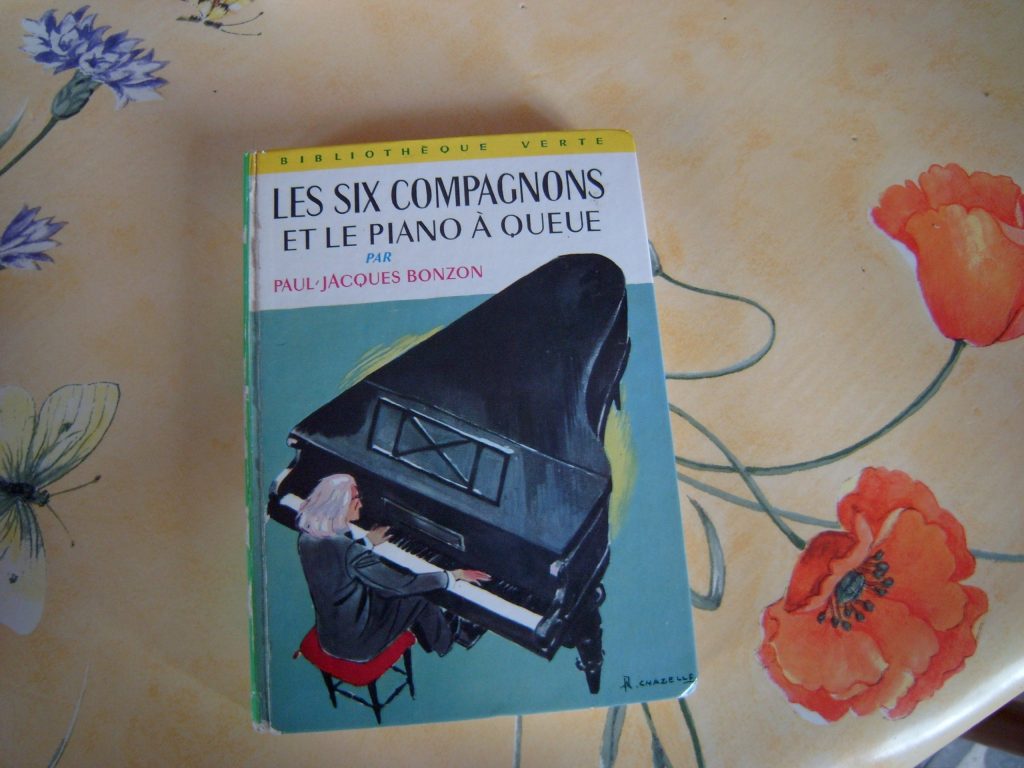
| Death | A. Albert Chazelle | A legendary French female/male graphic illustrator and book designer of the mid-to-late 20th century (1898–1980). His work includes the immortal French epic of juvenile detective adventure, *The Six Boys’ Mystery* (1898–1980).Les Six CompagnonsThe first edition illustrations in the series, filled with classic European retro fine brushwork and suspenseful tension, were included in “1001 Children’s Books”. | Albert Chazelle |
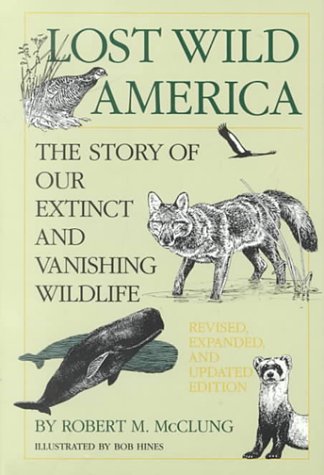
| Death | Robert M. McClung | A renowned American naturalist and wildlife epic writer (1916–2006), he dedicated his life to writing biographies of thousands of endangered species with an almost obsessive ecological rigor and intercessory compassion. His most famous work is *Lost Wild America*.Lost Wild AmericaIt completely changed the postwar Western concept of environmental conservation for children. | Robert M. McClung (Wikidata) |