

🎂 1975 – Born: Markus Zusak
Australia’s immortal contemporary novelist and a giant of children’s and young adult literature (1975). He is a narrative master revered by the global YA (young adult literature) world in the 21st century, renowned worldwide for his stunning poetic metaphors and his unwavering defense of human dignity amidst the ruins of history.
- Highest Honor: Awarded The German Young Adult Literature Prize (DJLP) for Best Young Adult NovelHe won the Michael L. Printz Award and his work was included in “1001 Children’s Books”.
- An immortal masterpiece:
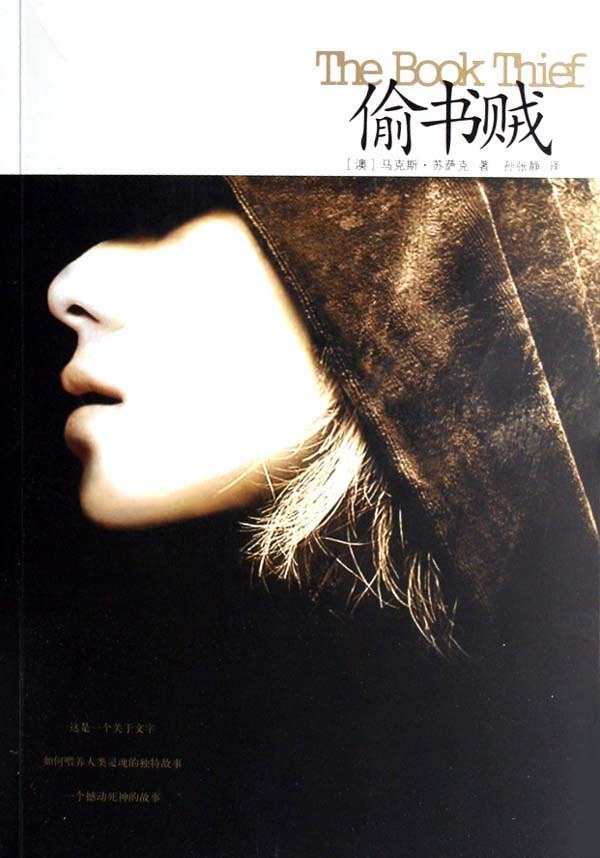
- The Book Thief (The Book Thief): A supreme canon in contemporary literary history. Zusak brilliantly uses the first-person perspective of “Death” to tell a powerful epic story set against the backdrop of Nazi Germany during World War II. A Jewish girl named Liesel seeks refuge in an attic, and through her obsessive book-stealing and reading, she saves her soul amidst the relentless flames of war. The book elevates the redemptive power of language to a sacred political and humanitarian level.
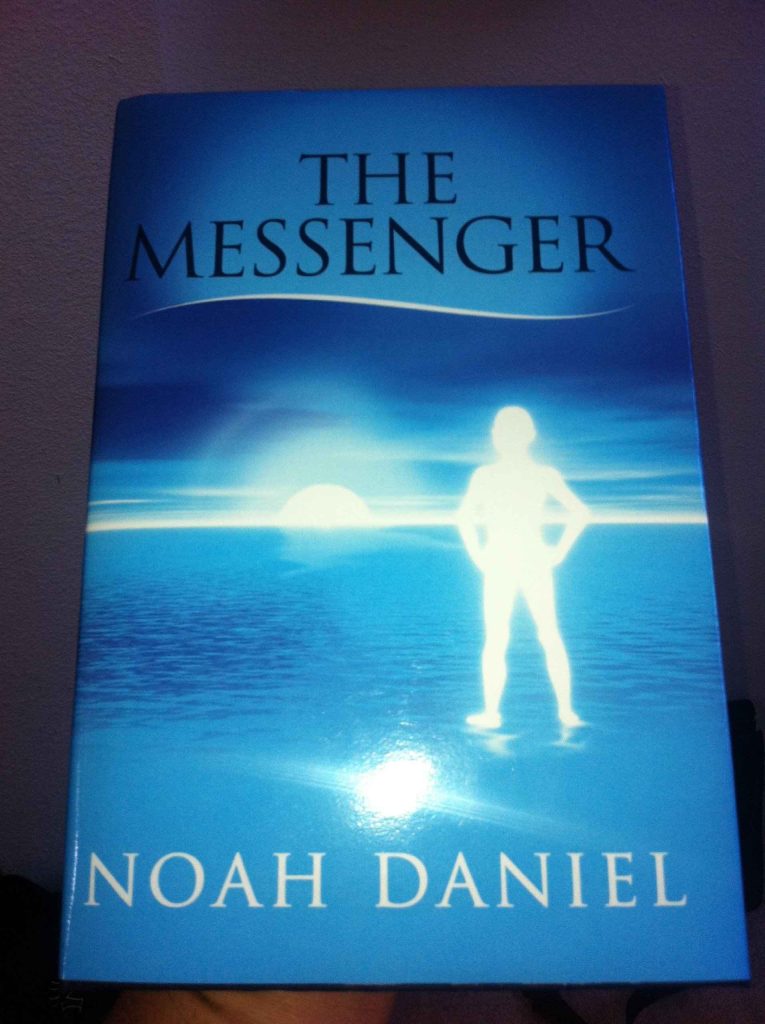
- Key representative works:The Messenger (The MessengerThe family epic “Clay’s Bridge,” which took several years to write.Bridge of Clay)。
| Birth | Markus Zusak | Markus Zusak (Wikipedia) |
⚰️ 2018 — Death: Donald Hall
An immortal American modern poet, essayist, and Poet Laureate of the United States (1928–2018). He was a towering figure in American postwar literature, and his works in the cross-disciplinary field of children’s non-fiction/picture books are the most tender ode to the pioneering spirit of 19th-century New England.
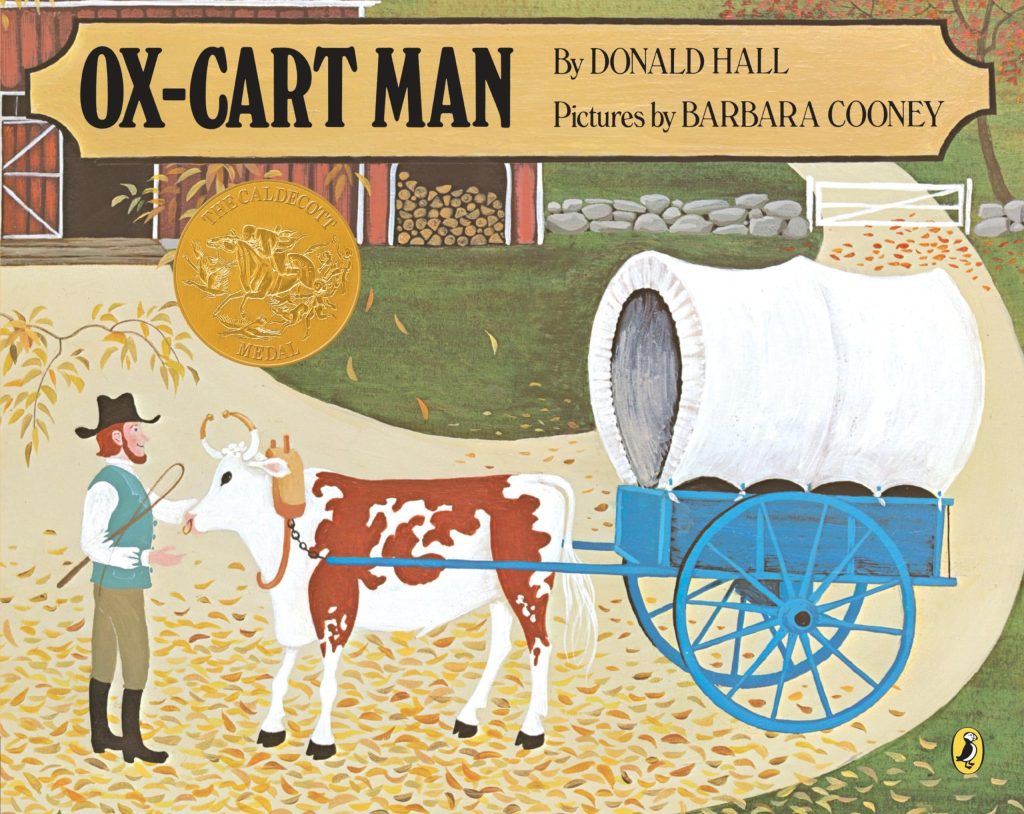
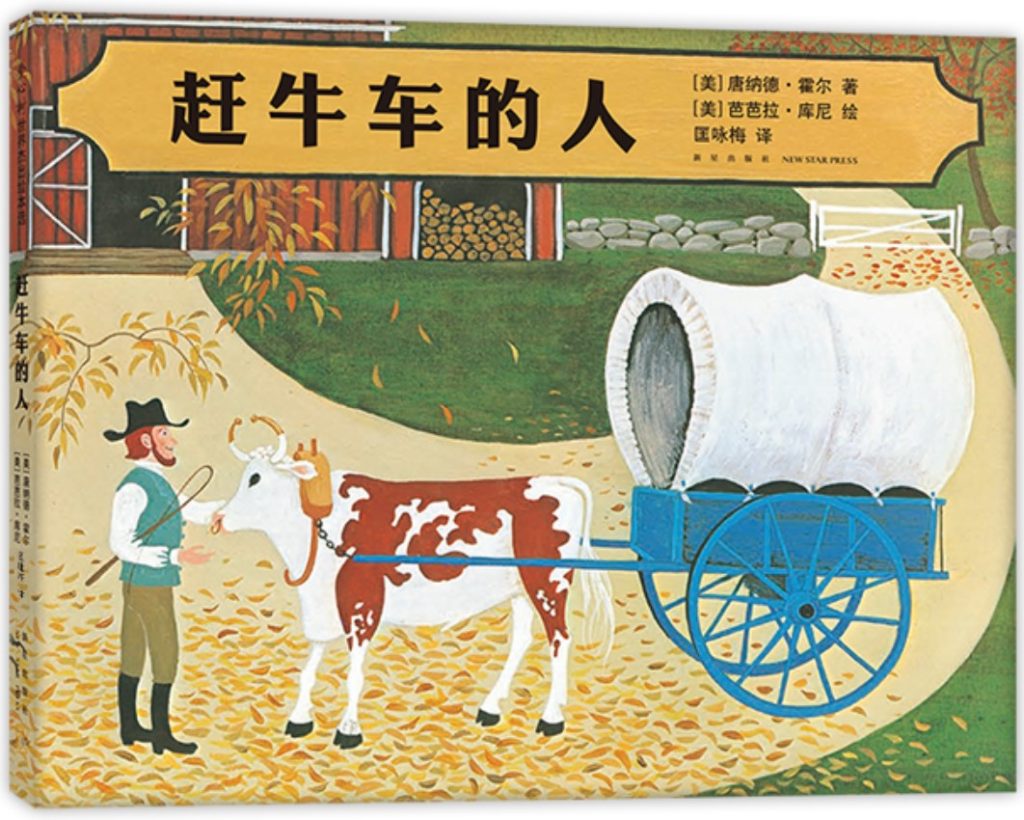
- A timeless masterpiece: The Ox-Cart Driver (Ox-Cart Man(Illustration by Barbara Cooney)
- Highest Honor: His masterpiece helped Barbara Cooney, the queen of picture books, win the award. 1980 Caldecott MedalIt was permanently included in “1001 Children’s Books”.
- Literary qualities: Hall’s writing is devoid of any didacticism or sentimentality; it is refined and classically restrained. With a pure rhythm akin to a biblical epic, he chronicles the long, cyclical labor of an early 19th-century farmer: loading a year’s harvest onto an oxcart to market, selling everything—even the cart—and then returning home empty-handed to begin a new cycle of sowing. He definitively defines the rational, spiritual dignity of “man’s connection with the land and the passing years.”
| Died | Donald Hall | Donald Hall (Wikipedia) |

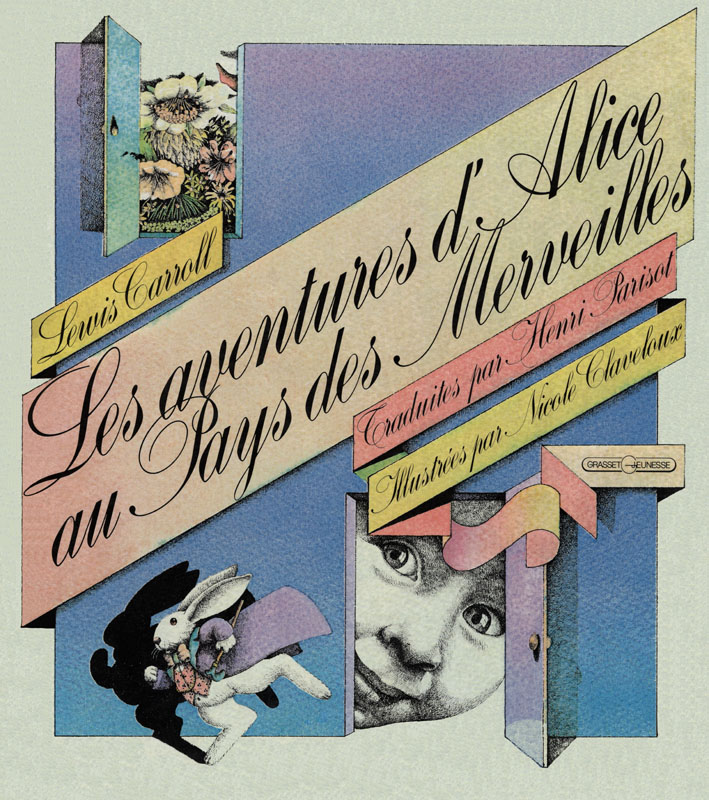
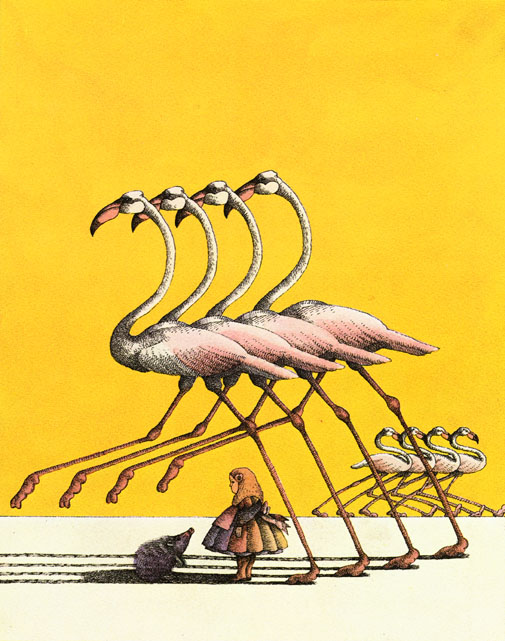
🎂 1940 – Born: Nicole Claveloux
France’s immortal national treasure, female graphic artist, illustrator, and cartoonist (1940). She was an indispensable and multifaceted female pope in the modern picture book and avant-garde visual revolution movement throughout Europe in the 1970s.
- Highest Honor: Highly Commended Illustrated Award by the Hans Christian Andersen Award (HCAA); won with “Abu” 1999 Prix Sorcières, the highest prize for illustrated books in FranceHe won the Plaque Award at the 1975 Bratislava International Biennial of Illustrations (BIB).
- Representative works: Abu (Alboum(and the Green Handbag, which shocked the Western avant-garde comics world.)
- Visual style: Colavello was the key figure behind the underground rebellious comic book magazine “Ah! Nana.” She innovatively combined psychedelic rock-pop color blocks, extremely complex realistic single-line hatching, and Freudian deconstruction of subconscious dreams, using immense psychological tension to break the saccharine greenhouse of children’s visual experience.
| Birth | Nicole Claveloux | Nicole Claveloux (Wikipedia) |
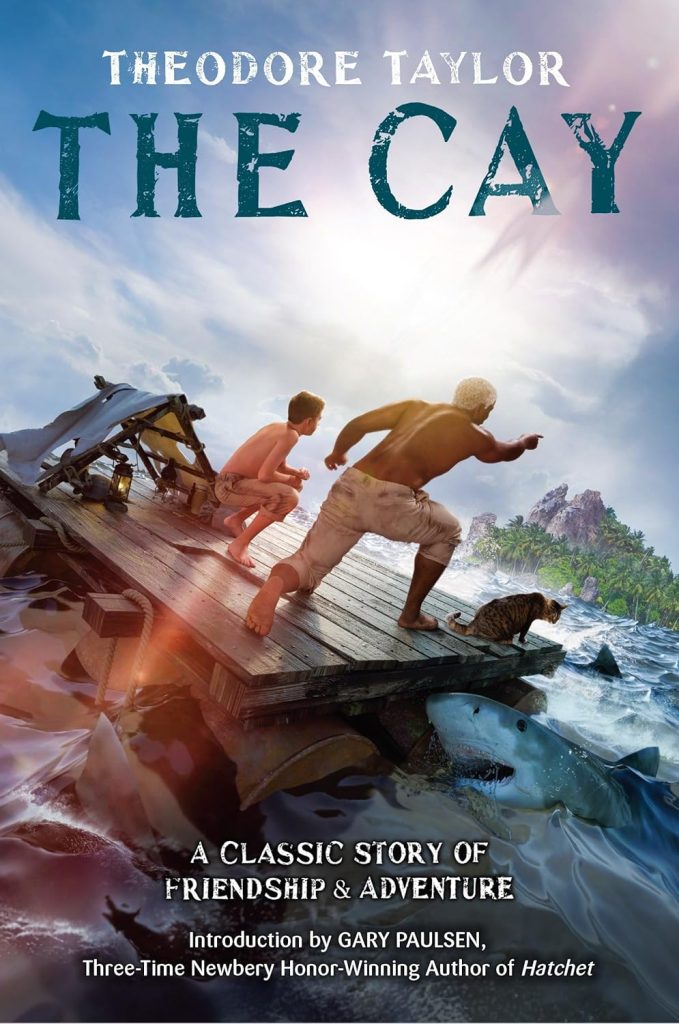
🎂 1921 – Born: Theodore Taylor
A renowned American author of realistic adventure novels for children and young adults, and a war correspondent (1921–2006). He was a leading figure in the late 20th century in the United States, exploring themes of racial prejudice, the survival of disabled children, and hardcore ocean wilderness survival.
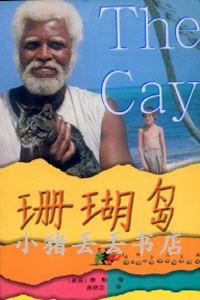
- Timeless masterpieces: Coral Island (The CayPublished in 1969.
- Literary status: His novel *Coral Island* was included in *1001 Children’s Books*. The story tells of a spoiled American boy with white supremacist prejudices who, during World War II, loses his sight in a shipwreck and is stranded on a deserted island in the Caribbean. Ultimately, under the dignified, strict, yet loving protection of an elderly Black sailor, he opens his spiritual eyes in the darkness and completes an epic coming-of-age story. The book has consistently ranked high on humanitarian equality reading lists in schools across the United States.
| Birth | Theodore Taylor | Theodore Taylor (author) (Wikipedia) |
⚰️ 2020 — Died: Robert Newton Peck
A renowned American hard-boiled realist children’s author (1928–2020). He was a landmark pioneer in the postwar American children’s literature scene, moving away from sheltered fantasy and introducing “the cruel rituals of life and the spirit of the common people.”
- Immortal autobiographical masterpieces: The Day the Little Pig Died (A Day No Pigs Would Die(Published in 1972).
- Literary connotation: Gregory Peck was born into a poor Aurora family in New England. His acclaimed novel, *The Day Pig Died*, told in extremely raw and authentic rural dialect, the story of a 12-year-old boy on a starkly impoverished farm who ultimately has to help his dying father slaughter his beloved pet sow. This brutal coming-of-age ceremony, marked by bloodshed and a funeral, sees him truly shoulder the burdens of his family. With his steely, restrained prose, Peck established a supreme rational belief in children’s literature: “to face poverty, to face death, and to gain pride.”
| Deceased | Robert Newton Peck | Robert Newton Peck (Wikipedia) |

🗓️ Other Important Creator Briefings
| event | figure | Details/Awards | Wikipedia link |
|---|---|---|---|
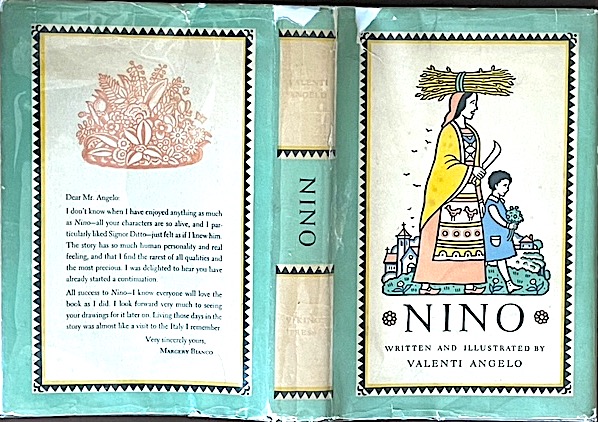
| born | Valenti Angelo | The Italian-American master of graphic design and typography (1897–1982). He seamlessly blended the sublime aesthetics of medieval manuscript borders with the resilient details of early immigrant children searching for their cultural roots amidst adversity, culminating in his masterpiece, *Nino*.Nino) won Newbery Silver Medal, 1939. | Valenti Angelo |
| born | Vladislav Vančura | Czechoslovakian novelist, avant-garde film director, and martyr of the anti-fascist underground resistance (1891–1942). His timeless classic, which crossed over into the realm of children’s fantasy, *Kubala and Kuba Kubikula* (…).Kubula a Kuba KubikulaIt combines Bohemian traditional bear folk myths with modern children’s subjective resistance and is included in “1001 Children’s Books”. | Vladislav Vančura |
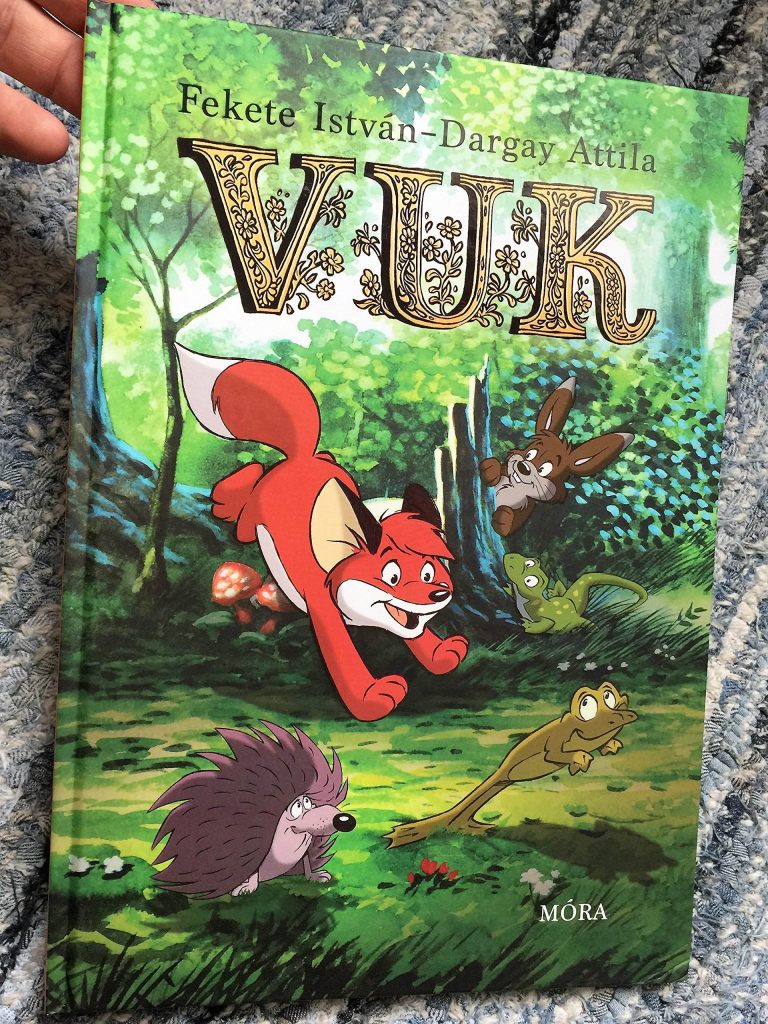
| Death | István Fekete | A Hungarian national treasure, naturalistic historical writer and ecologist (1900–1970). He was a master of 20th-century wildlife nonfiction literature in Eastern Europe, his representative work being *Wuk the Little Fox* (…).VukWith its extremely rigorous yet compassionate record of the law of the jungle, it was included in “1001 Children’s Books” and adapted into a classic of Hungarian film history. | István Fekete |
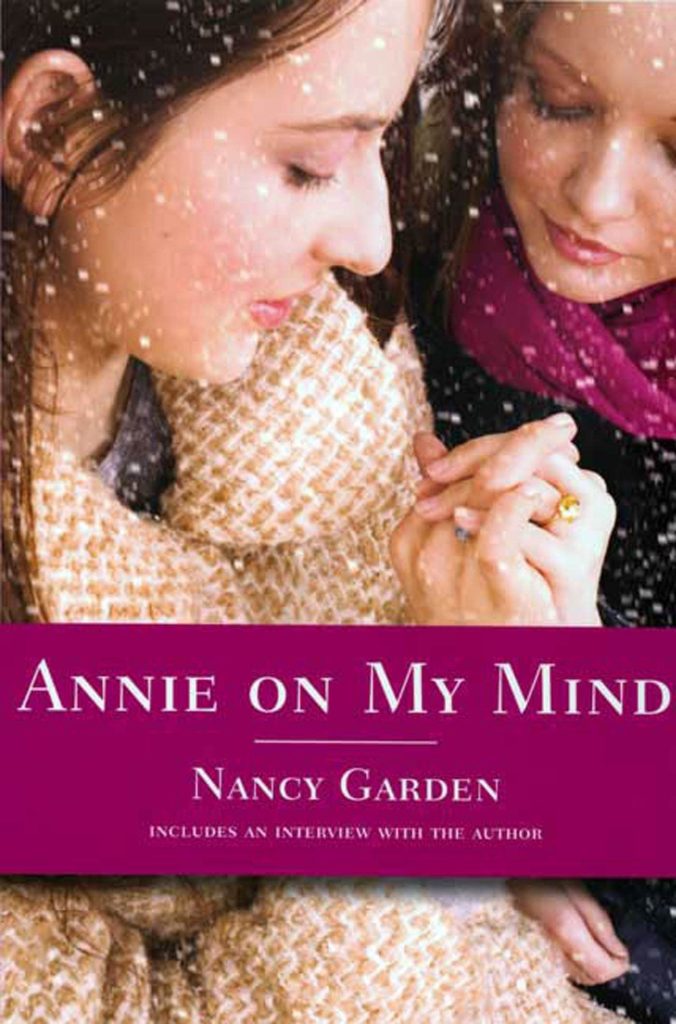
| Death | Nancy Garden | An American author renowned for her work on children’s and adolescent rights (1938–2014). In the late 20th century, amidst the shadow of severe thought censorship in American school culture, she wrote the historic and enduring landmark of realistic and emotional writing, *Anne of My Heart*.Annie on My MindWith unwavering literary dignity, it has steadfastly protected the psychological growth space of a niche group of children. | Nancy Garden |
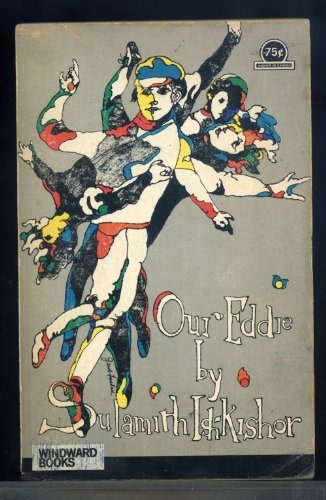
| Death | Sulamith Ish-kishor | Eddie, a prominent British-American Jewish historical writer (1896–1977), penned the renowned novel *Our Eddie*, a poignant and unvarnished work that focuses on the intergenerational conflict and unwavering spirit of a Jewish immigrant family in early 20th-century Lower East Side New York. Her powerful and realistic portrayal of historical tragedy is deeply moving.Our Eddie), won 1970 Newbery Silver Medal. | Sulamith Ish-kishor |
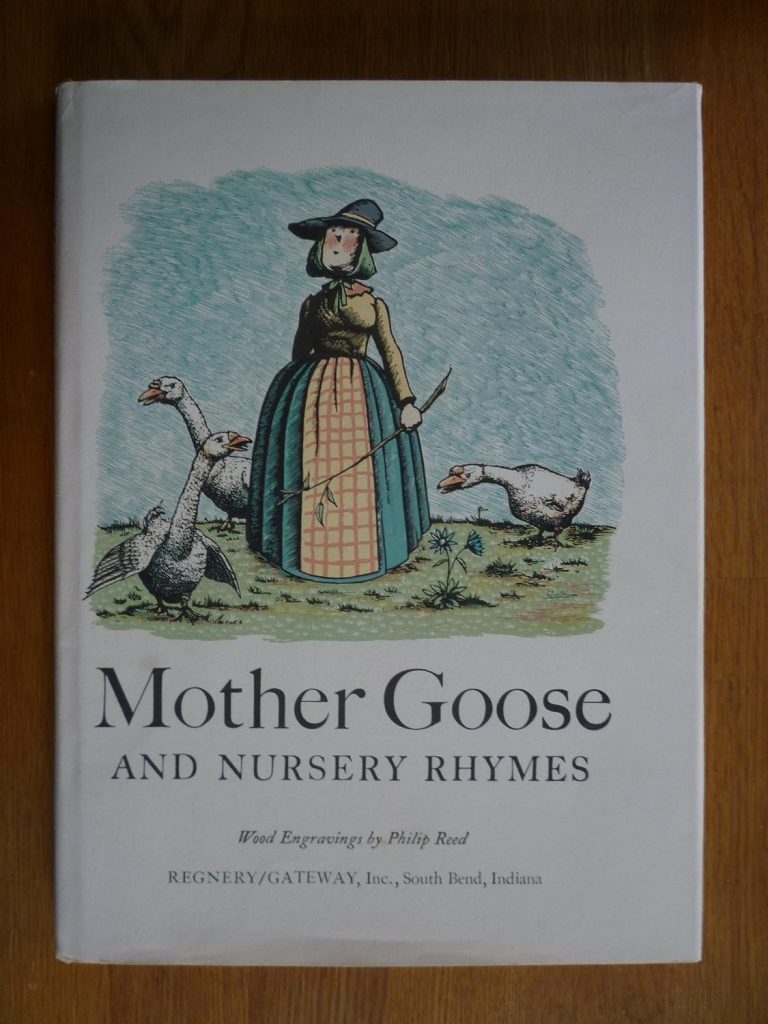
| Death | Philip Reed | A prominent American woodblock engraver and book designer of the 20th century (1908–1989). He dedicated his life to the ancient techniques of hand-carving and movable type printing, and his work includes *Mother Goose Rhymes*.Mother Goose and Nursery RhymesWith its pure artistic quality characterized by the structural integrity of traditional craftsmen and the use of negative space, it won the award. 1964 Caldecott Honor. | Philip Reed (Archives) |
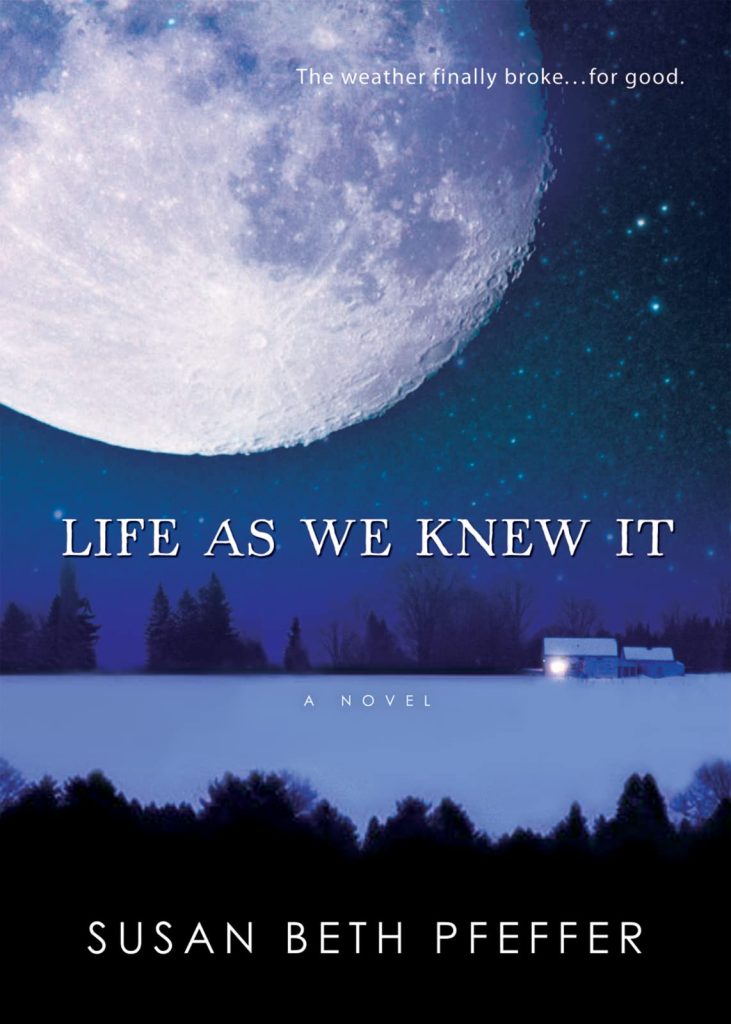
| Death | Susan Beth Pfeffer | A prolific American female-led post-apocalyptic and psychological disaster novelist (1948). Her representative work is the “Collapse of the Moon Trilogy” (the first of which is *The Life We Know*). Life As We Knew ItUsing the stark, gritty feel of a diary, the book records the rational order displayed by a group of teenagers in the face of natural disaster in order to protect the warmth of their families. | Susan Beth Pfeffer |