🎂 1940 – Born: Atsuo Saitō
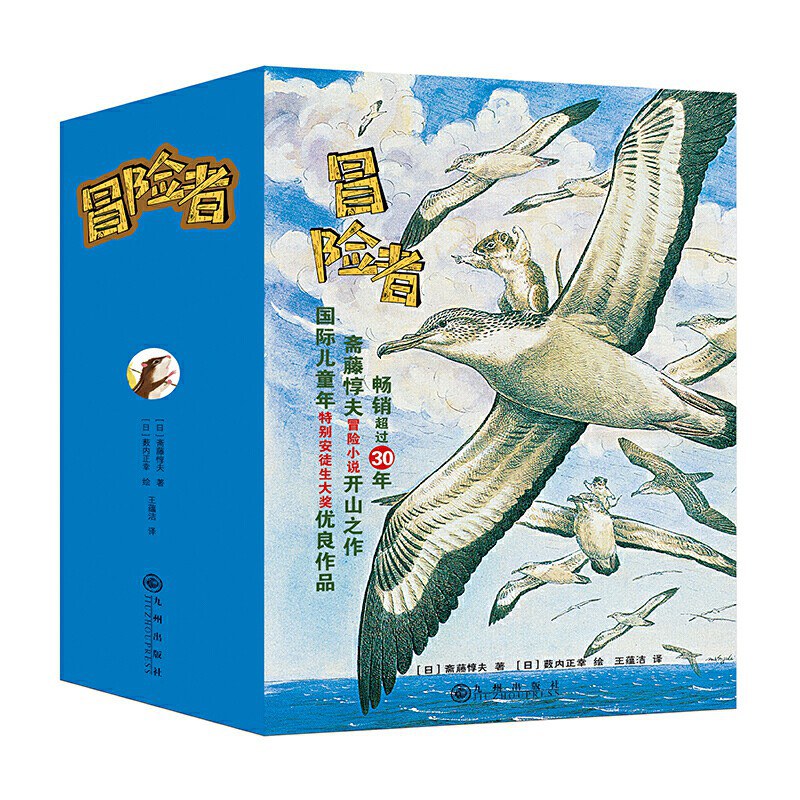
An immortal Japanese children’s literature author and outstanding editor and publisher (1940). He was the leading figure of the “animal anthropomorphic heroic epic” long narrative school in postwar Japan, and also the mentor of children’s books who discovered generations of outstanding Japanese creators.
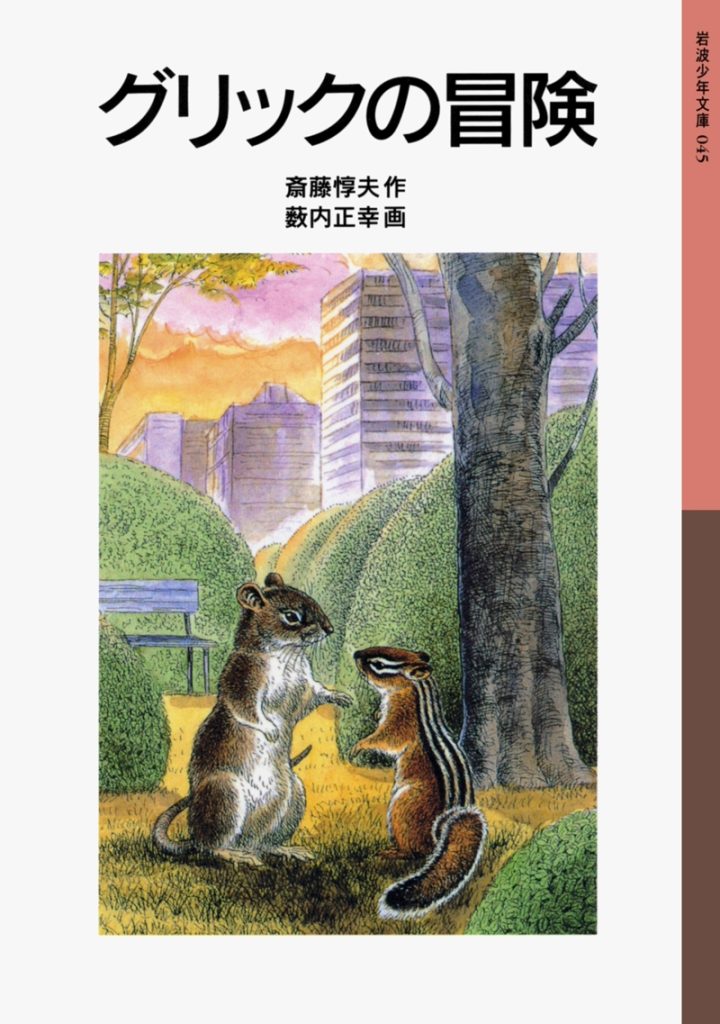
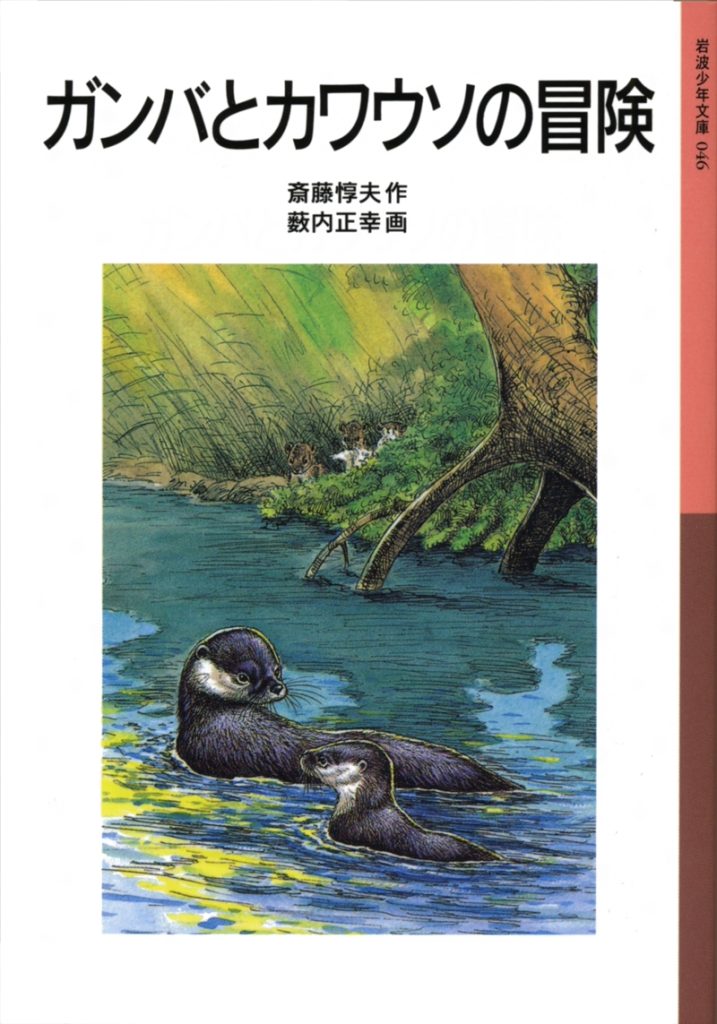
- A timeless masterpiece: The Adventurers Trilogy(ガンバとグリックの马発シリーズ(Illustrated by Yabuuchi Masayuki).
- Literary status: Atsuo Saito, with the most meticulous and epic style, created the heroic legend of Gamba the mouse and his comrades who fought a desperate battle against the cruel weasel “The Wicked Doctor” to protect their people. In this work, the mouse is no longer a symbol of darkness and depravity, but a symbol of dignity, innocence, indomitable will, and great friendship. This series not only achieved astonishing sales in Japan, but also became an insurmountable pinnacle of modern long-form children’s literature in East Asia.
| Birth | Atsuo Saitō | Atsuo Saito (Wikipedia) |
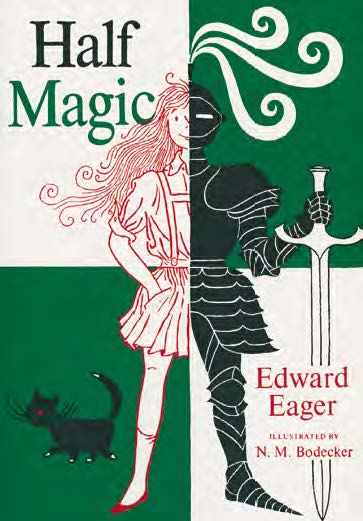
🎂 1911 – Born: Edward Eager
A distinguished American children’s fantasy writer, playwright, and lyricist (1911–1964). He was one of the most successful narrative masters of the mid-20th century in seamlessly integrating traditional British classical magic into the daily lives of modern American children.
- Timeless masterpieces: Half a Magic (Half MagicPublished in 1954.
- Literary qualities: Iglesias was deeply influenced by British fantasy pioneer E. Nesbit. In *Half a Magic Coin*, he uses stunning logical deconstruction and literary restraint to tell the hilarious story of children who find a magic coin that can only grant “half a wish.” To make their wishes complete, they must tell twice the required story. He perfectly blends rigorous mathematical logic, puns, and children’s fondness for the ordinary, everyday, creating a new genre of “life-based logical magic” novels, which is permanently included in *1001 Children’s Books*.
| Birth | Edward Eager | Edward Eager (Wikipedia) |
🎂 1901 – Born: Iri Maruki
A Japanese national treasure-level master of modern ink painting and avant-garde artist (1901–1995). He is world-renowned for his epic masterpiece “Atomic Bomb Picture” that shocked all mankind, but the light ink charm of his crossover into the field of children’s picture art is also a supreme treasure in the world’s visual art treasury.
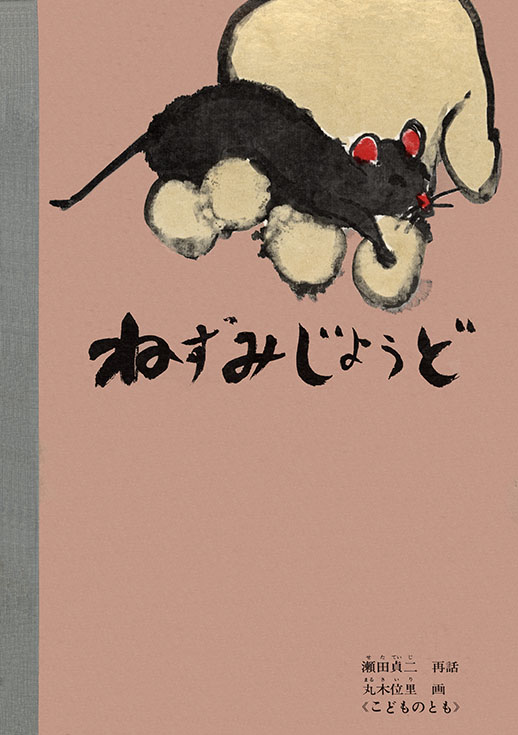
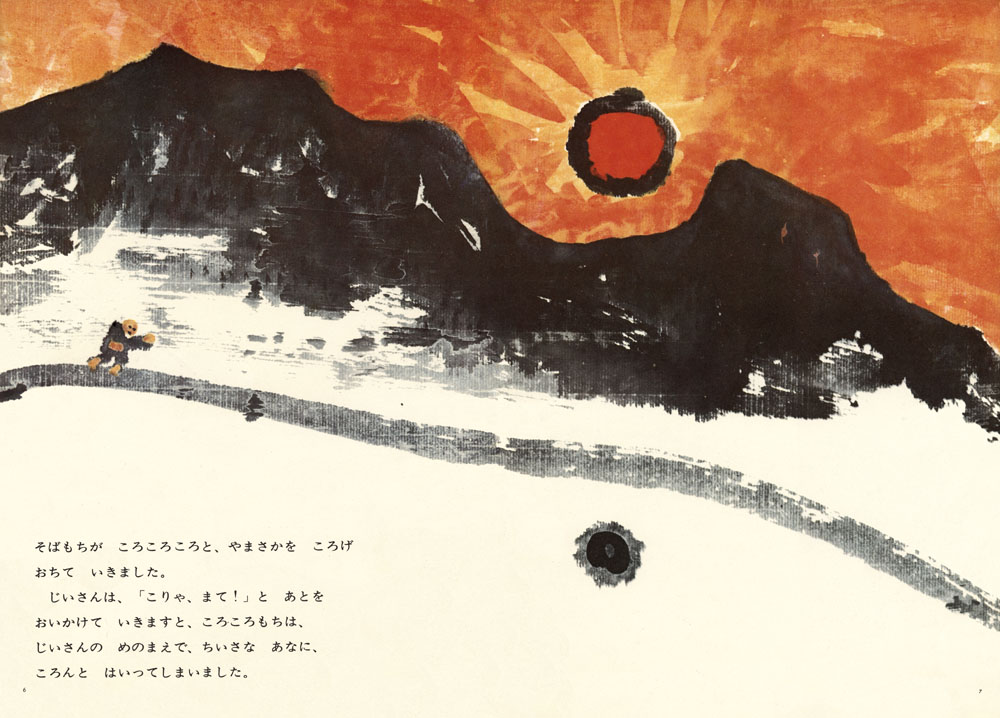
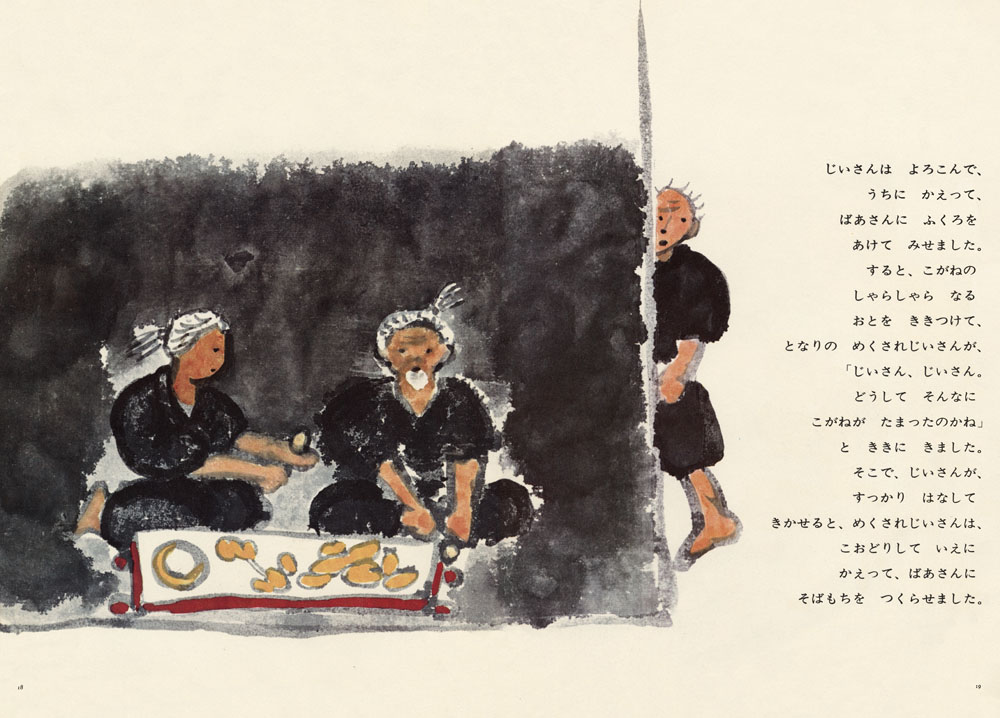
- International highest honor: Winning an award for the traditional folk picture book “Rice Ball Rolling to Mouse Paradise” Honorary Mention at the inaugural Bratislava International Biennial of Illustrations (BIB) in 1967.
- Masterpieces that have stood the test of time: “The Rice Ball That Rolled to Old Temple Paradise” (A dumpling that rolled down into the mice paradise)。
- Visual Aesthetics: Maruki Iori perfectly combines the “five shades of ink” and “dry, wet, thick, and thin” techniques of traditional Chinese freehand ink painting with the abstract composition of modern avant-garde art. His illustrations for children are vigorous, ethereal, and full of a grassroots humor that evokes the spirit of nature, completely overturning the overly sweet and flattering visual rigidity of children’s picture books and establishing the noble spiritual dignity of modern Eastern ink painting picture books.
| Birth | Maruki Iri | Maruki Iri (Wikipedia) |
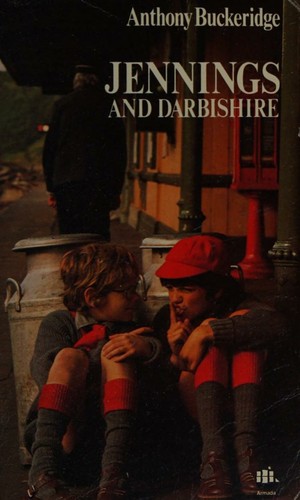
🎂 1912 – Born: Anthony Buckeridge
A renowned British author and screenwriter of modern children’s literature (1912–2004). He was a leading figure in postwar British school humor novels and the boarding school narrative genre.
- Timeless classics: ““Ginnings” series(Representative works) Jennings and Darbishire).
- Historical impact: His award-winning masterpiece is permanently included in “1001 Children’s Books” and adapted into a long-running radio drama by the BBC. Buckley is exceptionally skilled at using sharp, contemporary British humor and a barrage of modern witty remarks to depict the innocent pranks, pure friendships, and rule-breaking games of boys in boarding schools. He completely abandoned the rigid education of the Victorian era, winning a frenzy of fans among school-aged children throughout Europe with his absolutely child-centered perspective.
| Birth | Anthony Buckeridge | Anthony Buckeridge (Wikipedia) |
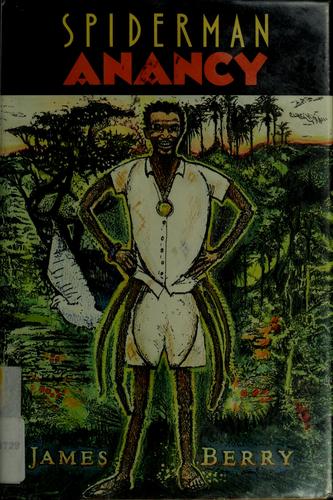
⚰️ 2017 — Passed away: James Berry
Jamaican-British poet and children’s author (1924–2017). He was the core figure of the famous “Windrush Generation” immigrant literature after World War II, and was the first to bring the noble oral narrative tradition of the West Indies into the mainstream English children’s literature landscape.
- Timeless masterpieces: Anansey the Spider-Man (Anancy Spiderman)。
- Literary status: Berry dedicated his life to multicultural equality and the collection of folk literature. His masterpiece, *Anansi the Spider-Man*, uses prose poetry imbued with the rhythmic feel of West Africa and the Caribbean to reshape the totem figure of Anansi from traditional Black mythology, a character embodying wisdom, cunning, resistance, and the vitality of ordinary people. He used words to build the roots of national dignity for children of color on paper; the book is permanently included in *1001 Children’s Books*.
| Passed Away | James Berry | James Berry (Wikipedia) |
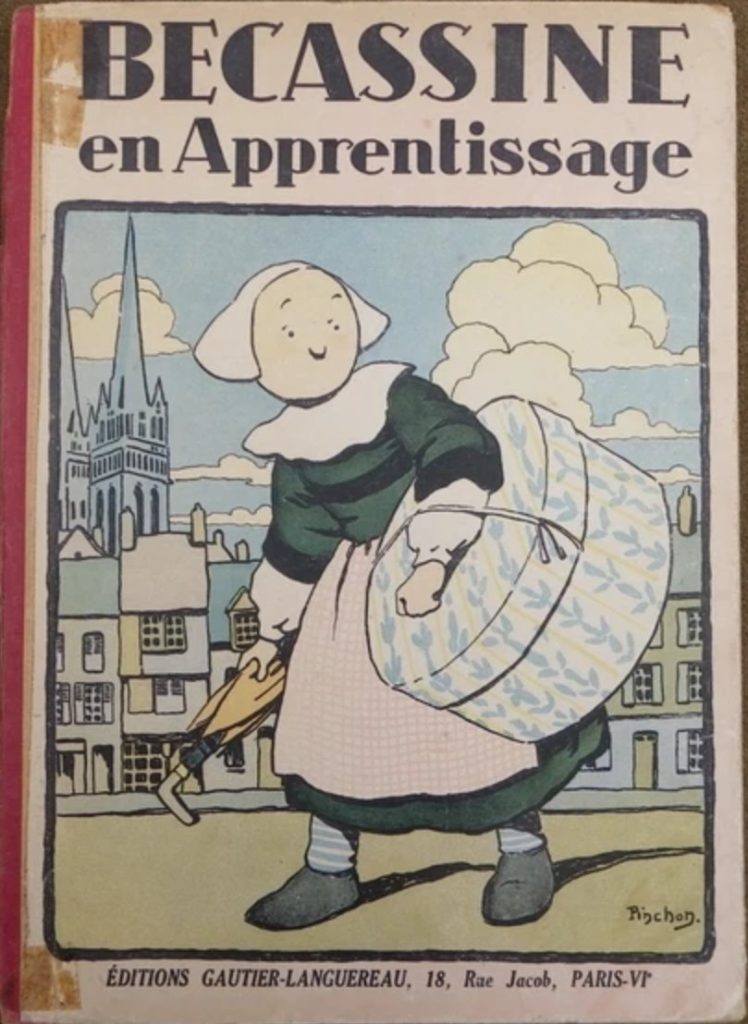
⚰️ 1953 – Death: Joseph Pinchon
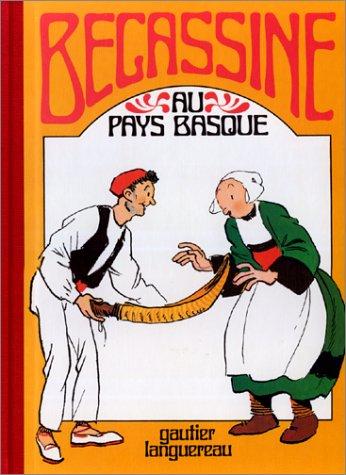
Émile-Joseph Porfirio Pinchin (1871–1953), an immortal French graphic artist, pioneering cartoonist, and illustrator, was an undisputed and revered founder of the European “comic strip.”
- An immortal masterpiece: Bekasna series (Bécassine(Written by Colm Lorio/Caumery)
- Visual culture influence: Bekasna, created in 1905, has been permanently included in “1001 Children’s Books”.She is not only the first female protagonist in the history of comic books to have an independent long story.Furthermore, she was the one who established the visual language of modern French comic strips. Pinchin used concise and clear lines and highly decorative color blocks to bring to life this simple yet impeccably kind and innocent country girl dressed in traditional Breton clothing, profoundly inspiring countless European masters, including Hergé, the author of “The Adventures of Tintin.”
| Deceased | Joseph Pinchon | Joseph Pinchon (Wikipedia) |