🎂 John Agard, born 1949
Guyana-born British poet, children’s author, and playwright (1949). He is one of the most prestigious cross-cultural voices in the contemporary English-speaking world, renowned for his unique Caribbean oral tradition rhythms and humorous folk charm, and was awarded the Queen’s Gold Medal for Poetry.
- His masterpieces and honors:
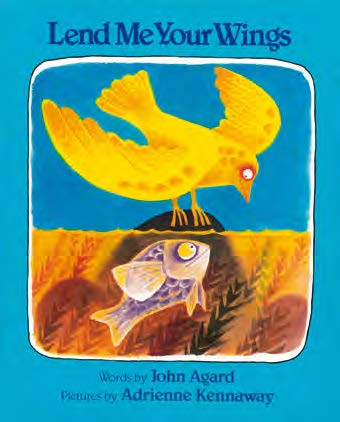
- Lend Me Your Wings (Lend Me Your WingsIt was included in “1001 Children’s Books”.
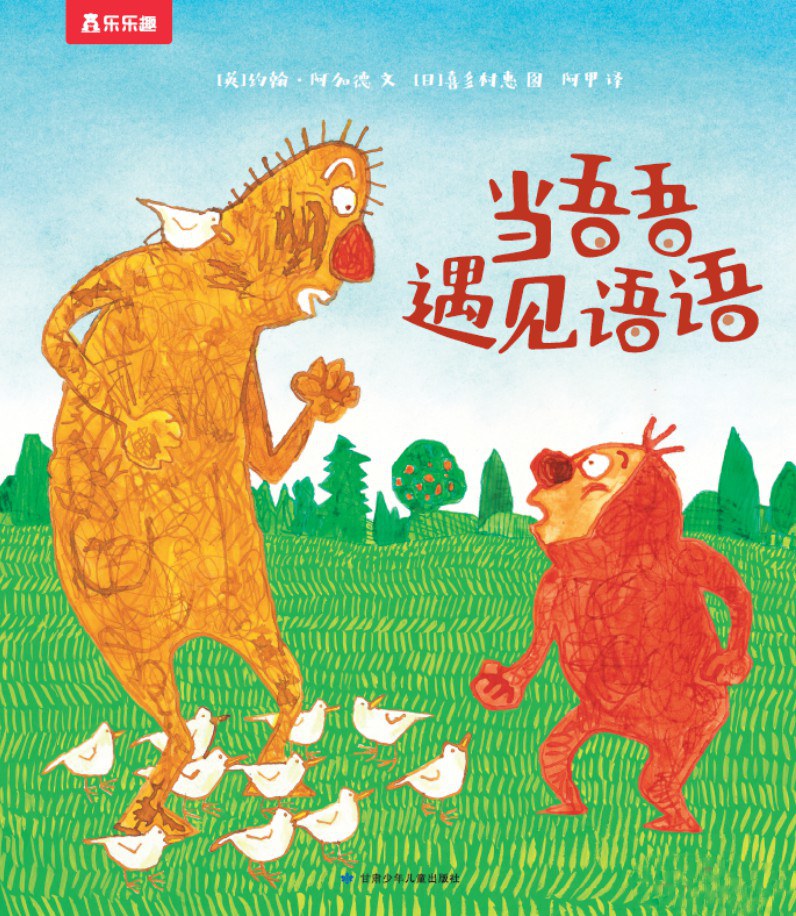
- Modern, warm, and evergreen tree for young children:When I Met Language (When Creature Met CreatureVisual master born on June 11Kitamura Megumi(Draw illustrations).
- Literary qualities: Agard’s writing is full of musical syncopation and subversive wordplay. He is exceptionally adept at using seemingly simple, childlike, colloquial language to encapsulate grand themes about communication, love, identity, and diversity and equality. His collaboration with Megumi Kitamura on “When Gogo Meets Yuuyu” establishes a supreme rational and emotional paradigm for young children through the physical and emotional collision between two wondrous beings who cannot communicate with language, demonstrating that “understanding is not only about sound, but also about the connection of hearts.”
| Birth | John Agard | John Agard (Wikipedia) |
🎂 1925 – Born: Robert Kraus
An immortal American children’s book author, illustrator, and publisher (1925–2001). He was one of the most empathetic and therapeutic early reading mentors in the United States during the mid-to-late 20th century, and he illustrated covers and satirical cartoons for The New Yorker magazine for many years.
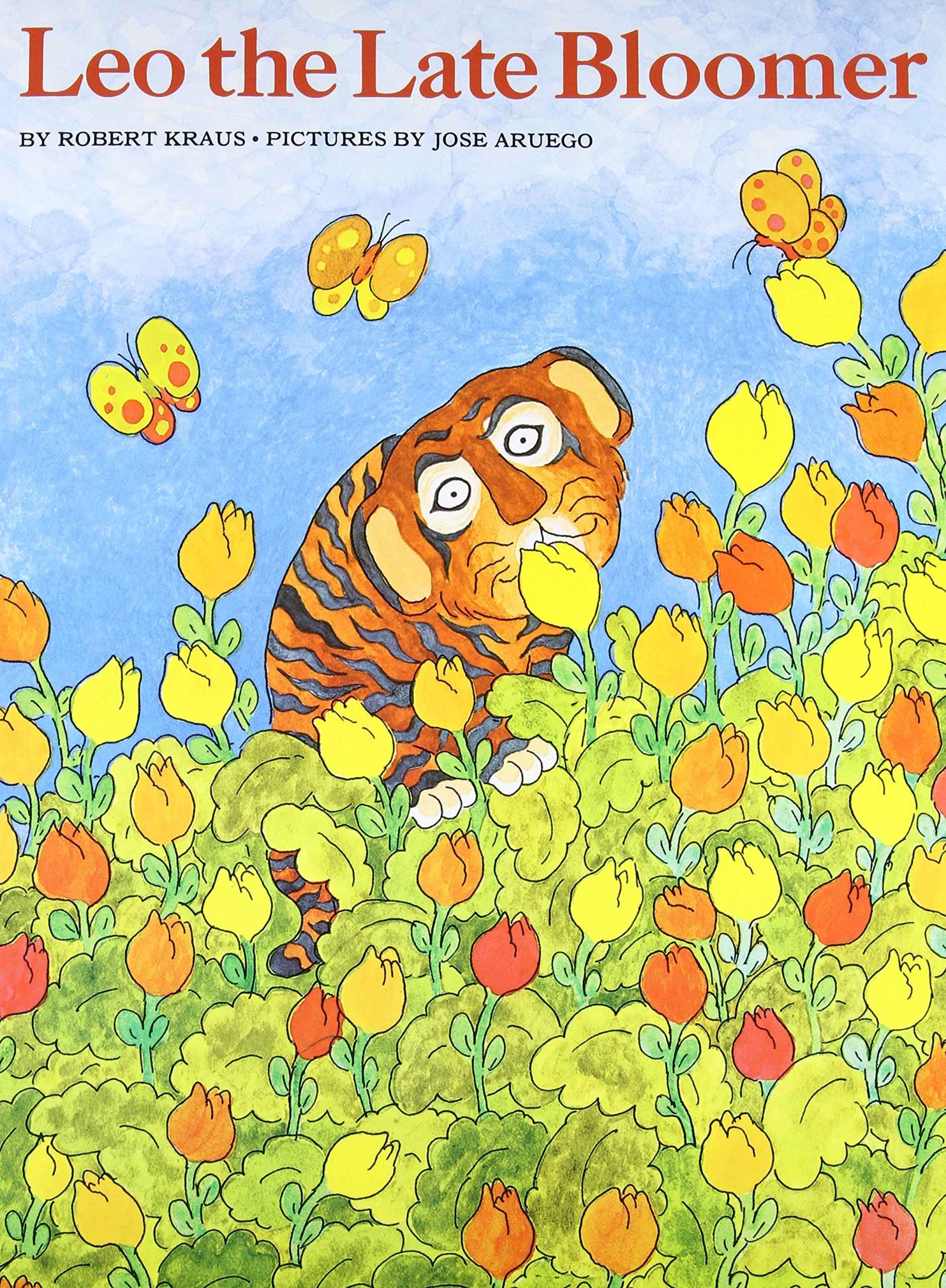
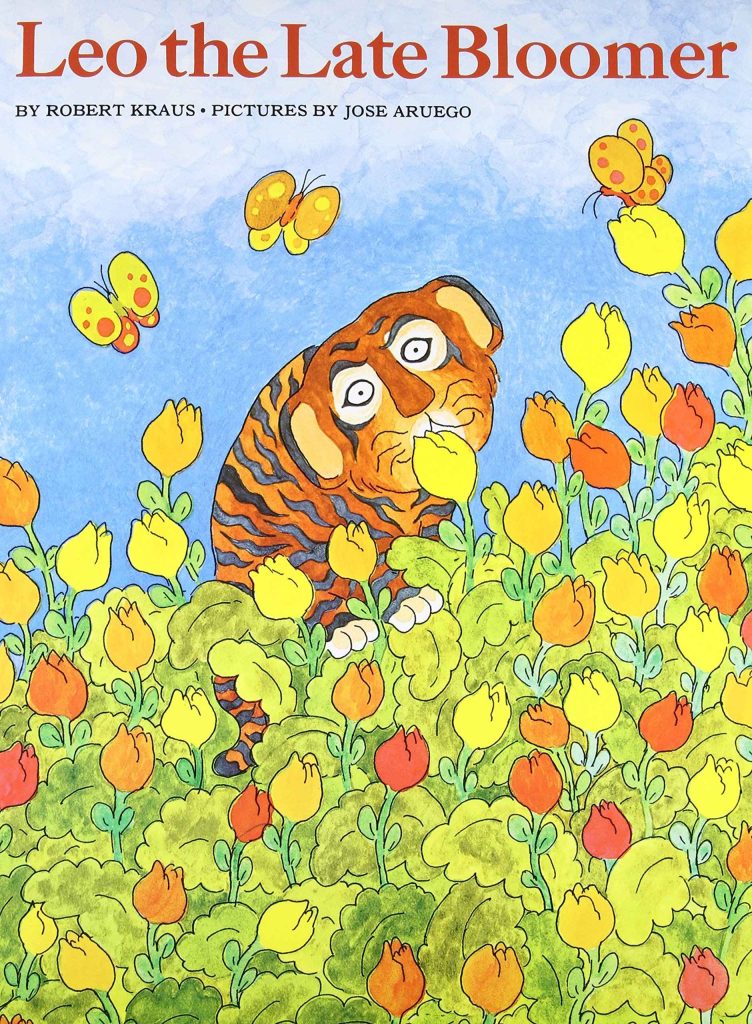
- A timeless masterpiece of healing and immortality: Ah Hu finally figured it out! (Leo the Late Bloomer(Illustration by Jose Aruego)
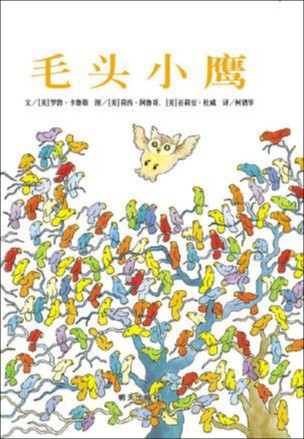
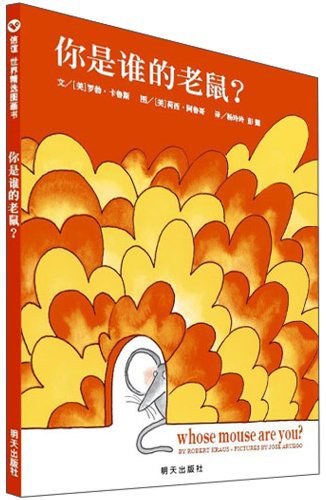
- Core Early Childhood Milestones: Whose Mouse Are You? (Whose Mouse Are You?)、“The Little Eagle” (Owliver)。
- Historical contributions: His award-winning masterpiece, *Tiger’s Awakening*, has been a global phenomenon for over half a century and is included in *1001 Children’s Books*. Caruso brilliantly captured the “late bloomer” rhythm of childhood development. His little tiger, Tiger, can’t write, speaks clumsily, and slurps food, but his mother firmly believes, “He just hasn’t reached his time yet.” With deeply moving humor, he tells children and anxious parents worldwide facing the pressures of growing up: respect life’s independent clock, patiently await the blossoming of life, and understand that every stage of growth has its own dignity.
| Birth | Robert Kraus | Robert Kraus (Wikipedia) |
⚰️ 1968 – Death: Captain We. Johns
William Earl Johns, an immortal British historical aviation writer and legendary aviator of the Royal Flying Corps (RFC) during World War I (1893–1968), is a towering pioneer in the history of children’s war chronicles and hardcore aerial combat adventure literature.
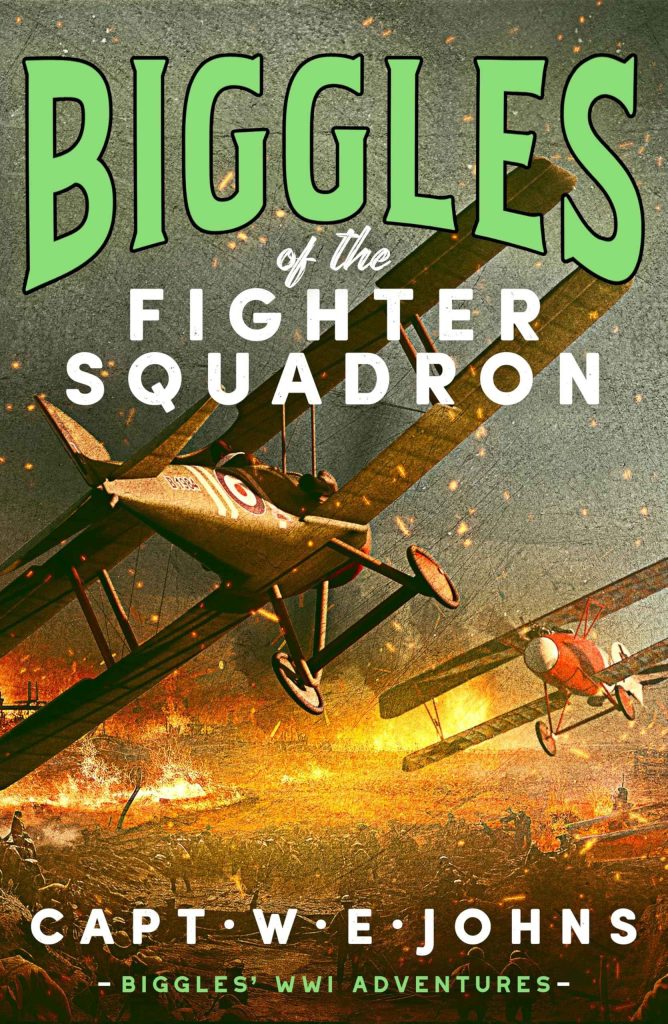
- An Immortal and Everlasting Epic: ““Captain Biggs” series(Biggles).
- Representative works: Biggs: “The Camel” is Coming (Biggles: The Camels Are ComingPublished in 1932.
- Cultural history impact: Captain Johns perfectly infused his own raw, bloody battles in the skies, along with his rigorous knowledge of the mechanical construction of biplane fighters from World War I and World War II, into the long life of the young hero “Biggles.” Spanning decades and comprising nearly a hundred books, the series achieved astonishing sales of tens of millions of copies worldwide and was included in “1001 Children’s Books.” He completely rejected the rigid and hypocritical grand narratives of politicians, instead using the purest courage of sailors and pilots, their unwavering loyalty to their teams, and their chivalrous dignity to inspire countless young people in the English-speaking world with unyielding spirit.
| Passed Away | Captain WE Johns | WE Johns (Wikipedia) |
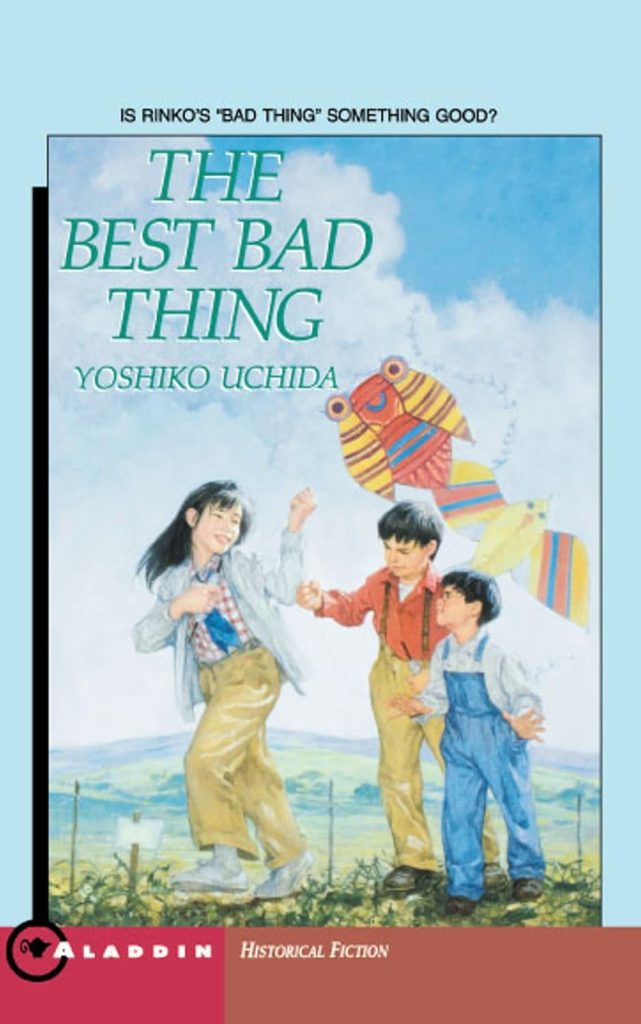
⚰️ 1992 – Passed away: Yoshiko Uchida
A renowned Japanese-American female children’s literature author and historical narrative master (1921–1992). She was a pioneer in the mid-to-late 20th century who brought the “history of the suffering of Japanese Americans in concentration camps during World War II” into the mainstream children’s narrative circle with extremely high literary dignity.
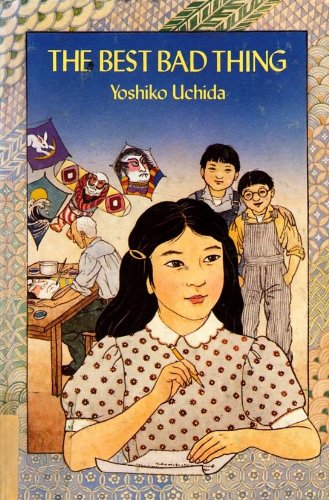
- A timeless historical masterpiece: The Best Bad Thing (The Best Bad Thing)。
- Literary status: Yoshiko Uchida was born in California after World War I. Following the attack on Pearl Harbor in World War II, she and her family were imprisoned in a Jewish concentration camp targeting Japanese Americans. This painful memory of humiliation and separation became the fuel for her lifelong writing. Her masterpiece, *The Best of the Bad Things*, through the perspective of a girl named Reiko, delicately and empathetically records the astonishing family cohesion, optimism, and unwavering spirit of an immigrant family facing adversity beneath a glamorous exterior. With remarkably gentle prose, she helped minority children rediscover their historical roots and spiritual empowerment amidst the ruins of war.
| Passed Away | Yoshiko Uchida | Yoshiko Uchida (Wikipedia) |