⚰️ 1965 – Death: Eleanor Farjeon
An immortal British children’s author and poet (1881–1965). She is the most poetic, elegant, and imaginative beacon in the history of English children’s literature, and a pioneer of the highest honors in world children’s literature.
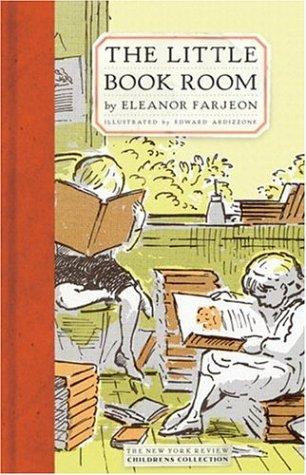
- Highest Honor: The inaugural Hans Christian Andersen Award (HCAA) for Best Writer was awarded in 1956.The winner is the first author in human history to receive this “mini-Nobel Prize”; she won the award for her selected works, “The Little Study”. 1955 Carnegie Medal.
- A masterpiece for posterity:
- The Little Study (The Little Bookroom): Her own selection of the best stories. In this room filled with dust, old books, and sunlight, she uses the purest literary language to show children what it means to have an eternal love for books, imagination, and all things ordinary.
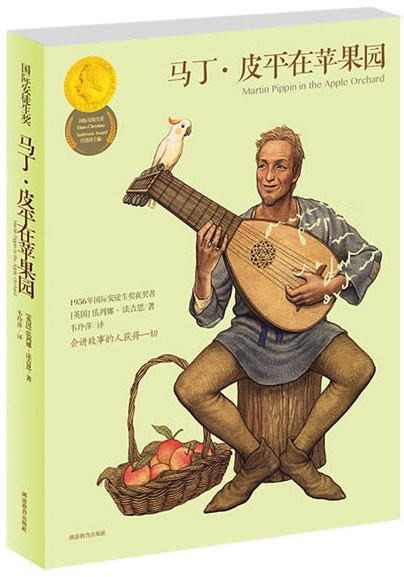
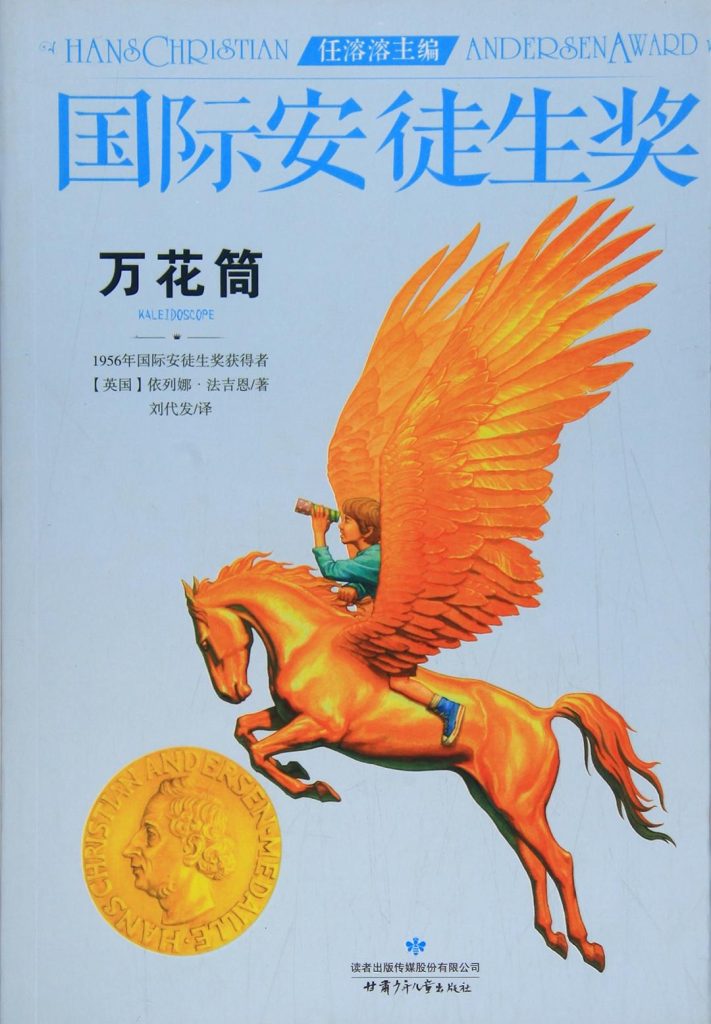
- Martin Pippin in the Apple Orchard (Martin Pippin in the Apple Orchard)、“kaleidoscope” (Kaleidoscope)。
- “breaking Dawn” (Morning Has BrokenHer morning hymn, filled with gratitude for the world, was later made famous worldwide by the renowned singer Cat Stevens.
- Historical significance: Fargeen dedicated her life to building a haven for humanity against the coldness of reality through poetry and fairy tales. Her writing is ethereal and noble, devoid of any worldly concerns, yet perfectly preserving the most genuine intuition and sacredness of childhood.
| Deceased | Eleanor Farjeon | Eleanor Farjeon (Wikipedia) |
🎂 1938 – Born: Allan Ahlberg
He was one of the most outstanding and popular children’s picture book and children’s literature authors in contemporary Britain (1938). He and his wife, the famous illustrator Janet Ahlberg (1944–1994), formed the most beloved “golden couple” in the British post-war children’s book world.
- Highest Honor: Their collaboration helped Janet twice reach the pinnacle of visual art at the Kate Greenaway Medal (now the Carnegie Illustration Award).
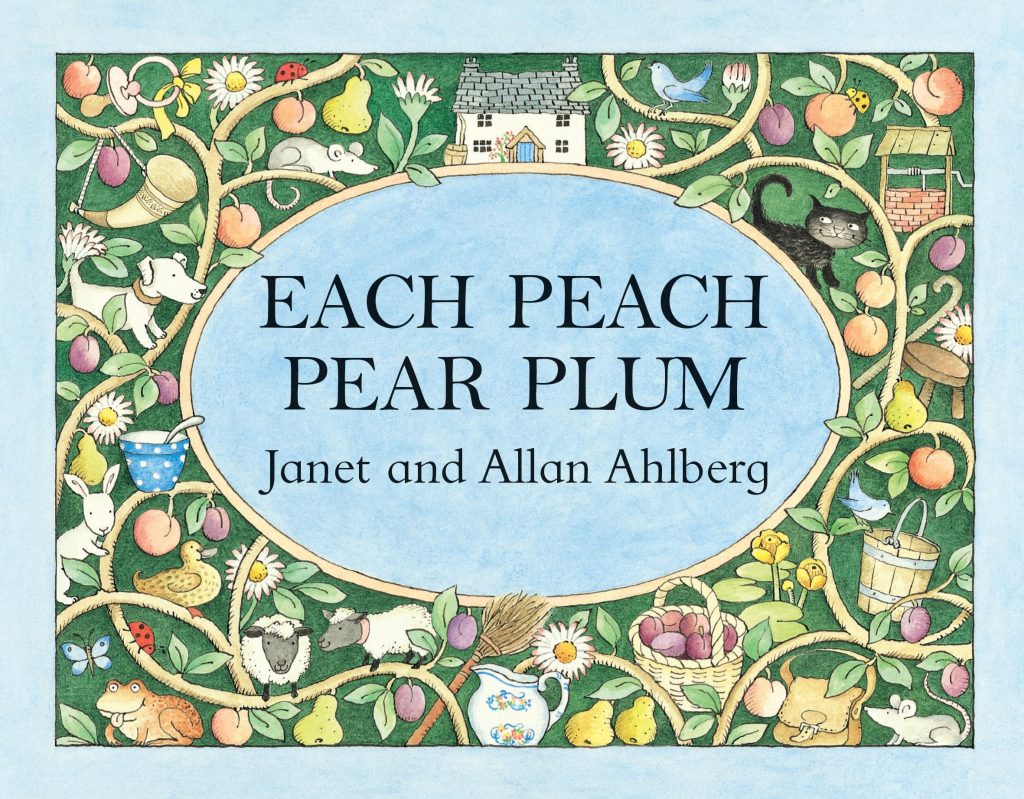
- Gold Medal, 1978: Peach, pear, and plum trees (Each Peach Pear PlumA modern classic for young children that seamlessly weaves traditional British nursery rhyme characters into a treasure hunt game.
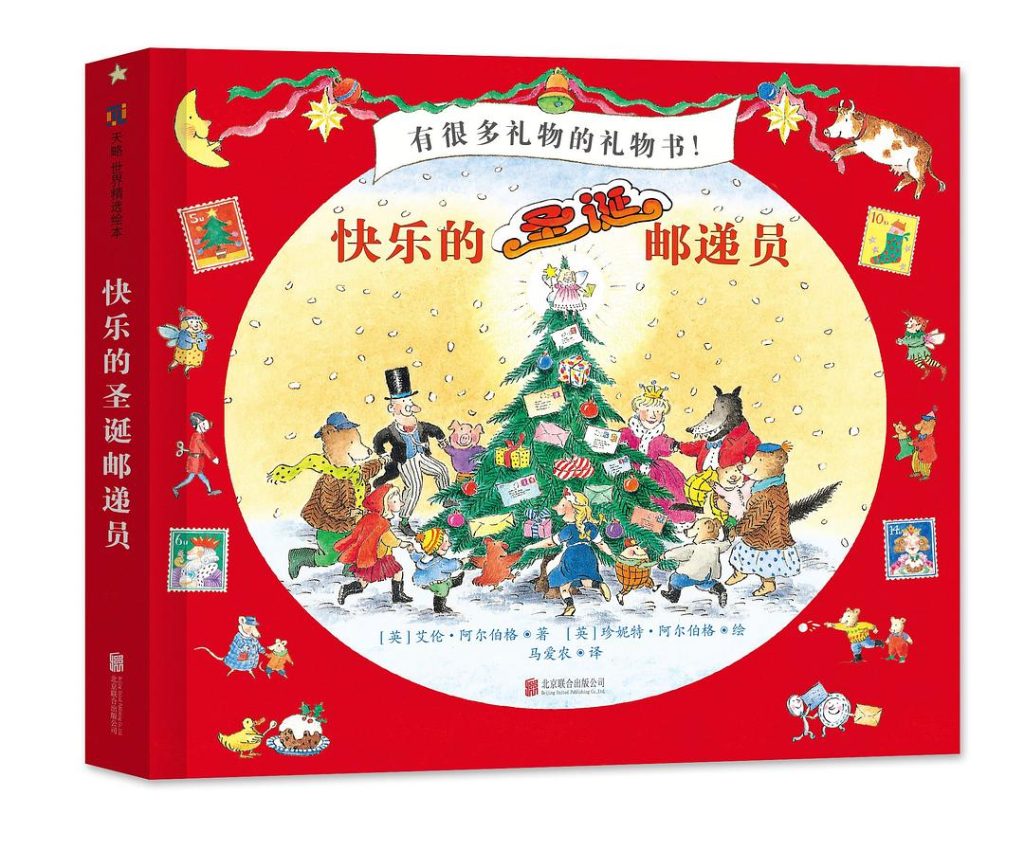
- 1991 Gold Medal: The Merry Christmas Postman (The Jolly Christmas Postman)。
- Other milestone masterpieces:
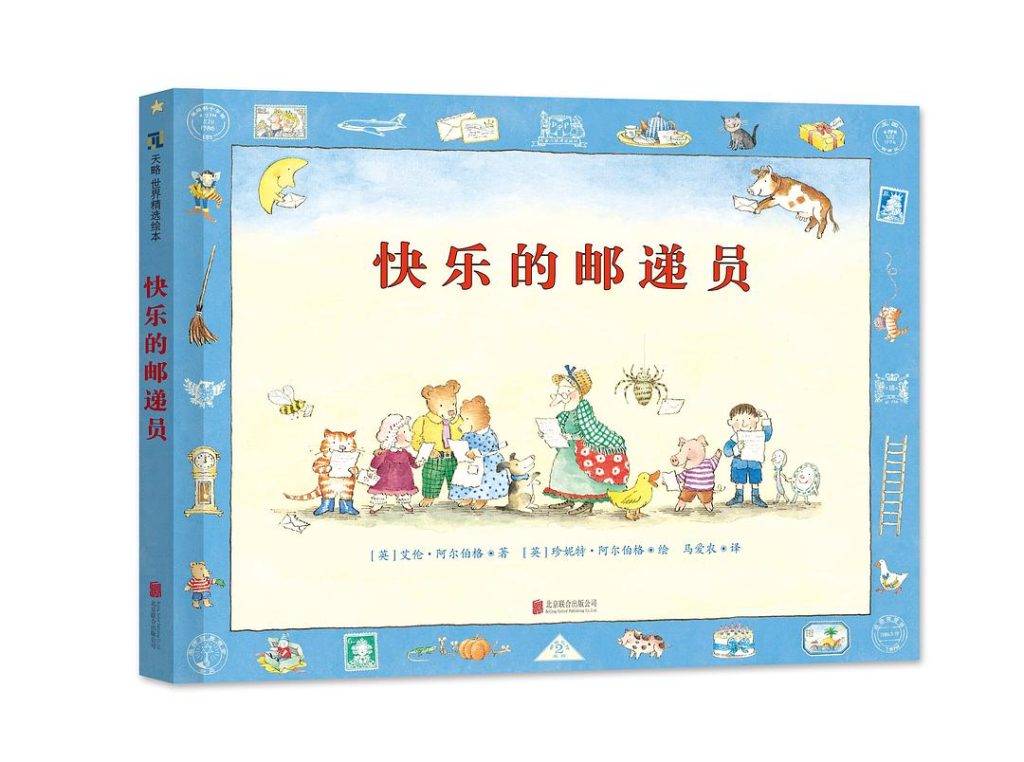
- The Happy Postman (The Jolly Postman or Other People’s LettersA structurally revolutionary work in the history of picture books. The entire book consists of real envelopes and removable letters, turning the daily routine of a postman delivering neighborhood letters to fairy tale characters into a globally popular interactive masterpiece.
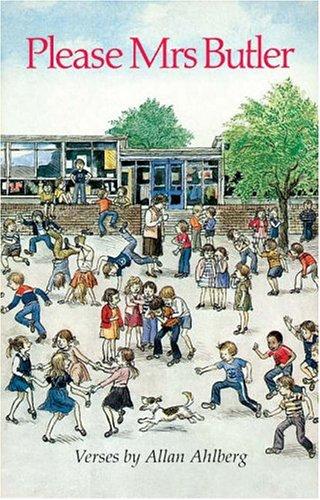
- Please, Mrs. Butler (Please Mrs. Butler)、Snail House (The Snail House)。
| Birth | Allan Ahlberg | Allan Ahlberg (Wikipedia) |
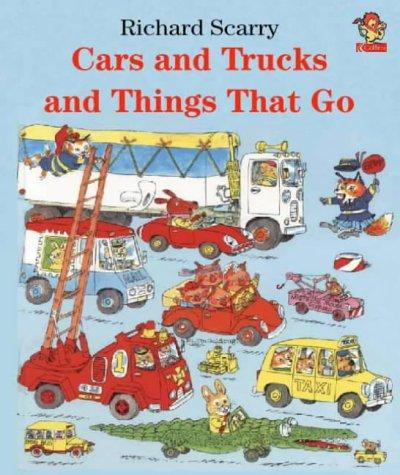
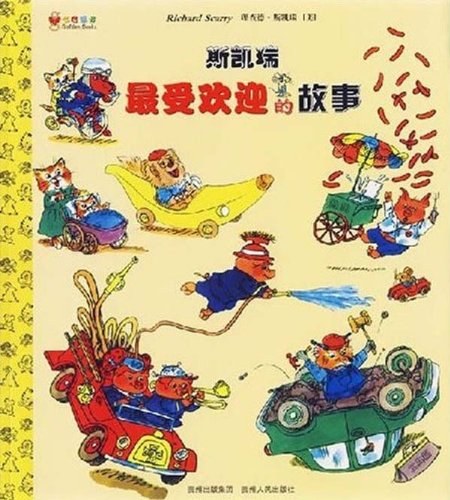
🎂 1919 – Born: Richard Scarry
One of America’s top picture book masters and illustrators for early childhood cognitive development (1919–1994). He was the founder of the world’s greatest panoramic encyclopedic children’s books, and his works have accompanied generations of children around the world in their language and cognitive development.
- A masterpiece for posterity:
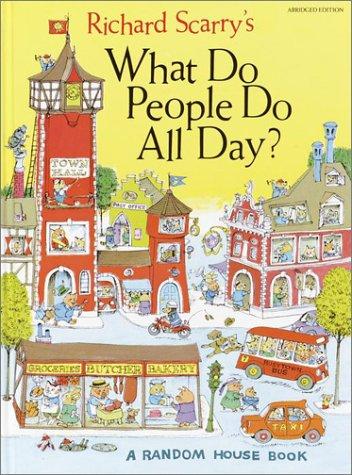
- Busy Town (What do people do all day?Listed in “1001 Children’s Books”, it represents the pinnacle of cognitive picture books that cannot be surpassed.
- The Wheels Turn(Alternative translation: “Cars, Trucks, and Running Things”)Cars and Trucks and Things That Go).
- Historical contributions: Richard Scarry created the perfect miniature human society depicted in “Busytown.” His characters—clothed, hardworking cats, pigs, and the earthworm “Lowworm”—transformed dry vocabulary, social division of labor, and the workings of machinery into a visual feast brimming with dense detail and American humor. With immense empathy and a playful approach, he revealed to children that while the world is busy, everything is interconnected, and every person and every job deserves respect.
| Birth | Richard Scarry | Richard Scarry (Wikipedia) |
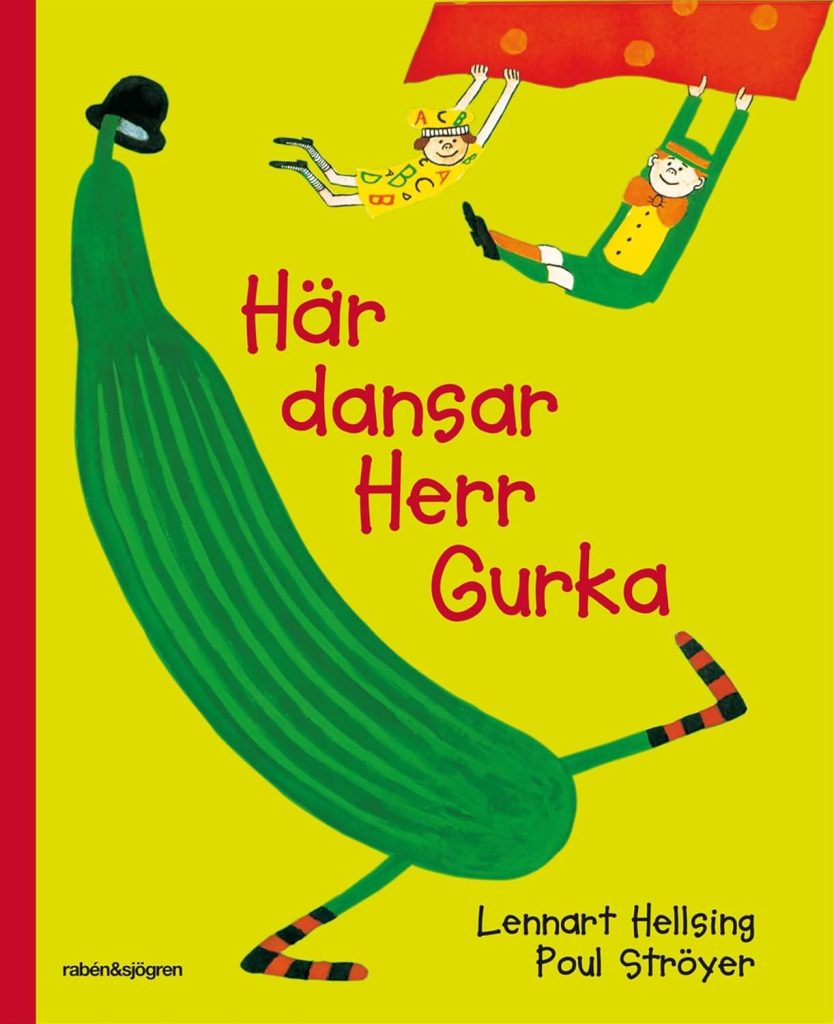
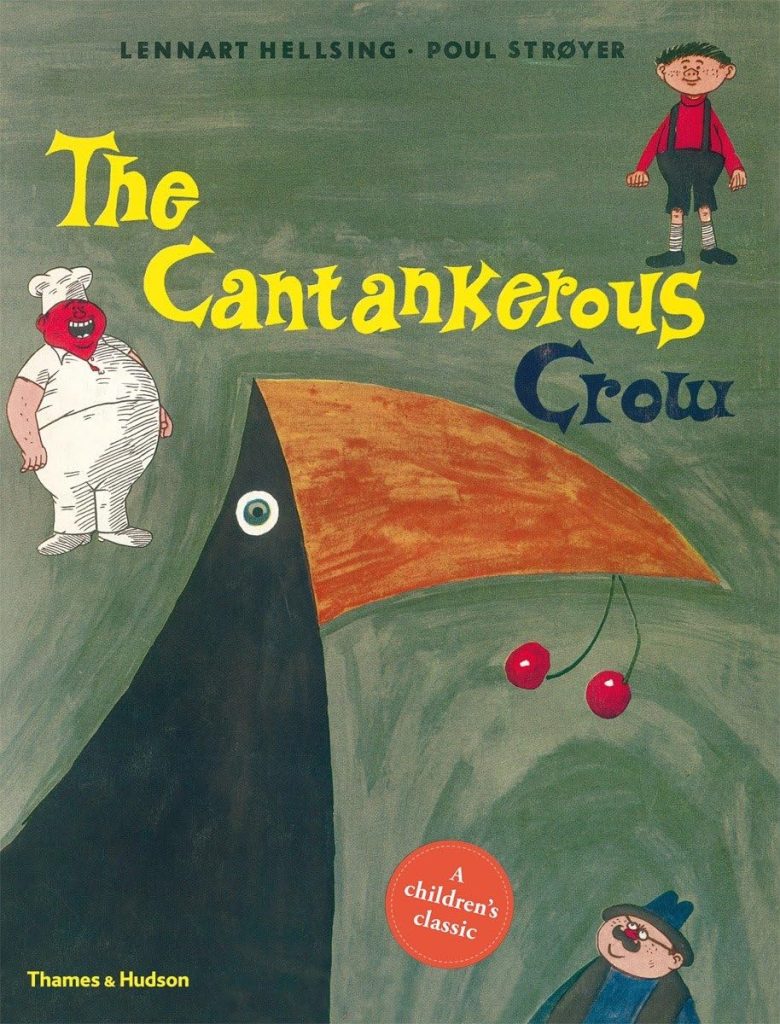
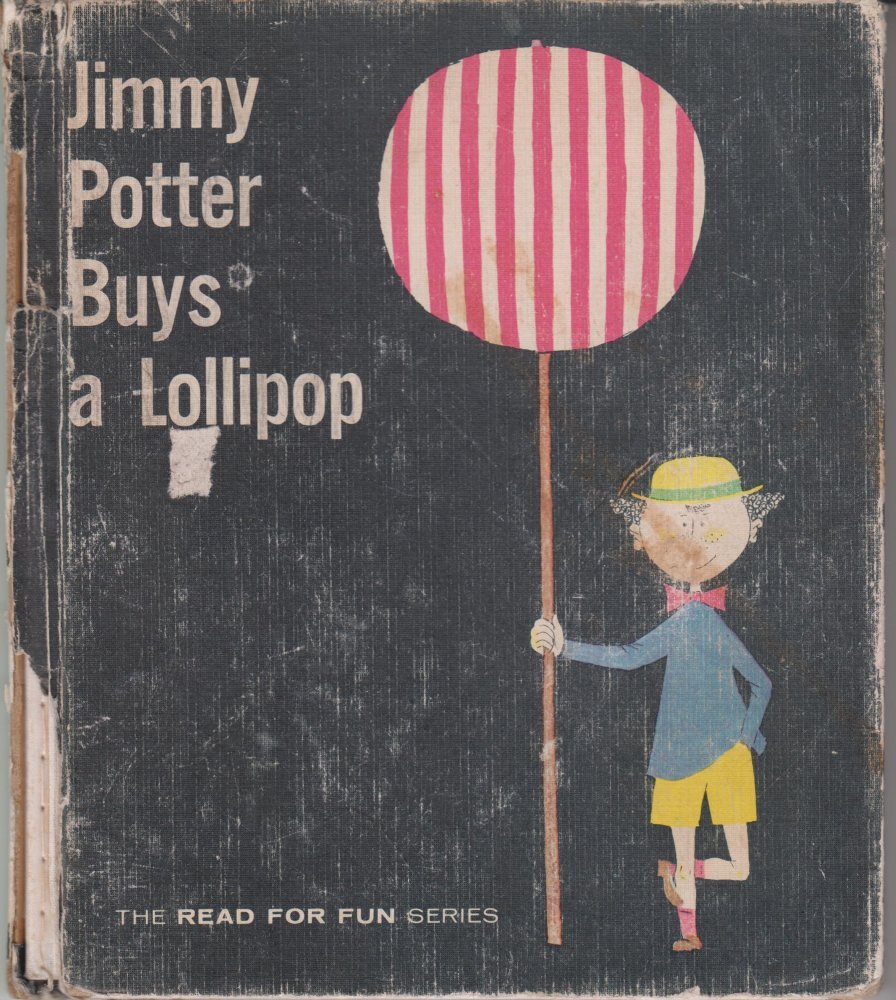
🎂 1919 – Born: Lennart Hellsing
A Swedish author, poet, and lyricist of great renown (1919–2015). He was a master of language reform during the golden age of 20th-century Swedish children’s literature (on par with Astrid Lindgren), and he completely liberated Nordic nursery rhymes with modern absurd rhythms.
- International Honors: 2010 Hans Christian Andersen Award (HCAA) Finalist.
- Representative works:
- The Angry Crow (The Cantankerous Crow(Illustration by Paul Ströyer)
- Mr. Cucumber Dancing (Här dansar Herr Gurka)、Jimmy Buys Lollipops (Jimmy Potter buys a lollipop)。
- Literary status: Helsing believed that “children’s literature is not a tool for indoctrination, but an art of sound, rhythm, and sight.” He overturned the rigid old-fashioned didacticism, injecting a jazz-like rhythm, absurd puns, and hilarious homophones into Swedish children’s poetry, making language itself a game for children to jump and play on the page.
| Birth | Lennart Hellsing | Lennart Hellsing (Wikipedia) |
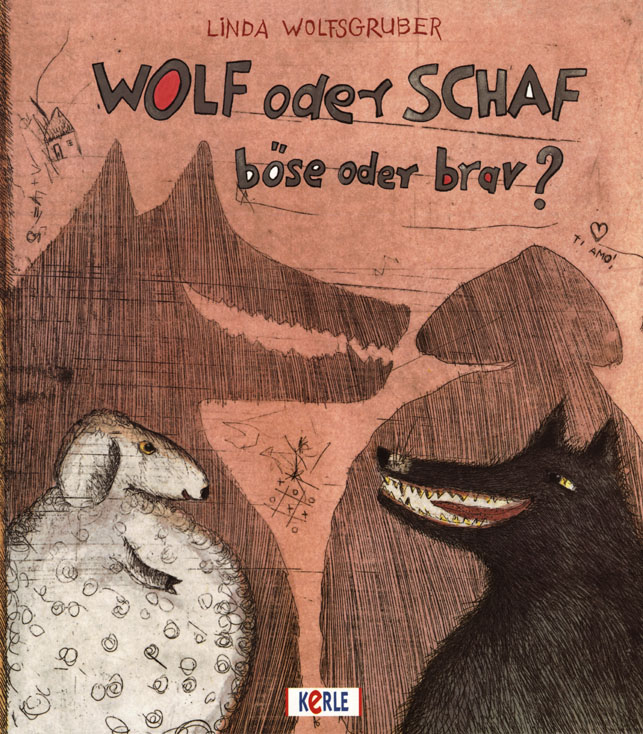
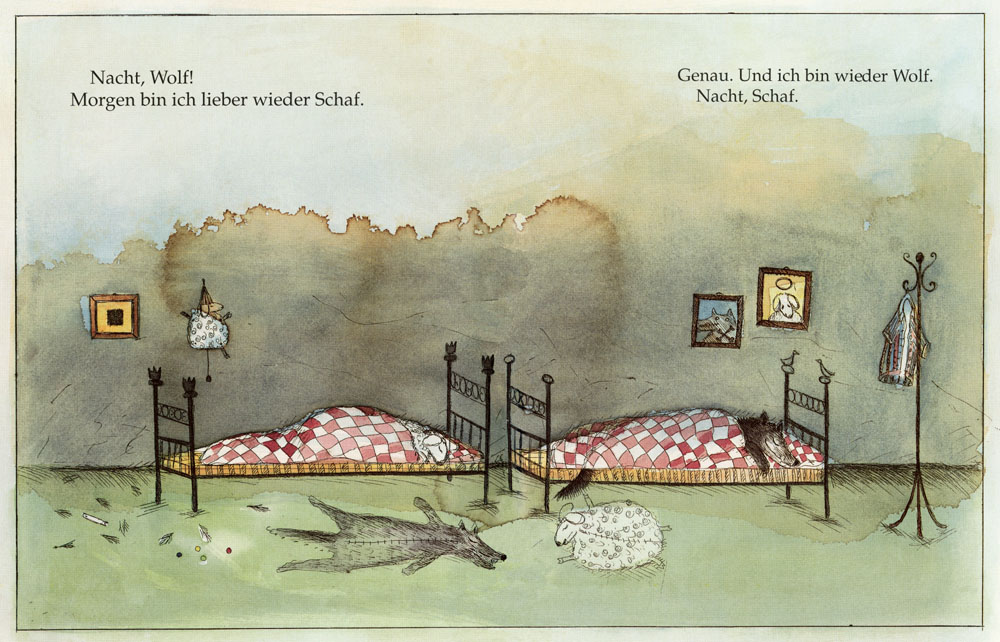
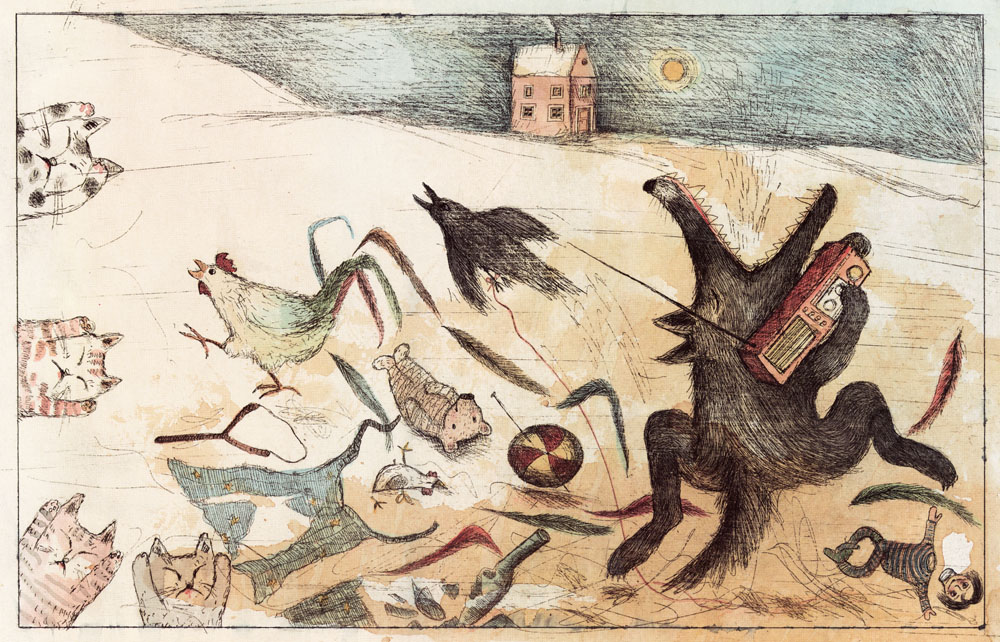
🎂 Born 1961: Linda Wolfsgruber
Austrian national treasure-level female graphic artist and illustrator (1961). She stands out in the European contemporary picture book scene for her highly diverse experimental explorations of materials and techniques.
- Highest Honor: He won an award for his work “Wolf or Sheep, Evil or Gentle?” Golden Apple Award at the 1997 Bratislava International Biennial of Illustration (BIB).
- Representative works: Wolf or sheep, evil or gentle? (Wolf oder Schaf, böse oder brav?)。
- Artistic features: Wolfsgrobel’s style possesses an exceptionally high level of fine art aesthetics. She perfectly blends various complex techniques, including printmaking, collage, watercolor, and gouache. Her works often carry an Old World-esque depth, introspection, and subtle mysticism, showcasing astonishing visual tension in deconstructing traditional allegories and mythological symbols.
| Birth | Linda Wolfsgruber | Linda Wolfsgruber (Wikipedia) |
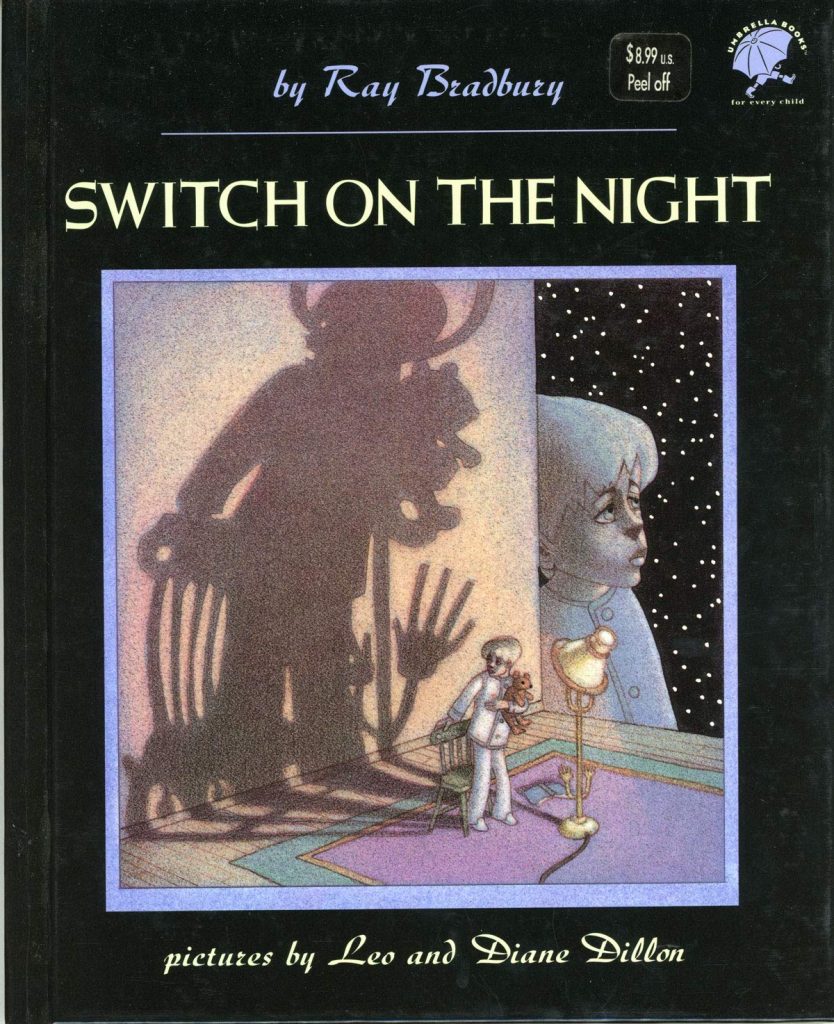
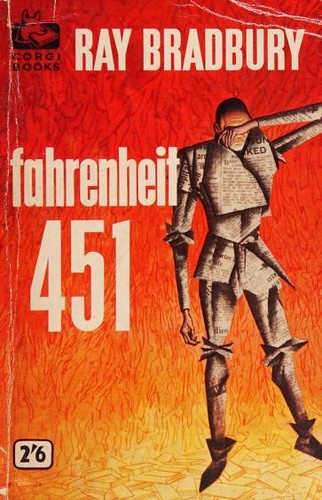
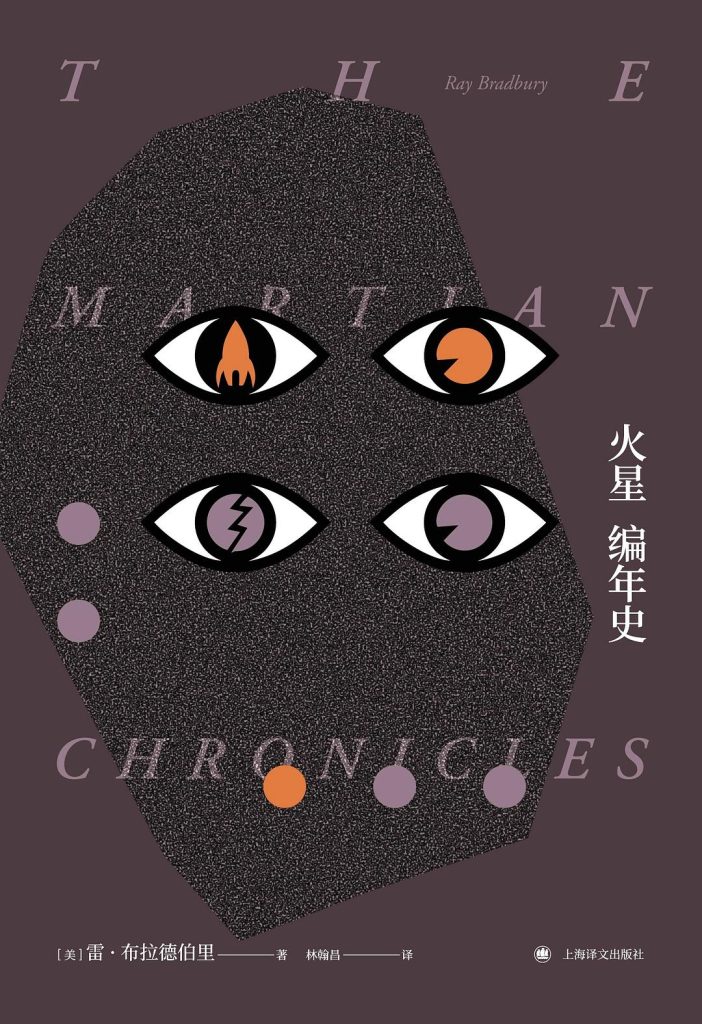
⚰️ 2012 – Death: Ray Bradbury
A legendary American science fiction and fantasy writer (1920–2012). He is world-renowned for Fahrenheit 451 and The Martian Chronicles, but the picture book he left for children with his most poetic science fiction style is also a timeless gift for growth.
- A timeless masterpiece for children: Opening the Night (Switch On the Night)。
- Contributions to children’s literature: “Opening the Night” is a visual poem written by Bradbury to help all children afraid of the dark overcome their fear. In the book, he uses extremely gentle and imaginative logic to tell children that the night is not the disappearance of light, but the beginning of another kind of life—when you turn off the light, you are actually opening the night, opening the sky full of stars, the cool evening breeze, and the chirping of crickets in the trees. He successfully transformed the cold, unknown, long night into the most romantic and safest cradle of childhood dreams.
| Passed Away | Ray Bradbury | Ray Bradbury (Wikipedia) |
🗓️ Other Important Creator Briefings
| event | figure | Details/Awards | Wikipedia link |
|---|---|---|---|
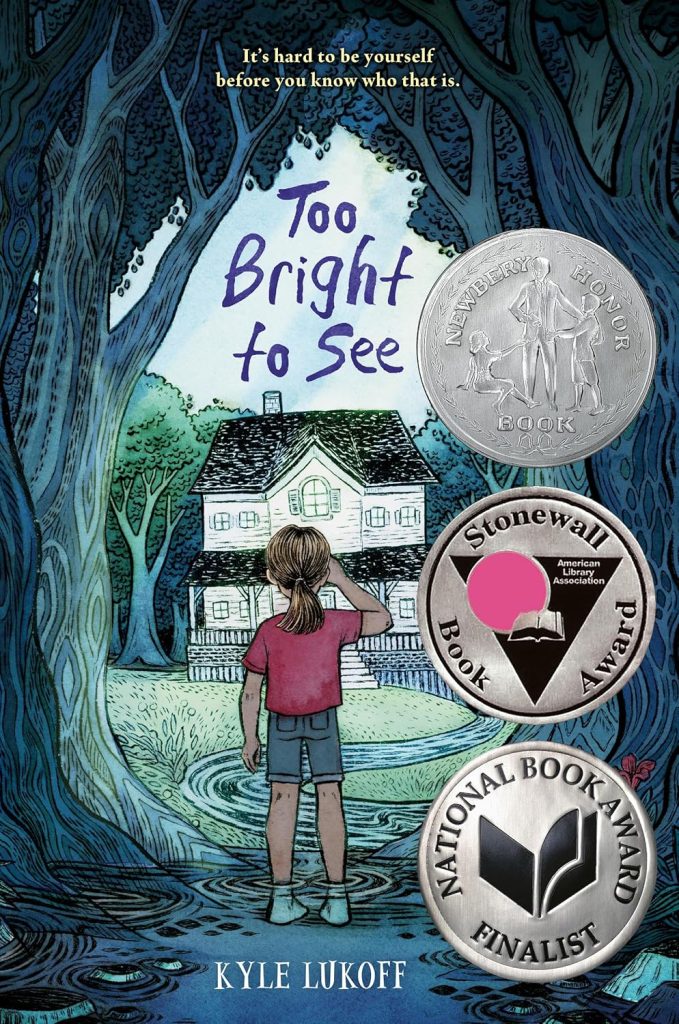
| born | Kyle Lukoff | A renowned contemporary American children’s author and digital librarian (1984). Her masterpiece, *Too Bright to See*, a portrait of a group of children directly confronting the growing pains of childhood and blending fantastical elements with profound social concerns.Too Bright to See) won 2022 Newbery Silver Medal. | Kyle Lukoff |
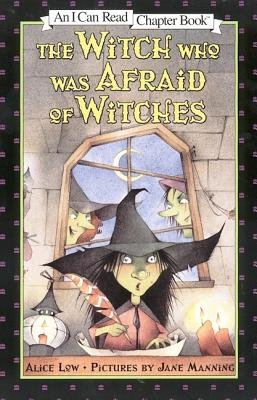
| born | Alice Low | A renowned American novelist and anthology editor (1926–2012). His representative work is *The Little Wizard Who Was Afraid of Wizards*.The Witch Who Was Afraid of WitchesWith an extremely novel and humorous unconventional narrative, it cleverly explores children’s self-acceptance and awakening of power within groups and families. | Alice Low |
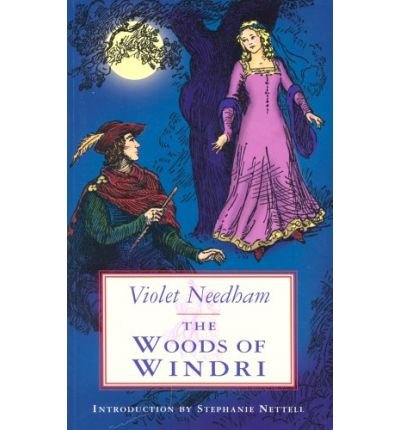
| born | Violet Needham | A prolific British female historical fantasy novelist for children in the first half of the 20th century (1876–1967). She excelled at weaving grand, fictional medieval historical adventure epics filled with court intrigue, chivalrous youth, and class struggle, her most famous work being *Wendre Forest*.The Woods of WindriIt was included in “1001 Children’s Books”. | Violet Needham |
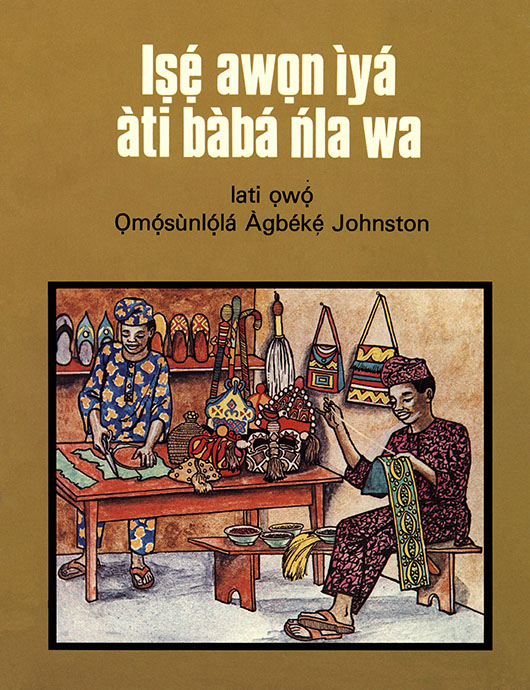
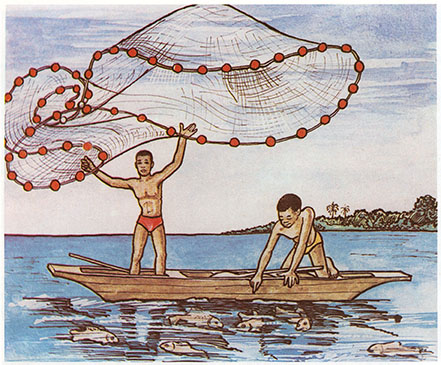
| born | Charles Ohu | A renowned Nigerian visual artist and illustrator (1941). His notable works include the Nigerian folk art book, *The Work of Our Ancestors*.Isé awon íyá áti bábá ńla waIllustrations drawn by [author’s name], full of West African sculptural aesthetics and the dynamism of the wilderness, won [award/title]. 1985 BIB Plaque. | Charles Ohu |
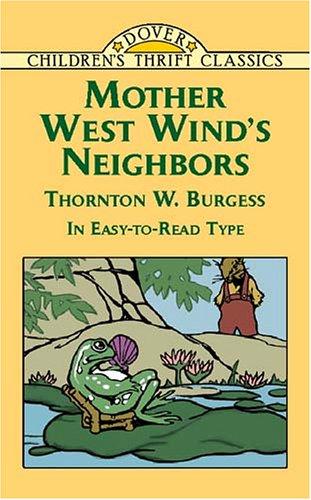
| Death | Thornton W. Burgess | A prominent early American conservationist nature novelist and pioneer of radio storytelling (1874–1965). He wrote tens of thousands of bedtime stories throughout his life, skillfully using anthropomorphic and warm language while strictly adhering to animal ecology to depict the wilderness. His representative work is *Mother West Wind’s Neighbors*.Mother West Wind’s NeighborsIt has been popular throughout the United States for more than half a century. | Thornton W. Burgess |