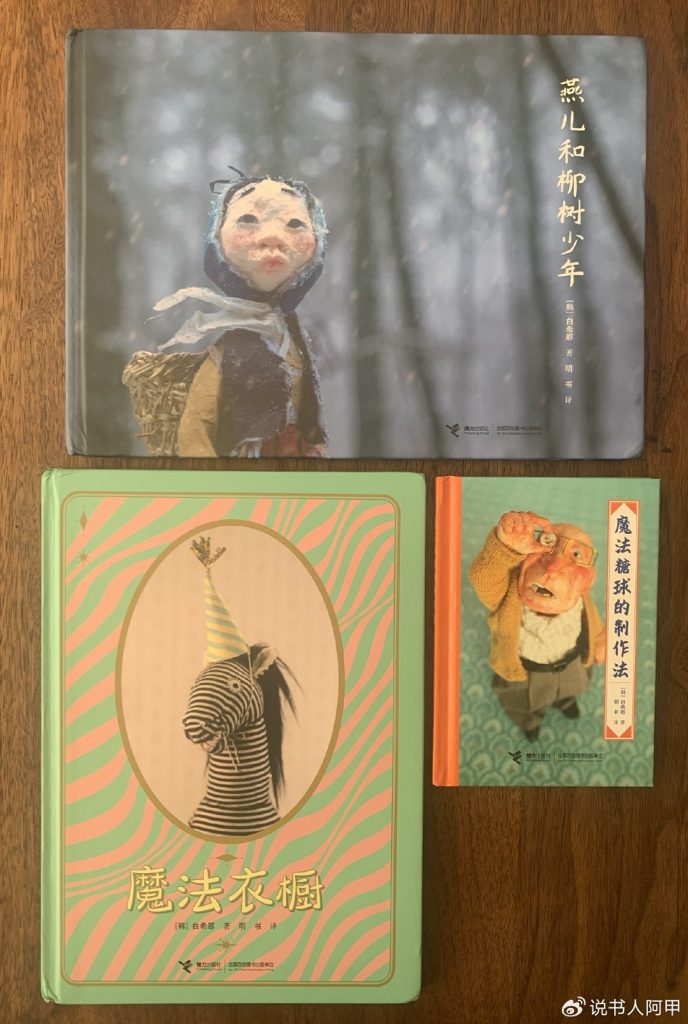
When I was invited to write book reviews for Baek Hee-na’s three latest picture books (How to Make Magic Sugar Balls, The Magic Wardrobe, and The Swallow and the Willow Boy), I couldn’t help but review the words I had written for her and her works.
It was first written on January 5, 2007 for her debut album “Cloud Bread”.Because of cloud bread, they lived happily ever after…;
On August 23, 2016, after nearly a decade of inexplicable silence, she came to Beijing with her new book, The Fairy in the Bathhouse, to meet Chinese readers. I had the honor of hosting that meeting.She also shared the story behind her creation on Weibo that day.;
Later, when her works were published in a collection, I wrote a review on September 1, 2019.Searching for an Ideal Home in the World of Picture Books;
One year later, on August 4, 2020, I was finishingA Brief History of Picture BooksI wrote a supplementary article, “Baek Hee-na: Rising from the Lows to Soaring to the Top,” as a grand finale to that fascinating storytelling history of the genre. That year, she had just won the International Lindgren Memorial Award (a prize of 5 million Swedish kronor, approximately 4 million RMB), becoming the first female Asian picture book artist to win the highest international children’s book award! Actually, I also had a personal motive. She is my contemporary, and her tireless struggle and growth story are particularly inspiring and motivating to me.
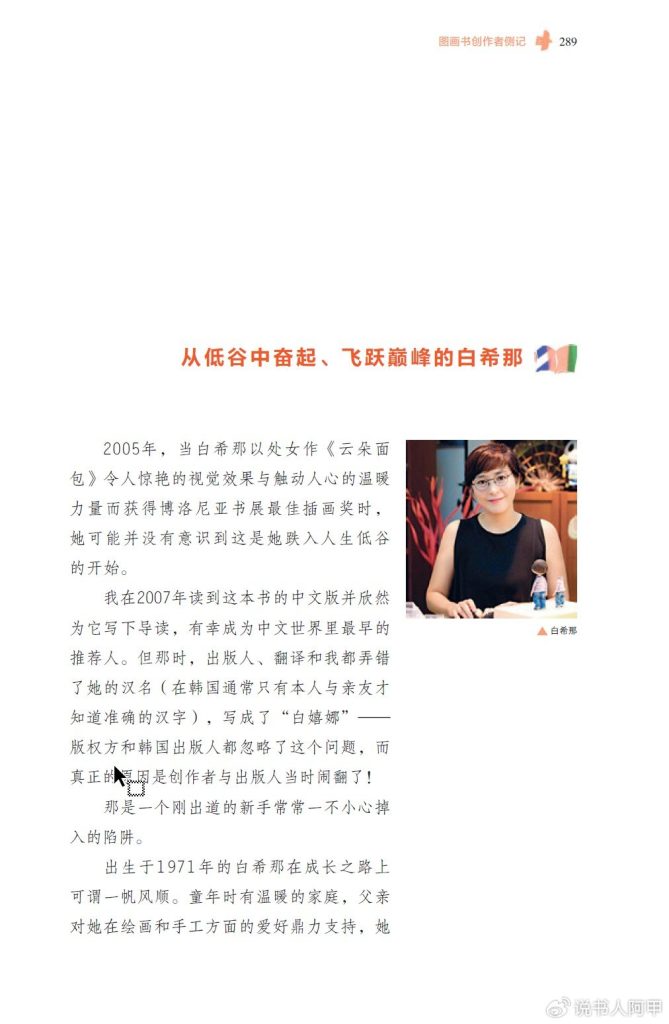
Precisely because of my long-standing interest in her work, I couldn’t help but feel a surge of excitement when I read her three new works. I couldn’t resist emailing my editor to express my heartfelt admiration and congratulations. I know that it’s truly remarkable for someone to continue to grow after achieving top accolades. These three works not only maintain the artist’s original standards but also seem to offer some breakthroughs. They also appropriately borrow elements from her past and possess a touch of humor (a rare achievement for a relatively reserved Eastern artist). Why? Let me explain.
A unique artistic imprint: a culmination of miniature theatre and sensory feast
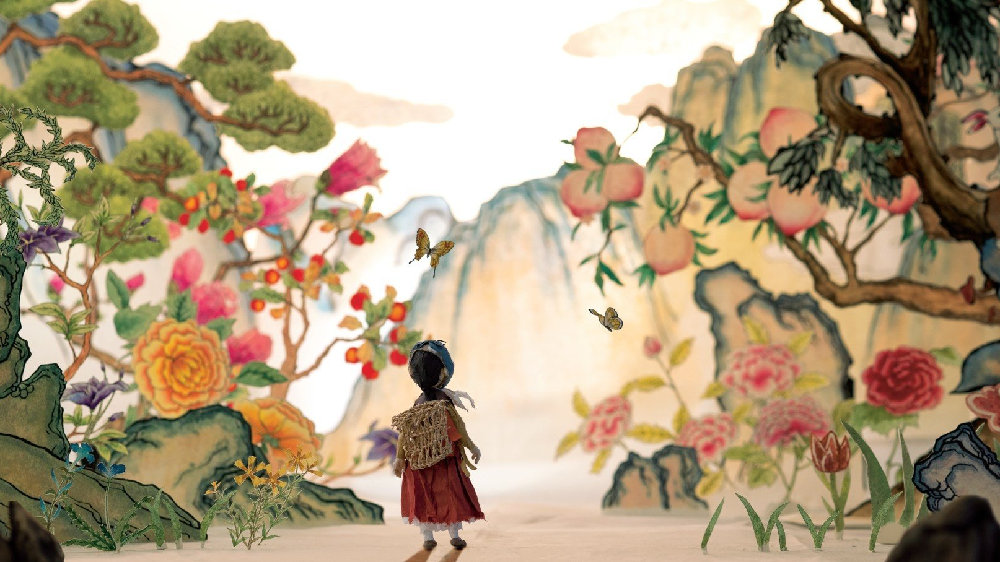
Baek Hee-na’s picture books are internationally renowned for their unique artistic expression. She combines handmade puppets with photorealistic model photography to create a signature “miniature theater” effect. This multi-media aesthetic permeates nearly all of her work, and is further enhanced and innovated in her new works. With the meticulous attention to detail of an animated film, she personally crafts every character, prop, and setting—from the tangible bread of “Cloud Bread,” the authentic bathhouse backdrop and nude details of “Fairies in the Bathhouse,” to the meticulously sewn miniature costumes and props of “The Magic Wardrobe.” This creative approach, which blends diverse techniques such as clay modeling, paper sculpture, fabric collage, and photography, imbues her images with a rich, handmade texture and cinematic intensity, establishing the artist’s distinctive and instantly recognizable style.
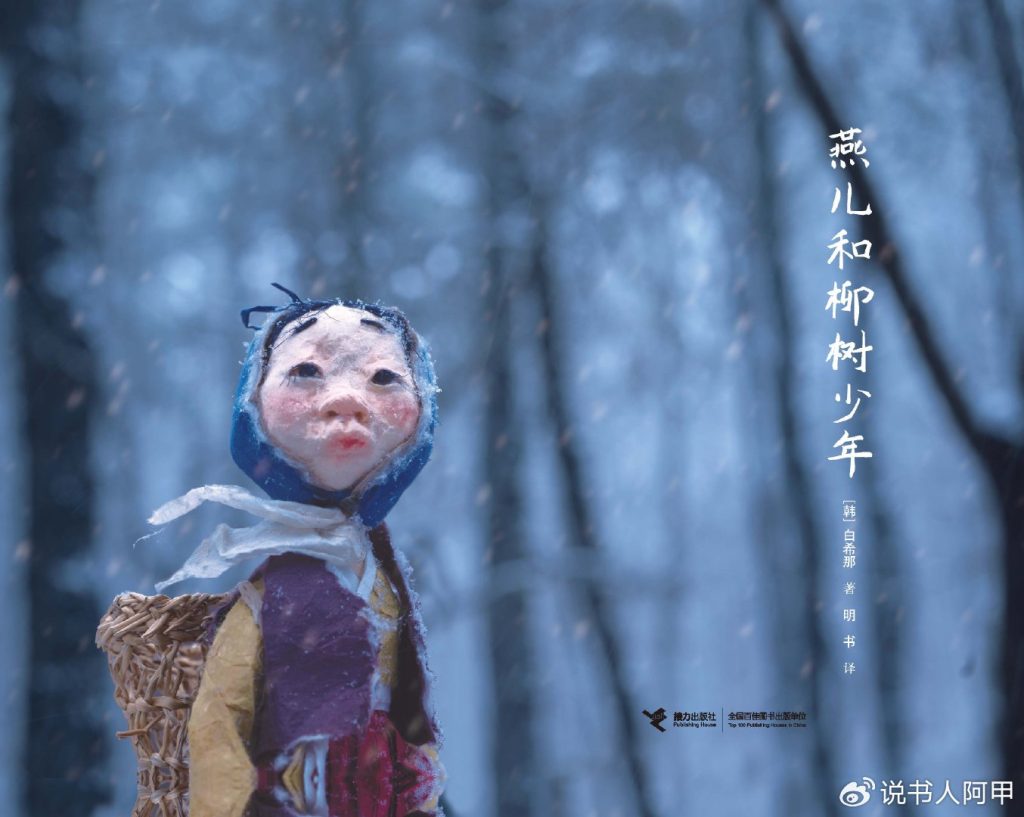
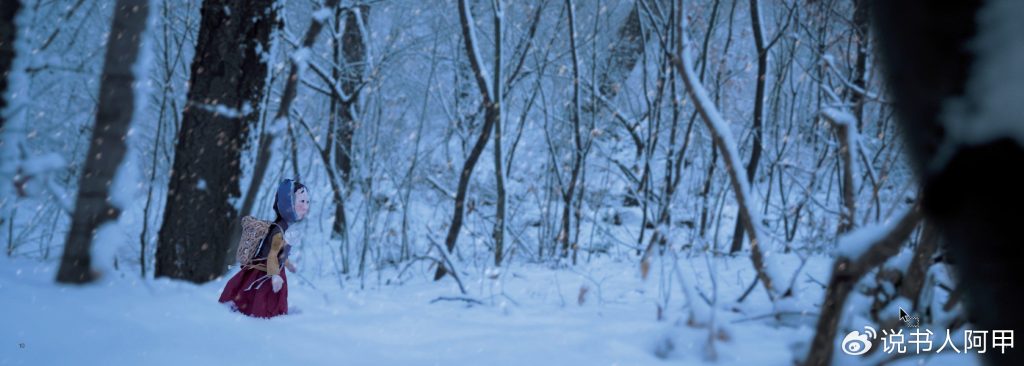
To capture the ideal snowy landscape in “Swallow and the Willow Boy,” she personally traveled to the mountains of Gangwon Province and near Seoul, South Korea, capturing images of the snowy landscape with a bluish-purple hue, creating a chilling atmosphere. The characterization of Swallow’s face, with its frost-cracked, reddened skin and fine hairs, is clearly visible. The old woman’s features—deep wrinkles, prominent cheekbones, and downturned mouth—demonstrate a harsh and cruel character. The willow boy and Swallow, a boy and a girl, yet their “twin” appearances suggest a deep inner connection. She even boldly and directly depicts the cruelty of the old woman setting fire to the willow boy, reducing the cave to ash. This unabashed portrayal of the dark side heightens the story’s tension and emotional impact. These subtle visual elements allow the images themselves to vividly convey the characters, the story’s conflicts, and the emotional dynamics, achieving the effect of “silence speaks louder than words.”
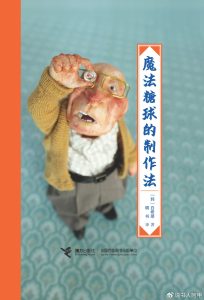
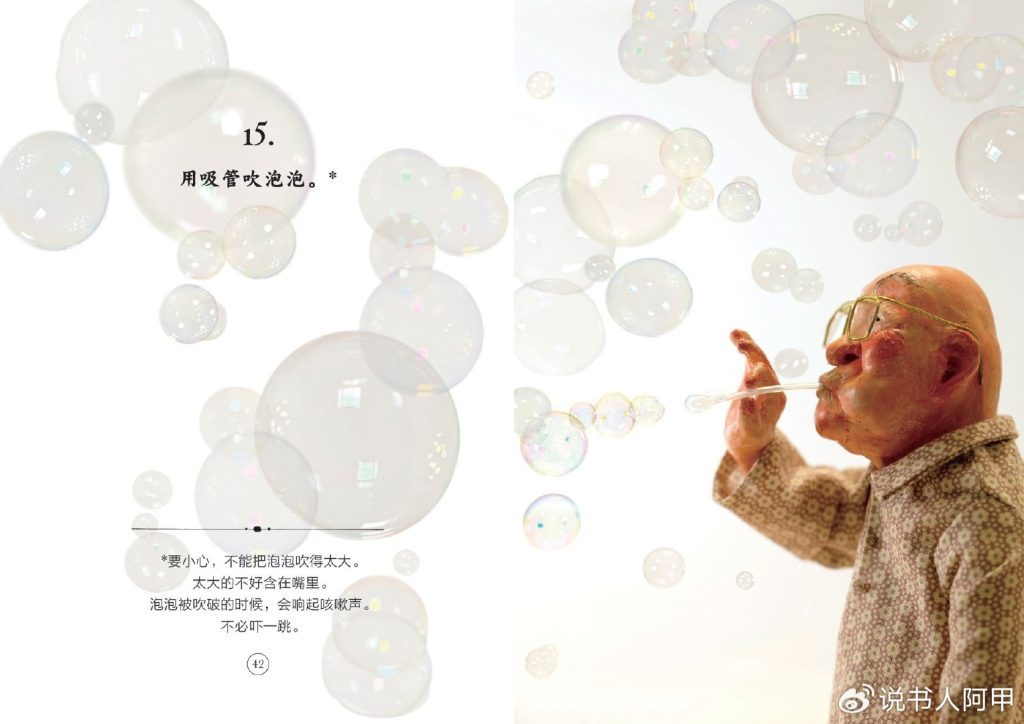
In “How to Make Magic Candy Balls,” the use of light and shadow is crucial. An old man makes candy balls on a starry night, collecting the starlight in a pot of water and condensing dreamy colors with bubbles blown from a straw. Light itself becomes part of the plot, symbolizing spiritual purity and the light of hope. The precise depiction of clothing colors and textures in “The Magic Wardrobe” creates a highly synergistic effect between image and text. The exquisite coordination of costumes and characters demonstrates a level of skill and taste comparable to that of a professional fashion designer! Baek Hee-na’s obsession with precision is almost paranoid. For example, the cover of “The Fairy in the Bathhouse” features a flawed finger, the length of which caused her to consider scrapping and remaking it. It is this meticulous attention to detail that makes her work such a memorable visual feast.
Sublimation of the theme: Awakening of inner strength
If all of Baek Hee-na’s works always contain the main colors of warmth and hope, then these three new works have achieved a significant sublimation in the depth of the theme. They are modern fables that particularly emphasize “the awakening of inner strength” and “self-healing.”
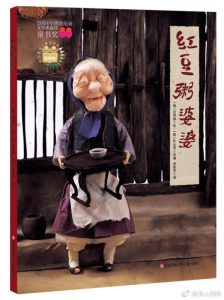
Early in her career, Baek Hee-na collaborated on adaptations of folk tales like “The Red Bean Porridge Granny,” largely adhering to the traditional framework of “weak forces working together to overcome the strong.” In “Swallow and the Willow Boy,” she skillfully reframes the theme of a traditional Korean folk tale. The story transcends a simple admonition to good and punishment for evil, or a Cinderella-esque story of passively awaiting a benefactor, becoming a pure fairy tale of self-growth and overcoming inner fears. She blurs the stereotype of the traditional stepmother, recasting her as an “old woman” who can be embodying any difficulty or oppression that hinders the protagonist’s growth. The willow boy is also redefined as a figure resembling Swallow, symbolizing Swallow’s “inner masculinity” or “alter ego,” the embodiment of his inner strength. Thus, Swallow’s plight isn’t rescued by external forces, but rather, through an encounter with this “alter ego,” a hidden courage and independence unleashed within her.
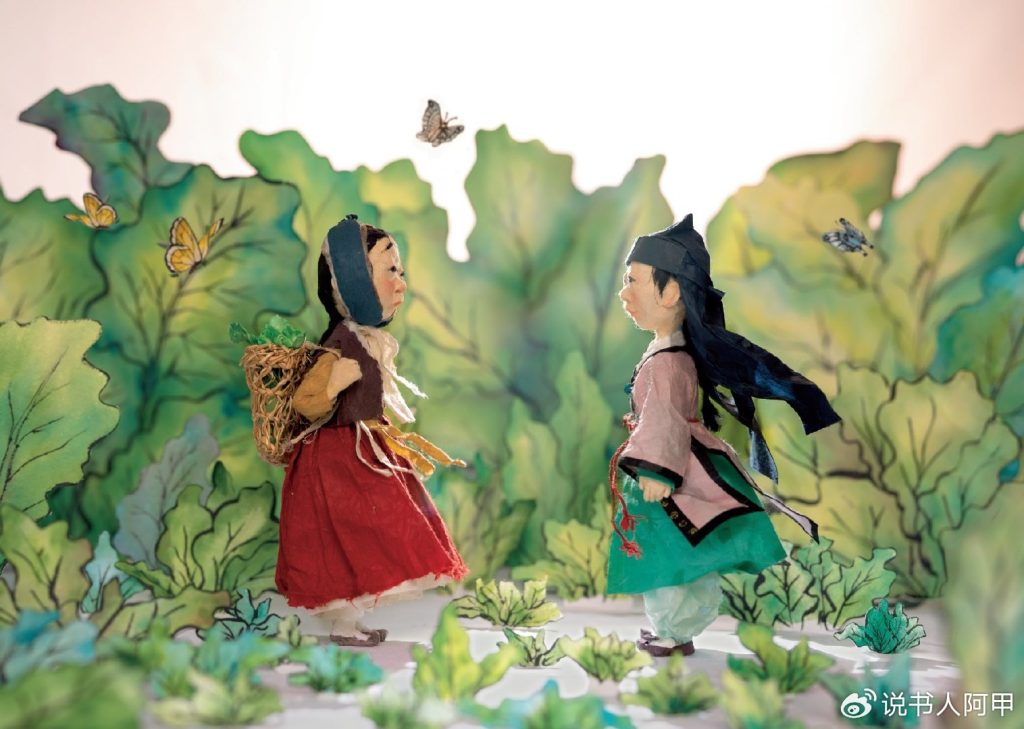
The ending of the story is particularly interesting. The old woman “may” simply grow old and lonely with the passing of time. This approach eschews “revenge” and instead embodies a kind of forgiveness or transcendence of evil. Yan’er overcomes the bitter cold and darkness with her own courage and perseverance, ultimately ushering in spring, making it a “pure coming-of-age fairy tale.” Notably, Baek Hee-na herself revealed that during a difficult period in her life, she drew immense comfort and courage from the original folk tale, which sparked the idea for this book. Yan’er’s courage may reflect the author’s own experience overcoming the harsh winters of life and maintaining a strong momentum for growth, enhancing the work’s emotional depth and healing power.
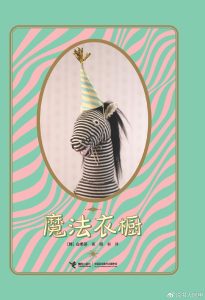
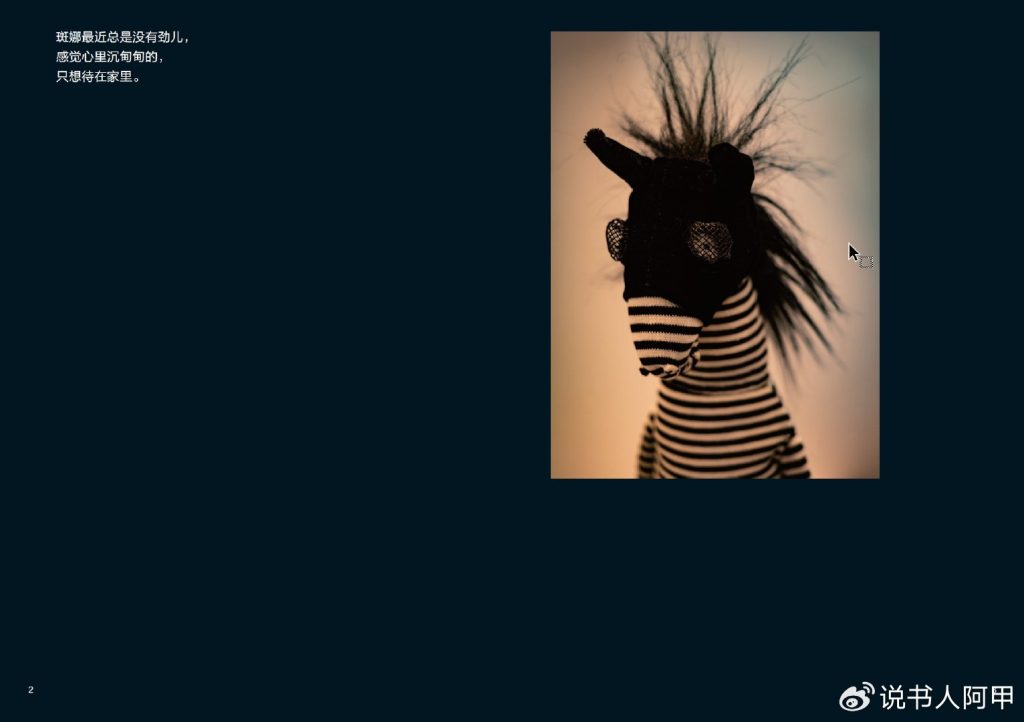
“The Magic Wardrobe” further focuses on individual emotional healing and self-care. The story revolves around Banana, a zebra girl who is depressed and stays at home. The “eye mask” she wears may be a sign of social anxiety or avoidance, or it can be seen as a “horse racing eye mask”, suggesting the state of modern people excessively pursuing goals and neglecting their inner needs. The magic wardrobe is not an overnight antidote, but a transitional method to help her gain different life experiences. It encourages Banana to gradually achieve inner change and emotional repair through daily changes of clothes, tidying up the room, going out, interacting with others, and immersing herself in nature… and ultimately learn to accept her true self. The work emphasizes that daily self-care is the real magic. Baek Hee-na wants to convey: “Tomorrow when you can start over is a beautiful gift.” She encourages readers (and probably herself): “Cherish every day and cherish your unique self.”
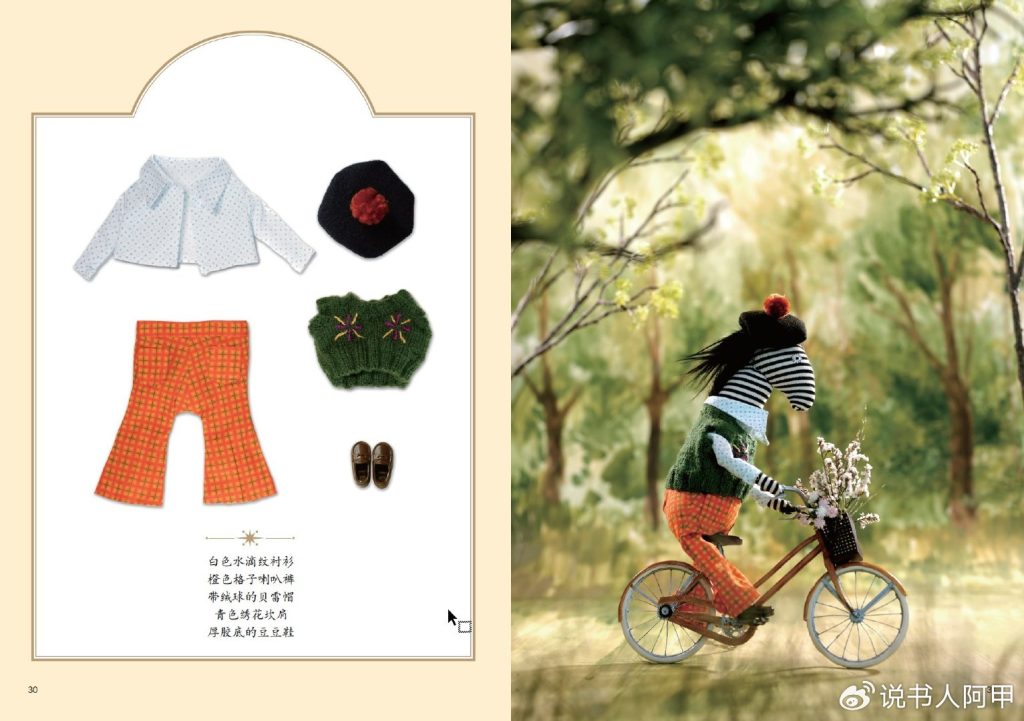
The original title of “The Magic Wardrobe” was actually “Happy Birthday.” The story culminates on Banana’s birthday, where the plot takes a surprising turn: the once enchanted wardrobe suddenly contains only a birthday hat! However, driven by a powerful wish, Banana transforms into a soaring unicorn (a long-held dream, as evidenced by her wall murals and phone screen backgrounds). Only to be shattered by a sudden downpour. This ingenious plot arrangement provides a complete emotional journey, transitioning from daydreamy magical imagination to the reality of everyday life. While there’s a touch of self-deprecation, there’s no sense of dejection or offense. After regaining some warmth in reality, Banana suddenly “remembers her old, yet precious, and comfortable ice skates” and drifts off to sleep… Waking up, the sun will rise again tomorrow.
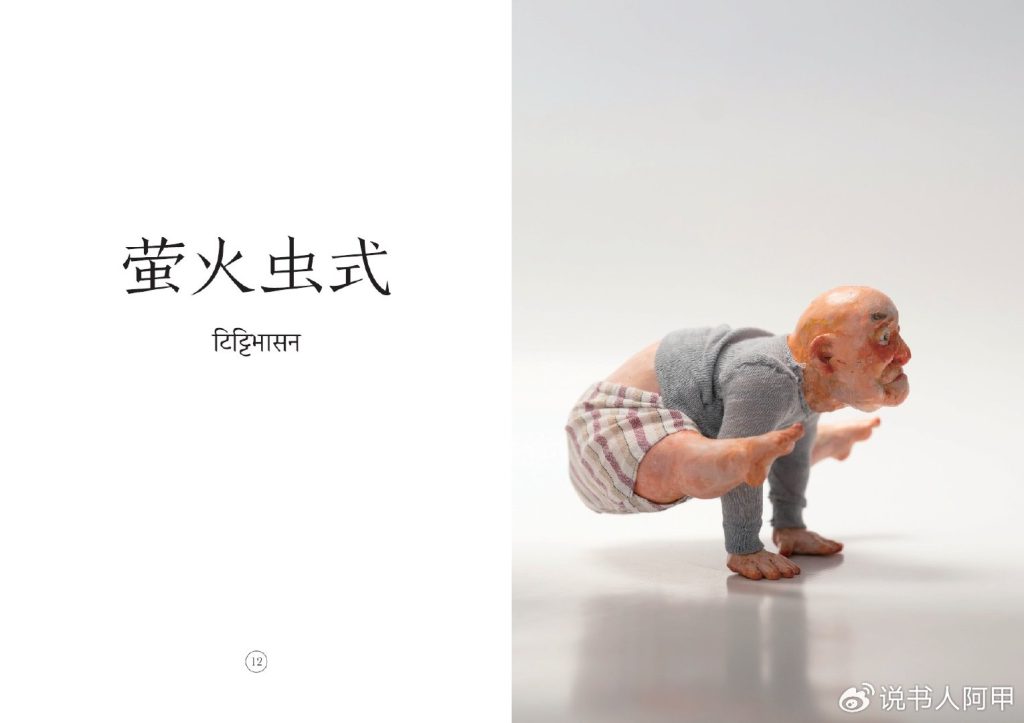
“How to Make Magic Sugar Balls” is a clear sequel to “Sugar Balls,” exploring the inner power of interpersonal understanding and empathy. It further delves into the philosophy behind the magic sugar balls, which “can hear the voice of the heart,” and emphasizes the true meaning of a “pure mind”—transparency, cleanliness, lightness, and sincerity. Only with a clear mind can one truly perceive the world, discover their true selves, and possess the courage and wisdom to listen and express their true feelings. The square-spectacled old man in the stationery store in “Sugar Balls” is revealed to be a hidden yoga master and a guide with extraordinary powers and wisdom, offering comfort to troubled children. This humorous “extra” sketch contains wisdom about self-cultivation, which may require “waiting until age 67 to revisit it” to truly understand!
Narrative Innovation: Building an Interconnected “Baishina Universe”
Judging from Baek Hee-na’s new works, she is no longer satisfied with improving a single story, but is more willing to cleverly construct an interconnected “Baek Hee-na Universe”, linking multiple works through a unique “derivative character perspective to expand the story” strategy.
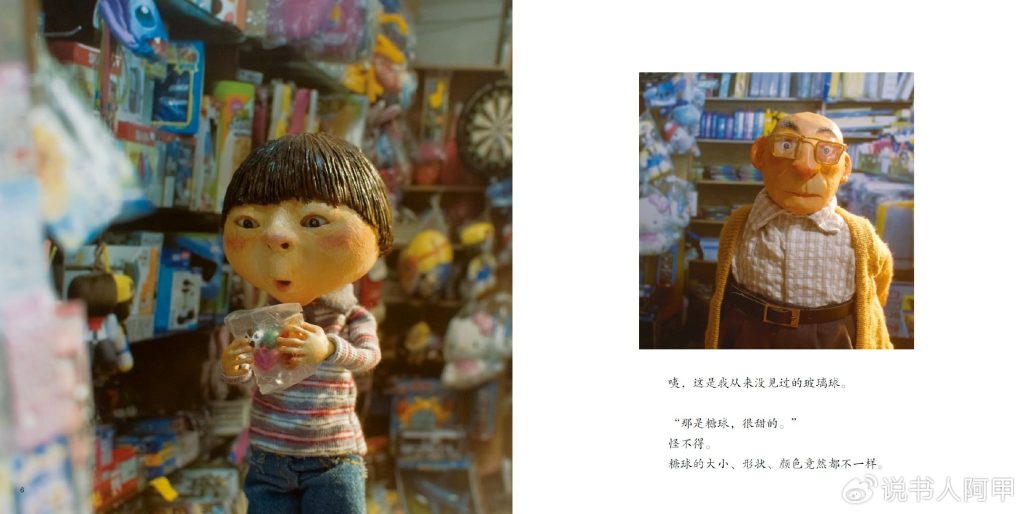

For example, “Magic Candy Ball Making,” “Candy Ball,” and “I Am a Dog” together form the warm and fantastical “Candy Ball Universe.” The prequel, “I Am a Dog,” tells the first-person perspective of the puppy Zhuzhu, describing her daily life after arriving at Dongdong’s home. While devoid of fantasy elements, it uses humor and warmth to capture the human-pet friendship and the meaning of companionship. The subsequent “Candy Ball” picks up where Zhuzhu left off, depicting Dongdong connecting with his surroundings through magic candy balls. “Magic Candy Ball Making,” a side story, reveals the magic candy ball making process and the grandfather’s “true” identity, further strengthening and enriching the character relationships throughout the series. This contrasting plot provides readers with moments of sudden realization, adding depth and warmth to the original story.
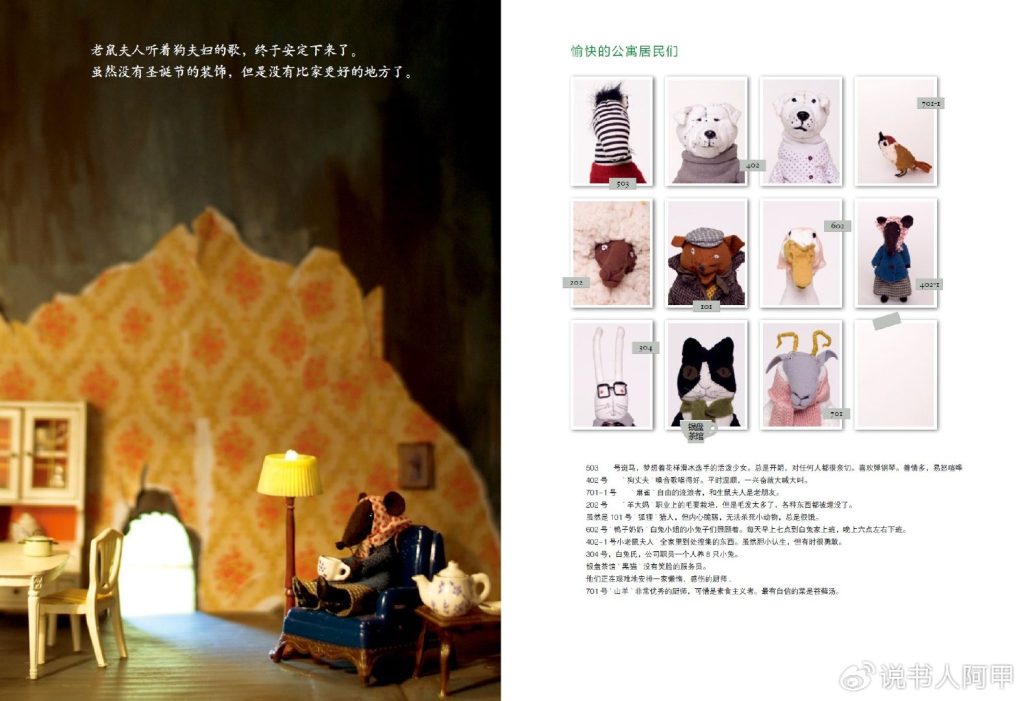
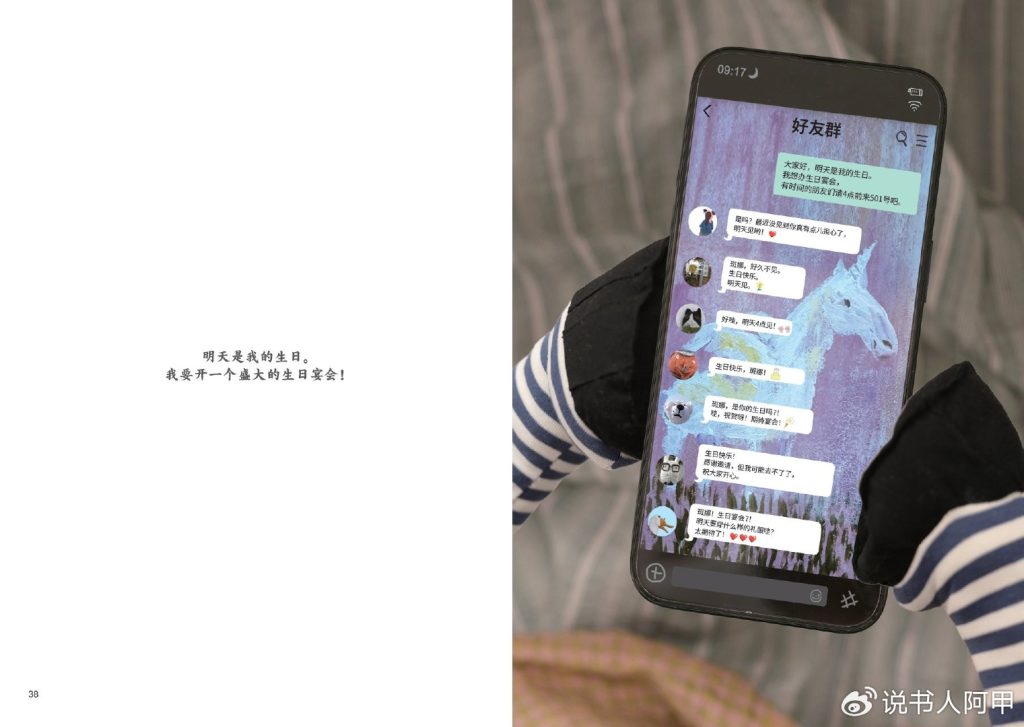
Similarly, “The Magic Wardrobe” shares close ties with “Last Night,” originally published in 2010. The protagonist, Ban Na, is the resident of Apartment 501 in “Last Night.” Perhaps “The Magic Wardrobe” can be considered the beginning of the “Apartment Series.” At the Silver Plate Tea House where Ban Na goes for afternoon tea, Yuna the Duck is likely the Duck Lady from Apartment 304; the black cat who once delivered chocolate cake to Apartment 701 still works at the Silver Plate Tea House; and among the friends group Ban Na posted about her birthday party, most are clearly neighbors of the same apartment building (interested readers can compare them one by one). The interplay of characters and settings offers readers familiar with her work a kind of “series Easter egg”-like discovery. This method of presenting stories from different perspectives within a familiar setting demonstrates Bai Xina’s innovative and groundbreaking narrative structure. We can expect to read more of these expanded stories in the future.
Baek Hee-na’s three new books, “How to Make Magic Candy Balls,” “The Magic Wardrobe,” and “The Swallow and the Willow Boy,” once again demonstrate her unique ingenuity in storytelling, thematic conception, and visual artistry. With her striking multimedia aesthetic, modern interpretations of traditional stories, and profound insights into the inner world of individuals, she continues to push the boundaries of picture books. She demonstrates that it is possible to balance fidelity and creativity. Her works are not only a brilliant commentary on her own creative path, but also a powerful example of how traditional stories can be revitalized in the modern era. The stories within and beyond her books also remind us that in the cold winter of life, by facing our fears and tapping into our inner potential, we can usher in our own spring.
Ajia, Written in Beijing on July 31, 2025