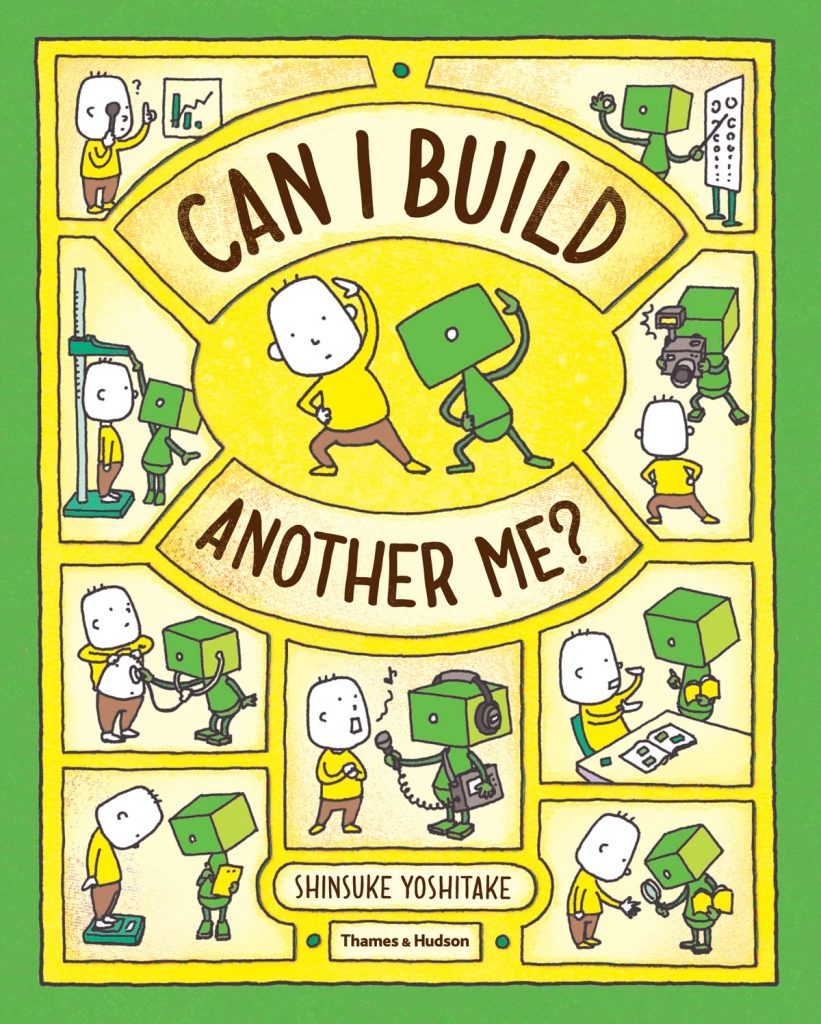
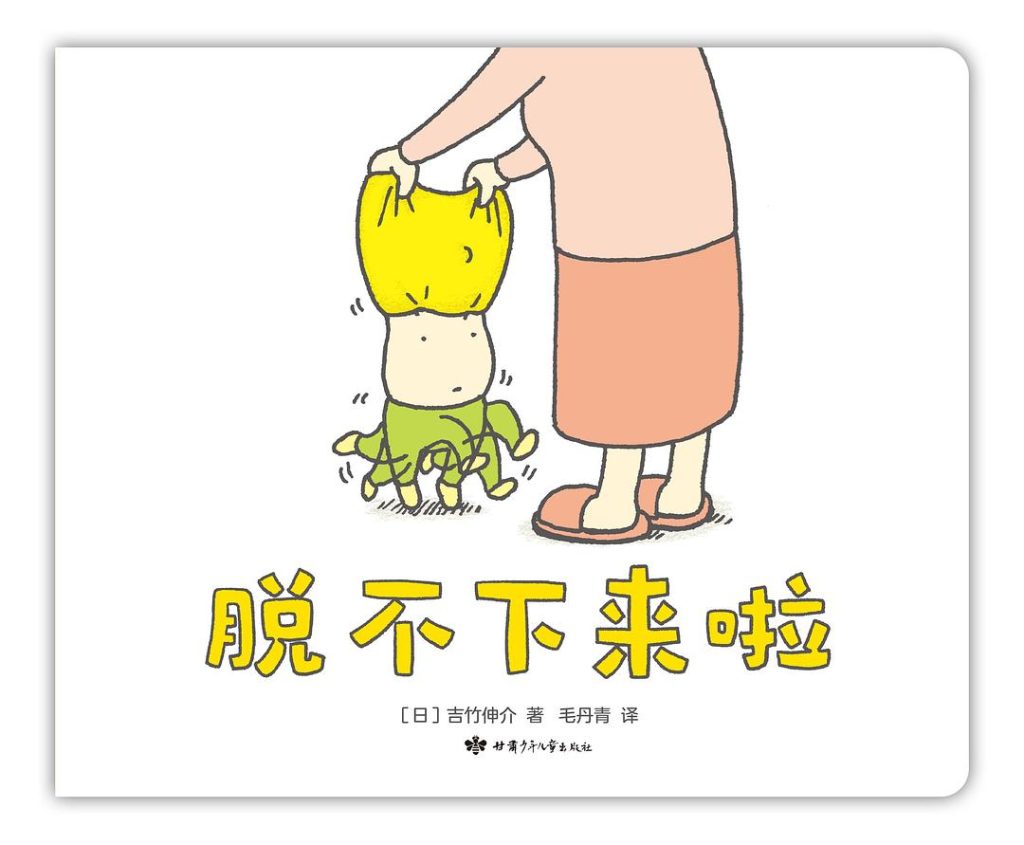
🎂 1973 — Born: Shinsuke Yoshitake
He is one of Japan’s most sought-after and phenomenal picture book authors, illustrators, and 3D modelers (1973). He is a genius in the 21st-century Asian picture book world who subverts traditional narrative paradigms and transforms profound “existentialist philosophy” into children’s daily play through extremely concise and adorable little figure sketches.
- A timeless masterpiece:
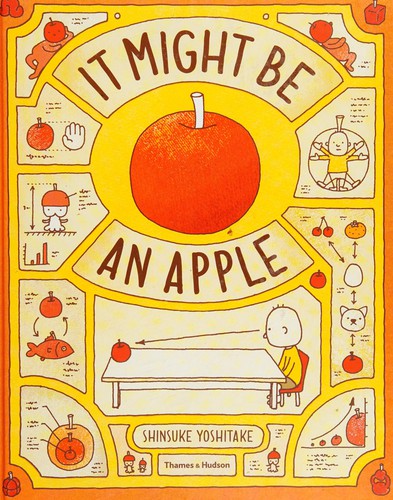
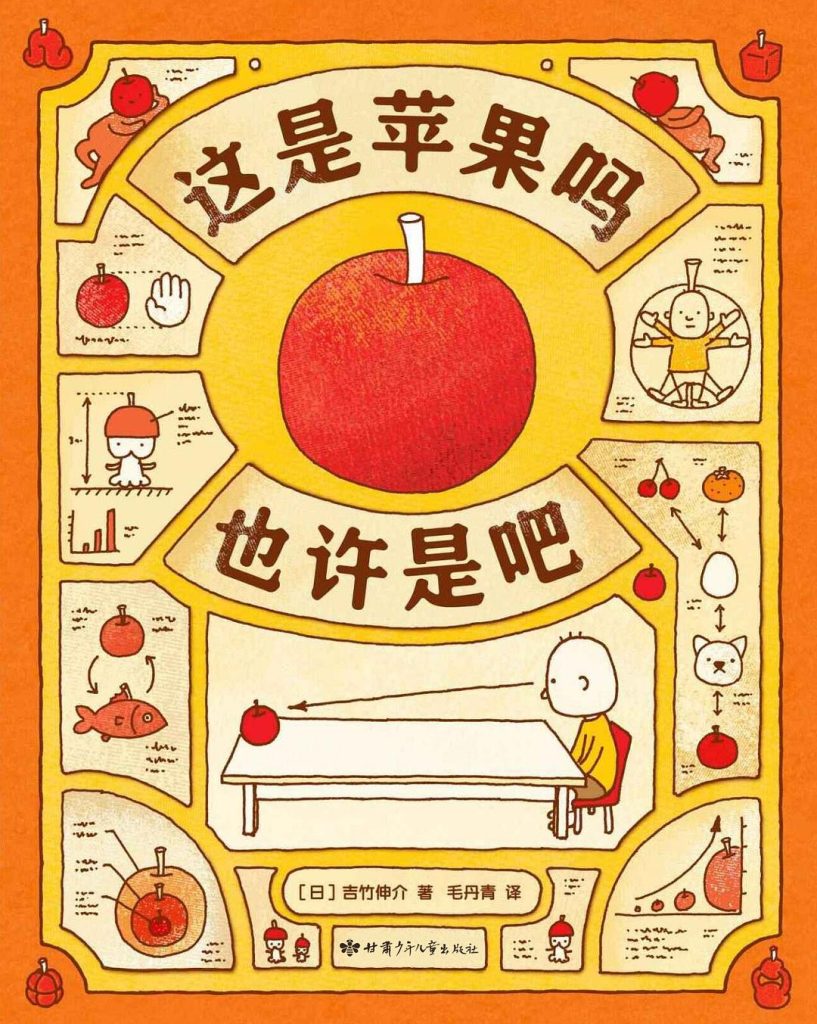
- Is this an apple? Maybe. (It Might Be an AppleHis debut and breakthrough picture book established his visual throne as the king of “divergent thinking” picture books.
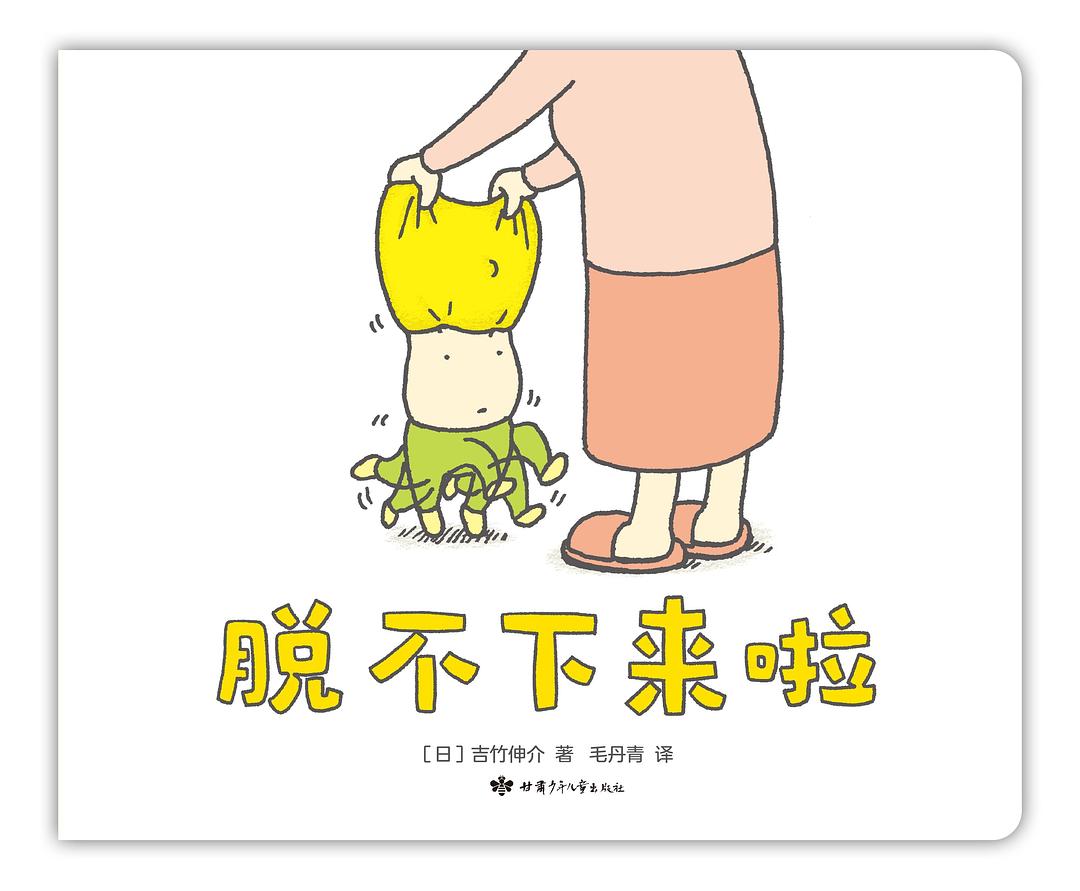
- Key representative works:Make a robot and pretend it’s me (ぼくのニセモノをつくるには)、Yes, Yes, Yes Bookstore (あるかしらBookstore)、I can’t take it off! (もうぬげない)、So boring, so boring (つまんないつまんない)。
- Classic philosophical reflections on life and death:What happened next? (このあとどうしちゃおう)。
- Artistic contributions: Shinsuke Yoshitake’s works completely break away from the traditional “moral education” or “sweet fantasy” that picture books carry. He is extremely adept at capturing those seemingly insignificant yet deeply moving moments in children’s daily lives (such as the embarrassment of not being able to take off one’s clothes, or the boredom of being bored). With an extremely tolerant, self-deprecating, and sophisticatedly dry humor perspective, he not only helps children release their daily psychological anxieties but also provides all of humanity with an ultimate healing solution: “seeing the world from a different angle.”
| Birth | Shinsuke Yoshitake | Shinsuke Yoshitake (Wikipedia) |
⚰️ 2014 – Passed away: Frances Foster
A leading female editor and outstanding publisher in the history of modern American children’s literature (1924–2014). She was the most dazzling “spiritual totem” and mentor behind countless world-class literary myths of the golden age of 20th-century English children’s books. (Note: June 11th recorded her birthday; today is the anniversary of this legendary mentor’s death.)
- Highest Honor: Awarded 2012 Carle Mentor Honoree Lifetime Achievement Award for Outstanding Industry Mentor.
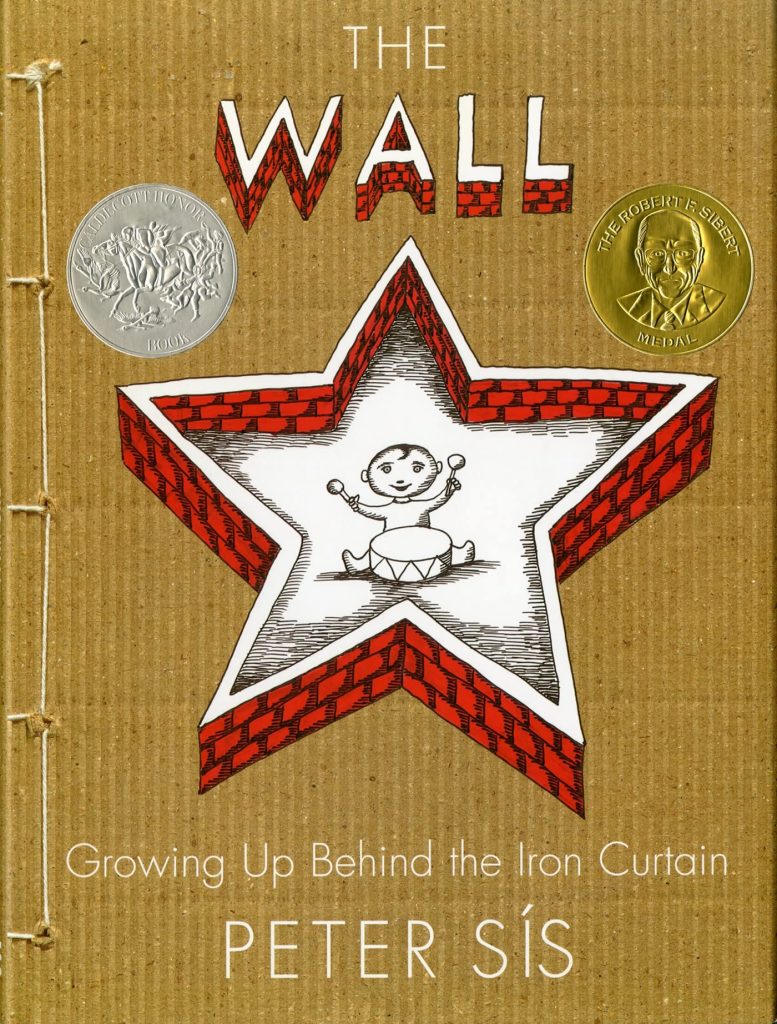
- Master Guardian: Throughout her illustrious editing career spanning over half a century, she nurtured numerous Nobel laureates and Hans Christian Andersen Award-winning authors with unparalleled literary acumen and dignity. She is…Roald Dahl(Roald Dahl)、Leo Nionni(Leo Lionni)、Philip Pullman(Philip PullmanThe core editor of ) and also deeply accompaniedPeter Siss(Peter Sís)andLouis Sachs(Louis Sachar(To polish the soul beacon that creates timeless masterpieces.)
| Deceased | Frances Foster | Frances Foster (Wikipedia) |
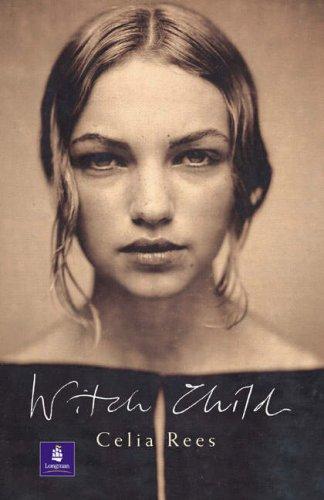
🎂 Born 1949: Celia Rees
A renowned contemporary British female author of historical, suspense, and young adult literature (1949). She is widely recognized as the queen of “new historicist narrative” in contemporary Western young adult fiction, known for her extremely rigorous textual research and strong independent female perspective in examining the dark side of history.
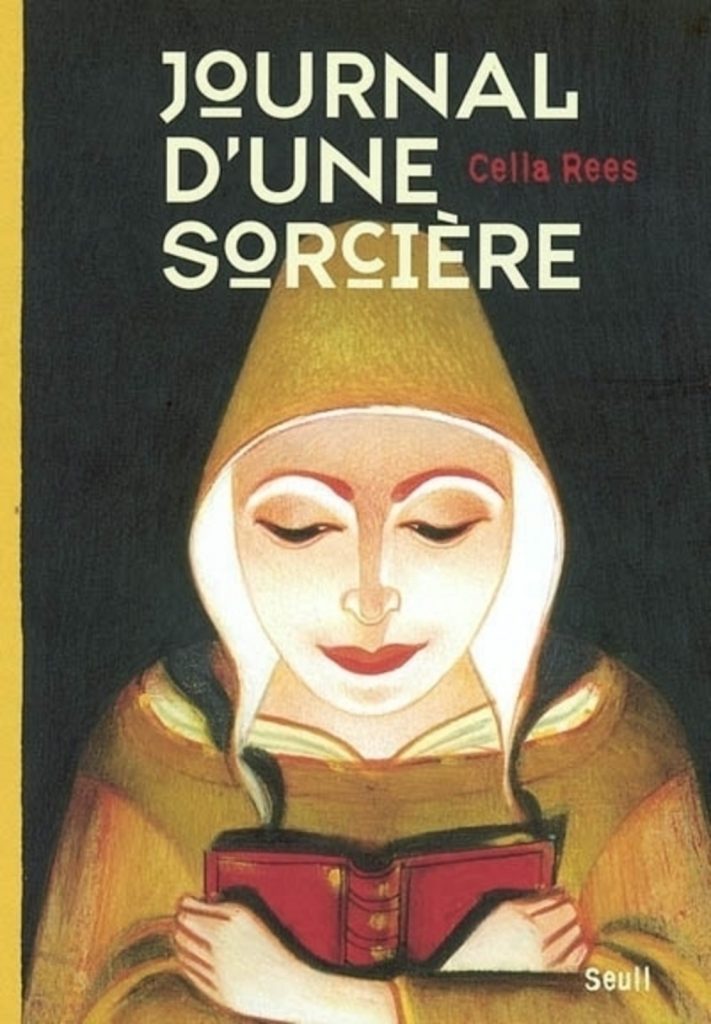
- Supreme Honors and Masterpieces: He won the award for his masterpiece novel “The Witch Child” The highest prize of the 2003 French Prix Sorcières.It was permanently included in “1001 Children’s Books”.
- Immortal masterpieces: The Witch Child (Witch Child French translation:Journal d’une sorcièreThe Witch’s Diary.
- Literary status: Her novel, *The Witch Child*, written in diary form, tells the poignant epic of a 17th-century Puritan girl with independent herbal knowledge, struggling to preserve her historical identity with dignity amidst superstition, extremist fanaticism, and the witch hunts targeting women. Ries’s writing is detached, forceful, and imbued with a profound humanitarian concern for marginalized groups, elevating historical fiction for young adults to a high level of serious political and gender-related reflection.
| Birth | Celia Rees | Celia Rees (Wikipedia) |
🎂 Born 1951: Susi Bohdal
Susanne Bohdal-Lang (1951), an Austrian national treasure-level graphic artist, illustrator, and picture book author, was an extremely important modern classical etching illustrator in the German-speaking world in the late 20th century.
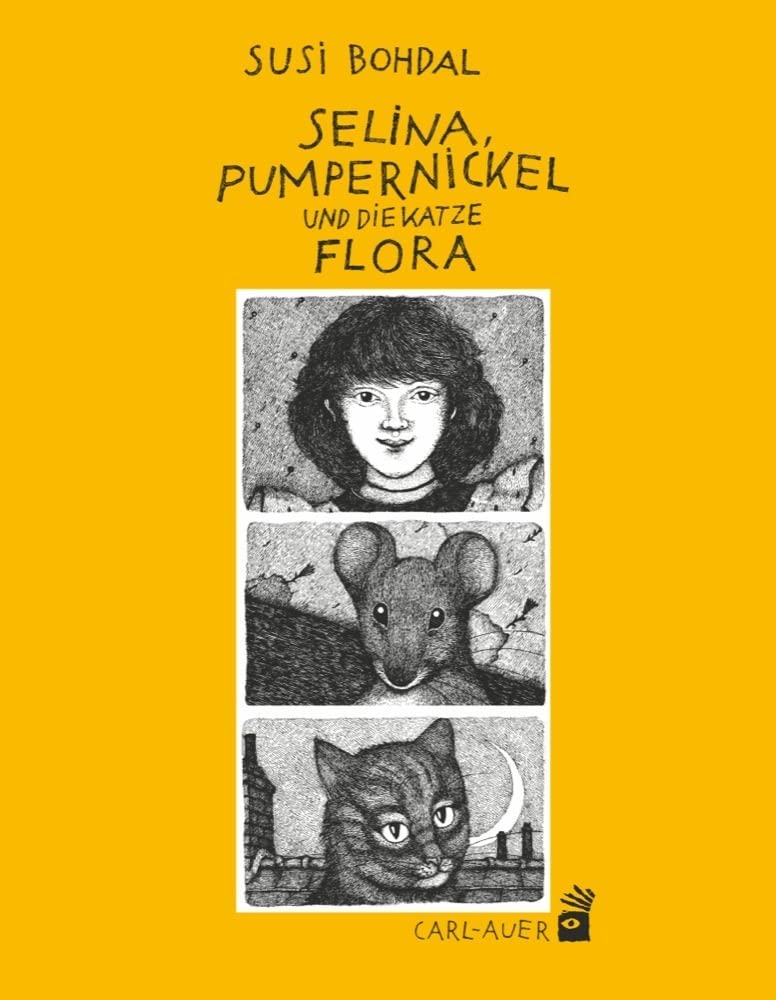
- Highest Honor: With the classic novel “Selina, Pampanick and Flora the Cat”, he won the award at the same time. 1982 German Youth Literature Prize (DJLP) Best Picture Book Awardand Plaque Award, 1981 Bratislava International Biennial of Illustrations (BIB).
- Masterpieces that have stood the test of time: Serena, Pampanick, and Flora the Cat (Selina, Pumpernickel and die Katze Flora)。
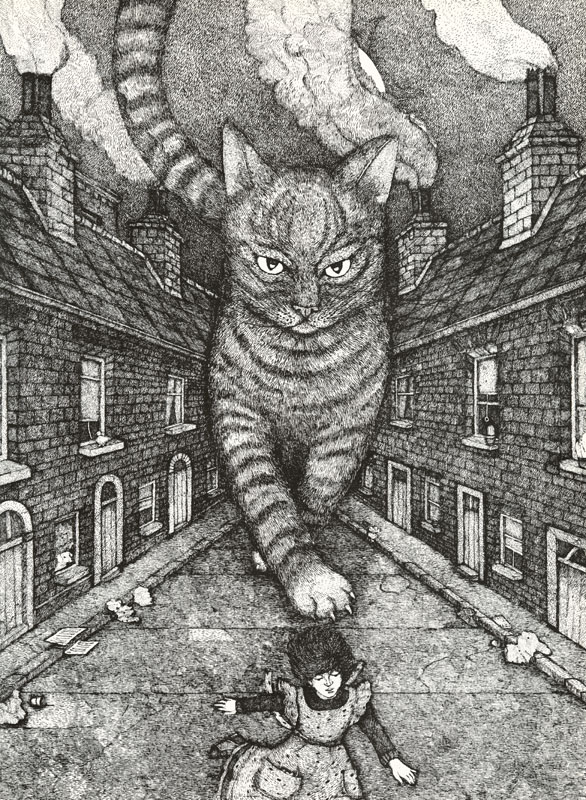
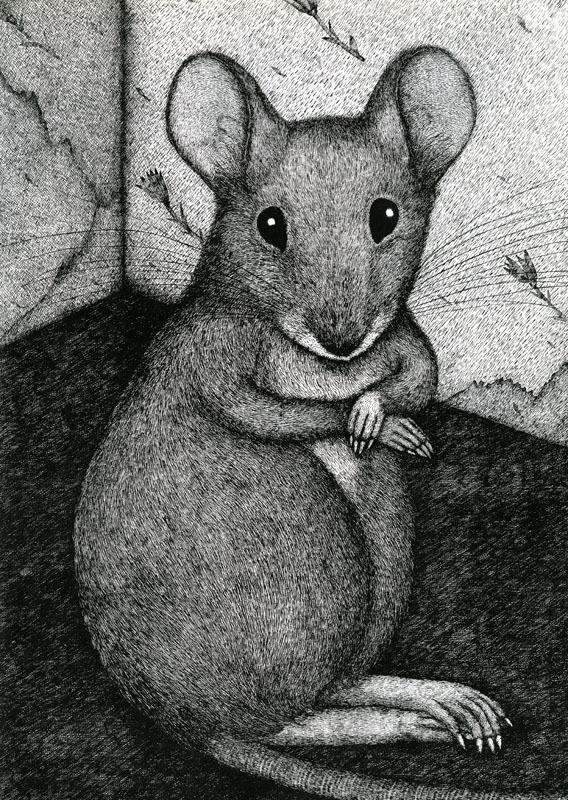
- Artistic Style: Bodal was deeply immersed in the Viennese classical graphic art tradition for many years. She was extremely skilled in using the highly complex and delicate techniques of copperplate etching and pen hatching. Her paintings possessed a dreamlike quality that was unique to the Old World of Central Europe—tranquil, classical, profound, and slightly mystical—causing an intellectual aesthetic upheaval in the international illustration world at the time.
| Birth | Susi Bohdal | Susi Bohdal (Wikidata) |
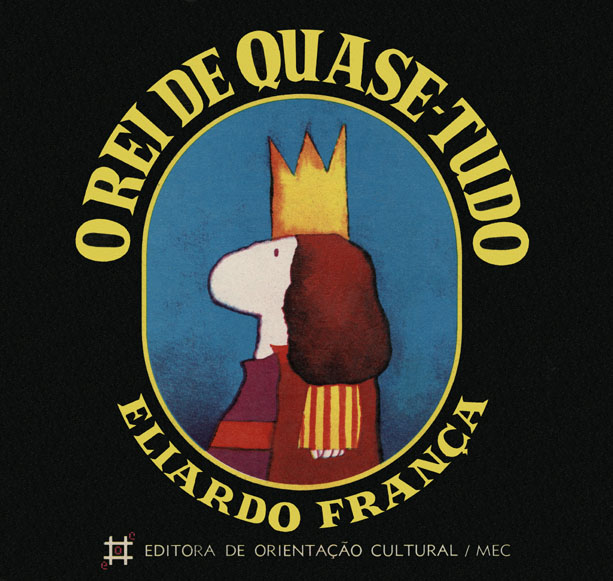

🎂 1941 – Born: Eliardo França
Brazil’s immortal children’s picture book master and graphic artist (1941). He was a pioneering master of the visual context of modern picture books and the modernization of local fairy tales in postwar Latin America.
- International Honors: With his masterpiece “The King Who Has Almost Everything,” which is rich in South American magical realism, he won the award. Honorary Mention at the 1975 Bratislava International Biennial of Illustrations (BIB).
- Representative works: The King Who Had Almost Everything (O rei de quase-tudo)。
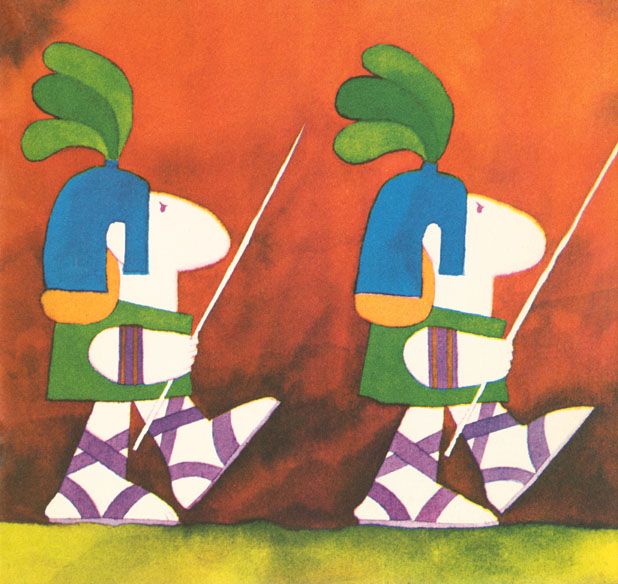
- Visual contribution: Franza’s artwork is characterized by its rich, vibrant colors, brimming with the untamed vitality of the Brazilian countryside. In “The King Who Had Almost Everything,” he uses highly satirical lines, imbued with the tension of a children’s allegory, to deconstruct humanity’s greed and nihilism in the face of power and material possessions, exerting a profound historical and enlightening influence on contemporary picture book creators throughout the Latin American language family.
| Birth | Eliardo França | Eliardo França (Wikipedia) |
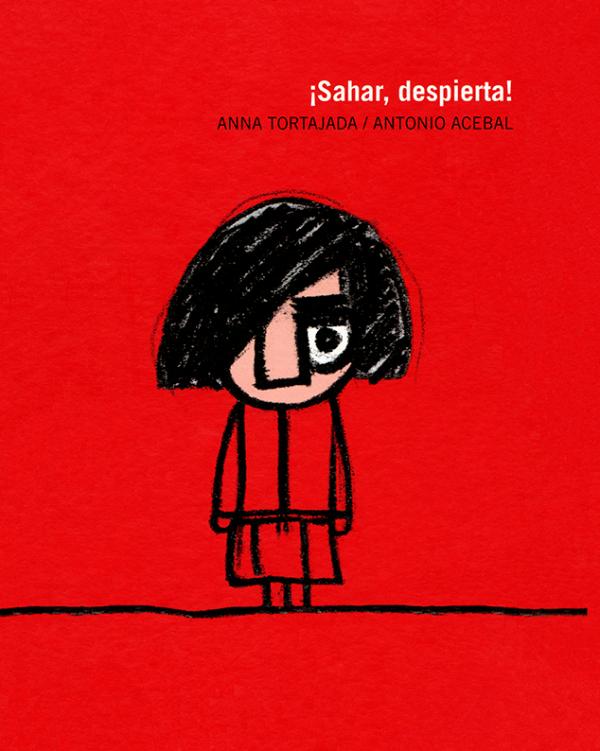
🎂 Born 1960: Antonio Acebal
A renowned Spanish modern graphic artist and illustrator (1960). He is one of the leading visual representatives of contemporary Southern European picture book art, characterized by a strong sense of social realism and Mediterranean humanistic aesthetics.
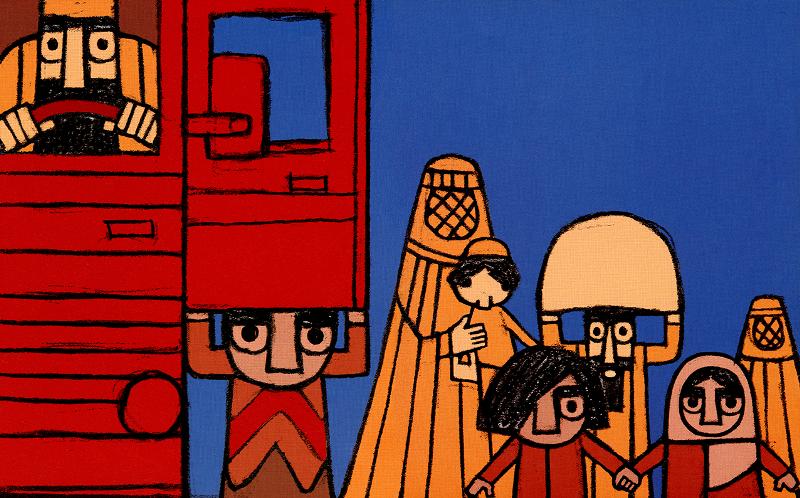
- International highest honor: With his masterpiece “Sahar, Wake Up!”, which directly confronts modern cross-cultural issues, refugee survival, and the inner desires of children, he won the award. Plaque Award, 2003 Bratislava International Biennial of Illustrations (BIB).
- Award-winning representative works: Sahar, Wake Up! (Sahar, despierta!)。
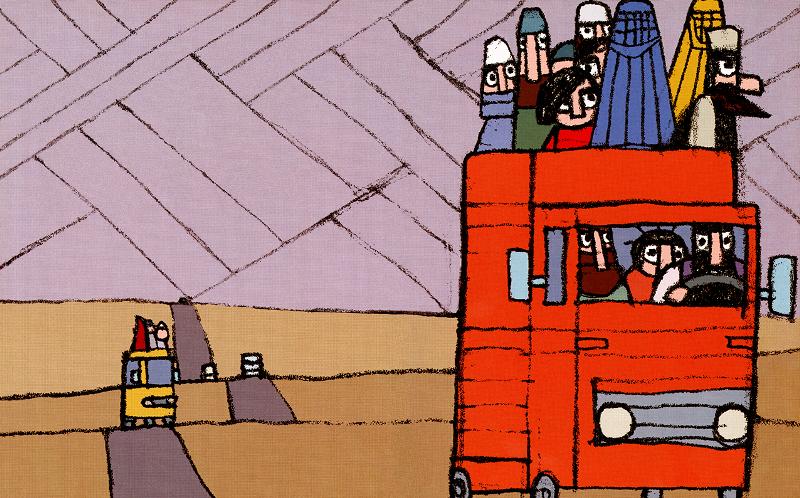
- Visual style: Aseval’s style places great emphasis on the natural textures of watercolor and pastel collages. He excels at using a compassionate, cinematic approach to capture fleeting moments of life in the daily lives of marginalized children and those in exotic cultures. His warm visual language is widely praised in contemporary European intellectual circles.
| Birth | Antonio Acebal | Antonio Acebal (BIB) |
🗓️ Other Important Creator Briefings
| event | figure | Details/Awards | Wikipedia link |
|---|---|---|---|
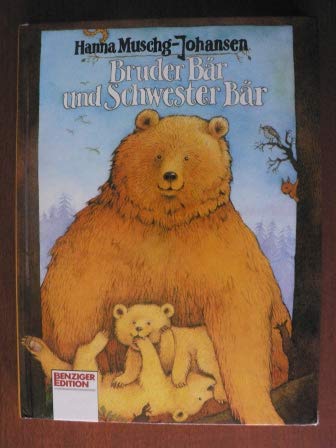
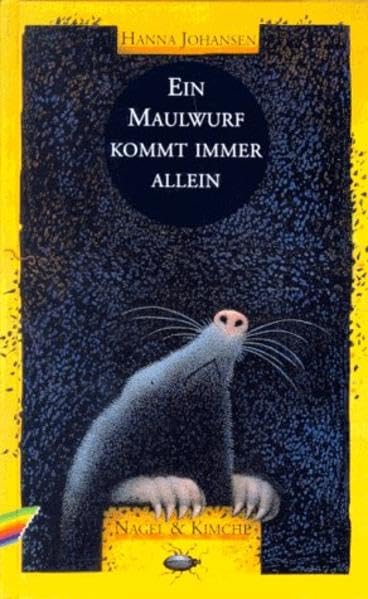
| born | Hanna Johansen | A Swiss national treasure, she was a renowned female children’s literature writer and essayist (1939–2023). She was known for her profound philosophical insights, ecological empathy, and restrained literary style; her representative work is *Two Little Bears*.Bruder Bär and Schwester Bär(Illustrations by Kathy Berlente) and “The Mole Is Never Afraid of Loneliness” (Ein Maulwurf kommt immer alleinBoth were selected for “1001 Children’s Books”. | Hanna Johansen |
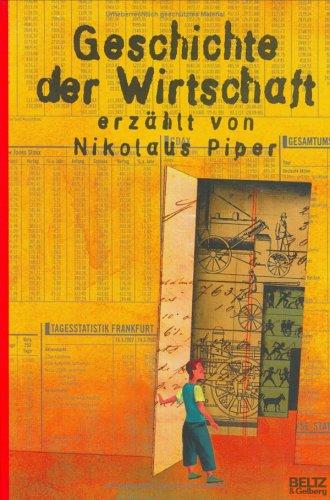
| born | Nikolaus Piper | A renowned German economist, top current affairs commentator, and author (1952). His masterpiece, *The Story of Economics*, a work that bridges the gap between non-fiction and traditional fiction for children, meticulously narrates the evolution of human civilization in a highly engaging and rigorous manner.Geschichte der Wirtschaft), and won in one fell swoop 2003 German Youth Literature Prize (DJLP) Best Nonfiction Award. | Nikolaus Piper |
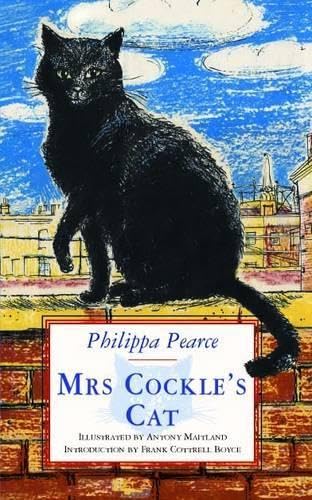
| born | Antony Maitland | A renowned 20th-century British illustrator and graphic artist (1935). He is best known for his timeless masterpiece, *Mrs. Cocker’s Cat*, a work characterized by its classically elegant, pastel style and masterful depiction of feline expressions.Mrs. Cockle’s Cat), successfully reached the summit and won The 1961 Kate Greenaway Medal (CIL Medal). | Antony Maitland |
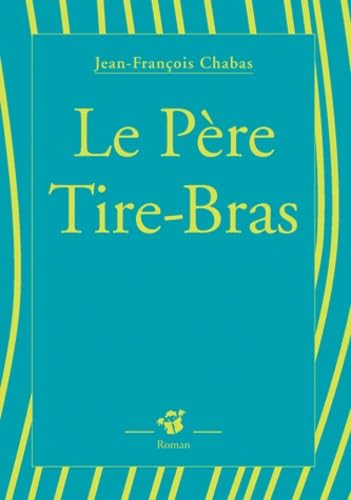
| born | Jean-François Chabas | A prolific and outstanding contemporary French author of children’s literature (1967). His masterpiece, *Papa Tirère Blas*, directly confronts the hidden desires of children and blends French dry humor with profound psychological realism.Le Père Tire-BrasAmazing achievements 2003 French Prix Sorcières. | Jean-François Chabas |
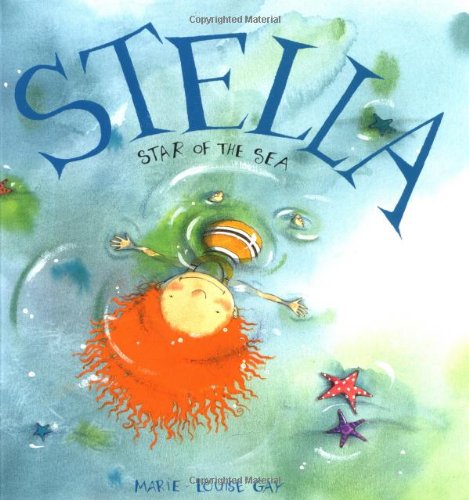
| born | Marie-Louise Gay | A legendary Canadian female children’s book author and illustrator (1952). Her masterpiece, the “Stella and Sam” series (representative work: *Stella, the Star of the Ocean*), is characterized by its childlike, innocent watercolor style and its depiction of young children’s gentle exploration of the unknown nature. Stella, Star of the SeaIt has consistently ranked high on the lists of essential reading for beginners in major North American libraries. | Marie-Louise Gay |
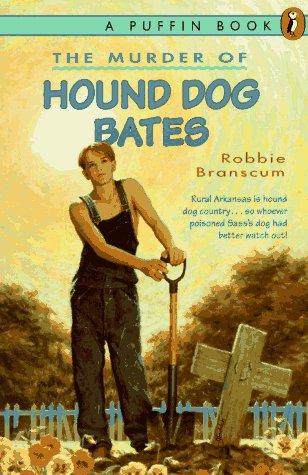
| born | Robbie Branscum | A renowned American female novelist specializing in rural realism for children (1934–1997). She was exceptionally skilled at using extremely raw, authentic Southern dialect to depict the struggles and resilience of ordinary children during the Great Depression. Her most acclaimed work is the critically acclaimed children’s suspense classic, *The Murder of Bates the Hound*.The Murder of Hound Dog Bates). | Robbie Branscum |
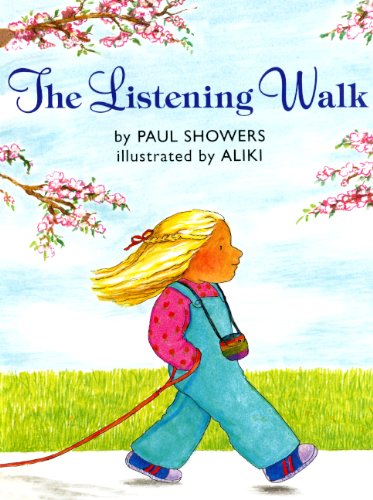
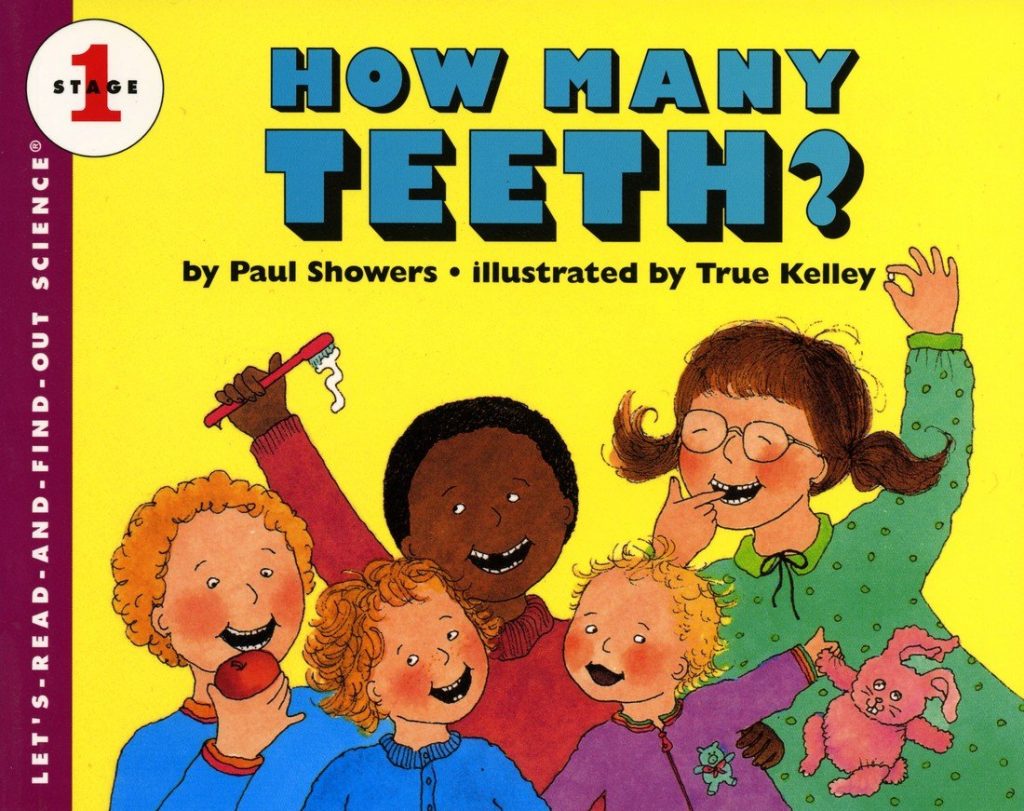
| Death | Paul Showers | A prominent American children’s science/nonfiction writer and journalist of the 20th century (1910–1999). He was the leading figure in the famous “See and Read, This is a Science Book” series, and his renowned works advocating the deconstruction of natural principles through children’s physical perception, such as *How Many Teeth Are There?* and *Listen and See the Walk*, are prime examples.The Listening WalkIt is a classic that cannot be surpassed in global science education for young children. | Paul Showers |
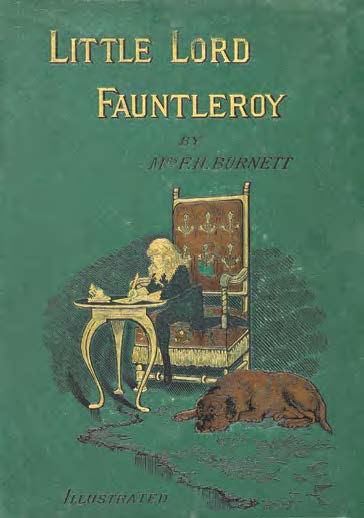
| Death | Reginald Birch | A legendary British-American Victorian-era female/male graphic illustrator (1856–1943). He illustrated Frances Hodgson Burnett’s immortal masterpiece, *The Young Lord*.Little Lord FauntleroyHe created the most classic first edition illustrations, which established the trend of British gentleman children’s clothing in the United States at that time, and was permanently included in “1001 Children’s Books”. | Reginald Birch |