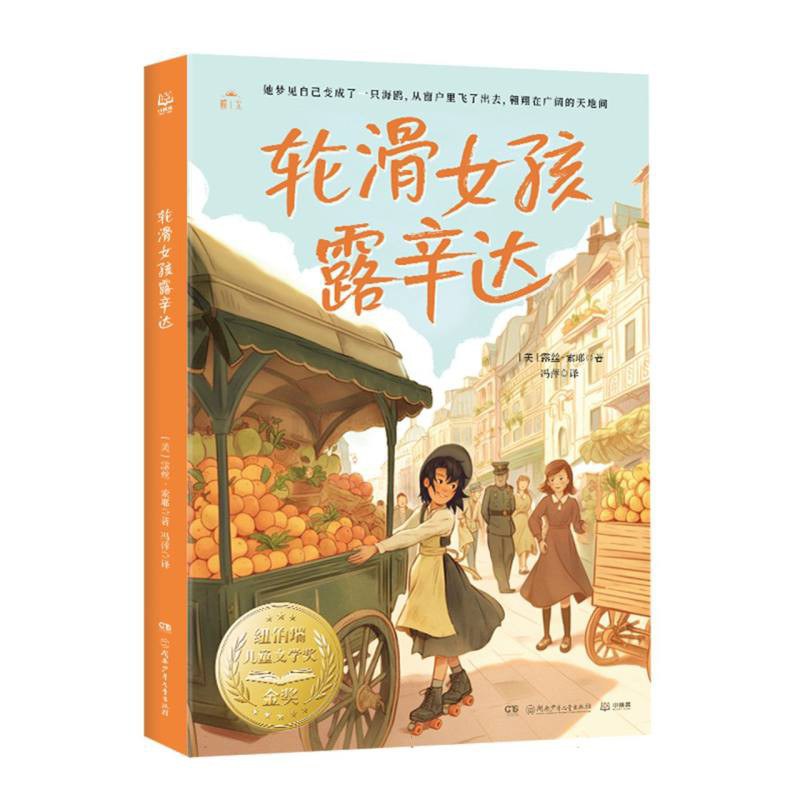
⚰️ 1970 – Death: Ruth Sawyer
An immortal American children’s author, folktale collector, and orator (1880–1970). She was the soul of the 20th-century American modern children’s “Storytelling” movement and was hailed as the Queen of Storytelling who wove magic with her voice.
- Highest Honor: The 1937 Newbery Medal Winner;The 1965 Laura Ingalls Wilder Gold Medal (now the Children’s Literature Heritage Award CLLA) Lifetime Achievement Award Recipient.
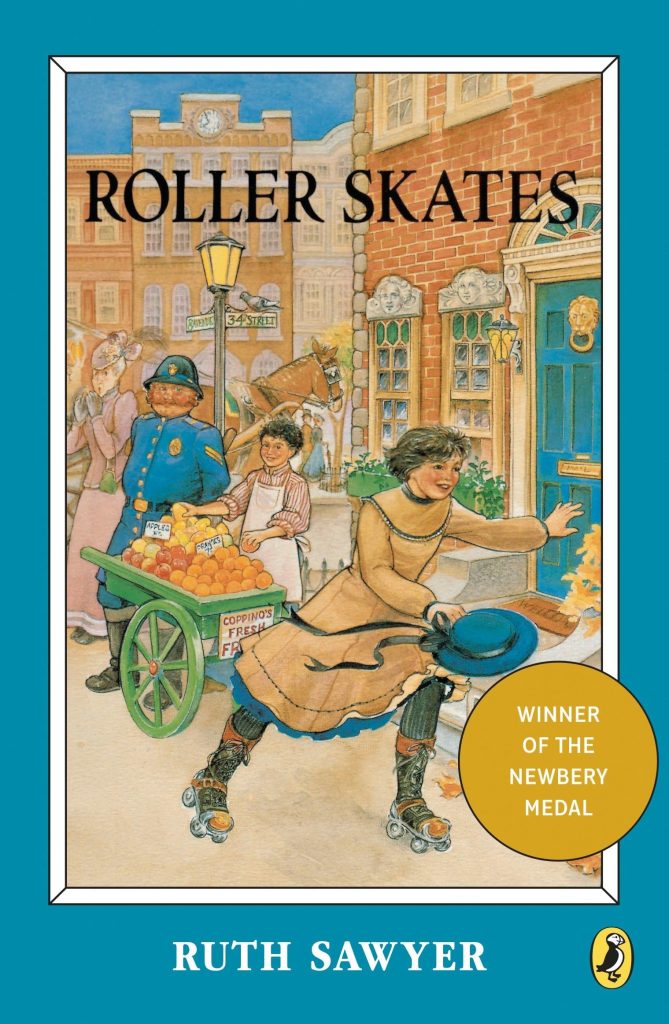
- A masterpiece for posterity: Lucinda, the Roller Skating Girl (Roller Skates)。
- Literary status: Sawyer dedicated her life to collecting ancient folk tales from around the world, firmly believing in the healing power of storytelling. Her award-winning autobiographical novel, *Lucinda, the Roller Skating Girl*, tells the story of a 10-year-old girl in 1890s New York City who, on roller skates, navigates the streets, breaking down class barriers, forging friendships with ordinary yet extraordinary people, and confronting life’s transformations. With its unparalleled independent female perspective and genuine emotion, this work has become an enduring monument in the history of American children’s literature.
| Deceased | Ruth Sawyer | Ruth Sawyer (Wikipedia) |
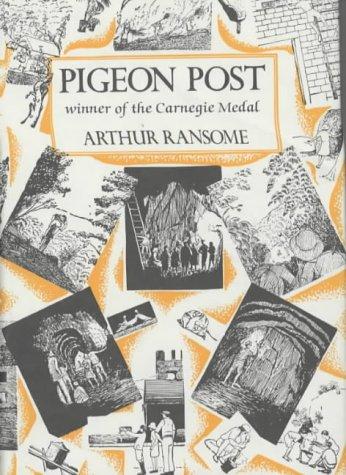

⚰️ 1967 – Died: Arthur Ransome
The immortal British children’s author and journalist (1884–1967). He was the pioneer of modern children’s “realistic outdoor adventure literature”.
- Highest Honor: He won the award for “The Pigeon Postman” The inaugural Carnegie Medal in 1936He became the first person in the history of this prestigious British literary award to receive it.
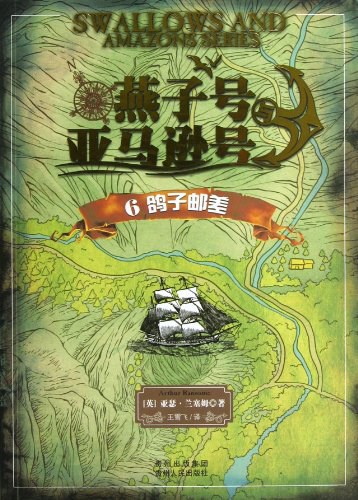
- An immortal masterpiece: The Swallow and the Amazon series (Swallows and Amazons series)、The Pigeon Postman (Pigeon Post)。
- Historical impact: Ransom’s twelve books constructed an outdoor adventure utopia that captivated children worldwide. His children sailed small boats, camping, sailing, surveying, and searching for minerals on the shores of Loch Derwent in England. His works completely abandoned traditional didacticism and fantastical magic, using hardcore, rigorous knowledge of navigation and wilderness survival to grant children complete autonomy, independent of the adult world, profoundly changing the narrative landscape of 20th-century English children’s literature.
| Passed Away | Arthur Ransome | Arthur Ransome (Wikipedia) |
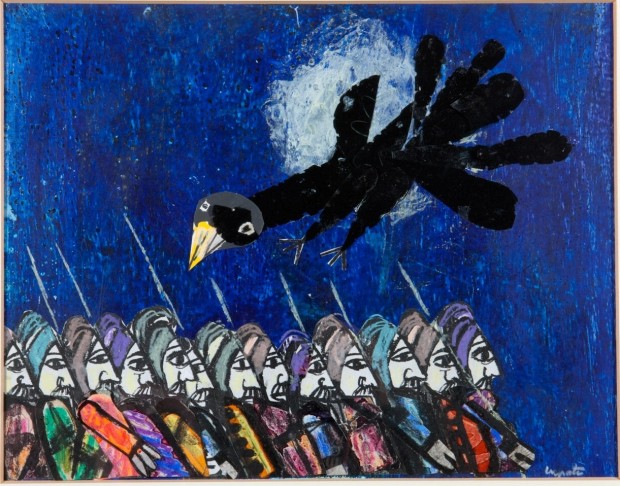
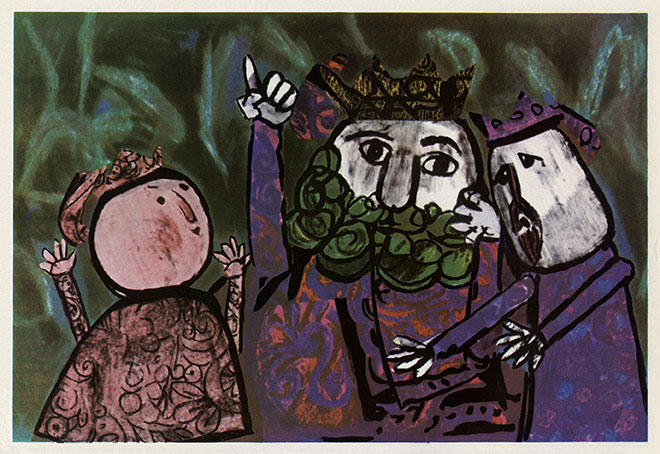
🎂 1921 – Born: Emanuele Luzzati
Italian national treasure-level stage designer, animation director, and illustrator (1921–2007). He was a master visual magician of 20th-century Europe and was nominated twice for the Academy Award for Best Animated Short Film.
- International Honors: Winning an award for the picture book masterpiece “The Magpie Who Steals Things” Golden Plaque, First International Biennial of Illustrations (BIB), Bratislava, 1967.
- Representative works: The Magpie Who Steals Things (La gazza ladra)。
- Artistic Style: Luzzati’s style is deeply influenced by Italian traditional Commedia dell’arte and Eastern Mediterranean collage art. He is adept at using extremely vibrant and cheerful pastel and colored shavings to create works full of dramatic stage tension, whimsical humor, and folk colors reminiscent of medieval carnivals, elevating the visual style of children’s books to an extremely high level of aesthetic excellence.
| Birth | Emanuele Luzzati | Emanuele Luzzati (Wikipedia) |
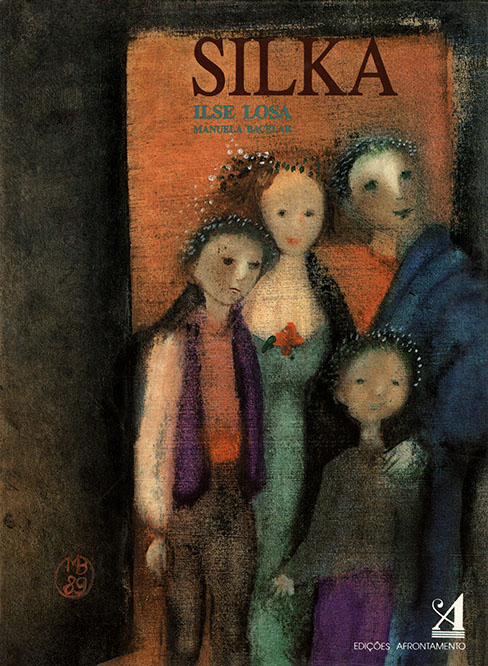
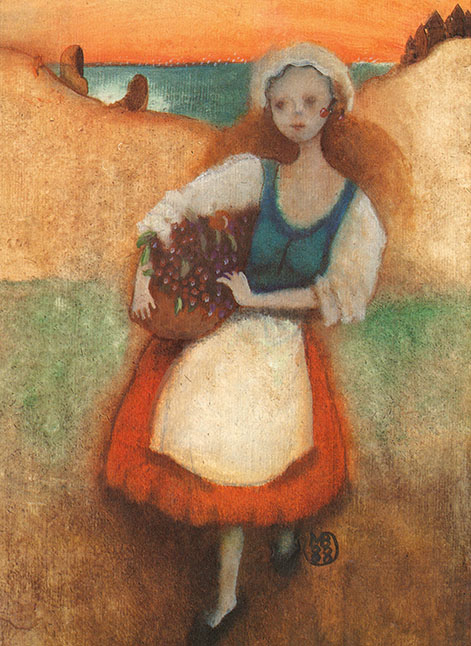
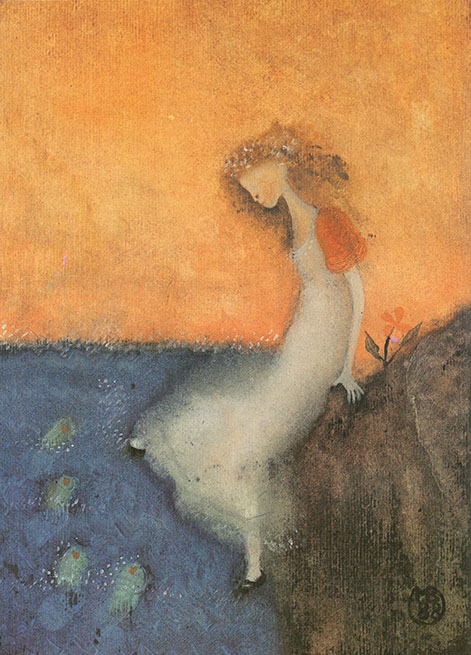
🎂 1943 – Born: Manuela Bacelar
Portugal’s most famous contemporary female illustrator and picture book author (1943). She was a key pioneer in the visual modernization of Portuguese children’s picture books after the war.
- Highest Honor: He won the award for his work “Silka” Golden Apple Award at the 1989 Bratislava International Biennial of Illustration (BIB).
- Representative works: Sylca (Silka)。
- Artistic features: Basel studied at the Academy of Arts and Crafts in Prague, which allowed her work to retain the gentle warmth of traditional Portuguese maritime culture while incorporating the restraint and contemplation of Eastern European illustration styles. Her lines are extremely refined, her compositions ethereal, and she possesses an almost poetic narrative rhythm, exerting a profound influence on contemporary Portuguese and even Southern European picture book creators.
| Birth | Manuela Bacelar | Manuela Bacelar (Wikipedia) |
🗓️ Other Important Creator Briefings
| event | figure | Details/Awards | Wikipedia link |
|---|---|---|---|
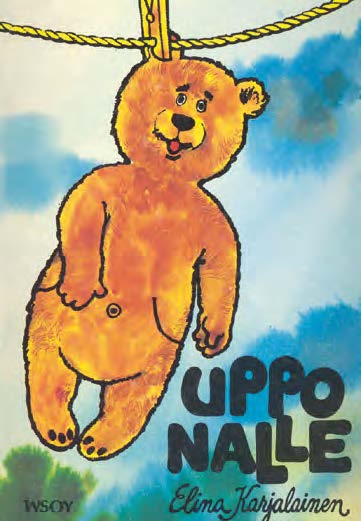
| born | Elina Karjalainen | A renowned Finnish female novelist and journalist (1927–2006). Her “Apu the Bear” series (such as…) Uppo-Nalle(This is a well-known national fairy tale in Finland. This big-bellied teddy bear who loves to write poetry and remains optimistic even though he has sunk to the bottom of the sea is included in “1001 Children’s Books” because of his gentle philosophy on life.) | Elina Karjalainen |
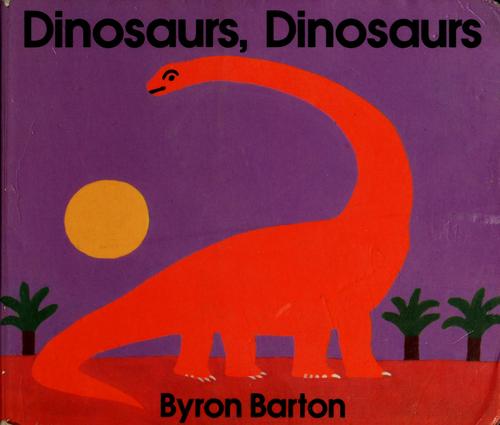
| Death | Byron Barton | A prominent contemporary American master of science and concept picture books for young children (1930–2023). He was adept at using bold, dark lines and highly saturated solid colors from a child’s perspective to simplify complex mechanical and natural concepts. His representative work is *Dinosaur, Dinosaur*.Dinosaurs, Dinosaurs“Robots at Work” and “Robots at Work” are essential early childhood education bibles for libraries worldwide. | Byron Barton |
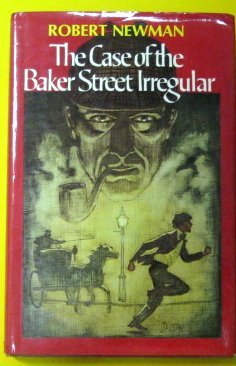
| born | Robert Newman | A renowned American detective and historical novelist (1909–1988). He perfectly combined classic mystery with children’s adventure, his masterpiece being *The Detectives of Baker Street: The Tales of Sherlock Fosse*.The Case of the Baker Street IrregularWith its authentic British style and rigorous logic, it is loved by middle and upper school children. | Robert Newman |
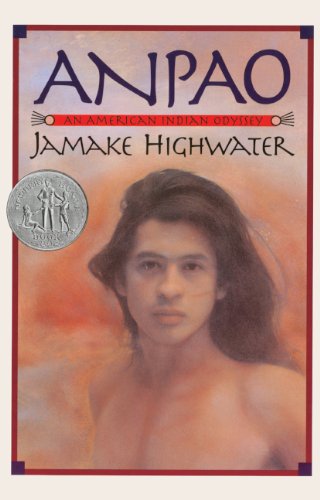
| Death | Jamake Highwater | A renowned American author and journalist (1931–2001). He dedicated his life to introducing and reflecting on Native American cultures to the Western world, culminating in his monumental and poignant masterpiece, *Ampao: The Odyssey of the American Indians*.Anpao: An American Indian Odyssey) won 1978 Newbery Silver Medal. | Jamake Highwater |
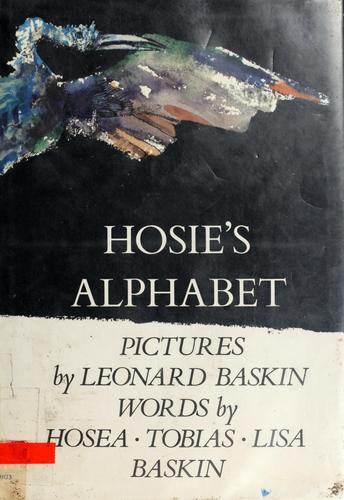
| Death | Leonard Baskin | Joseph José (1922–2000), one of the top American 20th-century sculptors and graphic artists. His groundbreaking and avant-garde masterpiece, *José’s Alphabet*, which crossed over into children’s literature, is a testament to this.Hosie’s Alphabet(The artwork, written by his wife and illustrated with his son), showcases the astonishing artistic tension of blending ink and watercolor, and won an award. 1973 Caldecott Honor. | Leonard Baskin |
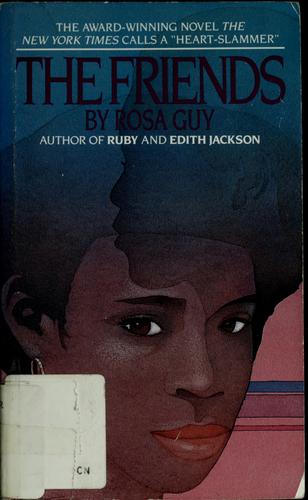
| Death | Rosa Guy | A pioneering African American woman writer of West Indies descent (1922–2012). She was one of the founders of the Harlem Writers’ Guild. Her masterpiece, *Friends*, a psychological realist work directly confronting the harsh realities of adolescence for people of color, class conflict, and mutual redemption, is noteworthy.The FriendsIt was included in “1001 Children’s Books”. | Rosa Guy |