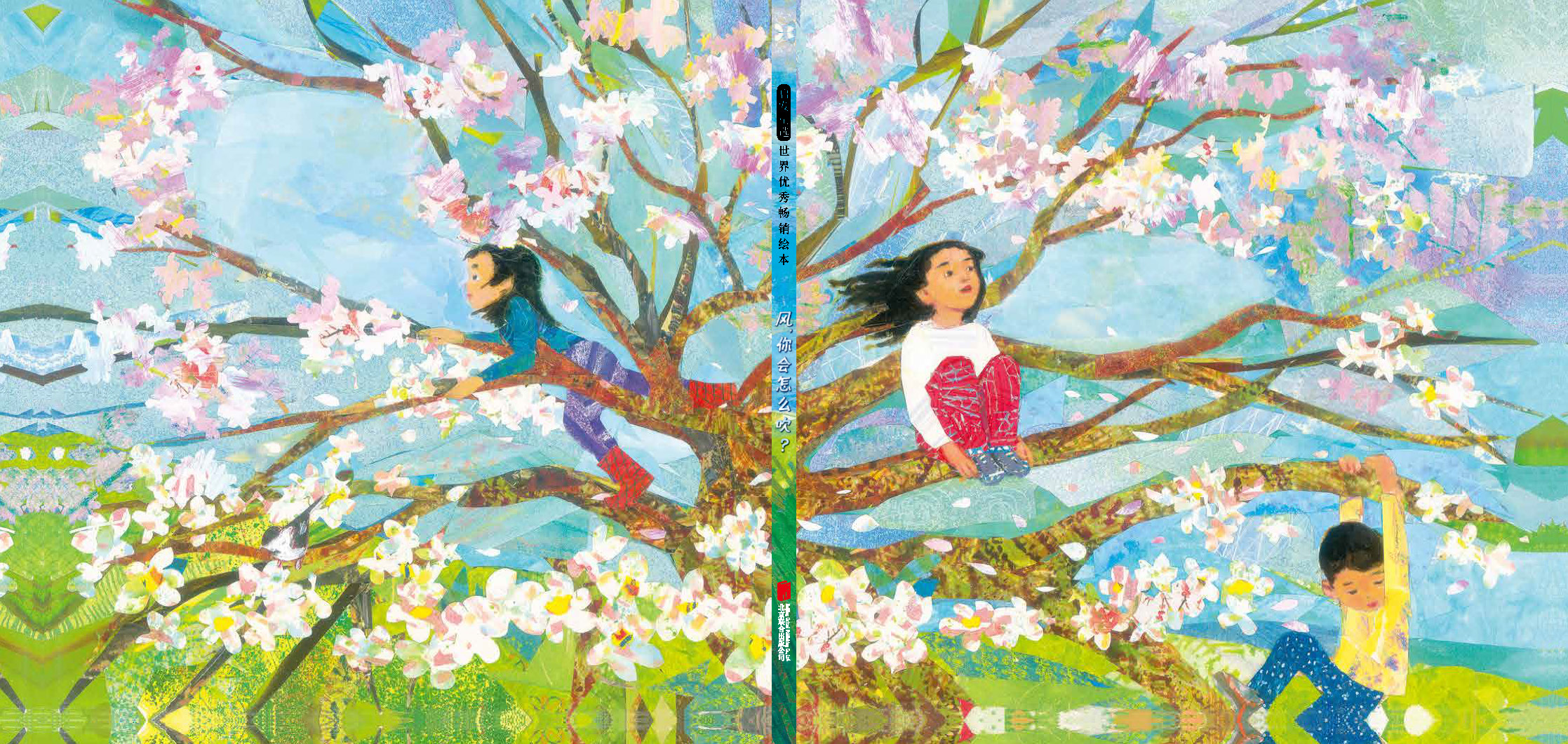
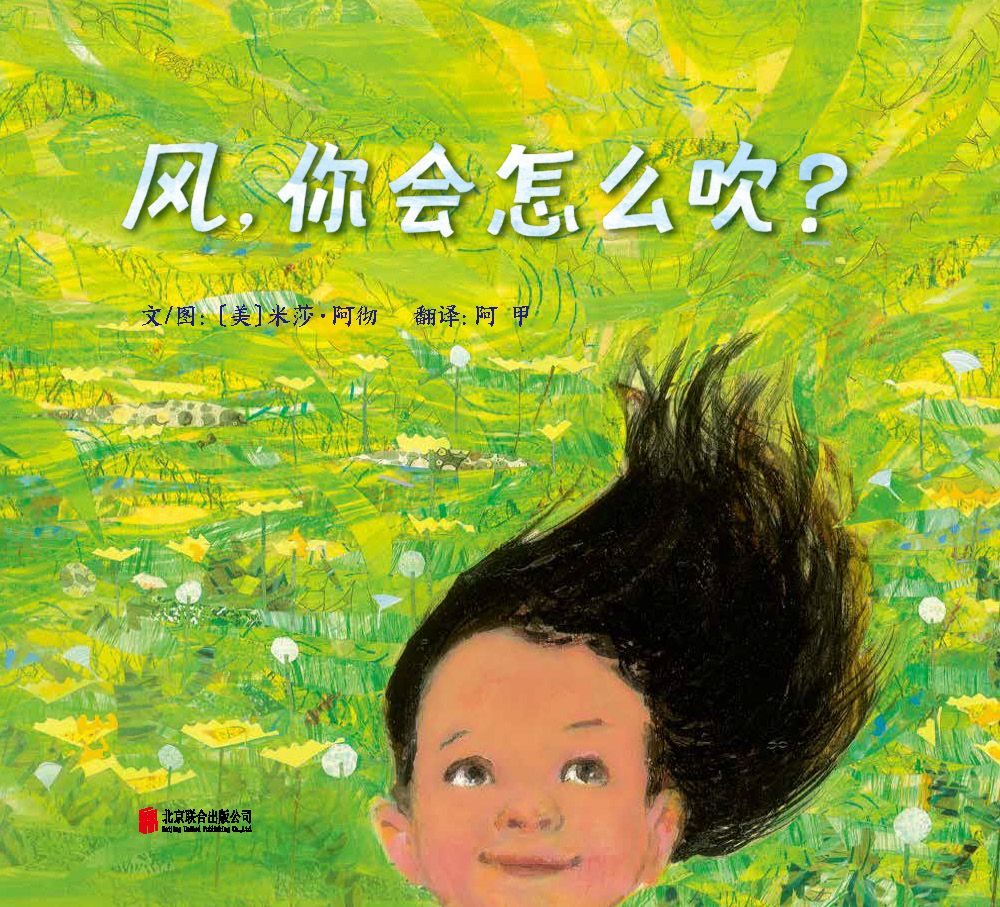
Among all the forces of nature we know, wind may be the most elusive—and the most evocative. Invisible and intangible, yet felt in every moment of its presence. How can such an abstract element be brought to life in a picture book? In Wind Watchers, Caldecott Honor winner Micha Archer offers a stunning answer: through lyrical, poetic language and her signature richly layered collage illustrations, she captures the spirit of the wind with remarkable beauty and grace.
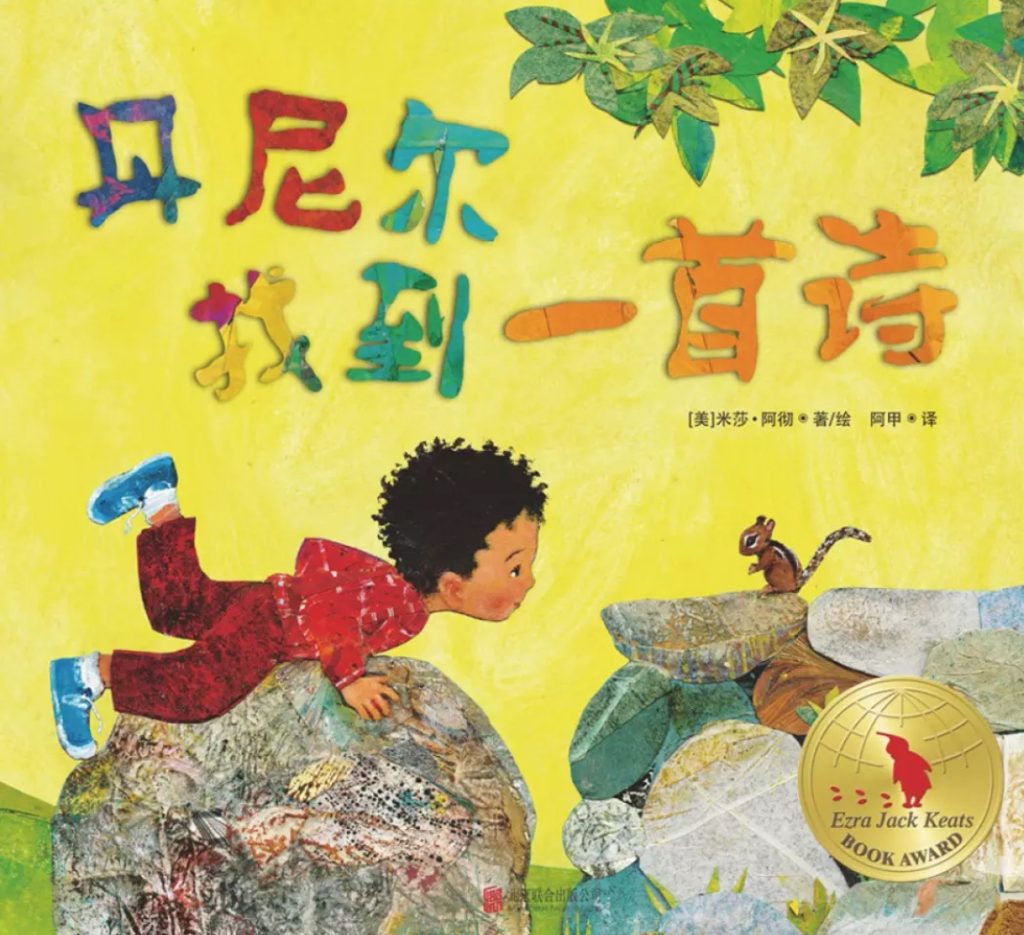
I have translatedThree poetic picture books written and illustrated by Misha featuring the little boy DanielHer work is renowned for its sharp observation and gentle, meticulous technique, particularly excelling at transforming seemingly ordinary, everyday scenes into poetic realms of exploration and surprise. In 2022, she received a Caldecott Honor for Wonder Walkers, a book that exemplifies her signature style. Her newest title, Wind Watchers (2025), feels like a culmination—and elevation—of that artistic vision. While the story is told through the eyes of three siblings, the true protagonist is the wind itself: ever-changing across the seasons, sometimes tender, sometimes wild.
The text in this book seems brief, yet it possesses a precise and dynamic power: “In spring, Wind answers with a puff at the petals, making them flutter and fall,” “When Wind’s only answer is a ripple on the pond,” “When fall comes, Wind can work wonders, scattering seeds and helping geese soar.” “Wind tells us it’s winter when it blows in from the north.” Combined with vibrant, dynamic images, as we turn the pages, we can almost feel the changing gestures of the wind as the seasons change.
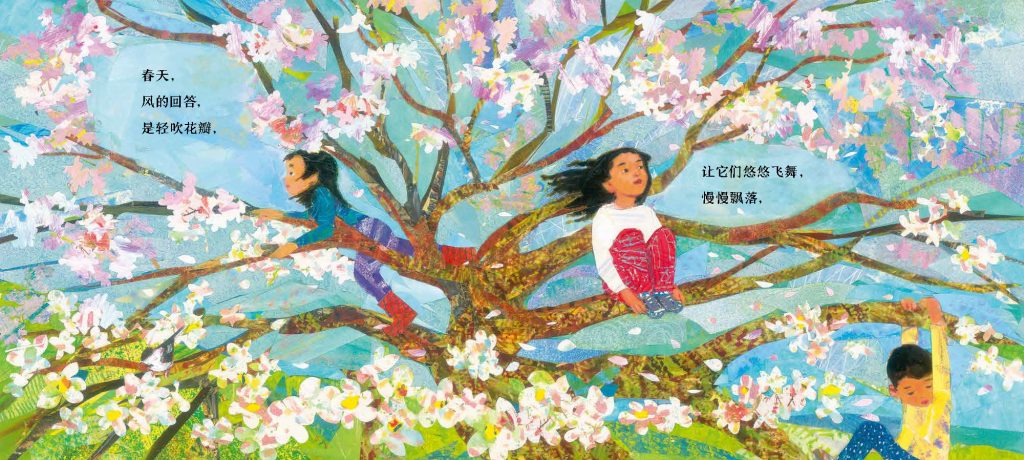
Since its release in the U.S., Wind Watchers has garnered wide acclaim from both critics and readers. Kirkus Reviews called it “profound and beautifully poetic.” Publishers Weekly praised its “tapestry-like spreads [that] are fully developed right to the edges, consistently offering new things to find.” School Library Journal described it as “a journey shaped through steadfast inquiry and vibrant illustrations, bringing the sensory experience to life.” Readers on Goodreads echoed these sentiments: “Reading this book feels like hearing the wind whisper in your ear, and watching it dance before your eyes.”
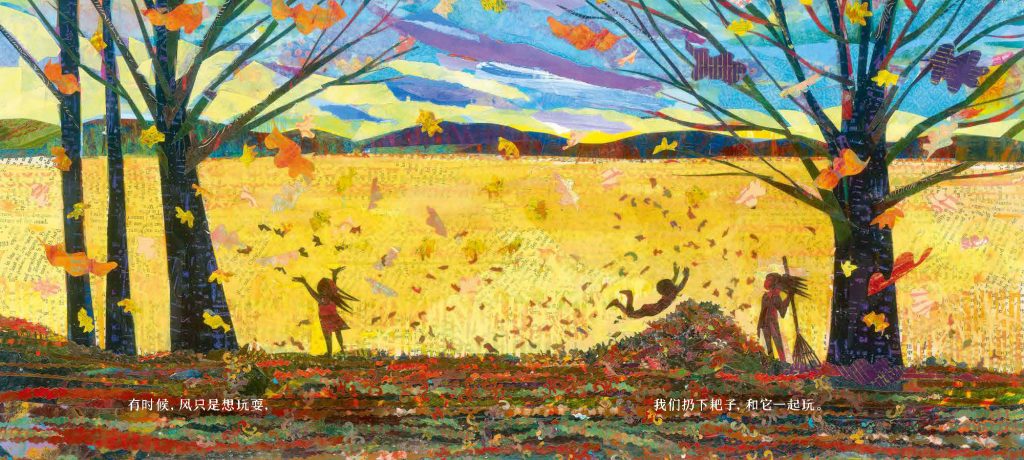
A key reason for such strong resonance is Misha Archer’s choice of collage. In an interview, she stated that this method gives her a sense of freedom and possibility. Each piece of paper is meticulously dyed, pasted, and rubbed, and the seals are all handmade. The placement of each element is imbued with both the serendipitous and inevitable aspects of the creative process, much like the unpredictable trajectory of the wind itself.
Misha Archer’s collage art reflects her unique understanding and love of picture book creation media:
First and foremost, she pursues a rich sense of visual depth. She says, “I usually make minor modifications to each piece of paper to give the illustrations more depth.” In “Wind Watchers”, every gust of wind and every change of season is captured through a collage of different textures, textures, and color layers, creating a richness that far exceeds the power of a single painting technique.
Secondly, it enhances creative freedom and variability. Misha emphasizes, “The most wonderful thing about collage is that you can keep experimenting until you get the effect you like.” In her creative process, every scrap of paper, every stroke of color (including smearing and scraping), every cut and tear, becomes an immediate and flexible artistic exploration. This spirit of freedom perfectly echoes the unpredictability of wind.
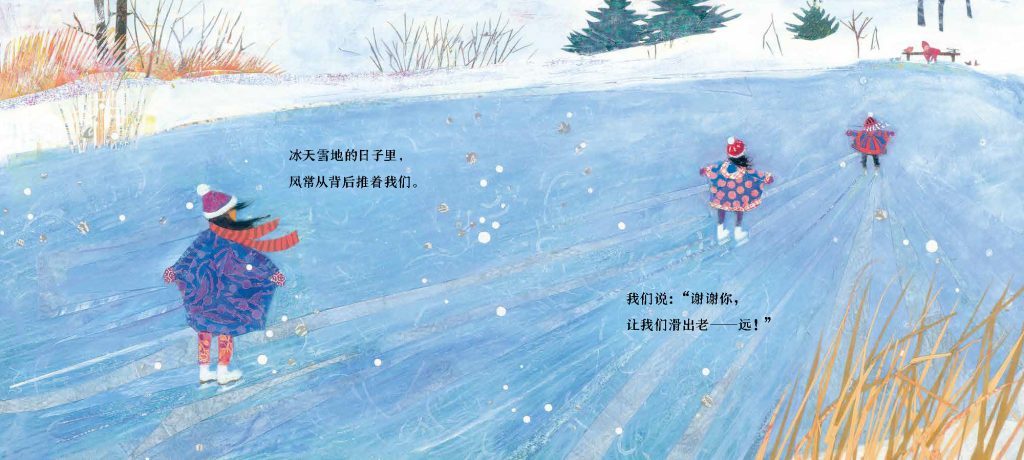
Third, there’s the intimacy of materials and techniques. Misha handcrafts paper, carves seals, and creates rubbings, fusing paper collected from around the world with her own materials. Her work is imbued with the warmth and vitality of handmade creations, and like nature, is imbued with a random and serendipitous beauty.
Finally, it’s her relentless exploration of detail and fun. She enjoys finding “interesting things” in life, such as the texture of boxes at home, the veins of leaves, the indentations of wrapping paper… This sensitive observation of everyday details permeates every image in “Wind Watchers”, creating a bridge for a tacit dialogue with readers.
At a talk in Beijing, renowned Japanese picture book publisher Mr. Tadashi Matsui once said, “The most powerful picture books are those that help us see what is normally invisible.” He cited The Little House as an example, praising Virginia Lee Burton’s extraordinary ability to make readers “see time.” In Wind Watchers, I believe Micha Archer performs a similar kind of magic. Wind is, by nature, invisible—but through her richly layered collages, Micha makes its presence almost tangible. As the book shows the wind lifting petals, tossing leaves, and swirling snowflakes, we almost forget that wind has no form at all.
Misha’s love and curiosity for wind stems from her close relationship with nature. She lives in a self-built house in western Massachusetts, surrounded by forests and gardens. Daily walks, observing nature, and collecting materials have become a vital part of her life and art. Her collage art is imbued with the warmth and simplicity of handmade craftsmanship. The intricate and meticulous craftsmanship imbues each piece with unique character and vitality.
Wind, as a natural force, is constantly moving and changing, unpredictable and uncontrollable. Yet, it is precisely this uncontrollable force that constitutes the richness and diversity of the world. “Wind Watchers” not only rediscovers the wind but also reminds us to appreciate the unspoken, elusive, yet ever-present miracles in life. For children, it is a visual and sensory adventure, allowing them to experience the changing seasons and the rhythms of nature. For adults, it serves as a reminder—even as we grow older, we must never lose our ability to observe the world and appreciate the beauty of life.

If “Wonder Walkers” is a dialogue with nature, then “Wind Watchers” is more like a tribute to the wind and life. As we feel every breath and every rhythm of the wind between its pages, we rediscover the vastness and grandeur of life. Indeed, even the wind itself would exclaim, “Sometimes my work takes my breath away!”
The wind continues to blow, its legend has no beginning and no end. All we need to do is open our eyes and hearts and continue on our journey of curiosity to feel, experience, and praise the miracle of life.
Ajia, Written in Beijing on April 28, 2025