
🎂 Born 1929: Eric Carle
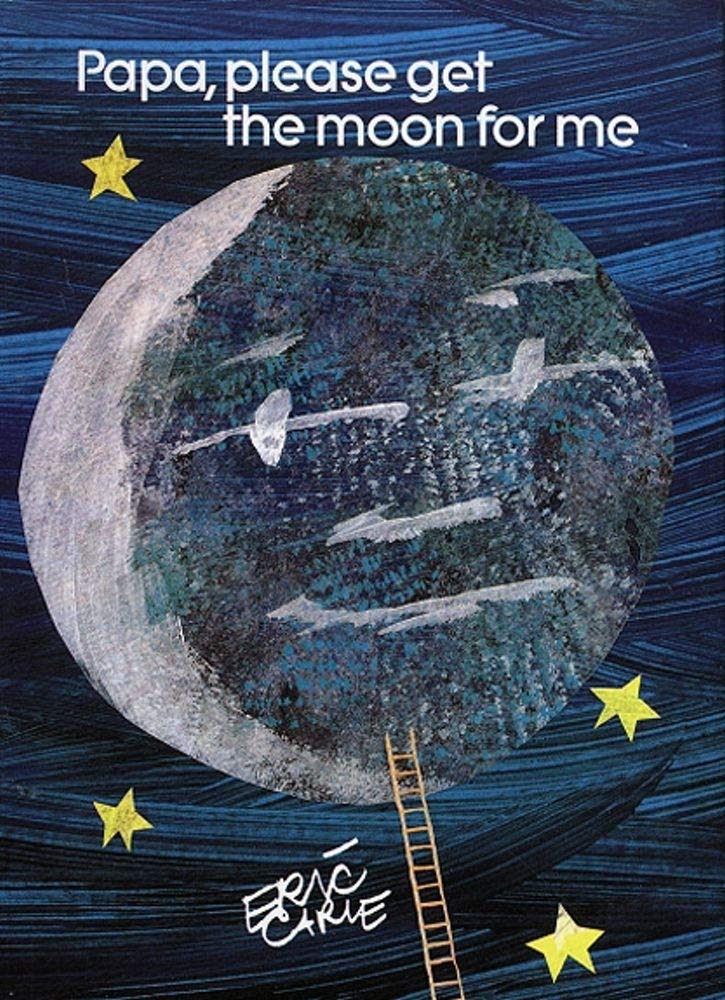
An immortal American master of modern early childhood picture books, graphic designer, and illustrator (1929–2021). He was the “Pope of Visual Color” in the history of global children’s reading enlightenment, and with his highly personal and iconic Tissue Paper Collage technique, he completely changed the way babies around the world perceive the world.
- Highest Honor: 2003 Laura Ingalls Wilder Gold Medal (now the Children’s Literature Heritage Award CLLA) He was awarded a lifetime achievement award; the renowned Eric Carle Picture Book Art Museum was established in his name.
- An immortal masterpiece:
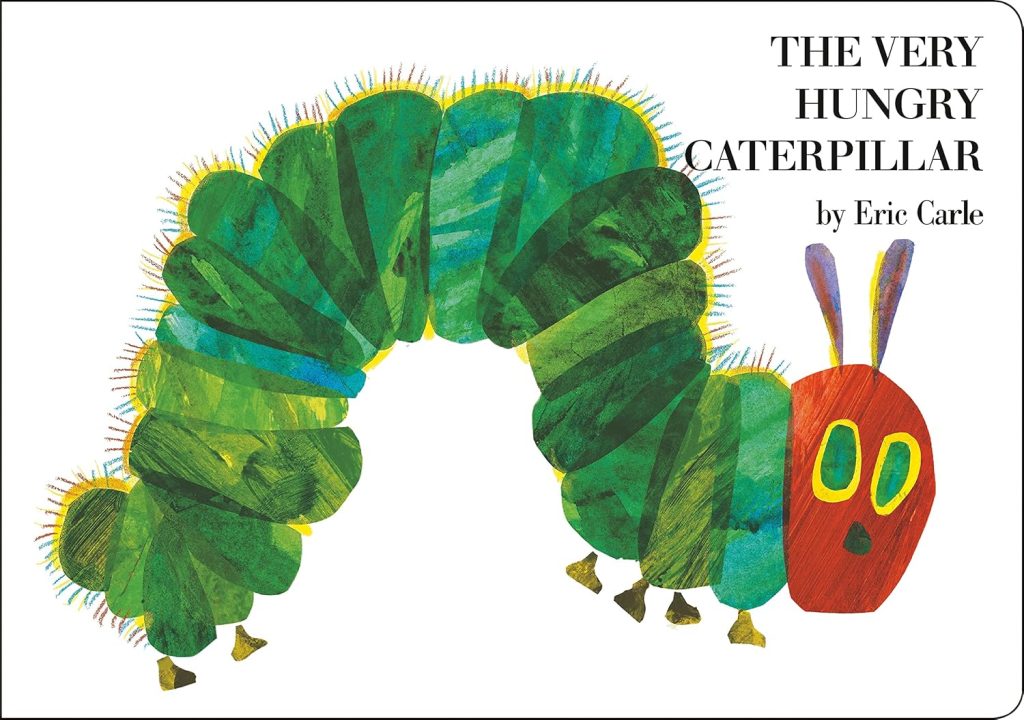
- The Very Hungry Caterpillar (The Very Hungry CaterpillarCanon: The highest-selling picture book in global history, translated into dozens of languages. Carr pioneered the use of holes in the pages, seamlessly stitching together the process of caterpillars devouring each other, the recognition of numbers, and the cycle of days, transforming it into the earliest visual and physiological pleasure of childhood for all mankind.
- The Bible for Young and Everlasting Children:Brown Bear, Brown Bear, What Are You Looking At? (Brown Bear, Brown Bear, What Do You See?(By Bill Martin) and the “Caterpillar and Friends” series.
| Birth | Eric Carle | Eric Carle (Wikipedia) |
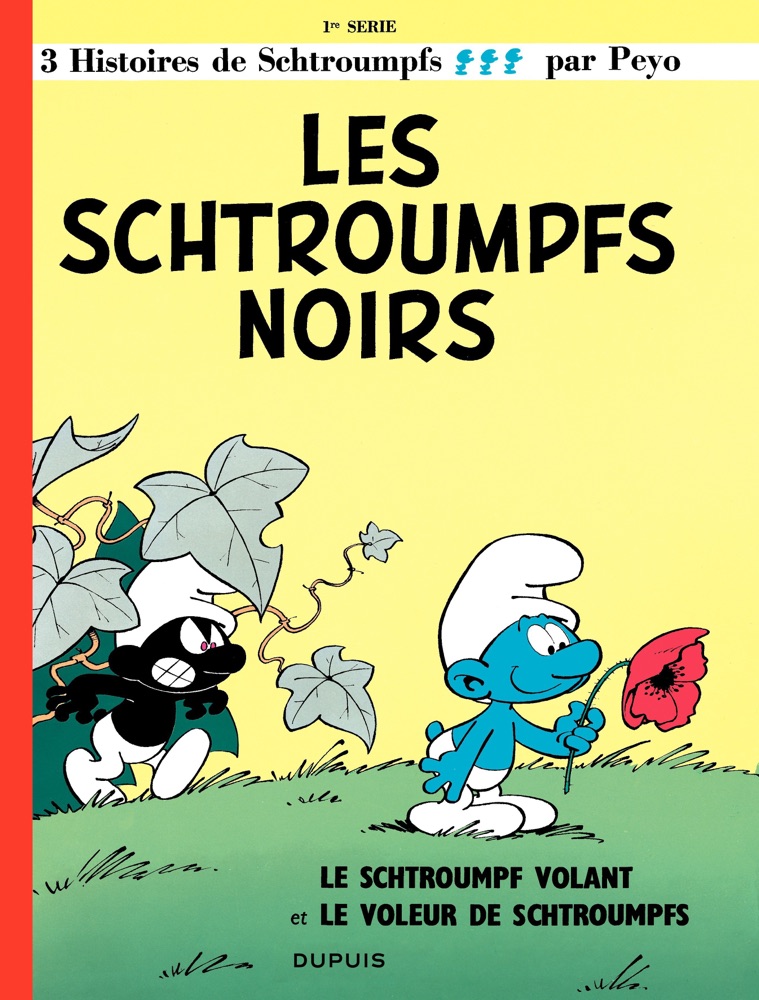

🎂 1928 – Born: Peyo
Pierre Culliford (1928–1992), a Belgian national treasure-level graphic artist, cartoonist, and screenwriter, was a revered master of the “Comic Strip,” one of the nine major art forms in 20th-century Europe, creating a cross-cultural cultural symbol that has captivated the world for decades.
- An epic that will last forever: The Smurfs series(Les Schtroumpfs).
- Representative works: Pioneering and Immortal Masterpiece The Smurfs: Dark Smurfs (Les Schtroumpfs Noirs(Published in 1959) was included in “1001 Children’s Books”.
- Cultural influence: Peyo initially created these wondrous creatures—only three apples tall and with blue skin—unintentionally in his comic strip *John and Peeves*. Living in mushroom houses deep in the forest, they were a testament to this. Using exquisitely clean and vivid lines, he constructed a utopian society of equality, mutual aid, and no class distinctions. Their adventures against the wizard Gargamel not only sold hundreds of millions of copies but also became an enduring cultural asset representing humanity’s pursuit of freedom, peace, and the will of the common people.
| Birth | Peyo | Peyo (Wikipedia) |

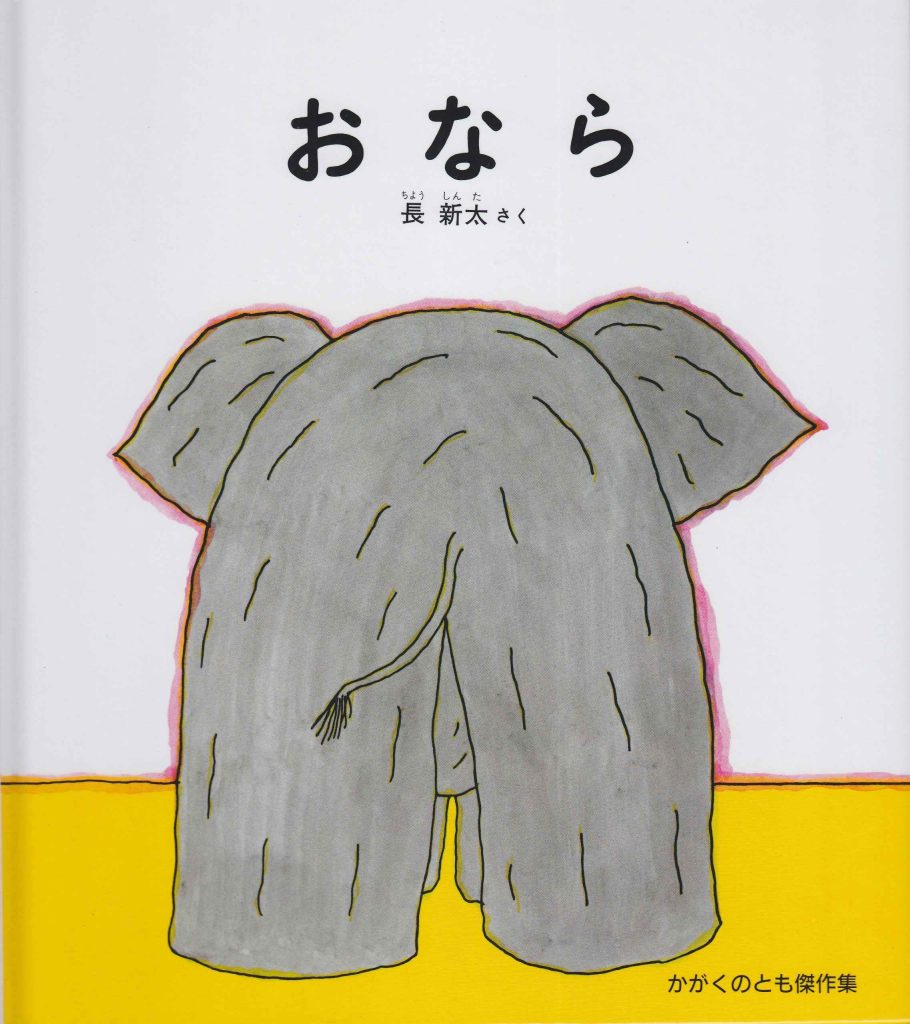
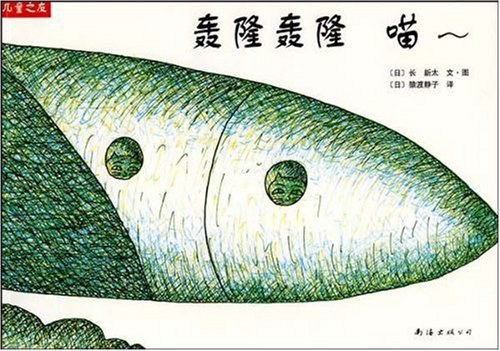
⚰️ 2005 – Passed away: Shinta Cho
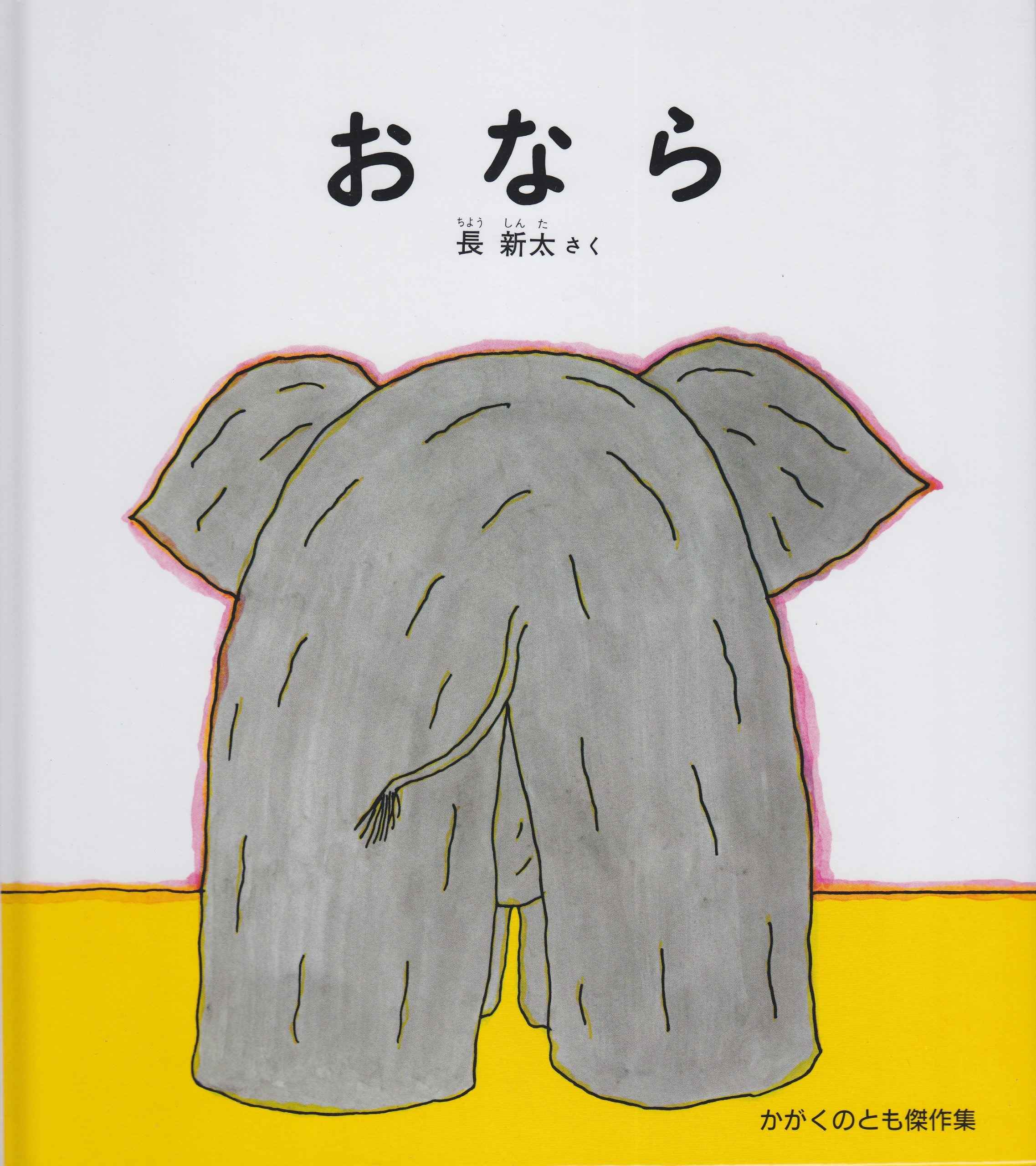
Shuhei Suzuki (1927–2005), an immortal Japanese master of modern picture books, manga artist, and illustrator, was the undisputed and revered “King of Nonsense” in the history of postwar East Asian picture books, completely liberating children from the rigid logical constraints of their vision.
- Timeless masterpieces:
- Cabbage Boy (キャベツくん(Winner of the Japan Picture Book Award): It showcases the ultimate in imaginative and deconstructive tension.
- Core Picture Book Classics:“fart” (おなら / English version name The Gas We Pass)、“Boom boom boom meow~” (ごろごろにゃーん)、Hugs, Hugs.
- Visual Aesthetics: Throughout his life, Chang Xintai upheld the unwavering belief that “picture books don’t need hypocritical meanings from adults; they only need pure surprise and joy.” The animals, cabbages, and even pigs he sketched with bold, vibrant crayons and watercolors walked through vast, solid-colored spaces, undergoing bizarre reorganizations that completely defied the laws of physics. This almost subconscious “Chang-style absurdity” dignifiedly defended the most primal and sacred intuition and spiritual powers of human children.
| ⚰️ Passed Away | Shinta Cho | Shinta Chō (Wikipedia) |
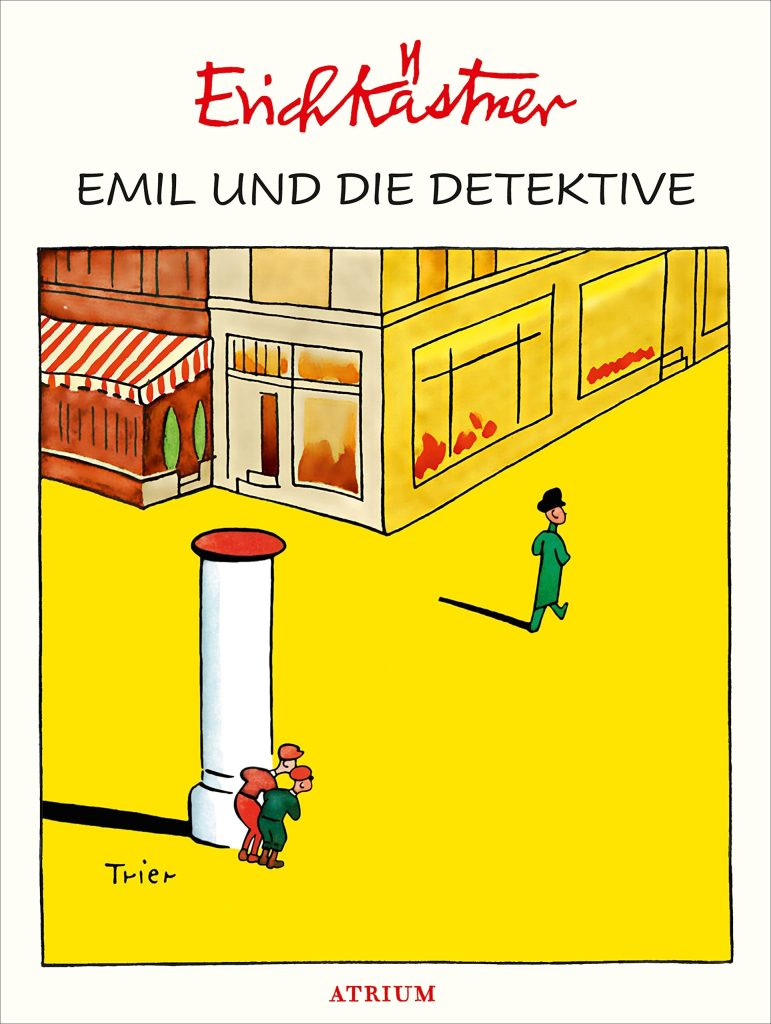
🎂 1890 – Born: Walter Trier
An immortal British satirical cartoonist, graphic designer, and illustrator of Austro-Hungarian descent (1890–1951). He was a landmark figure in the history of modern children’s literature visualization in the first half of the 20th century, and an indispensable partner of the literary giant Erich Kestner.
- A visual monument for posterity: The complete first edition illustrations of “Emil Catches a Thief”(Emil und die DetektivePublished in 1929.
- Historical impact: His award-winning collaborative masterpiece is included in “1001 Children’s Books.” Trier, with his signature pen-and-ink watercolor lines—a style imbued with Berlin urban modernity and a sharp, satirical edge—completely broke away from the elaborate, rigid, and didactic style of previous children’s book illustrations. He brought to life young Emil and the group of “Red Scarf Detectives” who waged a massive search on the streets of Berlin using childlike self-governance and reason. His cover design and typographical aesthetics remain internationally recognized as a pinnacle of Canon’s excellence, spanning a century.
| Birth | Walter Trier | Walter Trier (Wikipedia) |
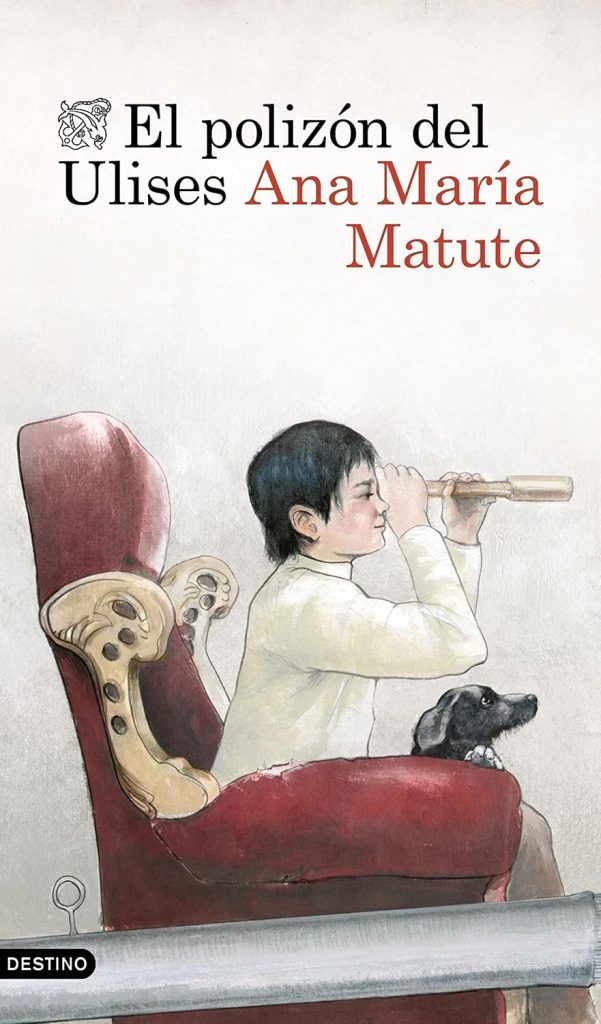
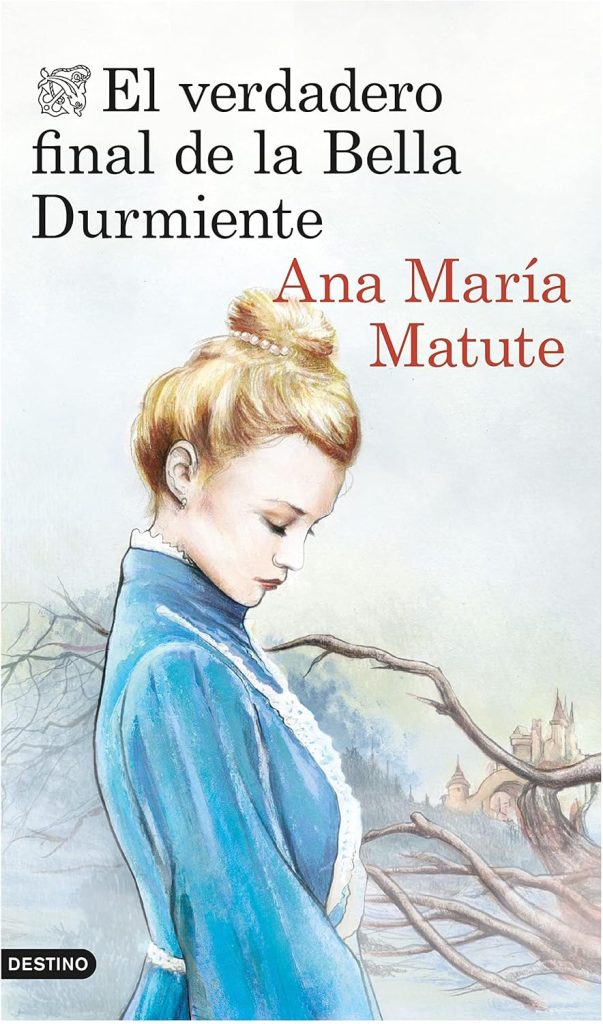
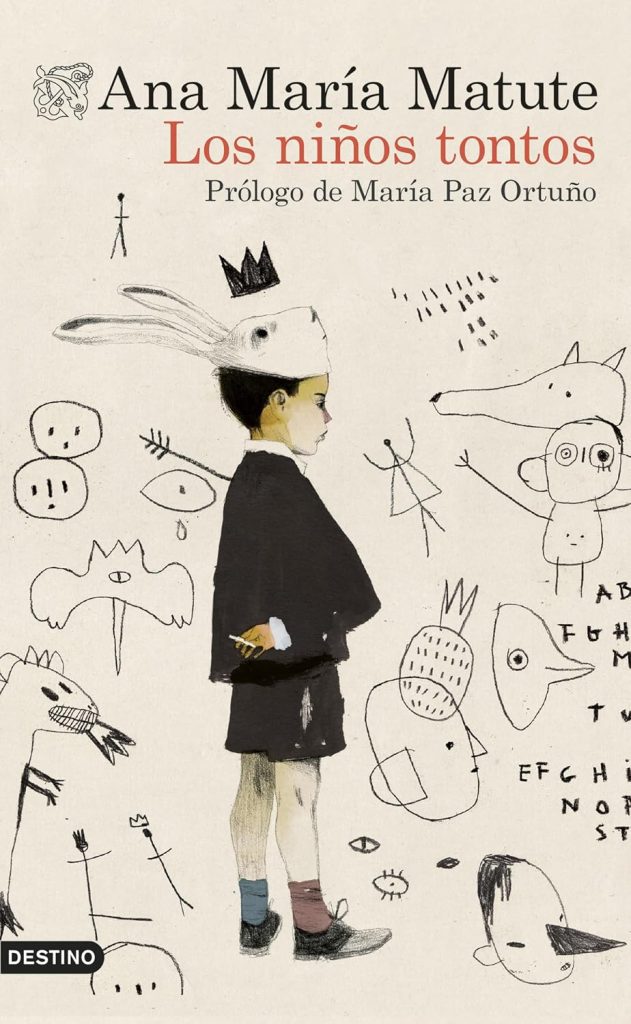
⚰️ 2014 – Passed away: Ana María Matute
An immortal master of Spanish female literature and a member of the Royal Spanish Academy (1925–2014). She was a towering figure in the Spanish postwar modern literature scene, and was a long-time frontrunner for the Nobel Prize in Literature. Throughout her life, she used extremely noble, pure literary language, imbued with childhood trauma and loneliness, to examine history.
- International highest honor: Highly Commended Award for Authors of the Hans Christian Andersen Award (HCAA)He was awarded the Cervantes Prize for Literature (the highest honor in Spanish literature).
- Timeless masterpieces: The stowaways of the Ulysses (El polizón del Ulises), short story collection “Foolish Child“Los niños tontos), and The True Ending of Sleeping Beauty (El verdadero final de la Bella Durmiente)。
- Literary status: Matute’s childhood was spent amidst the bloodshed and censorship of the Spanish Civil War. Her masterpiece, *The Stowaways of the Ulysses*, is a powerfully moving exploration of the poignant choices children face when confronted with the cruelty and betrayal of the adult world. Through the psychological epic of a lonely boy raised by three aunts in a remote mansion, who secretly rescues and shelters a political fugitive, she powerfully portrays his tragic choices. With a language both steely and poignantly poetic, she imbues children’s literature with the highest artistic seriousness and human dignity.
| ⚰️ Passed Away | Ana María Matute | Ana María Matute (Wikipedia) |
🗓️ Other Important Creator Briefings
| event | figure | Details/Awards | Wikipedia link |
|---|---|---|---|
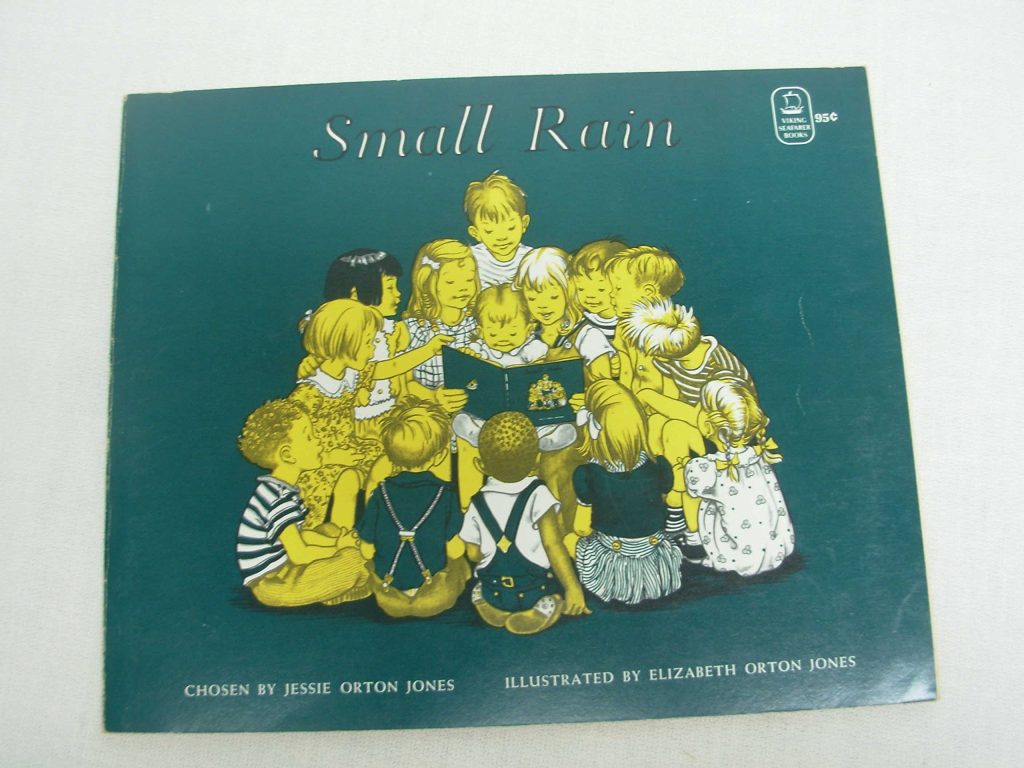
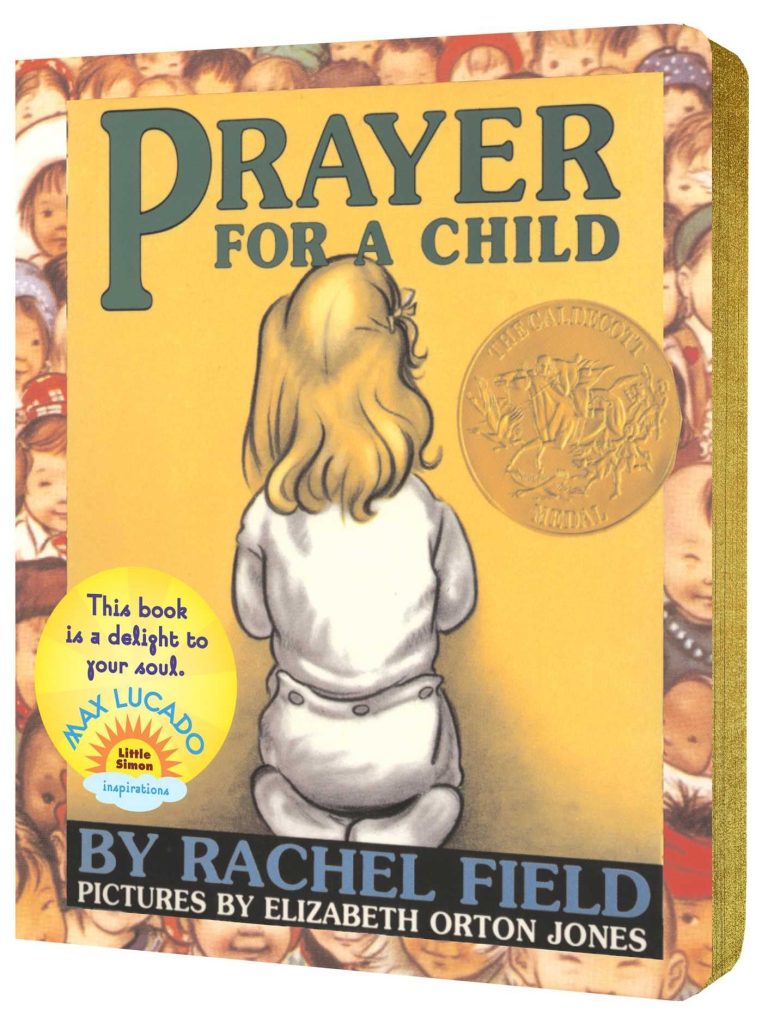
| born | Elizabeth Orton Jones | An immortal American female graphic illustrator of the early 20th century (1910–2005). She pioneered the transformation of traditional classical religious chants and hymns into visuals imbued with the warmth of everyday American children’s play and a sacred, innocent order. Her masterpiece, *Children’s Prayers*, is a testament to this.Prayer for a Child) picked 1945 Caldecott MedalHis representative works also include the Caldecott Honor Book “Little Rain” (Small Rain). | Elizabeth Orton Jones |
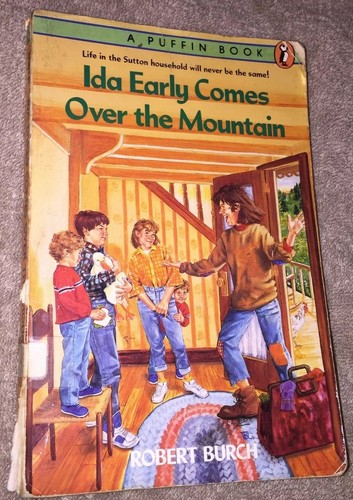
| born | Robert Burch | A renowned American children’s rural psychological realist novelist (1925–2007). He was exceptionally skilled at using extremely simple, delicate, and deeply moving colloquial language, imbued with the spirit of grassroots children against the backdrop of the Great Depression, in his writing. His masterpiece is *Ida Earl Comes Over the Mountains*.Ida Early Comes Over the MountainWith a high degree of empathy, the study explored intergenerational family healing. | Robert Burch |
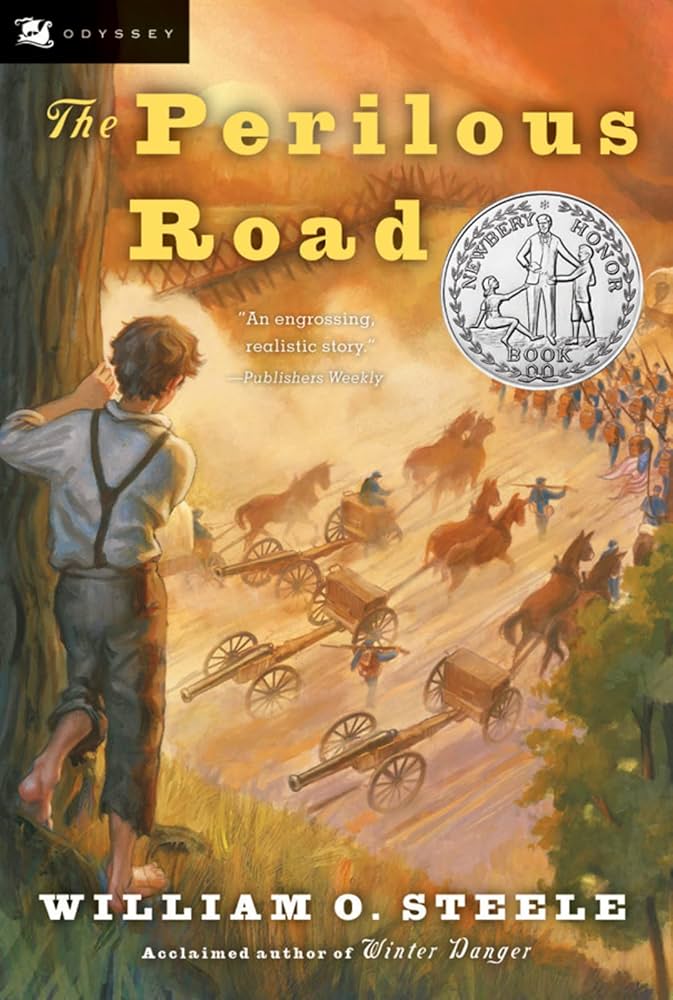
| Death | William O. Steele | A renowned American children’s historical fiction and wilderness adventure novelist (1917–1979). He was a pioneering figure in introducing early pioneers to schools across the United States, exploring human nature and reflection amidst complex historical events. His representative work is *The Perilous Road*.The Perilous RoadThrough the transformation of a boy amidst the smoke of the Civil War, he won… 1959 Newbery Silver Medal. | William O. Steele |