⚰️ April 20, 1996 — Died: Christopher Robin Milne
British writer Christopher Robin Milne He died (1920–1996). He is probably the most unique “created character” in the history of 20th-century children’s books—the father. AA Milne Based on him, the blond-haired boy in the worlds of “Winnie the Pooh” and “Hundred Acre Wood” was created. However, while children all over the world loved the boy named Christopher Robin, the real child spent his entire life digesting the weight that name carried.
- Special significance:
- His childhood toys—Winnie the Pooh, Piglet, Tigger, and Eeyore—were written into his father’s books and became immortal literary figures. But he gradually discovered that the character “Christopher Robin” was not entirely himself; he was given too many halos of his father’s imagination, but few people asked him how he really felt.
- Related works:
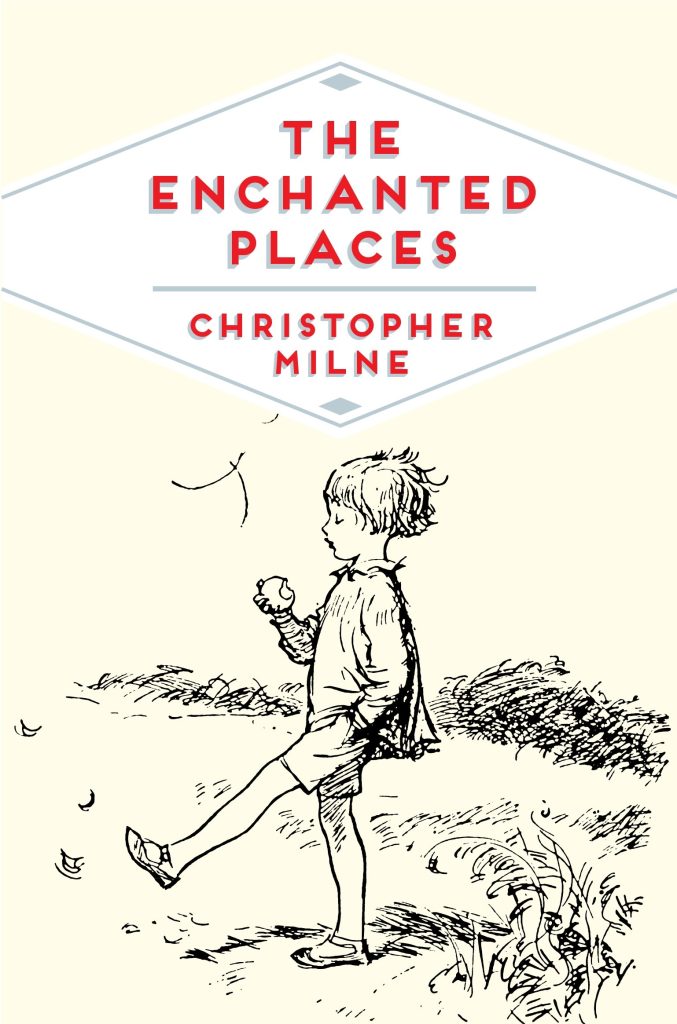
- The Place Under a Spell (The Enchanted PlacesIn this memoir, he finally uses his own voice and memories to write about his childhood, which was defined by books. He harbors no resentment, but calmly recounts a unique story about how “reality and fiction intertwine with a child.” This makes the book not only a precious personal document about literature and identity, but also a valuable resource within the context of children’s book history.
- Worthy of being remembered: Milne later voluntarily requested that his name be removed from Winnie the Pooh’s related licenses, choosing a relatively quiet and ordinary life—this decision to “exit the story” is itself a way of reconciling with childhood.
| Deceased | Christopher Robin Milne | Christopher Robin Milne (Wikipedia) |
🎂 April 20, 1945 – Born: Mary Hoffman
British children’s book author Mary Hoffman Born in 1945. She is one of the most public-minded children’s book authors in contemporary Britain, and in addition to her writing, she has long advocated that children’s books should better reflect the diversity of the world.
- Representative works:
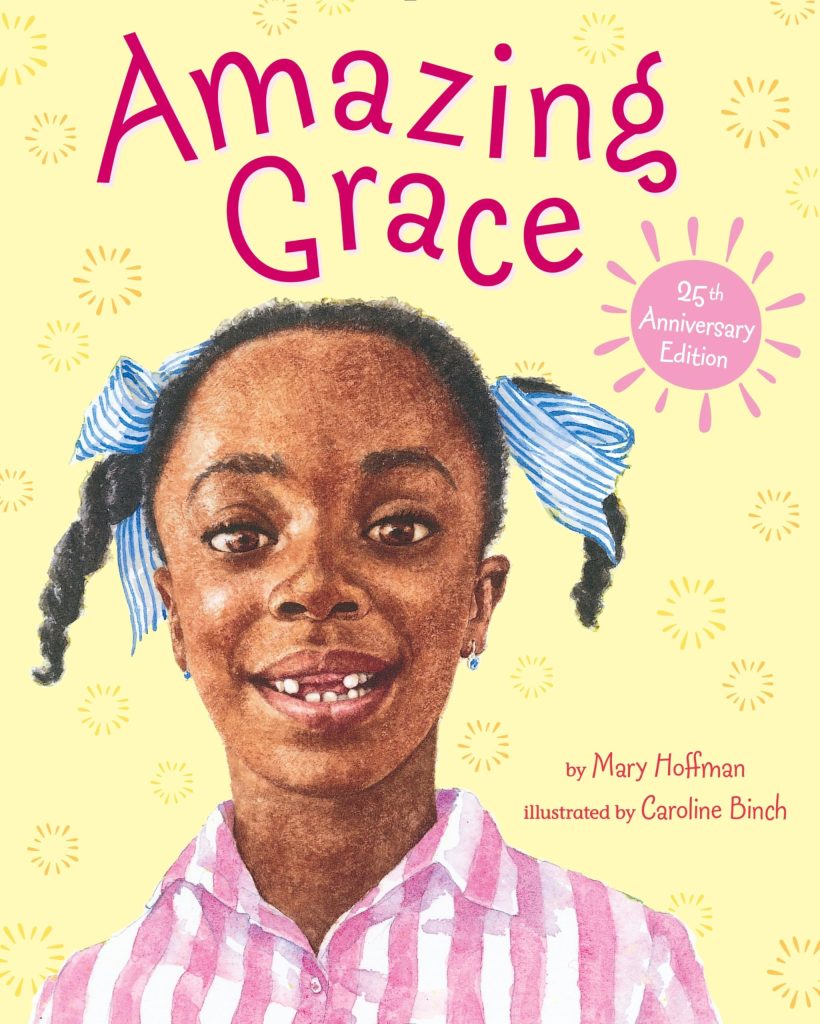
- The Marvelous Grace (Amazing GraceIncluded in “1001 Children’s Books”. This story is about Grace, a little girl who loves to perform—she wants to play Robin Hood, a character from “Journey to the West”, and become anyone she admires. People around her constantly tell her, “That’s not what girls should do.” But Grace has a grandmother who believes in her, who says, “You can be anyone.” This book continues to be read by children and adults around the world for over thirty years, not only because it “talks about equality”, but also because it uses the most everyday and heartwarming way to ground a simple belief: every child deserves to imagine themselves as anyone.
- Creative concept: Hoffman once said that she hoped her books would be the kind of books that children would remember when they grew up—not because they taught anything, but because they had “accompanied” them.
| Birth | Mary Hoffman | Mary Hoffman (Wikipedia) |
⚰️ April 20, 1984 – Died: Sheila Burnford
British and Canadian writers Silas Burford (1918–1984) Died. Originally a painter and race car driver, she moved to Canada with her husband after marriage, where she began writing. Her most famous work stemmed from a true story of an animal journey—two dogs and a cat actually spent three weeks crossing the Canadian wilderness to find their owner, and this true story became the seed for her most famous novel.
- Representative works:
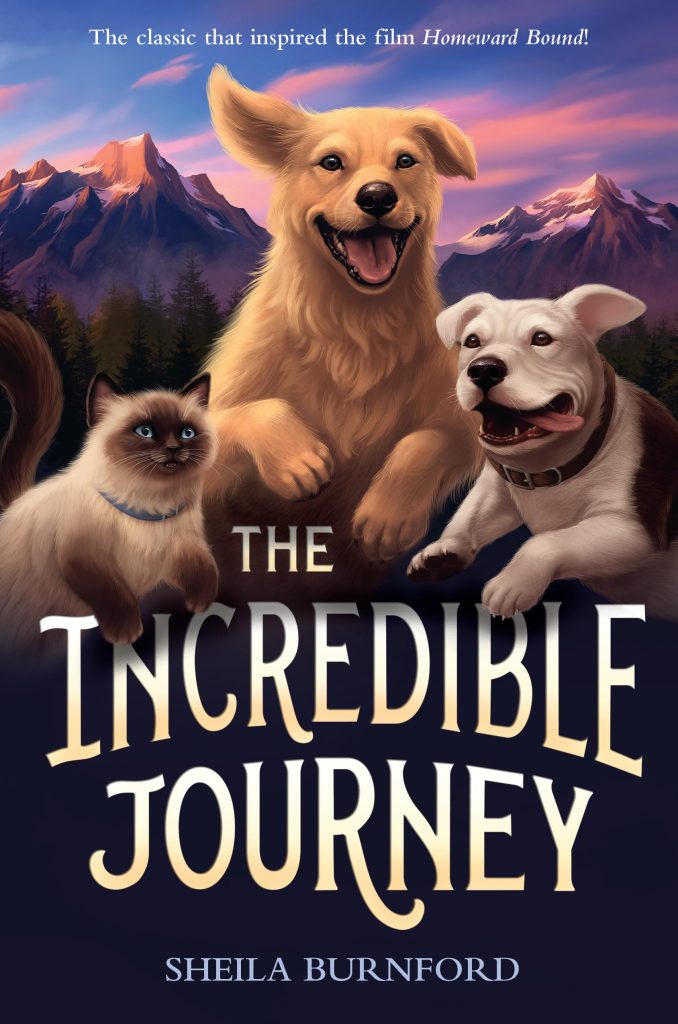
- One Cat, Two Dogs, and Three Kinships (The Incredible JourneyIncluded in *1001 Children’s Books*, this story follows three pets—two dogs and a cat—as they journey through the Canadian wilderness to find their owner. What makes this work unique is that Berford doesn’t portray the animals as cartoonish “anthropomorphic characters,” but rather describes their instincts, fears, and loyalty to their owner with an almost documentary-like objectivity and patience. This restrained writing style generates a surprising emotional power—readers will suddenly realize at some point that they are holding their breath for these three animals.
- This work was later adapted into the movie “Cats & Dogs” by Disney, but Burford’s original book is more austere, more realistic, and closer to the animal world itself than the movie.
- Literary status: “One Cat, Two Dogs, Three Kinships” is considered one of the foundational works of the “animal adventure literature” genre, influencing similar works for decades to come.
| Passed Away | Sheila Burford | Sheila Burnford (Wikipedia) |
🎂 Born April 20, 1939: Peter S. Beagle
American writers Peter S. Beagle Born in 1939. He is perhaps one of the most “elegiac” fantasy writers of the 20th century, and almost every story he writes asks the same question: Can those things that are lost, disappeared, or taken away by time be found again?
- Representative works:
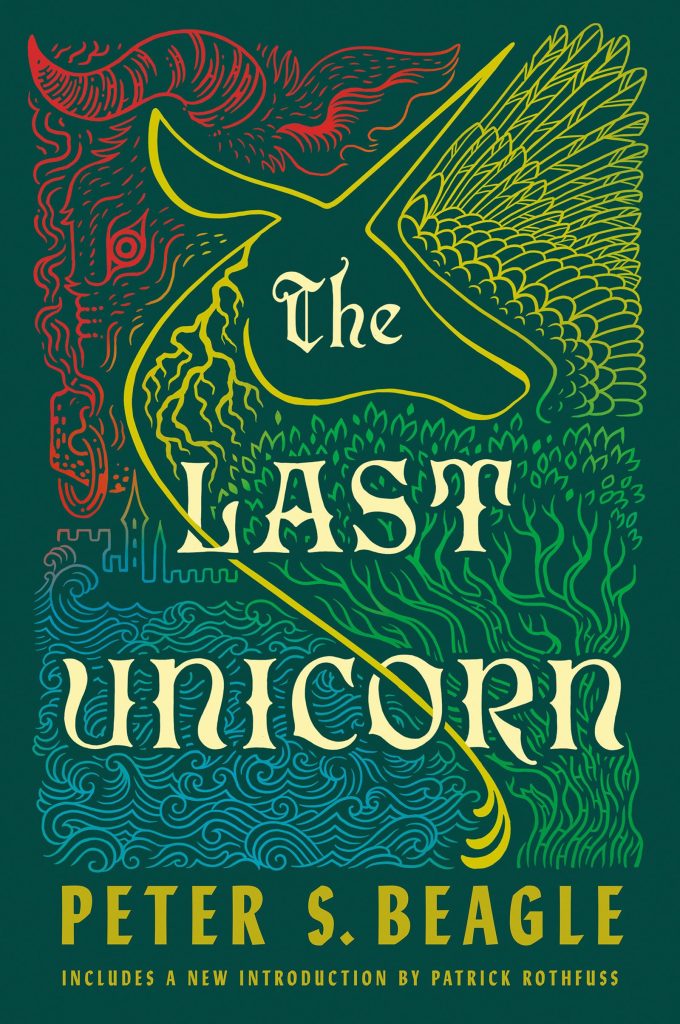
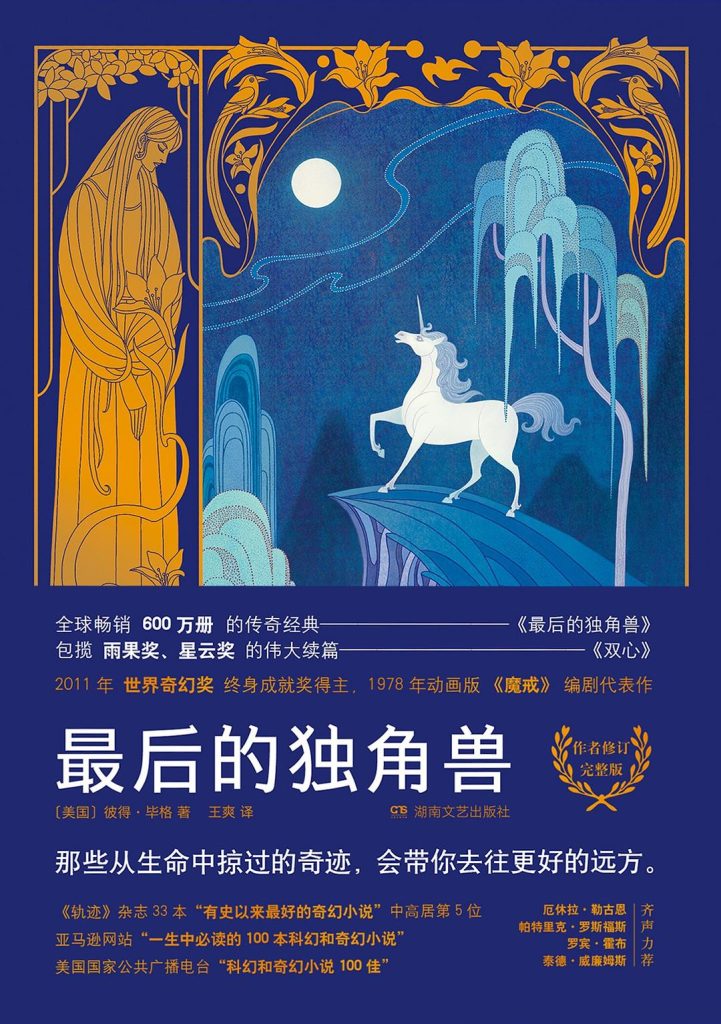
- The Last Unicorn (The Last UnicornThis is his most acclaimed novel, published in 1968, and has sold over six million copies worldwide to date. The story follows a unicorn who believes himself to be the last one in the world, embarking on a journey to find his kind. Beagle uses beautiful allegorical language to explore themes of loss, loneliness, and hope—themes that resonate with both children and adults. The Cornishville Book Guide describes it as “one of the most beautiful fantasy novels ever written.”
- This work occupies a special place at the intersection of children’s books and fantasy literature because it never simplifies sadness or avoids the weight of “loss”—but it is precisely this honesty that makes it the kind of book that “can save people”.
- Creative style: Bürger is also a screenwriter and essayist, but his most cherished identity has always been that of a “fantasy novelist.” He once said that writing fantasy is not about escaping reality, but about “talking about reality in the most authentic way.”
| Birth | Peter S. Beagle | Peter S. Beagle (Wikipedia) |
🗓️ Other Important Person Briefings
| event | figure | Details/Awards | Wikipedia link |
|---|---|---|---|
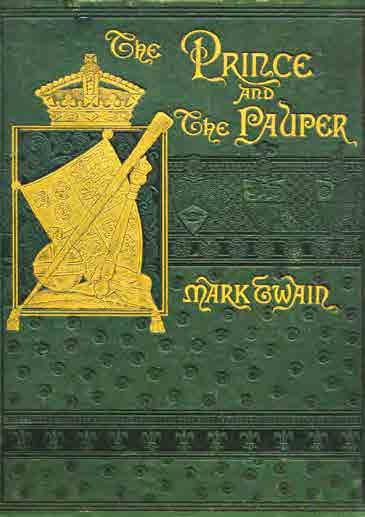
| born | LS Ipsen (LS Ipsen) | American illustrator. He illustrated Mark Twain’s works. The Prince and the Beggar (The Prince and the PauperThe illustrated version is included in “1001 Children’s Books” and is known for its delicate historical atmosphere. | LS Ipsen |